



















Coolant analysis involves evaluating coolant properties such as pH, glycol content, inhibitor levels (nitrites and organic acids), and metal contamination to assess cooling system health and prevent engine failures, as improper coolant maintenance contributes to at least half of all engine failures.
Coolant Analysis Testing Techniques and Best Practices
Added:Basic principles of heat transfer and thermodynamics, specifically how liquid cooling systems regulate temperature in internal combustion engines and industrial machinery.
Fundamentals of chemistry, including pH scales, electrochemical corrosion, oxidation, and the chemical differences between water and glycol-based fluids.
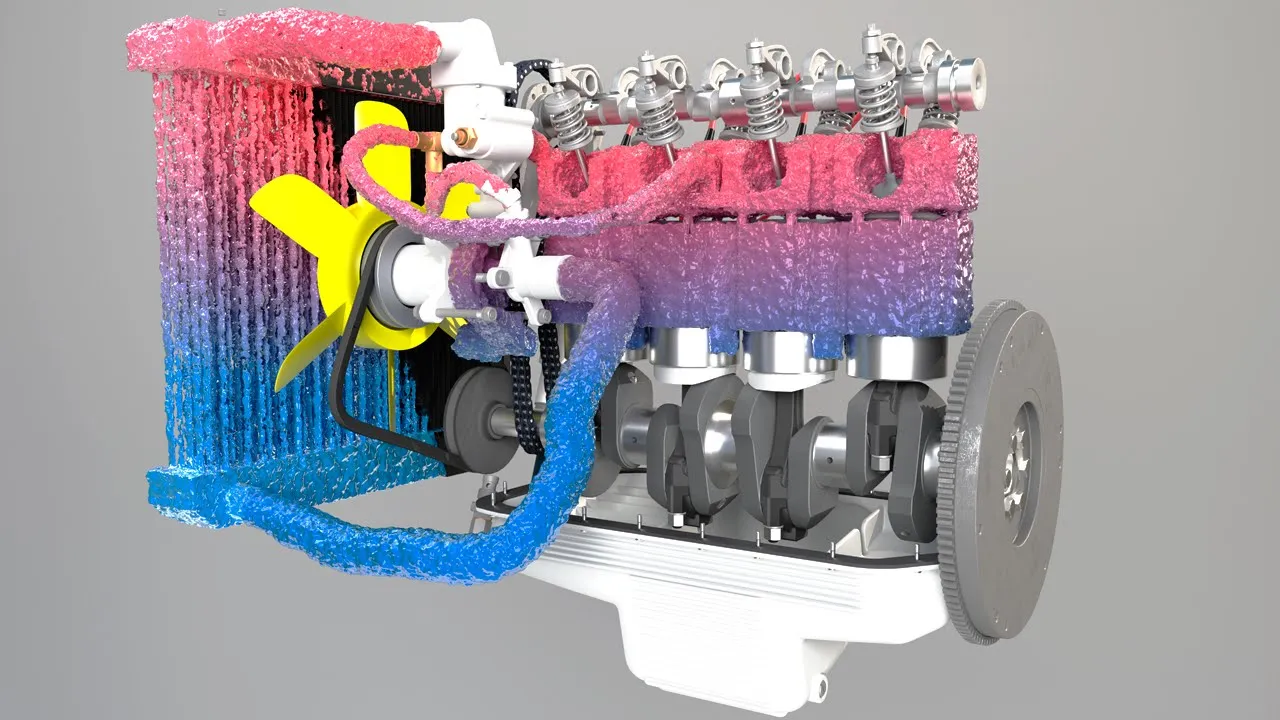
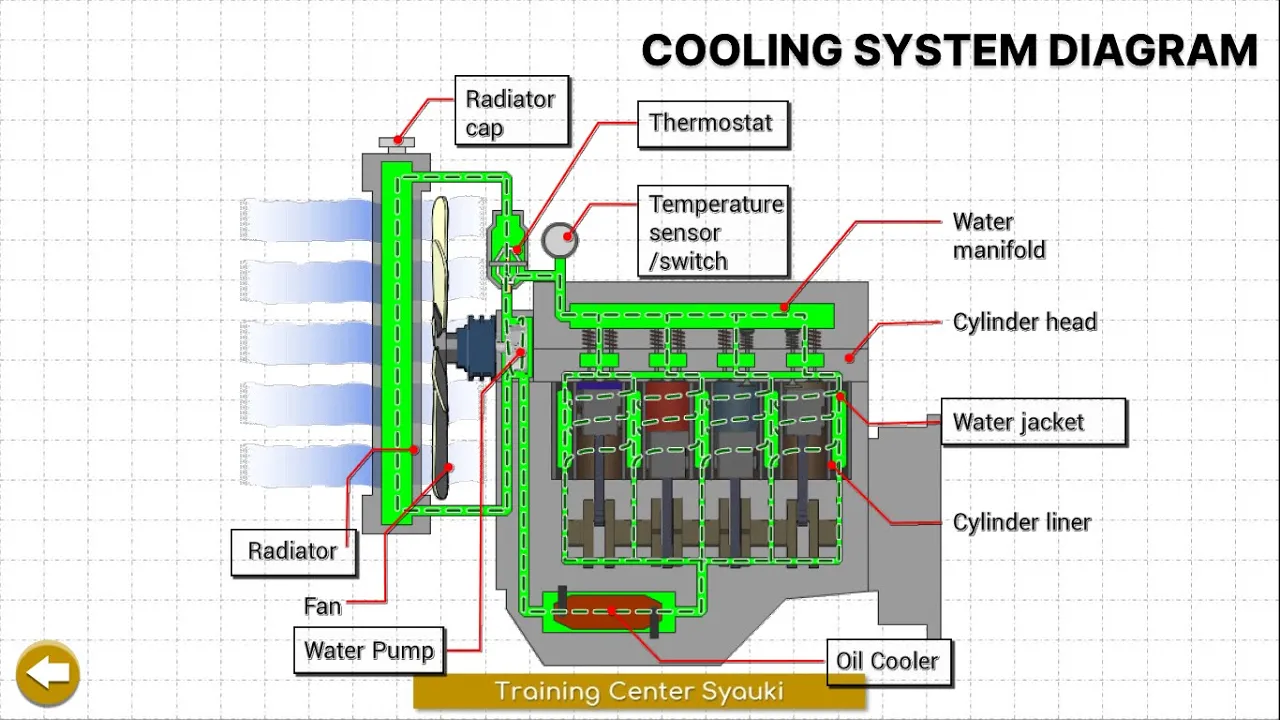
Understanding of common engine cooling system components, such as the radiator, water pump, thermostat, and cylinder jacket.
Basic concepts of preventive maintenance and the purpose of fluid condition monitoring in industrial settings.
Advanced analytical chemistry techniques used in laboratories, such as Inductively Coupled Plasma (ICP) spectroscopy and Ion Chromatography (IC) for elemental coolant analysis.
Root cause failure analysis (RCFA) to diagnose specific cooling system failures, such as cavitation erosion, scale buildup, and solder bloom.
Design and integration of real-time, in-line sensors for continuous coolant health and temperature monitoring in smart machinery.
Environmental regulations, safety protocols, and sustainability practices concerning the disposal, recycling, and formulation of industrial coolants.
3.4K views71likes1:14:18Original Release: 2020-07-23
[Music] [Applause] hello everyone thank you for joining us today for our als webinar wednesday series my name is kelly hall i'm a marketing coordinator for als north america and i'll be facilitating the webinar today before we begin the presentation i do have a few helpful notes if you are having technical issues with our webinar platform or any questions type your message or question in the chat pod at the bottom right you can also select the hand icon to notify me of your status and i can assist you all questions regarding the webinar material will be answered at the end of the presentation our presenter today is gary blevins gary started his working career as a diesel mechanic for mercedes-benz trucks in south africa in 1988 he graduated with a certificate in mechanical engineering he he joined where check africa a commercial oil analysis company as a diagnostician responsible for evaluating the results of oil samples taken from machinery and then making recommendations for action based on these results in 2001 he relocated to saudi arabia to manage a fluids analysis laboratory primarily for caterpillar equipment gary joined als in perth western australia in 2005.
now he lives in cleveland ohio and oversees the technical operations of als tribology laboratories in north america gary thank you for taking your time to deliver this presentation today i will go ahead and turn it over to you hi everybody and thanks for joining us today um the title of my conversation of my topic today is coolant analysis and what i'll be doing is going through and going into a little bit of detail about coolants and the analysis that is performed on coolants and the format i'll be following through with this presentation is first of all i'll be talking a little bit about the history and evolution of coolants how they have changed we will then discuss some of the formulations that are found in common or typical coolants and from that we will lead into the testing of these properties and then lastly we will look through some actual reports and just discuss what we can see with the analysis that has been performed on the coolants all right so starting up first of all i've got to figure out how to make this go down um where is the button to move the slides forwards kelly for some reason i'm not seeing it you can use your arrow thank you um and that's located on the bottom sorry i tried enter all right thank you located though all right so originally um engines were primarily air-cooled and it soon became apparent to people building engines that they needed something a little bit more robust than just allowing air to cool the engine and water started to become used as a as a coolant medium the original coolants were principally water and they may have a little bit of glycol added in winter to try and prevent freezing but essentially they were a true coolant in the sense that they were there to cool the system but they did not have anything in them to try and inhibit corrosion of the system so as it became apparent that just having water running in the engine would lead to corrosion developments of coolant started to happen probably the the first real coolant started to arrive in about 1950 uh and these would be water glycol mixtures that would contain some sort of inhibitor additive to try and stop corrosion from taking place and the evolution started to move quite rapidly from then and what we had been made were what we would now refer to as conventional coolants but conventional coolants are coolants that contain an inhibitor additive that works by trying to prevent oxygen from coming into contact with the metal surface so corrosion is a chemical reaction that occurs when you have got a metal water and oxygen available and essentially the oxygen combines with the metal to form your corrosion rust if we're talking about iron and these additives would try and break this chemical reaction from occurring principally by scavenging the oxygen so as soon as the chemical reaction started to occur this inhibitor would react with the available oxygen and prevent the corrosion from moving forward and basically stop it so these additives because of the way they work are what we would refer to as a sacrificial additive and what we mean by sacrificial is that they get consumed in service so you put the coolant into service initially all these additives are available to work but as the coolant is being used in the system and reacting with oxygen the editors start to become inactive and so you would need to change these coolants quite frequently just to replenish the additive levels in there towards the 70s early 80s they started coming up with with additives that could be added to the coolant in service to try and extend its life these were normally a liquid in a that you would pour into the cooling system another popular method was to have like a spin-on canister that sort of looked like a filter but inside that canister was the inhibitor additives you would have this screwed on and plumbed into the coolant system and coolant would flow through it and slowly draw additional additive out and into the cooling system to extend the life of the coolants the problem and also these coolants tended to be manu made on site so in other words a person would buy the concentrates and then mix them with water on site and put them into the cooling systems the next sort of evolution of this came along is that what was found is that people were generally not very good at formulating these coolants uh they would tend to think more is better and so they would tend to overdose the coolant with additive the other problem was that the water may not be of the right quality that we need for the cooling system so we will generally be using drinking water which contains dissolved salts and that would then also affect the functioning of the cooling system so from about the early 1990s we started to see a switch towards pre-mixed coolants where essentially you wouldn't buy the concentrate and then make the coolant on site you would buy the coolant fully formulated uh in a premix form and you would just pour it straight into your cooling system and this solved the problem of the correct dosage rate it also solved the problem of the wrong water being used um and that then sort of became the main conventional coolant that we would see in use ah finally got the slide to move um around about the mid 90s we started to see a completely new technology coming into the cooling space and these were normally referred to as extended or long life coolants and these were coolants that were meant to be a fill for life type coolant where instead of having a coolant that needed to be re-advertised at intervals um could essentially be put in the system and left and work continuously in the system and typically for the life of the system the principle that these coolants worked on is that instead of using a sacrificial added turf or inhibitor they used a barrier technology essentially the additives in these coolants uh and they were the editors were normally or some form of organic acid would coat on the metal and basically played out on the metal and prevent oxygen from being able to penetrate the layer and come into contact with the surface and this would then stop corrosion from taking place so there was a lot of interest in these coolest when they first arrived because there's a lot of hassle and looking after cooling systems and this certainly took away a lot of the hassle factor however these coolants didn't seem to work out as well as expected we did find corrosion was still occurring in engines that were using these coolants and and in some cases you would even have um accelerated corrosion more serious than what we had seen um on the conventional coolants this was eventually attributed to a number of factors but one of the main factors was is that this barrier that forms from the organic acids can be disrupted particularly if there's vibration or aeration occurring in the system so that led to what we now call hybrid coolants and a hybrid coolant is simply a mixture of an acid organic acid uh formulation with something of a traditional inhibitor formulation sacrificial inhibitor formulation and you're basically trying to obtain um the best of both worlds so barrier works 90 of the time but the 10 of the time that it gets disrupted the conventional process will still prevent corrosion from taking place excuse me all right moving into a little bit more detail on the coolant formulations uh coolant is generally starts with water water is still one of the most popular means of providing coolant because water is very good at transferring heat its ability to absorb heat energy and to move it through a system and dissipate it through a cooler is very effective compared to a lot of other fluids and this is why it is still a very popular um coolant type that we see being used in engines and and even into um increasingly with ev vehicles the batteries and the charging systems also need to be cooled and we're seeing the same sort of thing happening where they're using water-based coolants to provide this cooling on on those vehicles so we start with water excuse me a minute to um keep the throat working so we start with water and then we will mix it with glycol the it's it's historically ethylene glycol was the main glycol used increasingly we're seeing uh propylene glycol uh being used now essentially both of these are to try and provide freeze protection for cold environments in winter and also some assistance in boil protection to try and raise the boiling point of the fluid the general ratio of water to glycol is generally 50 50.
nearly all coolants will will be prepared at that dosage rate we will then add our inhibitor package so whether if it's a conventional coolant we'll be using our sacrificial additives if it is a uh organic acid it will be using the organic acid inhibitors or it'll be using a combination of both and and increasingly we're seeing these hybrid coolants becoming the dominant coolant type that we see being used now and then lastly you put a dye into the coolant and this is just purely to give it an identifiable color um there is a range of different colors that coolants can be dyed but the dye itself doesn't provide any benefit to the coolant it's just merely a means of being able to give it a specific color so that we can identify it just through convention there's no real rules about this but just what we tend to see happening is that conventional coolants are generally either dyed green and that's probably the most popular color for a conventional style coolant they can also be purple blue pink those are typically the colors that we're seeing conventional coolants being dyed the hybrid or long life coolants are typically red is a very popular color orange is a popular color yellow and blue are also popular more in the european uh market than then in north america um something else that can be done with the dye is that there are some coolants where you get a color change that can be triggered by the dosage rate so you can get a sense of whether or not your additives and your water is in the correct ratio based on the color there's a color change if there's too much water or not enough water in the in the coolant some of the coolants will also contain a floss fluorescent uh dye that makes it easier to identify coolant leaks so if you've got coolant leaking out of the system the coolant may boil away but it'll leave some of the gnar behind and these can be spotted using dark black that type of thing um conventional coolants have a wide range of additives that they can be present in them and normally there'll be more than one uh sodium nitrates is probably the most common inhibitor we're seeing in use in conventional coolants these are very effective at preventing corrosion on iron so excuse me again sorry about this but sodium nitrite uh doesn't work very well with aluminium systems so if you have got aluminium you tend to find silicates is more common in the in the conventional coolant space so sodium nitrate as i said is the most common um and monitoring and nitrate uh depletion and a coolant is a very essential part of monitoring the life of these coolants and making sure that they still work effectively um on screen we've got a little dip strip type methodology that can be used this is very useful for a workshop or field environment for checking the coolant state in the lab we will use redox reactions or or other methodologies for measuring exactly how much uh nitrite is still there and how much has been converted to nitrate essentially what's going on for people unfamiliar with this is that you will dose the coolant with sodium nitrates when nitrite reacts with oxygen and becomes nitrate just basically means it's got an extra oxygen added to the to the molecule and monitoring the conversion once it becomes nitrite or nitrate it's no longer effective in the system so by monitoring both compounds we can see the conversion rate from one to the other um if you have a engine that is primarily aluminium rather than cast iron then the sodium nitrate doesn't work very well and so these tend to use a silicate inhibitor and so you tend to find that these tend to have fairly high levels of of silicone and they are silicates in the coolant um to prevent corrosion there are problems with using silicate-based coolant so i'll get into those a little bit more detail in the next few slides um your extended life or long life coolants these will often advertise the fact or easily identified by the fact that they will advertise that they do not contain silicates they do not contain phosphates or borates the reason they are advertising this is that this the presence of these additives can form solids in the coolant and this is the problem that i was referring to earlier when i was saying that people were overdosing the coolant if you have too much additive present it will tend to crystallize and it will form hard deposits these can be abrasive and they can also block the system and so the for the formation of these compounds is not desirable in a cooling system anybody working with cooling systems for any length of time would have come across a cooling system that's full of a green gungish type sort of material and that's the silicates forming or crystallizing within the system so as i said earlier the main reason people tend to promote the use of these coolants is the fact that it it can be a hassle-free coolant you put it in you don't need to worry about it again um what is actually in the in uh in the uh coolant to provide your corrosion protection is some type of organic acid there's a bunch of them listed on screen here um the generally the first three are the ones that are most commonly found in these type of coolants um they provide protection against corrosion for iron copper and aluminum which are your your main metals that you'll find on your cooling system there is several more that can be used and and different coolant manufacturers will use these compounds and different dosage rates and different mixtures depending on what they believe works best for a cooling system so there is some variation from one coolant to another but essentially it is a organic acid that has been put in there um that is forming a a barrier on the metal to try and prevent the corrosion from taking place can we mix a coolants and the the simple answer to this is no we really shouldn't mix two different coolants together unless we properly understand what it is that we're dealing with and what the chemistries are that we are working with so as a general rule strongly recommend to people that we do not mix coolant unless it is a emergency situation we have no choice but to keep a system running you have to put in a different coolant when that occurs recommend that at the earliest opportunity we need to drain what is in the cooling system and refill with whatever is the main coolant that you would typically use in the system just to get that mixture out of there the problem is that the because different coolant manufacturers use quite different chemistries in their coolant when we start mixing these together we can get reactions between these additives and these reactions can be unpredictable um unless we properly understand the formulation of each of the coolants so the general advice is not to mix coolants if at all possible the hybrid coolants um are literally a mixture of organic acids and one of this or one or more of the sacrificial type uh inhibitor additives and the most common one you will find in there is is sodium nitrate um this is particularly common if the coolant is intended to be used on an engine that's got cast iron cylinder heads cast iron blocks um they are other inhibitors that will be used if we're dealing principally with aluminium components sodium nitrate is not very good at protecting aluminium particularly at higher concentrations it can become problematic to the system which kind of suggests that we need to be careful as to what coolant we're using into what system to make sure that they are compatible with each other um just something that is to to bear in mind is that one of the common threads that we see occurring with with engine technology in particular is the drive to make more power from less basically engines are tending to get smaller and power is tending to get larger and this ultimately means that we're dealing we're generating to generate more power we need more heat so we've got systems that are getting hotter producing or capable of producing a lot more heat to produce the power output that we want and that means that the cooling systems are having to deal with higher heat loads particularly under peak load conditions than what they may have been dealing with historically sorry i have to keep taking a sip of water to try and keep the throat working so a number of research bodies have looked into uh what causes failures on engines and most of these conclude that at least half of engine failures can be attributed back to the coolant and in my personal experience i've seen it probably rated even higher than that often we'll have an engine that has failed possibly it's failed the bearing for example but when we strip the engine down and examine it we'll tend to find that there was in fact a corrosive problem in the cooling system that should allow coolant to leak into the engine oil which had ultimately caused the bearing failure so the the origin of the failure was through a poorly maintained cooling system moving on to the testing that we do um there's a range of physical tests that we can do to the coolant to understand the physical condition of the coolant um no particular order of importance but we've got on the list just starting with the ph and again i'll go through detail of each one of these tests on on the future slides but essentially we measure the ph value we can measure things called reserve alkalinity we can measure the glycol content chloride content nitrite content conductivity and and the quantify the organic acids um that are present in the coolant we can also look for contaminants uh in the cooling system to see anything that might be getting in there that shouldn't be in there and then importantly is to monitor corrosion if we can monitor the metals that are present in the system if we see those metals starting to be dissolved into the coolant that is a strong indicator that corrosion is occurring within the system all right ph um water that we start with has a ph of seven we will put additives into this coolant generally those additives tend to be more alkaline um and so what we see is that the overall ph value of a coolant tends to rise above seven to somewhere around about eight so most new coolants when we test the ph will test somewhere around about eight on the ph scale um and it should be stable the the most important thing to be aware of of your ph value is that you want it to run somewhere between seven to eight possibly as high as 8.5 but you really don't want it to go much higher than that and you certainly don't want to go much lower than that it should also remain very stable so if you keep checking the ph over extended time frame whatever its original value was is that's what you wanted to stay at if you see changes in ph it's indicative of something happening to the system that could be contamination or degradation of the coolant taking place or a combination of those things but as soon as we see shifts in the ph value that's is a very early warning indicator that this coolant is not working very well in this environment and something is going wrong with this particular cooling so for our conventional coolants the older style coolants somewhere between 8 to 10 would be a typical range you very seldom see them as high as 10 nowadays all the newer formulations tend to run between eight to nine maximum um and unusual to see a coolant go up to ten now for your longer life or your hybrid coolants generally they're running between the range of 7 to 8.5 and more typically around the value of about 8 would be a sort of a typical value of what you see the the coolant ph and as i say ideally whatever its starting value is it should remain at that value we don't want to see changes in the coolant over time very common measure done on cooling systems is to quantify the sodium nitrates because this is your principal inhibitor additive that's used in most coolants any heavy duty coolant will invariably have sodium nitrate as part of its chemistry um it's just very effective at preventing uh corrosion of cast iron or steel components in the cooling system as this additive gets consumed um we will see a drop-off in the nitrate value and you if you're monitoring the nitrates you'll see an increase in the nitrate uh quantification so it's just really good to see how the inhibitor is being used if you see a rapid depletion it means that the there is something that's trying to drive a lot of corrosion on your cooling system and this means two things that you may have a problem with the cooling system and maybe running too hot or over stressed it could also mean that the whatever else you have in that cooler that should be inhibiting corrosion is not working so if this is a hybrid style coolant it means that the organic acids are not doing their job this could be through cavitation this could be through excessive vibration it could be through electrical current there's a range of things that can cause this to happen but it's an early warning indicator that this coolant is not surviving very well in that environment all right we measure the organic acids principally by using iron chromatography or ultra high pressure liquid chromatography basically these are complex instruments they are laboratory grade equipment it's not something that's easily used in the field environment but it can quantify and particularly importance for for coolant monitoring it can quantify the organic assets for us and this enables us to see things like is there a mixture of coolants being put into use um are these uh additives being removed from the coolant um this would indicate that there's some sort of stress going on in the coolant so it it gives us a snapshot into the into that aspect of the physical property of the of the coolants we do an elemental analysis mainly for the metals we can also look at some of the additive chemistry directly so these uh the main elements that we're monitoring are things like aluminium iron copper and lead these are the metals that are most commonly found in cooling systems and if we see an increase in any of these elements it is an indication that corrosion is taking place in the system so even if all the other properties look good on the coolant if these are increasing we have corrosion there is something causing corrosion within our cooling system reserve alkalinity is a measure of the coolant's ability to absorb acid acid the the coolants don't normally get exposed to much as you know acids in from the environment that type of thing but there is one potential problem with the coolant and is that your glycol when it degrades glycol can thermally decompose and it will start doing this as low as as sort of 80 degrees celsius when this degradation happens or thermal degradation occurs with glycol it does tend to produce acid components so some coolants we know that we're going to see thermal degradation of the glycol we know that acid is going to be formed so we need to buffer the coolant to absorb that acid to prevent it causing any sort of acid corrosion in the system the reserve alkalinity is a means of measuring that buffering potential um and the how much buffering the coolant can take it depends very much on the chemistry that the the formulators put into it so we do see a range of potential values that could be reported conventional coolants generally have higher ra than than the newer hybrid or long life coolants but essentially what you see on screen 8 moles to 20 mils would be typical for for an older style conventional coolant 2.5 to 5 mil will be what you would see for the for the newer style coolants um enough themselves it's it's just telling us what the coolant's ability is to absorb acid it doesn't necessarily tell us the coolant's ability to stop corrosion so you may still have very acceptable um reserve alkalinity of a coolant but if if the inhibitor additive say sodium nitrate has been consumed corrosion will still happen the ra itself will not inhibit corrosion in the system conductivity is something that's really quick and easy to measure on the coolant and the reason we measure it is that the chemistry in the in the coolant is going to provide a certain level of conductivity in the cooler generally pure demineralized water is very poor conductance it the electricity just simply won't flow through it easily um as we start adding things to the water the conductance increases um so the first thing we need to establish is all right we've got a new coolant what is the typical conductivity of this coolant then we look for changes and if we see changes and generally the changes that it increases we see increasing conductivity in the coolant that could be through contamination of the system and a very common cause of this is contaminated water being added to the system so if somebody's just drawing tap water and adding it to the system that will definitely drive up the conductivity so that is a very quick way of identifying that particular problem occurring in the coolant it can also change as chemistry changes and so again it's another easy way to tell that some sort of chemistry in the coolant is changing and this could be a precursor to bigger problems in the cooling system turtle dissolve solids is a measure of how much solid content has been carried around by the coolant the principal way to do this is to filter out the solid particles and then weigh how much solid material is filtered from the coolant you can also do it by using what they call a tds meter a tde s meter is a a version of a conductivity meter that measures conductivity and then converts it to a total dissolved solid content number be aware that this number doesn't correlate very well to an actual filtration methodology and that's just inherent within the formulation of the coolant it does tend to interfere with the measurement but at least if you trend it you can get a sense of um if this is going up or down obviously having solids in your coolant is not desirable it'll wear moving components like your water pump and also it can start to block narrow tubes and pathways etc uh measure of hardness this is basically just measuring your your calcium carbonates or your other carbonates in the water and this is tenders these are found if people are using say tap water or drinking water you will tend to have these present they are important for human health you don't want to drink water that does not have these but they are not beneficial to a cooling system and can lead to deposits and that's your main concern with having calcium carbonate uh or any of the other carbonates in there is that it will deposit in the system i have a slide a little bit further on that will show more detail on that but there you've got a typical picture of of what kind of deposits out from these when they are present in the water and so they occur naturally in water so if you if you take water right over river stream um you will find it's quite high in in these um uh deposits and this is a purely natural process but unfortunately when they are in the cooling system they will tend to be deposited out and they will tend to form a very there's dystrophy problems first of all it's reducing the flow because it's taking up space and then the second problem is also very good at insulating and doesn't allow easy heat transfer through the surface so it inhibits the ability for for heat to be managed in that system so different engines and engine manufacturers have different levels is what they believe is acceptable for this so we've got a couple on screen there basically some engines are more sensitive to it than others so it depends on the design of the cooling system design of the radiator system as to how much it can tolerate but as a general rule you want to try and reduce your your hardness as much as possible and try and have as little dissolved solids uh content in your coolant as possible which means we have to use high purity water when we're making up or topping up a coolant system so water is is very good at dissolving this material as i'm saying and is if we are just using you know even even rain runoff water may contain some of this so we just need to be careful as to where we're sourcing water from to go into cooling systems all right antifreeze or glycol is added um in principle and originally glycol was added to cooling systems to prevent freezing we you know anywhere anybody living in the in particular the northern hemisphere will be familiar with with how cold winters can get and the fact that water will freeze at typical overnight winter temperatures so we needed a means to prevent this water from freezing and glycol was just a very simple easy methodology to do this there are two main glacials and use ethylene glycol has been used for a long time propylene glycol is becoming more popular now the main reason for the switch is propylene is glycol is less hazardous than ethylene glycol so it's all about the toxicity is what the concern is they both work in a very similar way within the system glycol can degrade and this is a natural process and is one of the things that will limit the life of a cooling of a coolant is that your your gluco will tend to thermally degrade over time within the system the hotter the system the more quickly it will degrade so if we see glycol falling away rapidly that would tend to suggest that the coolant has been subjected to higher temperatures than what what is ideal um essentially when it is breaking down one of the degradation products is naa ammonia and if you smell ammonia coming off your cooling system it's a very strong indicator that this degradation is happening other things that we will see from an analysis side is we will notice that the glycol content is dropping away one of the products is water so you don't necessarily get an overall loss to the cooling system the glycol is converting itself to water in the system so it seems kind of magical sometimes that you just slowly see glycol disappearing but you don't seem to lose anything out of the cooling system the other thing we will see is that the ph value will drop because um the the compounds that are being formed as the glycol degrades are acidic in this slide is a little bit about the the difference between ethylene and propylene and the fact that propylene is is considered less harmful as a toxin and and this is why there's a strive to start using it however i would caution that coolants particularly because of the inhibitors and everything else that's in them should generally be considered as a hazardous or toxic material i certainly wouldn't recommend just draining it into a into a waterway or something it should always be treated as potentially harmful material and kept containerized and marked clearly and not allow uh pets and things to drink it um measuring glycol is most commonly done by measuring refractive index of the coolant uh as we add glycol to water it changes this react a refractive index and by measuring the refractive index you can then calculate how much glycol is present uh in the fluid it's it as i say most common way that it's done you can get little handheld devices like shown on screen and these can easily be used in a workshop environment for checking coolant to make sure that the concentration is correct why we don't just use pure glycol instead of water is because glycol is not as effective as removing heat from the system as water is so a mixture of glycol and water it's not as good as water but it's not as bad as glycol and so we get to a compromised position that we can run with um and that's essentially what this this slide is trying to explain to us is just showing that water has a value or a calorific value of one um it's just it's water as a base unit for the sr unit system um and then glycol is 0.58 or nearly 0.6 we can say in round numbers so it's only about it's 60 is efficient at moving heat around the system as water is when we mix it with water and black altogether at 50 50 we end up with something that's about 0.9 so we only lose about 10 percent of our heat carrying capacity but we gain the benefit of it not freezing and this is why this is the most sort of common uh ratio that we will find your water glycol contents in a little bit more detail on the freeze point uh essentially what glycol does is it it um prohibits the formation of ice crystals in water so it it stops the water from crystallizing and forming ice and the more glycol you have the more this effect takes hold and so what you can see on the left-hand side of this chart is that we get the steady decrease in the freezing point as we add more glycol but once we get much above 60 percent we see an inversion and basically what's happening is the whole chemistry has changed we've we've now got water and glycol rather than glycol and water and that changes the behavior of this compound and we actually see an increase in the freeze point again so once we reach about sixty point sixty percent there is no real value in adding more glycol to the cooling system to try and lower the freeze point um you're not getting that much benefit anymore and you start reaching a point where you can actually start going the wrong way at 50 50 we generally are down to -35 fahrenheit as our freeze point that should work for most applications if you need to go below that i would suggest speaking to whoever you source your coolants from and start discussing what can be formulated to work at lower temperatures um and it's it's something that shouldn't be taken on just lightly we you would need to do research to establish what will actually work at the kind of temperatures that you're going down to if you are going down to much below say minus 50.
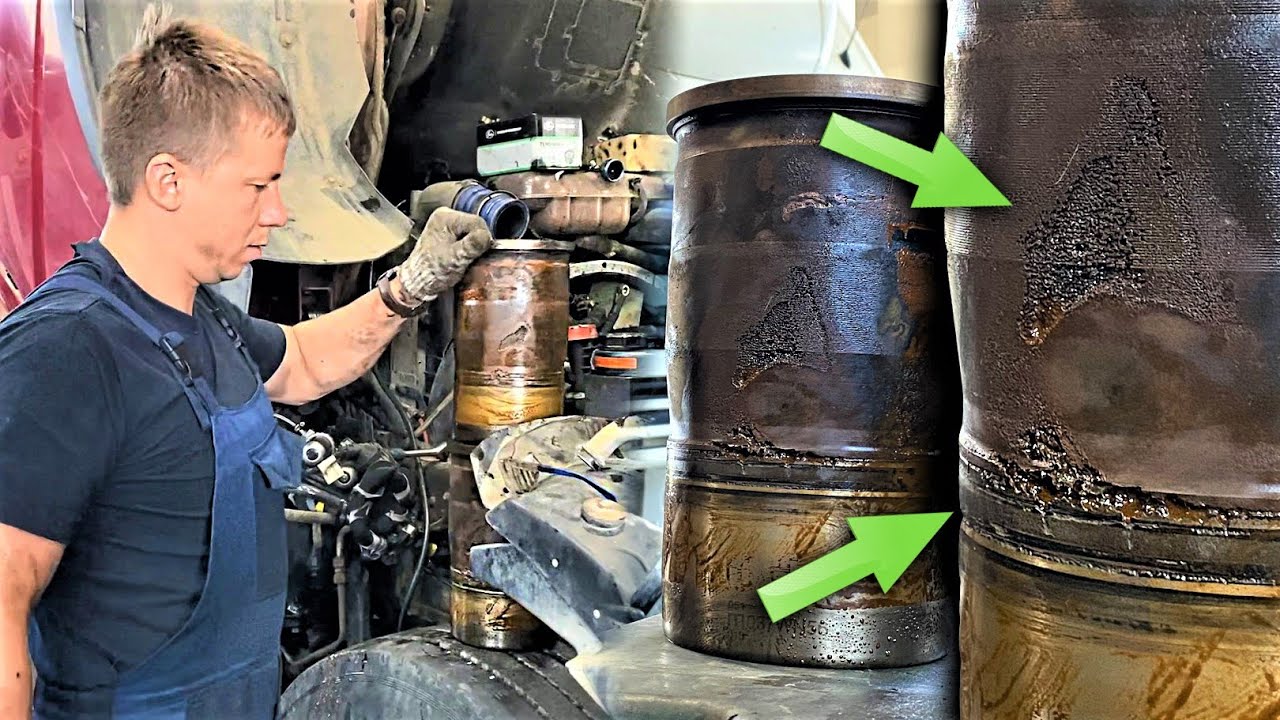
uh how to take a coolant um one of the things to be careful of with cooling is a is hot and b is under pressure so the main method for taking a sample of coolant should be through a dedicated sampling point or valve on the system that allows you to bleed off some of the coolant in a controlled manner from the system there are a number of different types of valves on the market or installed on on equipment for this purpose [Music] some of them use a screw-on fitting some of them will use a push-on fitting the methodology for actually taking the sample will depend on the type of sampling valve that's installed but essentially please follow the instructions on how to do this it is a potentially risky uh activity just simply because of the heat that this coolant can be at when we are taking the sample if the system does not have a sampling valve and if you're sampling a cooling system on a regular basis i would suggest installing a valve to take samples but if you do not have a valve then to take a sample we're going to need to depressurize the system and the system is pressurized thermally the the heat is what causes the system to build that pressure so to depressurize the system we need it to cool down so you're going to have to shut the system down allow it to cool and once it's come down to close to ambient temperature we can then start to open up the system to take a sample we need to be careful in this process as he would often be some residual pressure in the system even after it's cooled down and we need to make sure that we have a large sufficient time for the system to cool down before opening up the system we do not want to suddenly release the pressure because that could trigger boiling of the coolant when we do that and that potentially could even damage the equipment itself the other problem with sampling this way is it's we need to ensure that we're getting coolant out of the main coolant circuit so it means being able to get into the main radiator or heater tank or something like that to draw coolant we don't want it we don't want to draw coolant from the overflow tank which may not be used that much so the coolant and the overflow tank might look good but in the main system may have a problem we need to try and access the the coolant from the main system and again this is another reason why i would suggest using a valve is a lot more effective than than trying to just open up a system and draw a sample if we are drawing a sample without a valve and we're using one of these um handheld little vacuum pumps to draw the sample into the bottle uh these are often used for taking oil samples please be careful not to use one that's been used for oil samples for taking a coolant sample as the is a risk that oil that is inside that vacuum pump may get into the coolant sample and will show up in the analysis as as potential oil contamination of the of the coolant all right what tends to go wrong with cooling systems um basically having the incorrect glycol content inhibitor concentrations using the wrong water and then general problems with the coolant system itself where the coolant system may not be working effectively because of a particular problem with the cooling system if we don't maintain our cooling system there's a whole range of problems that can occur from this and the main issue is that we increase the risk of a catastrophic failure of this piece of equipment um incorrect uh coolant temperatures tend to lead to seizure of components and physical damage of components which can lead to complete failure of the piece of equipment so we really want to make sure that our coolant systems are managed effectively and and on a healthy condition all right things that cause coolant to degrade a very common problem is that the coolant becomes uh contaminated and the most contaminate common contaminant is just plain tap water people topping off a cooling system with water drawn from a front drinking tap it introduces your your chlorides and that type of thing into the system which then begin to play it out it will also dilute down the the additives that are in the coolant as well as the more water we add um you you lead to a coolant that is no longer advertised sufficiently for for the application uh cavitation and pitting of liners is a particular problem that we see on some engines but basically what we've got is is air bubbles forming um against the side of the liner and there's there's one of two mechanisms that produce these some of it is because of air being pulled in and moved around the system just from the way the coolant circulates and basically what you have is is a water air mix being shot against the liner and you've got these air bubbles hitting the liner another more common problem though is vibration um the the um firing of the cylinder generates a shock wave through the liner and that shock wave then can generate bubbles off the surface of the liner and bubble them away and this is this is fairly common on some engines as a particular problem now when this cavitation occurs this bubble tends to break away barrier protection so your your organic acid style coolants are particularly susceptible to this issue and you will tend to find a lot of pitting at the top end of the liner occurring because of this and once we form a pit you tend to have an area where the chemistry to form corrosion it becomes ideal and so we tend to form more corrosion inside the pit and the pits steadily get bigger and deeper and actually can start to channel into the surface so here we have an example um you can see that this pitting is occurring in a vertical line and that would tend to suggest it's flow related the the most likely that is the leading edge of the flow reaching the um the cylinder um but the fact that it's also towards the top of the cylinder also suggests that vibration is playing a role um and forming these pits now as i said one of the problems that tends to occur is that you get these ideal corrosion conditions is one of those bigger pits and it starts to tunnel it will literally drill right through the liner until you get water transferring into the inside of the cylinder from this process um there's these three types of corrosion that tends to be generated inside a system we've we've got electrolytic we've got galvanic and we've got crevice corrosion um what type of corrosion is occurring just depends on what's going wrong with the cooling system or with the system as a whole your electrolytic is generally driven by stray current we have electrical systems that are attached and bolted onto our engines if that electrical system is not earthing correctly or has some sort of electrical leak that will then allow electrolysis to be driven inside our cooling system and depending on the nature can can be potentially serious new electrical connections and grounding is is important to try and prevent this type of corrosion from occurring so one of the side effects of having straight currents in the coolant is that it will degrade the glycol and this is where your ammonia becomes pretty noticeable so again if you get a strong ammonia smell coming from the coolant particularly if you open up the system to check levels and top it up etc and you notice an ammonia smell this is one of the common causes it's either the coolant is being heat stressed or you have got stray current being driven through the coolant that's causing this process and from the testing we will tend to notice a drop or a rapid drop in the glycol content in the coolant your galvanic corrosion generally this is a design problem if the system is designed probably this shouldn't be an issue but it's essentially where you have got dissimilar metals that have been bolted together you can get uh electrical potential driven between them and this can kind of drive a a a corrosive action through the flow of electricity from just simply bolting these two bits of metal together to be honest in most installations this is not a big problem but we have got a sort of custom built equipment this could be a problem um and in the marine world this is particularly problematic because there might be salt water and part of the systems and saltwater is particularly good at driving this kind of corrosion uh crevice corrosion is very similar to what i was talking about with pitting is basically where you get a corrosion starting at a point and it just keeps driving through of course we tend to notice this more where we've got a water trapped in an area that it shouldn't be trapped and that's the examples the showing on screen with with bolts and threads that have been eaten away from this just to sort of illustrate what can happen but it can potentially happen in a cooling system if we've got a blocked area where we've got a small content of water or fluid trapped and then this crevice corrosion type action can start up and eat through something and it it can eat through pretty quickly so it doesn't take very long for this to to punch a hole in something um all right some examples of what tends to go wrong um with the coolant now what we're showing on screen here is a formation of of uh copper sulfate um and to do this is we've got copper in our radiator cooler core and if sulfur or sulfur compounds have got into the cooling system they can react to form this um greenish bluish powder it turns white as it dries out obviously forming this is not good in our system it will damage the tube so the copper becomes weaker as a as a process of this reaction and then also this material can become abrasive and also inhibiting water flow by just blocking up tubes and that type of thing in the system we also and this is a more common problem is that we what we're looking at here is is salts that have been plated out so these salts could be coming from dirty water or they could be coming from a mixture of coolants that have been put together where you've got particular silicate uh can react and plate out and form these kind of deposits that are forming in the cooling system the main way to try and stop this from happening is to make sure that you've got the right formulation of your coolant and that you you don't put um tap water or you know you only use demineralized water in the cooling system if you top the system up again this is an example of what tends to happen in the pipe work when you have got uh you know to get the level that we're seeing in this picture we would need something like almost river water being used in the system as opposed to tap water but it's where you've got a high degree of dissolved salts in the water it will plate this material out inside the cooling system boiling point is increased by pressure and we don't increase the pressure very much in a system but the more pressure that we have in the system the the hotter we can make the coolant without it boiling and obviously we don't want the cooler to boil in the system because it becomes very ineffective at moving heat and once it starts boiling so most cooling systems are under pressure to try and raise the boiling point to some degree all right now it's time to go through a few reports and just show numbers on the screen and and kind of what they're telling us what we're looking at here is the first one is a conventional coolant and we can tell it's a primarily a conventional coolant from the from the formulation but what we're looking at this sort of coolant typically this is more of a hybrid style coolant and it should have the sodium nitrate running at about 800 to 1200 ppm and so at sort of the 250 here we well below that um there is no we can see some black material has been deposited out this could indicate that some sort of black oxides are present and some sort of corrosion is starting in the system however we're not really seeing much iron so corrosion itself is probably relatively light at the stage but what we're looking at is a situation that if we keep running this cool coolant like this we are likely to see an increase in corrosion over time so this would be a good opportunity to um in this situation really we need to replenish this so it would just be a drain and refill will probably solve this particular problem all right here we've got a a sample where we can see our nitrates are are pretty strong so it's a conventional style coolant but what we keep seeing in this system is the presence of oil on the surface of the coolant so this would suggest that oil is getting into the coolant somehow and if oil is getting into the coolant it's normally coming through from the oil cooler uh it's the the area where these two come and interact with each other and if you've got a leakage in the oil cooler there's a risk that the oil pressure is higher than the coolant pressure so the oil tends to get forced into the into the coolant however when the system is shut down and the oil pressure drops to zero you can start to push coolant the other way so you may start to find coolant in the engine oil as well in these situations when they describe this as just a sheen it means it's a very thin layer on the surface of the coolant that means it's probably not that much oil but it's an indication that a leak has started of course the other thing we've got to look at is did this happen when they took the sample as it was referring to earlier if they have used one of those sample vacuum pumps that was previously used for an oil sample this could just could be contamination of the sample and not necessarily a problem with the coolant system itself here we have a coolant that has become very hazy now coolants become hazy when we have got an over concentration of additive and the additive is beginning to crystallize and if we look at our uh sodium nitrate results we've had extremely high levels here are running at nearly 4 000 and this is more than likely what has caused the problem is that this coolant has been overdosed uh this has allowed the additives to begin to crystallize and and form solids in the cooling system and so it leads to this particular situation this in when you see this my recommendation is we need to drain and try and flush the system so we we want to drain the coolant fill it up with water clean water run it for a few minutes to try and pick up any dissolved salts we can try and re-solubilize it back into the into the water then drain that water and then refill with the with proper coolant again uh to see if we can if we can clear this material out and so we have an example where we're seeing corrosion starting to happen so we can see that iron has now risen to 12 ppm in the sample and this would suggest that we're starting to see the start of active corrosion in the system what's also concerning is we're seeing a motor deposit of brown particles now these are almost certainly to be iron flakes basically rust that's been carried around in the coolant the most likely scenario is that our inhibitor level is too low this looks like a conventional coolant it's not a it's not a hybrid coolant it's just a straight conventional coolant and we need higher levels of additives to try and stop corrosion in the system so again what we should be doing here is because we're seeing active corrosion we need to flush this material out and then refill with the with the new coolant and then just monitor it closely to see is the corrosion dropping off or is it accelerating if it's accelerating we might want to dig further and see do we have high temperatures or something that is driving the corrosion we're seeing in this in this particular sample all right here we've got more serious corrosion going on so we see much higher levels of iron we're noticing that the sample is now being described as very hazy almost opaque um there's also a lot of brown deposits and the coolant itself has turned brown from this there generally isn't a brown coolant on the market so this would suggest that this coolant is just carrying lots of rust around which is discolored it again our nitrates level are very low again it looks like a conventional coolant so in this situation we really do need to flush this thoroughly now to try and get the the um as much of this corrosive material out there we probably want to fill it with a with a new um coolant run it for a short period and probably drain it again and refill to try and see if we can get this one to come back to normal again all right here we have a coolant that is driving a lot of copper corrosion so iron isn't corroding but copper is now i can also see that our additive levels suggest that this is a conventional coolant and it is extremely heavily dosed with sodium and nitrates uh and a lot of this just converted so it suggests this coolant has been in use for a long time and what i suspect has happened here is that the additive that is inhibiting copper corrosion has stopped working and stopped working quite some time ago and this is leading to the rapid increase in the copper corrosion that we see going on here again the the recommended action on this stage would be to flush the system completely and refill the coolant and also make sure that what formulating coolant are we actually using here um this additive level just doesn't look typical for a coolant system so we probably got either mixtures going on here or or something that has been heavily overdosed but not correct for the application that this uh coolant has been used in here we've got an interesting one what we're looking at is extremely high levels of aluminium in the cooling system the coolness has been described as hazy so it doesn't look clear it's got a lot of the typical additives that we would see in coolant so it looks like a normal coolant but the ph is very high and something we wouldn't normally do on coolant but because of what was suspected to be done here they've tested this coolant for urea and found that there is urea content present so what has most likely happened here is this cooling system has been dosed with def and that is strongly alkaline and alkaline solutions will dissolve aluminium so what we're seeing here is somebody has accidentally put def into a cooling system and this has triggered a very strong uh corrosive attack on the aluminium components of the system um literally when ph is much above 10.5 once it reaches 11 and greater your coolant is literally dissolving the aluminium and this will happen extremely rapidly this is an urgent situation this coolant needs to be drained as soon as possible from the system the system will need to be flushed and checked to see how much damage has actually occurred and then putting the correct coolant back into into service um i have another sample here of a of a very poor looking coolant we've got extremely high iron level we've got extremely hard copper level so a lot of corrosion going on in the system we can see visible rust in the sample and when we look at our additive levels they are very very low so what we're looking at here is what looks like almost straight water in the system whatever uh coolant was originally in the system is long gone has probably been constantly topped up with water until it's completely replaced the original coolant and this has allowed a lot of corrosion to start taking place so again the reaction we need here is very much depending on the on the current health of the system generally a system and this condition is not going to be in good health we need to establish the health of the system we would need to remove this coolant as quickly as possible and we replace it with something that is better suited to working in a cooling system um but normally when i see results like this you're probably looking at a system that's due for a rebuild because it has been pushed too far okay everybody that that concludes my my presentation for this webinar and now open to address any questions that that have come up yes thank you gary uh we will go ahead and open up it up for questions now we did have some questions that came in but um for everyone else please feel free to write out your questions in the chat section at the bottom right we can give everyone a few moments and i'll go ahead and start the questions that came in um the first question was from lawrence he asked mercedes benz used to require special coolants are these really any different than other commercial coolants and are all coolants created equal today all right first of all mercedes-benz are not alone in this situation a lot of engine manufacturers will push use of a particular type of coolant in their systems and my recommendation would be to try and follow that recommendation because they know what material has been used what the it's not only you know whether it's iron or aluminium it's also the type of rubber that was used on hoses and o-rings and that type of thing that can be influenced by the type of coolant that's in there so it's generally safe to follow the oem recommendation when you get questions when you know when there are strongly recommend a particular type or type of coolant be used is this coolant equivalent to other coolants on the market maybe but we would need to establish that the chemistries are the same to before you would be able to say all right we don't necessarily need to use product a as stipulated by the manufacturer product b may also work in there but we would need to establish that the chemistries are very similar before we could make that recommendation and i would suggest caution and in doing that um and and to even in that situation if they appear to be similar chemistry technology i would still suggest maybe doing a trial with only one or two pieces of equipment initially to establish that the coolant does in fact work as well as the original coolant for that particular application we had another question it says how can reserve alkaline alkalinity be measured in milliliters is there a denominator missing or a percentage i think this was around slide 24 or 25.
uh yes kelly is correct it should read milliliters per liter or milligrams per gram um unfortunately these slides came from a training um slide deck and this is something that hasn't been been identified before but yeah we'll need to correct that on that slide no problem thank you also where can glycol based coolants be disposed the city sewer um no jordan [Laughter] um even the uh propylene based coolants are advertised as being um environmentally friendly and less toxic um i would still recommend that they be disposed of in a in a responsible manner there are a number of organizations that are do hazard waste removal and they will generally have programs for common fluids like coolants um so i would suggest moving the fluid into that into that kind of waste stream some may even uh offer recycling facilities so so some people may be able to extract the glycol from the coolant and things like that so that it could be reused in the future and that's obviously even more beneficial than just letting it become a total waste product is there any relation between ph and glycol percentage um yes and no as we add glycol we will tend to shift the ph value um and it's it's it's a small movement and it's and it's not really significant um so i'm not sure exactly what the person is trying to understand from from that question so maybe if they can explain a bit more but essentially we couldn't establish what the glycol content is purely by measuring the ph if i put it that way but we do know that as soon as we change the chemistry of water we will change the ph so one of the values that will move as we add glycol to water is ph but you couldn't predict one from the other if i can put it that way okay and there's another question that says does those principles apply to refrigeration systems um short answer no but longer answer it depends very much on the type of refrigeration systems refrigeration systems that use absorption type technology may have similarities refrigeration systems that are are basically your liquid to gas type refrigeration systems the whole nature of what is happening is quite different um in those many of those systems the refrigerant actually you've got to really keep water away from it the the refrigerant and water combination has become very acidic so i would say with refrigeration um it's a fairly different analysis that we need to do on refrigerants to try and understand what's going on with the refrigeration system so i i would say that there's a limited overlap between what we what we do on coolants and refrigerants it looks like with one last question it says if coolant is working properly what life of coolant or what change period on a yearly basis um this is a difficult question in my experience i've seen uh coolants typically lasting um almost a typical rebuild life for an engine under ideal conditions um but i would say that this is in a handful of cases where i've seen this where we generally they were power generation so it was a power generation environment where everything in the environment is very well controlled the load on the engine was controlled the how the coolant was managed and topped up in these engines was was was well managed and maintained and you generally have a fairly large coolant volume two engine output in this type of setup and so there i have definitely seen that you can do this as we move into mobile equipment this becomes a lot harder to manage and the the risk of things going wrong or much higher generally within mobile equipment if you're using a hybrid style coolant um it would need to be a hybrid start coolant to have a chance of getting a a long life out of the coolant generally the coolant will need to have supplementary additive added at least once probably in a service cycle and then again you could potentially get it to the life of you engine so let's say you've got an engine that is scheduled to be rebuilt every 12 000 hours i would say you could probably get the coolant safely to eight to ten thousand hours and then the extra two thousand hours the coolant is probably going to degrade but you're scheduling the engine for a rebuild anyway um so is it that important that the coolant is degrading at that point in this life cycle so it all becomes on what the priority is in terms of how we're managing the total maintenance cost of this piece of equipment thank you gary and i guess i should explain also a little bit um i see it's jamal i think am i reading that correctly each question is that the biggest problem that we notice with coolants is that they tend not to be maintained and so people tend to ignore them they will bring a machine in and they will do regular oil changes and filter changes and just ignore the cooling system and and i would suggest that people try and apply more attention to the coolant systems a by pulling a sample if you take a sample from your coolant system say four times a year you know once every three months you'll start to build up a much better understanding of what's happening to your coolant system and then you can make a decision as to whether or not this coolant is safe to stay in there for prolonged periods or whether you need to change it more frequently and just the last comment on this about five years ago i had a phone call from a marine customer uh that i've been dealing with for several years and and this gentleman said to me he started the conversation with you know a couple of years ago you were here doing training and i said yes and he said you know you told us to sample our coolants and i said yes and he says hell i wish we had listened to you we've just lost our main engine in our biggest vessel in peak season due to the coolant um and and so i think this is the main thing that i'm trying to get across to people is that um coolants if they're looked after properly will work well for long periods of time and need little maintenance but if they get ignored the risk of doing serious damage to the equipment is high so so please don't ignore them thank you gary we don't have any additional questions at this time i do want to let everybody know that this webinar presentation has been recorded all participants of this webinar will receive a follow-up email once the recording is available to view also we post our webinars on our list global website and our als youtube channel and the webinar playlist and also feel free to follow our company page on linkedin that's where we can we post announcements and registration links to future webinars and also other valuable resources and updates gary thank you so much for presenting today and for everyone on this call and hopefully everyone can enjoy the rest of their week [Music] thank you kelly thank you everybody for taking time out of your day listen to me [Applause] you
Up Next

10:34
The Chemistry of Antifreeze: Why Ethylene Glycol Is a Deadly Poison and Why It’s No Longer a Viable Option
@ACSReactions
107.1K views•2022-12-21

83:56
Biocatalysis and Catalysis in Islatravir Synthesis | Merck Webinar
@SCIwheresciencemeetsbusiness
675 views•2020-10-08
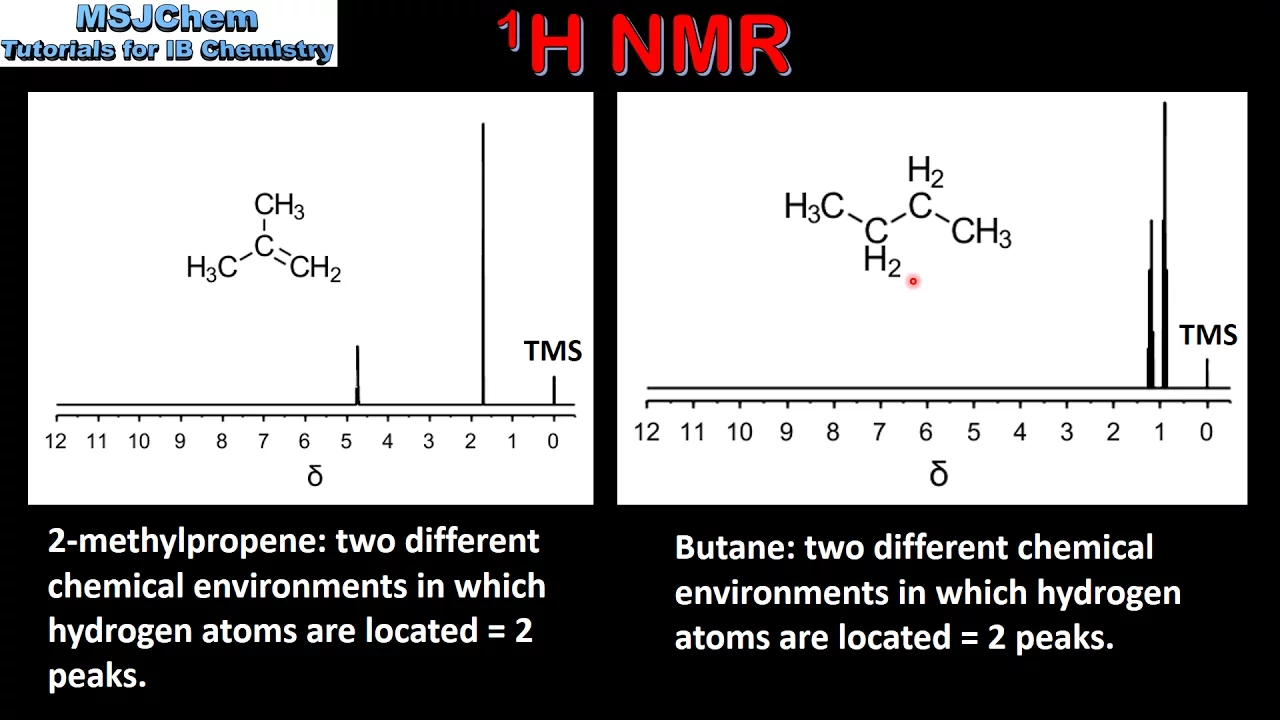
10:06
1H NMR: Determining Number of Peaks from Structure
@MSJChem
59.2K views•2017-04-06

17:31
Edible Water Bottles: A DIY Guide to Sodium Alginate Spherification
@ryan
10.5M views•2019-06-21
Related Study Plans & Knowledge Roadmaps
Structured learning paths in Chemistry
chemistry
Nuclear Chemistry: Decay, Meds & Fuel Cycle
01Introduction to Nuclear Structure and Radioactivity
02Decay Dynamics and Kinetics
03Radiation Interaction and Detection
+ 2 more learning modules
24h5 modules
Explore Roadmap
chemistry
Supramolecular Chemistry: Forces & Machines
01Foundations of Chemical Bonding and Intermolecular Forces
02Introduction to Host-Guest Chemistry
03Thermodynamics and Dynamics of Self-Assembly
+ 2 more learning modules
16h5 modules
Explore Roadmap
chemistry
Photochemistry: Excited States & Reactions
01Foundations of Light-Matter Interactions
02Molecular Orbitals and Electronic States
03Photophysical Processes and Jablonski Diagrams
+ 2 more learning modules
18h5 modules
Explore Roadmap
chemistry
Coordination Chemistry: Bonding & Properties
01Introduction to Transition Metals and Ligands
02Crystal Field Theory (CFT) and Geometry
03Magnetic Behavior and Spin States
+ 2 more learning modules
14h5 modules
Explore Roadmap