














![CRÉER ET SCALER UNE AGENCE SEO [FORMATION 2026]](https://i.ytimg.com/vi/snewcrvROX0/maxresdefault.jpg)



Businesses that sell to small, volatile customers (like small business owners who cancel services during tough months) face structural limitations including low lifetime value, high customer acquisition costs, extended payback periods, poor team morale, damaged reputation, and unsustainable growth. To scale effectively, businesses must identify and transition to serving better customers who can afford and commit to long-term partnerships, even if this means temporarily reducing revenue; this requires conducting customer profitability analysis, defining an ideal customer profile, and implementing strict qualification processes to say no to inappropriate customers.
Scaling Strategies: How to Fix Structural Churn and Retain Better Clients
Added:Understanding of key SaaS/B2B metrics, specifically the definitions and calculation of Customer Churn Rate, Customer Retention Rate, and Logo Churn vs. Revenue Churn.
The concept of Customer Lifetime Value (LTV) and Customer Acquisition Cost (CAC), and how the LTV:CAC ratio dictates business viability.
Familiarity with the concept of an Ideal Customer Profile (ICP) and market segmentation strategies.
Basic knowledge of the sales funnel and lead qualification frameworks (e.g., BANT, CHAMP) used to filter incoming clients.
How to design and implement a proactive Customer Success framework to facilitate early product adoption and value realization.
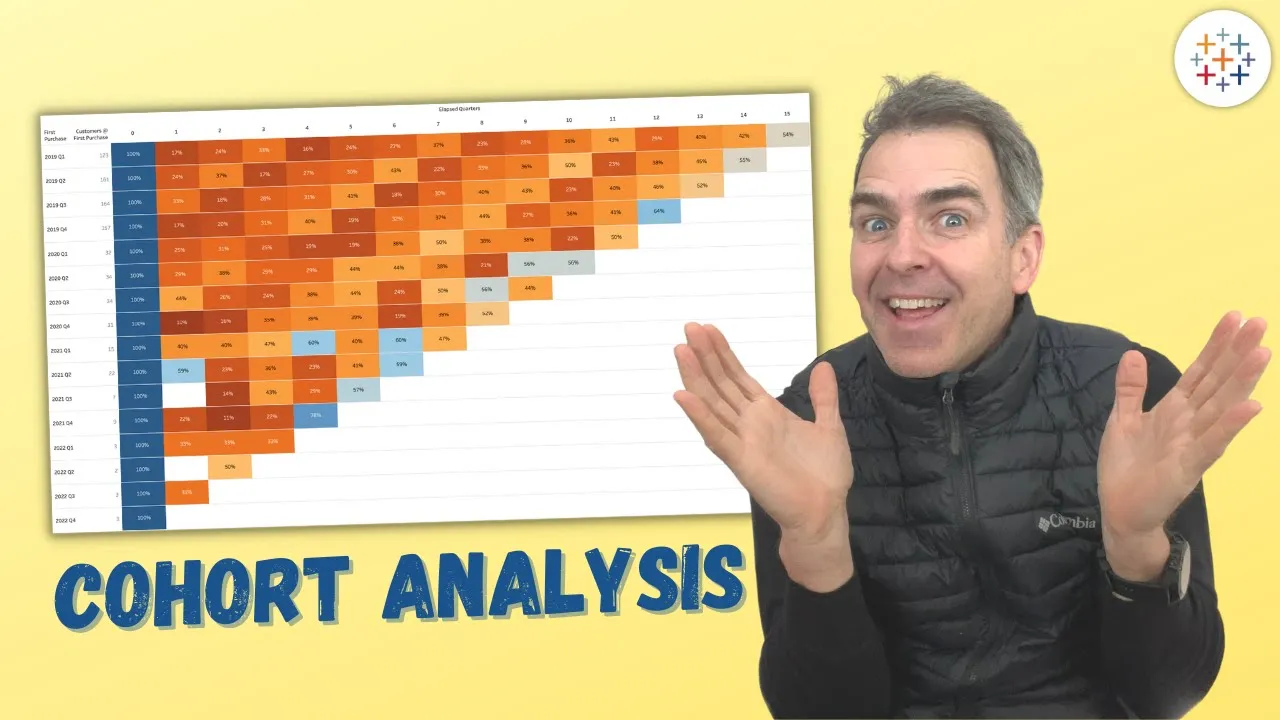
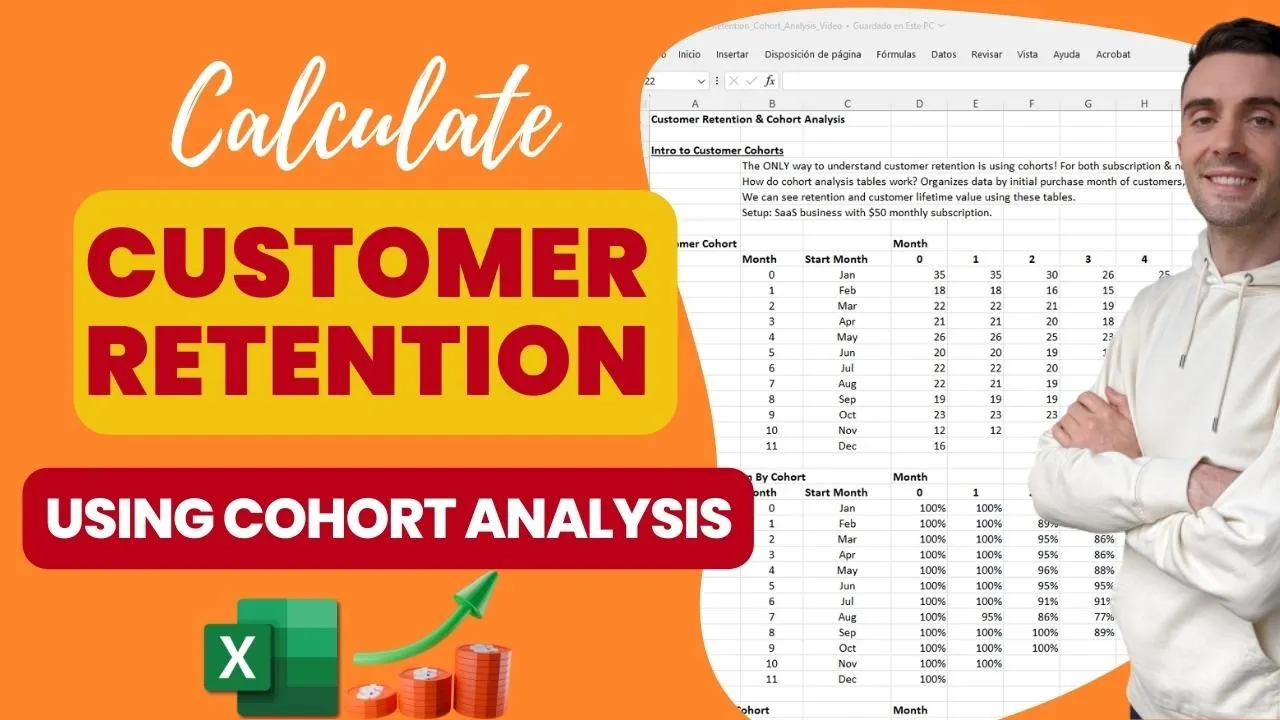
Advanced cohort analysis techniques to track retention patterns over time across different customer segments.
Strategic account management and expansion strategies, such as upselling, cross-selling, and value-based pricing optimization.
Formulating a graceful client offboarding or transition strategy for legacy customers that no longer align with the company's scaling objectives.
Analyzing the impact of retention changes on financial forecasting, valuation metrics, and venture capital readiness.
225.3K views7.4Klikes26:25Original Release: 2025-05-02
you're not making as much as you want because you probably have sucky customers. In this video, I'm going to break down what that really means, why it matters, and why it's probably holding you back. And then finally, what to do about it in terms of how to actually make the transition. So, let's talk about what this even means big picture. I regularly talk to agency owners, for example, who are selling to small business owners $1,500 a month of social media ads, social media marketing. And what's really interesting about this type of business is that they quickly plateau at maybe a million dollars a year, sometimes $3 million a year, and they come and they're like, "What do I need to do to scale?" And the issue is it's not about what they need to do to scale, but rather who they need to sell to in order to scale. But the reason this is so difficult to transition away from, it's why it's one of the seven deadly sins of business, is that when you have the wrong avatar, the volatility of your business is based on the volatility of your customers. For most small business owners, a $1,500 per month or $2,000 per month or $2,500 per month recurring cost is usually too high for them because as soon as they have a bad month, they immediately cancel marketing, which of course is ridiculous because if you're trying to grow, the last thing you want to do is cancel marketing. But there's a reason they are small business owners. It's because they make small business owner mistakes. The thing is, if you try to build a big business off of small businesses, it's basically having a terrible foundation.
It's building a castle on a foundation of sand. As soon as the tide comes out and pulls the sand away, so too goes the castle. When I talk to these types of businesses, whether it's an agency or whatever, the point is that they ultimately have to switch who they sell to so that they can sell to less volatile customers. And one of the easiest limit tests to think about this for whatever industry you're in is to think about what is the ultimate version of this business look like? Are the people who have the biggest agencies in the world, for example, are they selling to small business owners? The answer is no. Think about it. The biggest agencies in the world, Oglev and Mathers, you got Vayner Media, you got NP Digital, some of the big, you know, multiple hundred million dollar per year agencies that exist out there, those businesses almost exclusively sell to Fortune 100, Fortune 500, sometimes mid-market businesses.
Because anybody who sells to really small businesses ultimately realizes, man, these guys need way more help than just getting leads. They don't know how to work leads. They don't know how to sell. They don't know how to price. And then all of a sudden, you have to start building their business for them. But the problem is that you need to build your business right now and you're building it on the wrong customer base.
The reason this is one of the seven deadly sins is that there's usually an apparent conflict. Meaning, you can't just immediately switch because what happens is, oh my god, if I switch, then I'm going to stop selling customer. If I stop selling customers, stop making money. If I stop making money, I'm going to lose my business. But I also need to switch who I'm selling to or I'm never going to grow. You're in a rock in a hard place, which is why the seven deadly sins of business are so hard to break through or break free of. The main meat of this is that you have misalignment between your maximum potential product or service value and customers ability to realize and pay for that value. You can ultimately provide more value to a different customer than you can to a bad customer. But as a result of only selling to bad customers, you have to translate that into a lower quality or lower price service. becomes this very vicious cycle of you wanting to lower your price and then not being able to deliver as much service but they need more service but they can't afford more service and around and around you go. Everything that I'm describing right now actually falls under a term that happens in business which is called structural churn. Structural churn is the percentage of customers that leave every month not because they hate you but because of something else that happens that's core to their business. So, I remember I had a friend of mine who had a CRM in the gym space. And I asked him, I said, "Oh, I imagine that you're, you know, you probably keep 90 100% of customers every single year because you're a CRM? Like, no one's going to try and leave that." He said, "No, you'd actually be pretty surprised." And I was like, "Okay, well, what's churn?" And he said, "Three%." I was like, "Oh, per year? That's not bad." He's like, "No, per month." I was like, "3% a month?"
And he said, "Yeah, the biggest reason is that gyms just go out of business."
And I was like, "Oh, so what do you do when 30% of all the customers you have go out of business every year? What do you do? like is there anything you can do to change that level of turn? The answer is no. They go out of business.
There's nothing you can do. That is structural term. Your business at best in the hypothetical maximum case scenario when you're selling to small businesses in that example could only get to at best 70% of customers retained year-over-year. Now, is there a version of this business that sells to a better version of the customer? Yes, of course there is. Which is step two. Now, if you're being an enterprising mofo and listening to this and thinking, well, there definitely are big businesses that smell to sell to small customers. There are, but they're typically not hight touch service businesses, which what the vast majority of people do. It's very much like a barbell for most businesses.
On one extreme, you have custom, and custom should only be sold to high-end customers. These are people who can afford it, who have good businesses, who are good for their word. when they say they're going to pay for 12 months, they actually pay for 12 months because they have assets and they know what they're doing. On the other extreme, you have your very small businesses. You have VSMBBS and SMBs. So, small business owners and very small business owner or proumers, if you will. When you have these types of customers, what do you do? You certainly don't offer custom.
You offer templated solutions. You offer DIY solutions. You offer things that they can go at their own pace because fundamentally they cannot afford the amount of help that they need. That's why a lot of businesses fail and that's also not your responsibility. It is your responsibility to make your business succeed. Making sure that we're picking the right customer to maximize the likelihood of success is part of strategy. The middle is certainly where people go to die. This is where they go kind of mid-pric and they sell to small customers. And the reality is this is that these small customers, you can sell on mid-pric. It's not hard to sell them.
The issue is it's hard to keep them. If you are dealing with short customer lifespans, people are staying on average three or four months. You have excessive support, so they're demanding a ton from you. They have other requirements besides your core service that they came in on. They have price resistance and they constantly are trying to ask for discounts or like, "Hey, can I take off this month or can I have half price this month? This is a tough month for me. Can you extend the terms of payment?" Any of those types of things. Number four, if they are dissatisfied despite you going above and beyond kind of a reasonable level of service based on the expectations that you set. Now, if you set crazy expectations, then you got to deliver like crazy. But if you set appropriate expectations and they still are to satisfy despite you going above and beyond, that's a red flag. The fifth red flag is overpromising just to get people to buy. This is why this is a vicious cycle where they're like, "You have to be able to build my whole business for me and maybe I'll pay you $1,000." It's just ridiculous. Only an experienced business owner is going to know. Of course, they're not going to do that. I'm an experienced business owner.
They're going to go run their business.
I'm going to run my business. But a small business owner just thinks that because this thousands means a ton to them. It should mean a ton to you.
There's a disparity there between their expectations and sometimes it doesn't even matter what you say just because the amount of money means so much to them that you will ultimately have a dissatisfied customer no matter what because to them that $1,000 might be 50% of the cash they have. If someone said, "Hey, I will help you for 50% of the cash you Imagine the expectation that person might have. Probably a lot, no matter what you say. And then finally, number six is that selling people you know will suck. This is the red flag.
And you do that just to deliver and ultimately pay the bills. It's a bad way to sell. To recap on paper, what we just went over was the what. All right, these are all kind of the symptoms and the flags that happen when you're selling to the wrong customer. So, we've gone over the what, like what is this problem? So the second is going to be why it matters. So there's three kind of forces in acquisition. You've got LTV, right?
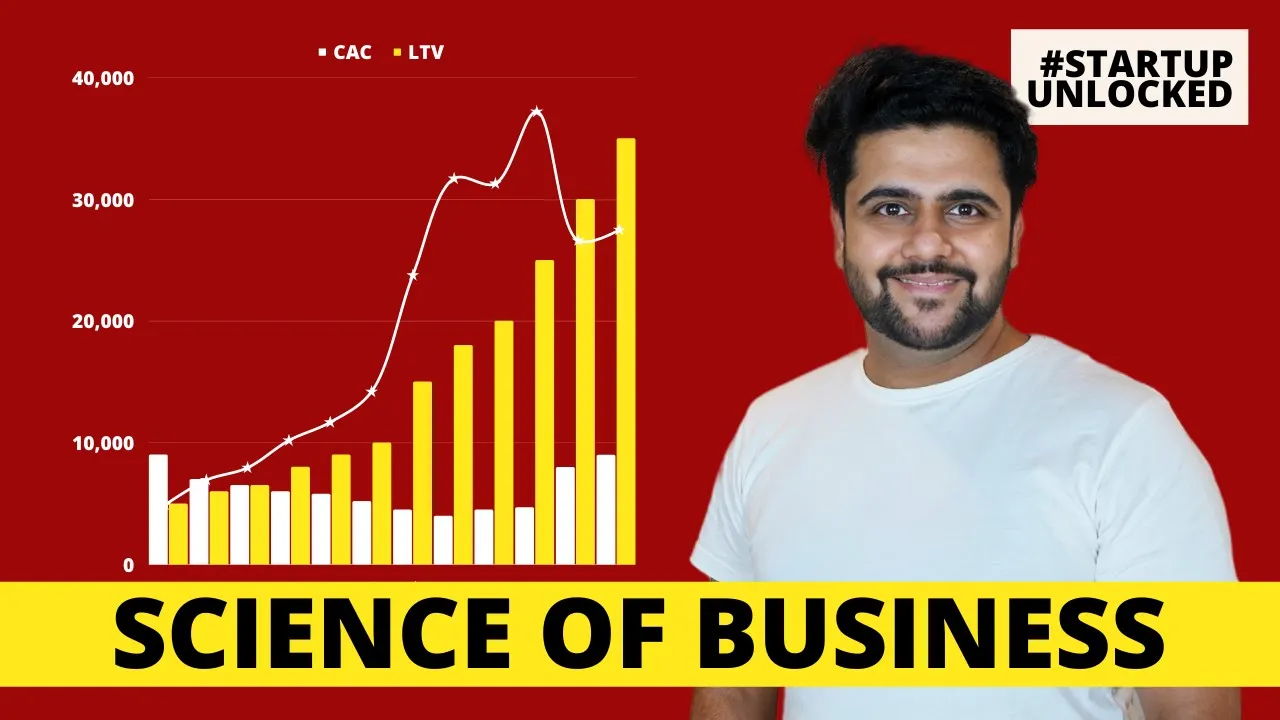
Lifetime value per customer. It's basically what's the gross profit you're going to collect off a customer over their lifespan. You've got CAC, which is how much it costs you to make that amount of money, what you got to spend to get it. And then this happens within the context of payback period, which is how quickly can you recover the cash that you spent before you can make that money. Because this is going to ultimately be the cash flow constraint of the business. As much as these are the two things that matter on paper, which is, you know, what does it cost you to make the money that you're going to make, time is obviously a huge component of business, because cash flow happens over a period of time. All three of these things, number one, number two, and number three, payback period, are all negatively impacted when you have the wrong customer. Because from an LTV perspective, you're going to have operational strain. You're going to have to increase your cost basis to deliver for these customers because they cost so much. And on top of that, you're going to have price compression because there's always going to be someone who's willing to serve this customer for cheaper who knows less about business than you. You're always going to have people. They're going to be price comparing you. They're going to say, "Hey, this guy down the street can do it for less." And because they're unsophisticated, they might go to that person even though that person might have terrible delivery. And they're just going to put all of their crazy expectations on this other person. You have costs that go up because they're super demanding. Price pressure on the way down, which leaves very little here.
But on top of that, your team morale typically continues to suffer because the team gets burned out from this revolving door of customers where they never feel like they can really make an impact because they feel like all they're doing is onboarding and offboarding, onboarding and offboarding and onboarding at the beginning with people have way too many expectations and offboarding at the end when the people are very upset and all they feel like they are is just lots of customer service, lots of fires. Here's the real real that people don't talk about which is that you also have the opportunity cost here which is what could you achieve with the right customers, right?
like what could this look like if you had the best customers which I'll talk about in a second. So we have morale, we have ops that hits in terms of cost and then we have price. But on top of that, this is where it gets even more now.
You're like, I thought that was enough reasons to not do it. Let me give you another one is that your reputation is going to suffer because in the beginning you're going to be able to sell customers because you're promising more than anybody else does and you're doing it as a reasonable price. And so you'll have a lot of flock of customers in the beginning. But what's going to happen?
One is the first people you're going to sell are people who know you, who might try a little bit harder. But as soon as you get into the mass market based on the results you get for these first customers, all of a sudden these colder customers don't trust you as much.
They're far more fickle. And they will then trash your reputation because you didn't save their business because what they're really looking for is a savior.
And I promise you, you never want to sell to somebody who wants you to be their savior. Only you can save yourself. And that goes for them, too.
What you'll know from a red flag perspective is that your cost to acquire customers will continue to rise disproportionately from the cost of CPMs going up, meaning the cost per thousand eyeballs. If the ad platforms haven't doubled their rates for CPMs, which they typically don't over any kind of period of time, that's like a year or two, and your cost to acquire customers have doubled, then usually you have this invisible hand that's working against you. Many people believe in the power of word of mouth, but some reason people don't believe in the power of word of mouth when it comes to negative. Of course, word of mouth affects you negative. It actually is usually five or 10 times more potent on the negative side because negative news spreads far faster. People tell far more people about their bad experiences than their good ones. If your costs continue to rise in terms of getting customers, your margins continue to compress. It's because of this effect that bad customers have on your business. But wait, there's more. Not only is our LTV suck and it's a miserable existence to have. We have price pressure, operational pressure, team morale sucks, our reputation takes a hit. Cost to acquire customers continue to rise over time. Also, our payback period increases because you're making less per customer on LTV in terms of gross profit and it's costing you more to get them. That means that extends out how long it takes you to recover the cost of getting the customer to get the next one. something called your cash conversion cycle. How quickly you can return the cash to the business so you can continue to expand increases in in duration. Meaning it takes way longer to get that money back and all of a sudden it's even harder to scale which means growth gets limited.
Your business stops scaling. So quick recap, we talked about what this problem is and what it looks like. We talked about why it matters and why it's going to impact the actual dollars and cents of the business. So, if you're listening along, you're like, "Okay, I feel like Alex is telling me my life story right now." And if this sounds so familiar to you, I do not say this from a pulpit. I say this as somebody who has been through it and I know these pains so personally because I did it and I made this mistake. So, just please don't do this. But when you are like, "Okay, this is me. The doctor's reading my symptoms.
What's the cure? What's the solution?"
Well, let's get into it. So if any of this sounded very familiar to you, what I was describing is some of the problems that happen around stage four, which is prioritize. So this is where you first have kind of like your first team. You operate as a manager. Typically, you have maybe five to 10 employees, sometimes contractors who are helping you out. And if you're looking at this, it's like what are the constraints here?
It's like you're getting too many unqualified leads. So you have to make better free stuff and more creative to book volume. You have to add qualifications and friction. So the extra volume becomes self- selective, right? This is the whole like we have to say no to people. We have to specialize our product and we have to price to serve this now new niche down avatar.
Now, when we say niche down, it could be niched up to be clear. I'm just saying we're being narrower about the customer.
But if any of these things sound familiar and you'd like to know, man, I wonder what other problems I'm going to be dealing with in the business. This is from the $und00 million scaling road map, which my team and I spent so many hours putting together because when we looked at businesses as they scale, there's clear problems and clear solutions at every stage of scaling. And so if you want to know what stage you're at and obviously what to do next, you can go acquisition.com/roadmap and you get this whole thing for free. Just enter your business information. You'll spit it out. If you want my team to help you figure out what basically take this and then get really narrow on your industry, where you're at right now in the business, I'd love to invite you out to one of our workshops. We hold them monthly at our headquarters here in Vegas. On the thank you page, you can book a call. We'd love to help you out.
It's honestly like it it's very very fulfilling for me. And ultimately, us continuing to deal with businesses is how I continue to make this content interesting because I can see the problems that people are dealing with on a regular basis. So, that being said, get your free thing, book call on the next page, and otherwise, let's enjoy the rest of the video. How to fix it.
Okay, the first part about fixing it is realizing why this is so hard to begin with. Emotionally, it's so difficult because you're in this rock in a hard place because you do have bills, you do have payroll, and you probably expanded your team because you learned how to market and sell, but these customers suck. you had to get more and more headcount to support all these customers. But now that you have this headcount, you have to keep selling every single month or you're going to quote lose your business or you're going to have to lay people off, which is going to suck and it's be a hard decision for you. But the other situation is that you stay in this very m miserable land where your margins continue to compress and continue to be volatile over time until eventually there's nothing left in the business and ultimately you've kind of driven yourself out of business. I would encourage you to not get to that point and if you are at that point then now is the time to act which is that you have to pick a better customer. The reason you want to pick a better customer is that all of the things that were negative before over here get reversed.
So your LTV is going to go up. Your CAC might also go up, but your LTV to CAC ratio will ultimately go down. You start to have a better reputation because you only go up market. Oh, that guy only serves legit people. Oh, all of a sudden you start associating with these bigger businesses because you're also become a bigger business. Your team and your morale is going to improve because they also are dealing with more legitimate business owners or legitimate customers.
And then on top of that, these people can pay their bills and they stick with their commitments. you're gonna have better cash flow that's going to get freed up. What's very interesting about this is that you can often make more money taking your service that was once $500 of cost to you and making $1,000 of cost to you, but selling something for three or four times as expensive. And that happens all the time. Rather than trying to drive like, okay, you know, $500 and we're going to charge a,000.
It's like, no, man, maybe it cost you a,000, but charge 10 or charge seven.
you're going to make way more money both absolute and relatively by selling to a customer who can afford that because they're going to actually be able to get the value because fundamentally the whole point of business is to think about what customer can I provide the absolute most value to. That's the person you sell to. That is how you make an exceptional business. I'll just give you the quick hitter list of the of kind of the pains that you're going through and then we'll talk about the solution.
One is you're going to have the emotional pain of overhiring and you're going to have to deal with that. Number two is you're going to have the uncertainty of whether this path is going to work to make this transition but you know your current one is only getting you worse and worse. So read the writing on the wall. Number three is that you have some sort of emotional attachment to your level of revenue today. You know, I don't want to go from $200,000 a month back to $100,000 a month or I I don't want to go from $50,000 a month back to $20,000 a month or whatever your revenue is. Add or subtract to your zeros as possible. It happens at any level. You have this ego attachment to this level, but it means nothing. Would you rather get to your goal in five years or would you rather get to your goal never? Sometimes the fastest way to build a $10 million business is not the fastest way to build a $1 million business. Because of that, you have to build a different foundation upon which to build your building. If you look at every great entrepreneur, they've been willing to go backwards. So sometimes you reach something called a local maximum. You climb this hill here and you're like, why can't I go any further than this? Sometimes you have to go down in order to go back up. You have these local maxes where you think you've climbed the mountain, but then the clouds disappear and then you realize because you see the world more clearly.
Oh my god, this is actually the top, but I don't want to go from 100K down to 50K. I don't want to do that because it would hurt my ego. Well, a lot of entrepreneurship is the ego death of realizing that you will inevitably get things wrong more times than you get them right. But the thing that keeps you down is never being willing to admit that. Because here's the thing that no one tells you is that if you don't change, you're going to get to 50K no matter what. Anyways, so you might as well do it on your own and actually do it in a purposeful way so you can get to where you're trying to go. Because the business is just going to compress over time anyways. One of my big kind of rules in life is that if I know something has to happen eventually, I might as well do it today. It's one of my big rules because like I maybe it's my own like agency ego or whatever. It's like if I'm if anybody's going to destroy my business, it's going to be me, right? It's like I want to put me out of business. You probably heard this before. You want to put yourself out of business. I don't want the world to put me out of business. I don't want the market to put me out of business. I want to read the writing on the wall before it happens. I want to skate to where the puck's going, not where the puck is. So, what are you going to do about it? So, this is super tactical, but this is actually how you fix this. So, number one is you're going to conduct a customer profitability analysis. So, the way it works is this. You look at all the customers that you've had to date.
You probably have some customers that you actually like and that you actually have gotten good good results for. Now what you want to look at here is demographics. So this is who are these people? What do they come in like? What do they look like, right? Like what do they look like? How do they behave? What are their psychographics? The next is what are they doing currently? So do they have certain headcount? Do they have certain revenue levels? Is there anything else that we can say that has nothing to do with their demographics but everything to do with their behaviors? And then finally you have done, right? which is what actions did they take as a result of entering my business that are different than the results of the people who didn't take those actions. Said differently, if we've got lots of customers that we've been selling, maybe there's a certain revenue level, maybe there's a certain amount of weight they have to lose, maybe there's certain, you know, emotional problem that they're dealing with. It's like, you know, I did really well with female divorce over 45. Fine, whatever it is, and they are making over x, y, and z. And when they entered my business, they immediately got on their first call and started a crash diet in the first seven days. I'm making this up. The point is is that we have who they are, what they're doing when they're coming in, and then what they did as a result of our product or service in order to maximize value.
These are the steps here. So, we do this to try and say, "Oh, you know what? What is the 8020 of my business? If I could cut and only clone one specific type of customer, what would they be?" Now, you might hear this and be like, "Yeah, that's convenient, but I have to pay bills." I'm telling you, sometimes you have to walk down the mountain to walk it back up. Because here's the crazy part. the amount of times I'll talk to a business owner and they're like, "You know what? I I I would service these customers except they just don't pay enough." Then you can just say, "Guess who gets to pick what your prices are?"
You do. If there's a price where it's worth it to you, charge that. And if someone doesn't want to pay it, fine.
It's capitalism. It's volunteer exchange. So once we know who they are, what they're doing when they're coming in, and then what they have done in order to be successful, we then redefine our new customer profile. Some people call this an ICP, which is an ideal customer profile. Some people call it your customer avatar. I don't really care what you call it. It's the person you want to be selling. Once we have this new ICP, this ideal customer profile, we now have to basically do everything top to bottom and realign the business in positioning and messaging.
So, what that means is your offer has to match that type of customer. Your headlines have to match that type of customer. The testimonials you show should be those types of customers. The onboarding experience should be for those types of customers. Your sales team should not be allowed to sell people who are not this type of customer. You have to be willing to say no to small money today to make big money tomorrow. That means that you have to implement some sort of qualification process. Yes, you have to say no to customers. Do you think you can go to Olga and Mathers, one of the biggest marketing agencies in the world, if you're a local dry cleaner? No, you can't. They won't take you. They won't accept you as a customer. One of the telltale signs of a small business that they suck is they say yes to everyone.
you didn't know any better. Continue to grow this business where you do everything for everyone and then you're surprised about the fact that your margins suck and it's very hard to operationalize this business and you have a hundred other problems that you think exist when the reality is that you just haven't decided who you're going to serve. You're like, "Okay, I get it, Alex. I'm going to go do this customer research report and figure out who are the people who are the best customers.
I'm going to say these are my new customers from here on out. I'm going to match all my messaging and my funnels, my offers, my price points. key point because if you only sold to that top 20%, what would your new price be?
Probably way higher. Why? Because you can provide more value to those people.
So you instead of having this lukewarm price where it's like cheap for the good customers and and expensive for the bad ones, just make it appropriately priced for the people who are going to get the most value. And then make sure that you only sell to those people. That's the qualification. Once you have this, what do you do to get from where you're at now on this little peak here to over here? All right. to the top of our little mountain. Well, you have to transition. All right, you have to transition away from the elf customers.
Now, what that's going to mean is that you're going to number five, stop selling brokies. And that may mean that you have to put a cap in the short term, which is like we could only sell 30% of customers below this amount. Maybe each sales guy gets a quota of like gimmies they're able to sell in order to hit whatever your monthly cash flow is. If you make this transition correctly, the people who are paying more and are better customers will be more profitable. they will stay longer. And then you'll be able to basically do one of these. You're going to decrease the percentage of the pie that's these bad customers. Increase the percentage of the of the pie that's the 20% and then over time the 20% becomes the 80%. And then at some point, and you'll know that point because you're going to be so happy to do it, you're going to stop selling that negative percentage of customers altogether. And once that happens, you will have transitioned from your very painful business and maybe have taken a half step back in terms of revenue because you have to tighten the ship up. Now, this may mean that you might have to lay off some people. And as terrible as it is, it's reality.
Here's a very tough line, which is you made a mistake and you should get fired as CEO or founder from your business, but you can't get fired. And so, it means that someone else is ultimately going to have to pay the burden. You have to take this. What you will have is you'll start to have a healthier respect for hiring people because it shakes their lives. They change, you know, cities sometimes. They change prof, you know, professions. They go for periods of time where they're unemployed. if you have to make this mistake. And so you become far more respectful of the process. But in the beginning, you don't know anything. So you just hire all your friends and your family. You just say, "Let's go. Let's go. Let's go. We're scaling like crazy." But you don't know what you're doing. So you're going to quickly hit this wall and you're going to quickly realize that you built a terrible business. But you can either just say you're going to stay there because you're unwilling to have this uncomfortable conversation or what I would recommend doing, give them a little bit of severance. All right? So give them some money saying, "Hey, I messed this up. So instead of me taking money out this month, I'm going to give you some money so you can have two weeks or four weeks or whatever it is. If you're smaller, I understand that that's a lot. The bigger the biggest the business is, typically the the longer that severance experience will be that that you're able to pay. That also saves your reputation from a business owner perspective, which yes, that matters.
But when you make those changes, you just have to take absolute responsibility. I've been through, you know, this process many times with companies, and you just have to be like, I up. It's on me. I feel horrible. this blows, but there's nothing else that I can do because ultimately I have to keep the ship afloat so that maybe in six months or 12 months, maybe I can rehire you. And I've had so many times where we've had I would say what a friendly exit where when I reach out to that person and when we do have that opportunity again because we fixed whatever the core problem is, a lot of them are willing to come back. If you kind of leave the door open rather than slamming it shut, you'll also maintain better long-term relationships. those people are willing to do some contract work for you on the side and then maybe long term. And the thing is is like guys, especially if you're getting into business, business is long. Life is long. I have people who, you know, worked for me many, many years ago and then they come back many years later.
They go through a whole another chapter and then they come back with a whole bunch of new skills, which is great. But the thing is, if you slam the door in their face, you never get the opportunity again. I would rather always leave with and especially if it's something that's involuntary. It's in like they didn't do anything wrong, you did something wrong, and that result of your mistake is that they have to get let go. And if if you're like, I just can't do that. Well, then you are ultimately choosing to doom everyone.
Unlike the Hollywood movies where like you can save everyone, that's not the real world. The real world is like sometimes when you play chess, you have to sacrifice pawns. There's not a single chess master that I know of who has ever won a game without losing any at the highest levels. It just doesn't happen.
It doesn't work. You have to be able to pivot and make mistakes. Otherwise, you lose the whole game and then everyone loses their job, including you. You want to have a shot at tomorrow. Sometimes you have to make the hard decisions today. So when you make this transition correctly, what will happen is you will begin to grow again and you will be able to grow because you will have more cash flow because you are serving better customers and the main point is that they will continue to stay. At this point, if you've got this area where you're selling these bad customers, you know how to market, you know how to sell at a basic level. You know how to get people in the door. The problem is that your business is capped because you have more people leaving than you have coming in. But if all of a sudden your amount of people who leave goes to zero or goes to very very small numbers, you grow pretty much no matter what. That's ultimately what you want to solve for is how do I sell something that people don't want to cancel out of? And sometimes the way that you do that is you change who you're selling
Up Next

17:21
Onboarding UX Best Practices Derived From 200+ App Analyses
@DesignerUp
17.1K views•2025-02-26
46:36
Retention Habits of Top DTC Ecommerce Brands Revealed
@SendItPodcast
44K views•2026-03-03

63:08
Business Growth Strategies: Scaling With Marketing Levers
@AlexHormozi
1.1M views•2025-01-02

17:30
The Planned Obsolescence of Light Bulbs and Tech
@veritasium
25.3M views•2021-03-26
Related Study Plans & Knowledge Roadmaps
Structured learning paths in Business
business
Pop-Up Retail: Strategy, Design & Execution
01Introduction to Pop-Up Retail & Strategic Goal Setting
02Budgeting, Site Selection, and Legal Essentials
03Experiential Retail Design & Visual Merchandising
+ 2 more learning modules
15h5 modules
Explore Roadmap
business
Reg CF: Startup Funding, Marketing & Launch
01Introduction to Equity Crowdfunding & Reg CF
02Platform Selection & Legal Preparation
03Crafting High-Converting Campaign Assets
+ 2 more learning modules
14h5 modules
Explore Roadmap
business
Productized Services: Scaling Solo Freelance
01Foundations of Productized Services
02Packaging and Scope Definition
03Pricing and Subscription Models
+ 2 more learning modules
15h5 modules
Explore Roadmap
business
Gov Procurement: Find, Bid & Win Contracts
01Introduction to Government Procurement & Business Setup
02Small Business Certifications & Set-Asides
03Finding and Analyzing Contract Opportunities
+ 2 more learning modules
14h5 modules
Explore Roadmap