














![[Neuroanatomia] 6 - Diencéfalo I](https://i.ytimg.com/vi/nfCWTzwzPPw/hqdefault.jpg)


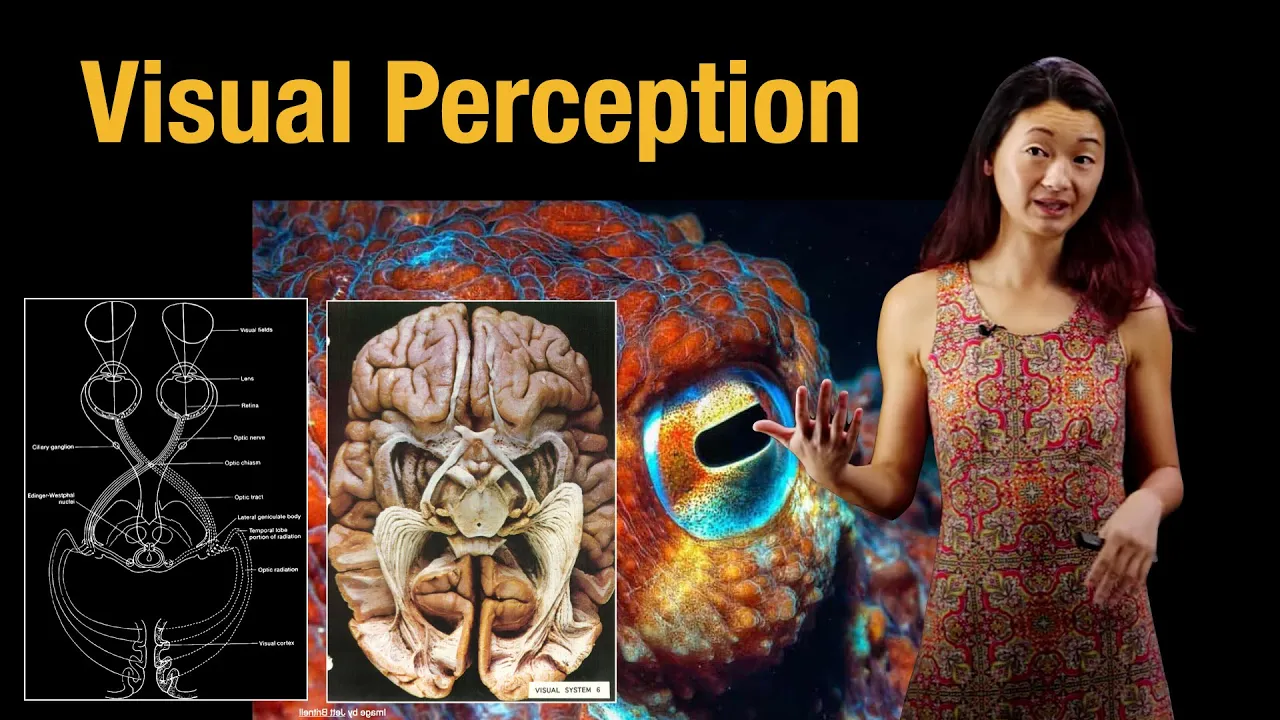
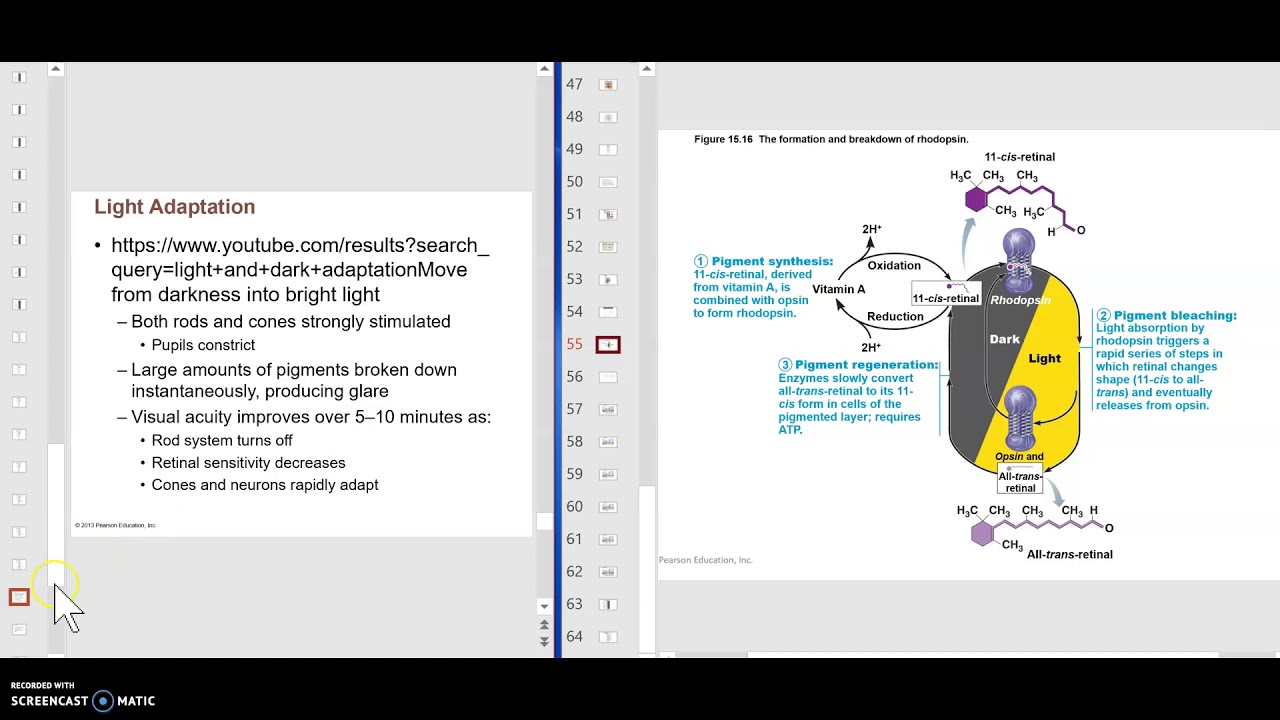

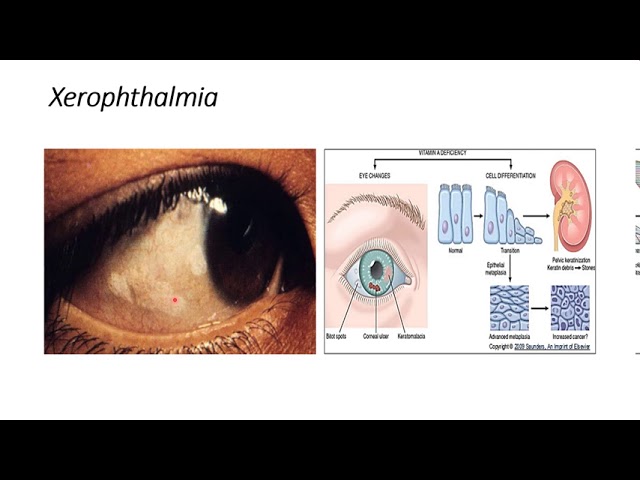


The phototransduction cascade is the molecular process by which rod cells in the retina convert light into neural signals: light causes 11-cis retinal to change to all-trans retinal, triggering rhodopsin to activate transducin, which then activates phosphodiesterase to break down cyclic GMP, closing sodium channels and hyperpolarizing the rod cell to turn it off, thereby signaling the brain about light presence.
Phototransduction Cascade Explained | MCAT Biology
Added:Basic anatomy of the human eye, specifically the structure of the retina and the distinction between rod and cone photoreceptors.
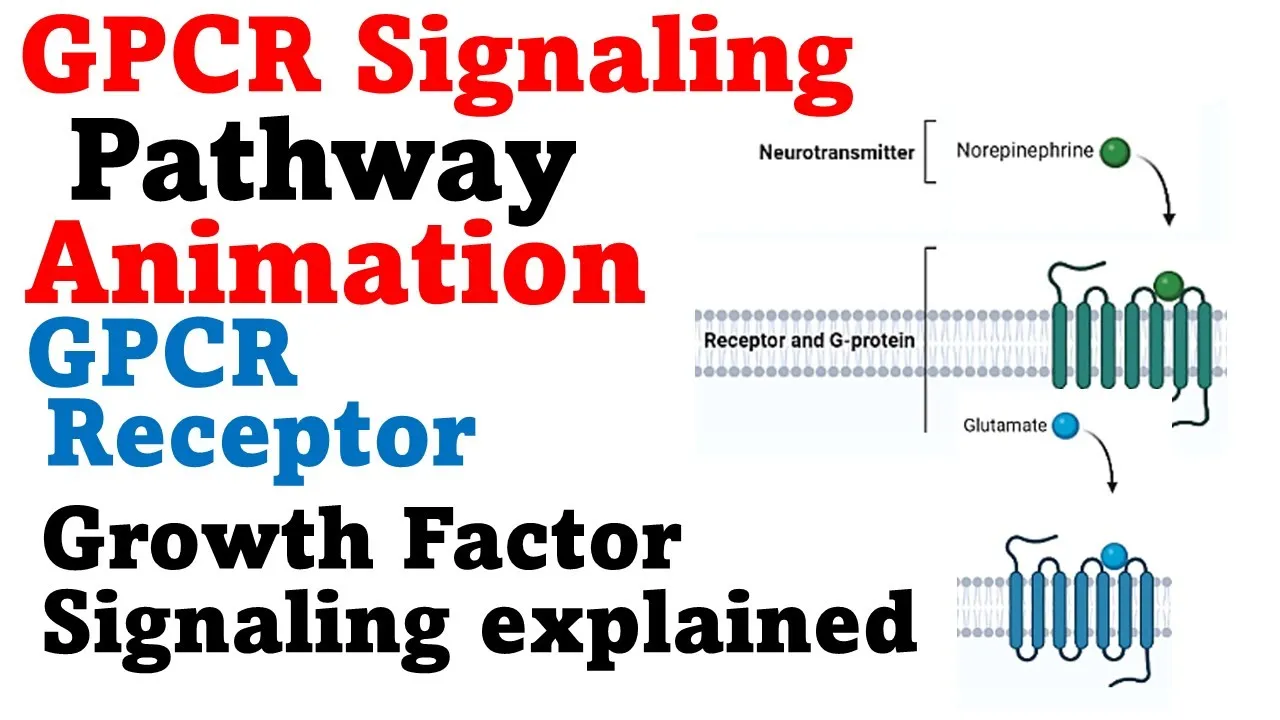
The fundamentals of G-Protein Coupled Receptor (GPCR) signaling pathways, including secondary messengers like cGMP.
Basic neurobiology concepts, specifically cell membrane potential, hyperpolarization, depolarization, and neurotransmitter release.
The chemical structure and behavior of light-absorbing pigments, particularly retinal (a vitamin A derivative) and its photoisomerization (cis-to-trans transition).
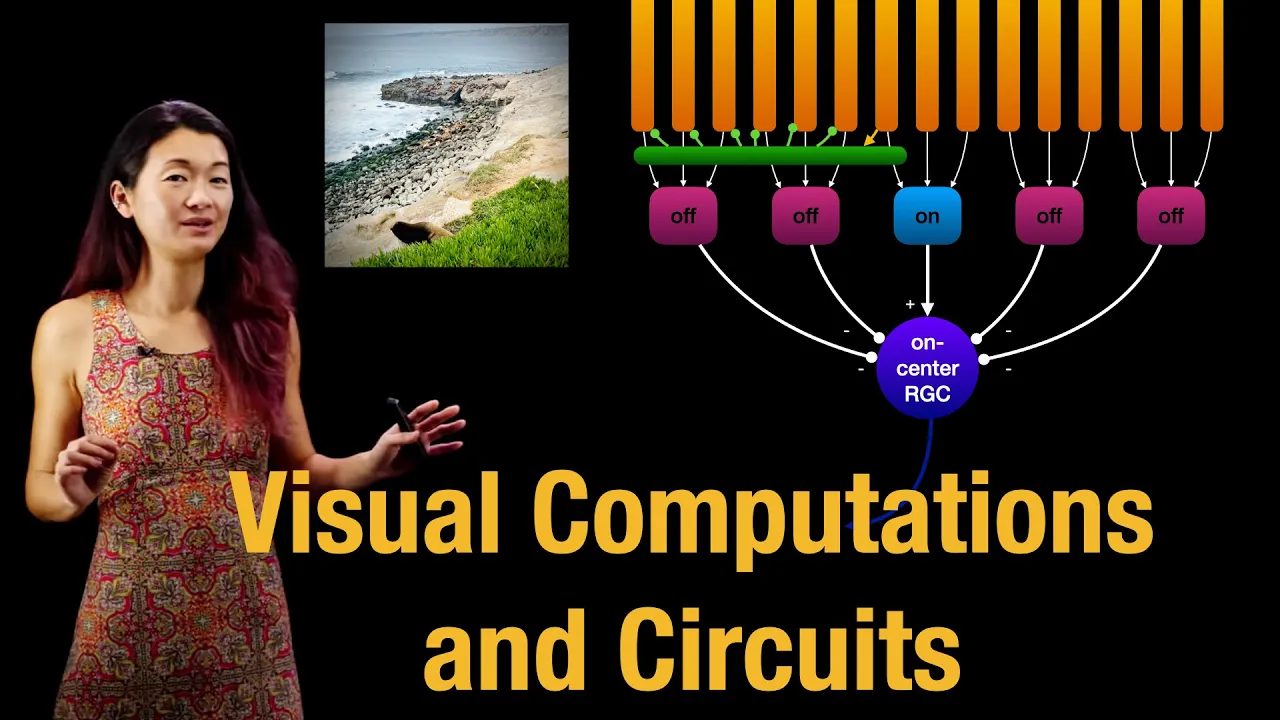
Visual signal processing in the retina, including the roles of bipolar, horizontal, amacrine, and ganglion cells (receptive fields and center-surround antagonism).
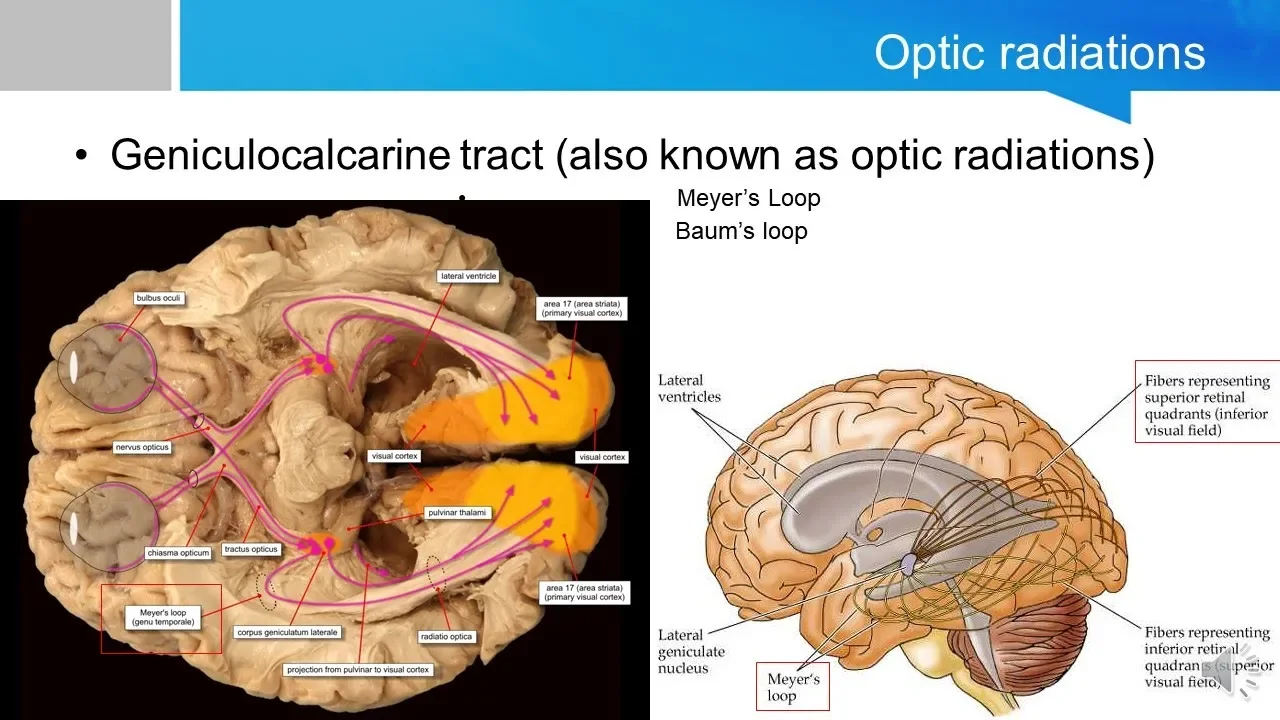
The anatomical pathway of visual information from the optic nerve to the lateral geniculate nucleus (LGN) of the thalamus, and ultimately to the primary visual cortex (occipital lobe).
Mechanisms of light and dark adaptation, detailing how photoreceptors adjust sensitivity in varying levels of ambient illumination.
Clinical pathologies associated with the visual cascade, such as retinitis pigmentosa, color blindness, and night blindness (nyctalopia) caused by Vitamin A deficiency.
449.5K views3.1Klikes9:55Original Release: 2013-09-18
Last video, we looked at how light from the sun can enter the eye-- and this is the eye.
So it enters the eye, hits the back of the eye, and somehow through a set of steps, it gets converted into neural impulse.
And the impulse gets sent to the brain for you to make sense of the information.
So we looked at something called the retina in the last video.
And we talked about how the retina is made up of a bunch of different cells.
And the two main cells are rods and cones.
So we're going to look at just the rods in this video.
So the rod, which is shaped like this.
Let's give him a little smiley face because he's happy.
And what he does is that as soon as light is presented to him, he basically takes that light and then converts it into a neural impulse.
So normally, he is turned on.
When there's no light, the rod is turned on.
But when light is present, it actually turns him off.
So with light, he's turned off.
So how does this happen?
So this occurs through this thing called the phototransduction cascade.
So the phototransduction cascade is the set of steps that occurs at the molecular level that basically takes this rod and turns him off.
And in turning him off, he's actually able to turn on a bunch of other cells that eventually lets the brain know, hey, there's light here.
So it allows the brain to realize that there's light and allows it to comprehend what's going on make sense of the world.
So let's go ahead and examine this phototransduction cascade.
So let's give ourselves a little bit of space here, just look at it in a little bit more detail.
So let's look at just a part of the rod.
So I'm going to redraw the rod over here.
And let's just look at this part of the rod, just this very top little bit of the rod.
And I'm going to draw it a lot bigger, so that we can really make sense of what's going on here.
So inside the rod, which we just made much bigger, there are a bunch of these little disks.
So they are really thin little disks, and they're just stacked on top of one another, and there are hundreds of them.
And basically they are like this.
They just go stacked on top of one another, and they fill up the entire rod.
Same thing with cones but we're just going to look at the rods here.
So inside of these little disks, there are a whole bunch of different proteins all interspersed throughout the disks.
So this protein that I'm drawing in red-- let me just go ahead and draw it a lot bigger, so we're going to go ahead and blow this protein up.
And it's basically this multimeric protein, so it consists of a bunch of different subunits.
There are actually seven subunits, so there are 5, 6, and 7.
So there are all these subunits that make up this little protein right here.
So this protein as a whole is called rhodopsin.
And it's called rhodopsin because it's in a rod.
If it were in a cone, it would be called cone opsin, but it's basically the same protein.
And sitting inside of this protein is a small molecule, and it sits just inside.
Let's go ahead and just zoom in a little bit, so we can make a little bit more sense of what we're looking at here.
Let's go ahead and zoom in over here.
So this little molecule is just sitting inside of rhodopsin, and it's kind of bent.
You can see here how I drew it just a little bit bent.
So this little molecule is called retinal.
And in this bent confirmation, we call it 11-cis retinal.
And so what happens is light comes in from the sun, goes in through the pupil, hits the retina, and then hits this little rod.
Some of the light will actually hit this molecule.
So it'll hit rhodopsin, and it'll actually hit this molecule.
So here's the light wave, it comes in, and it just hits the molecule right there.
So an interesting thing happens when the light hits the molecule right at this region.
And what it actually causes, is it causes the retinal to actually change confirmation.
So the light provides enough energy that the retinal goes from this bent confirmation, and it causes it to look more like this.
I'll draw it over here.
I'll draw a little carbon ring, so it becomes straight.
So it went from being bent to being straight.
So the light does this, and basically goes from being 11-cis retinal to all-trans retinal.
So when the retinal changes shape, it actually causes the rhodopsin molecule to also change shape.
So the two are really closely linked, so when the retinal changes shape, the rhodopsin changes shape.
So let's go ahead and pretend that maybe it looks like this.
So this region that I'm shading in right here is what the new rhodopsin looks like after the retinal has changed shape after the light hit it.
So rhodopsin now changes shape, and that basically begins this big cascade of events.
So what happens next is there's a molecule-- and I'm going to draw that molecule right here in green-- and it's made up of three different parts.
So there's this alpha subunit, there's a beta subunit, and there's a gamma subunit.
And this molecule as a whole is called transducin.
So transducin, basically as soon as retinal changes shape and causes rhodopsin to change shape, transducin breaks away from rhodopsin.
And the alpha subunit actually comes over here to another part of the disk and binds to a protein called phosphodiesterase, which I'll just draw as this little box over here.
So this little protein is called cyclic GMP phosphodiesterase, or PDE for short.
So PDE, basically what it does-- let's go ahead and zoom out a little bit.
What PDE does when it's activated is it takes cyclic GMP, which is floating all around the cell-- it's a little molecule, it's tiny-- and it basically takes the cyclic GMP and converts it into just regular GMP.
So this basically reduces the concentration of cyclic GMP and increases the concentration of GMP.
And the reason that this is important is because there's another channel over here, so there's a whole bunch of these sodium channels and they're all over the cell.
So they're just a whole bunch of them, and basically what they let the cell do is they allow the cell to take in sodium from the outside.
So let's just say there's a little sodium ion, and it allows it to come inside the cell.
So in order for this sodium channel to be open, it actually needs cyclic GMP to be bound to it.
So as long as cyclic GMP is bound, the channel is open.
But as the concentration of cyclic GMP decreases because of the phosphodiesterase, it actually causes sodium channels to close.
So now we have a closing of sodium channels, and now we basically have less sodium entering the cell.
And as less sodium enters the cell, it actually causes the cell to hyperpolarize and turn off.
So as the sodium channels close, it actually causes the rods to turn off.
So basically, without light, the rods are on because these sodium channels are open.
Sodium is flowing through, and the rods are turned on.
They can actually produce an action potential and activate the next cell and so on.
But as soon as they're turned off, what happens is very interesting because-- let's just look at this rod over here.
So what happens is really interesting, because there's this other cell over here that is called the bipolar cell.
And we'll just give it a kind of a neutral base, because it's bipolar.
This cell, there are actually two different variants, so there are on-center and there are off-center bipolar cells.
So the on-center bipolar cells normally are being turned off when this rod cell is turned on.
But as we mentioned, due to the phototransduction cascade, the rods turn off, which actually turns on the bipolar cell.
So basically, on-center bipolar cells get turned on with light and get turned off when there's no light.
So that's how they get their names.
So when the bipolar cell gets turned on, it activates a retinal ganglion cell, which then sends an axon to the optic nerve, and then into the brain.
And so that process is known as the phototransduction cascade, and it basically allows your brain to recognize that there's light entering the eyeball.
Up Next
12:18
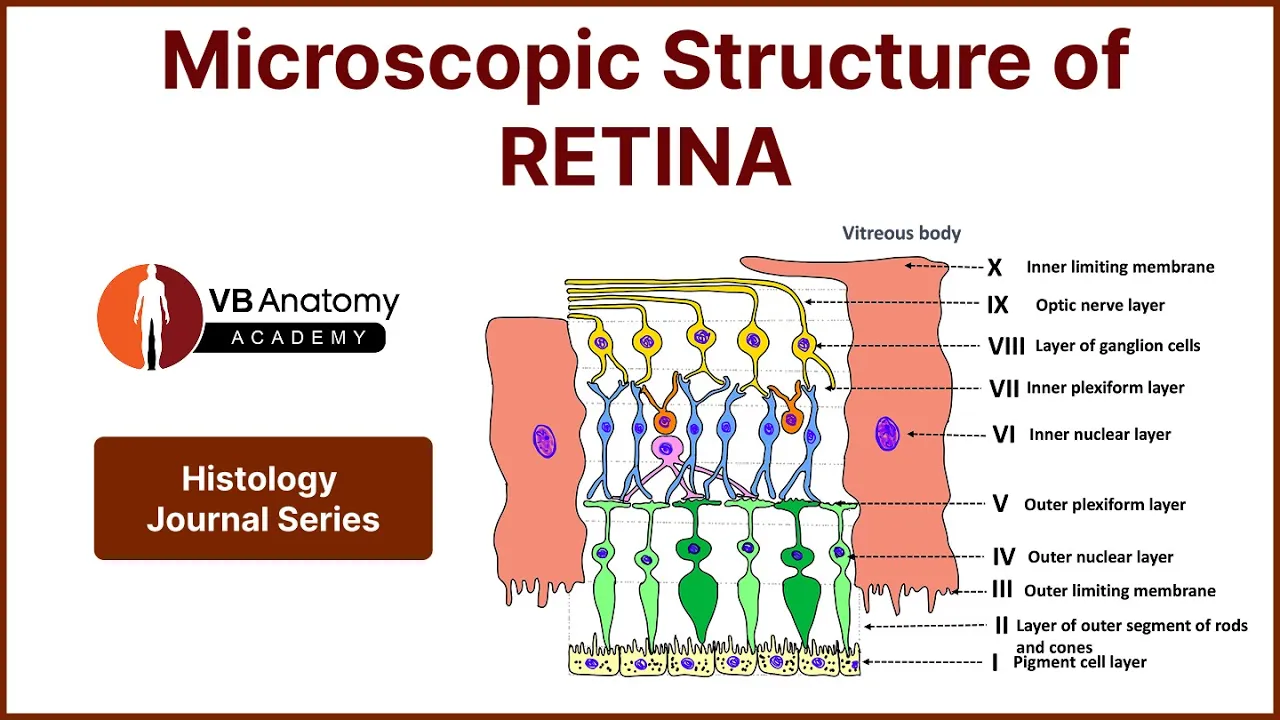
Retina Microscopic Structure: Histology Drawing Guide
@VBAnatomy
212 views•2025-07-25
50:12
Bacterial Communication: Quorum Sensing and Biofilm Formation Explained
@JHUAAP
12.6K views•2011-06-28
5:10
Mendelian Genetics: Alleles, Genotypes & Punnett Squares
@khanacademymedicine
648.4K views•2014-06-16
7:08
Bacteriophages: Earth's Deadliest Killers and Future Antibiotics
@kurzgesagt
34.6M views•2018-05-13
Related Study Plans & Knowledge Roadmaps
Structured learning paths in Biology
biology
RNAi: Biogenesis, RISC & Gene Silencing
01Molecular Biology Foundations: DNA to Protein
02Introduction to RNA Interference (RNAi)
03Molecular Biogenesis of miRNA and siRNA
+ 2 more learning modules
10h5 modules
Explore Roadmap
biology
Mycorrhizae: Signaling, Biophysics & Ecology
01Foundations of Mycorrhizal Symbiosis
02Molecular Signaling and Root Colonization
03Biophysics and Bioenergetics of Nutrient Exchange
+ 1 more learning modules
11h4 modules
Explore Roadmap
biology
Circadian Clocks: TTFL, SCN & Periphery
01Foundations of Molecular Biology & Gene Expression
02Introduction to Chronobiology and Actograms
03The Core TTFL: Molecular Architecture of the Clock
+ 3 more learning modules
14h6 modules
Explore Roadmap
biology
Population Genetics: Math, Drift & Selection
01Genetic & Probability Foundations
02The Hardy-Weinberg Principle and Baseline Models
03Mathematical Modeling of Natural Selection
+ 3 more learning modules
18h6 modules
Explore Roadmap