









![[뉴있저] 강은 썩어가는데...감사만 10년째 / YTN](https://i.ytimg.com/vi/ZtZKXbb_BPI/maxresdefault.jpg)
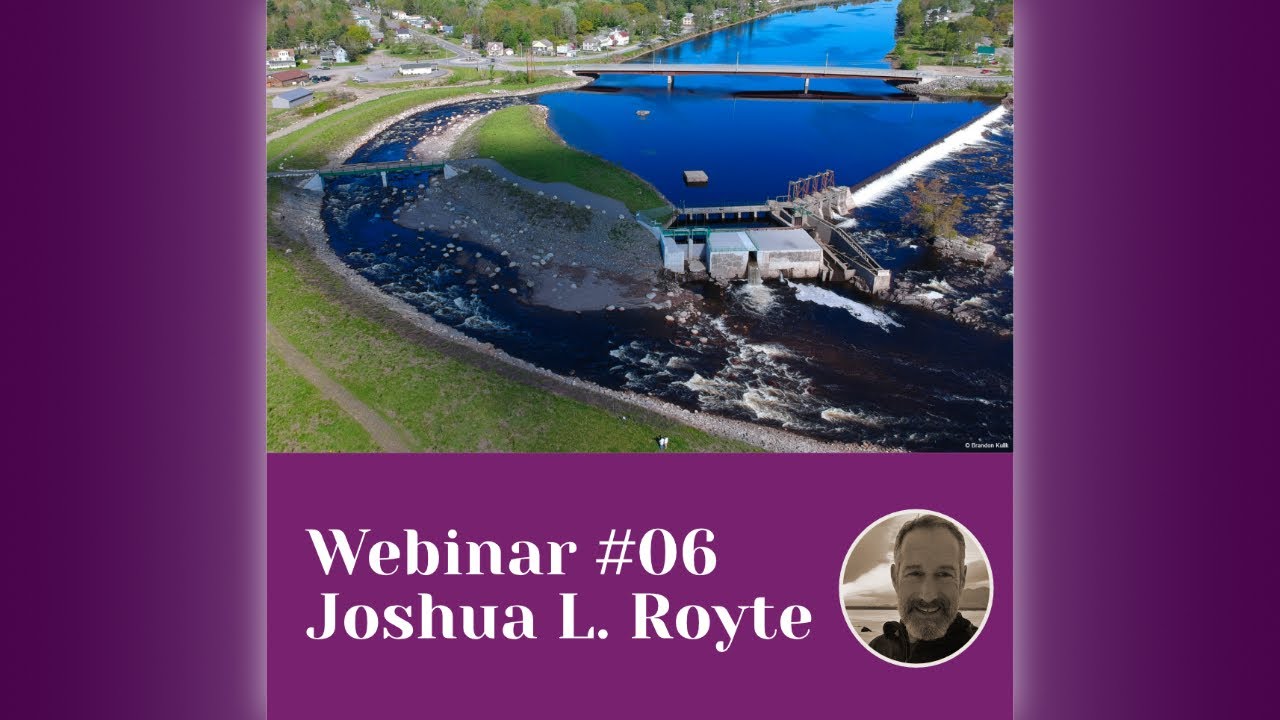






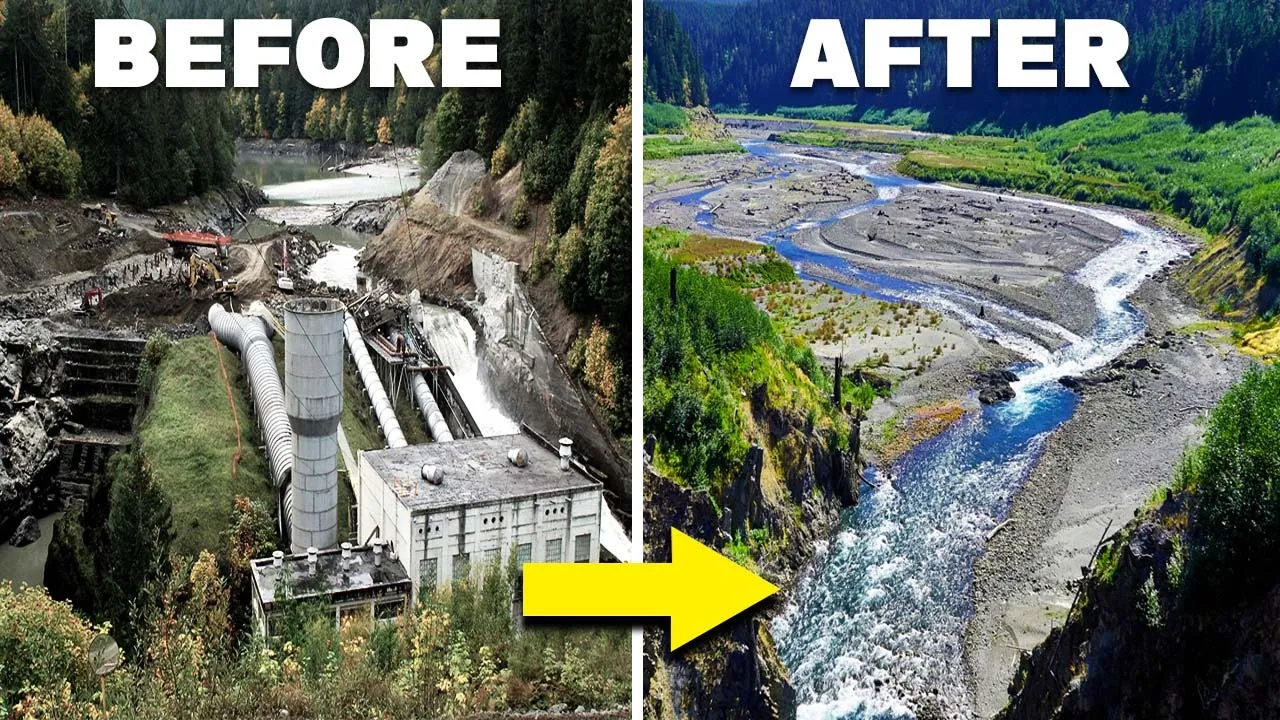
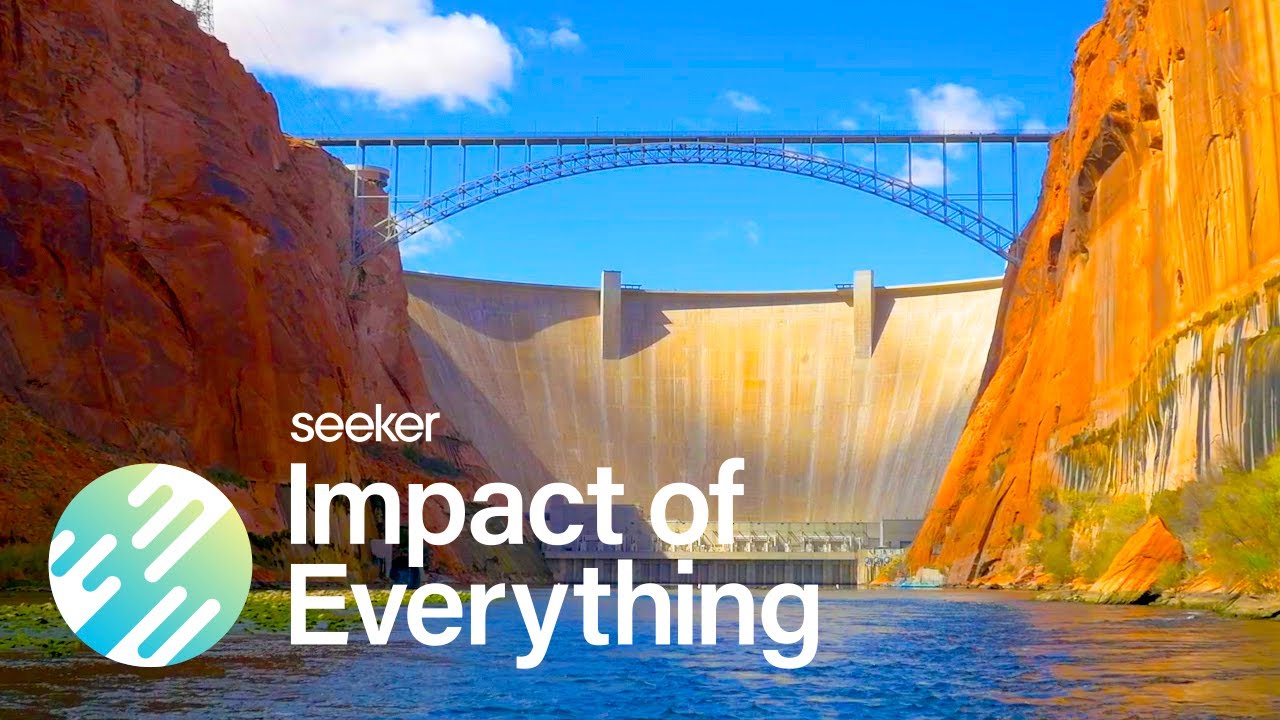
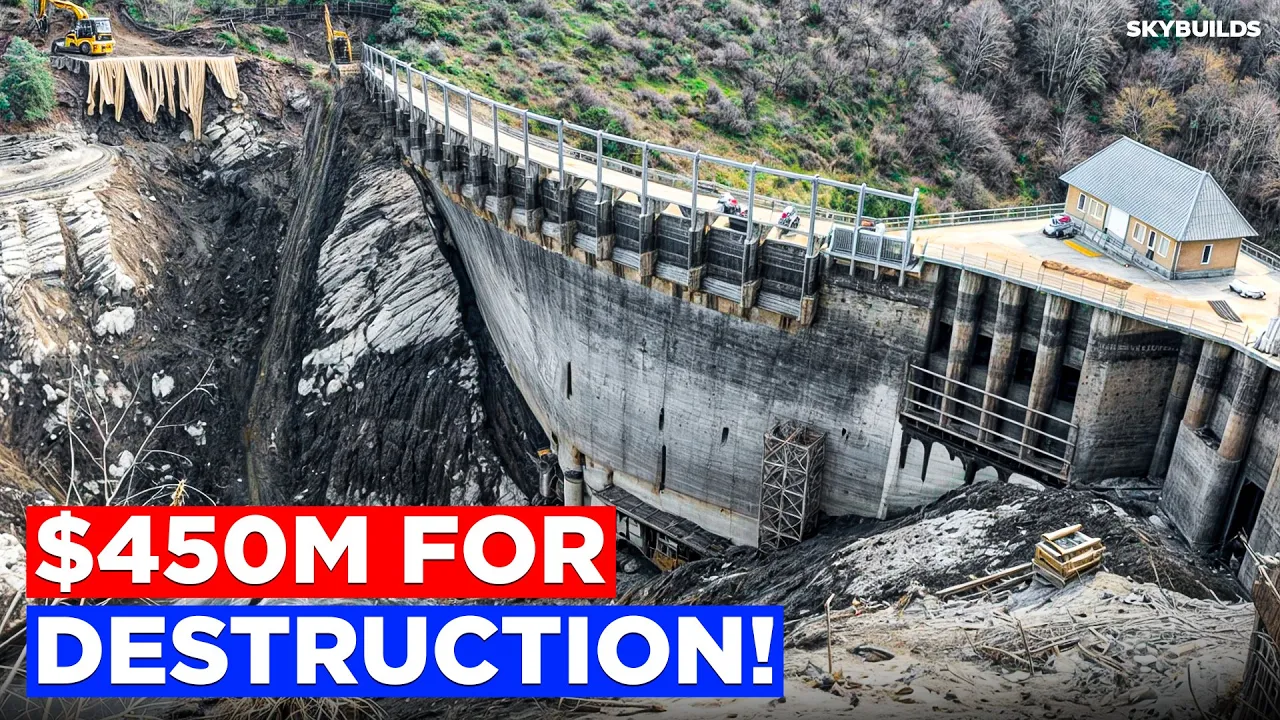
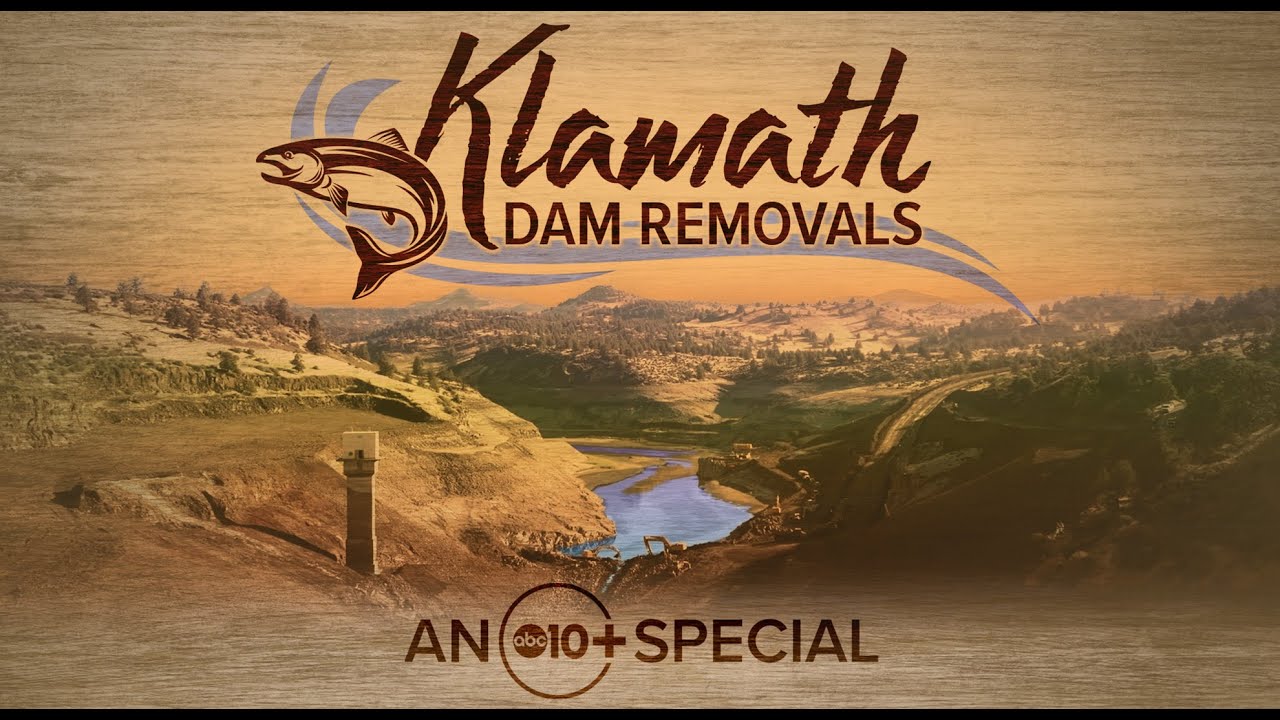



When aging dams are determined to be unsafe during extreme events like earthquakes or floods, decommissioning them can restore natural river ecosystems and public safety; the San Clemente Dam removal project demonstrates how engineers can safely remove dams while managing sediment challenges and restoring fish migration pathways.
San Clemente Dam Decommissioning: River Restoration & Engineering Design
Added:Basic fluvial geomorphology and hydrology, specifically how natural sediment transport, water flow, and river gradients shape river channels.
The ecological consequences of dams on riverine ecosystems, particularly habitat fragmentation and the disruption of migratory paths for anadromous fish like steelhead trout.
Fundamental concepts of civil engineering related to dam structures, reservoir sedimentation, and the physical risks associated with aging infrastructure.
The role of environmental policy frameworks (such as NEPA, CEQA, and the Endangered Species Act) in driving and regulating large-scale river restoration projects.
Advanced sediment management engineering, comparing passive sediment release with active containment and bypass channel designs.
Long-term ecological monitoring and adaptive management strategies used to track riparian and aquatic ecosystem recovery post-dam removal.
Comparative analysis of other landmark dam decommissioning projects (e.g., the Elwha River or Klamath River removals) to identify scalable engineering and environmental practices.
The socio-economic trade-offs, water security planning, and stakeholder consensus-building processes involved in removing major water supply infrastructure.
203.7K views925likes7:18Original Release: 2014-05-27
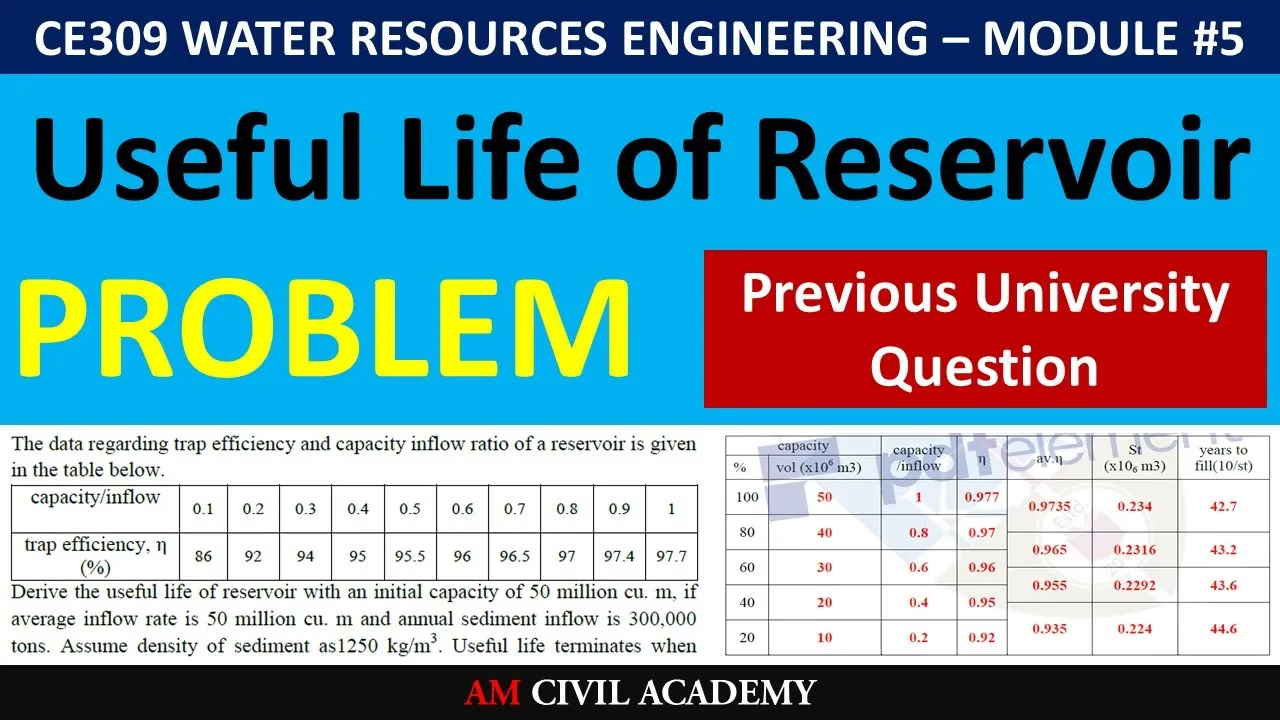
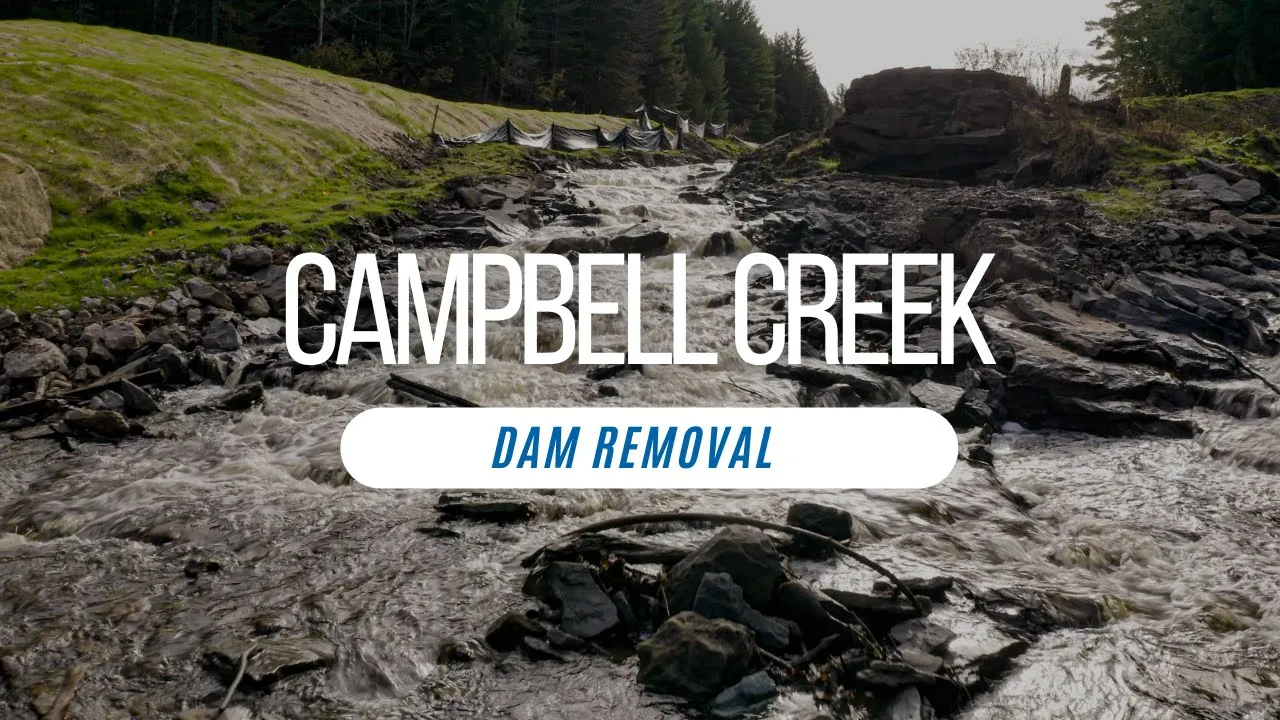
the San keni dam is about 18 miles Upstream from the Pacific coast and the town of Carmel in Monterey County um historically this was the dam was built in 1921 and it was built for the purpose of providing a water supply for the Montery Peninsula and also to provide some incidental flood control um at that time uh the carel river had sufficient flows that supported a a native steel head trout uh and had a fairly good fishery but when the dam was put in it you know restricted the steel heads migration Upstream uh they did build a fish ladder historically and it's still there but it's just not very functional and not up to today's you know standards a couple decades ago the California division of safety of dams uh determined that the San Clemen dam was potentially unsafe in what's called a maximum credible earthquake or a maximum probable flood and so the concern was that the dam could potentially fail in one of those types of events and then flood Downstream and you know have a great impact to uh Public Safety so uh when that was determined there was a lot of um studies done to try to figure out what could be done to you know take away that risk and uh one of the things they looked at was um fortifying the dam so structurally you wouldn't take it out but you would just make it stronger uh and um California American Water the owner of the dam was obligated to do some sort of fix to be able to reduce that Hazard um what turned out though that the dam has been so filled in with sediment it's about 90 % filled that even if you were to structurally reinforce the dam you really lose the value of the dam in terms of holding water for storage or flood control so that um potential fix wasn't that um good so then they continued to look at other options and uh one option came up which was to remove the dam but a big challenge was what do you do with the sediment uh so they looked at several alternatives for managing the sediment uh one was you know let it just flow Downstream uh but there was concern about impacts to other properties um and it's pretty heavily developed down river uh another um option was dig the sediment out and haul it to some Upland site but that was prohibitively expensive because it's such a great volume it's about 2.5 million cubic yards of sediment so you know that was so expensive that really didn't uh pan out as a good alternative um what they eventually arrived at was let's stabilize the sediment in place and bypass the river around where the reservoir sediment now sits you know the owner had um come up with the concept of rerouting the river and stabilizing the sediment but those uh ideas had to you know kleinfelder was responsible for really digging into the design and coming up with real designs that would work and we used used our field investigation information to look at the characteristics of the sediments and The Rock uh to make sure that our designs would work and it was um uh you know it's a design that's never been done before it's a one-of A- kind thing to do this kind of a reroute uh and also even on the dam removal part um it's the largest dam to ever be removed in California history and so Klein felder's role and looking at the stability of the dam as it's being removed is a critical part of our scope as well um and then the one of the challenges of the project is that in the design we have to make sure the slopes and the the river the BMS are all going to be there permanently and so it's a very high design standard to hold and uh because it's a river system we're having to make sure our design can accommodate the flow the combined flow of the Caro River and the San Clen Creek in an event that would be a significant flood event and the channel that we created we designed and built uh the combined flow reach is going through S Clen Creek where that channel historically is never handled the flow of the Carmel River so we had to do additional engineering analysis to look at what would those flows be and design basically a new stream to take that amount of water and also maintain the abil to handle fish passage as well a significant challenge in our first year of working on the project was accomplishing the geotechnical investigation which was in a very uh brief period of time about 6 s weeks where we had as many as five drill rigs going at one time people working six days a week uh long hours every day to get the geotechnical information and a challenge with the site is you can only work between May and the end of October because of respecting the Fisheries habitat and having an inwater work window so we had to do our geotechnical investigation and be out of there by the end of October and uh it was it was very challenging to manage that schedule and a lot of people worked a lot of hours you know in a very concentrated time and similarly with the schedule we're having to we've had to do a lot of uh geot technical testing and get the design going where there's a very short window in that first year from the Geotech investigation ending to the next spring to have a number of the design elements complete and approved so the contractor could start construction in that second season uh and generally the work in the field is very confined schedule-wise because you're having to the owner's interest to get it done in three Summers uh from May to October um and the amount of work is an enormous amount of Earth moving and cutting and that sort of thing that and dam removal that it's very challenging schedule wise so this project uh will have a significant benefit by taking away the risk that the owner and the dam currently have for Downstream the downstream public in terms of flood Hazard or a failure of the dam in an earthquake and also this project will have the benefit of allowing the steel head to migrate uh up the Carmel River where they're now blocked by the dam and this area will become a park and so the public will have access for recreational use of this area uh when it's completely restored
Up Next

83:13
Watershed Planning 101: Getting Started Guide
@RiverNetwork
600 views•2024-02-16

12:54
Triumph of Orthodoxy Icon: Byzantine Art & History Explained
@BenCallan
2.1K views•2024-08-06

9:49
FastAPI vs Flask vs Django: Choosing the Right Python Web Framework
@TechWithTim
302.5K views•2024-05-26

1:42
Game of Thrones Opening Credits: A Cinematic Analysis
@gameofthrones
46.3M views•2011-04-18
Related Study Plans & Knowledge Roadmaps
Structured learning paths in General & Interdisciplinary Studies
general-studies
Elevator Engineering: History, Physics & Cities
01From Hoists to Safety Brakes: The Dawn of Vertical Lift
02Hydraulic vs. Traction: The Engineering Physics of Elevators
03Modern Speed, Safety, and Algorithms
+ 2 more learning modules
12h5 modules
Explore Roadmap
general-studies
Rubber: Material Science, History & Geopolitics
01Origins of Natural Rubber & Mesoamerican History
02The Chemistry of Natural Rubber & Vulcanization
03The Geopolitics of the Rubber Boom & Colonization
+ 2 more learning modules
12h5 modules
Explore Roadmap
general-studies
Containerization: Evolution, Logistics & Trade
01Ancient Trade & Bulk Cargo: Amphorae to Barrels
02The Industrial Revolution & Cardboard Packaging
03The Containerization Revolution: Malcom McLean
+ 2 more learning modules
12h5 modules
Explore Roadmap
general-studies
Textile Tech: Evolution, Labor & Global Impact
01Pre-Industrial Textiles: Handloom & Cottage Industry
02Mechanization: The Spinning Jenny to the Power Loom
03The Factory System & Global Labor Transformation
+ 2 more learning modules
10h5 modules
Explore Roadmap