


















Watershed planning is a collaborative process that involves defining geographic scope, engaging diverse stakeholders, and developing actionable strategies to address water resource challenges; successful implementation requires understanding different planning types (such as stream management plans, EPA 9 elements plans, and wildfire-ready action plans), securing appropriate funding sources (including CWCB grants and EPA programs), and maintaining adaptive management frameworks that allow plans to evolve as conditions change and new information becomes available.
Watershed Planning 101: Getting Started Guide
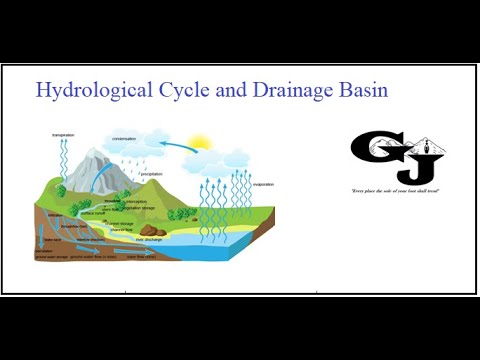
Added:Basic hydrology and the water cycle, specifically how a watershed functions as a geographical and ecological drainage basin.
Fundamental concepts of water quality, including the difference between point and non-point source pollution.
The basic definition of environmental stakeholders and their general role in community-based resource management.
An introductory understanding of environmental policy and governance at local or national levels.
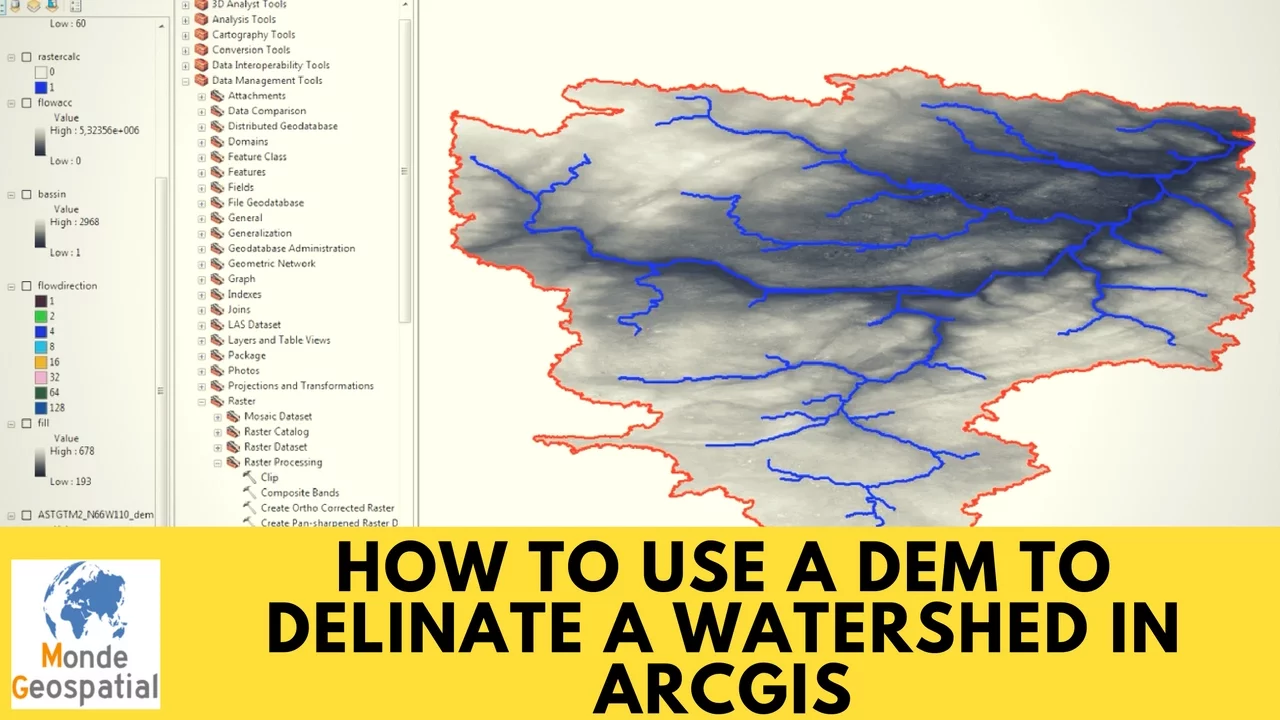
Using Geographic Information Systems (GIS) and hydrological modeling tools for watershed delineation and spatial analysis.
The regulatory frameworks governing water bodies, such as the Clean Water Act and the establishment of Total Maximum Daily Loads (TMDLs).
Designing, selecting, and implementing targeted Best Management Practices (BMPs) for stormwater and runoff control.
Developing a formal, EPA-compliant Watershed Management Plan (WMP) and securing grant funding (such as Section 319 grants).
600 views5likes1:23:13Original Release: 2024-02-16
advance the slide. Good morning everybody. I'm Stacy Bow with Strategic by Nature. I am a consultant on the river network team and helping to put on this webinar today. So, thanks so much for being here. I'm going to just go over the logistics and then I'll turn it over to our speakers. So, um what [clears throat] to expect today is we're going to do a very high level overview of watershed planning and how you can get started.
And um we're looking to explore two examples, one from Arizona and one from Colorado. Uh we want to make sure that we're looking outside of our state because there's a lot to learn out there. So we're excited to have our Arizona example for you. Um we want to look at different approaches to watershed planning and also help connect the dots to some of the funding sources that uh could be used for those different planning efforts.
and really here a lot of you are familiar faces but want to continue building a community of people that are working on watershed planning. Uh we've learned a lot over the last um many years of working on watershed planning and we're learning that from all of you.
So it's really important that we keep this peer learning going as we move through these processes. So uh we do have obviously Zoom is going on. Um as soon as I'm done with this slide we'll probably hit or we already are recording. Never mind. We're recording.
Um, keep your mic muted unless you're talking. Uh, we're going to do the raise your hand with the reactions tab at the bottom of your Zoom screen. Um, if you have questions, you can also type them in the chat. Um, and if you are talking for a question, we'd love to see your face. So, please turn your video on if you can. Um, we have a lot of time, not a lot of time and a lot of people. So, we're um trying to keep this um condensed. So, if you do have anything to say, we ask that it be um clear and concise. And um if you want to introduce yourself, use the chat for that. Um because we're not going to be able to go around all 44 of you to see who's here.
And please update your Zoom name if you can. The three little dots in the upper right corner of your video. You can rename yourself. And be curious. All questions are good questions. We're really excited to deliver the program today and I know our speakers are really excited to engage with all of you. So, it'd be great um to have you all here participating. And then also um just the standard be respectful, but we have a lot of diverse opinions and perspectives on uh line today. So, we want to be welcoming to all of those. And also, um let's be we'll be very respectful of your time and our time and be sticking to the agenda. So, if we don't get to your questions um we ask that you follow up with us later and we'll be able to dig in more as we move forward. Next slide.
So today's agenda, we're going to do an introduction to watershed planning and then go through some of the initial steps, talk about questions um and examples. We have um time reserved for those questions after both sections of the agenda and then we'll um hear from CWCB on um the types of planning you might consider and the funding opportunities.
And I will next slide I think is Chelsea. So I'm going to turn it over to Brian and um he is next on our agenda with River Network and let you introduce yourself and kick us off. Thanks Brian.
Thanks Stacy. Uh good morning everyone.
I'm Brian Murphy the healthy rivers program director for river network. I'm based in Denver and excited to see all of you here this morning. I am going to talk uh just a real broad overview of watershed planning. Uh and I was preempted by Chris Sturm to to say let's let's go back to the future of of what watershed planning used to be. And it's amazing what you can find when you Google back to the future and watershed planning. Um and so this one stuck out to me of you know Michael J. Fox on the hoverboard. If you're interested, you can go in and find and buy a hoverboard or even the Delaran is for sale. So, just keep that in mind.
Um, joking aside, if you go to the next slide, the other thing uh that really stood out to me in thinking about watershed planning is the EPA and other federal agencies have been at this for quite a long time, particularly when it comes to source water protection and other type of non-point source planning. and we'll talk a little bit about that later on in the presentation. But these were the three main bullets that came out of this EPA 2008 study on watershed planning. Um thinking about is it hydraologically defined um the you know the watershed piece of that and um the geographic focus which I'll touch on here in a second. thinking about the stressors or drivers of change in your watershed uh and the associated responses.
The second one being involved all stakeholders uh very fundamental and Chelsea's going to talk a lot about that the engagement piece of that and then strategically addressing priority planning goals and Andrea is going to touch on some of that you know in particular under the strategically addressing priority goals looking at multiple including multiple disciplines um practitioners community members geomorphologists ecologists the like in your teams um and that can further enhance and um provide input on your data collection approaches and those can vary from remote sensing to very intensive field-based and we'll talk a little bit about that as we go through this. Uh sound science and transparent decision-m was also a key of some of the discussions from that 2008 document and then really identifying projects and emphasizing multib solutions. I twisted that a little bit um because that's really an emphasis of of our planning in particular of of funding from from stream management plans that come from the state. So I felt like these were the three primary real ingredients to a successful watershed plan. Uh and if you'll go to the next slide, I'll just quickly show a little bit about you [clears throat] know how the geographic scope really why that's such an important factor on the front end of thinking about are you are you looking at your planning level uh being at the watershed scale where you're looking at different geomorphic and ecological conditions maybe evaluating fish species um and describing water use patterns across the wershed. to much more broad scale um as opposed to maybe a stream management plan that drops down into more of the stream network or what um is often referred to as the riverscape scale, multiple segments of streams. Um you thinking about riparian species or aquatic habitat. So you might be doing more uh field-based work than necessarily remote sensing or desktop that oftentimes happens um at the watershed plan. And then dropping even one uh scale further down uh to the reach scale is developing specific project plans and those oftentimes come out of either the watershed plans or the stream management plans and thinking about specific um actions. So flood plane connectivity might be an action that you're thinking about how to further engage your activate your flood plane or how do you improve a diversion structure for fish passage or delivery of water or sediment continuity those types of things. So you know the thing that that I try and keep in mind with the different scales is um is really the resolution and extent and that's um written at the bottom of the scale figure is you know the [clears throat] the the bigger the scale u probably you know the extent um that extent gets larger and your resolution of information and the amount of time and resources um tends to to drop off to some degree um just because you've had such a bigger um resource or bigger area that you're looking at as opposed to a smaller scale like the reach scale where you really have fine resolution or very high resolution data that you're using.
But that's because it's at a much smaller scale, maybe up to a mile or something along those lines. So the important and takeaway from this slide is just be thinking about that geographic scope as you're getting into planning or as you're moving from even planning into the implementation. what kind of data you need, what are your goals that um that will drive the the outcomes from your planning effort. The last slide that I have to go to the next one, Chelsea, is just there are some resources that are out there. Many of you are probably familiar with the Colorado SMPP.org. Um this is and that QR code will will take you there. This is a getting started guide. Um, you can see a screenshot there of pre-planning questions in particular for stream management plans and that's a little bit of the emphasis today, but we're trying to broaden that tent when we talk about planning and thinking about watershed planning or source water planning.
Andrea is going to talk more about the different planning types and how those all fit together. Uh but this resource for planning questions whether it's for stream management plans or other types of water management plans is really helpful on the front end uh to be asking questions particular if you have a watershed organization and you're trying to better understand your stakeholder group or you're defining your goals or you're starting to look at funding opportunities grant applications those types of things. So really great resource on the front end uh to start off on a a planning effort. And with that, I will turn it over to to Chelsea.
Thanks, Brian. Uh, and yeah, thank you for that Marty McFly uh image. That really took me back.
That's great. Watched that movie way too many times. Um, so for those of you new to watershed planning, I just wanted to highlight this uh diagram that we use to talk about watershed planning and the different steps that are required. And today I'm going to be focusing on this first step of defining purpose and scope. Um, but I'll also be talking about engaging stakeholders, which is really at the center of watershed planning because it's not something that's just a step. It happens along the way and and and you'll learn that as you go through your process. So, um, Brian mentioned Colorado SMP.org. Um, even though it's framed as being just for stream management planning, um, and there are stream management planning specific resources, if you're doing any type of watershed plan, I think that this this website will be very helpful for you. So, take a look. Um, and everything that I'm going to be talking about today will uh have more information on the website.
So, I wanted to start by talking about engaging stakeholders. Um, and before I dig into this, I just want to acknowledge that um, the word stakeholder ha has kind of a dark tie to colonialism and uh, people who have power being the holders. And I bring that up because River Network as an organization is constantly reflecting on the language that we use. And recently this word came up as a word that even though it's very commonly used in our sector, um it does have that kind of uh not so great of a history. I'm going to be using it today because it just for consistency sake, we use it all over Colorado S&P.org and it's all over river network's website and the EPA environmental justice um website too. So um but it is something I just wanted to mention and there are other ways to talk about it. Um so with that little side note said um stakeholders are people who have a direct stake in the outcome of your watershed plan and they may be people who have whether it's regulatory authority to implement that plan or maybe their land is um within that watershed area that you're focusing on.
So they have the authority to um make decisions about what happens or they might not have any authority at all and they are just people who are benefiting from that plan or being affected by it.
So you really need to have all types of people um involved in your stakeholder process. Um, in watershed planning, we often think of these people as just being from the agricultural, recreational, or environmental communities. But I've seen watershed plans with um, chamber of commerce, with neighborhood associations, with environmental justice groups that are involved. And so, it really will depend on your community. Um, these people are going to be your conduits to the broader community. They're going to help you understand what's important in the community. Um, so they're really important to it's really important to make sure you have the right people there and to work with your stakeholders to make sure that you have the right people at the table. Um, your if you're leading this process, you're likely going to be part of a leadership team that maybe is managing this grant that has um is for the watershed plan. And your role role is really to move that process forward. And you'll do that with your key partners um and potentially with like a technical team and a facilitator.
The next step in this process is to consider different engagement approaches. And I'm going to frame these today as tips because um there are many tips for how you engage stakeholders.
Um, and the first one is to remember that when you're working on stakeholder engagement, the focus is to build trust and build relationships with these folks and really understand their needs, um, their issues, their concerns, and um, really this this part of your watershed planning process, it cannot be underestimated how much time and energy this takes. So, when you're developing a budget for this part of your wershed plan, keep that in mind. It's it's going to take time. um your your stakeholders aren't going to be your best friends right away. Or maybe they are and you're lucky. Um the next tip is to give stakeholders a reason to be there. Um and I'm not just talking about bringing pizza to an open house, although that would definitely draw me in. Um I'm talking about helping people understand why this plan will benefit them in the long run or why they should be involved in your process. And you might not have that clear care clear answer at the very beginning, although it'd be nice to have that. But as you talk to your stakeholders, you'll be able to understand why, what's important to them and help make sure that the plan is um serving them in some way. The third tip is to use your champion community members as ambassadors. So um I've seen in every watershed plan that I've been a part of a a different kind of community champion. Um, I've seen neighborhood association leaders who are interested in planning because their community is flooded every year and so they want to be there at the table to talk about that and emphasize those issues. I've also seen agricultural users who want to see the land preserved and um and kept a special place for generations to come.
whatever those ambassadors are, they're they're going to be so helpful for you um because they're going to give you the perspective of the community and help you understand some of the community dynamics you wouldn't know otherwise.
So, um keep them in mind. The fourth tip I have is to just invest in good communication tools and systems for transparency. And that means having a nice website where people can go to learn about your project. But it also means putting together some sort of communication plan so that you're keeping your uh stakeholders up to date.
You're helping the public understand your process and you're making it so that it's not just all happening in one room where no one else can learn about it. It's it's really going to be a plan for the community.
Next is to hire a neutral facilitator.
And this I could talk on and on about this. A lot of times when we think about watershed planning, we're only thinking about the technical people who can um develop some watershed model that will help you think about how much flow is in the watershed. Um but a facilitator can help you think through who are my key stakeholders, what kind of process do I need to set up to make it so that they're um engaged in a way that's meaningful. Um, so make that a budget line item for yourself when you're building your um, watershed plan budget.
The fourth here is to define clear expectations and a decision-making process and um, authority for your public and but especially for your stakeholders. Um I like to think through this process by looking at the spectrum of public participation where on the left hand side of this figure you have um you have involvement that's more at the informed level and as you move across this figure you're empowering people to actually make decisions and I would say that um for stakeholder engagement you're really thinking about this middle ground of consulting and involving as where you will be working with your stakeholders. Um, and this can help you understand what promises you're actually making to these folks. Are you just trying to inform them or are you trying to gather their concerns and issues and help them see exactly how those are fed into your plan? I would say that in most cases, um, plans aren't necessarily you're not actually going to give your stakeholders the authority to implement the plan unless they, like I said, have that regulatory authority.
Um, but this will help you think through what your goals might be, what your promises would be, and some of the tools you could use to um, gather input from your stakeholders.
Speaking of that, um, there are many different methods for gathering community input, um, which can also be used when you're talking to your stakeholders. Um, you can use interviews, you can use surveys, you can do an open house where you're bringing specific users to talk about their issues or you might be going to a farmers market or maybe it's a library or in a lot of people, I don't know why people tell this has happened to me a lot in Colorado, people tell me go to the pub, talk to Margaret about her issues with the watershed. Um, so you'll figure out what the best methods are for you. I would just say that keep in mind that when you have your one-on-one conversations with people, those are going to be some of the most effective ways for you to learn what people are concerned about and what their values are.
Okay, I'm going to switch gears and talk about defining purpose and scope. Um, so when you're starting to think about your watershed plan, you need to figure out what your motivation is. And in most cases, watershed plan are either anticipatory, reactionary, or exploratory. So in an anticipatory case, you know, there's a change coming in your wershed, and you want to get ahead of that and plan for it or collect data to better understand what that change might actually mean. Um, in a reactionary case, something has happened already in the watershed and you want to address it. Sometimes it's something awful. It could be, you know, a a fire.
It could be uh low flows and you need to think about what you can do to improve that situation. In other cases, you might be doing a more exploratory plan where you're not anticipating anything or reacting to anything. It's more about we want to plan for this watershed, so let's move forward. And we have examples of these different kinds of plans on the website.
The next step once you've figured out your motivation is to start to refining your goals with your stakeholders. You may have come to the table and have an issue, let's say with invasive plants that you want to get rid of in your wershed, but your stakeholders are going to have other interests as well. So, it's important to think through what your top goals are and work with your stakeholders to see um to refine those a bit. And these are just some categories of different goals that are we see over and over again in watershed plans, but you may have other goals as well that you're thinking about that you can definitely integrate into your plan.
I'm not going to spend a ton of time on this slide because it's outrageous, but I just want to highlight this resource on our website that walks you through different types of goals and common approaches for gathering data um to address those goals. So, you can take a look at this. We'll be sure to share this afterwards as well, but it's really just a nice um summary of goals that you can think through.
Next in defining your purpose and scope is to establish clear timelines. Um you this will help you kind of stay on track. Um it'll also help your stakeholders and the public understand what you're doing and when you're doing it. Um, and this may come up later in the web the the webinar, but I just want to mention here that CWCB with their water plan grants really wants people to put their projects into phases. Um, and so that that can also be a nice way for you to set a timeline that's realistic rather than let me do this plan in three years. Let's let's break it down into just a year or so. Um, and but the thing about timelines is that they can change and communicating those changes is really important when you're working with your stakeholders. Um, you might have high flows that delay your fieldwork and then staff changes that limit a group's capacity to move projects forward. Um, and that can mean that your project has to be extended.
And that's totally fine. But as long as you're able to communicate that and show what you're doing and what you plan to do, then you'll be fine to move it because people will understand that things happen.
My last piece of defining purpose and scope is hiring a technical consultant.
So, I was raving about the facilitator.
They're awesome. you should bring them on. But a technical consultant is also really important when you're doing watershed planning because you're going to need them for collecting data, analyzing it, and doing whatever it is that you need to do with that. Um, but before you do this, it's really helpful to have your goals and objectives kind of figured out for the most part so that you can write a request for proposal that's really clear. Um, and we have a lot of examples of these online, so you should check that out.
Okay, with that I'm gonna stop sharing um and I am actually going to pass it over to Julia with Southwest Decision Resources who is going to share um about their the experience that Julia has had sort of with these initial steps of water planning down in Arizona. So, uh Julia, I'll pass it over to you.
Thanks, Chelsea. I'm Julia Gulmo and I'm one of those weird people with multiple positions. I'm sure there are a few of you here who work for multiple organizations in the watershed world.
Um, I'm a facilitator with Southwest Decision Resources based in Arizona, but I'm also the conservation and science director for the Altar Valley Conservation Alliance, which is a nonprofit organization based in one watershed. So, I'm going to just share a little bit about our watershed planning process in the Altar Valley. Can everybody see this slideshow? I'll put it on slideshow real quick.
I can see it.
Awesome.
Okay. So, a little bit about the Altar Valley watershed plan.
What we were aiming for in our watershed was a suite offormational resources and decisions that built upon a lot of years of collaboration in our watershed. Um, this presentation is going to align really well with what Brian and Chelsea were just talking about with what we were building on. But here's a little picture of what's in our plan. One, current and desired conditions. what does the watershed look like? What's the management um landscape? And how are people making decisions right now? Two, management strategies for addressing complex problems that all jurisdictions across the watershed could look to in their own planning processes and project planning and implementation.
Three, we have a web page that's a virtual toolbox of information and references kind of like the cutting edge best available science all in one story map that we can keep updating.
We also did, this is kind of the crux of the plan, concepts for 30 priority restoration projects that required multiple landowners to complete. So, these aren't just like really small projects that one rancher could get done, say like um repairing one mile of fence. These are cross-jurisdictional collaborative projects that might take you know the next 25 years to accomplish all these projects. We also developed a general framework for adaptive management. So, making sure that we're continuing to implement the projects, monitor the plan, and communicate across the watershed.
So, a little bit about the watershed and kind of how we got to our planning process. Really quickly, the Altar Valley is um southwest of Tucson, Arizona, and we're part of the Madran Archipelago. So, this map is southeast Arizona. Tucson's here. We're just a little ways out. So, it's a very open space dominated watershed and that's because of the collaboration that's gone on over the years. Um our wershed area is about 600,000 acres. So we were focusing here on a very large scale multiple sub drainages and then there's one main aoyo that goes south to north through the watershed this dotted blue line. Fun fact about the Altar Valley, we don't have any perennial rivers. So very different from many Colorado wersheds. We're all dealing with ephemeral waters except for tanks and man-made lakes. So we are this is so much of this about is about managing surface water to infiltrate um more than water quality and keeping any existing river water where it is. So there's also a lot of land owners private county state tribal federal wilderness area national wildlife refuge totally run the gamut throughout the wershed. And another important thing is that there are multiple families who have been there for centuries and many many more for decades and a lot of them are ranchers. So there's a long history of land stewardship and continued knowledge throughout our wershed that we could build on. So um Chelsea talked about a lot of the foundations that you need for a watershed planning processes.
um a lot of the actions that she stated about engaging stakeholders were already kind of initiated in our watershed before we even started a planning process for this large watershed. We had about 20 years of communication collaboration between different entities in the watershed and the thing that got us all going was the conflict between grazing and conservationists. So that was kind of the main thing that got collaboration going in our watershed was that people wanted to work across boundaries to improve land health. But there were a lot of relationships in the way with beliefs and preconceived notions about what is conservation, what is ranching, what is the government doing here. Urban areas are encroaching into our watershed that kind of thing.
So the Altar Valley Conservation Alliance was incorporated in 1995. So before we started this planning process in about 2018, we had had almost 20 years of collaboration experiences.
We also did a resource assessment in 2000 which kind of aligns with Brian's steps about um assessing land conditions in the watershed. So he had already identified vegetation communities, soil types, land use history and characterize the major complex and driving challenges in our wershed.
We'd also done some projects that demonstrated effective methods for addressing land health issues. So, there weren't any huge projects, but we did have something to refer to for what kind of worked with wildlife conservation, erosion, and soil retention, vegetation management, and things like that that we could draw on. We also established a collaborative structure. We call it the watershed working group which is all people who care about live in work in research the watershed that was already established before we did the watershed plan. We also through that watershed working group had developed a shared vision for the watershed. So a really short document just saying we all want to conserve the altar valley for next generations. And that was a really important foundation in a whole process within itself to develop that shared vision. But with that as the foundation, it was a lot easier to get into the mechanics of what was needed to reach the collective goals and actually make stuff happen on the landscape.
So initiating the planning process, what we did was identify our biggest driving question first. And our biggest question was how can we tackle the largecale complex issues in our watershed which were two one a royo incision and two shrub encroachment of the grasslands and those issues really perveyed everything you could say that there are a lot of other issues like drought and climate change vegetation loss things like that but they were all related to these two issues so that's what we focused on and that was our application for the Bureau of Reclamation water smart phase is one grant that we ended up getting. That's a federal funding source that I don't think requires any match at the time. It didn't require any, which was a really big plus. Um, so we got that grant and started convening core partners. So, we already had kind of that larger group convene, but for this planning process, we shrunk it down to design the process first. We identified kind of the key land owners in the watershed and design the process. We also set ourselves up, as Chelsea was alluding to, with a modeling contractor right away, an engineering firm who could do some watershed modeling and a geographic information system. We already had a GIS in our watershed, but we had a separate group of maps and data that we could collect just for this watershed planning process and set it up so the groups working in the process could access and edit some of those maps. It was very participatory.
Um then after we did those kind of setting up activities, we convened that larger watershed working group and um discussed the whole process with them.
We gave them an outline of like, here's how we think this process could go. What do you all think? So, we got more input and then we designed the plan outline from there. A couple little things about partner engagement. Even though we had already been engaging partners, there's always so much more to do. And in this process, some of the things that were successful were having the core team, each of their representative partners were um making sure that they were involved. So, it wasn't all one organization doing the communication work. It was, hey sub team, who really cares about you guys? Who are your most important partners? Do you know land owners? Do you know tribes? All that kind of stuff. And they would do the communication. So, collectively, we got the word out. We also engaged different partners in different ways. Not everybody wants to come to a meeting.
So, we designed our decisions so that we could get input from multiple ways.
field trips, surveys, going to partners' meetings, giving them presentations. Our board of directors aren't big planning people. They're ranchers. So, we went to our board meetings and asked them targeted questions that were important along the way. And then having decision-making process that was well defined, so everybody knew what their role was in the decision-making and included diverse methods for actually doing the decision making. So, was it consensus? Was it prioritization? and it's just a list of what's important.
Does everybody just have to greenlight things or was something an actual signed decision? In our watershed plan, nothing was formally signed. Nobody signed off on the plan and said, "Yes, my organization is committing to $20,000 for this project. It was more about project prioritization."
Um, and then here's a quick um graphic of our structure. So that wershed working group that I was talking about is this big green circle. We convene technical teams based on people's expertise. A lot of wersheds would be similar. So we've got wildlife, hydraology, community and vegetation.
And these were the people who went on field trips, looked at priority projects, got ideas for the projects and actually did initial evaluation of the projects. Um the core team was the group that I was referring to that is the really core partners land owners. So for us it was the county, the wildlife refuge, the university, some land owners um and a few other core partners and we also had the neutral facilitator that uh Chelsea was talking about. Southwest decision resources helped us to facilitate the process. I as part of that group also facilitated a lot of meetings. my skill set. But in some times it actually was still helpful to have an even more neutral person focusing on that large scale process.
So here's our timeline based on the b's process. Our deliverables for that grant were developing that watershed working group and complete the watershed restoration plan. Those were like the only two main goals for that grant. It was really general and really flexible which was awesome. Along the way, we had to assem Oh, sorry. We had to assemble the wershed working group, do the outline, draft description of the current conditions, identify the potential restoration projects, develop the high priority projects and evaluate them and then produce the final plan.
There were a lot a lot more um steps and goals and outcomes of this process. But in terms of the grant, this is what we had to show. what we did which is pretty basic.
As far as plan implementation, we have now implemented 10 or are working on implemented 10 of the 30 priority projects identified collectively. We also acquired funding to implement a group of five projects in one area for a BOR water smart phase 2 grant which is really exciting. We're just following along that same funding source. Um the watershed plan is also informing partners' planning processes.
So within that larger watershed, the county is doing a land use plan and that watershed plan language is being tiered down into that plan. There's also a restoration planning effort happening to the north of our watershed. Our projects and languages going up to that plan. And there's also a lot of other coordination like we have a fire coordination group who is constantly looking at fuels treatments projects and we got ideas from the watershed plan and are feeding that group's ideas back into the plan.
We're also refining indicators of watershed health. So looking at what to monitor across the watershed to look at conditions and trends over time. And of course we're updating the priority project list and the watershed plan document itself. Here's a quick look at how we update the plan. So, if we start at when the plan was finalized, which was in 2022, we're pursuing and implementing the projects. And as those projects are being implemented, people get new ideas.
They refine the project concepts and the technical teams those wildlife hydrarology vegetation and community are identifying new projects and writing down what the concepts could be throughout the year. So we have little written project descriptions of every project that's in the watershed plan. We have those as an appendix and so those can be used as tracking for which projects are getting done updating what's happening and then adding to that kind of library of what's being done and what ideas there are.
So new project ideas get identified each year and then that larger watershed working group evaluates the project list again and says oh based on the projects that are happening and the new ideas let's reshuffle them and see which ones are priority for us this year and then all of it is incorporated into an update updated list and we've got an updated watershed plan document and that was a whirlwind through our watershed planning process. I know it was super quick. If you want to look at the plan, it's on our website. It's about a 100 pages long. It's very extensive. It has a lot of links, a lot of maps. Um, go to the altar valley conservation.org website and there's a watershed plan page on there and you can always contact myself, Julia Gulmo, um, if you have any questions or if you want to talk at all about watershed planning.
We're very into planning and implementation, so it's always fun to talk about that kind of stuff.
Okay, I think that's it from me for now.
Thanks a lot for listening.
Thank you so much, Julia. That was awesome to hear about your work um in Arizona. And um I am going to pass it over to Cheryl to talk about the upper Gunnison.
Awesome. Good morning all. Let me get my screen shared.
Just want to confirm that everybody can see this my laser pointer and hear me.
Okay, we can see it. Uh, Cheryl, but I can also see your notes on the side.
want to do this one. How's that?
Perfect.
Awesome. Great.
Yeah. So, my name is Cheryl Swellik. I am a water resource specialist for the Upper Gunnison River Water Conservancy District. Uh we are a local governmental agency involved in all things water. Our mission is to be an active leader in all issues facing the water resources of the upper Gunnison basin which is a tall order that fits right in with watershed management planning. Uh, we started our WMP planning process in 2015 after Governor Hickinlooper charged the Colorado Water Conservation Board or CWCB with developing a state water plan.
The state water plan that came out in 2015 really aimed to bridge the gap between decreasing water supplies and an increasing demand due to growing population here in Colorado. As you may be aware, the water plan was updated in 20 uh 23 and really trying to build on the previous plan success and statewide collaboration with four focus areas including vibrant communities, robust agriculture, thriving watersheds, and resilient planning. And these are all things that we are focused on incorporating into our own Gunnison watershed management plan. So what does this mean here in the upper Gunnison? Uh we started in 2015 as a small ad hoc committee of district board members and staff. It arose after seeing land use changes in recreation growth development and a desire to understand how our wershed currently uh functions and how we can make informed decisions in the future that improves water security for our water users. Um we established an official board committee in 2016 charged with completing the watershed management planning. Uh the group conducted local listening sessions across the basin.
They developed a framework for the project and identified funding opportunities like with CWCB.
Um, while stream management planning was really important to our district, it was also critical to our board that as a headwater community surrounded by 97% public lands that we also conduct wershed management planning focused on forest and watershed health as well. Um, our board they backed that desire for having a watershed and stream management plan by committing to provide a 50% cash match on our CWCB grant. And I'll talk a little bit more about our funding uh a little bit later.
Um our approach to outlining vision and goals to the watershed management planning. It's been an adaptive process.
In the beginning, uh the WMP was introduced as this multi-phase project and there was specific goals in each phase. Now uh to guide this final planning stage the WP committee we adopted overarching an overarching mission statement it actually came from the initial uh proposal to the CWCB and it was developed by that ad hoc committee subbasin coordinators and staff. So this mission is as follows. To help protect existing water uses and watershed health in the upper Gunnison basin in the face of pressure from increased water demands and permanent reductions in the water supply. So with that in mind um our WMP committee chose to start our planning effort by dividing our larger basin into seven subbasins and we started with work in three of those. So this is the East River, the Taylor and also the Lake Fork. And we assigned a basin lead who would carry out all the work effort um in each of those different subbasins. And we focused on stakeholder engagement and outreach to identify watershed values and water resource issues. We spent two years on that effort and we had really good general descriptive information for those three watersheds and lots of information from stakeholders about values and values at risk um summaries of water rights and lots of reach level information from practices like R2 cross but we didn't have anything tangible that would help us get from issues to solutions and project implementation and so at the beginning of 2020 we had new leaders leadership and a decision was made to turn everything on its head.
Um, instead of having a single person responsible for all planning aspects, we hired trusted water subject experts that could work on specific water resource issues across all seven subbasin. We focused on filling critical data gaps through carefully selected water resource assessments which included municipal source water protection planning, agricultural infrastructure, larger reach level irrigation system optimization, riparian and wetland assessments, wildfire hazard and zones of concern assessments, geofluvial assessments, and wet meadow assessments.
This probably sounds like it's very extensive and expensive and it was uh but that's where partnerships and capacity building become important and I will get into that in a moment. Um at the completion of this multi-year planning process, we will produce a final summary report of our findings with this um appendices that contain all our full assessments and in collaboration with our community, we will create subbasin specific action plans. So as you can see each of these different areas, we can go in with these sub basin plans that address values and concerns. Uh these plans will show general subbasin characteristics but more importantly they will recommend specific projects like replacing aging agricultural infrastructure to improve water management and efficiency. Um they will also go over wildfire hazards and zones of concern, boatable days during dry average and wet years. Municipal source water protection projects like vegetation management and reconnection of flood planes to mitigate potential debris flows. stream management recommendations that encompass finding um findings from Creole's studies. Um and then also projects to restore wetlands or protect wetlands at risk areas with low flows where potential opportunities may exist to work with water right holders. Um, as we wrap up our WMP, it is critical to us, to me, that this isn't something that ends up on a shelf with a static list of of projects and issues, but is a living document that can help guide future projects. Um with the completion of phase two um we will be going out to stakeholders to present the WP and the results of the assessments which will show issues and risks that have been identified along with examples of completed projects and proposed solutions to benefit the watershed.
Uh the upper Gunnison sought and received grant funding in uh three different purchase orders with the CWCB.
The first PO kicked off with work in June of 2017 and that was what helped build our capacity by hiring those initial subbas and coordinators and starch reach assessments. Uh the second CWCB purchase order began in May of 2019 and focused on securing those contractors and specialized experts to assist with system optimization and uh complete some of those reach assessments. The third PO with CWCB started in April of 2023 to complete the geofluvial and wetland assessments and get us over the finish line. Um the funding from CWCB has been critical in getting our WP off the ground to build capacity um initiate these different reach assessments and to work with quality technical experts and consultants. the projects we identified through the WMP process um have been and can be funded through our district grant program as well. Uh we really see that as a a next big step is as we finish our WMP that when we go out with those subbasin plans then we can partner with uh folks in the community that can identify those issues and come to us with projects and we can partner with them through our uh grant program. Um, we have also partnered with Trout Unlimited for grant funding um and project implementation. We've also uh utilized Colorado River District's community funding partnership program.
And we've also worked with the Colorado Department of Public Health and Environment's non-point source program for um sections in our WMP on water quality. We've also worked with our own local water users who have put in their own cash to get uh projects off the ground. And so with the roughly 400k that we received from CWCB, we've been able to leverage over $2 million um not just for those reach assessments, but also to do demonstration projects. Just as a uh to provide some context, we've identified um over a hundred different projects and we've completed about 25 and we have about 95 that are in the bucket now.
Uh throughout the WMP process, we have actively engaged stakeholders. We built strategic outreach and stakeholder input into the process. Um, at the outset, it included large open meetings, on-site events, um, with district staff and board members. Uh, we surveyed individuals and also followed up with targeted outreach to small groups across all water interests such as recreation, agriculture, municipal, industrial, domestic, and environmental.
Um, as different and various assessments have been completed, the district worked with contractors who completed those assessments to present different super groups or subcommittees and committees and working groups u with different interests across the upper Gunnison basin. Um, as our WMP process wraps up this summer, at long last, woohoo, we will do wide reaching and targeted outreach to stakeholders utilizing existing professional networks, agricultural networks, recreational networks, and uh, continue to use those super groups. We also have our district's upcoming 65th anniversary during which we will share the results of the assessments and proposed solutions.
So, you've heard me kind of talk about our focus in phase two on on the gap assessments um before doing continued broad stakeholder engagement. And it's important to note that while we didn't want to simply disappear or lose team momentum, um we maintained a close connection with our community by conducting uh stakeholder engagement through those super groups. And if along the way we found high priority projects with willing land owners, uh we pushed them through our district grant program and in some cases even helped fund um fund raise some of those projects so we could get them implemented with partners like Proud Unlimited.
Uh right now we've also kicked off drought contingency planning in the upper Gunnison basin alongside the city and county. It's meant to identify drought through monitoring indicators and triggers. Um already our work with Wilson Water Group on the WMP is informing this process. Um this summer we will start brainstorming with our stakeholders on uh drought mitigation and response actions, things like reducing or eliminating outdoor watering along with proposed actions and solutions from our WMP process. uh with the WMP identifying those issues and risks and um identifying proposed solutions and the DCP being used to help utilize these proposed WMP solutions that tie in um with that water plan initiative for resilient planning um building that vibrant community with robust agriculture and a thriving watershed. Um, with all of that, um, I'm happy to take any questions if we're taking questions at this time.
Thank you so much, uh, Cheryl. I really appreciate, um, hearing about the work in the Gunnison. Um, and we are going to take a minute for questions. I think we have about five minutes before we're going to pass it over to Andrea. But I just wanted to clarify one thing that I um, may have caused a little confusion during my presentation. So I just wanted to clarify um that most watershed plans are voluntary. They are not regulatory plans um and just as um Julia had talked about in their case people come together and they're doing it on their own. It's not because of a regulatory requirement and that goes for stream management plans and other types of plants as well.
Um, I threw that word around, but what I was really talking about when I was talking about regulatory authority was just like, you know, if you're if you have a town in the middle of your wershed, you should probably be working with them because they're going to have important things to say about what they want to happen with their river. Um, but the plan itself is not regulatory. Okay, with that, um, I'm gonna pass it to Stacy in case I missed any questions that might have come up. Um, and we'll take five minutes for questions.
Okay, thanks Chelsea. Um, if you have a question, raise your hand or you can type it in the chat. Um, Ingred had a question about uh, Cheryl if any of your plans or I guess um, also for Julia if any of your plans specified beaver support and relocation as part of your solutions. And Stephen went ahead and put some of the information from the upper Gunnison in the chat. But I don't know if either of you have any responses to that question.
So as as part of our geofluial assessments um some of the proposed solutions are stream enhancements and that does include things like LTPBR and um beaverbased restoration.
So it it's definitely something that we see um and are doing here in the upper Gunnison basin.
And then in the Altar Valley, we don't have beaver habitat currently, but those uh strategies are being used in other places in Arizona, especially getting the beaver dam analogs prepared and the habitat prepared and then getting the beavers in the streams. We do use um the low impact um high low whatever low tech uh rock and brush structures a lot in our drylands as well. So, it's kind of applicable everywhere.
Great. Thank you. Um, while we're [clears throat] waiting for if there's any other questions, I'm curious if you could talk a minute about just how your stakeholder processes led to having project champions because it's not Alar Valley Conservation District, as you presented, Julia, implementing all the projects, you're coordinating land owners to do that. And same with Upper Gunnison, you're identifying projects that partners might take on. So I'm just curious how the the link between the planning and the implementation and how that works with identifying champions.
So for us at the very beginning of the inception of project ideas, we asked people who could be lead partners for the projects. We started off with some interactive mapping workshops where we just printed out big maps and had people put dots on the map of where think they thought projects could go with some accompanyingformational sheets with who the lead partner could be, what the project idea could be and some other information. So from the start um they had ideas and then the alliance's role in that was actually contacting the people who had brought up the idea and the potential lead partners to say is this realistic is this a priority for you and if those partners said no we actually couldn't do it or don't have interest we didn't include that in the possibilities for the watershed plan and and for us in the upper Gunnison you know it Something that we've been involved with from the very inception in 2015 is you know identifying those you know subbasin coordinators had a relationship with folks in various subbasins and you know here for us that when one of the first people that comes to mind is Jesse Prethup he's been such an incredible champion in getting some of these demonstration projects off the ground and and a lot of that was just you know um outreach to our different partners and inviting them early on to the WMP process. And then uh throughout this this whole WMP process, this 8-year long process um it also has meant uh going out to these super groups. Um and you know in those super groups there is sometimes that person that arises as being that that champion uh that wants to take on projects and sometimes that champion is a a city. We have that currently right now with the town of Crested View on some source water protection planning.
Great. Thank you so much. Well, I don't see any other questions right now. If um folks on the webinar have questions as we go, feel free to write them in the chat and Julia and Cheryl can respond or Chelsea or Brian if you have questions for them too. And we have another Q&A coming up after Andrea's presentation.
So, um we'd love to hear from everybody on the call. So, Andrea, I will pass it to you and thanks for being here.
Thanks, Stacey. Um, I'm Andrea Harbin Monahan. I'm a watershed scientist with the CWCB, and I was going to discuss some certain planning types, uh, how they differ from one another, how they might overlap, and some funding opportunities.
Um, Chelsea, I did include the slides into that slide deck if you want to start sharing.
Perfect. Let me pull that up. It's and it's slide number 23.
Okay, we will do that right here.
You see that?
You can see that.
Perfect.
All right. So, this is certainly not an exhaustive list, but it is my effort to identify some planning types that we see regularly and try to visualize how they differ. So, up here on the top, we have the various planning types. Um and then below that in the gray boxes that indicates what the outcomes from each of those planning types ideally should be.
And then in the red boxes below that is the type of project recommendations that we would expect to see from each planning type. So with stream management plans and integrated water management plans um those are meant to identify flow recommendations for whatever the identified risk may be. So maybe there's a concern about flows um for recreation or maybe there are dryup points along the river at certain times of year that affect habitat um or potentially stakeholders might be concerned about the amount of water available for consumptive uses like agriculture and um that's really the difference between SMPPS and IWMPs is that SMPPS are primarily dealing with non-conumptive uses of water which is environment and recreation whereas IWMPs also include consump uses like for a and municipal uses and then next to that we have the EPA 9 elements plan which are also known as wershed based plans and these are plans that have that are specific to water quality issues and particularly if there's a contaminant of concern they want to establish what the total maximum daily load should be for that contaminant which is the maximum amount that the water body can handle without crossing the threshold into impairment and then establishing strategies and best management practices to meet that total maximum daily load.
And similarly, there are source water protection plans which are also water quality plans that are focused on protecting sources of drinking water and establishing best management practices to protect those water sources.
And then we also have river corridor planning, which I'm kind of using as an all-encompassing term for plans that may not fit into any of these other categories, but that are concerned with the river corridor, riparian health, um maybe the potential for flood risk and bank instability. And so outcomes for river corridor planning would likely include things like fluial hazard zones and bank stability, um increased riparian habitat and things of that nature. And then project recommendations would be activities to protect the riparian area to stabilize the banks.
Maybe it's maybe establishing special hazard areas to protect the fluial hazard zone and allow the river to move and things like that. And then finally, we have wildfire ready action plans which are part of the CWCB's wildfire ready wersheds program which is a relatively new program at the CWCB. and MIA's plans are focused on determining where we have susceptibility from post wildfire hazards. So we know that following wildfire the risk of flooding is elevated as is the risk of debris flow and sedimentation and things of that nature. And so where those risks interact with valuable infrastructure within the watershed that's where we have susceptibility and that's where we want to focus on mitigating measures to protect those values at risk.
And similarly, there are also community wildfire protection plans which are not actually wershed plans because they're not typically at the wershed scale, but I did include them here because we have had several communities inquire about combining this type of planning effort with something like a wrap. And um so these plans are ones that assess a community's susceptibility to wildfire risk. And so that um the risk that a community faces from wildfire and what to do in the event of a wildfire. And those project recommendations typically include things that would mitigate the risk of the fire. So things like thinning and prescribed burn, but also um protecting evacuation routes and having emergency plans in place and stuff like that. Um next slide, Chelsea.
Okay, so this is my attempt to make the processes for each of these plans digestible and help us understand how they overlap and where they differ. Um, so traditionally with this peer learning network, we've been focused on stream management planning and the CWCB has funded a lot of SMPPS, which is great, but we'd like to take a step back and help folks understand that an SMP may not always be necessary. And as we can see, there are many other planning types that might be a better fit for a community given whatever they consider their risks and concerns to be. And so we feel like it might be beneficial if communities started with a basic watershed assessment because it's important to know your baseline and to characterize your wershed. Um, as Julia mentioned earlier, these are your current conditions essentially. And so based on the results of that, it's sometimes easier to pinpoint where your areas of concern are and to decide which direction you'd like your planning to take.
Chelsea, we lost the slide.
Yeah, I'm sorry. That was my fault. One second. There you go. Oh, sorry about that. Andrea, continue.
No worries.
Okay. Okay.
So a watershed assessment should include um analyses such as hydrarology, geomorphology, biology and chemistry at a minimum and it would probably also include things like land ownership and land use but all very objective parameters which I think is why it makes sense for planning to start here with the objective analyses and then you can take that info to your stakeholder group and use it to flesh out what the objectives are moving forward and figure out like Julia said what your desired conditions should be. Um, so with all of these planning types, stakeholder engagement is one of the first steps. So gathering the folks who will be affected, the folks who may be able to contribute funding and data, and who may be called upon to implement the plan once it's complete. And so you complete your objective analyses, which is the hydrarology, geomorph, biology, and chemistry, as well as whatever wershed characteristics.
And that might be enough. Maybe that planning stops there and that level of assessment is enough for the stakeholders to collaboratively identify a number of actionable project recommendations and that that's great.
Or uh maybe the assessment identifies areas within the river where flows are not adequate and you need additional assessments. Or maybe there's a glaring water quality issue and maybe it's affecting or could affect a community's drinking water. or maybe you've identified areas of excess erosion in certain places of the river. And so in those instances, your stakeholder group would likely modify the vision and the objectives of the plan and hone in on the risks and concerns specific to that watershed. And maybe you zoom into a specific reach or a tributary where you can perform more data collection and gap analysis at a more refined scale.
And if you're doing river corridor planning, you would probably engage in some fluial hazard zone mapping to understand where the river is occupied in the past and where it might move into the future. And that would help inform some of your project recommendations.
And you might also perform some H&H modeling to understand how flooding events might impact the reach and surrounding infrastructure. So that would all be part of your data collection and analysis.
And in these planning scenarios, the data collection and analysis is going to lead to a specific outcome for each planning type. So for an SMP, like I said, we want to get to that recommended flow that's going to support whatever was identified in the objectives. So maybe that's a certain number of boating days per year or aquatic habitat for a specific species. And maybe we get there by getting creative with water accounting. Or maybe it's possible to obtain an instream flow, right?
And for an EPA 9 elements plan, we want to get to a total maximum daily load for the specific pollutant that was identified and find strategies that will help us to not exceed the load. And for a source water protection plan, we need to identify the non-point sources of pollution that are threatening drinking water supplies. And for both of those, the actionable recommendations would likely be some combination of best management practices for non-point source pollution. So strategies to help mitigate runoff from coming off of the landscape and entering the channel. And then for river corridor planning, we need to understand how and where the river may move, where it's degraded, where we can identify habitat restoration and enhancement opportunities. And maybe there's opportunity to modify land use codes for to protect the river and surrounding infrastructure. Or maybe there's opportunity for conservation easements.
But those those are the types of recommendations that might come out of river corridor planning.
And then for wraps, I sort of separated wraps out because I feel like the watershed assessment piece here is a little different. Um, with wraps it sometimes feels like we're racing against the clock because we know that wildfire is imminent and we really want to get to project recommendations and implementation quickly. And also most communities that want a wrap want a wrap, wershed assessment aside. And so the assessment as it relates to a RAP is probably going to be a bit more granular and it's going to be focused on hazards that could occur. So you're still going to look at hydrarology, geomorph, biology, and chemistry, but you're going to look at them through the lens of wildfire and more specifically through the lens of post wildfire. So how would each of these elements change if a wildfire occurred tomorrow and how would those changes impact our infrastructure downstream?
And so data collection as it relates to a wrap is going to primarily involve collecting information about all the values at risk within the wershed which is all the infrastructure that we deem valuable including life and property, drinking water sources, habitat etc. And then determining where the likely hazards would intersect those values. So where flooding is likely to occur post fire, where debris flows would likely would be likely to occur postfire. And then the project recommendations would be those that protect the values at risk and mitigate those likely hazards.
And then finally, I included community wildfire protection plans here.
Although, as I stated, they're not really wershed plans, but we have had several communities inquire about completing them in conjunction with a wrap. And there are a lot of similarities, but there are also a lot of challenges with that. So in terms of data collection, there's a lot of overlap, namely in terms of the values at risk, which are going to be very similar in each plan.
But then the differences are that CWPs are based on political boundaries, which are almost never going to align with the watershed boundaries that the RAP is based on. So that's a challenge that needs to be logistically overcome. And then the hazards that they're looking at are wildfire hazards. So their project re recommendations are typically going to be fire mitigation focused. So thinning and prescribed burning which isn't a bad thing and those can oftent times complement the project recommendations that will come out of a wrap.
Um next slide please Chelsea.
Okay so funding opportunities. The CWCB can fund any one of these types of plans with the exception of a CWPP and we can contribute up to 75% of a planning effort with the other 25% coming from the stakeholders half of which can be in kind match. Um so the most common way we have of funding these plans is through our water plan grants. We have two cycles annually. the deadlines being July 1 and December 1. And we have four wonderful regional project managers that deal specifically with water plan grants that can help you refine your scope of work and your budget and they're great.
And then we also have our water supply reserve fund grants which I believe are reviewed by monthly every other month.
um and they first need to be approved by your basin roundt and then once they're approved there they come to the CWCB staff for review and approval and then we also have our Colorado wershed restoration program special release grant which is our wildfire ready wershed grant and these funds are specifically for funding wraps and implementation projects that are concerned with postfire impacts and this is a finite pot of money It's not going to last forever, but once it is gone, we will continue to fund this program through our water plan grant program.
Um, and then I did find a couple of EPA sources of funding, but these would be specific to nine elements plans and source water protection plans. However, if you wanted to combine planning efforts, for example, combine an S&P with a nine elements plan and create one plan that meets the minimum requirements of both, then you could use CWCB funds and leverage the EPA source of funds as much. And similarly, although the CWCB cannot fund a CWPP, if a community wanted to combine a CWPP with a RAP, they could create a plan that meets the minimum requirements for both with funding for the CWPP specific tasks acting as match for CWCB funding and leveraging the funding sources and leveraging capacity.
Um, and then could you go to the next slide, Chelsea, please? Okay, so I know this is a webinar based on planning, but I wanted to touch quickly on implementation.
So for implementing the project recommendations that come out of these plans, the CWCB can fund up to 50% of those projects. And so discussing the RAP CWPP combo, although the CWCB cannot directly fund upland activities like thinning or prescribed burn, if the planning document can describe how these activities can work in conjunction with riparian mitigation activities for landscape scale mitigation, then funding for those could count as match for CWCB funds if they're part of a larger landscape landscape scale project and it's working together with a task that we can fund to protect the downstream value at risk. So, for example, upland thinning combined with wet meadow restoration or infrastructure upgrades, if they're working together to protect the downstream value at risk, then the CWCB can fund certain eligible tasks and the upland tasks can count as match. So, I hope that makes sense. Um, and I'm happy to take any questions.
Also, Chris and Steve, I believe, are on the call to answer.
Great. Thank you both so much. Um, it looks like we have a question from Ingred and I'll encourage all of you.
We're going to wrap up after the Q&A.
So, if you have questions, now's your time.
Hi, and thank you. Um, I live in Grand County, which is many of you probably know is the most diverted county for waters from the source of the Colorado River, the Kawanichi Valley, and Rocky Mountain National Park. And because of the um diversions, there are no more beaver there and because of the unullet eating all the willows, etc., etc. And um my passion is to get beaver back into the Kawanichi Valley. But it seems like it's going to involve the county, the state, the CWCB, the Colorado River District, and the feds. And um my group, Upper Colorado Watershed Environment Team, is lobbying all these entities to try and get a reaction and do something about, you know, on the ground VDAS in all the creeks and streams in the Kawanichi Valley. I mean, if you dry up the Kawanichi Valley, that's Andre, if you could if you could ask your question, that'd be great. We have room for other questions. Well, I'm just wondering if there's any way that uh these groups like CWCB would be willing to um support this kind of action.
I think we do support this type of action. We fund a lot of low tech processbased restoration, a lot of Beaver Dam analoges in the Kawanichi Valley.
Well, the problem is that they need to be collaboratively identified through a planning process. and then we can fund implementation. So that's our minimum eligibility requirement for funding that type of project.
I'll jump in on this one real quick for Ingred and then we can take this up offline.
Ingred, there's an active plan already for the Kanichi Valley and they are in the implementation phase. My recommendation would be to call the park service uh because they're doing design and implementation of projects right now. I will add that I think it is irresponsible to assume a project type before doing an assessment.
Um but otherwise I think we should take that that all blind.
Thank you Chris and Andrea and Ingred.
You can feel free to follow up with Chris and Andrea. All right we will go to Laura.
Hi thank you for the presentations. Um I'm jumping back to Julia and Cheryl's presentations. Um just curious like I I'm guessing that the size of the projects that were identified really varies in terms of cost. Um Julia you mentioned that you know you're implementing on an annual basis and you're also repri prioritizing the projects on an annual basis which um is great um but then when you're rep prioritizing I'm assuming that you have to spend time going after the funding too which also takes several months. So, I'm just curious about the, you know, keeping up the momentum of project implementation and I I guess I wonder if it does relate back to all of the different partner buyin that you had um from the stakeholder engagement piece like and I think Cheryl mentioned this also that you have the partners that are helping to implement the projects that it's not just your group that's leading the implementation of it all but I guess how do you keep momentum going.
Yeah, I think a lot of it goes back to that question of identifying who is going to lead the project and being comfortable with people kind of going off and doing their own thing. You don't need the whole collaborative buy in in our case at least in our watershed to say pursue funding for one project. Our game and fish department and ranchers work all the time together on habitat improvement projects. the collaborative watershed group might write a letter of support for those projects, but not every time a project is pursued does it need um a buy in or a green light from the group to do. So, it's really more of a coming together and updating each other on the projects people are implementing rather than an intermediary in project implementation. So I think we're lucky in our watershed where there are a lot of active partners who are already pursuing their own projects. And you're if you're in a watershed where people have not started their own projects, it could be in a different place where a maybe funding group is helping land owners to pursue funding or a subset of people is identifying the projects each year to pursue for funding and kind of strategizes on what to go for.
Thanks Julia. Cheryl, do you have a response?
Yeah, and here here in the upper Gunnison basin, as I mentioned, we've, you know, have 25 projects and more that we've completed. And, you know, I think the highest dollar amount on some of that has been, you know, $150,000 and over. And you know, we're currently looking at um a reservoir improvement project with um you know, additional which is going to be a a much uh more expensive project. And um like Julia also mentioned, you know, I don't know that we need everybody at the table to agree to that, but the the particular stakeholders in those subbasins. And so for us, it's that's why we're so excited about these subbasin plans where we can go out identify, you know, the super groups and the stakeholders in those subbasins that might either have projects already in mind or that um that we can do some outreach to and say, "Hey, we've identified these issues and you can come to us um and say that you want to help us get these projects off the ground." So it's it is stakeholder engagement on that subbasin level. um and and people also coming to us with their own projects. I hope that answered your question.
Great. Thanks, Rachel. Thanks, Cheryl.
Okay, awesome. Are there any other questions for our amazing team of presenters today?
I have a question.
Okay, Andrea, I love the flow diagrams you put out there. I was like gonna give you a standing ovation. It just doesn't work on Zoom. I love it. Um but my question for you is that Julia presented um on a using water smart grants to fund their planning. So I was just curious if you could speak to kind of how you saw that funding filtering up into those different plan types.
I'm not positive how water smart plan how water smart grants can be used for planning. I know they can be used for implementation and so I'm definitely not your girl to ask but I do I have seen some of our grantees use them as match for implementation certainly and there's a lot of uh people using water smart for planning as long as it's a phase one like Julia used in their wershed um but we can certainly follow up with more information on that or if other people have expertise please chime in so phase one being like engagement outreach.
Yeah, it's like stakeholder engagement.
Okay.
Creating a watershed group and creating a plan like those simple grant uh deliverables that Julia had outlined.
Thank you.
Okay. Well, I don't see any other questions, so Chelsea, I'll turn it over to you to wrap us up.
Yeah. Thank you so much, uh, Stacy, and thank you all for being here. I really enjoyed your questions and was um thank you to all of our presenters for sharing uh your experience and your knowledge.
Um I dropped a link in the chat and I'll put it in here again. Um we would love for you to take our really quick evaluation. This helps us to make sure that we're um adapting and and making these um webinars useful for you in the future. So if you have five minutes and you want to help us out, please take that. Um, we will have another call coming up and as part of part of our peer learning network. Um, but I have to look at the date right now, but we would love for you to all to be there and um I will send more information out about that um the date and the time on that with follow-up materials from this workshop including um the presentation recording and the slides. So, uh, with that, um, yeah, thank you, Kim. April 25th at 10:00 a.m.
Mountain is our next, uh, call. So, thanks so much and, um, we hope to see you next time and, um, have a good rest of your Thursday.
Thanks everybody. Thanks, Chelsea.
Thanks, Chelsea. Yeah.
Up Next

30:30
How Artificial Light at Night Disrupts Circadian Rhythms
@DarkSkyInternational
452 views•2025-10-31

12:54
Triumph of Orthodoxy Icon: Byzantine Art & History Explained
@BenCallan
2.1K views•2024-08-06

9:49
FastAPI vs Flask vs Django: Choosing the Right Python Web Framework
@TechWithTim
302.5K views•2024-05-26

1:42
Game of Thrones Opening Credits: A Cinematic Analysis
@gameofthrones
46.3M views•2011-04-18
Related Study Plans & Knowledge Roadmaps
Structured learning paths in General & Interdisciplinary Studies
general-studies
Elevator Engineering: History, Physics & Cities
01From Hoists to Safety Brakes: The Dawn of Vertical Lift
02Hydraulic vs. Traction: The Engineering Physics of Elevators
03Modern Speed, Safety, and Algorithms
+ 2 more learning modules
12h5 modules
Explore Roadmap
general-studies
Rubber: Material Science, History & Geopolitics
01Origins of Natural Rubber & Mesoamerican History
02The Chemistry of Natural Rubber & Vulcanization
03The Geopolitics of the Rubber Boom & Colonization
+ 2 more learning modules
12h5 modules
Explore Roadmap
general-studies
Containerization: Evolution, Logistics & Trade
01Ancient Trade & Bulk Cargo: Amphorae to Barrels
02The Industrial Revolution & Cardboard Packaging
03The Containerization Revolution: Malcom McLean
+ 2 more learning modules
12h5 modules
Explore Roadmap
general-studies
Textile Tech: Evolution, Labor & Global Impact
01Pre-Industrial Textiles: Handloom & Cottage Industry
02Mechanization: The Spinning Jenny to the Power Loom
03The Factory System & Global Labor Transformation
+ 2 more learning modules
10h5 modules
Explore Roadmap