
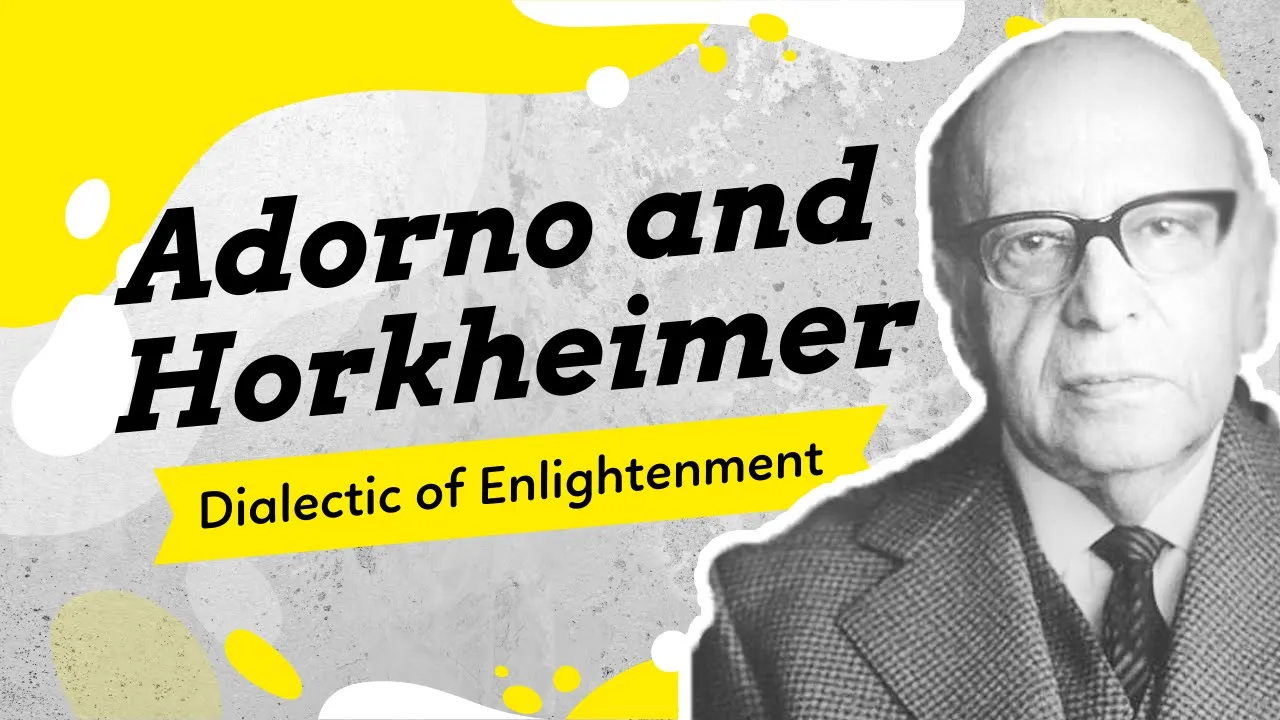


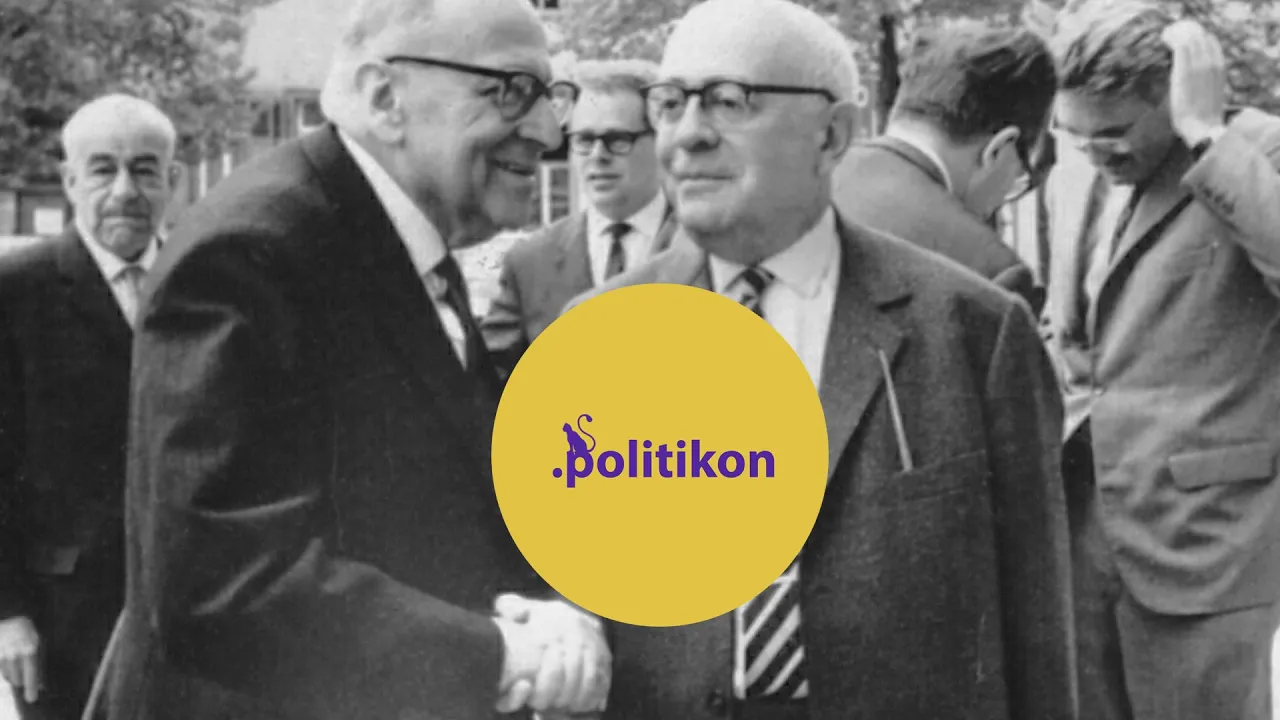
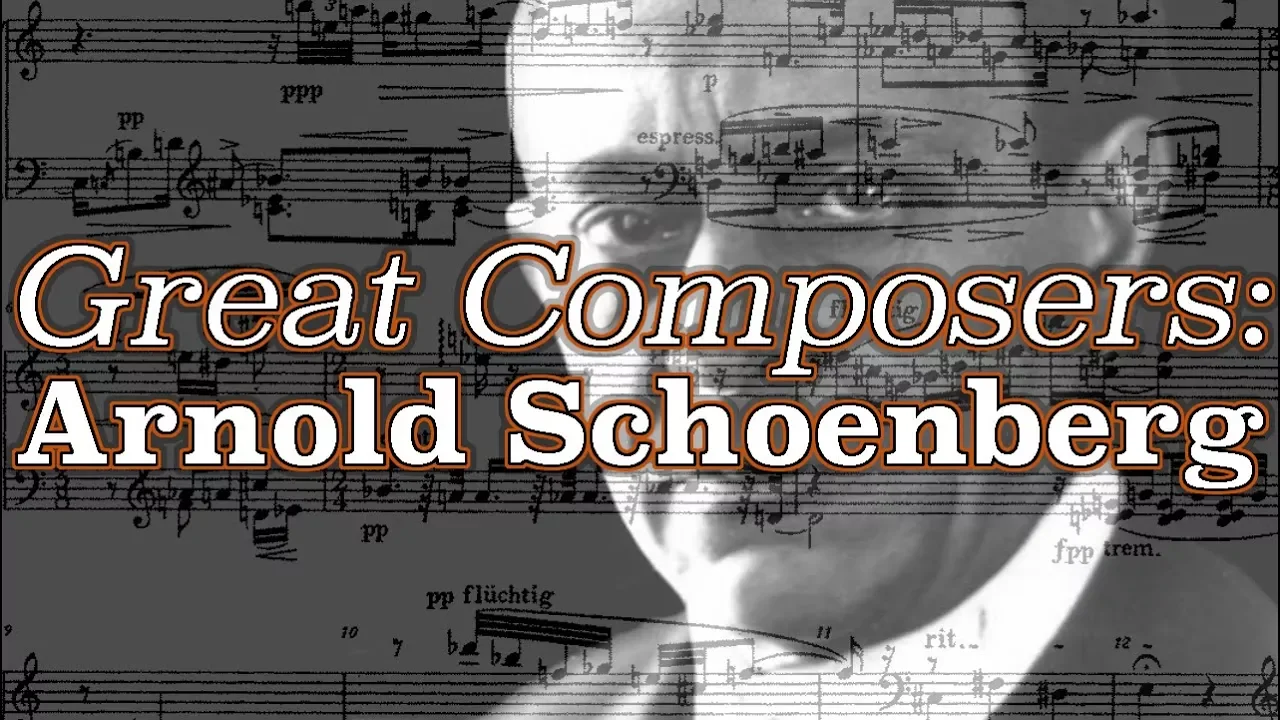



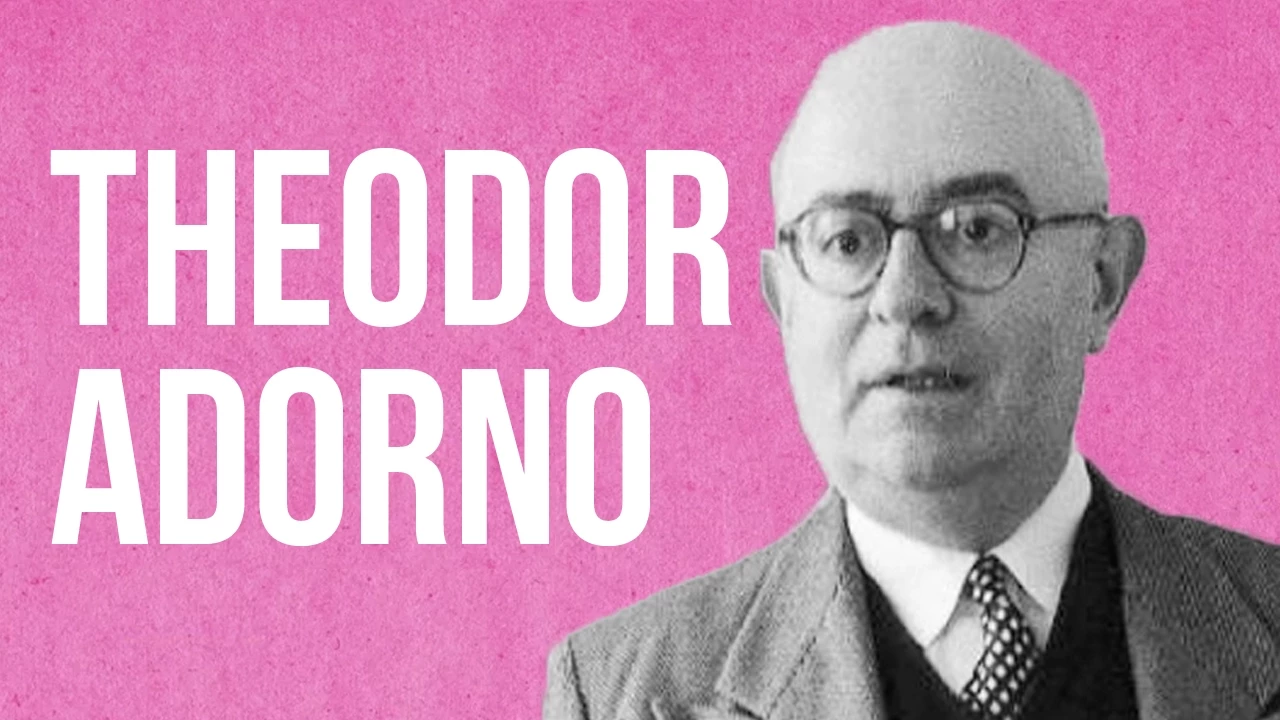








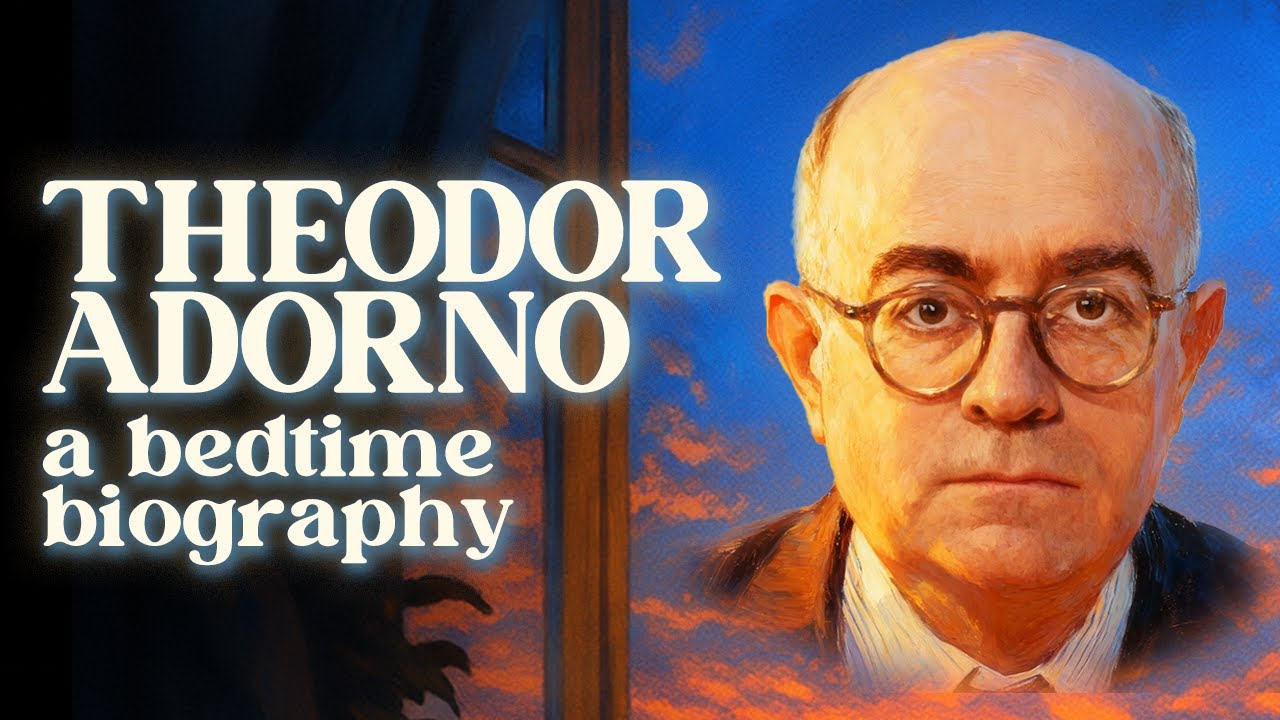
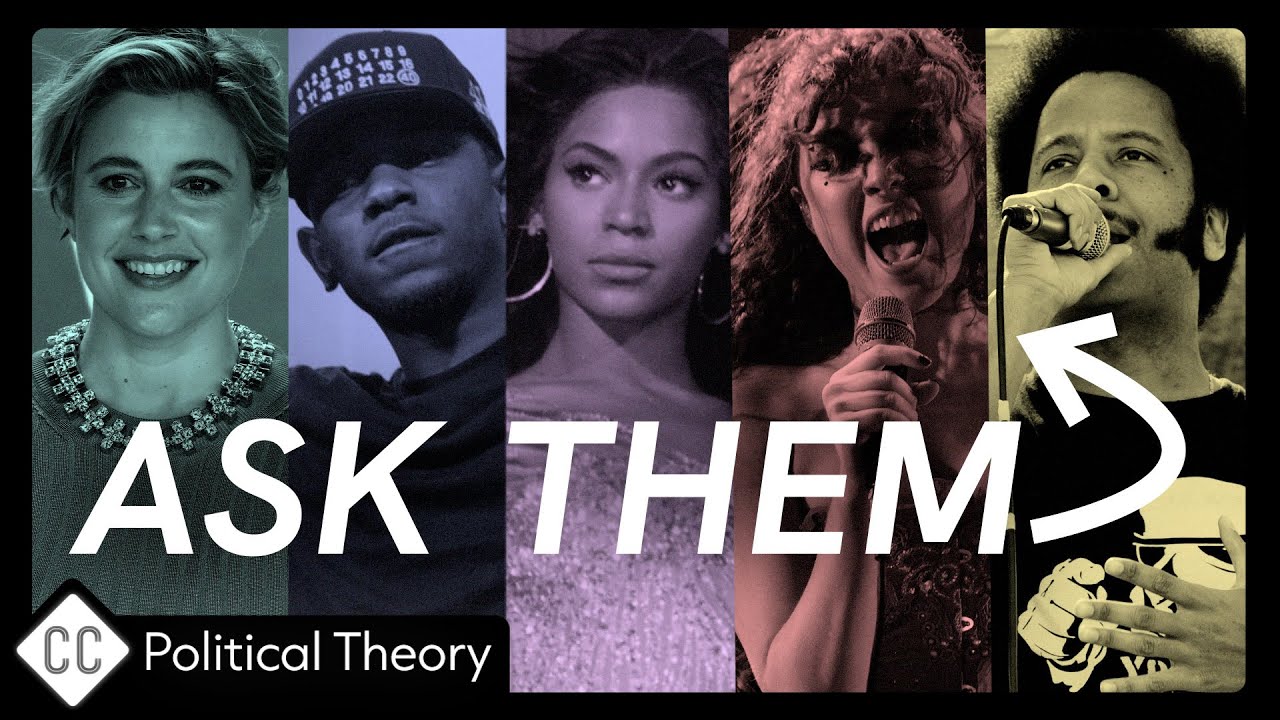


According to Theodor Adorno, music achieves its greatest subversive potential when it has no political use, as exemplified by Arnold Schoenberg's atonal piano pieces; this alienating, chaotic music shatters the false naturalness and expectations conditioned by society, forcing active listening and challenging the culture industry's mechanisms of passive enjoyment, whereas popular music like Beyoncé's Super Bowl performance cannot be truly subversive because it operates within the same commercial and cultural systems it seeks to criticize.
Adorno on Music's Subversive Potential | Music & Society
Added:Introduction to Theodor W. Adorno and the Frankfurt School's Critical Theory.
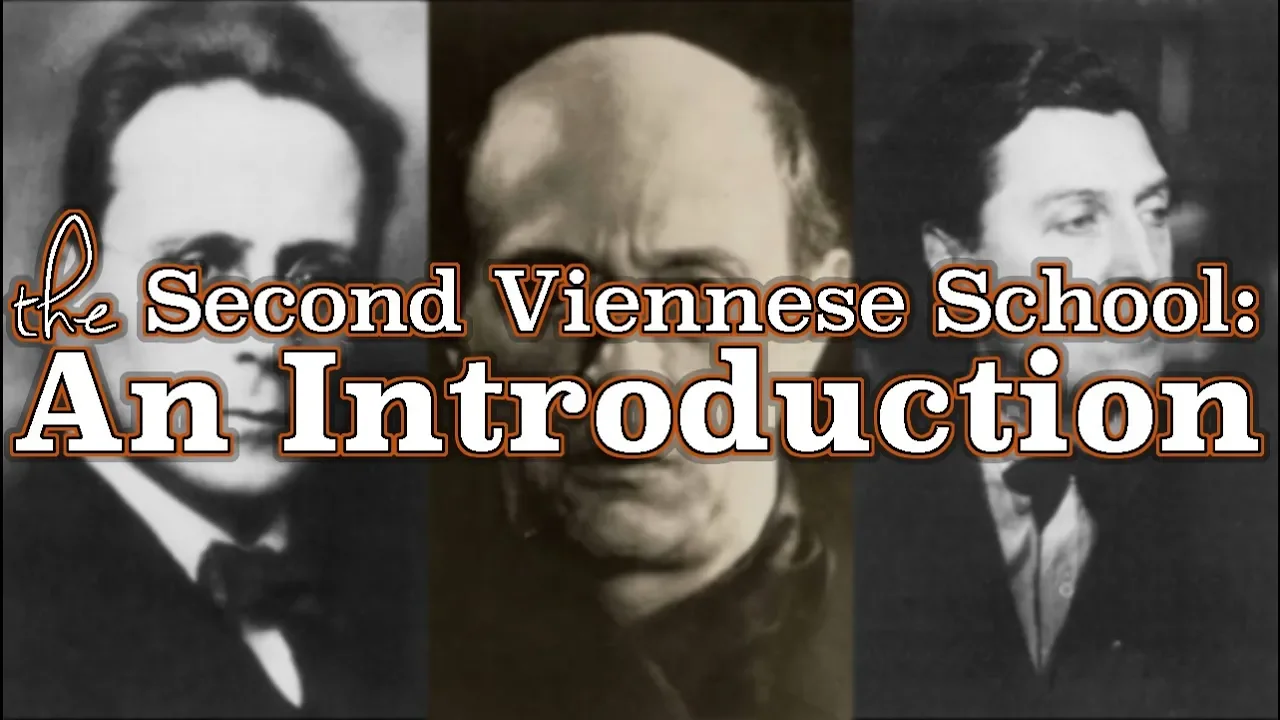
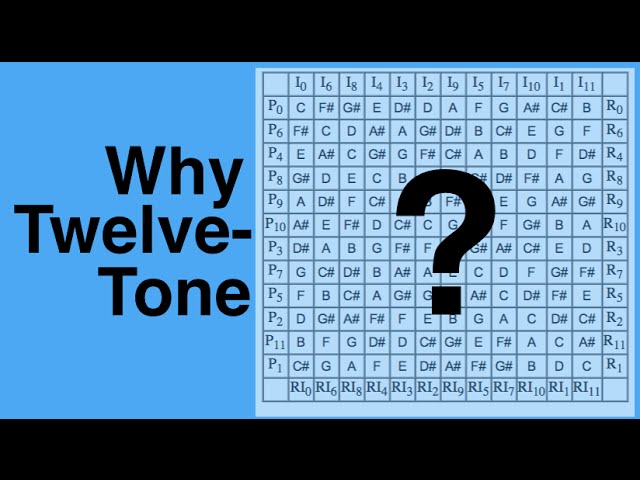
Basic understanding of Arnold Schoenberg's atonality and the development of the twelve-tone technique.
Adorno's concept of the 'Culture Industry' and his critique of standardized mass culture.
The distinction between traditional musical tonality (consonance) and modern musical dissonance.
The intellectual debate between Adorno and Walter Benjamin regarding mass reproduction, art, and political mobilization.
Postmodern critiques of Adorno's apparent elitism and his strict division between 'high' and 'low' art.
Applying Adorno's framework of structural subversion to contemporary experimental genres, such as noise music or free jazz.
Philosophical investigations into the tension between politically committed art (e.g., Bertolt Brecht) versus autonomous, apolitical art.
1.3K views32likes12:51Original Release: 2017-02-20
hello and welcome back in the last video we discussed the subversive potential of music Beyonce's performance during the Superbowl was put forward as an example of how musical performance can be politically subversive the clothes they were and the dance they performed were clearly inspired by and attributed to the Black Panther movement and Malcolm X as you may remember Adorno would probably not be convinced that that performance was a subversive act his idea is that popular music is unable to be subversive because in the end it is part of the problem protest through pop music is for Adorno impossible because the music is the result of the same mechanisms it seeks to criticize now in this lecture we will take a closer look at this claim by revisiting the idea of the culture industry and subsequently we will focus on Adorno's ideas about musics real subversive potential let's start by rewatching part of Beyonce's clip [Music] nation you just might be okay Bill Gates in the making [Applause] [Music] Texas [Music] [Music] [Music] now let's try to give an adorned critique of the subversive potential of this performance just to be clear we're not interested in value judgments what we are interested in is trying to give a critique which is in line with the ideas of Adorno right off the bat we should note that this was a performance during the Superbowl halftime the Superbowl is one of the biggest organized events in the world it is frequently the most watched American television broadcast of the year the food consumption that day is the second highest in a year only surpassed by Thanksgiving and commercial air time during the Superbowl is the most expensive of the year with 30 seconds cost around four and a half million dollars now this really puts the industry in culture industry therefore the Super Bowl is in fact a way to sustain and promote the culture industry it reaches this goal by entertaining the spectator with sports and musical performances and even Beyonce's political message her subversive performance is in an Andorian view at best entertainment dressed up as political statement her performance is just another example of how mass entertainment fuels the billion-dollar culture industry the reason such a performance cannot be subversive is that entertainment can never evoke the right critical stance or attitude that is needed for real change now this of course raises the question what music is able to be truly subversive when is music really political Adorno gives a somewhat paradoxical answer in his view music is as it modes political when it has no political use now before trying to make sense of this claim let's listen to some real subversive music at least according to Adorno in this case we're going to listen to a little clip of arnold schoenberg's piece called six little piano pieces [Music] so music is at its most political when it has no political use the music clip we just heard does satisfy the second condition this music obviously has no political or subversive use there are no lyrics that convince us or persuade us to be subversive the only thing we hear is a piano playing an alien sounding piece of music now how is it possible that this music which has no political message or any other message for that matter how is it possible that subversion is possible through this music let's listen some more and while listening try to think about how you would describe this music [Music] Adorno describes this music as causing a shock causing trauma being chaotic this music doesn't allow for fake passions and it is radically contingent there is nothing absolute to it I think we can agree with Adorno's description because the music sounds so alien gives us no moment of rest as melodically and rhythmically unpredictable to our ears for these reasons it does deliver an experience of chaos and shock now with Beyonce's performance we can sit back and enjoy we can arguably be passive listeners that absorb and enjoy what is given to us this is really not the case with the music we just heard but why then is this music that is chaotic shocking causing trauma music that is unpredictable and unenjoyable why is this music able to be subversive according to Adorno the way we listen to music is heavily influenced and conditioned by the society we live in and just like our eyes have grown accustomed to the sight of modern life with buildings cars and traffic lights our ears have also grown accustomed to the sounds of modern life these sounds are found in mass entertainment pop music but also in contemporary performances of classical music now what we don't see in our everyday experience of modern life is how our eyes and ears grew accustomed to this life when we see a car we don't think what a wonderful example of a socially and culturally contingent development of Technology we just see a car and that's it it feels quite natural to us even if there is nothing natural to a car something along those lines happens when we listen to music we hear rhythms harmonies and melodies that feel natural to us even if they are in fact examples of social and cultural contingency and this what Adorno calls false naturalness to music creates expectations let's watch a little clip where these musical expectations are demonstrated talking about expectations expectations okay wonderful isn't it everyone sang the same note because that was the note they were expecting and exactly these expectations feel natural but they are not at least according to Adorno in these expectations reside the development the conventions and the rules of a society so if music is truly to be subversive it should defy and shatter exactly these conditions expectations and that is exactly what showing their music does according to Adorno Schoenberg's music is subversive because it shatters societal rules and conventions at the very place they are best hidden and hardest to reach namely in our listening the clashing dissonance is in the music resembled the dissonance of society itself and there are examples of the clash that is needed in society there simply isn't such a thing as a passive and enjoyable way to be subversive therefore music itself shouldn't be something we enjoy and experience in a passive way sharing Beck's music on the other hand requires an active listening attitude and isn't enjoyable and that's actually a good thing and there you have it showing Beck's music which has no political use is according to adore no real political music and with this paradox which I hope is now clear to you we have come to the end of this lecture I hope to see you next time bye
Up Next

5:28
Habermas's Public Sphere: Theory Explained (1962)
@petersmith1343
58.3K views•2013-08-06

24:30
BRICS Pay and de-dollarization: A New Financial Order Emerges? | 55 chars
@DannyHaiphongYT
164.6K views•2024-10-22

7:33
Government Surveillance Methods: 10 Ways You May Be Watched
@BeAmazed
1.6M views•2017-04-09

10:19
Explaining the Saudi-Iranian Proxy Conflict in the Middle East
@Vox
18.2M views•2017-07-17
Related Study Plans & Knowledge Roadmaps
Structured learning paths in Political Science
political-science
Economic Statecraft: Sanctions & Chokepoints
01Foundations of Geoeconomics and Economic Statecraft
02The Mechanics of Weaponized Interdependence
03International Sanctions: Types, Implementation, and Efficacy
+ 2 more learning modules
12h5 modules
Explore Roadmap
political-science
Central Bank Independence: Politics & Policy
01Foundations of Central Banking and Monetary Policy
02The Time Inconsistency Problem & Inflation Bias
03The Delegation Model and Designing Independence
+ 2 more learning modules
12h5 modules
Explore Roadmap
political-science
Consociationalism: Power-Sharing & Stability
01Democratic Dilemmas in Divided Societies
02Introduction to Consociational Democracy
03The Four Pillars of Consociational Design
+ 2 more learning modules
12h5 modules
Explore Roadmap
political-science
Rebel Governance: Legitimacy, Economy & State
01Foundations of Rebel Governance and Statehood
02Establishing Political Legitimacy and the Rebel Social Contract
03Wartime Economies and Rebel Resource Management
+ 2 more learning modules
14h5 modules
Explore Roadmap