











![The Psychology of Excuses [How People Justify Hurting Others]](https://i.ytimg.com/vi_webp/MSZR82W4lKI/maxresdefault.webp)












Active bystandership—the willingness to intervene when witnessing harmful behavior—is crucial for preventing violence, genocide, and terrorism; research shows that bystanders often fail to act due to diffusion of responsibility, fear of social exclusion, and avoidance of emotional discomfort, but training programs and understanding of basic human needs (security, belonging, control, and understanding) can effectively cultivate proactive intervention in individuals, communities, and institutions.
The Power of Bystanders: Preventing Genocide and Violence | Ervin Staub
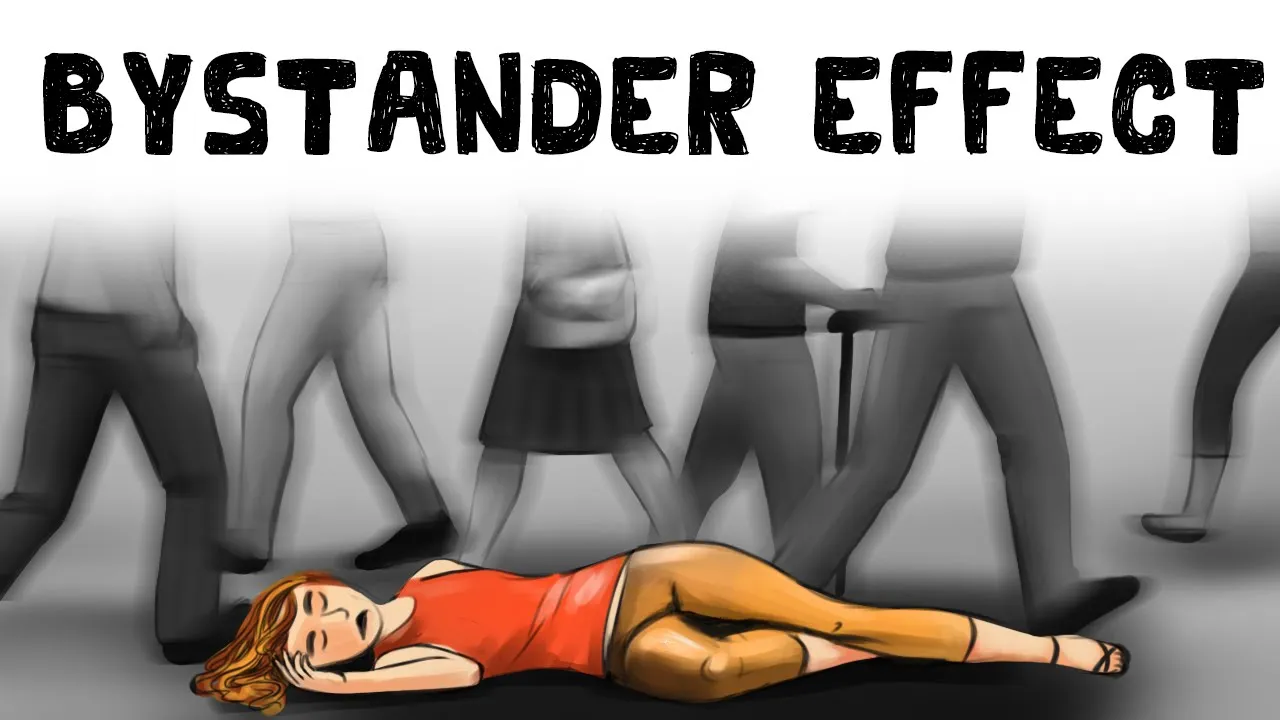
Added:The Bystander Effect and Diffusion of Responsibility: Classic social psychology concepts explaining why individuals are less likely to offer help when others are present.
Basic Historical Context of Genocides: A foundational understanding of 20th-century mass violence, such as the Holocaust or the Rwandan genocide, which serve as primary case studies for bystander behavior.
Milgram's Obedience Studies and Conformity: Understanding how authority figures and peer pressure influence individuals to comply with harmful actions or remain silent.
Moral Disengagement: Albert Bandura's concept of how people cognitively restructure their morality to justify harmful behavior or inaction.
Active Bystander Intervention Programs: Practical methodologies and training frameworks used in modern institutions (like universities and workplaces) to encourage proactive intervention.
The 'Responsibility to Protect' (R2P) Doctrine: Transitioning the psychology of bystander intervention to the level of international relations and geopolitical state-level duty to prevent mass atrocities.
Psychology of Heroism and Altruism: Deepening research into the specific personality traits and developmental factors that distinguish historical 'upstanders' and rescuers from passive bystanders.
Truth and Reconciliation Commissions: Studying how societies heal, rebuild trust, and address collective guilt and trauma in the aftermath of mass violence and widespread passive complicity.
173 views0likes50:39Original Release: 2019-07-10
that we need to deserve this award so the last two days [Music] [Applause] I have longed for me in a whole crowd of endurance I studied what needs people to help others be active bystanders and what stopped them for helping others what is doomed so violence violence occurs other groups such as genocide masculinity and terrorism and how we might be able to prevent these things I and my associates that work over a conciliation in a number of different places and I will talk about some of these things I will skip along my stylist because all this work at scene for me has been the master because it's the facility of the past under the weakness who doesn't in action that allows the evolution although they grow very harmful behavior and it is the activity of bystanders people who try to address and prevent problematic events and actions that can prevent these things so with the last and robusta there is a witness who is in a position to know what's happening and it's a position to take action why don't I say that position to know the reason I say that is because witnesses often close their eyes and try to avoid knowing even though they have information from so for example many years ago when I was teaching at Harvard I have students collapse on a quiet Street in Cambridge Massachusetts when somebody was coming towards them for about 50 yards were on the other side of the street some people speak that immediately run over to the person other people facility waited and sometimes somebody else came by and a publish that person but ever a small but significant portion of individual cohort of individuals who after a single load looked away never looked back and many of them turned away turn off the street at the next corner some people try to avoid taking information so in order who would feel responsible not wanting to pay - this is true not only of these people on the species Cambridge Massachusetts but of people are many circumstances in 1987 I was giving a talk at the University of Vienna in Germany people know that I behaved my research of helping behavior of altruism but I asked could I instead talk about the roots of genocide have just started to see this is one of these things and they said sure so I talked about genocide but also asked if they could arrange for me to interview your turn people over young Germans at the time during the 1930s when Hitler came to power and there was this increasingly harmful behavior towards many people including Jews in so they gathered there were 25 older Germans and we had we were scheduled to speak for two hours it ended up a four or conversation and at the end I was the one who had to leave it was amazing how much these people the positive experiences during that time they were silly Cal Fire's they were singing songs they're a film of community and it was very slow that some of them begin to say yes I noticed something about the persecution of Jews my father was renting rooms to people and that Southpoint the Gestapo came and told him not to reminisce the Jews so it's not denying anything I'm quite certain for them to recover anything that was going on their situations at the time of the genocide in Rwanda bodies were falling down reverse people were talking about genocide but the United States government wasn't there is a famous interview or famous event with the Speaker of the State Department talking to members of the media somebody you know we were saying there was no genocide in Rwanda and when people were pushing this for speaking for the government and were saying well what about all these things that were happening with Purcell well there were some genocidal events and when she was asked how many genocide [Music] to save lives after the genocide you will see in just every society people in taxes [Music] they will be focused 1960-61 why was this because in the 1980s of of studies of rest or sleeping to appear so obviously it was 270 it was and I think [Music] begin to engage with it and interesting contributions [Music] he was unusual characteristics or because one of their parents was another country I suggested a politics which means it was forced errors or six leaders who either the long wooden piers [Music] and and disagreements because of a poker face in front of others in reaction and everybody sees so well this yes actually I especially or harbors is hoping changes and it [Music] [Music] muscle upset afterwards that he decided never department again that's not but long rehabbers unless there are constraints but an individual movement once of other they justify her actions just identifying the reasons that they have committed because the other person's for other actions all these other people then it becomes easier to do a nominal and then better simply change the standards of conduct that become acceptable to change institutions are now as I said witnesses well I was just falling apart - textures those internal temperature of explorers and estimated taxes less often complicity for example when the genocide in the world Oh beginner many countries send in the military Michener's to the world known to try to stop the genocide removing them from major what does that state appropriators in other countries removed by bystanders fast connection lowest equal poker face at the window stereo methods over there is no reason darvany also for was a diffusion of responsibility when other people are around this possibility but there are also other significant reasons mass violence especially takes place under very difficult conditions of life or a response to difficult conditions of life there is economic decline that is political chaos there are significant social changes and people are their basic human universal needs are frustrated what do I mean by basic human a universal means well anybody here in this room who doesn't have a need to feel secure anybody in this room who doesn't have a need to be able to control or influence important events in your lives anybody difficult connection to some important people in your lives or some important groups anybody in this room who doesn't have a need to understand the world that you live in and their own places that world all of these needs are performed means they cannot be ignored there's some way or another need to be fulfilled they all get frustrated when life conditions are very difficult and when there is deep significant conflict between one's own group and another all these create chaos and disorganization so what happens being part of a group and feeling connected to a group and getting the vision that the group provides for you about how humane live life and what can be significant in the world for you become especially important so separating you staff from the group and going against where the group is going becomes especially difficult because the result may be rejection [Music] people and who are watching this originally made for embassy I'm Carrie but then this mess it's uncomfortable continuously for everything about Carrie so after a while I think we begin to distance yourself you begin to perhaps also develop in DC we begin to think that there must be something wrong with them you know in the famous some of the people who continue to say this process or stupid what are the dispersal make all these mistakes so corporate interests but also bystanders can come to a position when they is improving and increasing behavior this vicinity was by General for example in Germany it was quite general in other countries now have said should start Germany in the church because the Armenians can vote against Cambodians calling it an awful genocide in blood up rather he works for a long time and some of those bases pencil this is quite common bother in Germany the Germans topic is the nation it was mentally and physically happens with some other characteristics and this was before people came to be known as developers would disappear and they began to protest that many members we have to protest loyal to them to protest have famous Catholic bishop spoke out very strongly against it and officially the program was terminated now there were some small remnants that continue but in essence the program was terminated it was happening because these people who were killed were seen as Austan part of us they were Germans like us they were members of feminists people we cared and loved and so the program was terminated there was only one single action in relation to Jews and that is sometimes fairly late in the war German women gathered in front of government buildings and protested that their husbands were being taken away they could do Ottomans as other cameras and it was tough they stopped taking the husbands away and some of those who were already taken away were brought back from Auschwitz know everybody believed that the Germans hate him too so much that there can be no effective action taken in their behalf was entered and we don't know what would have happened if other significant action by German people would have been taken but as I said this is not unique to Germany the facility along the way genocide so villages of the live thinking that they are going to find fiat ducato opposition and they would have to fight very hard and sure about that there was a law was issued back that was over vietnam we have combat and they started to kill women children and the old men who were around fifty was from his colleagues and he couldn't miss he felt that he had to do something about this he went home and talked to members of his family and they told him forget about us this is not your business he actually did some investigation there was one person he was told about who did not do shoot it and we try to find this person and finally did after quite a bit of effort because apparently the army tried to hide him they sent him to the front line in the hope that we will be killed he got sick drugs in his feet but they didn't allow him to leave and we finally not asking for permission he jumped on a helicopter and went to hospital and he find the hospital again to get another witness then he started to write letters to members of Congress and finally one member of Congress congressman Udall started to have healings on this and then a New Times reporter learned about this and start to write article bodies in the United States fond of the world now why is this important because by making this public and having all of us on board it became less likely that there will be more new lies so I wanna mention this was a kind of either study where there were two people one was an actual participant in the study and the other one was confirmed and both of them were working on separately on the same thing they were reading some material and they were supposed to judge personalities on the basis of the characters in the material and then there's a crash and starts of this festival so my Confederate says one of several thefts some of the time the Confederate says that's what's bad maybe we should do something but remain seated some of the time the Confederate says I don't know what that is it's probably another experiment I don't think it has anything to do with us and some of the time the conference has that sounds bad maybe you should too we should do something you going to the other ruins what's happening and I'm going to go and find the person in charge what do you think he's happy happiness when the Confederates [Music] and all the time Laurie : my wife who is a psychologist who specializes in trauma and I went to the series and 15 years [Music] in general this was as other situations also is this what happened but there were two reasons while them was that people that were desperate here apology they chose that he thought of all those two particular topics out there not only different topics and I understand intercepts because it's possible to say people talk negatively about another well it's just what I was thinking when they begin to keep them out of certain jobs well it's just another small thing but if you understand people might take some action and that was for me so evaluations in this workshops in many different groups with people in the community with community leaders with natural minerals by government ministers and advisers to the president and so on the first time we did this we did the workshops with people who worked with groups in the community and we did a couple different ways of studying as well of them is just talking to them asking what was their experience understand [Music] the process it's not easy to do pretty formal and stimulus research in a foreign country where people look at experience with that kind of research but I think having a ghost by the way he did not want to study the people who were in our dream he wanted to know where there is the people that work so we found was that the people who were trained it increased their readiness to work with people in the other group I will work with members of the other for the sake of for people to participate leaders it's also interesting that these effects initial immediately after the training why not our second people talk about these things they can get emotionally aroused they are impacted once that emotional arousal the immediate immediate effect diminishes their the effects showed up when we tested them two months later we found significant differences between the people who had this experience between to comparison groups one who received a different kind of training and one who didn't receive any kind of that is fulfilling the dollar for research assistants and for a mother of the spinal needle esteem into the house during the genocide and killed and their other leaders came into their house and wanting to tell the women and their neighbors who killed them also some of the traditions the sinning to survive as bar service coordinators increased administer see with own beliefs and it's not just the people who said that we are more willing to say one thing it also most at ease he was insulting misunderstand that we actually did spend more money on display for the vehicles that means they are more likely to be active bystanders they say what they mean that's a form of activist leadership very important degrees actual reconciliation in your meaning purposely approaching the family in the city was they were invited and then they will also implement different programs the principles that I describe to them that were important for people to come together I could have steamed them that just was there so after the Rodney King keeps them through a variety of events I was asked by the agency responsible for all police training in California to develop a protocol for them to use that kind of behavior was what we saw there was perpetration by police and a lot of passive bystanders for his standing around that just working with us that that encourages perpetrators so I developed a program of training police to be active bystanders who take action to prevent unnecessarily harmful behavior by fellow officers to prevent it or if necessary intervene to stop it now I developed this program for a group appointed to propose what changes that should be in police training and they suggested that this be good cop police training for now but they decided to do this internally and I have nothing more to do with it but about four years ago through a variety of events the New Orleans police began to work on this training at New Orleans had a very bad for his department a lot of violence against civilians murders cover-ups all kinds of very bad things but of the worst if not the worst Police Department in the country sometimes so they started to work on this program I was involved a few other consultants were involved and that was a change in the police department there was a new superintendent and the whole spirit of the department has changed and so we worked very hard to create his program and every officer was trained in this and there has been the number of complaints went way down about police crime went down just a lot of positive change and this program received quite a bit of attention in the New York Times in other publications in police publications so a lot of policing interesting and last year we had a conference where approximately a hundred police leaders from around the country from different departments who expressed interest in the introducing this program came to New Orleans and we have this conference I gave the keynote address because I initiated this program internally but it really had a whole group of people who worked wonders and creatives and and this year we had another conference like this but before this conference we had a day of training of trainers to increase the number of people who are capable of training because a whole bunch of departments have asked the normans police to come and to attain further than this so we had a day that we were training eight new trainers in this 18 police officers and it's just amazing some of the things that happen not only police officers in territory because part of the training is skills what do you do this you don't go and try to punch your fellow officers we have incidents in which an officer is that what they begin to do something another officer puts an arm around that officers shoulder to call the officer down there were instances in which a woman police officer was arresting a woman and that woman spit in her face and she didn't deteriorate and she told afterwards her supervisor I advocate of myself epic is the name of the program ethical policing is courageous so people must say I appeared myself under the very intensity incident recently where I know that time is God so what I want to do now is to stop and see if we can absolutely have a couple questions
Up Next

12:30
Carol Dweck's Mindset Theory | GCSE Psychology Cognition & Development
@LearningAcademy1
520 views•2025-03-10

68:32
Cognitive Skills for Differentiated Instruction | Teacher PD
@BrainWareLearning
631 views•2017-12-17

9:55
Thinking, Fast and Slow: Daniel Kahneman Animated Book Summary
@FightMediocrity
2.3M views•2015-06-05

6:40
The Nocebo Effect: How Beliefs Can Cause Real Harm
@CGPGrey
10.4M views•2013-12-23
Related Study Plans & Knowledge Roadmaps
Structured learning paths in Psychology
psychology
Neuroscience of Creativity: Networks & Training
01Foundations of Creative Cognition
02The Cognitive Neuroscience of Insight & Fixation
03The Triple Network Model of Creativity
+ 1 more learning modules
15h4 modules
Explore Roadmap
psychology
Imposter Syndrome: Etiology & CBT Framework
01Defining the Imposter Phenomenon
02Socio-Developmental Etiologies
03CBT Fundamentals & Thought Distortions
+ 2 more learning modules
15h5 modules
Explore Roadmap
psychology
Adult ADHD: Executive Dysfunction & Scaffolding
01Neurobiology of the ADHD Brain
02The Core Triad of Executive Deficits
03Executive Dysfunction and Emotional Regulation
+ 2 more learning modules
12h5 modules
Explore Roadmap
psychology
Loneliness: Evolution, Neurobiology & CBT
01Evolutionary Origins of Human Connection and Loneliness
02The Neurobiology and Physiology of Chronic Loneliness
03Maladaptive Social Cognition: The Psychological Loop
+ 2 more learning modules
12h5 modules
Explore Roadmap