























![[발달심리학] Chapter 10. 학업성취와 성취동기](https://i.ytimg.com/vi/Hpnz94FM3Q4/maxresdefault.jpg)






Mindset theory, developed by Stanford psychologist Carol Dweck, explains that individuals' beliefs about their abilities significantly influence their behavior, learning, and success. A fixed mindset holds that intelligence and abilities are static traits that cannot change, leading individuals to avoid challenges, fear failure, and focus on demonstrating innate ability rather than improving. In contrast, a growth mindset believes abilities can be developed through effort, learning, and perseverance, causing individuals to embrace challenges, view failure as a learning experience, and prioritize personal growth over immediate success. Research shows that people with a growth mindset are more likely to achieve long-term success because they persist through setbacks and continuously improve their skills.
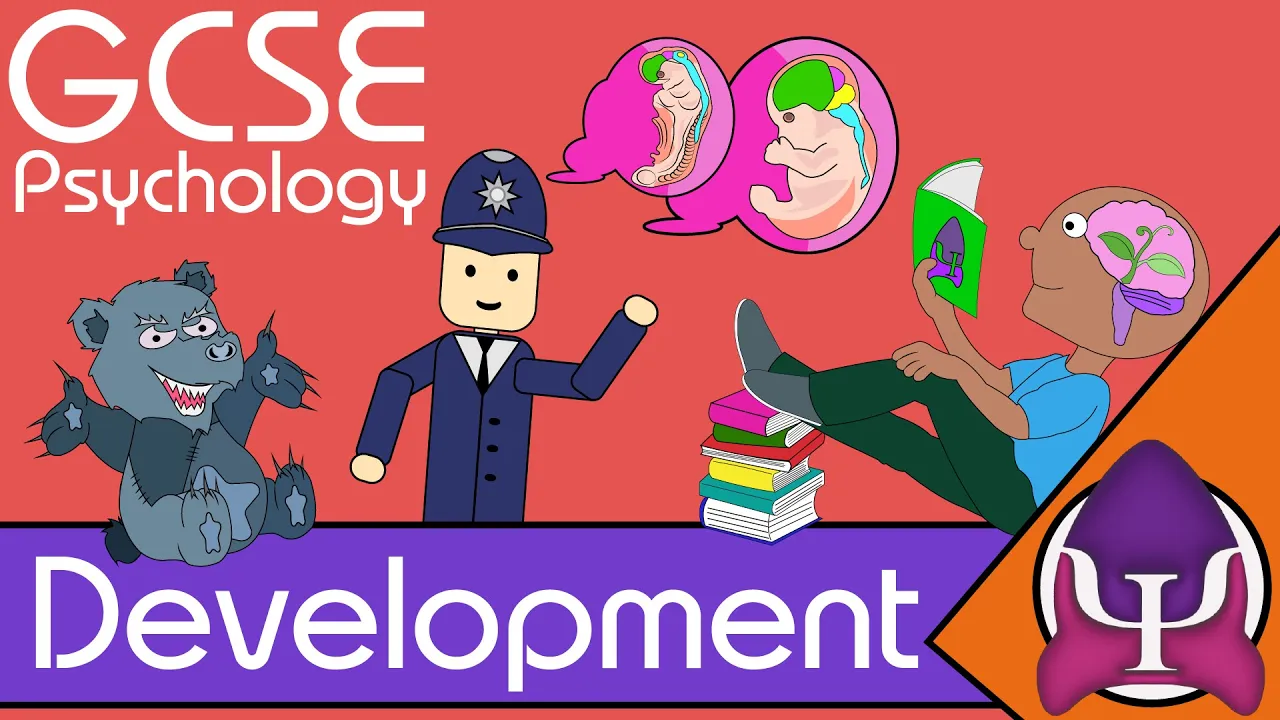
Carol Dweck's Mindset Theory | GCSE Psychology Cognition & Development
Added:in this lesson we're going to continue talking about the conversation surrounding development and and cognitive development in gcsc Psychology and we're going to focus specifically in this video on Carol D's mindset Theory now mindset theory is a uh wellestablished framework within psychology and the Ed XL specification requires of us to understand the effects of learning on development using Carol D's mindset Theory including the strength and weaknesses of the theory now just like with p's theory of cognitive development we're going to divide what the theory says with the strengths and weaknesses into two separate videos and so fundamentally then it is a theory in Psychology which focuses on the role of beliefs about one's abilities and the potential in determining success and failure D herself is a professor of psychology at Stanford University and introduces the concept of mindsets and they do so in their book from 2006 mindset the new psychology of success now according to DW people's beliefs about their own abilities significantly affects their behavior their learning and then ultimately their success in various areas of life including things but not limited to things like education Sports business and even just personal relationships so it's about the mindset that is approached when thinking about learning new skills and achieving success in those skills in life the core idea behind mindset theory is that people's mindsets specifically whether they have what we delineate between a fixed mindset and a growth mindset will influence how they approach challenges how they deal with obstacles and how they and how much effort they put into various different tasks so the type of mindsets are very very important D identifies two mindsets the fixed and the growth now according to a fixed mindset individuals believe that their abilities their intelligence and their talents are static traits and by Static traits we mean essentially that they cannot change they're basically fixed they think that people are born with a certain level of intelligence or a certain level of skill and that these qualities cannot be significantly changed or improved they're basically fixed in place and so the result of that is that success is viewed as a direct result of one's innate abilities if you are good at a thing that's because you were born good at a thing you were born with that innate talent and so if you are somebody who is uh not very successful that you're not very good at let's say um playing rugby or you're not very good at mathematics or physics or reading or any of these things and that's because you lack these abilities your fixed mindset is that you were born in a situation you were born with the static trait of having um a being not very good at at whatever skill or intelligent it is you have quite a low level of whatever that may be and so the fixed mindset has a number of very key characteristics the first of these is a belief in innate Talent people with a fixed mindset will tend to believe that intelligence and abilities are predetermined they are somehow um innate in human nature in our human nature as we are born so they may avoid challenges that could reveal their limitations they may think that if something requires effort or doesn't come easily to you then that's just a sign you're not very good at it and it's a sign that you will never be good at it either there's a fail fear of failure since failure is seen as a reflection of one's inherent inability to do a thing individuals with a fixed mindset will be overly afraid of failing and this fear can then prevent that person from trying new things or taking any kind of new risks and this takes us to the next characteristic which is the idea of avoiding challenges people with a fixed mindset will shy away from tasks or situations where they might struggle or where they might face obstacles and they see the failure that might come with trying these challenges as an indication of a personal inadequacy they also tend to be performance focused in the sense that um they tend to focus on demonstrating their abilities and impressing others rather than improving and learning in their own internal mindset they might prefer to stick to tasks that they already are able to excel with rather than trying to try something new and then finally when thinking about criticism there's a negative response feedback that highlights their weaknesses or areas for Improvement are perceived as personal attacks onto them and it leads them to become discouraged to perform these tasks again or just to become defensive in the face of that kind of criticism by contrast then the growth mindset sees individuals with a belief that their abilities and their intelligence can in fact be developed and improved through their effort through their learning and through a sense of perseverance they view challenges as opportunities to learn and to grow and they believe that hard work and D dedication is able to bring about success this then has a number of contradictory challenges to that of the fixed mindset it has contrasting challenges if if you will such as the belief in the power of effort people with a growth mindset will embrace the idea that intelligence and that abilities can be cultivated through consistent and uh consistent effort and practice rather than avoiding any kind of difficult tasks those with a growth mindset might actively seek out challenges they might understand that struggling with something is just a sign that they are learning and that they are improving and that they are not incapable of doing that thing they just need to spend time to uh practice that thing failure then as a result of that Embrace is not viewed as a reflection of one's limitations but is instead viewed as a learning experience people with a growth mindset are more likely to persist after they face setbacks everybody in learning new challenges and learning new skills will always face a setbacks but people with a growth mindset will see them as part of the learning process rather than necessarily a dead end in which no more Improvement can be made there is a prioritization of growth growth and development over the demonstration of innate ability the process of learning itself becomes rewarding and this is the case regardless of the immediate outcome being potentially quite negative and then finally with all of this um D argues that people with a growth mindset tend to be more receptive to feedback they might see constructive criticism not as something of an attack or something that um is a challenge to them but rather as a piece of valuable information that can guide them towards future Improvement and so DW's research has had an impact in the sense that it suggests that individuals can hold uh significantly uh the Al I say the mindset that they can hold can significantly influence their motivation their achievement and ultimately their overall success in different areas so there is a different approach to challenge with the comparison between growth and fixed mindset Theory um people with a growth mind set are more likely to engage in challenging tasks since they view these as challenges and opportunities to grow and Learn by contrast people with a fixed mindset will just avoid challenges because they fear failure or they believe that struggling with a task is a sign of their own inadequacy those with a growth mindset set will see effort as a necessary and a positive part of the learning process they understand that Mastery takes time and takes energy and takes effort it's a skill that everyone has to learn uh compare that to fixed mindset individuals who view effort as pointless or just as a sign that they're just not inherently good at a thing growth mindset individuals are more resilient in the face of failure because they believe failure is temporary and can o be overcome with uh effort and perseverance and again by contrast people with a fixed mindset tend to view failure as a reflection of their own inherent limitations and then finally the long-term achievement um researchers shown that people who exhibit features or characteristics of a growth mindset are more likely to achieve long-term success their ability to embrace challenges and to learn from failure and to put in consistent effort help them to persist and improve over time whereas people with a fixed mindset might initially perform very very well if they're naturally talented at a particular thing they will always tend to Plateau or decline in terms of their performance when they are faced with challenges that require sustained effort generally speaking then we can see that there are applications of mindset theory in terms of in education in terms of business and Leadership in terms of sports and performance and also in terms of personal development in terms of in education settings fostering growth mindset in students has been shown to improve learning outcomes as well as academic achievement and so teachers who promote the idea that intelligence and that abilities are things that can be learned and that can be developed through effort uh can encourage students to embrace these challenges and to persist in the face of difficulty equally and even though we're not really thinking about uh business and Leadership skills and all this kind of thing in in this series because we're talking about cognitive development uh at the very least in the workplace in business uh mindset can influence how employees approach their roles respond to feedback and sort of push themselves towards more long-term goals companies that emphasize a growth mindset will encourage employees to take on challenges to develop new skills and to continuously improve improve a similar thing can be seen when looking at the performance of sports uh athletes over time that they are more likely to improve with a growth mindset compared to that of a fixed mindset system and then finally mindset theory has applications for personal growth and for self-improvement adopting a growth mindset can help individuals to improve their self-esteem to build resilience and to embrace the challenges in their own personal lives by focusing on this idea of effort and progress rather than feeling like there is a constraint by the limitations of an individual's fixed mindset this can lead individuals to achieve greater success and fulfillment in the long run the next lesson then will present some strength and weaknesses of D's mindset Theory before looking at Daniel Williams uh willingham's uh learn learning theory uh before finishing the first topic on this series for GCSE psychology
Up Next

Growth Mindset by Carol Dweck: The Power of Yet
@StanfordAlumni
4.4M views•2014-10-09

Cognitive Skills for Differentiated Instruction | Teacher PD
@BrainWareLearning
631 views•2017-12-17

Thinking, Fast and Slow: Daniel Kahneman Animated Book Summary
@FightMediocrity
2.3M views•2015-06-05

The Nocebo Effect: How Beliefs Can Cause Real Harm
@CGPGrey
10.4M views•2013-12-23
Related Study Plans & Knowledge Roadmaps
Structured learning paths in Psychology