





![A Verdade Sobre Os Algoritmos das Redes Sociais - Lutz Lobo [Ep. 067]](https://i.ytimg.com/vi_webp/djemqjOJSM0/maxresdefault.webp)

















![BLOCAGE TOTAL DU 10 SEPTEMBRE : LES FRANÇAIS RÉAGISSENT [MICRO-TROTTOIR] (Partie 1)](https://i.ytimg.com/vi/t528_ElxzUw/maxresdefault.jpg)



Networked protest leverages digital technologies like social media to rapidly mobilize large numbers of people, enabling unprecedented speed in organizing demonstrations (e.g., the Women's March scaling from a Facebook post to millions in three months). However, this same technological capacity creates fragility because movements lack the organizational infrastructure and decision-making mechanisms developed through traditional grassroots organizing over years; they often repeat successful tactics rather than evolving strategically, and face challenges from corporate platforms designed to maximize engagement rather than facilitate meaningful political discourse.
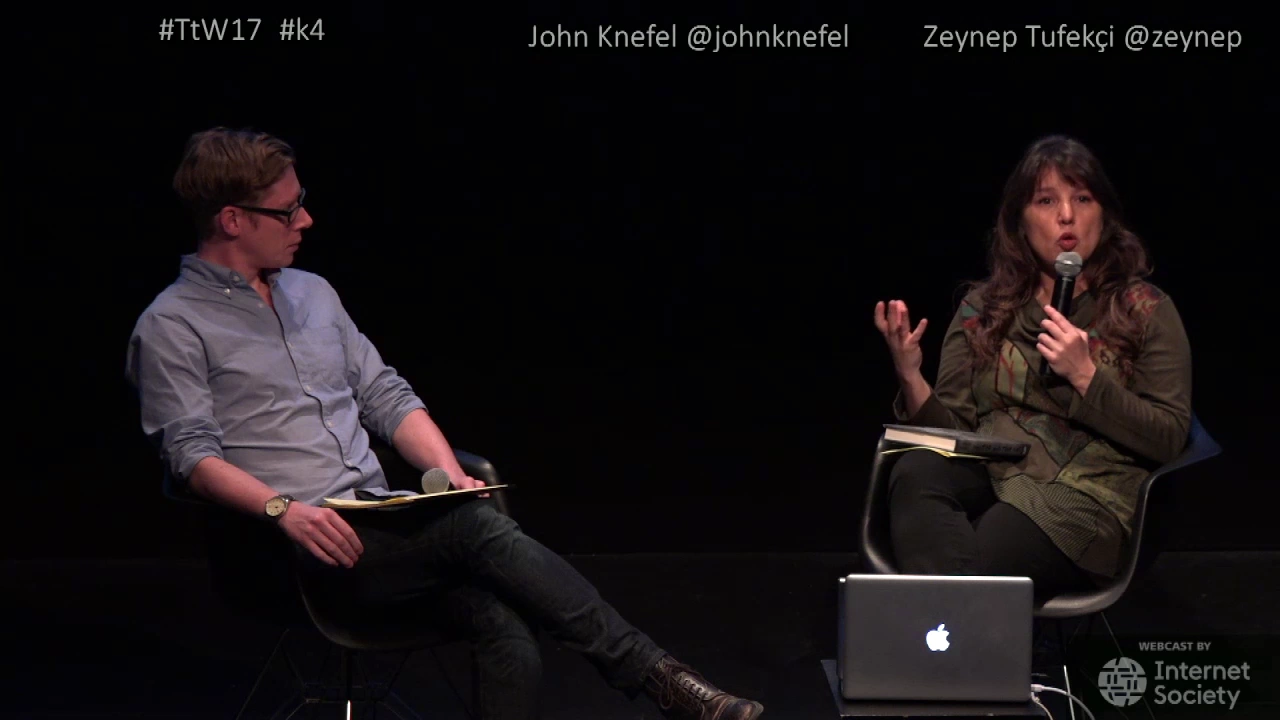
Networked Protest: Power and Fragility with Zeynep Tufekci
Added:Traditional theories of social movements and collective action, specifically how classical mobilization relied on slow, infrastructure-building organizational capacity.
The basic mechanics of digital communication networks, including how algorithms, virality, and network effects facilitate rapid information diffusion.
An introductory awareness of early 21st-century digital activism milestones, such as the Arab Spring, Occupy Wall Street, and the Gezi Park protests.
The concept of 'transaction costs' in sociology and economics, particularly how digital tools drastically reduce the cost of organizing groups.
Zeynep Tufekci's concept of 'tactical freeze' and why digitally-scaled movements often struggle to pivot or negotiate when facing state pushback.
The study of 'authoritarian adaptation,' exploring how governments use surveillance, algorithmic censorship, and computational propaganda to neutralize online dissent.
Decentralized governance models and modern coordination tools (like encrypted messaging apps and DAOs) designed to address the leadership vacuum in networked protests.
Comparative empirical analysis of recent social movements to evaluate their long-term policy impacts versus their initial ability to capture global media attention.
3.9K views0likes27:53Original Release: 2017-07-10
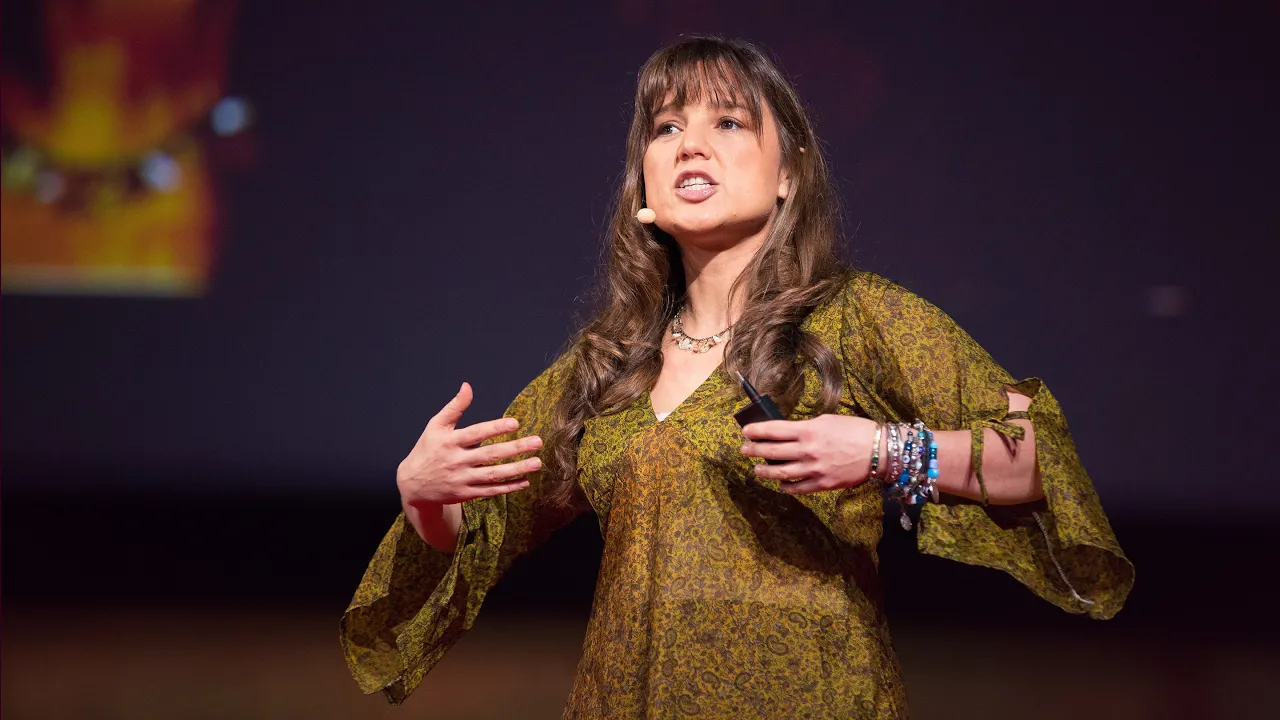
I'm Alexander Hefner your host on the openm Twitter and tear gas indeed social media and new technology have transformed society and unloaded ammunition of chaos that compelling image is the title of my guest new book by Yale University press Twitter and tear gas the power and fragility of network protest a penetrating analyst of the interaction between technology and Society zenp tuich of the University of North Carolina School of information is a contributing opinion writer for the New York Times a native of Istanbul Turkey turned American Scholar T fet argues the internet's Grassroots capacity is easy to mobilize but hard to win having witness firsthand a cycle of digitally catalyzed political protest resistance even Rebellion she'll assess with us today their effectiveness and viability in the future and I urge you to read her Twitter and tear gas as well as New York Times columns this year Mark Zuckerberg is in denial the world is getting hacked what do we do to stop it Wikileaks isn't whistleblowing the election won't be rigged but it could be hacked all essential reading and I want to congratulate you on this book Zep thank you for being here thank you for inviting me for our viewers who are not as familiar with the digital age what is Network protest so um in the past if you wanted to get the the word out about a protest you'd usually have to either uh organize person Byers you know using leaflets or phones and very often you needed to try to find a way to get on mass media you know get on television whereas right now you can use these digital Technologies you can use Facebook groups you can use Twitter hashtags to get the word out you can use Google spreadsheets to organize all the logistics that you're doing you can use uh your phone to live stream from a protest I mean even if no TV cameras they there you can have viewership that Rivals CNN just from your phone in your pocket you can communicate in real time so it's really changed how social movements operate by giving him a whole host of new capabilities that used to be either very expensive or very difficult or just didn't exist we have you know connected super computers in our pocket it's a different world one example that you've talked about since the book was published of organic protest that yielded a political outcome was the protest of President Trump's executive orders and the formation of that contingent at airports across the country you've mentioned that there is great promise in networks but without a an organizational structure structure yeah so how how does that how did that model manifest itself and and how is that the outlier from what your book said says in taking it to the next step so let me put it this way my book's title is the strength and fragility for a reason the power and fragility of these Network protests come at the same time so there's for example let's like look at the airport protest uh or let's look at the women's March I think that's one that people have seen a lot it went from Facebook post to you know million people in the streets in maybe DC and also millions of people around the country in just three months right it went from idea to execution very quickly and social media was part of how it could scale up so so fast now compare that to say a protest in 1963 a similar March on Washington that uh that people know about because Dr King's famous speech I Have a Dream that protest took maybe 10 years the movement took 10 years just to get to the place where they could hold the protest with all the logist it required I mean back then it wasn't really easy to get hundreds of thousands of people to DC and they had to get them out the same day because back then you couldn't really guarantee the safety of people marching Against Racism um in DC and stay overnight so they had to get him in get him out do all the things so a protest like that in the past was an expression of years and years of capacity building and infrastructure building you couldn't even think about doing it before having done on that whereas something like women's March it's more like a question mark because you didn't you no longer have to spend 10 years just to get to the point you can have three months and boom you can scale up very fast so on the one hand scaling up that fast really empowers movements because before you couldn't do it on the other hand it's a little bit like a car that's going from zero to 100 miles in just 10 minutes and you're building the car along the way and all of of a sudden uh you're 100 miles speeding and you haven't built your steering wheel right when you scale up that fast with h infrastructure how do you build say Collective decision-making capacity how do you decide what's next how does the movement weather you don't have that deep experience that allows movements to take step three step four step five so it's that's why it's power and fragility in the title uh you have something that really helps step one and step two you got Springs in your feet you're jumping really high but you're not you're underprepared for step two and step three you're kind of in the Limelight a little before you would have been ready in the past so while movements look the same like the past they don't really express the same power with their uh repertoire of action to stick with your analogy of of a driverless autonomous vehicle that might not know where it's going in the case of the ACL you suit there was a political goal I think you point out quite importantly that in the women's March in other instances there is not that political infrastructure with directions and an exit in mind well it's both strength and weakness at the same time today's movements tend to be more leaderless uh they tend to be very participatory especially the ones on the left liberal side of the political spectrum and on the one hand I mean people join movements because they want to have a voice right they don't want to be cogs in the machine so that participatory character they have that allows so many people to find a place in them empowers them on the other hand once again what we see is because you scaled up so fast using digital technology you don't have a way to decide what's the next tactical turn and very often these protests are holding you know a lot of their discussions say on Facebook and let me put it this way Facebook's business model is to keep you on the site as long as possible now when you're in a meeting like what is the first thing you think in a meeting you want the meeting to end right you want it to be over you want it to conclude but movements today are often holding their meetings in a platform that's designed to make sure nothing concludes because they want to keep you there so you've got this situation where there's no way to decide what's next so I I I saw this in a lot of other countries I studied so the book came out before um I the book came out before the women's stch what you saw is that the movements because they scale up so fast without decision- making capacity and infrastructure for it they tend to try to repeat the very last thing they did it's kind of this tactical phrase instead of saying all right what's next and what's the correct way to pressure uh and what's the next steps there's a lot of this inability to make a decision collectively because you're not ready for it and you don't haven't built the infrastructure means that they keep repeating themselves they hold another March and another March and another March that's because they're frozen tactically whereas if you look at successful movements in the past like the Civil Rights Movement it went through tactic after tactic you know you did stins and you know first boss boycotts and you have stins and you have launch counters you have the March on Washington you have all these things and each one of them is designed to put pressure on whatever you're trying to P now I don't want to sort of sound like I think the Civil Rights Movement was the very neat un messy thing it was very complex it was very messy the thing is they had years and years and years of dealing with that tension and mess and the complexity that all movements Encompass whereas right now because you got these Springs in your feet you can just jump up so high and all of a sudden you're like okay what's next and there is no mechanism to get you to that next point and I see this in today in the so-called you know resistance as they often call themselves there's a lot of energy there's an enormous amount of grass Roots energy and there's a lot of people doing stuff but it's not always clear what's the coherent next tactical best move that could bring together all this energy and most productively direct it amen I I have to say that one of the reasons I love your New York Times column is because you identify I think realities of the technological space from that sociological perspective that the folks who are stakeholders are unwilling to recognize for instance Google and Facebook invite their shareholders to determine if they should take a strong position on fake news this was just in the news right and the answer was no right there was no acknowledgement from the corporate hierarchy or their stakeholders that this is something they ought to invest time and energy and thinking about and so you're an expert at once on the new technology and authoritarianism so I I was hoping that you could reflect on um the the American veering towards a despotic state and reflect on how how you how the Turkish experience informs what you see in the US now I would say that my uh experience of studying this isn't just you know my home country Turkey because I also studied the Middle East and Europe and I think there's a GL Global wave towards uh you know sort of States where there's a strong man it's almost always a man but in France we saw it could be a strong woman too um that um promises sort of safety among Global turmoil and that seems to be attractive so what's going on part of what's going on here you know let's talk about the US experience because that's I think uh more uh let's talk about us experience because that's easier to understand one of the things that a social movement for positive change has to do is convince people to do something right you're trying to affirmatively convince people whereas an authoritarian government or an authoritarian movement only has to paralyze people and confuse people to stop them from acting so this is where fake news and misinformation online uh comes into play uh currently the business model of Facebook is to keep you there as long as possible you know Google keep you there as long as possible because they're ad driven they're just they're selling your eyeballs to advertisers so that means that they only want to engage you they put some controls finally after all the brewhaha but this has been going on for years and they had been warned about this for years um when you they have this kind of misinformation that can just go viral online because the country is already polarized as it is in the United States what it created a thing it's not just the fake news it's also the misinformation it's also the Echo chain ERS what it created is a situation where a lot of people got so many conflicting pieces of information and so many claims and so many things that people feel disempowered and they disengage from politics and the more people disengage from politics and the more they're just sort of like I can't make heads or tailes out of this because there's so many Computing claims and you have weakening journalism because all the ad money is going to Facebook and Google so you have local news that's decimated it's harder for people to have credible sources to figure out what's exactly going on and when people politically disengage that's easier for authoritarianism and authoritarians to come into that space with misinformation with scapegoating with you know claims that don't actually hold water if you had uh in-depth examination of them but are just proliferating so when I grew up in Turkey I grew up under censorship because it was the post 1980 military queue I was a child in was Heavy censorship and when the internet first came I thought you know what censorship's not going to work we'll always be able to somehow route around it and connect to it and I was hopeful about that what I hadn't anticipated is that information glut and misinformation works as a form of censorship if you can't block people from accessing the information you can flood them with so much misinformation that they can't make sense of the information you can paralyze people from political action by confusing them by distorting the sort of the re reality and creating all this fake news and misinformation it's almost better than censorship by blocking information because the information is actually there but can you find it in the Scot you can't find it so that I think and that's sort of the last uh it's the penultimate chapter in my book is that authoritarians and governments have figured out how to use misinformation and fake news and all the other things that we've seen in the us too but we see it a lot of places around the world to create a public sphere That's not healthy and that is not really very compatible with a healthy liberal democracy there is that symbiotic if not parasitic relationship because there is an authoritarian orientation that we don't recognize when we're participating in digital media social media I like to say it's kind of a faux libertarianism in the sense that what you're being fed is not your choice um it comes down to fundamentally media literacy does it not and a decision that a citizen is going to make that they're not going to get their news from just an ad hoc sampling of what their friends may post on Facebook or Twitter it's not even an ad hoc sampling what a lot of people don't realize is that for example Facebook organizes your social media feed and it chooses what to show you and what to hide it ranks it and it's got algor GMS that are predicting what will make you stay on the site that's all they care about and that's why it's really not libertarian it's not free thought it's not it's a corporate authoritarianism it's a corporate form of trying to keep you there and they don't even tell you that look we're not showing you everything we're just ranking you now obviously they can't show you everything there has to be a way to pick because there's too much but they make the process of how they pick they hide it they don't tell you they don't give you control over it they're like here you go and most people don't even know that they're picking so if you want to keep people on the site uh for my observations over the years I think it promotes two kinds of dates news one of them is the cute cubbly stuff the things that make us feel good so that's why your Facebook is full of baby pictures engagement news all those things that sort of make us feel good and we click on like you get more of it the other thing that I see online a lot is that if there's a coral an argument a dispute it grabs our attention I mean it's like rubber necking a car wreck right you kind of are like oh what's going on there so it also promotes that so it also promotes um Echo Chambers because we feel more comfortable but it also promotes things that push you a little to the edge of wherever you are because that can also be engaging so none of these I mean everything that they do is optimized towards keeping you on the site and I like this to say I mean obviously people have an appetite for this stuff uh I liken this to the way we have a sweet tooth like humans crave sugar and salt and that's a perfectly reasonable thing because we evolved under scarcity of sugar and salt so if your ancestors didn't like sugar and salt they weren't doing very well it's good that whenever they could rarely find it they ate it up but now you're in a sugar and salt overload and you've got a company like Facebook whose business model is people have a weakness for sugar and they have a weakness for salt so let's serve them sugar salt for breakfast lunch and dinner and when people do eat it because there is already demand for it and you just throw up your hands and say oh you know what that's what people want well you're you're designing their choice architecture to their most vulnerable thing that is a very instant thing you're just sort of like what people want right at that moment to click and the real consideration is well maybe ask me what I want right what I want when I wake up in the morning when I wake up when I when I have time to reflect and when I say I don't want just sugar and salt for breakfast lunch and dinner here are the choices I would like to make do not just constantly tempt me with things that aren't necessarily good for me and the same thing with news and the same thing with public sphere if it were healthier there'd be a way of instead of just trying to tempt people instantaneously to click click click and to stay on site stay on site we would ask people what do you think is a healthy diet for you what do you think is a healthy information diet for you and I would say personally I would say show me some views I disagree with show me credible news uh show me updates from friends that may or may not be in my same political view uh I mean and this goes across the political Spectrum for example before the election I did not see a single status update as far as I could tell from any of my Facebook friends that were sympathetic or supporting of trump I had some I mean obviously I'm a college professor in a liberal town so more of my friends are in the Democratic party side of the aisle but I had friends over the years some from high school middle school some from elsewhere and I actually would have liked to have seen some of what they were saying I would have liked to have seen more of say credible news I would like to have seen more of different points of view I don't mean just show me everything but I have no choice when I go online Facebook's like I think this is what's going to keep you on the site let me give you more of what I think will engage you and I don't think that's very healthy for our public sphere I can hear our our mutual friend Astra Taylor who talks about the spinach of our cultural diet yeah but fundamentally I wanted to get at this question in the American context now it is pretty clear that not a sufficient number of Americans are concerned with the theft of information online uh this goes beyond privacy concerns they're not concerned with what have been digital water gates for the last four years courtesy of WikiLeaks so um so what I want to say is that like whistleblowing is a Time honor tradition it's an important tradition and I support it right you have a history of whistleblowers but what we've seen in the past election cycle I argued wasn't whistleblowing because what you saw was the Democratic party infrastructure up and down the ballot it wasn't just the DNC it wasn't just Hillary Clinton's campaign manager even local races the Democratic candidates were hacked their information stolen and for example if they spent a lot of money conducting polls and sort of doing strategy the information was handed over to their opponents this is Po iCal sabotage I mean it's not whistleblowing to steal people's internal polls that they paid a lot of money to and to steal their strategy documents and you unilaterally give it to the other political site in the hopes of sabotaging them so uh but I'm saying that there's a a difference in mindset you go back and watch All the President's Men or read the transcripts of Republican press conferences and the rnc's initial reaction to what they called a disgraceful or despicable act and yet in this country we had a president who said Russia find those 30,000 emails so it's it is part what you're describing the popular culture has hijacked this and hopefully we can rescue back certain Democratic Norms that are not guaranteed anymore in this country but it's also the reality these are digital water gates right so the thing is I think uh stealing information and just sort of dumping it all online like that uh is not I as I said I don't think it's whistleblowing and I don't think it's healthy what what are some corrective measures if any and I think I have to say you know the social media side was very important because there was a lot of things that went viral that was misinformation based on wikileak Hacks but our mass media too I think failed absolutely failed because they they took the stuff and they just couldn't keep their eyes off it there's a lot of I mean if there's a public interest news story in it I don't mind the public interest news story if there's wrongdoing criminal acts corruption by all means but they got obsessed with the gossip as side that was exposed right because when whenever you have a campaign's email they're going to be talking about reporters and I watch as reporters were constantly Googling themselves on the site and seeing did they mention me and they were talking about it and I saw for example Washington Post front page had a story in October of 2016 it we're talking like a month before a crucial election and their front page was about a year and a half ago according to WikiLeaks stolen emails some Huffington Post blogger had emailed John podesta something something about Bernie Sanders I mean there was literally no news value to it it wasn't relevant to the thing it wasn't even something the Clinton campaign did somebody had emailed it to them but because it was gossipy and it fed the Sanders Clinton thing that got clicks they were discussing that a month before the election and I don't mean to say why didn't they go light on Hillary Clinton they should have been tough on her but in ways that were credible and fair and they should have been tough on uh candidate Trump so instead of covering gossip from stolen documents they should have covered say the conflict of interest according to the you know the business versus the presidency in fact I did a cursory search of all uh media uh before the election for say New York Times Washington Post and Politico and they had enormous coverage on emails and Wikileaks and they compared to say conflict of interests if you know candidate Trump becomes a president it was maybe 20% of that so they were drowning in this sort of stolen stuff that was just dropped in front of them like candy week by week instead of doing their job which was to ask tough questions and do tough investigations on both candidates so that we could have a more informed choice so it's not just social media that's kind of failing us it's also the digital media the news media is chasing clicks part of the story and also uh 90% of AD money goes now to Facebook and Google which means that local news is decimated so you have a lot of local corruption that's no longer being covered so we're kind of drowning in information if you have all the time in the world to seek it out it's kind of there but we're really missing credible Gatekeepers that can help us make sense of it we're missing local newspapers that can you know Chase it and meanwhile we've I I I think there's a lot of things to be worried about in the minute we have remaining where is there hope where is there hope here where is there hope in more oh there's a lot of Hope despotic regimes where there's real censorship it's you know it's not misinformation guided censorship it's there's no Wikipedia there's no encyclopedia turkey Egypt what I would say is that there's a lot of Hope because the same technologies that bring all these complications also allow us to connect to one another and I think you know we don't have to surrender to the few big companies that have these business models I don't think we've explored all the positive things that can be done with this connectivity and that's why again you know the power and fragility that's why my book has Twitter and tear gas but it has this both the positive sides because I'm not a keragen I'm for using the technology for the things it's really good for and I think we should bring real public pressure and political pressure on the big platforms like Facebook and Google because you're part of the public sphere now and you know you're almost half a trillion dollar in market cap you can do better we should hold them to higher standards the way we hold media to higher standards we try at least we should hold ourselves to higher standards we should fund and develop new tools to help us make sense of it we should find new business models to support real journalism we should engage our institutions I mean it's the kind of world now that if you don't engage politically if you don't engage your news media if you don't Engage The Big platform Silicon Valley just run and do what they want and that's not healthy I think we need to use those digital Technologies to connect to one another to seek healthier ways of organizing our public sphere organizing how we get information and how we hold movements and how we go forward well whether it's your New York Times column zenp or Twitter and tear gas you're importing those values uh to your Twitter handle and your Facebook presence that's so important thank you so much thank you for the kind words thank you and thanks to you in the audience I hope you join us again next time for a thoughtful Excursion into the world of ideas until then keep an open mind please visit the openmind website at 13.org openmind to view this program online or to access over 1500 other interviews and do check us out on Twitter and Facebook at openmind TV for updates on future programming [Music] continuing uction of the open mind has been made possible by grants from an nck Joan Gans cuni the anglen Family Foundation Alfred P Sloan Foundation the John S and James L Knight Foundation Joanne and Kenneth wellner foundation with special thanks to the Schuman Media Center for additional support and to the corporate Community Mutual of America
Up Next

56:21
TikTok Shadowbanning and Cancel Culture: A Case Study with Braeden Sorbo
@ErasedPodcast
116.3K views•2025-08-25

24:30
BRICS Pay and de-dollarization: A New Financial Order Emerges? | 55 chars
@DannyHaiphongYT
164.6K views•2024-10-22
7:33
Government Surveillance Methods: 10 Ways You May Be Watched
@BeAmazed
1.6M views•2017-04-09
10:19
Explaining the Saudi-Iranian Proxy Conflict in the Middle East
@Vox
18.2M views•2017-07-17
Related Study Plans & Knowledge Roadmaps
Structured learning paths in Political Science
political-science
Economic Statecraft: Sanctions & Chokepoints
01Foundations of Geoeconomics and Economic Statecraft
02The Mechanics of Weaponized Interdependence
03International Sanctions: Types, Implementation, and Efficacy
+ 2 more learning modules
12h5 modules
Explore Roadmap
political-science
Central Bank Independence: Politics & Policy
01Foundations of Central Banking and Monetary Policy
02The Time Inconsistency Problem & Inflation Bias
03The Delegation Model and Designing Independence
+ 2 more learning modules
12h5 modules
Explore Roadmap
political-science
Consociationalism: Power-Sharing & Stability
01Democratic Dilemmas in Divided Societies
02Introduction to Consociational Democracy
03The Four Pillars of Consociational Design
+ 2 more learning modules
12h5 modules
Explore Roadmap
political-science
Rebel Governance: Legitimacy, Economy & State
01Foundations of Rebel Governance and Statehood
02Establishing Political Legitimacy and the Rebel Social Contract
03Wartime Economies and Rebel Resource Management
+ 2 more learning modules
14h5 modules
Explore Roadmap