



















![Top 10 Irish Whiskeys for Advanced Whiskey Drinkers [Crowd sourced From Whiskey Lovers]](https://i.ytimg.com/vi_webp/1a6CMX5EPcI/maxresdefault.webp)

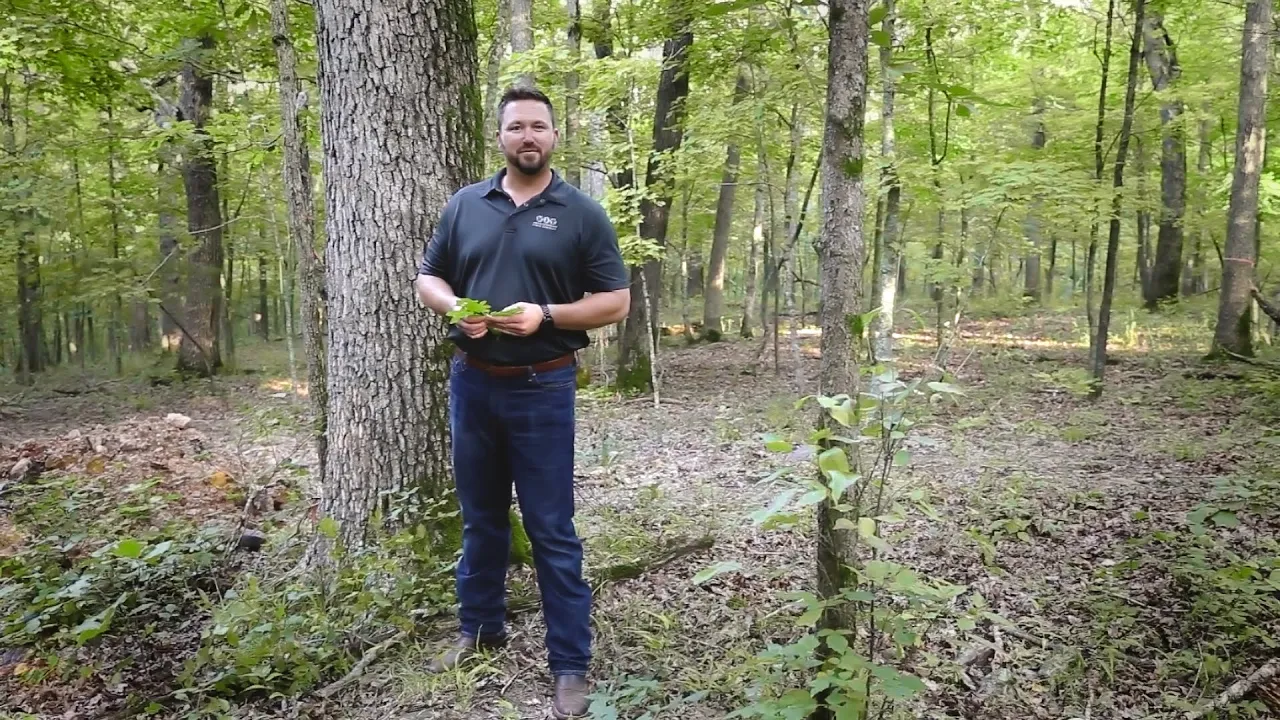


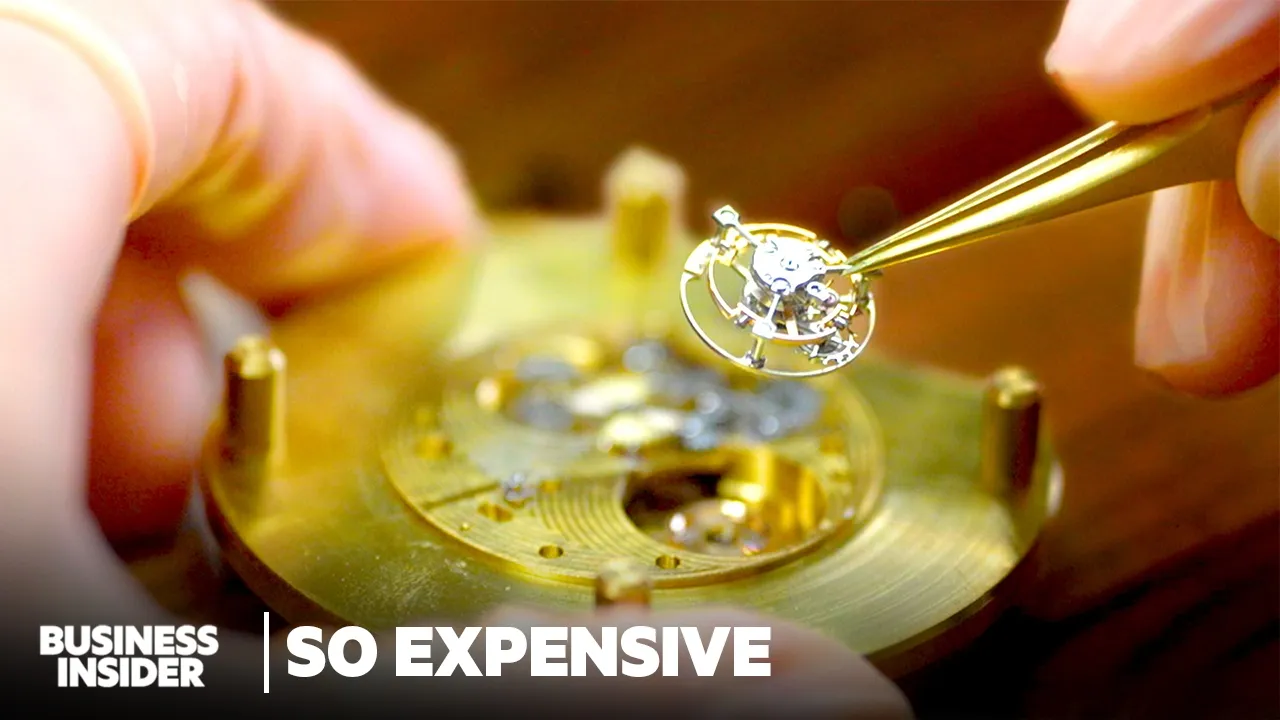


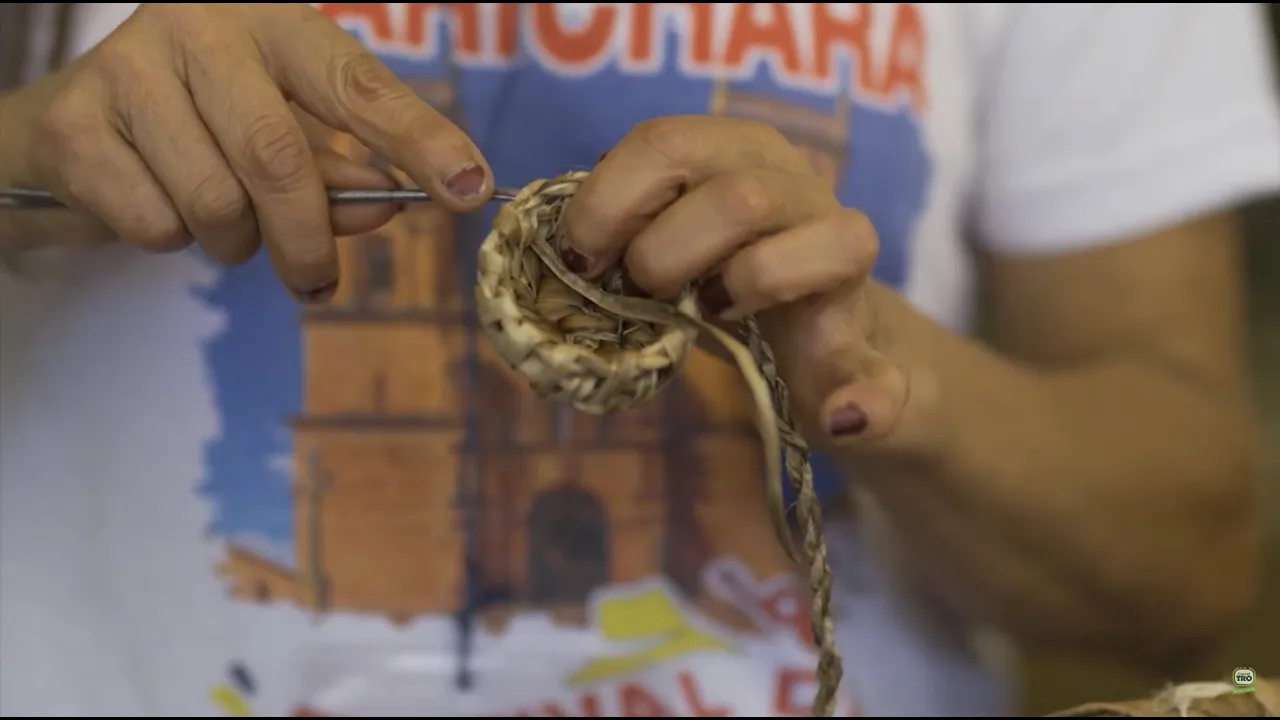


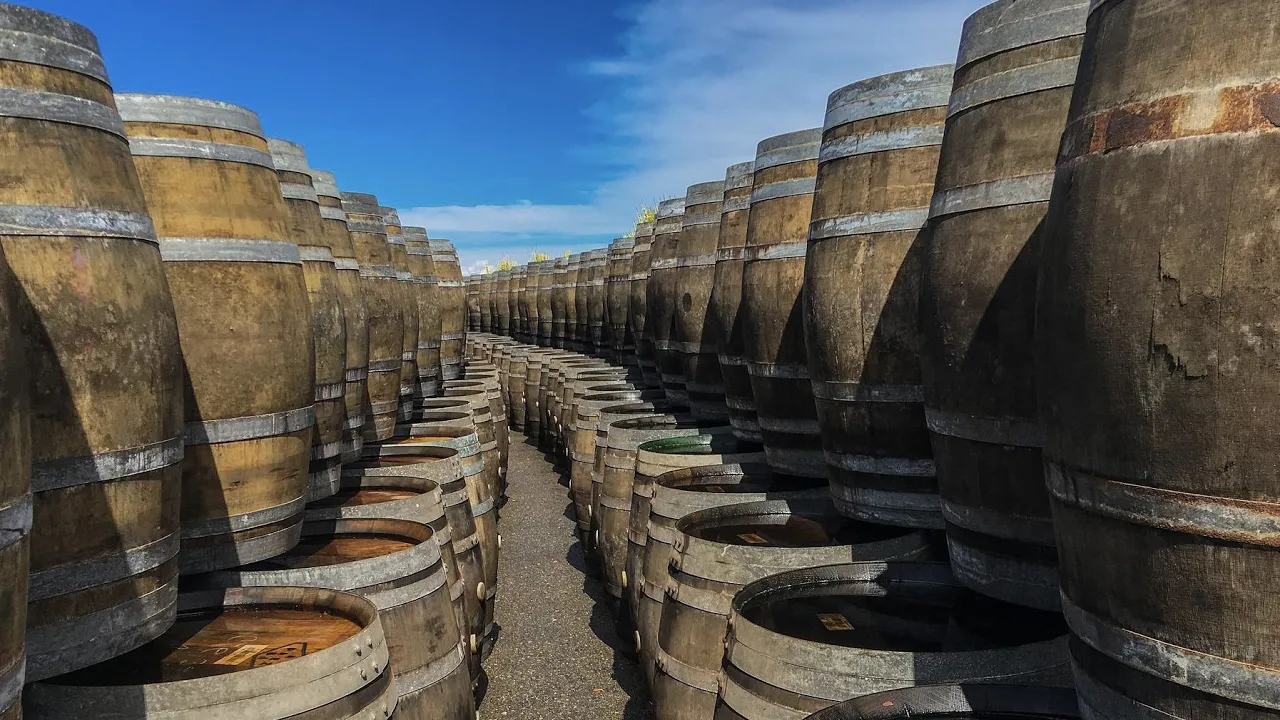
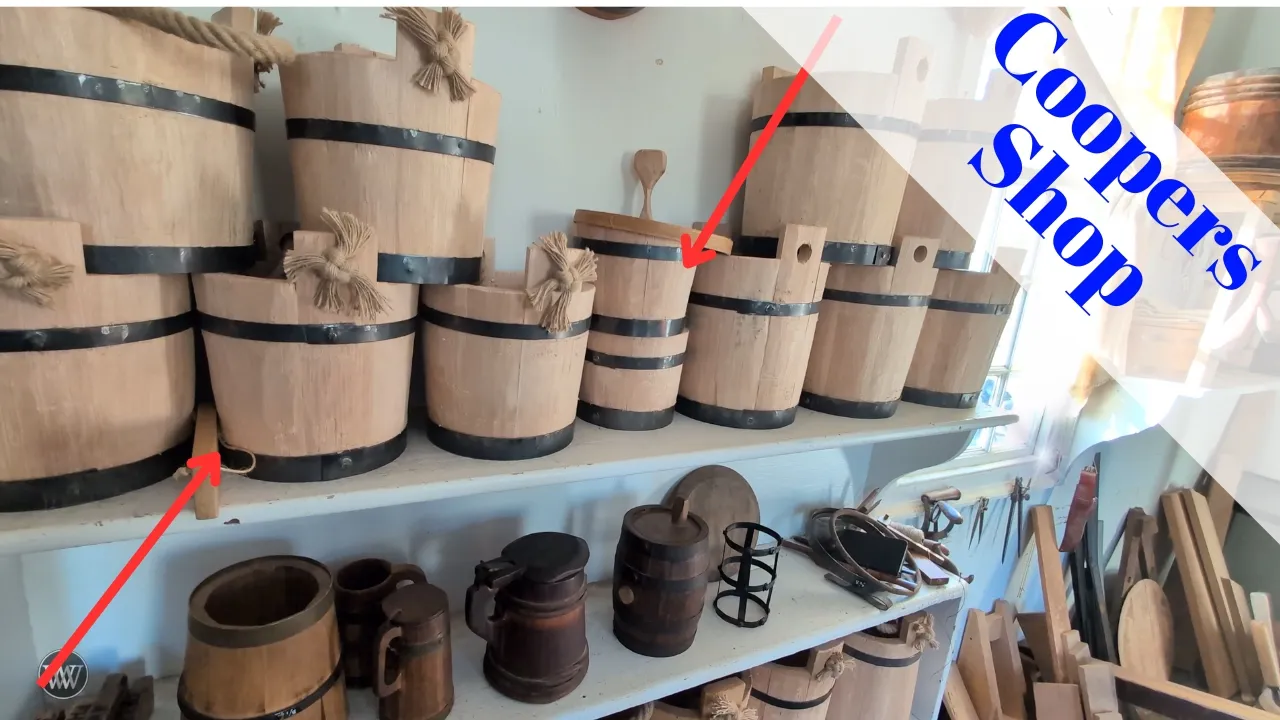
Barrel making (coopering) is an ancient craft dating back to Egyptian times, where skilled artisans use specialized tools like compasses, draw knives, and hidden jointers to shape wooden staves into barrels that can last 40-50 years without leaking; the design of the barrel's chime (top edge) and groove has remained unchanged for millennia, with the wood grain direction always facing the front of the barrel to support weight and prevent structural failure.
Master Cooper Ger Buckley: Whiskey Barrel Craft
Added:Understanding of basic wood anatomy and material science, specifically why white oak (Quercus alba) is favored for its liquid tightness, strength, and tyloses content.
The fundamental chemistry of spirit maturation, including how alcohol extracts compounds like vanillin, lactones, and tannins from wood over time.
The historical context of coopering as an ancient trade and its critical role in global maritime trade and liquid transport prior to industrialization.
Basic principles of geometry and physics related to tension, arch structures, and how angled staves hold together under pressure without glue or nails.
An in-depth analysis of the chemical effects of toasting and charring wood, specifically the thermal degradation of hemicellulose, lignin, and cellulose.
The study of cask finishing and maturation dynamics, including the reuse of Sherry, Port, and Bourbon casks and their sensory impacts on Irish whiskey.
Sustainable forestry practices and the global supply chain management of cooperage oak, including the ecological challenges facing oak forests.
Industrial engineering vs. artisanal craft: analyzing the modern transition of cooperages from hand-craftsmanship to automation and precision machinery.
502.3K views12.2Klikes21:55Original Release: 2019-07-27
I'm spoiled that was a truly stunning experience so you're talking about a couple of million hits yeah of a hammer at least over centuries so it's currently about 10 o'clock in the morning and I've been in the emergency room since 10 o'clock at night last night I spent the first two hours three hours of that time screaming gripping the sides of a hospital bed so that's the morphine action going right now I'm not sure what's going on but there's no way I'm gonna be able to get back to help shoot the episode this week I guess Rex will figure it out Cheers [Music] what I didn't do it this is for a different hobbies the art and craft of barrel making of being a barrel Cooper this is this is the old school man this is ancient yeah there's nothing's written about it just after BC switch to AD of course if we're doing an episode about it we have to get the best of the best just a fifth-generation master Cooper job of a mascot for Jameson whiskey in Middleton two hundred years don't look a day over 50 is this still used as a Cooper is this like a showpiece because this looks like something straight out of an old photo nothing has changed in my cooperage when marketing discovers me about eight or nine years ago all the tools my box is so this is all your stuff is all my stuff and my big box is my dad's box walk us through a lot of the tools I have for all his for example one of the few measuring tools income in coopering is a compass yeah this compass was belong to my grandfather's brother who was a ship's Cooper in the British Navy from 1880 and this is vanished because he had to produce his tools onboard ship for inspection right and even though this compass is over a hundred years old it still works absolutely perfectly so if I'm making a small barrel this is the compass for making a smaller barrel and in say for America bar this is what I would call an American compass a what I call a farty Allen so we have different sizes compasses depending on what size barrel or measuring tools I stacked a bit in ads for shaping the top of the barrel for shaping this chamfer on top even just the design or the top of this we just can't be straight yeah it could be straight but the problem when you have a straight here it becomes very weak and it can chip off and cause a leak so you must always shine for this and it strengthens all rest of this part of the barrel called the chime and the groove obviously where the lid fits into the groove and that essentially design is literally unchanged since Egyptian times four and a half thousand years ago the tool cut that groove this cuadros where it sits inside in the barrel Android's along the top of the barrel cutting that groove okay and you can adjust it up or down this one my grandfather used my dad used we were all one side of it down so we reversed the board okay and now I'm wearing the other side down there yeah and we named a whiskey after this called Jameson Cooper's Crowes yes this is the crows that is named after the other thing with coopering that people might know as well as a lot of my tools are called after animals so I've kind of a spokeshave here for shaving decide the Cask of the top of the cask my dad has this tree maps on it and it's called a swift which is a type of board type of swallow and it's got two wings on it another tool that used as a lever so you might use it on the side it better to pull this day of back and we call it a dog cuz it's got two ears so anybody in engineering rather than captain tree that wants to grab things and pull things you get dogs to do the work to pull it I kind of like to romantically think this is the original dog over here over horse you would use to grab your and you could walk in it so the original version of these is a log that's not that predates a voice or anything like that and you can use knives various types of knives so this is what I call a draw knife does the outside of the cast the backing sort of backing knife so I went to wrong the old side and I would Wow so the more you push down the handles and the severe the court all right shallow that is cool and you see a lot of people still work with these tools in other crafts chair makers right Walkingstick makers so you will fight you can buy these online and you can buy the plans to make a horse and all that you can see it in the photograph here yeah and this photograph is Nike no way music like this is your pointing stick yeah and that's to fill in cracks in the Lewis barrel right and we're not just really cracked but also the cork in here what I could do daddy show your walks the thing I try to explain to people as well about tools I have is in my dad so even when I started you couldn't rush out and just buy tools right you nearly had to kind of make a lot of the tools yourself and this was an old file used by a farrier her shoe said the broke and we turned into a tool mostly to say we're a minute so if I would talk in here and if it's stiff like that I'm struggling to get it in I get you down then I can pull back to save and now I can keep pulling them back and it allows me to get to wash into the groove essentially this is the only thing I have to proceed about right it's quite natural again because barrels probably originated in Egypt right so we use a lot of washes and Reed's or porous and everything else and then you can also use it on the side to power right and again you can put that in there and run your rush up and down some of the other tools that I would have that people find fascinating would be say Cooper's axe mmm oh the thing to remember is that Cooper would always have a block that he would walk on and a feed cops on so what I'm doing is I'm peeling do it off I'm not just chopping at it right and then you start to get some shape into your station so I'm thinner at the end worried in the middle and I do that on all four sides you just kind of sketch on it and fire your line everything I do is by eye as I said the only measuring tool is the compass right after that everything is fine if i take too much wood off my battle is to stopped right if I take too little off it's too straight that's the first judgment call I gotta make then I go to the house as I said and start to peel it start to shake with the night that's the old side mm-hmm on the inside I would use a different tool that tool is in lots of crafts this is all in coopering because we already only ones needed that shape for the inside of the barrel right here then I can see you can already see this well you can see the beautiful grain coming up and then which I'll finish that the next step is to plan this mmm what I can't join us this is to join me so in country where you hold piece of wood and a voice and you plan it it's the opposite in cooperate okay we're over the plane and we run the wood over this one is what I call a hidden jointer from making deletes stave jointers much longer so right now the slope of the stave the ten is determined by the width of the stance okay so the wider I am the more slope I have on it because I'm taking up more circumference to the bearer so if I sure you say on a void one here it's a lot more sloped and the tin one is very straight oh yeah there is no two the same so then when I match them together they match if I get the angles wrong and it's too open like that I have it the thing is because I'm doing everything by eye every mistake I make Dubrow Riddick all right I have to reach perfection of time a repair of our I'll make about because what you don't want to do is finish making a barrel send it up to be filled and then they're saying your barrel is leaking of the sweet aroma why coopering was so regarded as a craft is that you could make a container purely by alien skill that could last 4050 years whatever never leaking and the really great Cooper's would have enough work done in three three and a half days that they could drink tenderest a week did you see you get an amazing finish yeah absolutely and that's what you're looking for that amazing quality finish beautiful all powers were long like this were designed long traditionally right and when bearers were used to transport petroleum the barrel of oil as we still measure it today right when you're rolling a barrel when it's full it's very delicate right there's a lot of weight in there it can be a quarter of a ton inside the barrel right you bang that off something rolling it you were to snap it into so you have to be very careful when about as flow when people were transporting petroleum weren't very careful and rolling the barrel and if you hit the corner here of something it could snap at the groove then you get a leak petroleum then you get spa yeah then you have fire explosion injuries so the American government introduced a rule to reduce the height of the chime from their tongue to here so I like to think this is a Texas story when you're rolling it yeah as it's not as long there's less chance low risk right yeah so this is the design of the petroleum business right not the Bartman business that's well I'm just gonna bring this one over here so Cooper as they said would always walk on this block and then you would every night to shape the shampoo on the top of the bar what I'm trying to do is making sure that I'm coming up and the cost so when I coming up and coming with the grand so I get a much smoother finish if I come straight across a tiered of wood and then you have a chamfer done there's nothing I do that mostly we can't learn to use it just depends on how far up the skill level that you go right like how do you become a master and anything I think there's a couple of things you need other than saying doing a degree in getting your master's degree is that one you need a long period of time of study in your craft are your profession for me I'm 44 years working as a Cooper I never stopped learning I never stopped visiting other Cooper ages I never stopped visiting forests this is much about passion and learning as it is about anything else I've worked with lots Cooper's that were just quite happy to come to work do today rock and began I wanted to know the answers to everything I want to know why tools are designed in certain ways boy designs a barrel in certain ways so for me that's how you eventually become a master yeah and whether you're a master whiskey and tasting anything else it's passionate about you adding context to all of your actions absolutely yeah Cooper - I have right now is this one oh yeah that was just to tighten up things when they came to me that's probably - Miranda knew like these are the tool you need yeah that's all I have before I look I want to see your method cuz the IFC guy's told me how to pop a head put it back in yeah yeah joint I got to see yours as well he took the top two off and that was it no I would be 40 to make you feel okay because that way you're not going to my way try this on them yeah yeah there's a possibility of break here this section here traditionally we call it Kenta mm-hmm koror's centers okay every part of that is a name yes okay do you realized you asked a question for a crowded barrel yeah how do I remove the lid and you're getting a lesson I know from a fifth generation master Cooper I'm spoiled so my orders I always like to remove the tree hoops okay what I'm doing it and I tell you the lines of the head is the direction of the grain and water right the direction of the grain of the wood should always nearly face the front of the barrel okay so that when the bow is lying horizontal right the grain is going from the floor to ceiling right so when you put another barrel on top it can take the weight right okay I never thought about that yes absolutely where you don't want to hit the barrel is on the edges right because this is the weakest points where I can snap you want to hit it in the middle which is the center of the barrel right centrally and then be careful on the edges if I wasn't careful it could snap here and then I got to make a new piece right because these I'm just don't Oh gotcha okay don't come apart yes wondering how those are held together so I can't repair any part of this as well right and if you smell that yeah it's the essence of what American oak is yes what you're not smelling there is whiskey this smell is only oak Wow that's where it's coming from holy crap that's the lactones and that's and everything I describe in Irish whiskey yes but even American whiskey or even yeah I can whisk is you can smell the hint of bourbon you find those notes and Tennessee whiskey what I like to explain to people is until you actually do this oh yeah you actually smell a barrel that has no whiskey content that is it's a dry barrel right until you smell that oak then the penny drops as to where these flavors are coming from like even experienced whiskey drinkers can't believe that or I guess we're all its taste and flavors come from yeah right that was a truly stunning experience absent a lot of things that we've we've sampled probably well over a thousand whiskey's at this point on the show on the show or and the number of times that we've tried to figure out where is that coming from where's that coming from and now there's elements that are so common yeah I love it in whisky and it's not the noumic it's not the spirit I know the bear for example in Texas one of the things we're starting to experiment with is larger barrels but toasted and charred like bourbon barrels the reason is there's a less ratio of wood liquid which buys us a little more time and the Texas heat yeah and so I mean but these these all go back to things that we're not discovering they've been doing them for thousands of years they have it's been rediscovered mmm as we all know and the whiskey business nowadays and I go back to a time when whiskey was on its knees when nobody was selling whiskey anywhere and to see it know so far flourishing what I think is really improved individually it shows like your own there's so much education known it there's so much torch for knowledge on where all the influences come from how everything is done from distilling coopering wood everything I find that amazing a lot more curiosity out there yeah and and people when they drink to risk you know they'll know so much about it it's far more enjoyable yeah it's an incredible exciting time yes I totally agree so putting it back in you just reverse that process you put in soft edge first Salvage first you only hit under chamfer ah you don't hit here right so just gently because anything else and what I would do then is I will put in a read or Rush okay and the other thing if you could do it I would remove the the rivets I can knock out these rivets right to already do it sure yeah let's go over to the unveiling and I'll show you but you've probably realized that she walked into my cooperage it's audible history and the age of things and I often wonder how many hits does it take to wear an anvil dying out right it's almost like it's melted it's almost like it's so you're talking about a couple of million hits yeah of a hammer at least over centuries you have this little piece of metal here which I call a bolster or a wholeness put your rivet into it get a punch and [Music] and now my so I would go back to my peril and mm-hmm and I would size it up that I'm a little bit above the rim mmm so we'll just presume it get a rivet laughs I go halfway just right pseudo-snake put it over the hole then put over my next hole just sides me up like a bell yeah on the flat part of the anvil that's well worn down and I start laughing now the other thing we always do if you put a diamond shape on the river and you could always know who repaired what pal by the shape of the river they had their own little swinging their own little methods of doing it so nobody recognizing the rivet as to who did why no the other thing you always notice is your rivet always line up at the front right and the lines always growing up at the front [Applause] or even when you're hitting the the top of the hoop if I don't hit it correctly even little skin is like that develop over time and then the last thing we must do is a Cooper always had to mark his walk hmm so you could use a letter you could use a number but once you selected your emblem it's yours for life then so if something happened about a later if it leaked or something happened they can trace it back to last made it or repair it mmm so decided it for my dad and probably my granddad and this all this tool ever did was put your Mac on the wood and again how many times you have to hit us obviously it's number one and you put it here and you give it a tap so I'm going to just even you always go what we have here is James and black Barrett right and it's the whiskey kind of very fun of myself in the Jameson calorie it's almost at America's 30 whiskey right it's got a lot of very sweetness and aromas from the American wood we also double chair out the barrels we take the lids out and we do a much deeper richer chair because we want as much American or contributions we can get so we do have some Spanish wood in here but it's that sweetness we're really looking for a nurse tourists and very fond de made the roof above us never fall in and we friends beneath never follow [Music]
Up Next
10:04
How Corrugated Cardboard Boxes Are Made: Inside the Process
@InternationalPaper1
89.8K views•2021-04-27

12:54
Triumph of Orthodoxy Icon: Byzantine Art & History Explained
@BenCallan
2.1K views•2024-08-06

9:49
FastAPI vs Flask vs Django: Choosing the Right Python Web Framework
@TechWithTim
302.5K views•2024-05-26

1:42
Game of Thrones Opening Credits: A Cinematic Analysis
@gameofthrones
46.3M views•2011-04-18
Related Study Plans & Knowledge Roadmaps
Structured learning paths in General & Interdisciplinary Studies
general-studies
Elevator Engineering: History, Physics & Cities
01From Hoists to Safety Brakes: The Dawn of Vertical Lift
02Hydraulic vs. Traction: The Engineering Physics of Elevators
03Modern Speed, Safety, and Algorithms
+ 2 more learning modules
12h5 modules
Explore Roadmap
general-studies
Rubber: Material Science, History & Geopolitics
01Origins of Natural Rubber & Mesoamerican History
02The Chemistry of Natural Rubber & Vulcanization
03The Geopolitics of the Rubber Boom & Colonization
+ 2 more learning modules
12h5 modules
Explore Roadmap
general-studies
Containerization: Evolution, Logistics & Trade
01Ancient Trade & Bulk Cargo: Amphorae to Barrels
02The Industrial Revolution & Cardboard Packaging
03The Containerization Revolution: Malcom McLean
+ 2 more learning modules
12h5 modules
Explore Roadmap
general-studies
Textile Tech: Evolution, Labor & Global Impact
01Pre-Industrial Textiles: Handloom & Cottage Industry
02Mechanization: The Spinning Jenny to the Power Loom
03The Factory System & Global Labor Transformation
+ 2 more learning modules
10h5 modules
Explore Roadmap