







![[UE14] Chimie organique : mécanismes réactionnels électrophile, nucléophile, addition substitution](https://i.ytimg.com/vi/UlCPjodsUcU/maxresdefault.jpg)

![14. Mecanismo de Reação SN1 e SN2 | Substituição Nucleofílica | Reação Orgânica [QO]](https://i.ytimg.com/vi_webp/W-RlgUfDwRc/maxresdefault.webp)









![[CTQ020-2022] Síntese Orgânica - Aula 3 (Retrossíntese Pt.1)](https://i.ytimg.com/vi/Crn61TaHaIg/maxresdefault.jpg)



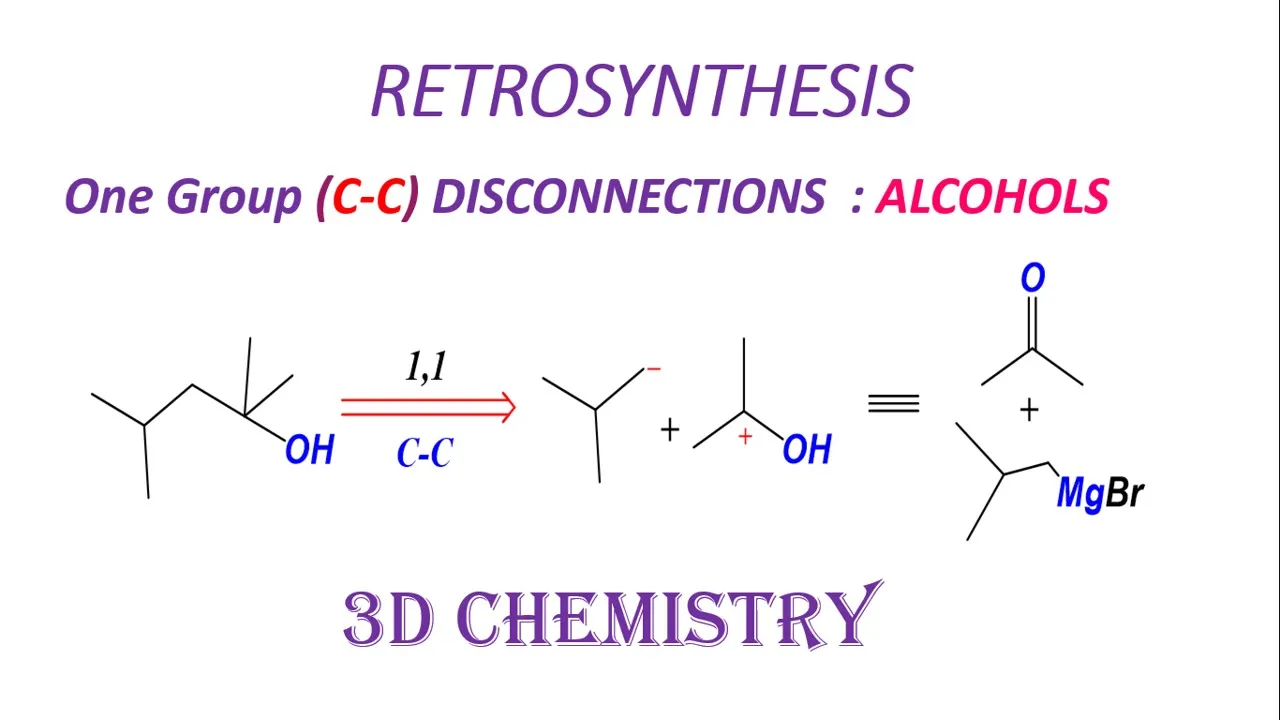
In retrosynthesis, one-group C-X disconnections involve breaking the bond between carbon and a heteroatom (such as O, N, S, or Cl), assigning the negative charge to the heteroatom and positive charge to carbon, which enables nucleophilic substitution reactions for synthesis; the choice of disconnection site depends on factors like leaving group ability, steric hindrance, and whether the resulting carbocation will undergo elimination or substitution, with the goal of identifying practical synthetic equivalents that can be connected through known chemical reactions.
Retrosynthesis: One Group C-X Disconnections Explained
Added:Familiarity with common functional groups containing heteroatoms, specifically ethers, esters, amides, and amines.
Fundamental understanding of polar covalent bonds and how electronegativity differences polarize carbon-heteroatom bonds.
Basic knowledge of nucleophilic substitution reaction mechanisms (SN1, SN2) and nucleophilic acyl substitution.
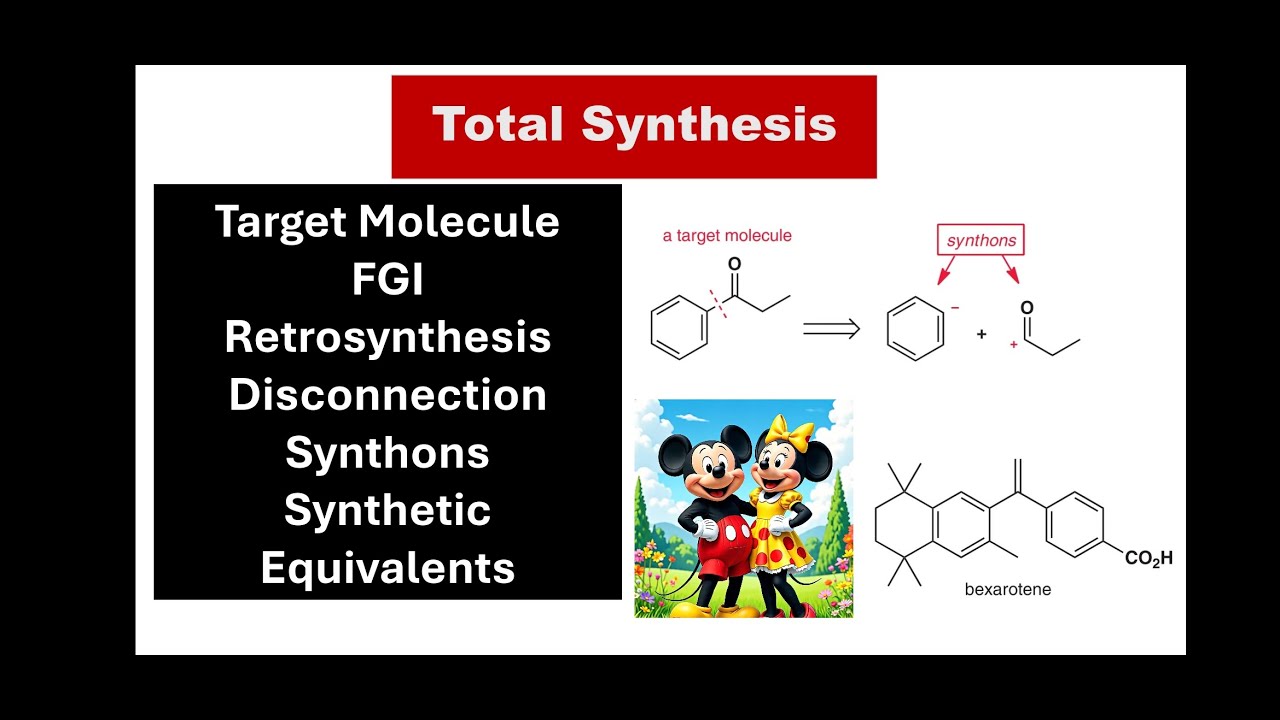
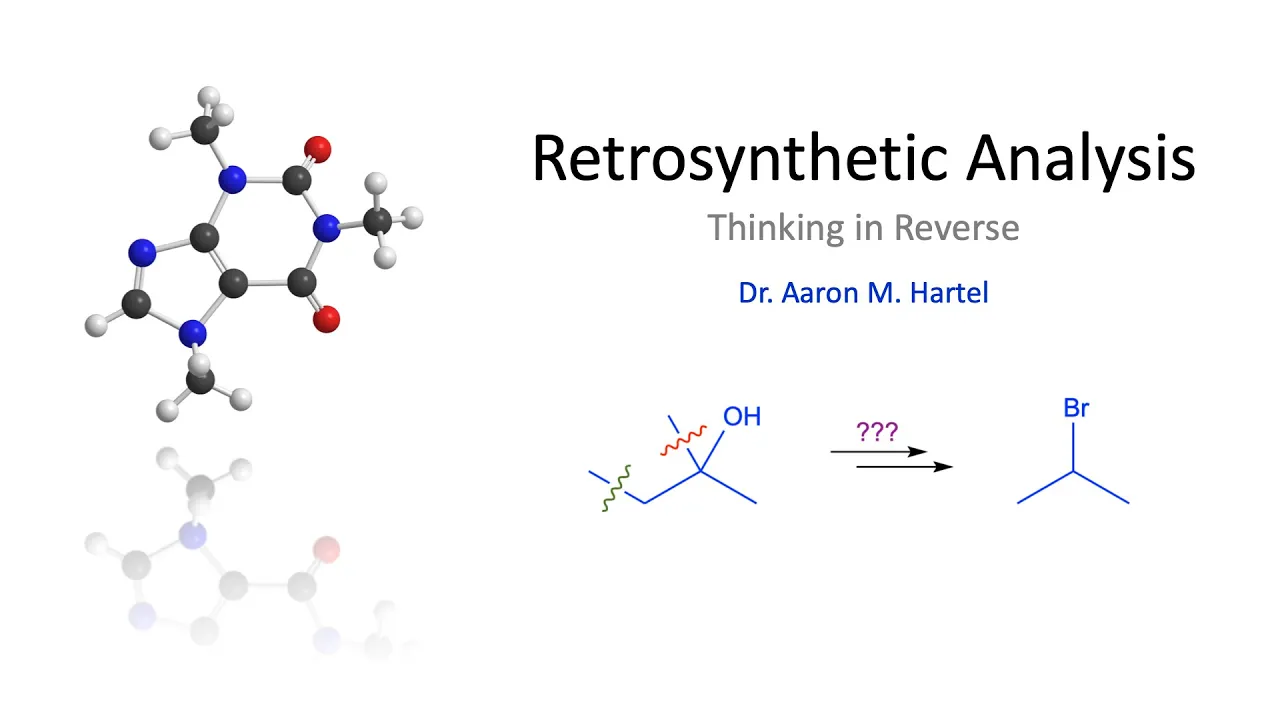
An introductory concept of retrosynthetic analysis terminology, such as target molecules, disconnections, synthons, and synthetic equivalents.
Exploration of two-group C-X disconnections, analyzing patterns such as 1,1-, 1,2-, and 1,3-difunctionalized compounds.
Transitioning to Carbon-Carbon (C-C) bond disconnections, utilizing reactions like Grignard additions, Aldol condensations, and alkylations.
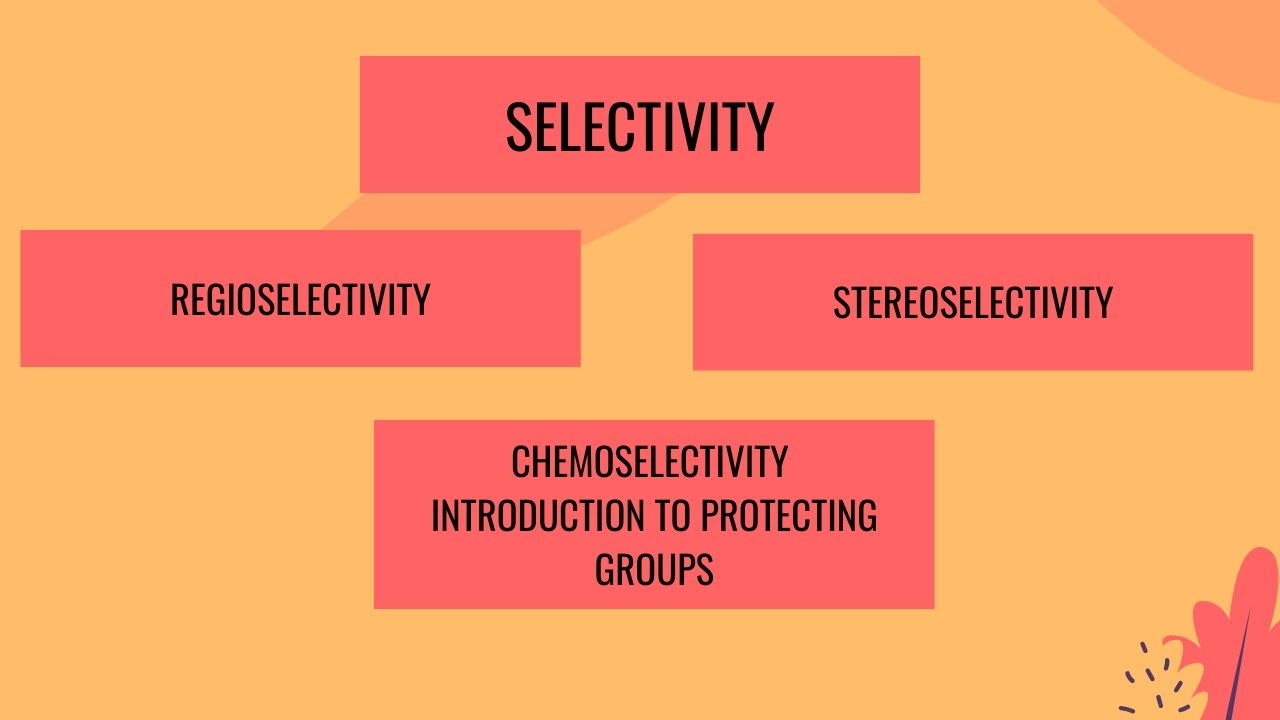
Studying chemoselectivity and the strategic use of protecting groups when multiple reactive heteroatoms are present.
Application of these retrosynthetic principles to design synthesis pathways for simple pharmaceutical agents and bioactive natural products.
527 views24likes23:28Original Release: 2020-05-30
dear students today we'll be taking up one group CX disconnections which we have done earlier in class as I had been asked as to why I had moved on to the other disconnections the two group disconnections and I functional disconnections this is because we have done this in class earlier so I thought I would take it up after we had completed the other units on disconnections so now this is the simplest of the disconnections where we are taking into consideration the disconnection between carbon and a hetero disconnection between carbon and a hetero atom will lead to obviously the hetero atom getting the negative charge and carbon the positive charge so obviously when carbon gets a positive charge and the hetero atom is a negative charge we are in other words looking for destinations which are taking into consideration nucleophilic substitution x' so generally it should be such that we are able to connect it or synthesize that molecule knowing of chemistry so always the leaving group will be such which is a good leaving group that is the disconnections will be search where X is a good leaving group so we can get the best reagents from such disconnections now this is our co X and our co X's and acid halide so the acid halide naturally when disconnect believe on disconnection will give us those reagents which undergo substitution easily on disconnection we'll be getting our positive which will be balanced the C+ balanced Y the Y negative now the Y can be any good leaving group like BR or oscillate etc here Y and X negative is balanced by H+ now taking the example of this target molecule as shown this is an ester r CH 2 co o or - and the disconnection between the carbon and this oxygen this carbon and this oxygen otherwise if we disconnected here then we aren't taking into consideration any functional group so this is one group disconnection so what is the functional group - one functional group which we are taking into consideration while disconnecting the carbon in the hetero atom is this functional group which is ester so we have to disconnect and between this carbon and the spark this oxygen attractive not this carbon and this attract otherwise this functional group will leave on the whole so we have to disconnect with respect to this functional group so that it is broken Midway now this will give rise to oxygen negative and carbon positive our CH 2 O Negative now we can associate it with an edge positive that will be an alcohol and our co2 positive we can associate them to form the synthetic equivalent with a negative we can again be an H which will be an acid or it can be CL so we need a good leaving group and we know in this case when our ch2oh that is an alcohol it reacts with an acid also to give us esters we know this reaction this chemistry exists and at the same time we also know that an alcohol reacts with an acid chloride and acid halide and give us an ester and the reactivity for this amongst the acid derivatives is the most for acid chlorides less so for acid anhydride still less for esters and still less for amongst this is in the acid derivatives since here we are going to form in history and we have disconnected an so this will leap and hasit Helen it could also be an asset our sewage but this is more favorable taking the asset highlight because this is a convenient reaction and it goes about easily very easily in the presence of a base so this on connection or on synthesis that is the alcohol which will react with the acid halide in the presence of a base to give us the target molecule ah ester now look at this synthesis the synthesis which we have I have written here is a perfumery compound it's also used as an insect repellent as you must be aware that all compounds which have some of the other order are also many times insect repellents many such terpenoids are the examples of these such as citronella oil etc so this compound here again having a good smell like that that means it is not a terpene but this is an ester an ester we know also our fragrant this on disconnection between the carbon and this hetero atom remember not this carbon and this oxygen otherwise we will remove be removing this entire ester group now we are disconnecting the ester we know how an ester is formed by the action of an acid halide and an alcohol so this is what is being done so in this case now as was here when once we disconnect it this compound this is the perfumery compound it is a little bit similar to this because this too is an ester so this is C 6 H 5 CH 2 o C double bond o c 6 h 5 this ester on this connection will give us this alcohol and alcohol means because this disconnection this hetero atom will give Bo negative so H positive and this carbon positive will be balanced by the y- the bar by negative is most of the time a highlight so this will be again a reaction between the alcohol and this has a derivative in the presence of a base to give us the target molecule this is the RX disconnection now let us see the next synthesis in the next synthesis which is a disconnection we're taking into consideration this target molecule and thus target molecule as a seen is a weed killer now this target molecule here which is taken up for disconnection again a carbon hetero this is a weed killer by the name of proper nil analyzed so prop onion because 1 2 3 see these are the 3 carbon atoms this is actually the commercial name for it it's a weed killer it's used in rice fields and the disconnection as is obvious with this benzene ring we will be disconnected not disconnecting not this or this or this or this Percy this is the disconnection will be undertaking a non disconnection carbon hetero atom so nitrogen negative carbon positive these will be the same tones nitrogen now positive and edge with another H will give us this NH 2 that is the aniline dye subs with substituted with chloro fatty matter and the para position and this NH 2 now how to disconnect this hetero atom from this carbon now this is not all that simple because we know nitrogen on this connection will be getting a negative charge and as we know that benzene rings give electrophilic substitution as an ohm for nucleophilic substitution the conditions have to be drastic so it won't be a good disconnection because NH 2 negative will be a nucleophile not an electrophile so is there some way by which we can also remove this nh-2 and at the same time a reaction process turns electrophilic so we do know that if we interconvert this group into another functional that is in other words functional group inter conversion fgi and we are aware that no.2 group is one such group which is a very good electrophile and at the same time it easily is reduced to finished so this will be a very good disconnection so what do we do we simply change this NH to functional group inter conversion and write N and now we just connect the carbon and nitrogen not here but here because we know once we disconnect this carbon and nitrogen this can be connected back so now on this connection we will get our diet ro benzene and this dichlorobenzene will be one two diagram benzene will be now are starting reagent for the synthesis now the synthesis starting from this diet or benzene will first of all undertake nitrogen because the last step in disconnection becomes the first step in connection or synthesis so now on nitration when this is nitrated we will know whether it is with respect to this chlorine or this chlorine it is one in the same thing we will get because chlorine is also para directing so we will be getting a para substituted product due to the steric reason now because this is the ortho position these two our through each other so para substituted nitro product and moreover chlorine as we know is ring deactivating so it won't lead to therefore much poly substituted or die substituted or trisubstituted we will be getting this mono substituted product and this mono substituted or nitrated product or nitrogen all reduction will lead to the formation of this amine which on further reaction with ch3 ch2 C or C I see this was what we disconnected in our RX disconnection there were these there were two rx disconnections this in this firstly the RX disconnection for the ester and the second the RX disconnection for this ch3 between the ch3 Co CH 3 CH 2 co and n so now this again will be reacting ch3 ch2 cocl with NH 2 so that HCl is eliminated and we get our target molecule half x disconnection remember this is a one group disconnection we are disconnecting taking into account the presence of only one functional group now this other disconnection which we are taking up seems a little complicated but is not because this target molecule here's you h co o again we are seeing an ester so it is not difficult it's looking a little complicated but it's very simple in the sense if we disconnect between and ester between this carbon carbon this will be positive this hetero atom will be negative so this will get a negative charge this a positive charge and this again again the positive charge be balanced by and which negative and this negative charge be balanced by a negative by H+ so again it will be an alcohol and this time because we have this co h further adjacent position and the other co h and the co h itself will give us a very good synthetic equivalent that this our colleague and hydrate so phthalic anhydride because on reaction or synthesis with this alcohol in the presence of a base will lead to the formation of C oh oh and Esther will be formed C oh oh and this here the alcohol portion and we will get in the presence of a base R so again we are doing the RX disconnection this time taking into consideration the presence of the COOH group so on this connection we will be getting C oh oh the C over here and H so this is phthalic acid so phthalic anhydride because these two are adjacent to each other this will be a very good synthetic tubulin because on reaction will be co the ester and at the same time co o in the presence of a base the edge so we will get it be getting a target molecule the reaction we know and we are familiar with now let's see - this next disconnection which is quite interesting because this time this target molecule that is being taken into consideration is interesting in the fact that it's an ether so it can be disconnected it's again a perfumery compound c 6 h 5 CH 2 o ch2 ch2 c CH 3 CH t with a nice of the pilot so this perfume can be compound it can be disconnected as we can see there are two carbons on either side and the functional group here we are taking into consideration is the ether so it can be disconnected between this carbon and this oxygen or it can be disconnected between this carbon and this oxygen now if we disconnect it from using this pathway a that is c 6 h 5 CH 2 or negative this here H that is if it is disconnected after oxygen here in this case we will getting CH 5 CH 2 which and since we owe negative the disconnection between this carbon will lead to carbon positive so carbon positive will be balanced by and X negative so this is path a now at the same time it can be disconnected here as well so here if it is connected if it we will get C 6 H 5 CH 2 X me can be CL also a hetero atom here and this is Oh touch so see there are two pathways by which this can be disconnected because it is attached to carbon on both the ends so it can be our X disconnection this way which is path 3 B where we will get C 6 H 5 CH 2 CL or it can be pathway a where we will get C 6 H 5 CH 2 O and then it will be this I soaked this end that is this branched end which will be which will be changing into D head not which of the two is the better disconnection because we have got two options as we know that when we are disconnecting it in this way so what type of a substitution will take place by using pathway a is because C here will be getting a positive charge and this will be a good leaving group the X but see a positive charge implies since it has got a branched and so it will try to lessen the steric strain so there will be a competition between the two as we know carbon positive here will therefore lead to elimination as well because the elimination will be favored since the steric strain at this end will be reduced so this lead to positive charge here elimination of H+ and formation of a double bond so this will be the competing reaction with this hence what is the other option the other option is to choose this connection this type of where we will get CH 2 positive and since we know with the CH 2 positive this time is attached to an aromatic ring so there is no chance of forming any rearrange product or any elimination here when the reaction takes place of of course it will be sn2 type of reaction because this is a primary halide then elimination will also occur at the same time in this case as this it will be competing with this you know because these are bulky groups these are groups which are attached here hence the pathway B will be the preferred pathway in other words because this now will be the nucleophile when this is the nucleophile in that case this carbon here positive will no longer be competing for any type of elimination reaction so this is the preferred pathway now taking into consideration this retrosynthesis or does this connection again the one group C X disconnection see the one and this is known as chlorobenzene this is your circling meit's so the commercial name is klore been site now as we can see again this is attached to carbon at descent and carbon at descent now if we disconnect it at this end we will be getting s- s- means again a nucleophile and as we know that aromatic rings gives give electrophilic substitution is very easily not the nucleophilic ones those are not the norms so to connect this s- back to this ring is not something simple it requires drastic and modified conditions of the ring so that it gives nucleophilic substitution because this s- will be a nucleophile when it is disconnected because this is a hetero atom so we won't connect disconnected between this carbon and this sulfur we will get disconnected between this sp3 hybridized carbon and this sulfur in this case now when this gets a negative charge this will be positively charged and again this will be not an electrophilic but a nucleophilic substitution so you know why the disconnection is not made between this and this the aromatic ring and this hetero atom because this will lead to a new cliff nucleophilic substitution here electra and aromatic rings do not give nucleophilic substitution x' only under drastic and modified ring conditions therefore we disconnect it between this alkyl group CH DN ch2 here and s here at radomir because this the alkyl give nucleophilic substitution it's very easily as we discussed in the start of this unit that basically when we are disconnecting carbon and a helper atom carbon will be positive and the hetero atom obviously will be negative so while connecting it or synthesizing we are looking for what we are doing what we are doing a nucleophilic substitution hence this today this is the disconnection so now this will lead to ch2 positive and s- with an H positive so this will be s SH ty all so this is the synthetic equivalent in this case and here ch2 positive cl- and now we can connect it easily it's in the presence of a base h+ from here with cl now remember it is not the CL because again how can CL be eliminated from here it can be substituted it will be this CL nucleophilic substitution so because this is sp3 hybridized carbon this is the aromatic ring so it will not be this which will give the nucleophilic substitution it will be this part which will be giving us the nucleophilic substitution so this will be the nucleophile s- h+ with the base it is easily removed and this s- therefore attacks this carbon because this chlorine is pulling electron towards itself and will be a good leaving group leaving the carbon positively charged attacked by this nucleophile giving us a good nucleophilic substitution reaction and hence formation of a target molecule so this was a simplified form of the easiest of the disconnection that is our our X or C X 1 group disconnection taking into consideration the presence of just one functional group in each case it can be any third it can be sulfur it can be an ester oxygen so this was all about this discoloration
Up Next
8:36
Retrosynthetic Analysis Explained: Organic Chemistry Strategies & Examples
@ProfessorDaveExplains
168K views•2016-04-28
83:56
Biocatalysis and Catalysis in Islatravir Synthesis | Merck Webinar
@SCIwheresciencemeetsbusiness
675 views•2020-10-08
10:06
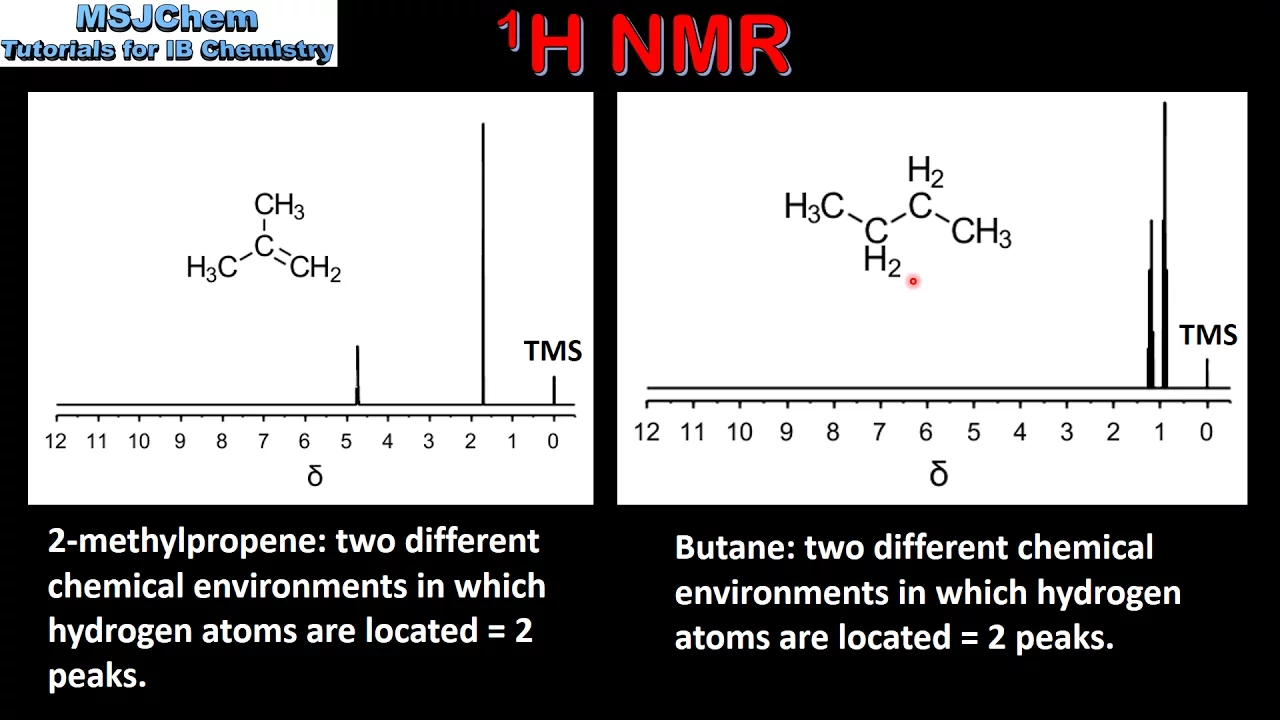
1H NMR: Determining Number of Peaks from Structure
@MSJChem
59.2K views•2017-04-06

17:31
Edible Water Bottles: A DIY Guide to Sodium Alginate Spherification
@ryan
10.5M views•2019-06-21
Related Study Plans & Knowledge Roadmaps
Structured learning paths in Chemistry
chemistry
Nuclear Chemistry: Decay, Meds & Fuel Cycle
01Introduction to Nuclear Structure and Radioactivity
02Decay Dynamics and Kinetics
03Radiation Interaction and Detection
+ 2 more learning modules
24h5 modules
Explore Roadmap
chemistry
Supramolecular Chemistry: Forces & Machines
01Foundations of Chemical Bonding and Intermolecular Forces
02Introduction to Host-Guest Chemistry
03Thermodynamics and Dynamics of Self-Assembly
+ 2 more learning modules
16h5 modules
Explore Roadmap
chemistry
Photochemistry: Excited States & Reactions
01Foundations of Light-Matter Interactions
02Molecular Orbitals and Electronic States
03Photophysical Processes and Jablonski Diagrams
+ 2 more learning modules
18h5 modules
Explore Roadmap
chemistry
Coordination Chemistry: Bonding & Properties
01Introduction to Transition Metals and Ligands
02Crystal Field Theory (CFT) and Geometry
03Magnetic Behavior and Spin States
+ 2 more learning modules
14h5 modules
Explore Roadmap