







![Promises (ft. Joe L Barnes & Naomi Raine) Maverick City Music TRIBL --Acoustic Guitar Lesson [EASY]](https://i.ytimg.com/vi/IQ0NDMqR5Ow/maxresdefault.jpg)

![Passion // King of Glory -- Acoustic Guitar Lesson [EASY]](https://i.ytimg.com/vi/T53frPUS2as/maxresdefault.jpg)
















This video presents a seven-step method for creating flawless 3-part harmony in worship singing: (1) Understand the song's chord progression and melody notes using scale degree numbering (1-7), (2) Identify upper harmony as the third scale degree above the chord and lower harmony as the fifth, (3) Follow the melody's movement while maintaining intervals of thirds or fourths, (4) Avoid scale degrees 4 and 7 as passing notes unless landing on strong beats, (5) Listen critically to ensure harmony chords don't clash with the underlying chords, (6) Use extended chords like minor 7 on 6th and 2nd chords, and major 7 on 4th and 5th chords, (7) Apply creativity purposefully while avoiding overuse. The key principle is that harmony singing requires both technical knowledge of chord structures and artistic judgment to create beautiful, supportive vocal arrangements.
Sing Flawless 3-Part Harmony for Worship: A 7-Step Method
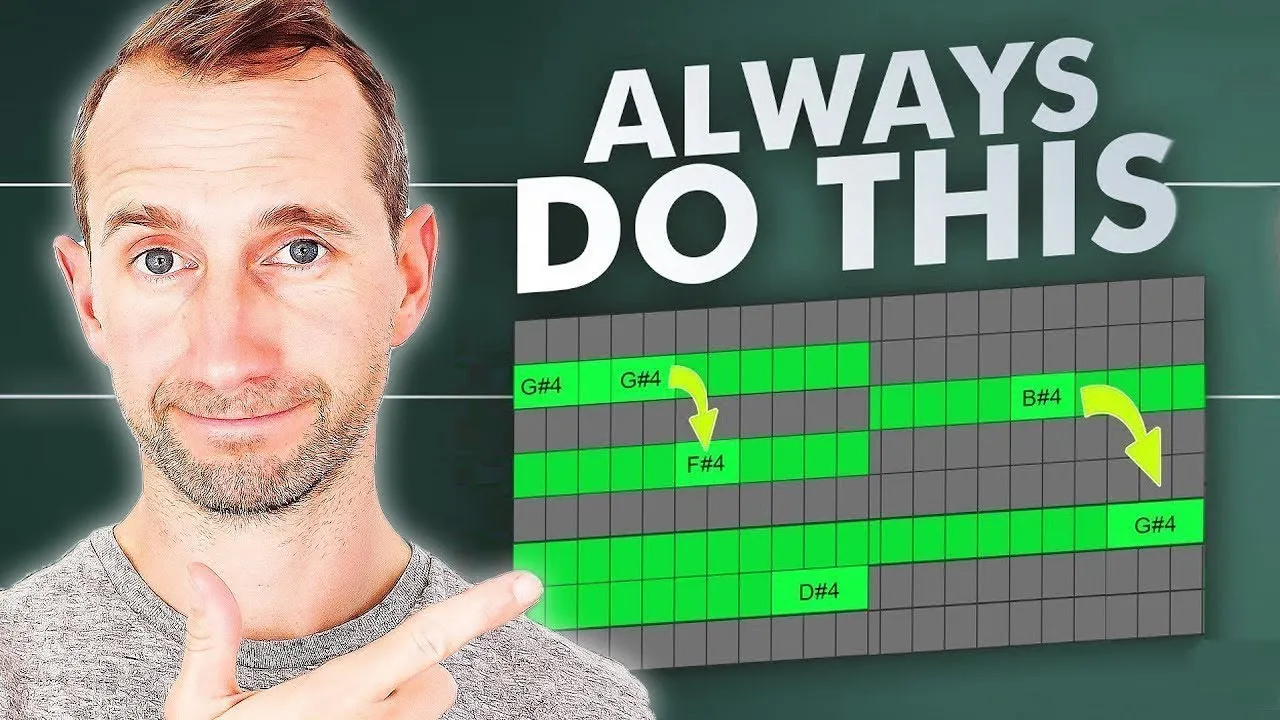
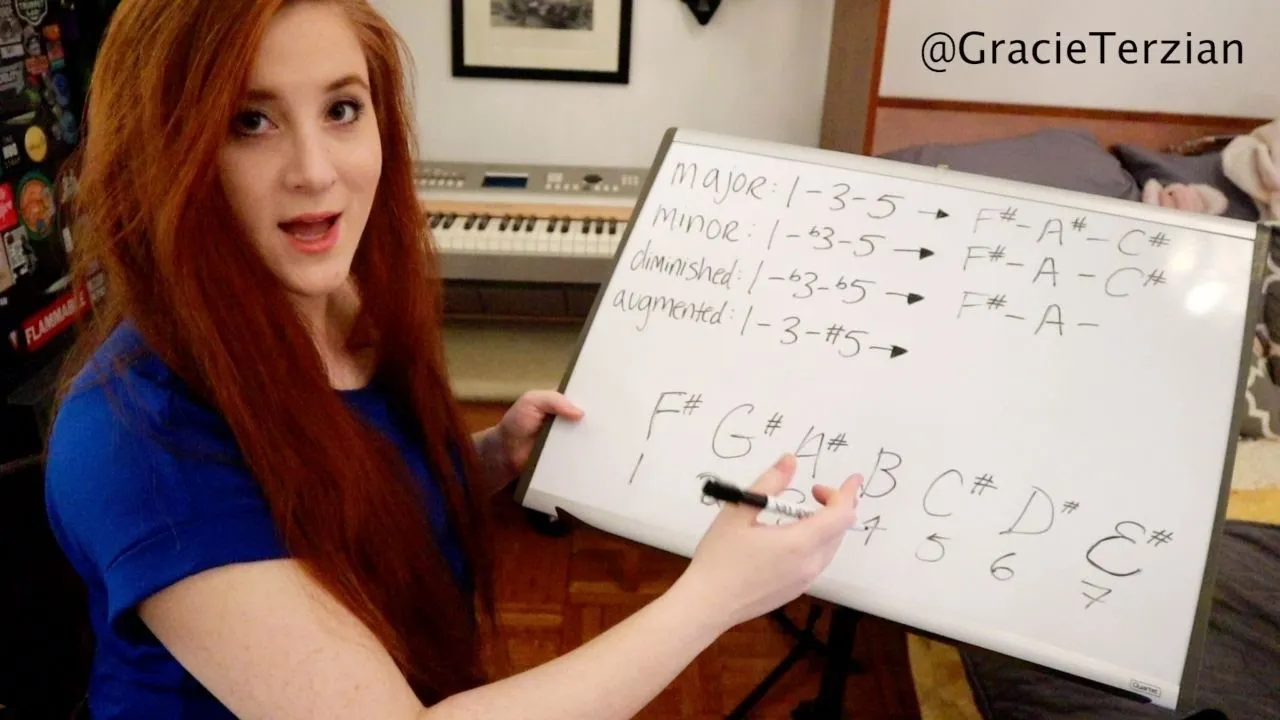
Added:has this happened to you too there have been times where I've been singing on the worship team harmonizing everything's going great sounding amazing and then I hit a note that just clashes with everything and now the beauty just kind of goes away or I'll step on someone else's note and all of a sudden the three parts that were there vanish into two again ruining everything so I wondered if there was a way that I could make sure this doesn't happen so so here are the seven steps that I came up with to ensure that I always sing a amazing Flawless sounding three-part Harmony okay in order to figure out good sounding Harmony Parts you need to know the chords of the song the notes of the melody so that then you can follow on the harmony parts that's the basics of it so first let's determine the chord here in this song we have start with our one chord the notes in that are [Music] one35 now I'm singing on numbers I feel like this is the easiest way to figure this out we assign a number to every single scale degree in the major scale 1 2 3 4 5 6 7 8 or one one and eight are basically interchangeable the next thing to figure out is what is the note of the melody within the chord so the melody is 1 1 7 6 5 1 2 3 do you know the song anyway the melody is on a one chord is a one chord let's find the upper Harmony First we're going to find the next chord note above the one and that is three so that is our first note of the upper Harmony now to find the lower Harmony we just find the lower note in the chord and that would be five could also sing five up an octave five finding your starting pitch can be the hardest part often times and so that is really important and if you ever lose where your Harmony Part is then follow the same process like when you start another phrase of the song just figure out the chord upper lower in the chord and that should be very helpful the tricky part though is that often times those clashes in our harmonies and those bad sounding chords usually happen as we're singing and as we're harmonizing somewhere in the middle of our phrase is usually where things can go off and just not sound so good so let's just see what would happen if we started on our note and we just kind of harmonized with it maybe just whatever comes to our ear Praise Him All Creatures here below that didn't sound bad right but it didn't sound that great either because I was mainly just singing one note Praise Him All Creatures here below and that didn't really sound so great it just kind of sounded maybe like more Coral you know it didn't sound like this worship sounding that we're looking for and I also ended up because I did that I ended up stepping on the note of the melody at one time creates it stepped on it so we're not really going for that what we need to do is try to follow the melody and just generally how the melody moves the Harmony Part needs to move as well and we're going to be trying to create intervals of a third or a fourth at pretty much any given moment now if this is a little confusing like what's a third what's a fourth check out our Harmony challenge it's the at the very end of the harmony challenge I go through exactly this how to hear thirds and fourths I even use the same song as a practice now back to the process so let me try to sing that now as matching on thirds and fourths best as possible Praise Him All Creatures here below okay now we're getting somewhere right I had to use kind of some jumps in there and now I use some four some thirds and now it followed the melody and so you're going to do that for the lower Harmony and you're going to do that as well for the upper Harmony so that is the start but it doesn't end there after you've done that you're going to listen to all the harmony parts you've just made with either the singers around you or you'll record it right you'll listen to it and then you'll realize oh boy it sounds kind of like this praise God from whom all blessings flow now when I hear this the chord that really clashes the most for me is this chord that happens on the word from it sort of creating like a c diminished chord and it's not sounding good at all so what could we do to fix this praise God from whom all blessings flow all right now we're starting to go somewhere did you notice what I did though right here praise God I didn't follow the melody the melody went down a note but my Harmony Part stayed on the same note and that is really important to realize as a Harmony singer or your tendency is going to be that you're going to want to follow with the melody at all times cuz just going to be habit you're going to be like oh the melody moves I got to move but that's not the case you need to realize as a Harmony singer that often times the note that is going to sound best and create the best sounding chord is if you don't move and you wait till the next note to move and now depending on the chords this is also where you're usually going to need to decide which Harmony Part should stay on the same note which Harmony Part should move and that's where there's an art form to and that's where that I'm going to tell you explained how to go about knowing which type of passing notes work best listen to see how this sounds and see what you [Music] thinka so here I sang some past ing notes and I don't you probably didn't like it that great right so let's try this other option Praise Him above the Heavenly Host all right now that sounds much more listenable so what is that what's going on here why does one sound better than the other how can you apply that in your singing well what I suggest is that you avoid scale degree 7 and scale degree 4 as passing notes just as a general rule kind of get that in your mind when you're singing three-part harmonies just kind of try to not sing on a seven and a four unless the seven R and the four are landing on a strong beat Landing in the chord then you're welcome to sing scale degree four or seven in other words what this does is you're essentially singing all your passing notes on the pentatonic scale and that is kind of keep things safe and you will avoid as much as possible you're going to avoid these clashes I found that it usually happens on the seven like that 5 [Music] s175 instead of going 5 61 65 okay now we're starting to sound good the harmonies are starting to shape up we're not quite done yet need to listen through again and make sure that the chords that you're making in your harmonies don't overtly clash with the chords at any point or that the voicing that you're creating with each line isn't creating some awkward jum for example like the beginning here it could go flow then you might want to change it a bit to instead sound kind of like this praise God from whom all blessings flow now what this does is that it allows the lower Harmony to be much more natural to sing so we avoid this minor third jump that was happening on from whom where we were going 5 to three and now it's just going 5 42 and if anything that works all right on the word whom but it doesn't work so well on the word all because now this is creating like a three minor chord which doesn't sound so good so in order to fix that we have to turn now to the upper Harmony and see what we can do to fix that and here what I would suggest to do is just keep the word all instead of singing a seven keep it on the one and so we're just again doing a same note here and that will create a decord on the word all and if anything that sounds nice because then it's just hopping staying on a decord from all to Blessings avoiding what we were doing before was switching from a to d praise God from whom all blessings flow I think this creates nicer sounding chords and better voice leading now here's another example of a time I would change one of the harmony notes to make a better sounding chord listen to this Praise Him All Creatures here below I would avoid that it doesn't sound so good to finish on the dominant chord so when it's a five chord try to avoid singing the scale degree four sometimes it's just preference here's where you kind of go for the sound that you're going for if you want maybe try this here because you have a minor chord the lower Harmony could sound like this [Music] heaven or instead you could just sing kind of like a D major chord on top of the B minor because then you're creating basically a B minor 7 chord which sounds great [Music] heaven so I found that the Minor 7 works really well on the six chord and on the two chord and whenever there's a three chord it could also work and then a major seven works really nicely on the four chord and on the five chord sometimes the sus four works but just don't avoid using a dominant s doesn't sound so good and then comes the part where your creativity can come out even more it's really cool if as the singer you're are aware of what note you are in the chord being aware of this can be really cool watch you can do stuff like this praise God from whom all blessings and I think stuff like that can sound really cool or you can do like this Praise Him All Creatures here below so that's where you can start adding in the sus twos or the sus fours in there just my caution for you when doing this is that it can get overdone very quick so be very purposeful so this is where you can get creative and kind of figure out your own taste and everything now if you've got all this down there's still something you would be missing because I see three-part Harmony is kind of like icing on the cake and it's definitely possible to have too much of it and so make sure to watch this video here to find out when you should be singing Harmony and when not
Up Next
Writing Countermelodies: Techniques for Film, Pop, and Orchestral Music
@ThinkSpaceEducation
24.4K views•2025-07-25

Triumph of Orthodoxy Icon: Byzantine Art & History Explained
@BenCallan
2.1K views•2024-08-06

FastAPI vs Flask vs Django: Choosing the Right Python Web Framework
@TechWithTim
302.5K views•2024-05-26

Game of Thrones Opening Credits: A Cinematic Analysis
@gameofthrones
46.3M views•2011-04-18
Related Study Plans & Knowledge Roadmaps
Structured learning paths in General & Interdisciplinary Studies