



![[신의 경제사 특강 시즌4#04] 《신과극복 시리즈》 IMF 외환위기 -2부 (f.오건영)](https://i.ytimg.com/vi_webp/qAWVAFqmXE0/maxresdefault.webp)



![[FULL] Menko Polkam Tegaskan Indonesia Aman, Hoaks dan Aksi Anarkis Akan Ditindak Tegas](https://i.ytimg.com/vi/Zv-TPfdUqO4/maxresdefault.jpg)





![[FULL] Pidato Dahsyat Megawati, Emosi Gebrak Meja Sampai Teriak Provokator di Rakernas](https://i.ytimg.com/vi/z7Xoe0zRpKY/maxresdefault.jpg)


Indonesia's transition from a 32-year military-dominated authoritarian regime under Suharto to a thriving democracy demonstrates that successful democratic consolidation requires not only political reforms but also the military's genuine commitment to civilian supremacy; unlike neighboring countries like Thailand and Myanmar where militaries continue to dominate politics, Indonesia's armed forces have successfully transformed into a professional institution subservient to civilian leadership, leveraging modern communication technologies and civil society oversight to prevent political comeback attempts.
How Indonesia Ended Military Rule in Politics | CNA Insight
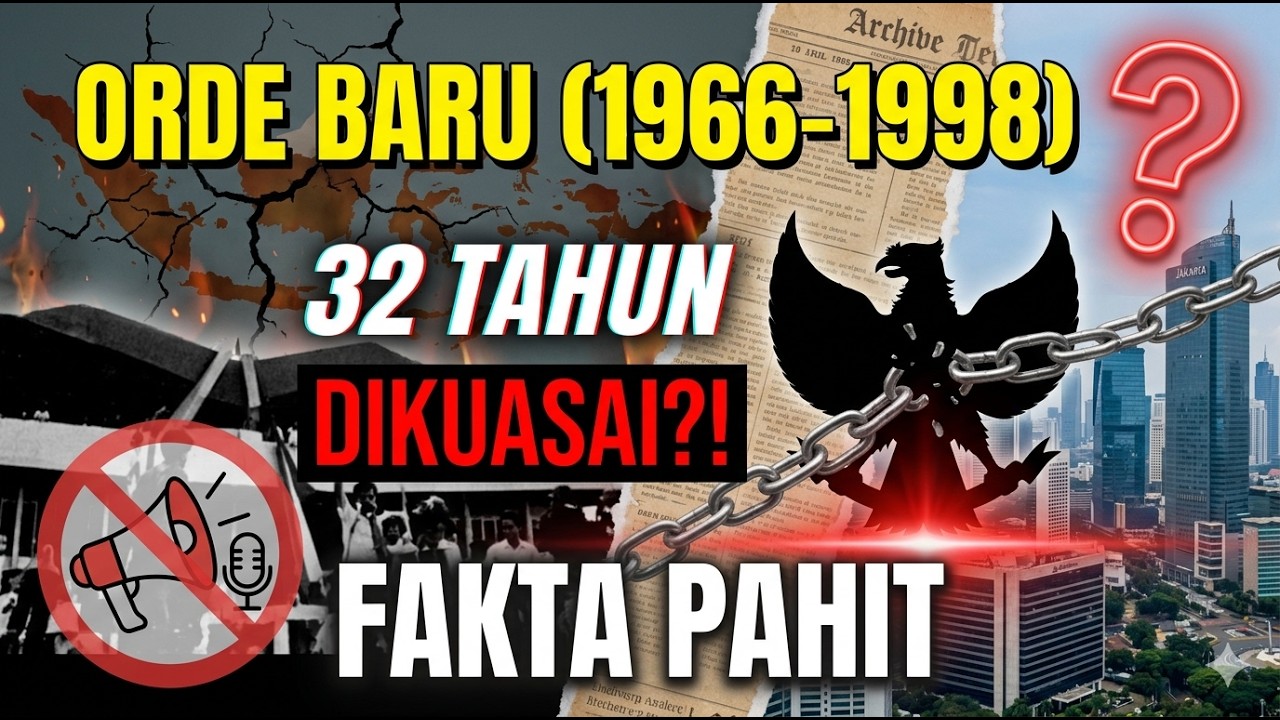
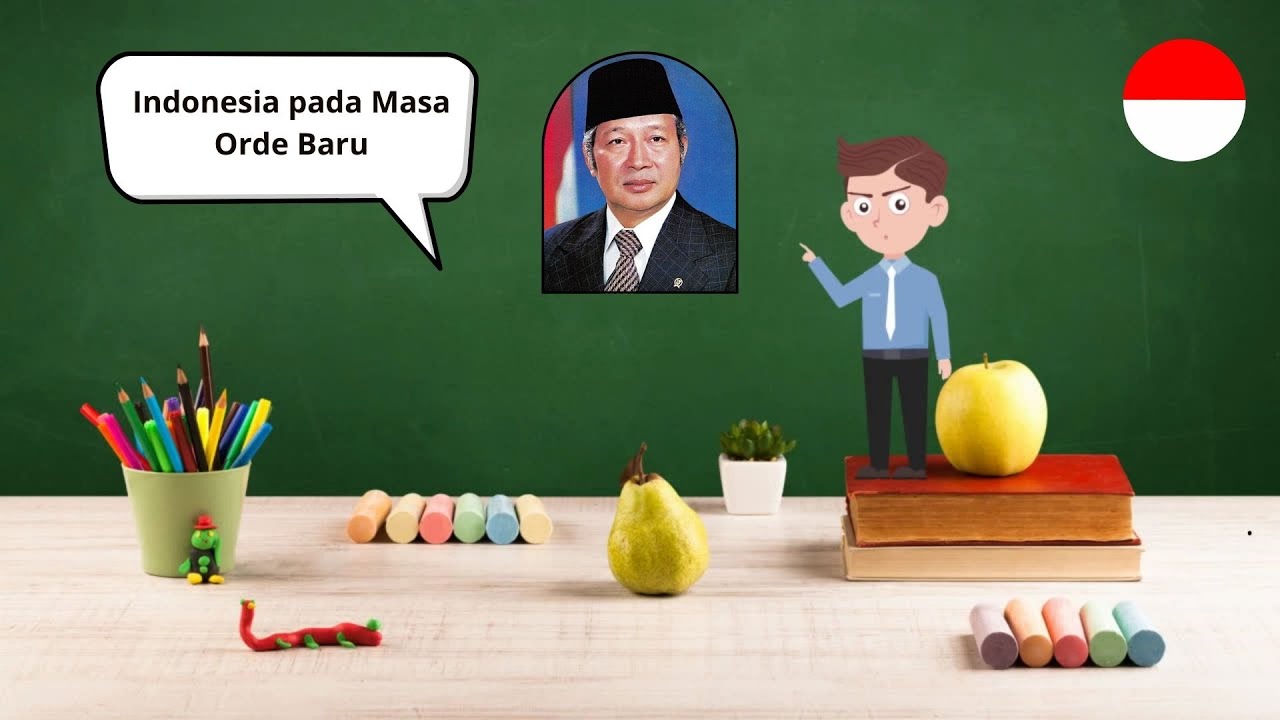
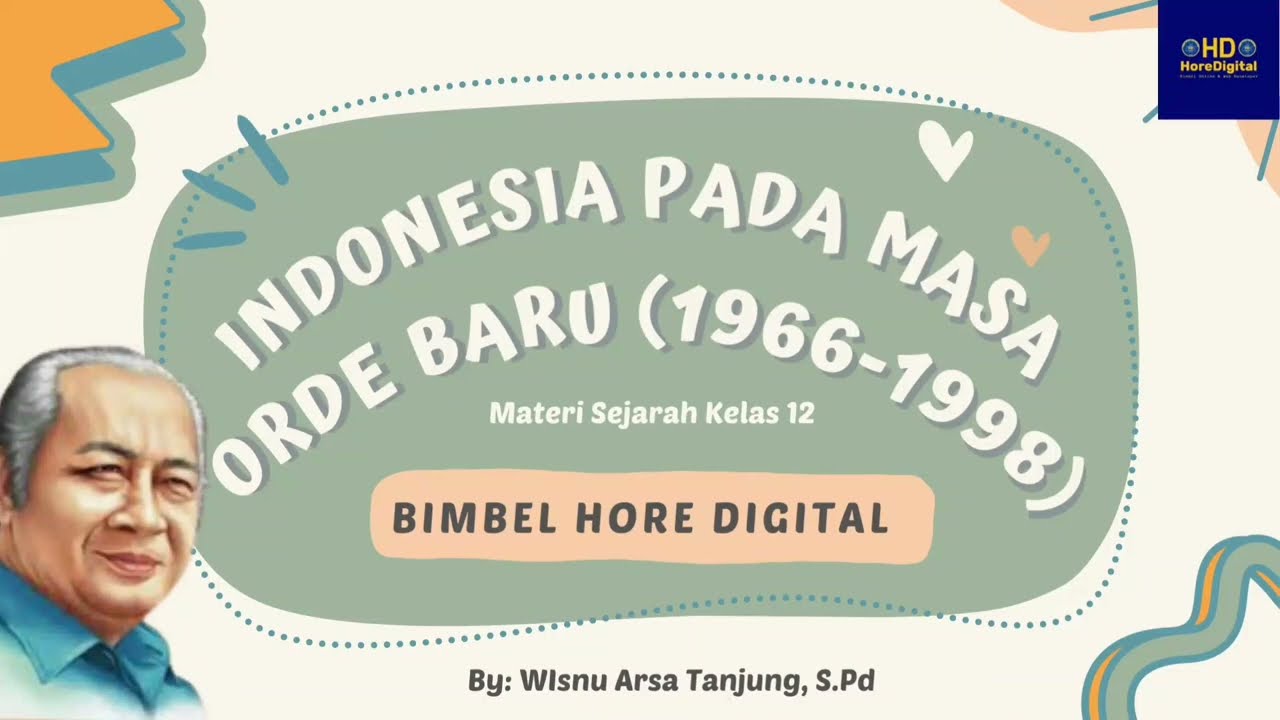
Added:Understanding of Suharto's 'New Order' (Orde Baru) regime (1966–1998) and its authoritarian political structure.
The concept of 'Dwifungsi' (Dual Function), the historical Indonesian military doctrine justifying its dual role in national defense and socio-political affairs.
Basic theories of democratic transition and democratization, specifically how authoritarian regimes undergo institutional reform.
The catalyst of the 1997 Asian Financial Crisis and how it destabilized economic and political power structures in Southeast Asia.
Analysis of contemporary civil-military relations in Indonesia, examining civilian control over the TNI (Indonesian National Armed Forces) today.
Comparative study of military-to-civilian transitions in Southeast Asia, contrasting Indonesia’s path with Thailand, Myanmar, or the Philippines.
The study of Security Sector Reform (SSR) frameworks, specifically the separation of the police (POLRI) from the military command.
Exploration of democratic backsliding and the rise of neo-patrimonialism or populist politics in post-Reformasi Indonesia.
567.9K views8.8Klikes48:06Original Release: 2021-04-14
[Music] it played a pivotal role during the war of independence against dutch colonial rule the indonesian military continues to stamp its ascendancy in indonesia's political and economic spheres during 32 years of suharto's presidency regime the role of the indonesian military in politics however came to an end with the fall of former president suharto in may 1998.
it also ushered in a new era of democracy in the country definitely from 1998 i believe the tni leadership at that time felt that it had to make a clean break from the suhatu era in order to remain relevant to indonesia the purpose of our presence whether you are tni or other how to bring how to protect your own people indonesia and i work very hard to protect the interests of the people of indonesia today the indonesian military exists as a professional fighting force that's subservient to the civilian leadership but how is indonesia able to thrive as the world's third largest democracy while several other countries failed [Music] do [Music] indonesia it's the world's largest and most populous muslim nation it also stands out as one of the most vibrant and successful cases of democratic transformation in asia for more than three decades the people lived under the authoritarian rule of former president suharto today indonesia has been transformed into a thriving democracy with political parties competing in the electoral process to earn the right to govern [Music] the military on the other hand gave up its pervasive role in politics and business to become professional soldiers but indonesia's transition into democracy was fraught with numerous obstacles and challenges jakkarta 17th of august 1945 the day when indonesia's founding fathers sukarno and muhammad proclaimed indonesia's independence [Music] the historic event happened just days after atomic bombs were dropped on the japanese cities of hiroshima and nagasaki the bombings of the two major cities effectively ended japanese occupation in the archipelago from 1942 to 1945 but former colonial master the netherlands refused to accept the independence proclamation and claimed sovereignty over indonesia as dutch troops gradually returned to indonesia the war of independence broke out [Music] it took four years of guerrilla war and diplomacy before the dutch finally recognized indonesia's independence in december 1949 but maintaining unity in such a vast country was a monumental task for president sukharo and his government in the years after independence it's home to hundreds of ethnic groups in the 50s and early 60s rebellions broke out in java the melakas sulawesi and sumatra against the new republic they were quickly crushed by the military so throughout the 1950s the military leadership had a quite a difficult time trying to make the military into a more professional organization and a lot of the regional rebellions that we saw during the time it's not it's not necessarily the region's rebelling against the central government but a lot of them were you know commander's rebellion so there was a very complicated military uh in inter military politics at the time and president sukano if you look at the throughout the 1950s he played politics also you know supporting one military leader against another in s guided democracy religion nationalism and communism were blended into one concept to appease competing political military and religious forces and in the mid-1960s the indonesian communist party or pki had emerged as the world's third largest party outside the soviet union and china by 1965 affiliated organizations of the pki claimed a membership of 20 million people out of a population of around 100 million people at that time [Music] phenomena um [Music] indonesia it's a very unstable triangular relationship the army and and the pki uh if you look at it the uh air force at the time was still very small the navy is you know very very small and the air force was considered to be at the time uh closer to to sukkah also so this is the leftist rightist uh positions and and during this time of course you know because of armies anti-communists a lot of these islamic interests you know were closer to the to the army because they were very opposed to uh to to communism by 1965 rumors were circulating in jakarta that a group of senior army generals were planning a coup against sukarno concerns over the president's health intensified after he collapsed at an event in august then on the evening of september 30th 1965 members of an armed group which called itself the 30 september movement kidnapped and killed six of the most senior army generals and one lieutenant the official indonesian government version of the movement laid the blame squarely on the pki retired general agus wijojo is the governor of the national resilience institute a government think tank his father major general sutoyo sisuo miharjo was among the six high-level military officers who were kidnapped and killed in the attempted coup argus was only 18 years old and had yet to graduate from senior high school when unidentified troops entered the family house on the evening of september 30th 1965.
they ordered him and all his other siblings to stay in their rooms [Music] [Music] the attempted coup was blamed on the now defunct indonesian communist party or pki which teamed up with conspirators from within the army it was quickly quelled by suharto on october the first then head of the army's strategic command the rise of general suharto also led to the brutal anti-communist purge in indonesia and the decimation of the largest communist party outside of china and the soviet union how and why did he do it [Music] [Music] suharto's rise to power in march 1966 was preceded by one of the darkest and most brutal chapters in indonesian history the coup attempt in 1965 was seen as a plot by the communist party to seize power in the country and that prompted him to react and neutralize the threat he then embarked on a nationwide purge against suspected communists and their sympathizers the number of deaths was staggering up to one million people were believed to have been killed between october 1965 and early 1966 even today the actual number of victims is still being disputed it began when some army officers battalion kidnapped and killed several army generals in jakarta and jok jakarta that triggered an anti-communist campaign initially in jaffa but later to bali sumatra and at the later stage until 1969 in kalimantan how many people were killed how many mostly left-leaning people were killed the numbers range between 500 000 to 680 000 by the government fact-finding team up to 3 million by a former special forces commander what is the real number we don't know yet he made the military to be the ruling government in indonesia he pacified political parties he couldn't quote simplified political parties into three political parties only and he installed military men to be parliament members 20 from the national level provincial level city and regency level that that happened of course without any election and also he militarized many civilian positions regions governors mayors they are all military officers suharto's obsession with order saw the military in control of both socio-political and security roles the military's dual function was first introduced during a period of martial law under sukarno in 1957 it was further expanded by suharto and his authoritarian new order regime to help advance his political interests and keep him in power it was the during the suharto time military was hijacked for his political interest therefore suharto used military to expand to ensure his political positions so no doubt that he also asked the military to do things that might harm its own people so therefore we are seeing a number of human rights abuses either in aceh either in papua either in in the in istanbul also against so-called clump cannon the right threat you know coming from the islamist group so suharto hijacked the military too for his own purposes [Music] authoritarian regime power was almost absolute a general election was held in 1971 but only to maintain a veneer of democracy power was concentrated within the executive particularly the president he turned to the golka party as his main political machinery to spearhead his government's election campaign in actual fact the party was nothing more than a parliamentary rubber stamp for his 32-year rule although a general election was held roughly every five years from 1971 suharto's golka party's political dominance was unparalleled under the new order government the country's legislature or the people's consultative assembly were filled with 207 suharto appointees another 276 seats were set aside for offices from the armed forces what he did was he utilized the military as his personal tool he used that to prolong his longevity in office this was not the tni as conceptualized during the sukharuno era if we go back to general nasution and the jalantangatanthara or the military's middle way back in 1958 the military was never keen on having a political role it wanted to be above the political forces because the fear was that civilian politicians would draw them into politics and as a consequence compromise their military role so in this context right what suhatu did was undermine the military quite significantly so i would uh take the view that the tni under suharto was undermined to some extent um from a local perspective you know because when when the when the tni became a tool of the regime it became very brutal and engaged in a lot of human rights violations president suharto's iron fist rule helped bring about three decades of stability to indonesia and that enabled him to embark on an era of unprecedented economic growth for the country but suharto was also known for his ruthless repression unresolved human rights abuses and corruption that benefited his family and his cronies and he finally lost his grip on power 33 years later when a regional economic crisis hit the country with a devastating force [Music] foreign seventy-three-year-old bejo untong spent nine years in various detention centers and prisons in the 1970s he was arrested on suspicion of being a communist sympathizer although he spent almost a decade in prison he was never charged or tried in an open court for his alleged crime during his long incarceration he forced himself to eat mice snakes lizards and snails in order to survive he also watched in horror as his fellow detainees endured daily physical and mental abuses many were also subjected to forced labor sam dinner praying [Music] [Music] [Music] [Music] nightmare began in october 1965.
he was only 17 years old then a student at a school for teachers in central java after general suharto crushed a coup attempt blamed on the indonesian communist party or pki a wave of arrests and killings swept through indonesia up to a million indonesians were estimated to have been killed due to their affiliation with the pki also killed were those accused of having leftist sympathies after his father was arrested bedjoe decided to escape to jakarta for five years he managed to evade arrest and survived by selling newspapers but his luck soon ran out he was arrested in 1970 while working at a department store rupaul's the elimination of communists and the establishment of a more repressive government however helped bring political stability to indonesia the growth of discontent was quickly dealt with through the ruthless use of the military intelligence apparatus even muslim extremists were brutally suppressed during his rule giving little room for radical ideas to grow the stability that suharto had created had helped indonesia and the region to grow and prosper at a much faster speed if you look at it from the point of view of development indonesia countries among one of the asean asian tigers one of the you know economic miracles in asia indonesia is uh was regarded as a natural leader in in south east asia's natural region asia and indonesia respected uh on the global stage uh you know a leading member of uh the non-line movement uh group 77 and and so on and so forth you know so indonesia uh was respected at the time and i think that we need to give credit where credit is due political indonesia is regarded as stable as a good place for investment and regarded to be a positive actor in regional politics as well as in in wider one the course of course is for political stability uh that political stability came at the cost of uh very strict political control uh uh political liberty civil liberties are very much under restrictions suryo pratomo is indonesia's ambassador to singapore he's also a former journalist who witnessed indonesia's transformation during suharto's rule president [Music] within a short period of time with the help of the military suharto was able to consolidate his power separatist movements in aceh and papua were suppressed by long-running military operations in 1975 indonesian troops invaded east timor and annexed the region to become the country's 27th province in 1976 the invasion was never recognized by the united nations politically suharto also merged islamic parties into one and forced them to adopt the state ideology panchasila instead of islam during suharto time you know suharto was very tough against any institutions any organizations or any movement including coming from the islamists because for the because suharto wanted to have everyone you know like embrace pancha sila embrace nationalism so but for the islamists they don't want to do that so they they see that this uh have by having pancha sila as their you know ideology will diminish their influence among their network especially among among the islamists so we are we witness the brutality of a military tried to quell the islamists although suharto was able to keep the growth of muslim militancy in check and the economy humming corruption was rampant at all levels of society indonesian business culture revolved around kickbacks and bribes during that time you know from the mid-80s onward the children of sohatu also grew up and they started to become interested and involved in business and you know the scandals of mega corruptions and and you know the kakainen became a major issue by the end of 1980s early 1990s we already began to hear disgruntlements criticisms towards symmetry from among the senior generals with the union of the tribe generals as well as well civil society say you know the military has lost its alarm you know it's no longer seen as a savior of the people as a guardian of the state but they were seen to be uh you know a tool an enforcer for the suhatu's personal rule and his family's you know uh business interests and and and that that also began you know separatism within the military and and uh so that actually preceded the uh you know the financial crisis [Music] the asian financial crisis in 1998 eventually dealt a severe blow to the indonesian economy the indonesian rupiah lost 82 percent of its value to the u.s dollar its gdp fell by more than 13 in 1998 unemployment rose sharply wages eroded prices of basic commodities skyrocketed as inflation levels soared soon president suharto's government lost its legitimacy to govern as anti-government demonstrations brought the nation to its knees amid the social unrest the president stepped down in may 1998.
president overtaken [Music] this is [Music] [Music] 23 years after suharto stepped down beto is still seeking justice until today he remains worried about the prospect that the military may return to politics one day again foreign the fall of suharto also led to the downfall of the authoritarian military-dominated new order regime it also ushered in a new era of democracy in indonesia but after being part of the political and economic establishments for decades can the military simply let go of its power and influence in indonesia will it be able to make a political comeback one day [Music] made 1998 asia's longest-serving leader suharto tended his resignation as president of indonesia it took place in the midst of the worst financial crisis in the region power was handed over to his successor bj habibi mr habibi took up the mantle of leadership during a turbulent period in indonesia's political history he was tasked with the responsibility of steering the country out of the economic crisis and that included among others bringing inflation down from more than 80 percent and stabilizing the rupiah currency which had lost half of its value mr habibi was also under strong public pressure to introduce democratic reforms after 32 years of authoritarian rule dewey fortuna anwar who was then an adviser to president bj habibi knew all too well the challenges facing the habibi administration at that time the strong anti-military sentiment had also made his task a lot tougher [Music] habibi period is a transition from authoritarian regime to democracies clearly it's a very difficult period for the military because the main uh object that is being reformed is clearly the military uh a lot of the protests were aimed against the militaries you know other dual functions of the military the uh you know the uh human rights abuses uh and those you know very very uh strict political control given the fact that the new order period was dominated by the military uh clearly the habibi period was a very uncomfortable period when the military was very much on defensive the new paradigm was really an attempt to uh for for the military to withdraw from its political role so it at one full swoop eliminated a large number of political positions and the tni then adopted a posture where it decided that it would be a professional military force in the past it was both a defense and security institution as well as a social political force so that social political part has been excised liquidated in in in that sense so uh this is this is very a very different uh sort of situation as compared to to say other examples in southeast asia i think more likely the ones that we would look at is myanmar and thailand you see where you where there hasn't been that break [Music] president habibi however held on to power for just 17 months still he was able to introduce critical reforms in the country for example he ordered the release of political prisoners and dismantled the restrictions on press freedom habibi also agreed to a referendum on east timor's independence a former portuguese colony which indonesia had annexed in 1976 he also paved the way for direct elections in the country allowing for the rise of leaders who were democratically elected by the people for example abdul rahman and most recently president joko widodo he also set the foundation for an end of the dual function of the military in the country one of the first target of reform is to end the dual function of the military so from from the very beginning uh the the first extraordinary meeting of the mpr uh in 1998 by november 1998 uh one of the issue was you know uh because we did not have the law the new law uh that uh put the military out of domestic security yet but there you know the uh the role of the military in parliament was already being reduced drastically uh and then uh you know and and throughout that that uh transition period uh various uh regulations were put in place uh to you know wind down uh the role of the military i think what people want to see is a professional uh military the military that is capable uh handling the security trap especially the the the trap that coming from outside the country we like to see the military in uniform we like to see our military to have of the modern equipment we like to see that they can match the military in other countries in terms of the capabilities in terms of skills and techniques in war but i don't think the indonesian people want the military involved in politics again [Music] 23 years after thousands of students took to the streets of jakarta to demand the resignation of suharto the military has now regained its credibility a poll shows that the military is the most trusted institution in indonesia today it has stayed out of politics and has never attempted to get back into it transforming itself into a professional institution which remains subservient to civilian rule [Music] that's probably the reason why former military figures are still being relied upon to bring stability to the country especially on security matters indonesia's sixth president susilo bambang yudhoyono for one was a former general in the armed forces there are also a number of former senior military officials serving in president widodo's cabinet today among them defence minister prabhu subianto who ran against president jokowi and lost in the last two general elections former commander-in-chief of the army mr wieranto also served in jokowi's administration as coordinating minister for political legal and security from 2016 to 2019.
he was entrusted with the post in spite of his tainted human rights record in the days leading up to the east timor independence the other influential figure is mr luchut vinsar vanjayetan he is a former suharto era four-star special forces general and is now serving as coordinating minister for maritime affairs and investment people love the tni maybe they love what should i say maybe the style or the you know the discipline and the you know because they believe that that tni is always pancha sila or ideology or something like that so if you look at now the cabinet of president jokowi there are several [ __ ] generals so this is not yeah what should i say representative military but this is by professional uh perspective president pick up that retired general to be his member of cabinet so again in this country gonna be move forward like this and not necessarily military have to be a president but one day or you cannot afford also to say if one general retired general has a very good reputation and people love them they will elect him to be a next president for why not it's possible also i think we leave it to the to the democracy we leave it to the people but again we don't differentiate the military or civilian in this country we leave it as is to the to the democracy of indonesia i think it says no doubt that current administrations try to still maintain some of the suharto legacy especially the way they deal with the islamists the threat they want to be seen as a strong they want to be seen as the persons of indonesians nationalism you know nationalism you know so they don't want to flirt into specific ideology they don't want to flood into islamism for say so therefore they they they have to demonstrate their stand accents you know they send commitment to the unity of indonesia if you look at a lot of the political parties they look uh at the military as a source of leadership in fact they quoted former military officers generals and so on because of uh their experience you know the expensive management uh their you know their leadership quality and also because a lot of them were only well known so a lot of this you know islamic political parties secular political parties a lot of political parties they quoted different senior officers and so it's not surprising if you look at you know the the cabinet of jakuidodo maybe because he's a civilian and feels the need to have some strong guys the reality is by law the military cannot be involved in politics soldiers are also barred from voting in elections the same can't be said about some neighboring countries in this region thailand has had 12 successful coups since the 1932 revolution which ended the absolute monarchy in the country today the military plays a dominant role in politics the 250-seat upper house senate is entirely appointed by the ruling hunter they also have the power to choose the next prime minister in myanmar prior to the february 1st coup 25 of the parliamentary seats were reserved for the military they also had a veto power to block any amendments to the constitution today the country is led exclusively by a military hunter if in indonesia the military has detached itself from politics the reverse is true for countries like thailand and myanmar but will the indonesian military make a political comeback and establish control over the government again i cannot see the tni attempting to do or engage in the same sort of activities as we've seen in myanmar or thailand principally because i think the mindset of the tni officer is changing you know there is a desire to be more professional in their outlook um more importantly uh is the tni's own uh vision of modernizing its uh military making it relevant to meet indonesia's needs in the current era but more importantly you know we live in a different age now you know social media is so so prevalent in indonesia with the use of facebook and twitter you know uh a tni uh soldier cannot engage in any human rights violation without it being captured on the youtube uh or through any of these uh media you know uh and of course uh indonesian civil society uh indonesia media have have a tremendous role to play you know so there are countervailing forces now in indonesia um that exists to to prevent the out uh the possibility of of a coup if you want to move this country forward today much mature compared to uh before 1998.
so i think the tea and i understand that we should uh respect to democracy that's the democracy that we love it today and we have to defend and protect our own democracy not necessarily like other countries democracy since its founding in 1945 the army has always been seen as the guardian of the nation but it then decided not to share power with the civilian authority during the leadership of former strongman suharto who then expanded the military's role in politics while putting officers in important positions in the government his downfall in the wake of a deep economic crisis had exposed huge flaws of the military-dominated government the 32-year tenure was also marred by massive corruption and nepotism prompting civilian politicians to never again subordinate themselves to military authority but today the military is regarded as a partner which works hand in hand with the government in ensuring stability and prosperity in the country instead of dictatorial rule in the past era freedom civil liberty and democracy are now seen as the only route to the future success of the world's most populous muslim nation [Music] [Music] you
Up Next

106:26
Indian Armed Forces: Evolution and Contemporary Challenges
@TheSeenAndTheUnseen
1.4K views•2020-05-31

24:30
BRICS Pay and de-dollarization: A New Financial Order Emerges? | 55 chars
@DannyHaiphongYT
164.6K views•2024-10-22

7:33
Government Surveillance Methods: 10 Ways You May Be Watched
@BeAmazed
1.6M views•2017-04-09
10:19
Explaining the Saudi-Iranian Proxy Conflict in the Middle East
@Vox
18.2M views•2017-07-17
Related Study Plans & Knowledge Roadmaps
Structured learning paths in Political Science
political-science
Economic Statecraft: Sanctions & Chokepoints
01Foundations of Geoeconomics and Economic Statecraft
02The Mechanics of Weaponized Interdependence
03International Sanctions: Types, Implementation, and Efficacy
+ 2 more learning modules
12h5 modules
Explore Roadmap
political-science
Central Bank Independence: Politics & Policy
01Foundations of Central Banking and Monetary Policy
02The Time Inconsistency Problem & Inflation Bias
03The Delegation Model and Designing Independence
+ 2 more learning modules
12h5 modules
Explore Roadmap
political-science
Consociationalism: Power-Sharing & Stability
01Democratic Dilemmas in Divided Societies
02Introduction to Consociational Democracy
03The Four Pillars of Consociational Design
+ 2 more learning modules
12h5 modules
Explore Roadmap
political-science
Rebel Governance: Legitimacy, Economy & State
01Foundations of Rebel Governance and Statehood
02Establishing Political Legitimacy and the Rebel Social Contract
03Wartime Economies and Rebel Resource Management
+ 2 more learning modules
14h5 modules
Explore Roadmap