














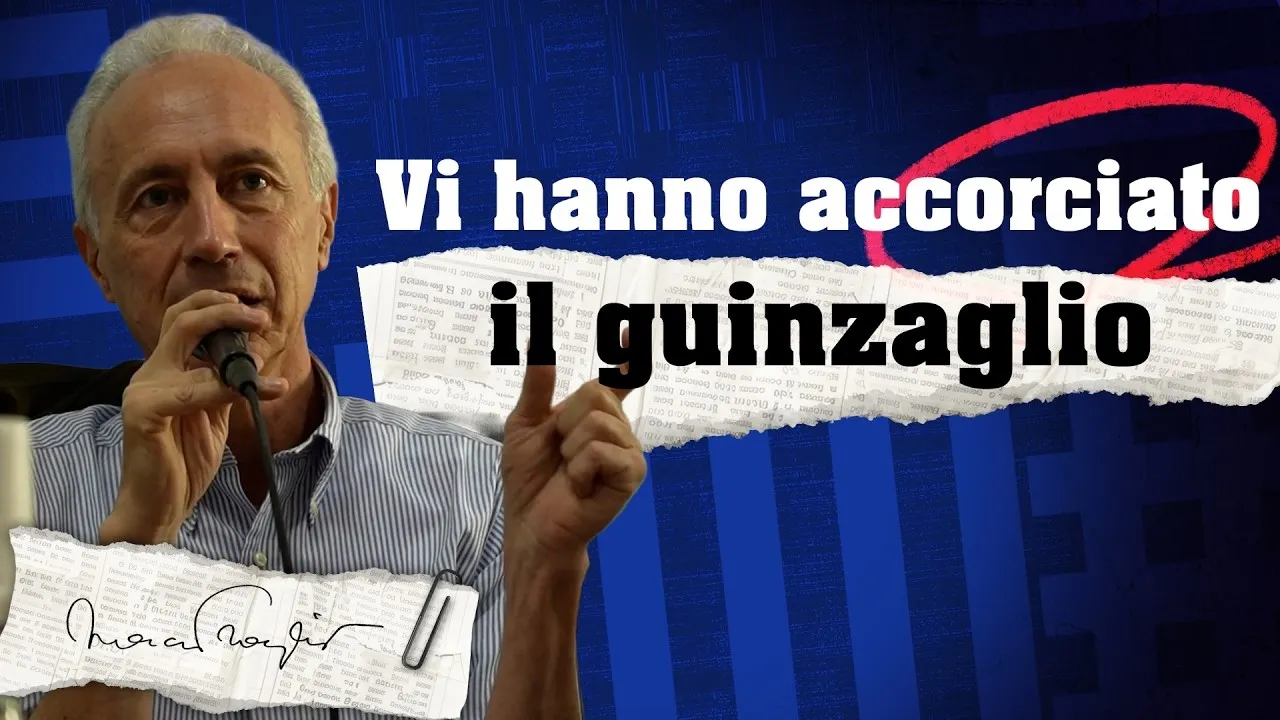


Italy's political crisis demonstrates how technocratic leadership can be deployed during governmental instability, as seen when former ECB President Mario Draghi was appointed Prime Minister following the collapse of Giuseppe Conte's coalition; this approach, used previously with Carlo Azeglio Ciampi and Mario Monti, involves unelected experts managing complex economic challenges while navigating the complexities of Italian domestic politics and coalition-building.
Analyzing Mario Draghi's Appointment as Italian PM
Added:The definition and role of a 'technocratic government' in parliamentary democracies, particularly when contrasted with partisan political administrations.
The structure of the Italian political system, focusing on why coalition governments are frequently formed and why they are historically prone to instability.
The legacy of Mario Draghi as the President of the European Central Bank (ECB), particularly his 'whatever it takes' strategy during the Eurozone sovereign debt crisis.
Basic principles of Eurozone macroeconomics, including the relationship between national fiscal policies, public debt, and the stability of the Euro currency.
An analysis of the concrete economic reforms implemented during Draghi's tenure, specifically Italy's National Recovery and Resilience Plan (PNRR) funded by the EU.
The democratic dilemma of technocracy: examining the balance between administrative competence and democratic accountability/representation.
The political transition following the collapse of the Draghi administration and the subsequent rise of Giorgia Meloni's right-wing coalition government.
Long-term structural economic challenges facing Italy, including high public debt-to-GDP ratios, demographic stagnation, and labor market inefficiencies.
179.9K views7.8Klikes9:51Original Release: 2021-02-10
[Music] hello and welcome to another tldr eu video crisis is a word that's bandied around a lot when it comes to politics but the past few weeks in italy have more than deserved the name in a matter of weeks we've had a coalition collapse a resignation failed negotiations and then a new technocratic prime minister which begs the question what the hell is happening in italy so in this video we'll attempt to answer just that looking into exactly what's just happened and why it's been necessary to deploy whatever it takes and call on super mario to fix this mess if you want to support our independent reporting in an increasingly difficult time one where journalism is dictated by clicks and algorithms rather than important stories then consider backing us on patreon in return you'll get a whole bunch of perks including exclusive access to live events early access to videos and thanks in videos also this month only every 10 plus patreon backer gets an exclusive gold pin badge these will never be available for sale so make sure you sign up to get yourself an exclusive badge thanks for your support so some backstory this entire crisis came to the fore when italy's ruling coalition collapsed italy's former prime minister matteo renzi pulled his party italia aviva out of the coalition led by giuseppe conte causing conti to lose his majority support the question is why politicians don't just pull out of coalitions when they feel like it well the answer is money as we've discussed at length on this channel now the eu plans to spend billions of euros to kickstart the european economy money that will invariably be divvied up to national governments for them to spend how they wish the issue being how exactly the national governments want to spend that vast vast quantity of cash that's coming their way renzi wanted the 210 billion euros promised to italy to be directed towards new infrastructure projects which was in direct opposition to conti's desire for a panel of appointed experts to oversee and direct the spending of the funds after weeks of threatening to withdraw over the issue renzi finally did so in a move widely denounced by mps and much of the italian press and a move which many believe was derived by a thirst for political power a poll published in the immediate wake of renzi's withdrawal from the coalition found that 46 of italians didn't even understand the reason for the crisis with 73 believing that renzi was pursuing his own selfish political objectives rather than the interests of the country the two largest parties in italy's government were quick to throw their support behind conti both the five star movement and the democratic party publicly criticized renzi's move and stated that they would continue to back conti the acting leader of five star stressed that in this moment of crisis there can be no other thoughts than continuing to work for the good of the country and its citizens a vote of confidence was subsequently called in giuseppe conte a vote he easily won in the lower house the chamber of deputies where the remaining coalition parties still have a majority but in the senate he only won very narrowly crucially without an absolute majority had the government survived it would have been significantly weakened and unable to pass a budget which requires an absolute majority in the senate in light of this conti promptly tended his resignation to the president this led the president scrambling trying to decide what should happen next because with no forthcoming coalition of support coming out in favor of conti the next option would be to call an election not exactly the best idea in the middle of a pandemic so to solve the issue the president invited mario draghi to form a government now mario draghi has to put it lightly a bit of a reputation in the european union the former president of the european central bank during the european sovereign debt crisis is largely credited with saving the euro from complete destruction with the greek economy on the verge of collapse from international market pressure pressure that was slowly but surely seeping into the likes of italy portugal and spain draghi pledged to do whatever it takes to preserve the euro going on to add believe me it will be enough these words alone are widely credited with immediate duplicating financial markets and reducing pressure on the countries but while he has had some successes draghi isn't a politician he never was draghi has never stood for political election having been the governor of the bank of italy before moving on to the presidency of the european central bank in the words of the ft draghi is set to be thrust into the cauldron of italian daily politics a vastly different arena from the polished and market-focused world of central banking but italy's president didn't shy away from the fact that it was a technocratic appointment he called on italian lawmakers to back a government of high profile which should not identify with any political formula in the light of the crisis this crucially isn't the first time that italy's called on non-political outsiders to come and fix things rather it's happened a few times now in 1993 carlo adzagio chiampi the former governor of the bank of italy like grogey entered politics to balance things out through a volatile period before an election could be held one eventually would bring silvio berlusconi to power in the height of the european sovereign debt crisis mario monti a former european commissioner was brought in following the resignation of then-prime minister silvio berlusconi monty was ultimately responsible for enacting the structural and painful economic reforms demanded by the commission a move that invariably contributed to his downfall later down the line so there's clearly some history of italy calling in the technocrats when things get tricky and elections aren't easy then again giuseppe conti the current prime minister brought down in this crisis was first appointed as a technocratic leader although some are now arguing that he's turned into a truly political figure the issue being that it's relatively uncontroversial to say that technocratic rule hasn't been plain sailing in all instances leaders unaware of the cauldron of italian domestic politics have been brought in and had to adjust to domestic politics fix the situation they've been called into while at the same time trying to get a coalition of support around them and more importantly to stay around them ultimately whilst the leader may be a technocrat they're not suddenly leading the parliament on their own rather they have to adjust to and cater for the political wins and seasoned parliamentarians whose support were to vanish would spell the end of their time at the helm of italian politics and that's the issue likely to plague draghi in the coming weeks and months support for draghi isn't a foregone conclusion talking to reuters a senior party source for italy's anti-establishment five-star movement indicated that they wouldn't be backing a government led by draghi on saturday however the five-star movement changed their position with their acting leader telling reporters that after a meeting with draghi we're open to considering whether the conditions are right to join a government we will decide above all on the basis of the policies a marked shift from the earlier outright rejections the league have also backtracked having first called for snap elections it expressed conditional backing with its leader stating that it will be prepared to join so long as it was a government that goes to brussels keeping its head high in the name of national interest renzi's italia viva party as well as silvio berlusconi's forza italia party have all already indicated their support so there's clearly some growing support for draghi in the words of the ft the danger for mr draghi is that his premiership proves to be a poison chalice as an unelected technocrat in an age of populism and lacking a party base of his own mr draghi will be vulnerable to sniping that his policies are not the expression of political will draghi assuming that he's able to garner a fully fledged coalition of support will have the formidable task of redesigning italy's recovery plan a plan worth in excess of 200 billion euros the largest sum in absolute terms for any eu country in a statement draghi emphasized that the challenges that italy now faced were substantial beating the pandemic completing the vaccination campaign offering answers to everyday challenges and getting the country back on track matteo renzi told the bbc's newshour that draghi was the italian who saved europe i think he is now the european who can save italy what do you think though is appointing a technocrat again a route to solving political disputes in italy or is this all about to cause another crisis further down the line ultimately is super mario the european who can save italy as always let us know your thoughts in the comments below be sure to subscribe the channel and hit the bell icon to be notified every time we release a new video special thanks to our patreon backers who make videos like this one possible and if you want to see your name at the end of videos then you too can back us on patreon the link to that's in the description you
Up Next
22:15
Franco's Legacy: Spain's Politics of Forgetting | History & Memory
@IMPERIALYT
354.6K views•2022-08-13

88:38
Patronage and Political Machines in Southeast Asian Elections
@NewYorkSoutheastAsiaNetwork
511 views•2023-04-05
7:33
Government Surveillance Methods: 10 Ways You May Be Watched
@BeAmazed
1.6M views•2017-04-09
10:19
Explaining the Saudi-Iranian Proxy Conflict in the Middle East
@Vox
18.2M views•2017-07-17
Related Study Plans & Knowledge Roadmaps
Structured learning paths in Political Science
political-science
Analyzing Clientelism: Patronage & Vote-Buying
01Foundational Concepts of Clientelism
02Mechanics of Patronage and Resource Allocation
03Vote-Buying, Turnout Buying, and Ballot Secrecy
+ 2 more learning modules
12h5 modules
Explore Roadmap
political-science
Economic Statecraft: Sanctions & Chokepoints
01Foundations of Geoeconomics and Economic Statecraft
02The Mechanics of Weaponized Interdependence
03International Sanctions: Types, Implementation, and Efficacy
+ 2 more learning modules
12h5 modules
Explore Roadmap
political-science
Central Bank Independence: Politics & Policy
01Foundations of Central Banking and Monetary Policy
02The Time Inconsistency Problem & Inflation Bias
03The Delegation Model and Designing Independence
+ 2 more learning modules
12h5 modules
Explore Roadmap
political-science
Consociationalism: Power-Sharing & Stability
01Democratic Dilemmas in Divided Societies
02Introduction to Consociational Democracy
03The Four Pillars of Consociational Design
+ 2 more learning modules
12h5 modules
Explore Roadmap