![[새싹보리] 좋은점과 주의사항 - 자세히 해설해 드립니다. (폴리코사놀, 사포나린)](https://i.ytimg.com/vi/DkvsDVMnu40/sddefault.jpg)



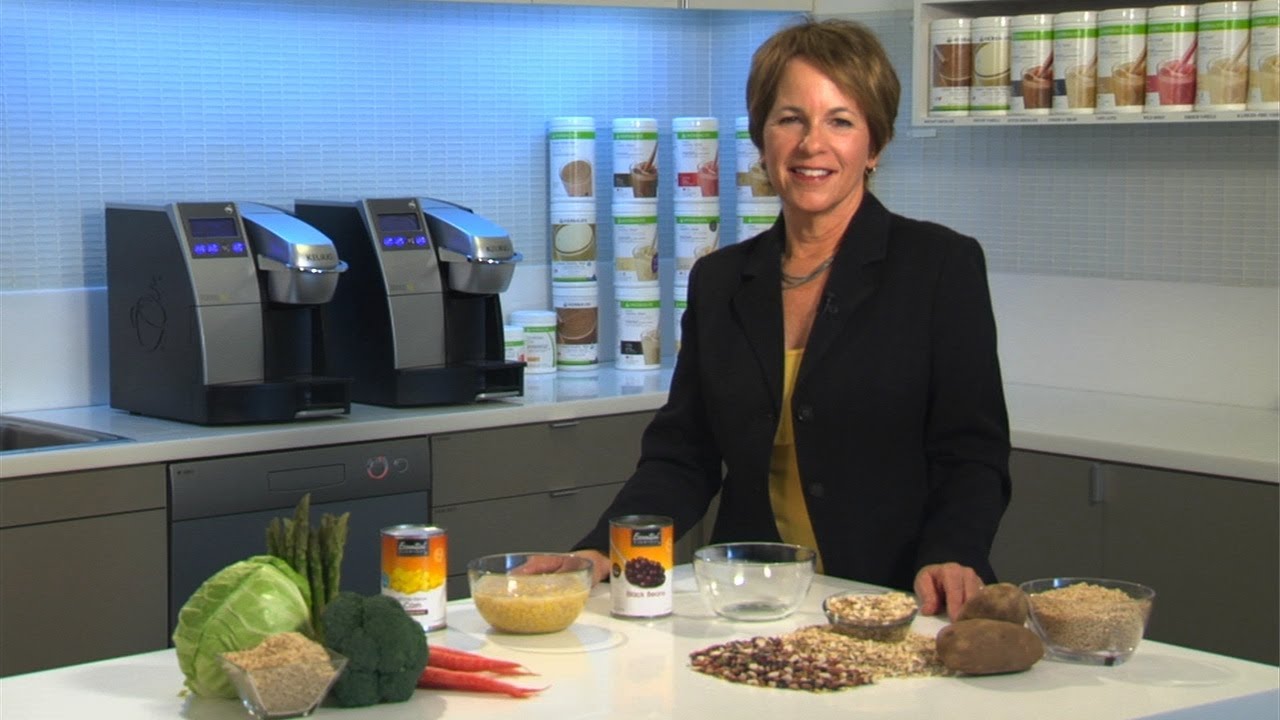






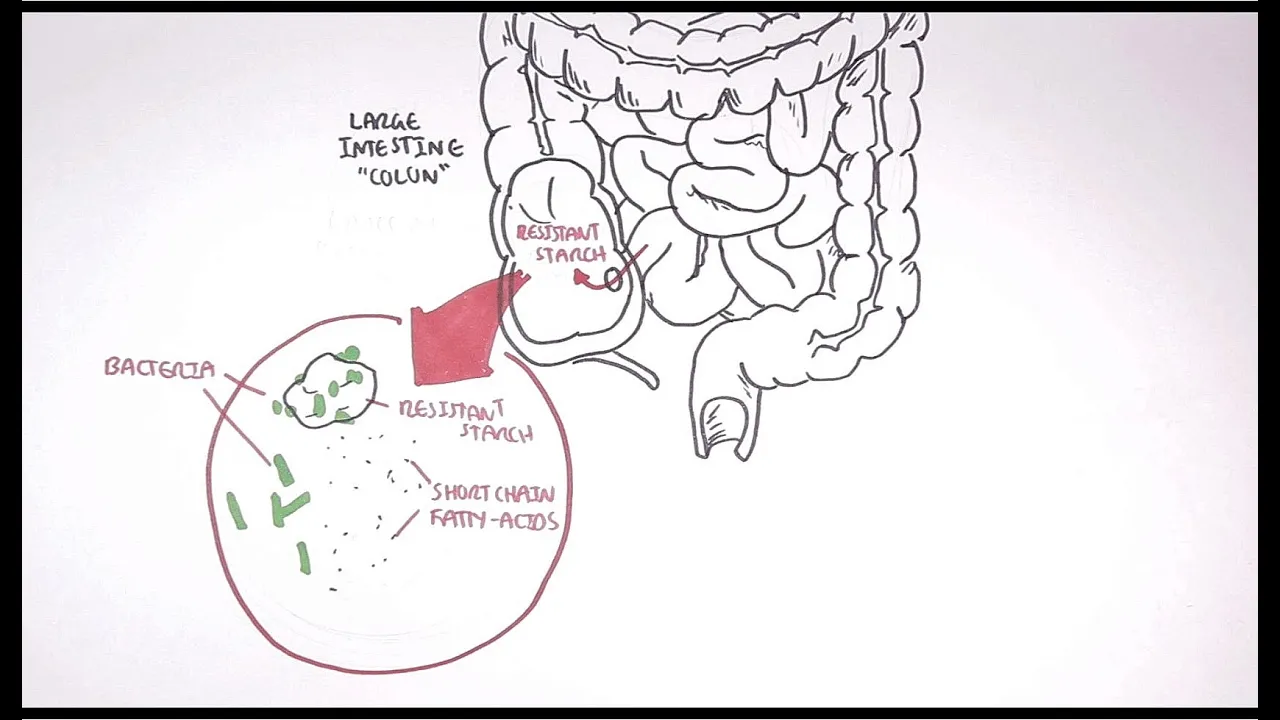







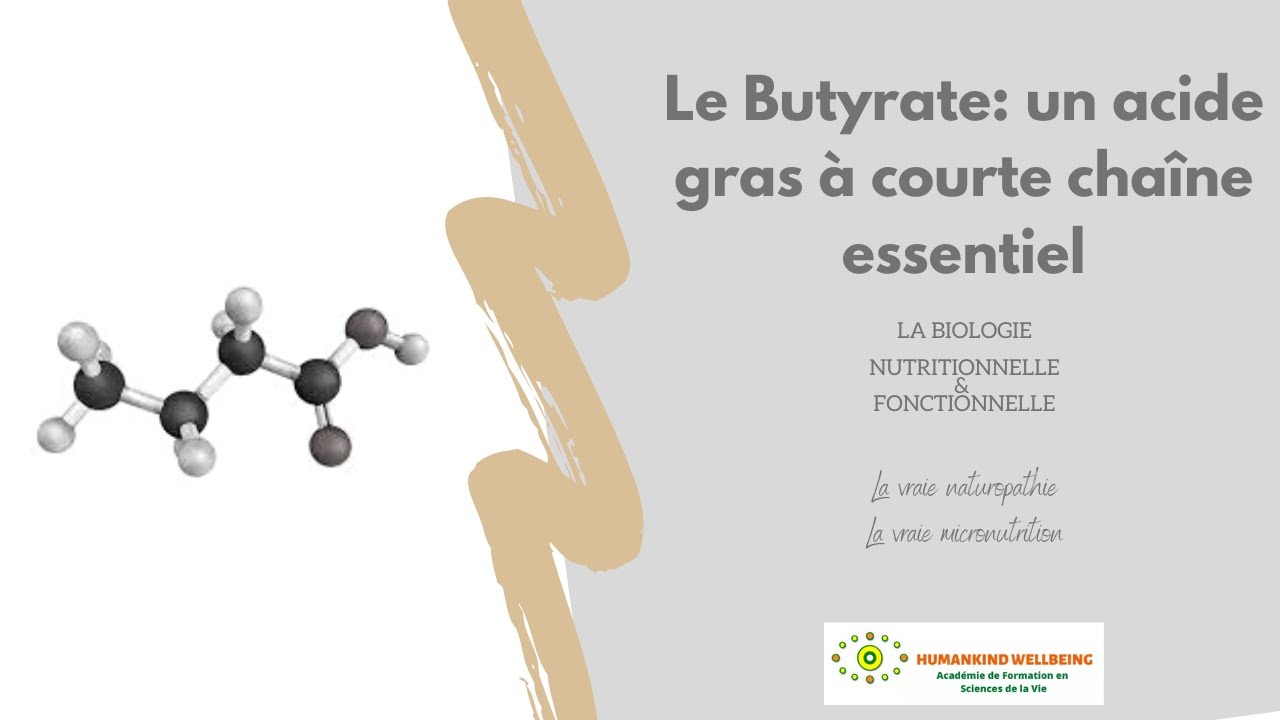
















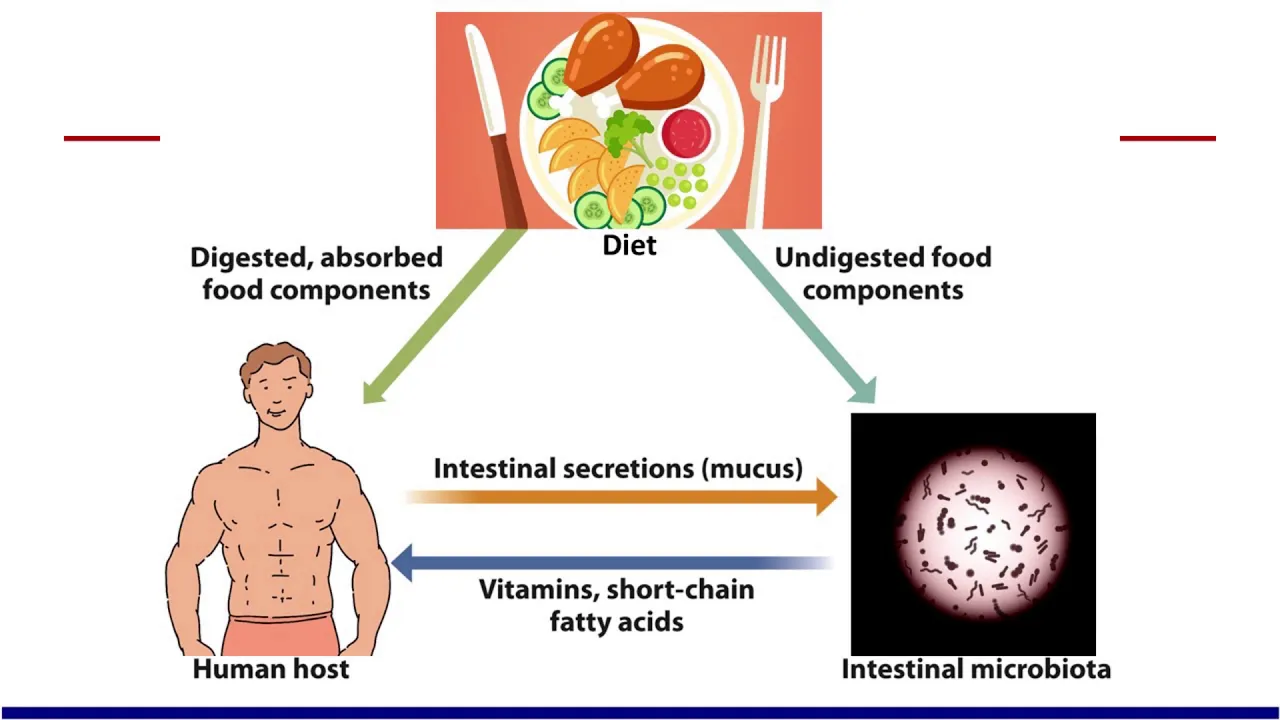

While all fibers promote bowel movements, their actual health benefits depend on their ability to produce butyrate and short-chain fatty acids (SCFAs), which support gut microbiome health, glucose metabolism, and fatty acid utilization; research indicates that cellulose (found in lettuce) produces less butyrate than glucose, psyllium is non-fermentable despite being soluble, high amylase starches produce more total SCFAs but less butyrate, and fructooligosaccharides/galactooligosaccharides (found in onions, leeks, kidney beans) can reduce butyrate levels by 31-46% by feeding non-butyrate-producing bacteria; therefore, high-inulin foods like artichokes, asparagus, Brussels sprouts, chia seeds, and flax seeds are superior choices for supporting beneficial gut bacteria.
Low-Benefit Fiber Types and Better Alternatives
Added:all fibers make you poop that's the cool thing it doesn't matter if you're eating an artichoke or if you're not on romaine lettuce or if you're just chowing down on a bunch of chia seeds they're all going to contribute to helping you poop okay but that is the basics of fiber that is the simple basics what i want to address in this video is what fibers are really not that amazing not that beneficial outside of the whole pooping conversation because that conversation is just about transit time and insoluble soluble fermentable non-fermentable viscous non-viscous it doesn't matter what kind of fiber they're all going to help you poop okay but we have to look at the very big picture and the big equation which is how do these fibers actually contribute to butyrate and short chain fatty acid production which essentially for the long and the short of it is that's what's going to help our microbiome that's what's going to help us metabolize things that's going to help us with glucose metabolism with fatty acid utilization that's what really matters because they all make it poop so anyhow let's dive in [Music] now when we're talking about the world of the microbiome people automatically think oh just probiotics okay well there's this relationship between probiotics and fiber that is very very important and obviously we kind of touch on that with other videos but people ask if there is a recommended probiotic that i like so i wanted to mention today's sponsor which is a brand called seed they are down below in the description i figured it's very relevant for today's video so they are a synbiotic which means they have prebiotic fiber and the probiotic strains in there so very unique and very interesting stuff so that link is down below which will save you a nice little chunk of change if you want to check them out so very unique probiotics the one that i use daily and again what i would personally recommend but totally up to you so that links down below and a big thank you to seed for the sponsorship on today's video so the first one that's kind of a waste cellulose cellulose is an insoluble fiber and non-fermentable okay now i have some research to back this up but cellulose is basically like iceberg lettuce okay it's it's a fiber that's just not getting you much okay and it's gonna be in romaine lettuce too it's in just a lot of just it's also in brussels sprouts and things like that but those have other fibers counteract like if you just look at lettuce and like iceberg romaine lettuce lots of cellulose it's just what gives structure celery is a lot of cellulose too but of course celery has other things in it point is is that lettuce iceberg lettuce romaine lettuce probably not the greatest thing to consume okay the other one that's in combination with that in this particular study which we're going to talk about is cilium now you may be thinking thomas you've done videos talking about the benefits of psyllium no don't get me wrong i like psyllium okay but when it comes down to short chain fatty acid production it is considered a soluble fiber but it's non-fermentable so what that means is that it has all the benefits of a soluble fiber it draws water into it and it swells but it's non-fermentable which means that it does not actually ferment and feed the gut fermentable means it's feeding the little microbes in our gut so psyllium phenomenal for baking phenomenal as a just great filler that actually has a benefit phenomenal for drawing water into the colon phenomenal for transit time amazing for potentially like modulating the absorption of certain fats so don't get me wrong anyway let's get into the research on this one as to why the journal of medicinal foods had published an in vitro study because in vivo studies are really hard with like short chain fatty acids in the microbiome okay it compared seven different kinds of fibers and it wanted to see what is going to yield the highest short chain fatty acid production what is ultimately the best fiber in the world of butyrate producers which we'll talk about well took a look at psyllium it took a look at methyl cellulose took a look at indigestible dextrin it took a look at two different kinds of guar gums and then it took a look at polydextrin and then it took a look at something called arabinogalactin which is just a different kind of fiber all these kinds of fibers you could see on a label if you went to the grocery store and you looked on the back you would see that you'll see polydextrin sometimes you'll see those kinds of things anyway things that you could recognize okay so what they did is they took feces from the consumption of these fibers and this is really kind of grody and they let it ferment for 24 hours that sounds like the worst possible thing in the world i would hate to be the person in that room anyway so they let the feces ferment for 24 hours associated with these bacterias then they were able to measure the gases to see which ones got the most short chain fatty acids very interesting stuff methylcellulose so cellulose ended up producing less butyrate than glucose so the actual short-chain fatty acid production butyrate the main one we really focus on was literally less than pure glucose and it's a fiber okay now silly was interesting it did produce less butyrate than the other fibers but at least it produced more than glucose okay but it did produce less acetate than glucose does that really matter honestly it doesn't so much with psyllium because cilium we know is just like pure roughage the benefit that we actually want from fiber is the butyrate the main short chain fatty acid i'm going to say this again the main short chain fatty acid that we want is butyrate you'll hear me talk about butyrate producers you'll hear microbiome research talk about butyrate producers because we want bacteria that produce butyrate so the fact that cellulose produce less butyrate than glucose which isn't even a fiber is just dumbfounding to me it doesn't mean it's worthless well it kind of does it doesn't mean plants are bad let's just put it that way okay moving into the next one we have to talk resistant starches now these are going to sound like some pretty foreign greek names but i promise you if you start looking on labels you will see them they do exist they're called resistant starches and what's funny is in the world of resistant starches they are notorious for being good short chain fatty acid producers the whole idea of a resistant starch is it is a starch that is resistant to digestion therefore when it gets into our gut the microbiome has a chance to feed on it so what happens when the microbiome feeds on it they feed on it and they produce short chain fatty acids so all resistant starches are good right so all resistant starches produce the same kind of things right wrong they may all produce short chain fatty acids but they may not be producing the right kinds of things right so let's break this down with a cool study so there's a study that's published in the journal nutrition and cancer okay and it looked at different kinds of resistant starches in this case they gave rats because once again it's difficult in humans they gave rats a control which was just straight up maize okay they gave them potato starch which you bet your bottom you could find potato starch on labels and ingredient lists okay then they took a look at what is called high amylase starch which yes once again you can find and then they found and then they looked at what is called alpha amylase treated high amylase starch that one you might not see quite as much but high amylase wheat high amylase barley all these things you will see if you look for them there's even high amylase rice and other starches anyway they gave these rats this stuff for four and a half weeks and the results were very interesting they found that high amylase starch produced the most short chain fatty acids so all the food makers all the ingredientologists out there they're going to take that to the bank right they're going to say i want this high amylase starch high emily's wheat high amylase barley all this stuff let's put it in our food but the levels of butyrate with the high mla starch were significantly lower than the other ones so just because it produced a bunch of short chain fatty acids doesn't mean that it produced the butyrate that we're actually after okay so does that mean that a resistant starch is bad well yes and no no it doesn't because resistant starches can still have a lot of huge benefit but imagine you already have a bunch of gut dysbiosis and you have a resistant starch that can potentially feed a bacteria that you don't want to be growing the world of resistant starches can be kind of difficult with that so you're kind of wondering well what foods do i avoid look on the ingredient label and if it says high amylase starch or high amylase gluten things like that hyamily's wheat you probably just want to back off of it a little bit and substitute that out for just something a little bit different even potato starch or even some resistant dextrin would be okay okay these next ones are going to sound like crazy fancy names because they're fibers but then i'll give you the breakdown of what they are fructo oligosaccharides and galactooligosaccharides fructooligosaccharides the ones i'm gonna pick on the most are gonna be like onions and leeks okay to some degree jerusalem artichoke but here's the thing with artichoke artichoke has enough inulin in it where i think that kind of supersedes or kind of outweighs the negative effect of having the fructooligosaccharides because fruit oligosaccharides are not bad it's just kind of a useless fiber which you'll see in a second galacto-oligosaccharides i'm going to pick on kidney beans i'm going to pick on lima beans okay some benefits as far as protein and other fibers go but largely pretty high anyway it's all going to make sense in a second so this study was published in the journal scientific reports it was a randomized 14-day crossover study so very good kind of study design so basically they gave subjects fructooligosaccharide or galactooligosaccharides at the end of the study they found that fructooligosaccharides reduced butyrate levels 46 now granted there's a lot of things in a study that aren't necessarily real world okay galactooligosaccharides reduced by about 31 so what's the deal here why are they doing this like why are they decreasing butyrate well the funny thing is if you look at the surface level you see oh these these are going to increase bifidobacterium these fibers increase bifida bacterium so people might even put these fibers in their foods saying it's going to in making the claim it increases bifidobacterium bifidobacterium is a good bacteria but is not a butyrate producer again you'll hear me talking about butyrate producers butyrate producers you know what butyrate producers are things like ruminococcus okay ruminococcus is a tremendous butyrate producer fascicolyctobacterium is another tremendous butyrate producer and you know what fascicle lactobacterium and ruminococcus both were decreased when fruit oligosaccharides or galactooligosaccharides increase so essentially what's happening is they're fibers that are feeding different microbes that are not butyrate producers so therefore the butyrate producers are getting decreased and other bacterias are increasing producing different short chain fatty acids right so the bottom line with this is that should you avoid onions and leeks well no but it's a fiber that you really shouldn't be thinking about as a fiber and if you look at food products that are fortified by having extra fructooligosaccharides it's not exactly going to be a huge benefit to you but i have to make a giant disclaimer transit time matters on these things so the amount of time that something is traveling through the gut could dictate how it affects our short chain fatty acid levels for example there's a study published in the european journal clinical nutrition and this was interesting because it found that transit time played a big role in the short chain fatty acid production so what they did is they took different transit times a normal transit time a slowed down to half transit time and an accelerated by 2x transit time all done with pharmaceutical intervention okay then they compared this to sort of natural transit time they found that people naturally with faster transit times had higher levels of short chain fatty acids interesting the faster things were moving through the gut the higher the short chain fatty acid content was the pharmaceutical intervention same thing so eve whether it was natural or pharmaceutically intervened if things were moving faster through the gut there was more short chain fatty acids there were more short chain fatty acids so what this essentially is at least alluding to is that the more fiber that you eat the faster things move and the more efficient the whole process might be so if you were to suddenly say take someone that doesn't eat a lot of fiber doesn't have the best transit time give them a bunch of fiber it could negatively affect transit time and play a role in this so i guess i say this to say it doesn't mean that these fibers are bad because there's a lot of different confounding factors and things that change things but just to recap cellulose lettuce things like that don't bank on it as a fiber psyllium bank on it as a fiber for pooping but not for much else and it tastes pretty good when it's baked stuff right okay next is going to be the different resistant starches don't lean in to the high amylase starches okay not going to matter too much for you the onions the leeks the lima beans and the kidney beans although delicious they just don't think of them as a beneficial fiber so you might be thinking what fibers do i add in uh let me give you a few artichoke is still great asparagus is still great brussels sprouts are phenomenal okay chia seeds tremendous big fan of chia seeds flax seeds big fan of going with the flax seeds as well things like that are things you really want to be leaning into you want to be leaning into the higher inulin foods the higher inulin starches as those are tremendous when it comes down to being butyrate producing okay doesn't mean that you have to avoid these foods entirely just pay attention as always keep it locked and hear my channel i'll see you tomorrow
Up Next

Gut Mucosal Immunology: How the Intestine Fights Disease
@NatureVideoChannel
1.2M views•2013-02-05

Graphic Medicine: Comics for Collaborative Healthcare Communication
@nationalpatientadvocate
189 views•2023-12-04

Neuroanatomy: Central and Peripheral Nervous System Divisions Explained
@AKLECTURES
136.2K views•2014-09-20
Stages of Labor and Vaginal Birth | Childbirth Animation
@nucleusmedicalmedia
52.1M views•2017-08-18
Related Study Plans & Knowledge Roadmaps
Structured learning paths in Medicine