



![10분 만에 누구나 악보 보는 법 Ⅱ [음악기초]](https://i.ytimg.com/vi/gMm1J4_XoNg/maxresdefault.jpg)






![What Makes INTERVALS Sound Consonant or Dissonant? [The REAL Answer]](https://i.ytimg.com/vi/Be5ZxzZhVaI/maxresdefault.jpg)






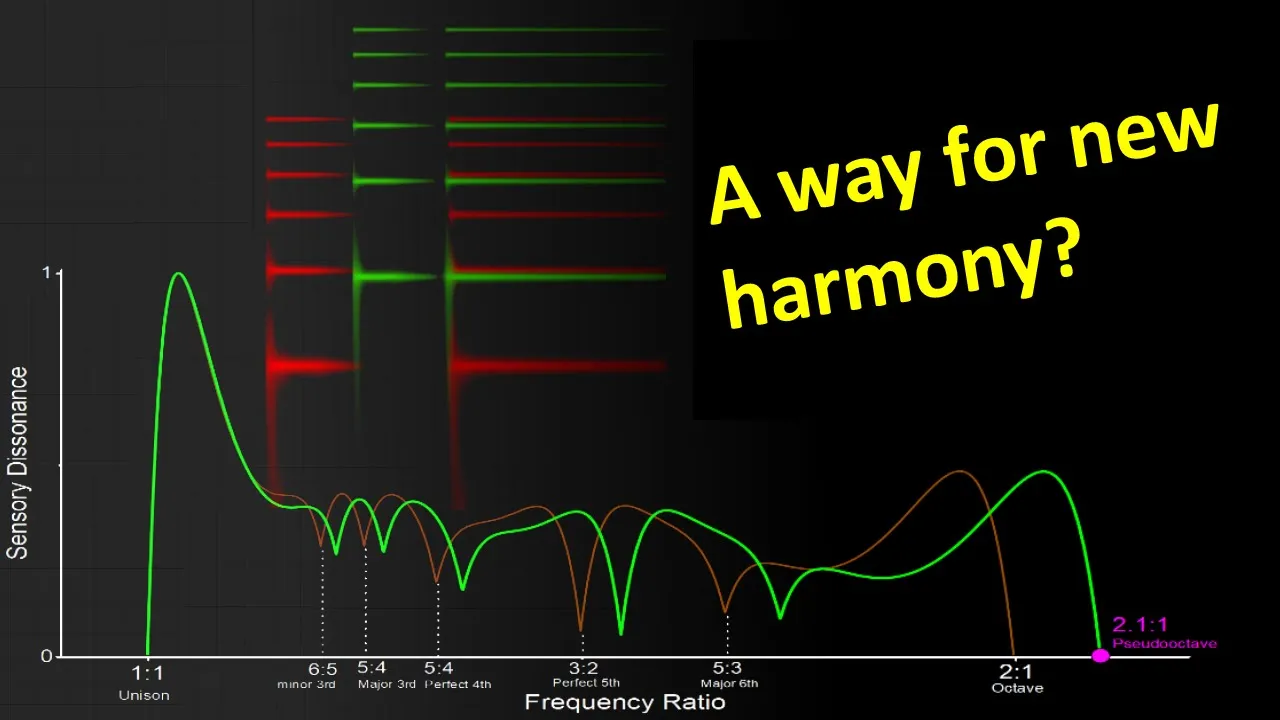
Dissonance in music can be made more palatable through four key techniques: reducing volume to decrease harshness, applying octave displacement to separate conflicting notes, displacing articulation points so notes don't play simultaneously, and severing contact intervals by adding notes between adjacent pitches; these strategies transform unpleasant dissonance into intentional tension rather than harsh noise.
Dissonance Reduction Techniques in Music Composition
Added:Understanding of basic music theory intervals, specifically the distinction between consonant and dissonant intervals (e.g., minor seconds vs. perfect fifths).
Familiarity with the concept of pitch register and octave equivalency in music composition.
Basic knowledge of musical dynamics (volume levels) and articulation markings (such as staccato, legato, and accents).
Fundamental voice leading principles, including how independent melodic lines interact to form vertical harmonies.
Advanced orchestration techniques, exploring how different instrumental timbres and acoustic properties affect the perception of dissonance.
Study of 20th-century post-tonal harmony, including the 'emancipation of dissonance' and serialism.
Application of dissonance control in cinematic composition and film scoring to manipulate emotional tension and narrative cues.
In-depth analysis of counterpoint (such as Species Counterpoint) to master the systematic preparation and resolution of non-chord tones.
1.1K views77likes6:39Original Release: 2025-02-21
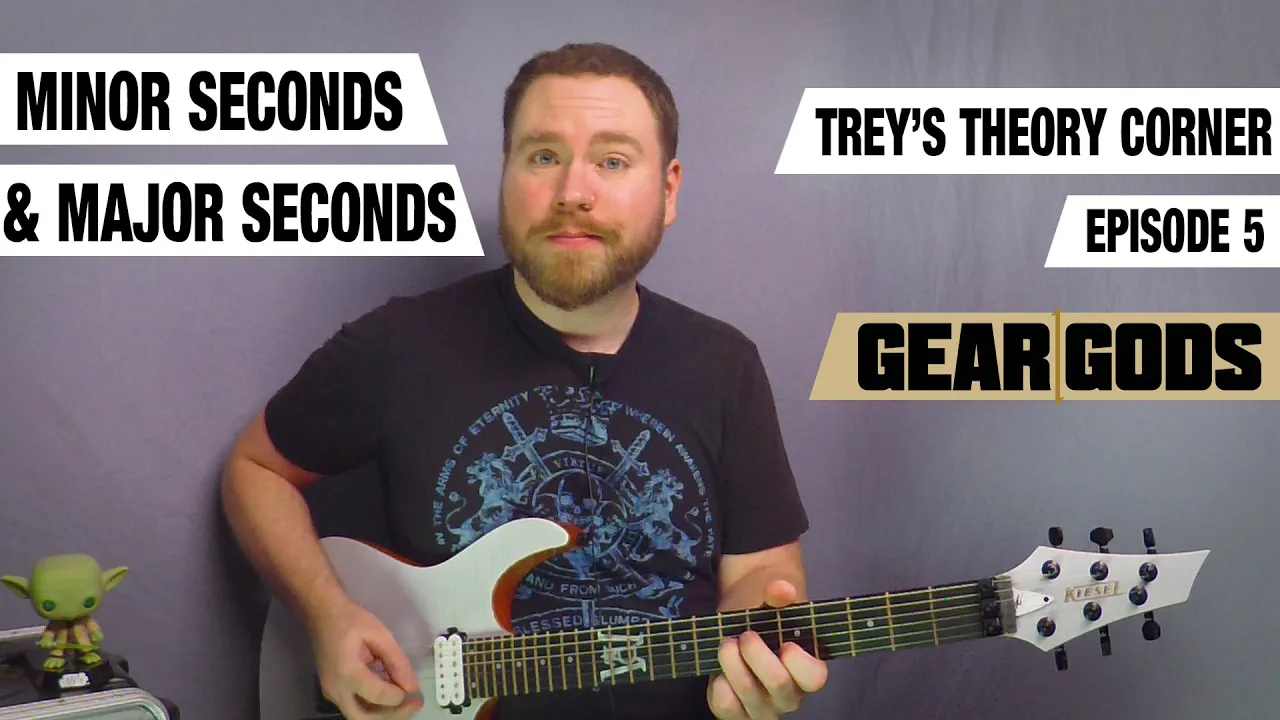
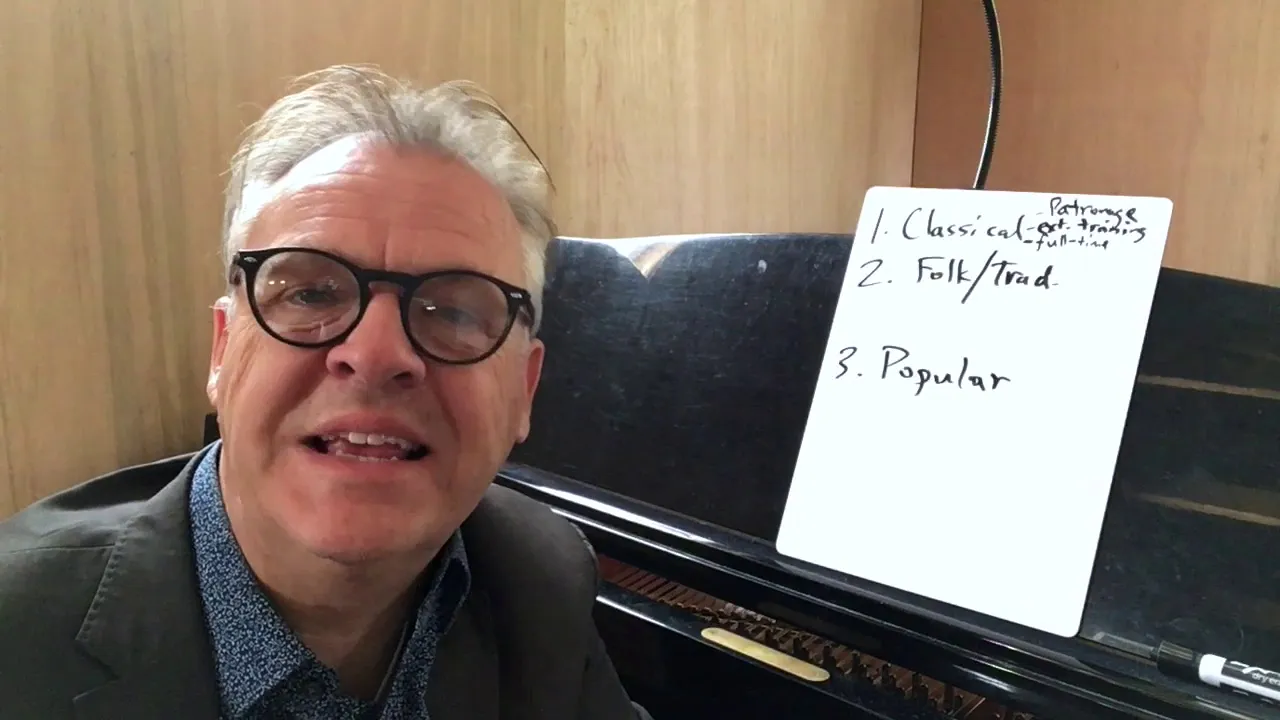
things that can impact dissonance all right we've got these two notes a half step away from each other super dissonant right now we've already talked about how reducing the volume can have a nice impact on making things sound less dissonant right now increase the volume or increase the strength with which they are played and they stand out much more dramatically so let's write these down shall we things that can reduce necessary dissonance so let's say you're working with two notes you're working with two parts and there's just going to be some dissonance all right for whatever reason you can't get around it a two dissonant notes played softly will sound less crunchy than the same two notes played loudly this is one very useful strategy which I just demonstrated all right so playing these playing them at a moderate volume playing them super softly and then playing them super loudly is going to have a massive impact on just how in your face they are the next strategy is something called octave displacement if we have these two notes play and then we just say all right yeah we're going to have these two notes but we're just going to separate them by an octave suddenly they're going to sound again still crunchy but a little less crunchy all right you double that with a softer performance and suddenly it's not nearly as crunchy it's still dissonant lots of tension but not necessarily unpleasant right oo I'm having fun okay uh this is the kind of stuff I love about music theory it's just finding little things that work different kind of Rules of Nature rules of music as to what impacts the quality of the sound so um two dissonant notes displaced by an octave will sound slightly less crunchy than the same two notes not displace all right so technically you could say yeah these two were not displaced by an octave technically if if we still added more space if I wanted to have them in the same order for example a true displacement by an octave would to take the C Shar and raise it an octave so that there's more than an octave space between the two and again same thing if you drop it super crunchy you bring it up slightly less you reduce the volume a little bit even less all right so again it's not about getting rid of the dissonance it's about getting rid of that crunchy unpleasant nature of it here's another one we're going to call this a um what are we going to call this there's a specific term for it but basically the idea where you uh displacement a displacement of the articulation Point basically where you take two distant intervals and you just make them play slightly one after the [Music] other all right so instead of them being played at the exact same time which creates that Dison quality you displace them slightly it's not as in your face again drop the volume a little bit and it becomes even less in your face right so super cool stuff um there are other strategies that we won't worry about going too much into right here these are probably the best ones that I would recommend um other ones included like trying to displace like you could take that octave one displace it and then add another note in between so that they aren't what is called a contact interval the contact interval being an interval between two notes that are right next to each other in order of pitch uh so if you separate the contact interval again a little less crunchy a little less unpleasant more more palatable on the ear right so we'll write that one down too uh what was the other one uh displacing the the points of articulation remember the point of articulation is just a fancy term for basically the moment in time where a note starts like at which point rhythmically does that musical note start so if you take two crunchy dissonant notes and you make them start at different points they'll sound a little softer um if you say um uh use the active displacement and place a new note in between them we'll call this severing the contact interval is a great strategy for again softening the blow so four very useful really cool kind of strategies for addressing dissonance if you want to work with some music notes that are you kind of have to work with the dissonant interval so for example like if you are working with a so for yeah for example working with a diminished chord all right which bias very definition has a trone in it which is very dissonant you can make this more palatable by playing it softer you can make it more palatable by separating the trone by an [Music] octave right uh you can do it by having these be separated by articulation Point all these little strategies can be used in a nice kind of uh practical application for softening certain dissonant sounds so if you ever like oh I really want to work with a diminished Triad because I know that they're really really cool and they can resolve in all these different really cool awesome ways that can help me modulate and go in new exciting chromatic directions with my music but you just don't like how crunchy they sound these are all strategies you can use to reduce the crunch sort of like getting your cereal soggy before you eat it I don't know why you would do that that sounds nasty but hey I guess don't yuck someone's yum I think is something my friend says
Up Next
6:08
The Turtle Lope Chord: Thomas Newman's Polychord in Finding Nemo
@Keith_Horn
1.3K views•2023-04-25

10:20
Mozart's Musical Dice Game Explained: History, Rules, & Fun
@webpianoacademy
5K views•2023-03-13

35:02
The Role of Patterns in Music Composition Theory
@TableTopComposer
116.8K views•2023-10-18
10:49
Understanding John Coltrane's Giant Steps: A Music Theory Analysis
@Vox
10.4M views•2018-11-12
Related Study Plans & Knowledge Roadmaps
Structured learning paths in Music Theory
music-theory
Composing Galant Music: Partimento & Schemata
01Foundations of Figured Bass and Keyboard Harmony
02The Rule of the Octave (Regola dell'Ottava)
03Galant Schemata: The Building Blocks of Form
+ 2 more learning modules
30h5 modules
Explore Roadmap
music-theory
Decoding Overtone Series: Tuning & Drone Music
01Acoustic Foundations: The Physics of the Overtone Series
02Tuning Systems: Equal Temperament vs. Just Intonation
03Microtonality and Spectralism: Beyond Standard Pitches
+ 2 more learning modules
24h5 modules
Explore Roadmap
music-theory
Impressionist Harmony: Scales, Planing & RPGs
01Foundational Music Theory: Keys, Intervals, and Seventh Chords
02Impressionist Color: Chord Planing and Parallel Harmony
03Whimsical Textures: Pentatonic Cascades and Whole-Tone Scales
+ 1 more learning modules
14h4 modules
Explore Roadmap
music-theory
Negative Harmony: Axis Reflection in Indie Pop
01Music Theory Foundations: Scales, Intervals, and Triads
02Functional Harmony and the Circle of Fifths
03Demystifying the Negative Harmony Axis Reflection
+ 2 more learning modules
16h5 modules
Explore Roadmap