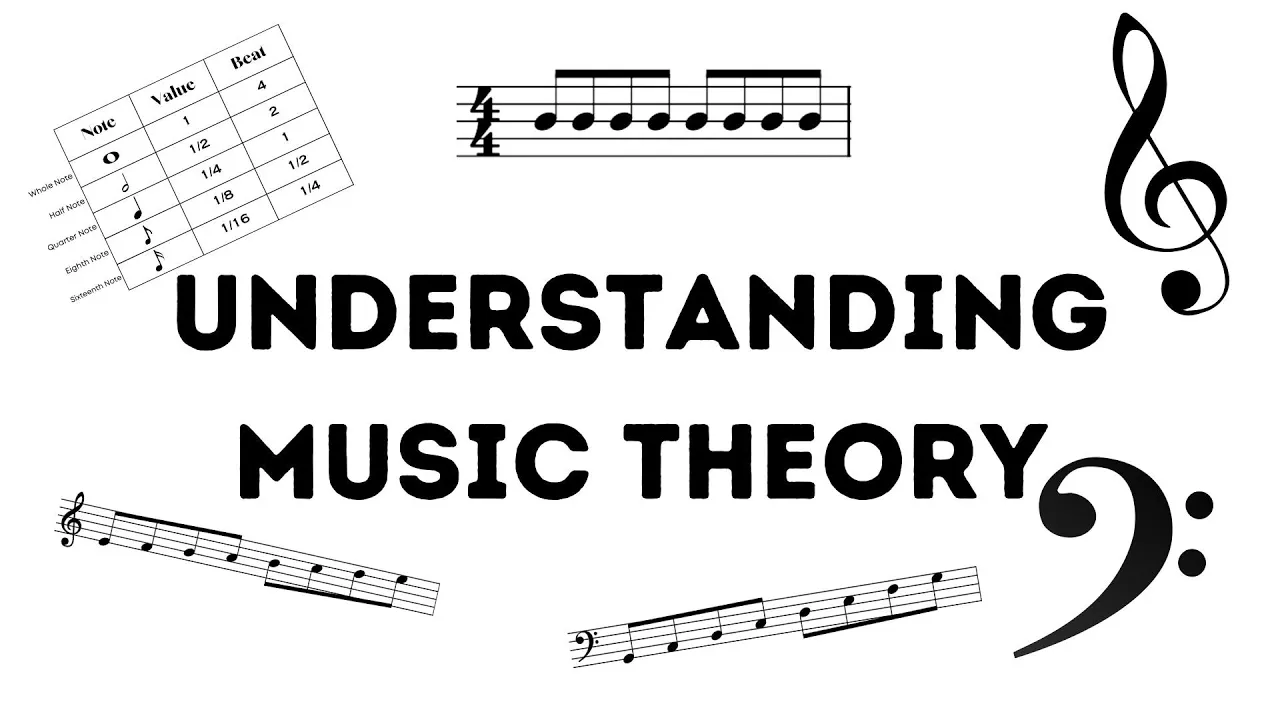



















All music fundamentally relies on patterns—whether in sound waves (which create pitch), chord progressions, melodies, or structural forms. Understanding this principle allows composers to create effective music by applying pattern-based structures like period structure (repeating motifs with variation), sentence structure (introducing new ideas followed by return), and sequencing (moving motifs up or down). This pattern-based approach transcends traditional Western functional harmony and can be applied to any musical style or genre, making it the essential foundation for all composition.
The Role of Patterns in Music Composition Theory
Added:Basic Music Theory Fundamentals: Understanding intervals, major/minor scales, and key signatures.
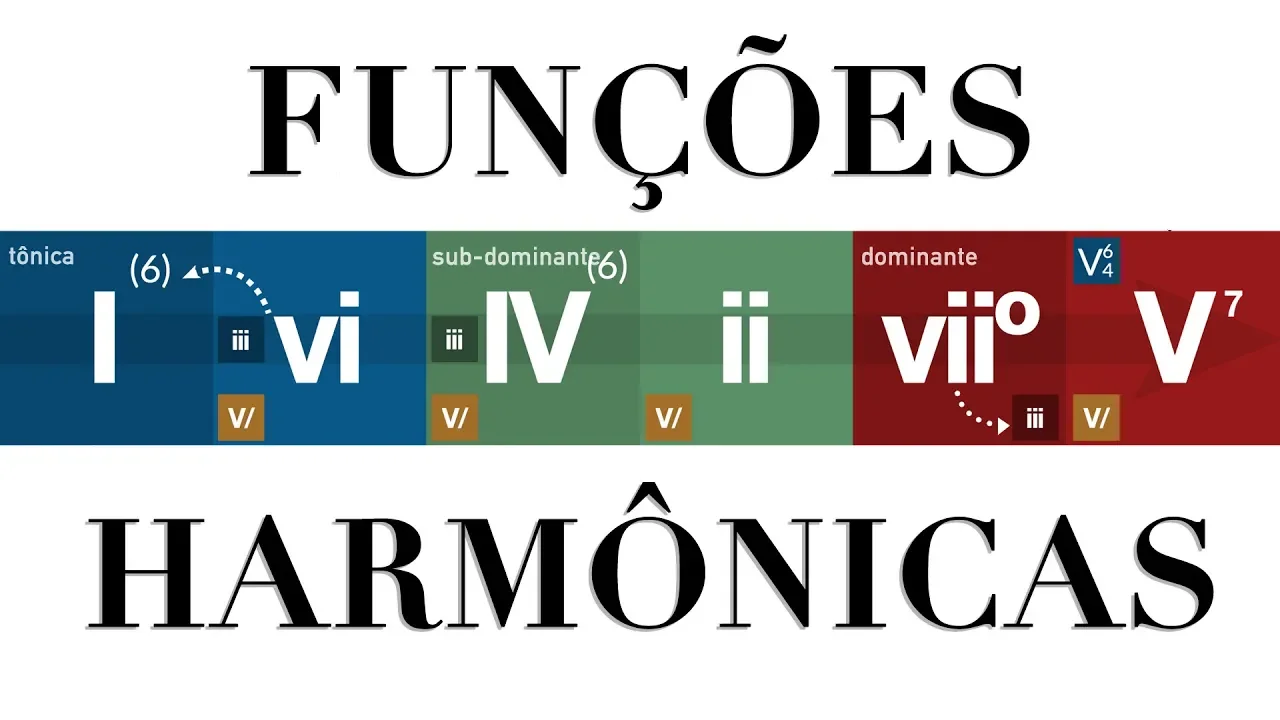
Concepts of Functional Harmony: Familiarity with Roman numeral analysis and the traditional roles of tonic, subdominant, and dominant chords.
Elementary Melody Construction: Knowledge of what constitutes a musical phrase, a motif, and basic melodic contour.
Common Chord Progressions: Awareness of standard Western chord sequences, such as the ii-V-I progression.
Voice Leading and Linear Counterpoint: Studying how individual horizontal voices interact to form chords, prioritizing smooth motion over rigid functional rules.
Non-Functional Harmony and Modal Systems: Exploring impressionistic harmony, modal interchange, and looping chord progressions that defy traditional tonal resolutions.
Motivic Development Techniques: Learning how to systematically transform musical patterns through inversion, retrograde, rhythmic augmentation, and diminution.
Pattern-Based Composition in Modern Genres: Applying pattern theory to compose in electronic music, minimalism, film scoring, and video game music.
Schemata Theory in Music Analysis: Investigating historical compositional patterns, such as the Galant schemata used by classical masters.
116.8K views5.7Klikes35:02Original Release: 2023-10-18
the only thing you really need though is just a pattern that's all music comes down to what we perceive as being musical or non-musical has to do with the presence of a pattern in fact sounds that have pitch they only have pitch because they're air their frequencies their audio frequencies actually form a pattern if a s if a sound wave does not form a pattern with itself it won't be perceived as having pitch yeah the overtone pattern right is that what you the overtones overtones a bit but also just uh a pattern in the shape of the Waves as well cu the overtones have more of an impact on your tamber all right depending on which overtones which partials how many of them are there are how strong some of them are that's what creates the sound and the characteristics of like the difference between a French horn and a piano playing the same note but the pitch itself just comes from the waves having repeatable pattern a frequency that's all a pitch is is the frequency so if we know that patterns are what matter then to create a chord progression all you need is a pattern so for example let's we've you you have you learned period structure and sentence structure for Melodies yes yes I have yet you can use those for cor progressions you can also use them for rhythms so let's do a let's do a period how do you well that's interesting using it for cord progression yeah watch yeah yeah all right so this is this is I love this uh cuz this is something I discovered recently cuz I've cuz ultimately all it is you're looking for different patterns so if we create a uh two chord idea this is our Motif and this is one of my [Music] favorites me find my P my pedal I got to get some WD40 on this chair let's see a minor to D major all right so that's our first Motif period structure says create something new all right all right so what if we do F major and then we go a minor again or Let's do let's do E minor so we've got our first idea a two chord idea that we just like and then we just need to create another two chord idea that we like then period structure says repeat the same chords from our oh or if you want you can repeat them with a slight amount of variation and then end with a Cadence so we'll do uh a minor let's do e major and then we'll do a minor and you can do the same thing with sentence structure you got your Motif new idea Motif Cadence most first idea new idea repeat the same idea with a little bit of variation and then Cadence okay and all we needed we didn't use functional Harmony we didn't use any of that we just created a pattern so this is one thing you do again we could again like I said uh if you wanted we could let's delete this let's move these new chords over here and we could do sentence structure again like I said a new idea but this time we can have a shift so the small shift could be either changing the inversion or you could just change the chord by one note so we'll do I have no idea how this is going to sound but let's try it and it's always going to work because it forms a pattern chord progressions that don't work they fail to work because they don't have a pattern the way we listen to music the way we make sense of music is because of the context all right we don't exist only on one cord at a time it's not like I play a minor and then I go to D major and I completely forget a minor since it's no longer playing it's gone I have no context it's like it never existed that's not the way our brains work fortunately we have that memory of a minor so we're able to relate these two together and our brain is very very good at creating patterns and recognizing patterns and more importantly our brain is supremely good at recognizing things that break a pattern things that stick out that's a survival mechanism all right if we're able to notice something that's wrong something that's not right it helps us be wary of it to be careful and not to get hurt um and so this ironically the survival mechanism also plays a big part in how we enjoy music so we've done that I'm actually going to save these chord progressions because I've got a roommate who wanted me to give him some chord progressions to work with and I'll just give him these yeah really interesting I've never thought about like harmonic motifs before so right oh you can have all kinds of harmonic you can have harmonic motifs you have instrumental motifs like you can use period structure to decide on the order of your instruments you've got an instrument that plays one like phrase then you have a different instrument come in for a phrase and then when you come back you're back to the original instrument then you find a new instrument to end it all there's all kinds of things you can create when you realize that music is just simply a pattern it opens so many things up for you uh and the way that you manipulate those patterns so a couple other patterns we can go with for example let's do let's start with C major um another one that's very common is tan Harmony you just move by thirds so in this way then you're not really even are you are you still like thinking about the uh like the consonant and dissonance of the notes you're using like or are you just kind of going off ear and just putting patterns in it's going off ear not most of the time most of the time if you follow a pattern of some sort it's going to work so it doesn't even matter too much what notes you pick it's more about the pattern that's the important thing exactly right now if you now if you're careful with the notes you choose you can be more have more control but for example I just followed these chords in thirds this is called tan Harmony very kind of cinematic sound because tan Harmony is very popular in film music we can also follow the same example and go with qual Harmony or any other inter we want so for let's do we'll go up by fours let's do B minor and then we can do so let C major let's do this let's voice lead a little shall we so are you still thinking about the key in at this point or nope no y because functional Harmony you don't have to you can if you want to but remember function how would you write a melody over it if you don't even like like how do you know what key to use um you would so if you write a melody over this or any other kind of adventurous Harmony uh so for example let's go over this one over here that we did uh this has some chords that are technically borrowed from the Dorian mode um a couple different things that you can kind of come up with uh you can try to understand it if you want but you don't need to cuz what we could do is is just start again with a pattern let's see uh let's start with Target tones first C and then e all right all I'm doing is taking notes from the chord underneath it I'm going to form a basic pattern all right so I've got my first Motif if I want to do wow so here you're writing without even thinking about the key that you're in then you just pattern exactly just patterns I've never never thought of it like that because that's all it is that's all functional Harmony is is it's a complicated pattern PN it's a very useful pattern but once you realize that the only prerequisite to make something sound musical is to follow a pattern to have some logic or reason behind it so we could use like I said you could follow this idea I've got two chords I've got a basic idea let's try going again we'll go repeat our pattern and then we'll get a new idea then we'll do and then we'll do just end all right and this is a very Bare Bones Melody and it's going to be so this is what I would call like a structure I've got my cord tones and so then I would listen to this I might make some changes and I might turn it into a better Melody but for the most part I have the shape the basic kind of rough Melody so if I might say like let's do a little bit morean sounds like some medieval stuff oh yeah it's a little bit of it's a bit of Dorian so like a minor to D this is what's called a a modal Cadence uh because a minor and a Dorian the only note that's different is f that's the only note they have different so for ad Dorian any chord that uses the FP is going to sound distinctly Dorian so that could be D major that could be F diminished it could be B minor there's all kinds of things that you can do with it but the those those characteristic chords the chords from a mode that contain the one unique mode note um for minor modes for for minor modes they have one note That's Unique from a minor from a natural minor scale and for major modes they have one note That's Unique from a major scale and so any chord you use that makes use of that one note is going to have the characteristic sound of that mode uh and so anytime you pair the tonic of your mode with one of those characteristic cods that's called a modal Cadence and it's the most stereotypical sound you'll get from from that mode um but yeah so you could say I've got a chord progression and I'm just going to write a melody uh this is very common in things like epic music or trailer music where it's traditionally a genre that was developed by nonclassically trained composers who went based off the rule of sound is King if I like the way it sounds I don't care about the theory behind why it works I just like the way it sounds um so we were talking about like another pattern you could find and like I said if you write a chord progression like this not caring about the key that's fine uh you can just write the melody like I said by using that pattern of uh taking cord taking notes from your chords and using that to create a basic Melody create a basic shape and then turn that into a full-on Melody does that make sense y doesn't though if you I noticed if you don't think about the key that you're writing and you just go off by ear won't in the end doesn't your ear kind of guide you back to like kind of almost being in key in theory because theory is like just analyzing what sounds good to us right like would we naturally like default to something that makes sense rather than just sounding good like it it it still goes back to some kind of theory that wouldn't it it might I mean and probably if that's what you're used because if most of us listen to music written with functional Harmony for the most part but the idea is with functional Harmony you are remaining consciously within a single key uh with this this can take you all over the place so for example this chord progression I just wrote this is neither Dorian nor minor so we've got a minor D major that would say oh it's a Dorian all right A minor D major doubling down a Dorian F major whoa whoa whoa an F natural does not belong in Doran that belongs in a minor and then we've got E minor all right that could be either a minor or Dorian E major whoa whoa E major does not belong in a Dorian that is a very characteristically a minor sound so we're all over the place here and that's something that I was able to create just because either I have the knowledge of AD Dorian and a minor and I'm being very deliberate with where and how I'm borrowing the chords or I just used a pattern to guide my my chord choice and I just picked chords that I thought sounded nice so this is so all remember all of this went back to the question you had we're a little we've got it's been a long tangent but all of this came back from the question where you said how do you use functional harmony with nonwestern music so if you want to use a an Eastern scale for example an Eastern culture scale or maybe an indigenous cultures scale that doesn't doesn't use the same rules or guidelines as functional Harmony it's not been westernized well then you can't by definition use functional Harmony because functional Harmony is a western music idea but keeping in mind what that rule that transcends all musical cultures that it's just patterns functional Harmony was developed because a bunch of old composers in the baroke period understood that patterns are what make music music and so they were fascinated during the broke period that was I believe the same time as the Renaissance they were fascinated with uh the study of like Pythagoras's theories on music and the overtone series and how all of these pitches relate to each other and so they were codifying all of this really cool music so the Baroque Period was defined by scientific curiosity humankind like the Renaissance we were fascinated with science and so music theory was developed by the science of Music people were trying to apply science to music for the the first time uh and well the first time in Western history um and so they started to find different ways that these chords felt like they related to each other but they related to each other because they formed patterns and so if you want to Free Yourself of western music theory or at least broaden your horizons a bit then you can try all kinds of crazy stuff the only thing you need is to form some kind of pattern whether you're moving each chord by a certain interval or maybe every chord shares the same shape that was common in jazz where it doesn't matter what key you're staying in every chord is going to just be a major chord and you can do a bunch of crazy stuff like that or maybe you're moving your chords by a certain interval whether it's a fifth a fourth a third a second a seventh a sixth whatever another common one is just keeping a common tone so long as every single chord in your progression has one common tone in common it doesn't matter what key they're from it's going to probably sound like it works cuz there's there's a pattern and so if you ever want to do something where you don't understand the rules or you don't understand the theory or you're just venturing into new Waters you can always remember it doesn't matter as long as you make a pattern of some sort this will come off as passively musical um and that's why lots of people have such a uh that's another like kind of another tangent that's why so many people reject ultramodern music or they reject the modernist movement of the uh 20th century with composers like Aaron schernberg where it's music all over the place and it feels wrong and people like that's not music um well it's because they were deliberately aware of this fact that music takes patterns and so all right what if we just actively reject the idea of a pattern what if we just have chaos and Avant guard ideas and there is no pattern governing our decisions um that's why lots of people like that's not music I don't like that it's because it's passing itself off as music but it has no pattern it's not making any connections anywhere right I mean if you had a scene that was chaos that would be figure it like in a in a movie or something oh definitely yeah so yeah that kind of stuff is very useful for again like horror movies yeah um and uh it's great for like horror movies and stuff because when you're trying to remove a sense of familiarity when you're deliberately trying to create this sense of something is wrong one of the best ways to do that is to immediately make it feel wrong all right and remove the pattern or whether you're working with like uh kind of uh trione chords or set theory or minor second chords which we've covered in this class and if you go back remember what I said about using trone chords and minor second chords the way to make them work is to form some kind of pattern if you can cre if you can establish a pattern with the chords you're using no matter how dissonant or weird or out of pocket the kind the harmonic language is again it's going to function on some level that's all functional Harmony is it's it's a way it's clever way that people found to create complicated patterns that weren't too predictable but sounded nice right well okay then so in that case then because you talked about like functional and then ter all these different kinds of harmonies how like how many kinds of different uh way like harmonies are there than the ways people do things or like countless or so many basically so all it is function Harmony Teran Harmony um I'm sure there's another one I'm blanking on but it's basically cord relationships I'm blanking on the name but there's all kinds it's basically all of these types of harmonies are the only thing they are is that some point someone said I want to figure out how to study this all right so I'm going to put put up a series of rules or a procedure of what to look for and that's what I'm going to use to analyze this so functional Harmony analyzes based off the relationship of those three functional groups it separates the chords into pattern of tonic subdominant and dominant functioning chords and says we're going to analyze all of this music based off this guiding principle and we're going to shoehorn things in to force it to realize why this fits um tan Harmony says all right I like the way this sounds and I've noticed the pattern is I move by thirds so I'm just going to call it tan Harmony um qual Harmony is harmony where they're like all right I'm going to reject the idea of the Triad I am now going to because a Triad is built in thirds you're built in thirds so what if I reject that idea and I create a chord based on fourths and that's cordal Harmony quintal Harmony is very similar you're going to build a chord on fifths all of these things are all it is is someone found a sound they liked they found a strategy or a pattern that they liked and they thought this is awesome I claim it I name it so other people can understand it does that make sense okay I see I see yeah yeah yeah so yeah any kind of Harmony that you want to study it's just because someone someone liked it and they gave it a name the the composing without thinking about the key aren't you aren't you subconscious like or maybe this is cultural I don't know but aren't you subconsciously still thinking about like a home like a stable home key oh definitely and moving away and then back like your ear will naturally take you to that right oh yeah and that's because of the pattern all right so that idea of a home that's B it's only there because a pattern right it's there because of the pattern so for example like the pattern like in functional Harmony and major Harmony and minor Harmony that was designed with the idea of the tonic all right every chord the three functional groups all those are are ways of describing how every single chord in a key relates to the one chord so if a uh chord is called a tonic functioning chord it's because it carries bless you uh similar levels of tension similar levels of pull as the tonic so those are all tonic chords because they don't have a lot of tension subdominant chords [Music] have some kind of resolve so if I were to go from E minor to C major there's not this big sense of release all right if I go F major to C major suddenly there's a little bit of like an intangible sense of oh that resolved somehow and again it cu the F goes to e uh and then if we go to that feels massively res resolved and so all of those three functions they're basically the tonic chords are the chords that when they move to the tonic there's no big payoff they just feel like all right they're all on this level playing Ground the subdominant chords feel like oh yeah there's some payoff when you go to the tonic chords and the or they there's some payoff when you go to a dominant and the dominant chords get their biggest payoff when they go to a tonic functioning chord and so the whole idea of functional Harmony major keys and minor Keys the patterns you build are based off entirely how does every single chord in that key relate to the one chord in terms of how much energy pulls them towards it so that's one super clever super awesome cor pattern that allows a lot of variety um but say something like here we go we had our uh we had this our uh what was this this was a uh this was our sentence structure pattern sentence structure had the same chord then a related idea then a new idea and then a Cadence our Cadence brought us back to a minor and if you noticed a minor was a very con uh very frequent presence throughout it so a minor feels like the home to our chord profession I see I see and if you were to do something like tan Harmony eventually you'll probably find your way back to C major if you keep moving in thirds uh or you might use it as a way to modulate or change keys and go somewhere else um if you use a common tone which was something that was used very uh often in for example Cloud deusi uh in the impressionist era really championed that idea that you create a tonal Center a home based off of forced repetition we could do all right and so here every single chord uses C minor or C natural except for when I intro when I break the whole pattern to use my Cadence which that's the one thing you can establish a pattern and the only time where you can break the pattern and get away with it without establishing a new pattern is with a Cadence so each of these chords were chosen because of C minor or C [Music] natural and so if we wanted to Let's actually make let's make uh I like that one let's stick to let's make this something a little more interesting we'll go a flat minor so something deliberately out of key that pattern works because we established all of them are related and you could probably say after that chord progression what is the most important note C mhm cuz you hear that c playing constantly throughout the whole thing so there's all kinds of patterns that's literally the only requirement if you want a musical idea to work you form a pattern all right it's found at all levels all right so again what gives a sound pitch there's a pattern in the sound waves what makes a chord progression work oh what makes a chord work in the first place it's a pattern moving in threes all right if you use a cluster even that kind of works but the fact that you've got a pattern chords are build in thirds for the most part that works what makes a chord progression work it's a pattern what makes a Melody work a pattern what is musical structure and form it's literally just a pattern a structure turn reform that is an a a first idea a new idea then a return to the original idea that's a pattern now when you've got music that sounds like it's Meandering it's definitely music but it's Meandering and it feels like something's wrong it just doesn't feel like it resolved it doesn't feel like it's structured it's typically because there's no pattern the whoever was writing it got too too self-conscious about repeating ideas that's very common with young composers they get self-conscious about this idea of repeating themselves and they end up uh just kind of coming up with new things they have one idea then they move on to new another new idea they come up to another new idea and another new idea and then it just keeps going on and on it sounds like there's no pattern there's no consistency and so their music sounds like it's a Meandering their music quality suffers because of that because they're not willing to familiarity right yes you'll hear that all the time when you're first Lear is balancing familiarity with novelty or something new or whatever phrase people use uh but that's a huge thing in music and the reason why you need to balance familiarity with novelty or something new or something um engaging is because of the pattern you're forming a pattern that's all you need at the end of the day if you want your music to work if I said there was one thing only one thing that I would teach a person and then say go that's it that's the only composing lesson you ever get that's what it would be it would be learn how to spot and create patterns in music if you can figure that out all of your music is going to start to make sense right right okay I see then okay is other than uh we always talk about sentence and period are there any others maybe or oh yeah so for example there's the idea of a sequencing structure so if you just take an idea and keep moving it up or keep moving it down so if this was my Motif and I just moved it up [Music] all I did is I took my Motif I kept moving it up or kept it stable moved it up kept it stable kept it moved up kept stable until again you interrupt with your Cadence whatever that may be okay is that one like just taking the same pattern but slight variations in each like A1 A2 A3 you could um that the this one though is literally just moving the same idea up and down okay so literally my idea was it was a uh one a third and a second so then I moved it up another third and another second then I repeated it cuz I just felt like that made sense then I moved the idea again another third and a second that's cuz sequencing in music what sequencing move means is you take an idea and you just move it up or you move it down so a sequence chord progression would be like a C major then a D major E major F major all I'm doing is I'm taking a major chord and I'm sequencing it I'm moving it up or I'm moving it down so if we were to have that same [Music] idea that's another it's the same exact idea I'm just moving it up or down that's actually Beethoven's Fifth Symphony entire first thing all these doing is sequencing it so then he changes it a little bit but most of it is just taking that one little idea and moving it up and up or down and down um and so that's another form of pattern um so there's sentence structure period structure sequencing structure um I'm those are the three that I usually teach but again you can come up with anything you like as long as a pattern right you want as long as it's a pattern it's going to work okay okay anything else to add on to that or no I think I'm kind of like I I I love talking about this because this is this was a huge light bulb moment for me when I realize that that's literally all music is is manipulating patterns with your music uh with your sounds uh you can use this for for example if you want to write an interesting atinado sentence structure period structure sequencing structure do something um some form of pattern you want to create a chord progression make a pattern you want to just format a long piece of music form a pattern if you don't know what to do like you've written a theme and you're like all right I feel like that's good but I it doesn't feel like a full piece all right just make a pattern all right you've got one idea let's move on to another one you've got that new idea that's nice you feel like you reached the end of that find a way to go back to the original one then maybe a new idea then the original that's Rondo form suddenly Rondo form is just repeating the same idea over and over again but with a different verse in between Rondo form is basically like a song where you have the refrain you always come back to and every single verse is something new it's a new Melody that's all Rondo form is but yeah all you have to do is find a way to make a pattern if you can make a pattern you want to make ambient music ambient music is another thing create patterns and make it work uh any genre you want to work with if you can find out what patterns are most common in that genre you're going to learn a lot like what kind of rhythms are the most common what kind of melodic structures are the most common what kind of instrument patterns are there it's not necessarily secal patterns but if you notice for example in epic music every time they want to have the climax and the big moment in the music The Brass section enters and they had mysteriously been absent for a measure or two beforehand that's a pattern that's something that you notice in the genre all the time uh the brass when they went for an impact they take some time off so we forget about them then boom they enter huge impact um it's it's literally like I said it's just about patterns so I I geek out so much when I talk about this cuz for me like I said it was such an important light bulb moment and I hope that it's useful for other people in the same way oh for sure yeah yeah I've always thought about it as in like
Up Next

17:25
Axis Progression Mode: Analyzing the 5-6-4-1 Chord Sequence
@DavidBennettPiano
237.8K views•2024-12-23

10:20
Mozart's Musical Dice Game Explained: History, Rules, & Fun
@webpianoacademy
5K views•2023-03-13
6:39
Dissonance Reduction Techniques in Music Composition
@TableTopComposer
1.1K views•2025-02-21
10:49
Understanding John Coltrane's Giant Steps: A Music Theory Analysis
@Vox
10.4M views•2018-11-12
Related Study Plans & Knowledge Roadmaps
Structured learning paths in Music Theory
music-theory
Composing Galant Music: Partimento & Schemata
01Foundations of Figured Bass and Keyboard Harmony
02The Rule of the Octave (Regola dell'Ottava)
03Galant Schemata: The Building Blocks of Form
+ 2 more learning modules
30h5 modules
Explore Roadmap
music-theory
Decoding Overtone Series: Tuning & Drone Music
01Acoustic Foundations: The Physics of the Overtone Series
02Tuning Systems: Equal Temperament vs. Just Intonation
03Microtonality and Spectralism: Beyond Standard Pitches
+ 2 more learning modules
24h5 modules
Explore Roadmap
music-theory
Impressionist Harmony: Scales, Planing & RPGs
01Foundational Music Theory: Keys, Intervals, and Seventh Chords
02Impressionist Color: Chord Planing and Parallel Harmony
03Whimsical Textures: Pentatonic Cascades and Whole-Tone Scales
+ 1 more learning modules
14h4 modules
Explore Roadmap
music-theory
Negative Harmony: Axis Reflection in Indie Pop
01Music Theory Foundations: Scales, Intervals, and Triads
02Functional Harmony and the Circle of Fifths
03Demystifying the Negative Harmony Axis Reflection
+ 2 more learning modules
16h5 modules
Explore Roadmap