





















Gunta Stölzl (1897-1983) was the only female Master at the Bauhaus school in Germany, transforming the weaving workshop from a neglected department into one of the institution's most successful facilities; she pioneered abstract textile designs by applying modern art principles to weaving, developed innovative techniques like 'interrupted stripes' where she reversed her loom mid-weave to create asymmetrical patterns, and despite facing gender-based challenges and internalized sexism, she became the single most influential figure in modern Western woven art history.
Gunta Stölzl: The Only Female Master of Bauhaus | Women Designers You Should Know
Added:The history, founding principles, and educational philosophy of the Bauhaus school under Walter Gropius.
The socio-political context of the Weimar Republic, specifically regarding gender roles, women's suffrage, and access to higher education in early 20th-century Germany.
The historic distinction and tension between 'fine art' (traditionally male-dominated painting/sculpture) and 'applied craft' (such as weaving and textiles).
Basic textile design terminology, including the mechanics of hand-weaving, warp and weft, and Jacquard weaving.
The work and legacy of other prominent female Bauhaus designers, such as Anni Albers, Marianne Brandt, and Lilly Reich.
The transition of the Bauhaus weaving workshop from manual, one-off craftsmanship to lucrative industrial mass production and commercial licensing.
How Johannes Itten, Paul Klee, and Wassily Kandinsky's theories of color and form directly influenced Stölzl's complex textile compositions.
The diaspora of Bauhaus designers after the school's closure in 1933, and Stölzl's subsequent career as an independent textile designer and entrepreneur in Switzerland.
544 views19likes41:13Original Release: 2024-04-16
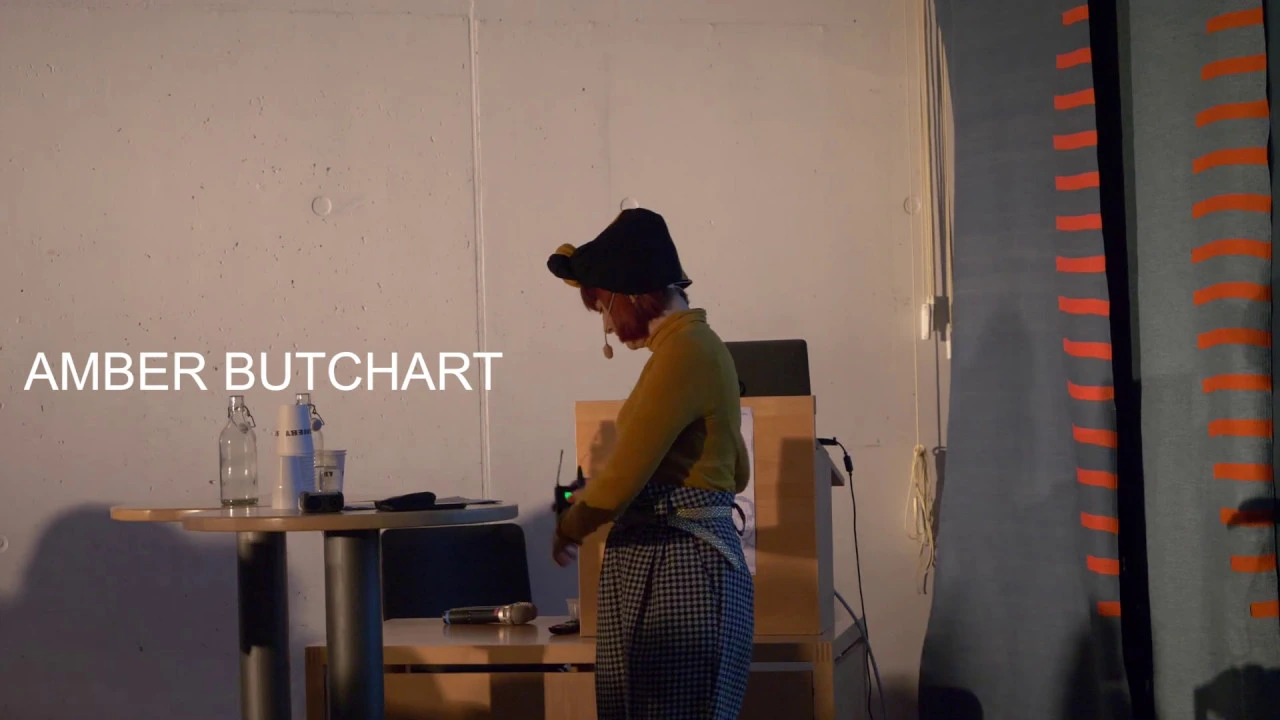
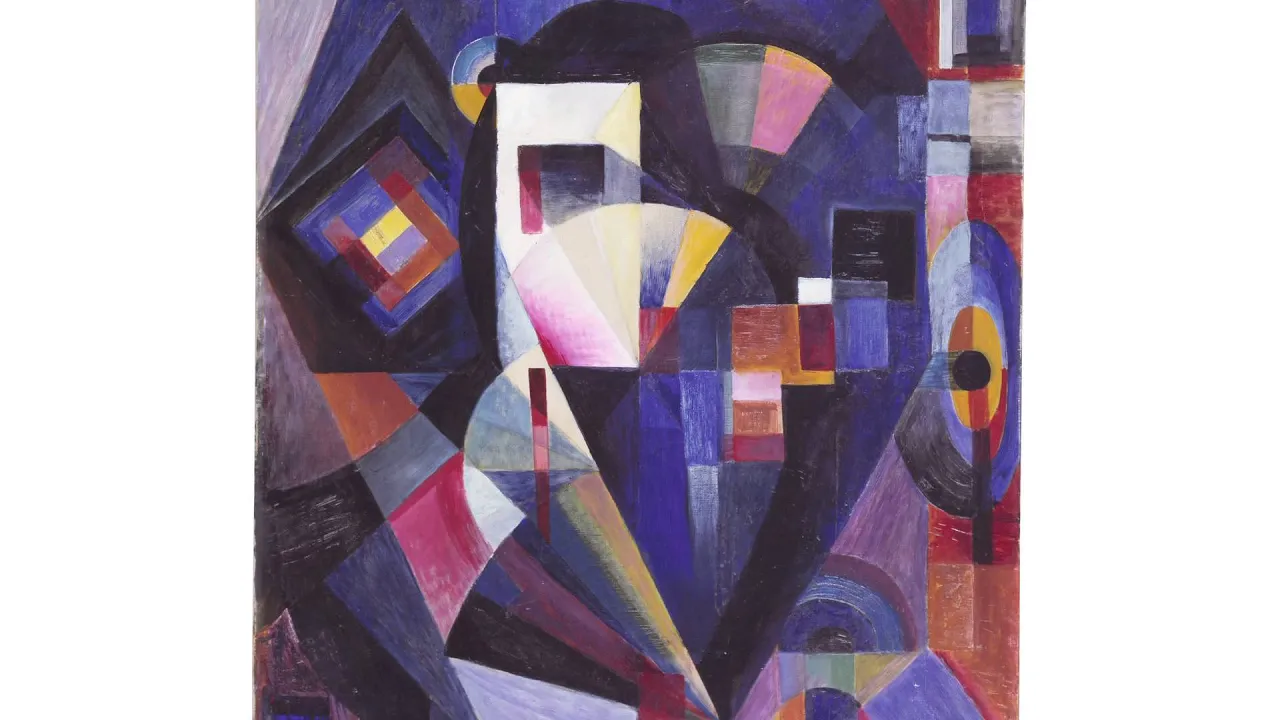
[Music] hello and welcome to the women designers H should know podcast the show that celebrates the groundbreaking contributions of women designers who have shaped the world we live in today from graphic designers to Architects industrial designers to Fashion icons join us as we delve into the inspiring stories of the women who came before us breaking barriers and Paving the way for future Generations in each episod episode will uncover the remarkable journeys of these unsung heroes shedding light on their Innovative designs their challenges and their triumphs let's make these extraordinary women household names so whether you're a design Enthusiast a history buff or simply curious about the remarkable women who have shaped our world tune in and embark on a journey through the untold stories of women designers you should [Music] know I'm your host Amber AC and this all started with my series of the same name that went viral on Instagram the series has highlighted 31 women so far and has reached an audience of 3 million accounts and I'm so glad it's hitting a cord with so many of you it's actually putting a fire under me that I never knew I needed to continue this work so thank you in today's episode I'm joined by the incredible designer Merl vdos as we dive into the remarkable life of g stro a Visionary Force at the iconic bow house in Germany we uncover what it truly meant to be a woman navigating the male dominated world of design during the early 20th century from her groundbreaking textile designs to her influential role as the only female Master at Bow house will explore the enduring Legacy of G strel and how her Innovative spirit continues to inspire designers around the globe Merill is a designer researcher and self-proclaimed citizen of the world who has explored over 30 countries as a nomad and design researcher she's worked at pentagram phota Willoughby design and Google among others and in 2016 she founded vedro Studio given her Nomad Tendencies and understanding that creativity is not limited to Borders or time zones the studio now has offices and collaborations in Berlin Brooklyn La Austin and Toronto clients such as the academy Museum of Motion Pictures Google YouTube they all seem to like the results at the same time Merill devotes her time and expertise to Mentor young women on building a life with purpose and finding confidence in their career thank you for coming thank you so much for having me this is so exciting and official I have to give the listener a backstory about us so we met about a year ago and I had gone to the academy Museum um shortly before we met kind of a thing and I was blown away by all the design I noticed that the it was it was actually touched by a designer you know when you can notice that when you go somewhere and you're like a designer did this and then it was shortly after that that brand new put a post out about that redesign and I was shocked by the comments because everyone was just kind of being really critical about one thing that they could see they weren't even looking at the whole project and it was yeah maybe it was all men I don't know and so I was like what are you guys talking about the like inore experience of this is amazing like everything is thought through and and then you DM me and it turned out there was a woman behind it like I literally didn't know it was a woman before I had said that comment and then from there we hung out and we've hung out a couple times and we spoke at the first round conference and I'm just loving where this friendship is going so I'm so glad to have you here so my first question for you is how did you decide to become a designer well I grew up in a creative family in the midwest uh my grandmother was a painter my father photographer my mom made clothing and the creativity was always inherent in me and then when I was 19 I got into Parson School of Design and you know you submit paintings drawings and whatnot you don't really know what kind of creative you'll become but I got to got into Parsons and actually changed my name to Merill my first name is Christine oh know that um and uh I was like I'm GNA go by Merl just my middle name and move to New York and become a designer I can be anybody that I want and I did just that um and given my love at shop of shopping at 19 years old I was like okay I'll be a fashion designer and then I accidentally walked into a typography class um um and I was so struck by the fact that alphabets could make you could make a living out of alphabets and that was graphic design what would you say inspires you nature being outdoors travel the outer World Life friendships being happy and being touched inside brings out the creative self that I need to create and be free when I am actually designing m I think that the child self has such an important role on um me as a designer that I don't necessarily get as much when I look through design books or Pinterest for that matter so I just have a few questions for you love it answer as fast as you want okay introvert or extrovert extrovert summer or winter summer dine in or dine out dine out minimalist or maximalist minimalist desktop or laptop desktop Grid or freestyle freestyle pastels or Neons pastels creative hours day or night very early morning s or Sans Sans digital design or physical design physical one long project or a bunch of tiny projects a bunch of tiny projects designed to a playlist or podcast silence playlist definely this okay so we are talking about G schz today and you chose her and suggested we talk about her today so I want to know more about why you chose G G is my forever inspiration I mean I am obsessed with the bow house it was a huge reason that I moved to Berlin and GAA to me is the epitome of color form wor function abstract play she so Embraces life and the self and that to me is just a gorgeous designer you know somebody who lives life well and designs with their whole self when you were in Berlin did you feel inspired by her and her presence and did you feel like you identified with her yeah I mean I actually discovered her when I went and visited the B house in desal I paid the extra €75 to I know what a dream to stay and sleep in the dorms the original dorm rooms I know that gives me chills totally and her textiles were in the room like their beding that she designed right yeah um was in the room and just feeling that presence of you know such a starkly minimal beautifully designed room building that you know very much the epitome of masculinity at the bow house and then to me her work was just this beautiful textural feminine touch that the room wouldn't be the same without and the more I learned about her you know she's this mountaineering woman who had nomadic Tendencies I just I so related to that cuz in my 20s when I started vedro Studio I was that you know I I remember sleeping on a rooftop tent in Vietnam I slept on the China border in a Hello Kitty blanket wow I mean to save money I slept on trains and you know I mean my budget was very limited at the time trying to start a business abroad and um you know you're scared you're scared you're you're going to have to go back home if you don't save enough money and I think she had that same mentality but like loved it yeah let's get started and chat about Guna then just to preface the sources U for everything that we've researched today is from the 2019 book bow House women a Global Perspective 2022 daily art magazine article 1999 bow House book by Anja bomhoff um and then there was this 2012 talk at the barbacon center in London by her daughter Monica called bow house art as life and then uh we'll be reading literal entries from her diary so a quick overview as the only female Master of the bow house textile artist G stz is arguably the single most influential figure in the modern history of Western woven art under her leadership the school's weaving Workshop was transformed from a neglected Department to one of its most successful facilities she was born in 1897 in Munich Germany she kept Diaries from the age of 14 on and her family valued education her father was a school principal and active in education and education reform and her grandfather great-grandfather actually was a weaving master I thought that was such a cool detail After High School she went to an arts and craft school from 1913 to 1916 and she was only 16 when she graduated high school and started studying at this arts and crafts school she studied decorative painting glass painting ceramics and art history and while she was there she made hundreds of sketches of Landscapes architecture and portraits she also spent hours and hours on calligraphy in class which she hated I don't blame her and so going into the bow house um the bow house started in 1919 founded by Walter gropius and at the beginning there was a Manifesto in in pamphlet form that was sent out to announce this new school and what it would be about and in that Manifesto it said any person of good repute without regard to age or sex whose previous education is deemed adequate by the Council of Masters will be admitted as far as space permits oh my God women went wild over this news because it said regardless of sex or age so G came across the manifesto and decided to continue her studies at the newly formed bow house school and so her diary entry for one of her 1919 entries she makes references to johanis iten's famous preliminary course she said iton doesn't want to teach us how to paint or draw or make art nobody can do that instead he simply wants to take us to the point where we will free ourselves oh I mean that's everything isn't that beautiful it's so beautiful her daughter points this out too but she's very romantic about the way she describes the B house and art and all of that in fact this is a quote I want you to read this iten's first words were about Rhythm one must first educate one's hand first make the finger Supple we do finger exercises just like a Pianist does in these Beginnings we already sent through what it is that Rhythm occurs an endless circular movement begun with the fingertips the movement floods through the wrist elbow and shoulder to the heart one must feel this in every Mark every line seriously isn't that amazing I want to go grab a drink with him he is deep it's so amazing how you're talking about basically a human person being one with art and that the art is through it totally and it absolutely does feel like that when you're in Flow State you know this like out of almost out of body experience of the soul and your goral response to what you're creating and what feels right and you can continue on that tangent to create something marvelous by 1920 stz had not only been fully accepted into the bow house school but had received a scholarship to attend it it was said that gropus accepted her without hesitation based on her drawings in her application and another thing that she said when she was accepted and I love this part she says nothing stands in the way of my outer life I can have a hand in shaping it however I want oh how often I've dreamt of it and now it's really coming true I still can't believe it um and I loved how G saw the bow house to her it was a way of life and it was interesting because for them at that time it was also kind of rebellious against the Arts and Crafts movement and they had this resentment towards it and knowing that she had just come from an arts and craft school um supposedly she even threw away all that work from that school while she was at the bow house seriously like in true rebellious nature so then let's talk about Student Life at the bow house so at the beginning the bow house was this very relaxed environment those first few years that they were in viar they were wholly dependent and students were teaching themselves and each other they always reminisced about those early years as the most exciting with a vibrant social life and they had spontaneous gett togethers and intense friendships and plenty of time for free experimentation oh one thing that that g said is time did not matter the attempt to live and give shape to the new was the only thing that was urgent she was adventurous and traveled to Italy during her first summer at the bow house she slept on benches and parks and stayed with families on farms and she would draw portraits in exchange for lodging hell yeah girl I so relate to that have you ever exchanged your artwork for as money for something oh my God name it absolutely so of course we have to get into the weaving Workshop within st's first year at the bow house she began what she referred to as the women's Department which due to underlying gender roles within the school eventually became synonymous with the weaving workshop and Walter gropius reached out and gave her more responsibility over the women's Department which was also around the time that she decided to switch from painting to weaving so there was still a master of weaving at the time even though she was given some responsibilities his name was George Moosh and he was the head of the weaving workshop and had very L little interest in the craft itself he saw weaving and other textile Arts as women's work there's very little information and and education at the bow house for weaving so G and some of the other women took courses outside of the school to learn the technical aspects of weaving they took courses in dying fabrics and even learned how to dye Fabrics with colors from Plants what was it like as a woman at the bow house um what Guna stes did not know that we know now is that the Masters were alarmed at the large number of women which they thought might create an amateurish environment they had even advised the women to not choose any other craft but weaving and the Masters had an old-fashioned idea of what a woman was able to do the fear that too many women were at the bow house they were worried that they would start to look like an arts and craft school so they tried hard to gather all of these women in these so-called women's classes which was very much in contradiction to the Equal Rights promised to women and The Talented enthusiastic G with her social skills was just what they needed to keep the women there the school had hardly any equipment students sat on the floor to draw and in another itan class it was their expressionist nud studies um that was completely new for her as nude studies had been closed to female students in their former schools wow can you believe that I'm so glad that first of all the bow house opened up nude studies for them too and gave them the opportunity and yet at the same time it was very conflicting because not only was the bow house open to women and you can come in regardless of gender and yet while you're at the bow house you were kind of pushed into the weaving department and into the women's areas so there's this idea of did G have internalized sexism G's daughter Monica said that g once refused an interview with a feminist Journal which is maybe proof that she never in all her life was aware of these things and later on in an interview with the bow house Journal offset in 1926 she said weaving is primarily a woman's field of work so kind of already this internalized sexism of this is what I've been told and obviously I'm living it and experiencing it and believe it kind of a thing I just love that she um I mean you know of course part of that is sad the you know part of her you know sort of being closed off to some of these uh more Progressive ideas or maybe just not aware of them but then there's another part of it that you know maybe I'm hearing it wrong but I like that she glorifies her CL her craft and sees it as something of like yeah this is where we get to play and I love it yeah it's kind of like the way I see it is she was definitely in her own bubble and world at the time and she made the most of it and she wasn't fully aware of what the men were thinking of her maybe or what they were saying behind closed doors but at the end of the day none of that mattered to her because she was on a mission and she was just full force ahead she knew that this could turn into a business and she saw business opportunities out of it and that business opportunity was I know women I understand women and I'm going to sell this stuff to women all my work let's not forget that the bow house was all about function and creating products it was not an art school it was a design school yeah it was all about function So speaking of let's talk about her style approach so okay I have to start with one of my favorite quotes ever from any designer or any artist G had said the most important thing is life I think as a designer we can get so caught up in our work and design and everything that encompasses that but to be able to be a good artist and a good designer you have to enjoy life and apparently she just was all about her friendships and you know not only art but making things that could improve people's lives so it wasn't ever just you know a beautifully woven tapestry it was how could this bring joy to people MH and I so relate to that she had this passion for experimen ation and creating abstract unique textiles and I love that she was known for that you know applying these ideas from Modern Art into weaving and you can really see that freedom in her work if I'm saying it correctly I'm sure there's going to be some German listener your huge following but FAA is to play with color okay and she had this way of weaving with the to the tool that she used that holds the yarn um would turn she'd flip it around and turn it and reverse it and that's one of the things that made her um her work look so abstract so um you know nothing is quite symmetrical most things are off but it's mden gendon stuten M really tongue um so basically she would take that tool reverse it and put it back in a different um in a different way oh yeah I've heard it is spoken as interrupted Stripes exactly that's exactly that that's how she would create it that's so cool and I'd never really thought about that idea before you know to me it was just like creating patterns and lay of patterns and cutting the pattern here and when you think about it in the practice of what she was doing she's literally stopping the weave as you were saying turning it around and running that color back the other way right and like let's just talk about that for a minute because these are the early 1900s and you know I mean you know think about the paintings that were on walls at the in the 1900 early 1900s like they were very traditional yeah and it was of yeah it was like a literal scene with animals and plants yeah super boring stuff like that was their wall hanging in their library was and then what was going on at the bow house I mean they were breaking rules with grids and graphic design and parties you name it so groundbreaking and and textiles at that time were also very symmetrical and very safe and you know here she goes is this weaving machine that you know I'll also say they you know back to your point about you know they they um designed with what they had at the time she was a flat Weaver which I didn't really know there was much of a difference between flat weaving versus vertical weaving but flat weaving was um is like a much quicker cheaper easier way to weave that is easy for mass production okay so and that was again the point at the bow house was how do we produce beautifully designed Goods to the masses so it was productive or an effective way of working faster exactly it wasn't it I mean they were pieces of art but they weren't super timec consuming tedious works that you know they only produced five in their career they were you know she was banging them out yeah and I I kind of think that this is a good test of how or just the truth to how modern it was because when you look at all of her work I would love to own any of that in my home God know all it all looks like it could have been made today totally but it was a hundred years ago nearly or some of it yeah yeah and and what's amazing to me is even looking at like you know Ikea's collections are still inspired by her work like to this day mhm that's wild so amazing yeah the influence that she's had so let's talk about one of your favorite pieces of gas that you wanted to highlight today this lit tapestry red/green so amazing it's this wild burst of colors patterns just unexpected playful moments to me it doesn't even look like a tapestry it's looks like a Time warped you know trippy dream that one would have Sleeping by the beach after they've just looked at Art all day I mean it's just aquatic it's wild it's it's so encompassing to me of the ideal Human Experience and it says a lot about who she was at the core was which is that Adventure side of her and in her early years of creating art and sketches it was all about Landscapes and architecture and you can almost see that here where there might be Hills or water or buildings structural elements and maybe a horizon like there's just there's so much Intrigue and it keeps you staring at it over and over again because it's so abstract yeah absolutely and while I love the the other bow house masters and how rigid they are with lines to me this piece in her work does epitomize the quote that I said early that the most important thing is life you know when I look at Mis vander's or Marcel breer's work I don't think about life I think about like just the most gorgeous looking chair but when I see her work I see the human totally her perspective on life and yeah I mean I it's true it kind of makes I feel like art makes life worth living and seeing art through others eyes absolutely she would paint her idea of of the design of the weave before she would start weaving and her daughter had pointed this out but you really only see so much of your weave at a time and then it moves on and you're looking at a chunk at a time and sometimes she would Embrace that and just get free with it and see what the end result would look like and then sometimes she would block it out and she has all of these sketches and paintings that are clearly these ideas that could be easily translated into a wall hanging and go it's so beautiful that she was blocking this out really seeing it and understanding it as a whole before she would get started and and actually be technically perfect at it too yeah actually I also wanted to show you this other thing from sketch so this is her sketch to the incred thing and like you can just toggle and see it side by side God and see how she stayed true to the sketch in some areas and in other areas it looked like it took on a different form God I want to be friends with her so bad one thing to call out about the bow house is that there were kind of two big phases of it there's the viar phase when it was in viar and then the desau phase and um and so of course all of these early experimental years took place in viar and that was where she ended up graduating and then between 1925 and 1926 the bow house was closed and had moved locations to desau and so the desau campus was equipped with greater variety of looms and improved dying facilities and Guna returned to becoming the weaving studi technical director and she worked with George Moosh um the the master that's been there all along that has no interest really in weaving probably hasn't done very much work yeah just kind of sat there and watched everyone I don't know and so he would remain the form master and um she wasn't officially made a master yet until 1927 um but it was clear that both the organization and content of the workshop were under her control so it was obvious from the start that George and G did not enjoy working together which resulted in G running the workshop almost sing singlehandedly hell yeah girl and then after re ution among the students where they demanded he leave which was described as unheard of behavior from the Weavers George ended up leaving and Guna officially took over both as form master and Mastercraft so I thought that was really impressive that you know it she she proved herself she was obviously the person that needed to be there all along and I feel like a lot of the these men had to really res push past their their like finite thinking of what women could do and of gender and realize Guna is up is up for this role she's been doing it all these years and has proven herself why not make her master I mean which is also such a crazy concept at the time because women were not put in leadership positions without a man either yeah yeah as a CO at least a co-founder or a CO Creator but she stepped in and completely replaced him yeah I mean girl and it sounds like she didn't have that bad of imposter syndrome so I'm curious what she uh what she was doing to get over that I mean supposedly she was very humble about it um especially in the viar years I think she had talked about not feeling like a teacher and that she really was just experimenting with everyone but she was obviously leading so I I don't think she had imposter syndrome I think she was just having fun and helping people and leading people and not even really realizing the impact that she had um I don't know when this happened but she has this bow house ID and there's a photo of it and she would write in me I think oh yeah Master which master and she she already claimed that title when no one gave that to her oh my God fake it till you make it girl in fact she changed the perception of weaving under her Direction the fabrics and prototypes made by the workshop became one of the school's largest sources of income I did not know that incredible here they're thinking okay women go to your little corner weave and then turns out they're the ones that are supporting the bow house financially they even closed a business deal with the Berlin textile company polyc licensing their design to be put into production wow so now that she was mastered she continued to improve the weaving Workshop even more she insisted that W the women were taught math and geometry to be even better at weaving so she's seeing those problems and she's like we need this we need that she was an advocate for all of them and they had funding to add more looms and experiment with unique materials she taught from a very design focused approach bringing an emphas to emphasis to Simplicity and functionality they tested materials for qualities such as color texture structure resistance to wear flexibility light refraction and sound AB absorption that's incredible yeah they thought of it all and then um in 1930 stz issued the first ever bow house weaving Workshop diplomas oh my God right she designed them were they not receiving diplomas at that point I have no idea but they weren't giving the women diplomas or anyone at Bow house diplomas I mean I'm sure they were giving diplomas I mean that'd be crazy not to at least a certificate one thing to call out too is her experience as a master was often frustrating she fought for pay and recognition equal to those of the other Masters the male Masters they made changes to her contract at one point in 1930 to help but those were only marginally better so I mean that's kind of hard to be in that place and to be so new yeah can you imagine if you're bringing in a majority of the revenue to your school and they're not paying you well they're not you know upgrading your equipment I would be livid yeah while she was a master she married one of the architecture students and they had a daughter together Y and she was taking care of her baby and teaching at the same time which was surprisingly off-putting by some of the bow house members they thought she should let go of her career and focus on motherhood this was 1930 1930 and 31 things were getting politically intense in Germany and na the Nazis were starting to um get more political power and had majority votes in some of these cities and towns especially which is East Germany yeah and so that was part of the problem too was now like the Nazis really were kind of already gaining control of their own city of the town that they were in and so there's political Divi divide at this point and it turned into competition and jealousy and personal hunger for power some of the students criticized her Direction and fought over profits from that polyx business and her husband was Jewish and almost all of her long-standing friends and many of the students had already left the bow house by that point because a lot of them graduated in 1930 and a lot of those were her friends basically at that point it was kind of coming to a head and it wasn't until she found a swastika painted at her door and Kandinsky not really defending her that she ended up resigning I mean everyone feared for the bout house as a whole and unfortunately the campus was closed and moved to Berlin in 1932 so basically about a year after she resigned and then just a year later it was officially dissolved by The Faculty it just didn't last and it couldn't last under that like Nazi regime so her and her husband and daughter moved to Zurich and she ended up starting a business there and they called it snhh stuff she produced fabrics and textiles for clothes and Furniture in her business they received a major commission from the Zurich Cinema to create curtains oh my god seriously and so she was thriving it kind of felt like the only hard part was obviously she was a woman in business at the time and probably faced limitations there um and she also mentioned that Tex the textile industry in Switzerland was old-fashioned and so coming from the bow house and having bow house ideas of let's do different materials throw in some cellophane and metal and whatever she had in her mind just didn't work for them so it was really hard for her to have to like confine to their old-fashioned ways and she I think the nice thing to hear she never tired of Designing textiles um she would make dresses for her daughters her daughter Monica was then um born in Switzerland at this time in the' 60s too and during the following decades the m Museum of Modern Art in New York acquired pieces of her work while she continued to work um and then when she dissolved her business and closed up and kind of retired the Victorian Albert Museum acquired her designs as like a huge collection too and in her later years she returned to tapestry weaving and creating wall hangings um because a majority of her business her like 30 plus year business really was driven by like textiles and creating textiles that would be used in furniture and in clothes and so she kind of missed doing these huge Artful tapestry weavings but what are your final thoughts going through all of this and really diving into her life yeah I you know with everything that we learned today and kind of going back to this philosophy about you know like life is the most important thing and enjoying your life with the people around you she really lived up to that with the community that she had with the women at the bow house and just really carved a path for herself that's so inspiring and really comes through in her work in a way that I think is quite unique for the bow house you know her use of color abstracted shape through textiles they feel paintings MH when you really think about her whole story and how much of an integral integral part of the bow house she was and seeing her work in the context of you know the bow house portfolio and all the textiles that came out after you realize Guna was the bow house she made it what it was she was a huge pivotal part of it absolutely and her whole Corner was basically what all the women or majority not all but majority of the women were doing she was leading that and the art that came out of it was clearly inspired by her and thanks to her like technical skills and teaching and all of that like really when you think the B house we all think about Walter gropus and Kandinsky and Paul CLE yeah and and G should be in there she is one of them and she is just as influential and just as big of a part of it as them absolutely that's so well said and I couldn't agree more thank you for coming God absolutely this was so much fun I'm so glad that I chose to speak about her and you know she hadn't been plucked yet and she's just such a treasure and I don't know who came up with it but FR house have you heard this fra means female in German or woman in German yeah um but I wonder if they had coined their their wing of the bow house the house yeah here's to the FR house in G and everything she did heck yeah ghost thank you for joining us today and a big thank you to Marl vros you can find her design Agency on Instagram vro Studio or her website which is VR studio.com your support means the world and will help get this podcast up and running in order to Spotlight more remarkable women if you find this episode inspiring please consider leaving a review subscribing and sharing it with your friends and family and colleagues so together let's redesign history by celebrating women [Music]
Up Next

83:59
Bauhaus Typography at 100: A Curator's Tour with Ellen Lupton
@letterformarchive
2K views•2022-03-31

114:18
Christian Iconography: History, Theology, and Meaning | Fr. Panayiotis Papageorgiou
@Trisagionfilms
58.8K views•2020-02-21
7:48
Ukiyo-e Art: History, Woodblock Printing & Influence
@japanathand
6.3K views•2023-06-08

16:34
Earliest Depictions of Jesus in Art: 10 Ancient Images Explained
@UsefulCharts
5.9M views•2022-06-03
Related Study Plans & Knowledge Roadmaps
Structured learning paths in Art History
art-history
Gothic Cathedrals: Engineering, Light & Society
01The Birth of the Gothic: Romanesque to Suger's Vision
02The Structural Triad: Pointed Arches, Ribbed Vaults, and Flying Buttresses
03Theology of Light: Lux Nova and Sacred Geometry
+ 2 more learning modules
14h5 modules
Explore Roadmap
art-history
Pre-Raphaelites: Realism, Symbolism & Critique
01The Victorian Art Establishment and Academic Formula
02The Founding of the PRB and Radical Realism
03Medieval Revivalism and Literary Symbolism
+ 1 more learning modules
8h4 modules
Explore Roadmap
art-history
Street Art: From Subways to Art Market
01Subcultural Origins in Philadelphia and New York (1970s)
02The Subway Era and Style Wars (Late 1970s - 1980s)
03The East Village Scene and Early Gallery Crossover
+ 2 more learning modules
10h5 modules
Explore Roadmap
art-history
Classic Maya Art: Iconography, Glyphs & Ritual
01Foundations of Classic Maya Visual Culture
02Deciphering Maya Hieroglyphs & Text-Image Integration
03Sacred Geography and Cosmological Architecture
+ 2 more learning modules
14h5 modules
Explore Roadmap