



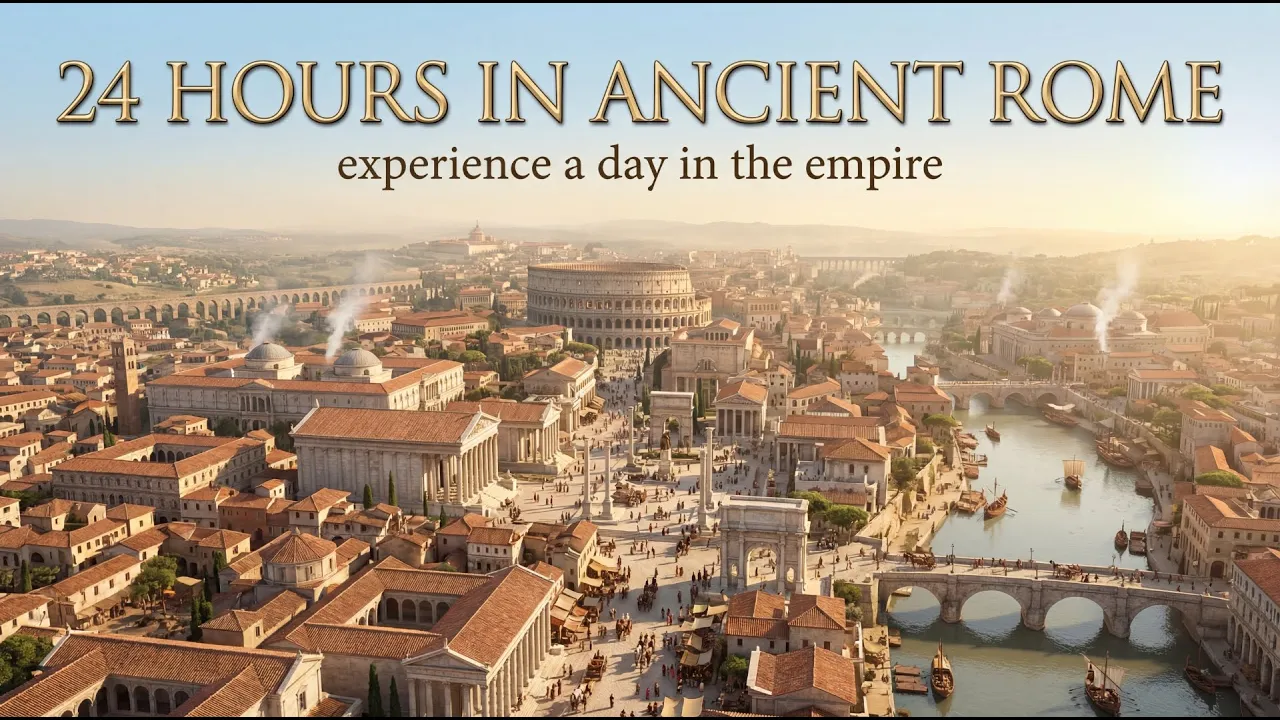










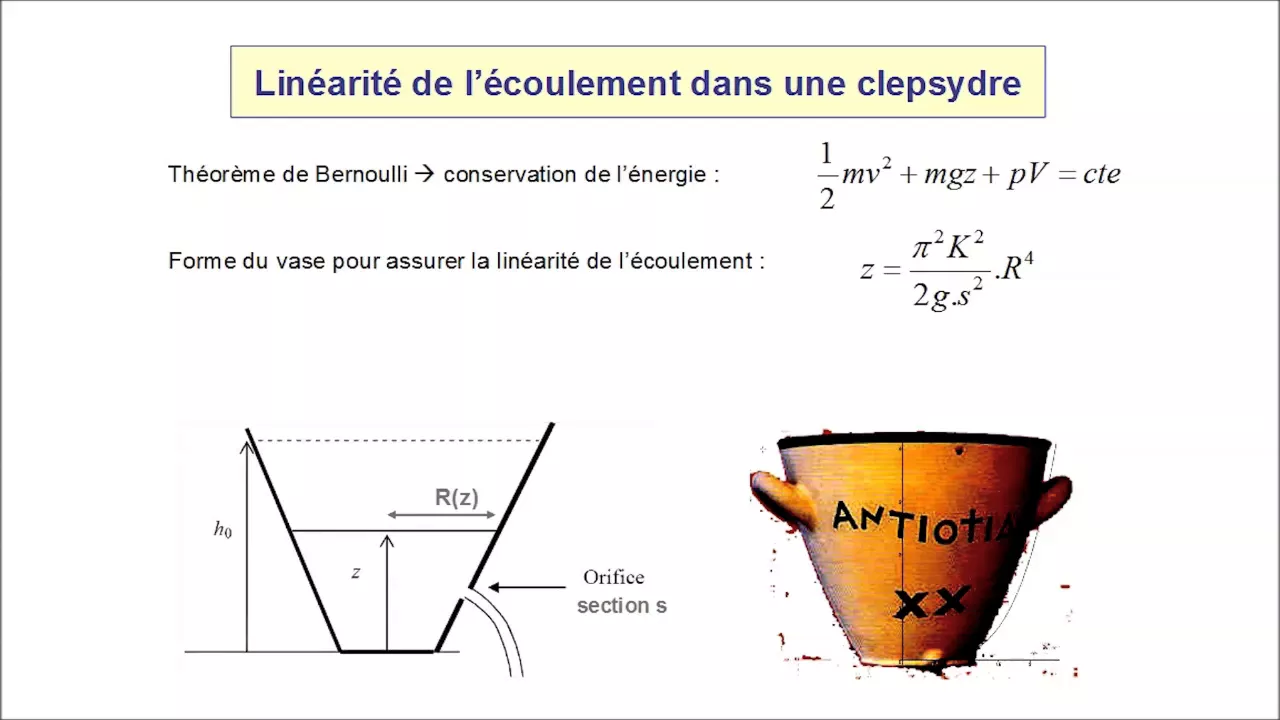








Ancient Romans told time using a 24-hour day divided into daylight and nighttime hours, with hours named from Prima to Duodecima and accompanied by 'da' (day) or 'noctis' (night), though hour lengths varied seasonally—approximately 45 minutes on winter solstice and 75 minutes on summer solstice due to Earth's axial tilt. For daytime, they used sundials casting shadows onto calibrated surfaces; for nighttime, they employed water clocks (clepsydrae) that regulated fluid drainage through holes, with wax coatings adjusted seasonally to maintain consistent timing. More sophisticated water clocks incorporated overflow regulators, floaters, gears, and dials to measure time mechanically, with some featuring bells and gongs for alarms.
How Romans Told Time: Ancient Timekeeping Methods Explained
Added:Basic understanding of the Earth's rotation and how the Sun's apparent position in the sky changes daily and seasonally.
Familiarity with the general social and civic structure of ancient Roman daily life, including the forum, baths, and military watches.
The fundamental principles of gravity and fluid dynamics governing how water flows through an aperture (relevant to water clocks).
An awareness that our modern system of 24 equal-length hours is a social construct rather than a natural constant.
The historical transition from ancient solar and hydraulic devices to medieval weight-driven mechanical clocks.
A comparative study of timekeeping systems in other ancient civilizations, such as the Egyptians, Babylonians, and Maya.
The mathematical and astronomical concepts of the analemma and the physics involved in constructing precise, location-specific sundials.
How the Industrial Revolution and the expansion of railways led to the standardisation of time and the creation of global time zones.
356.7K views11.5Klikes10:23Original Release: 2019-04-26
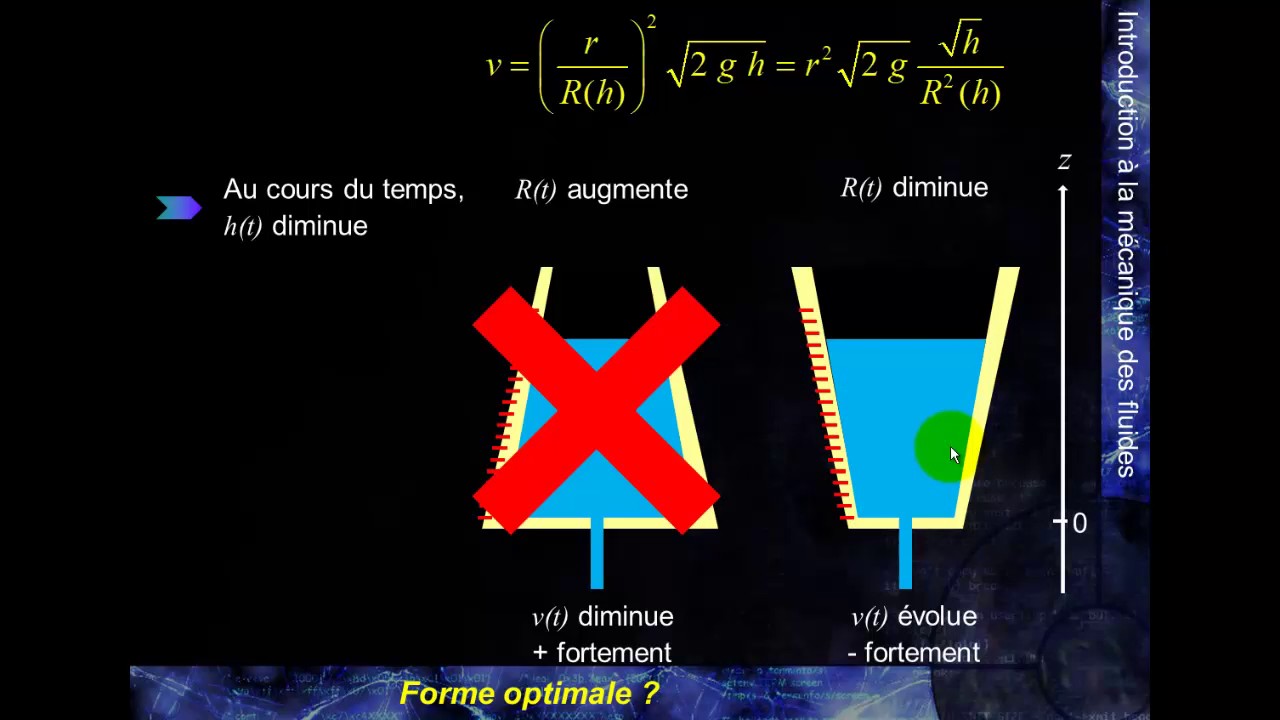
welcome to how they did it a show where you take a look at the daily lives of our ancestors in the modern era we have the luxury of knowing the exact time at any given moment and have structured our lives our own precise coordinated schedules we take this all for granted but what was it like long before the invention of the modern clock today we'll take a look at how they told time in ancient Rome thanks his ode to our sponsor audible for making this video possible the concept of time people in the past were very aware of the regular day/night cycles of our planet and devised many ways of classifying it just as today a day was divided into 24 parts with 12 hours of daylight and 12 hours of night this convention traces its roots all the way back to ancient Egypt and it's duodecimal system the further division of hours was typically done by halves thirds or quarters timekeeping by minutes and seconds was not practical although the concept of such smaller increments did exist some believe the very short spans of time were likely approximated by heartbeats let's now take a look at a Roman clock here we see our 24-hour cycle divided into two with each further half split into twelve each hour was named from Prima to dual vickima and was accompanied by the word da or Noctis accordingly the first hour of the day was measured from sunrise and would have been referred to as hora prima da well the first hour after dusk would have been hora prima noctus apparently the hours of midday and last light would be announced in the forum thanks to Roman tradition the hours of the night were actually divided into four watches each consisting of three hours for example the last few hours before sunrise would be referred to as occurring in the fourth watch of the night as I'm sure many of you have been itching to blur it out this all depended on a specific season and latitude this is indeed the case thus far I've been using a clock that works near the equator around the equinoxes but as you get into winter daylight shortens and to summer Dale lengthens this would have compressed and stretched the roman clock a Roman day hour on the winter solstice was approximately equal to 45 of our minutes while a day hour on the summer solstice was equal to 75 modern minutes luckily this would have applied relatively well to most of the empire which stretched out east and west across the Mediterranean however at northern latitudes the Romans did find that they needed to adjust their clocks more frequently this is because the earth rotates around the Sun at an angle thus the poles witness greater swings in the hours of daylight between summer and winter tilling time with the Sun now that we've established the framework for describing time let's talk about how one would go about measuring it well fundamentally the hours of daylight are tied to the position of the Sun itself thus it makes sense that the most basic way for humans to tell time would be to refer directly to the Sun the simplest method would have been to just look up there wasn't great precision to it and you just had to know some other factors such as which way it was approximately north and which way the Sun was going up or down and with enough experience you would get a general idea this is often done even today Sun downs were a great way to improve on this concept the basic idea here is to use some object to cast a shadow which then projects onto a cheat sheet that already has the directions and Sun precession parts built in these were invented very early on and were quite common in antiquity the Romans seem to have imported them from the Greeks at first but were soon producing their own and installing them in most cities these would have been calibrated for their location such Sun dials were often large and made of stone for high visibility and durability we do have evidence of smaller more portable Sun dials capable of being calibrated to multiple latitudes apparently pocketwatch like models were even a thing some were quite cool but definitely quite fiddly yet no matter how much engineering went into these devices at the end of the day such Sun based systems suffered from one fatal flaw they didn't work in the absence of sunlight this posed huge problems for telling time at night or even while indoors let's known look at how our ancestors dealt with this problem telling time without the Sun the basic concept here was to find something that occurred at a predictable rate and to calibrate it to a desired measure of time what's this was understood there are many ways to go about constructing such a device typically this involved using gravity to drain a fluid today we're most familiar with our glasses which used sand in the past however it was actually far more common to use water regardless of the fluid chosen the principle remain the same create a holding vessel place a hole near the bottom and allow the fluid to drain modifying the amount of fluid or the size of the hole impacts the rate of draining with enough testing the Creator could devise a reliable device with a marking system to represent the desired time interval water clocks like this had all sorts of uses they might be employed in brothels to charge customers or in law courts to set a timer on oral arguments the visual component here would basically be you looking towards this vessel and seeing if water was still pouring out you could kind of tell when it was getting close to the end because the flow was less steady there must have been an additional auditory component as well since the Swift strong draining fluid at the start would sound different than the slow sputtering near the end this would have had quite the effect on those patrons at the brothel attempting to make the most of their last few minutes or the orator scrambling to deliver the final flourish of their speech we also have evidence of this sort of clock being used by Roman soldiers on their nightly watches apparently these were small and portable with the capacity to countdown a three-hour shift according to newest tactic Asst varying layers of wax would be applied to the inside of the bowl throughout the year to adjust the volume and thus the length of the hours being counted as with most inventions there would be incessant innovation atop these water clocks when issue to address was that the flow rate varied as the fluid drained a common solution was simply to refill the tank this might be done manually by servant or automatically with the use of a constant source of inflow such as a reservoir a river or with plumbing overflow regulators were added to make sure the tank was always filled to the same level and thus supplied the desired out flow-rate sometimes multiple overflow levels were created these would be plugged or opened based on the desired flow rate for example a higher overflow level resulted in a faster outflow rate which was associated with counting out a shorter hour that one might expect in the winner in this case since the primary vessel was always full time would have to be measured on the other end in a second container that was actually being filled rather than drained intricate systems might involve multiple containers chained together even more bells and whistles would be added to water clocks over the years the added complexity was aimed at regulating the flow and providing fancier displays of time floaters could be used to transfer the elevation change of water into vertical movement while gears and other devices could translate this vertical motion into rotation on an indicator to CBS of Alexandria's water clock is a great example of these ideas and practice here's an illustration on the Left we see an inflow pipe leading to a funnel which is equipped with an overflow regulator thus it will always be filled to the same level and have the same outflow rate the funnel then drains into a larger vertical container here a floater has been installed which will rise with the water as it does teeth on the top of the floaters Pohl mesh with a gear the skier then turns a dial which points to the appropriate hour this is freaking awesome and all based on draining water different inventors and artists would add all sorts of little touches and flourishes for instance they might have the gears result in a door opening or angelic figures pointing to a specific number or instance you could get really complicated here and people certainly did other systems might also automatically trigger the ringing of bells and gongs or the blowing of horns you could thus make your own alarm clock system the past is full of clever people and there were tons of other ways our ancestors from around the world told time I look forward to covering these in later videos to me this whole subject of examining how people in the past understood and navigated their world is fascinating if this sort of thing also interests you I'd recommend you check out the book science education in the early Roman Empire in it dr. Richard carrier explores the scientific advances of the period and how knowledge was disseminated through an ecosystem of individuals and institutions I'm happy to announce that the book is available through our sponsor audible audible is the world's largest producer of downloadable audiobooks under platform you can find and listen to thousands of digital audio books magazines newspapers and radio programs they've got a huge trove of history content which you can binge through so let's say you wanted to check out the audio book on science education the way this works is that you would sign up for a 30-day free trial by going to audible.com/veritasium for free which you can apply to the science book plus two audible originals these originals are exclusive audio titles created by celebrated storytellers from worlds as diverse as theater journalism literature and more i've firstly been using this service as a primer for researching history topics and think it's a great way to learn tons of new things definitely check them out and let me know what you think about the book on science education it's awesome a huge thanks is also owed to our supporters on patreon and the many talented researchers writers and artists who made this video possible please consider contributing to fun future content if you found this topic interesting check out these related videos about our fascinating past be sure to LIKE and subscribe for more history and check out our description for ways to support the channel thanks for watching
Up Next
1:18
Medieval Peasant Farming Life in Tudor England | Historical Documentary
@ChronicleMedieval
1.2M views•2022-11-30

33:02
The Great Schism of 1054: Causes and Consequences
@SacredCathedrals
113.5K views•2026-02-19
10:41
The Mesoamerican Ball Game: Aztec History & Ritual Sacrifice
@InvictaHistory
494.1K views•2018-11-17

17:05
Understanding the Cold War: Superpower Conflicts and the Road to Détente
@OverSimplified
46.1M views•2019-01-24
Related Study Plans & Knowledge Roadmaps
Structured learning paths in History
history
Byzantine Iconoclasm: Theology, Art & Politics
01Foundations of Byzantium and Early Christian Images
02The First Iconoclasm: Leo III and the Crisis of Images
03Empress Irene, Nicaea II, and the Second Iconoclasm
+ 2 more learning modules
9h5 modules
Explore Roadmap
history
Iranian Revolution (Causes, Events & Legacy)
01The Pahlavi Dynasty and the Roots of Discontent
02The Spark of Rebellion and the Rise of Khomeini
031979: The Fall of the Shah and the Climax of the Revolution
+ 2 more learning modules
8h5 modules
Explore Roadmap
history
Mali Empire: Mansa Musa, Trade & Timbuktu
01Foundations of the Mali Empire
02The Trans-Saharan Gold and Salt Trade
03The Reign and Pilgrimage of Mansa Musa
+ 1 more learning modules
6h4 modules
Explore Roadmap
history
1947 Partition: Politics, Borders & Legacies
01Foundations of British India and the Divide
02The Political Negotiations and the Mountbatten Plan
03Drawing the Boundary: The Radcliffe Line
+ 2 more learning modules
8h5 modules
Explore Roadmap