


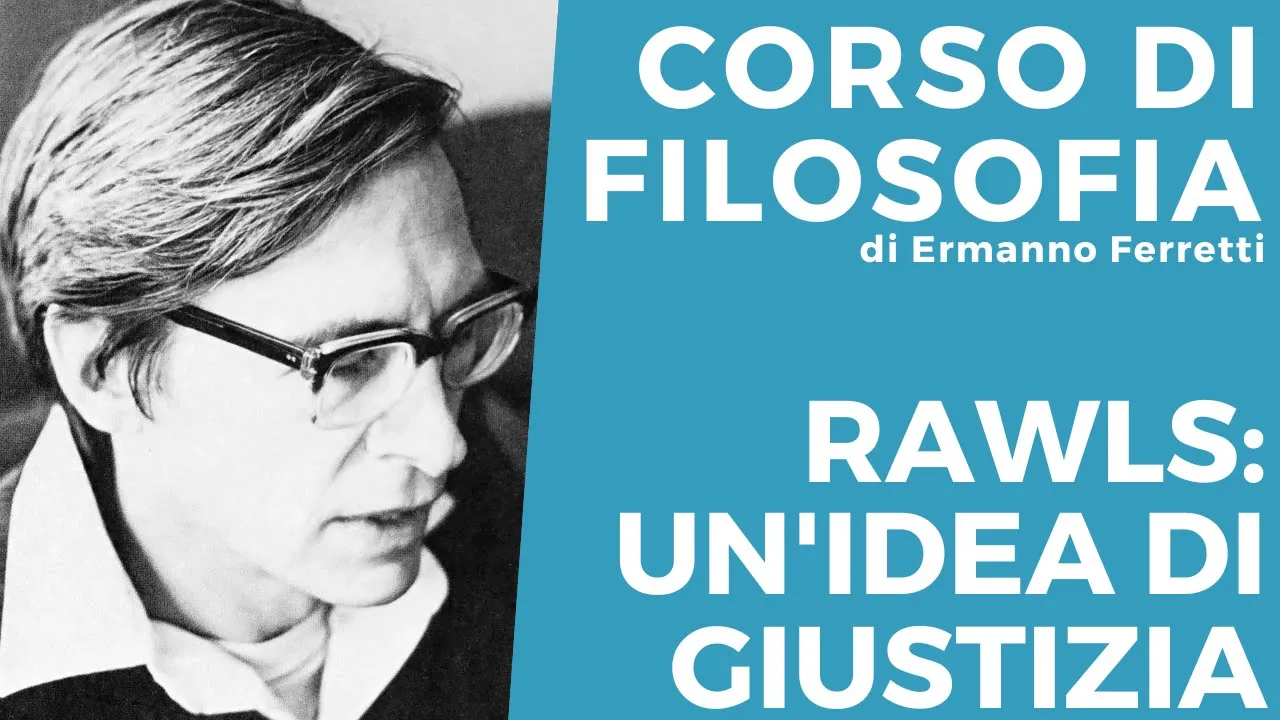

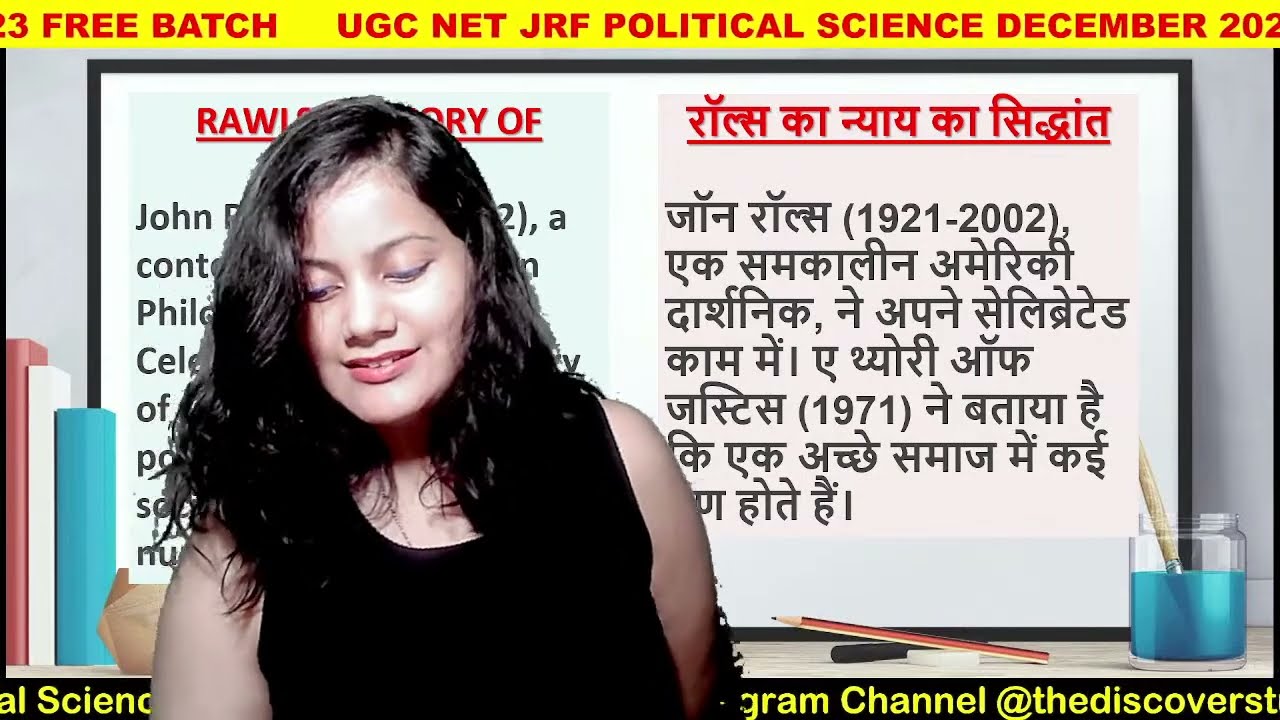





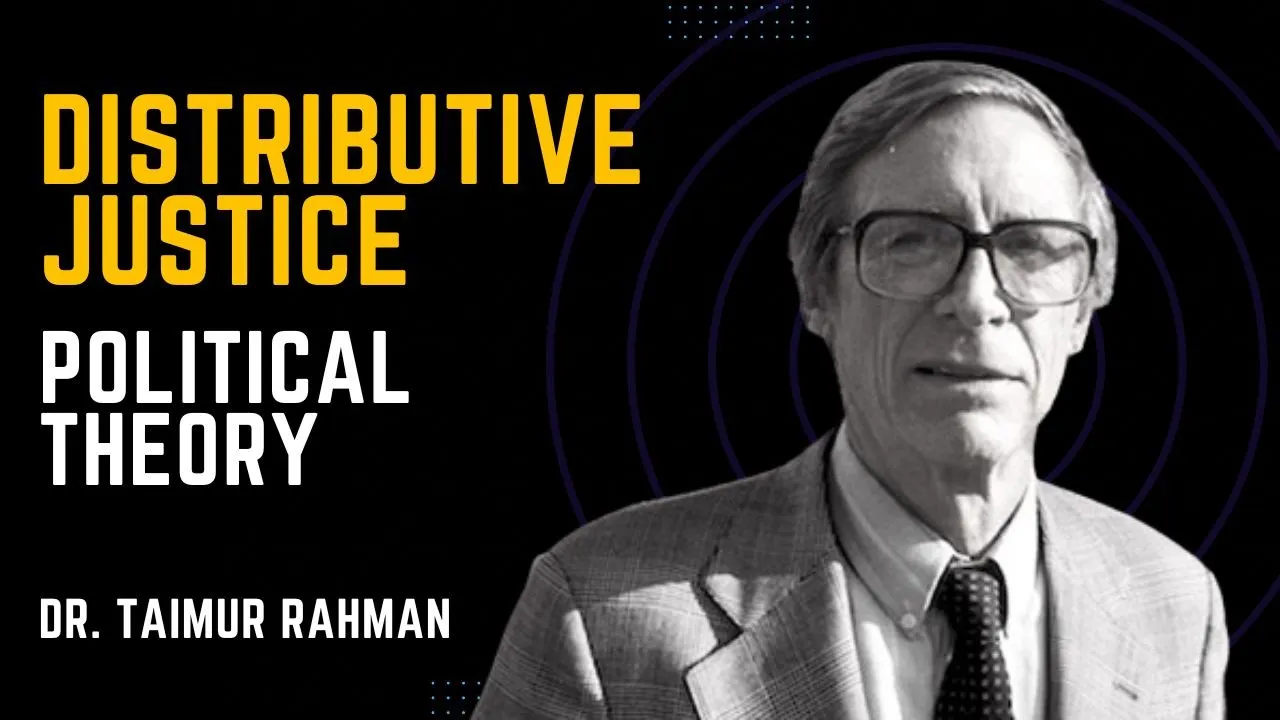


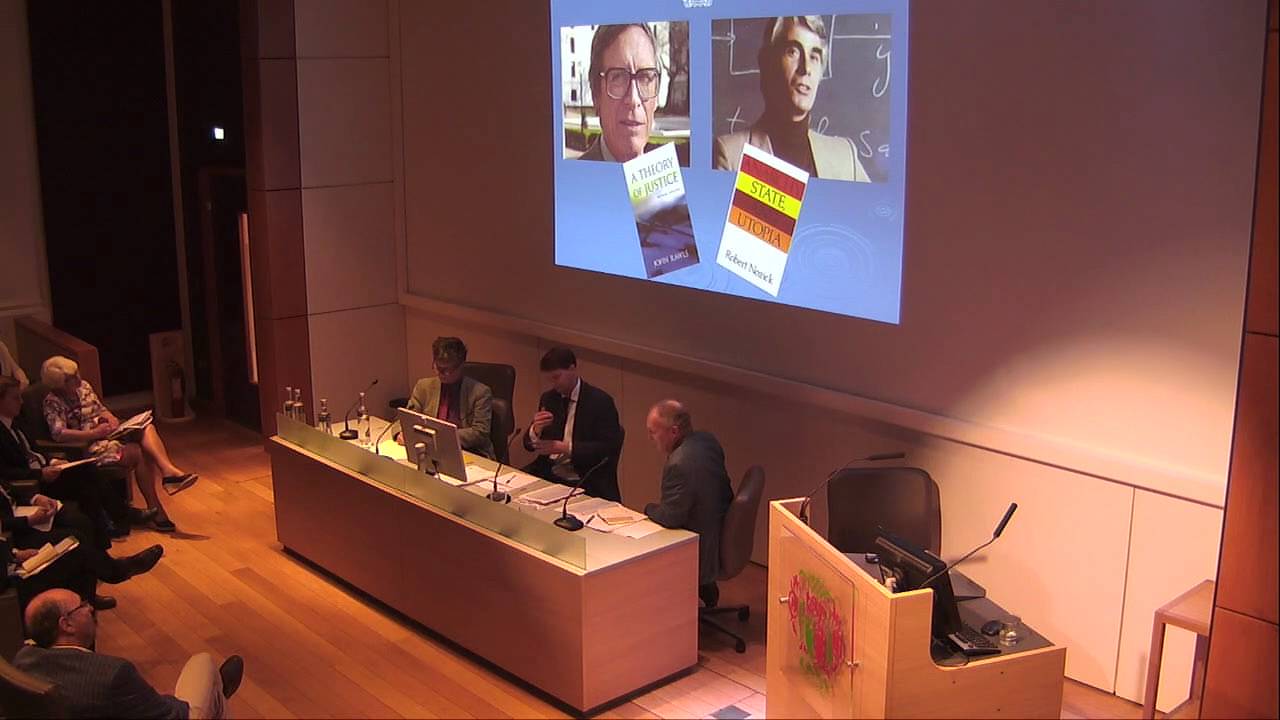






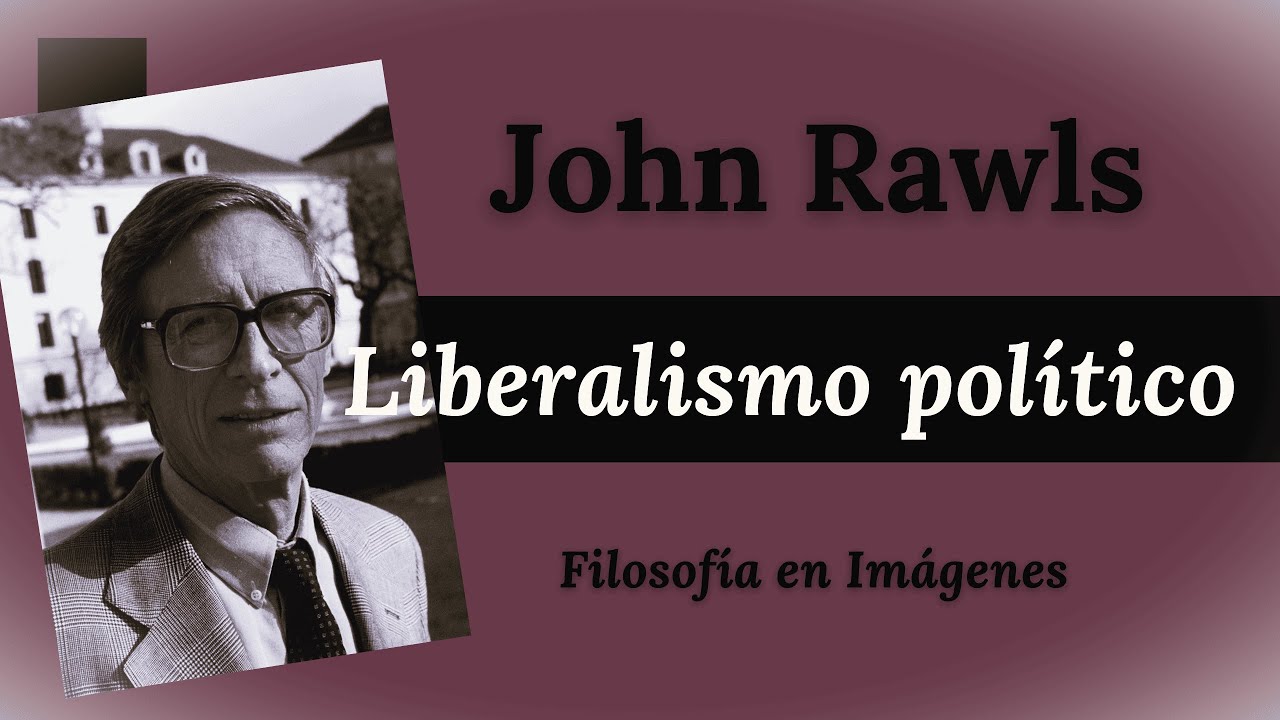






John Rawls' theory of justice proposes that a just society is one whose characteristics conform to normative rules everyone would agree upon, based on two fundamental principles: the Equal Liberty Principle (guaranteeing each person extensive basic liberties compatible with others' liberty) and the Difference Principle (allowing socio-economic inequalities only if they benefit the least advantaged). Rawls derives these principles through the concept of the original position, where individuals choose social institutions behind a veil of ignorance—meaning they don't know their sex, race, natural abilities, or social status—thereby ensuring impartial and fair selection of just social arrangements.
Rawls' Theory of Justice Explained: Justice as Fairness
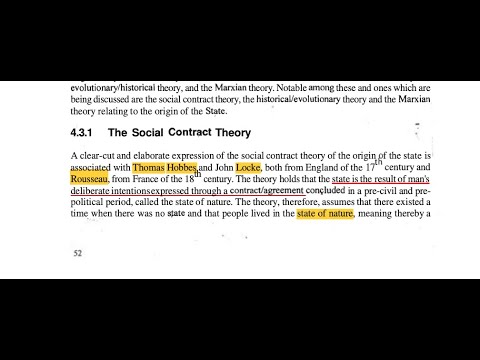
Added:The concept of Social Contract Theory as developed by historical philosophers like Thomas Hobbes, John Locke, and Jean-Jacques Rousseau.
The core tenets of Utilitarianism (associated with Jeremy Bentham and John Stuart Mill), as Rawls' theory is fundamentally a critique of and alternative to utilitarian frameworks.
The distinction between deontological (duty-based) and teleological (consequence-based) ethical systems, particularly Immanuel Kant's moral philosophy.
The basic definition of Distributive Justice and the historical debate surrounding how wealth, rights, and opportunities should be allocated in a society.
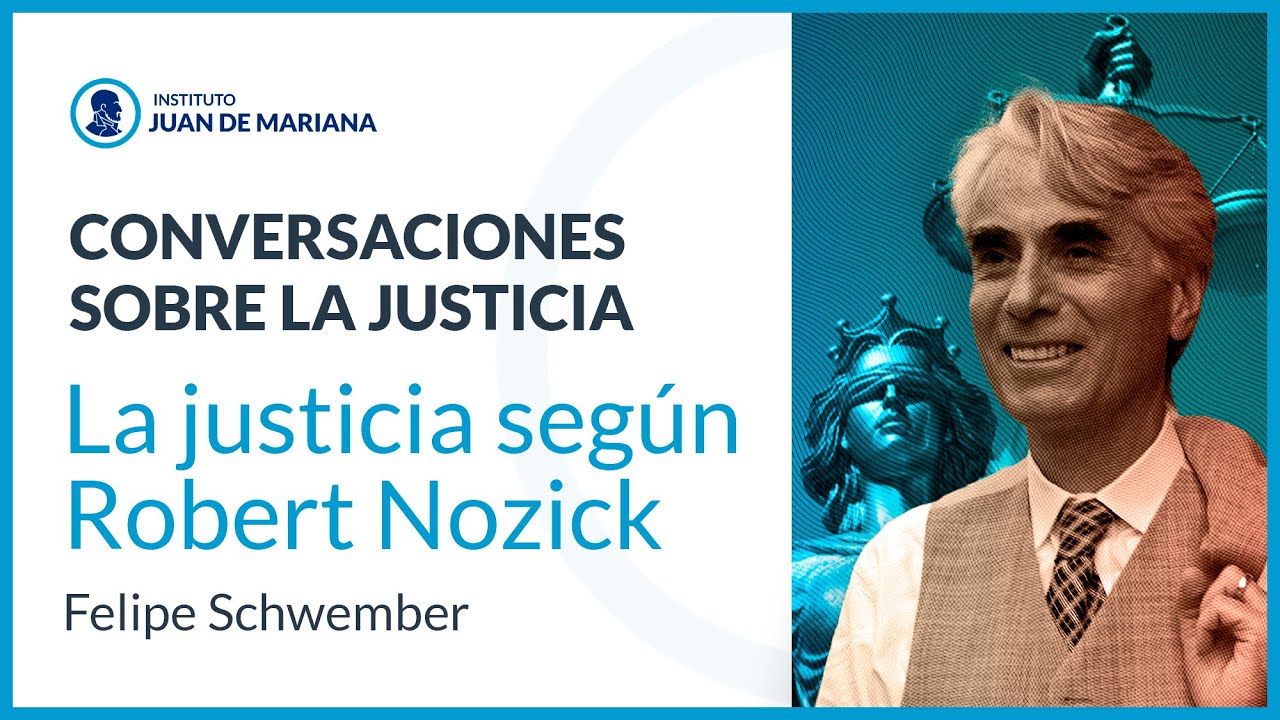
Robert Nozick's Libertarian critique of Rawls, specifically his 'entitlement theory of justice' outlined in 'Anarchy, State, and Utopia'.
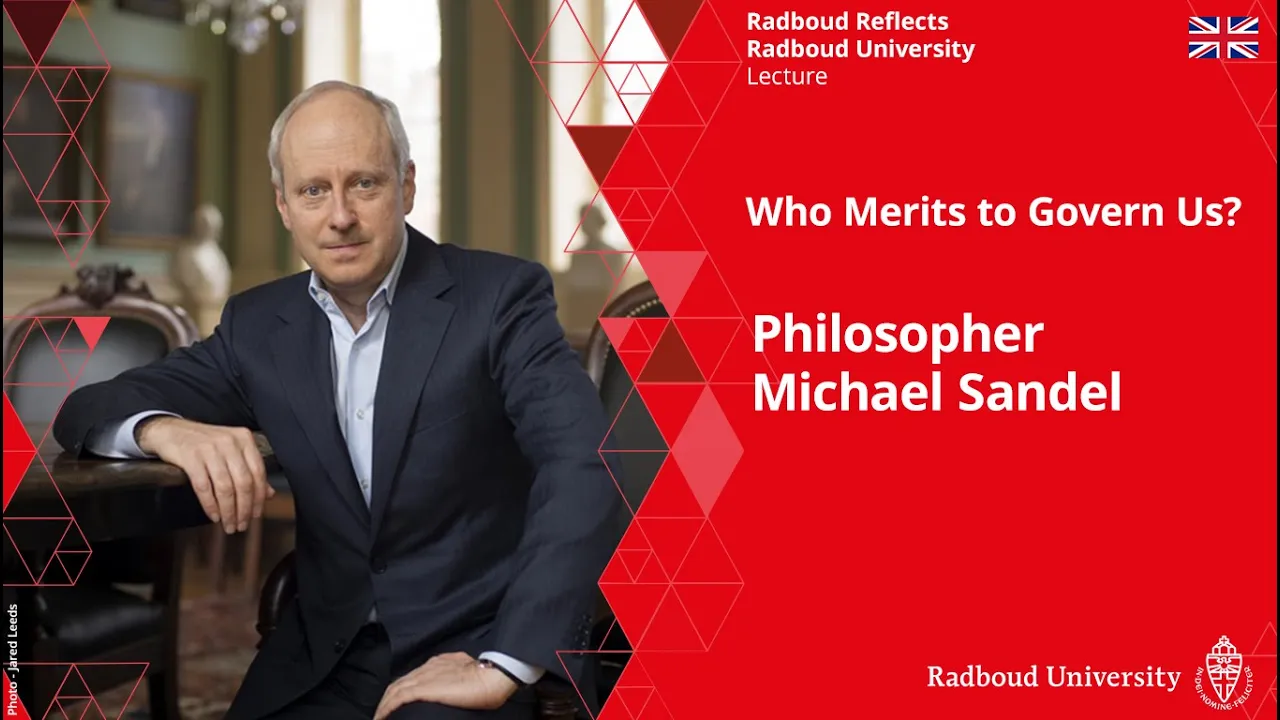
Communitarian critiques of Rawls' liberalism, particularly Michael Sandel's arguments regarding the 'unencumbered self' and the importance of community identity.
The Capability Approach developed by Amartya Sen and Martha Nussbaum, which critiques Rawls' focus on 'primary goods' rather than what people are actually able to do and be.
Rawls' later developments in his book 'Political Liberalism', which addresses how a stable and just society of free and equal citizens can live in harmony despite deep religious and philosophical disagreements.
The practical application of the Difference Principle to modern policy-making debates, such as progressive taxation, universal healthcare, and affirmative action.
132.1K views1.7Klikes8:23Original Release: 2020-07-03
John Rawls theory of Justice John Rawls theory of Justice attempts to explain why clear social inequalities are unjust and what a just society really is as we can see Rawls theory of justice as he developed in his seminal work a theory of justice is both a work of ethics and politics hence we can glean from Rawls theory of Justice some kind of an ethical theory for one in his theory of justice Rawls attempted to address the problem of distributive justice and so in what follows this discussion will briefly sketch the key concept of Rawls theory of justice and so to start with Rawls believes that a just society is one whose characteristics conform to normative rules that everyone would agree this explains why Rawls theory of justice begins by introducing the fundamental principle that every individual is inviolable Rawls writes each person possesses an inviolable 'ti founded on justice that even the welfare of the state cannot override therefore the rights secured by justice are not subject to political bargaining or to the calculus of social interest from this fundamental principle we can draw the following implications first for Rose life should not be sacrificed for the sake of the majority for example suppressing the people's right to speech and expression for the sake of economic growth is morally wrong for Rawls as we can see Rawls theory of justice directly tax consequentialist ethics especially its most notable representative that is utilitarianism second it would appear that for roles an erroneous theory is tolerable in the absence of a good one the Cicero's would have us believe an unjust law is better than no law at all in other words an act of injustice is tolerable if and only if it is necessary to avoid greater act of injustice for example it might be morally right to incapacitate if not to kill a notorious serial killer if it is the only way to stop him from killing more innocent people and third individual liberties should be restricted in order to maintain equality of opportunity for Rawls restrictions through law preserves freedom in democracy for example it is probably morally right to restrict people from owning more than five hectares of agricultural lot so that other people will have the chance to own a lot with this we can now come up with two basic principles of justice that Rawls introduced in his seminal work a theory of justice these two principles of justice are expressions of what Rawls calls justice as fairness the first principle puts emphasis on equal access to the basic human needs rights and liberties Rawls calls this the equal Liberty principle this principle guarantees the right of each person to have the extensive basic Liberty compatible with the liberty of others some examples of this right are the right to the right to vote the right to speech and the right to peaceable assembly now the second principle emphasizes the idea of fair equality of opportunity and the equal distribution of socio-economic inequalities Rawls calls this the difference principle this principle implies that social and economic positions are to be to everyone's advantage and open to all but how can such principles be universally adopted or how can we actually roles theory of justice it is here where Rawls notions of the veil of ignorance and the original position come in Rawls introduces the theoretical veil of ignorance in which all players in the social game would be placed in a hypothetical situation called the original position Rawls suggests that in the original position each individual does not know her sex race natural abilities social status economic conditions and the like in other words in the original position individuals hide their identity behind the veil of ignorance just like in whose roles a poky or phenomenological reduction the individual in the original position sets aside her biases towards and preconceptions about anything according to roles out of this veil of ignorance each individual makes a rational Prudential choice concerning the kind of social institution they would enter into contract with as we can see Rawls appears to be a moral contract Aryan and his theory of justice is in itself a kind of social contract Rawls recommends that individuals in the veil of ignorance ought to adapt a generalized point of view that bears strong resemblance to a moral point of view and according to Ross if everybody in the original position promotes equality then justice as fairness is attained if inequality is upheld then injustice prevails as we can see justice as fairness is achieved through the notions of the original position and the veil of ignorance in the original position individuals agree on specific social rules and institutions and in the veil of ignorance individuals choose the basic structure of society that they thought is just this is possible because Rawls argues that selfish but rational people who are detached from their concrete identity and context will freely choose to create a society that is truly just in fact Ross believes that through the veil of ignorance individuals can identify Universal beliefs about how society should be organized
Up Next

16:47
Rawls' Two Principles of Justice: A Theory of Justice Explained
@GregoryBSadler
28.9K views•2020-03-03

164:01
John of Damascus on Holy Images: A Theological Defense
@BannedBooks
139 views•2026-04-25
14:29
Critical Theory Explained: Frankfurt School Key Concepts
@PHILOnotes
73.6K views•2021-02-11
4:57
The Myth of Sisyphus: A Greek Legend of Eternal Punishment
@TEDEd
8.6M views•2018-11-13
Related Study Plans & Knowledge Roadmaps
Structured learning paths in Philosophy
philosophy
Frankfurt School: Critical Theory & Culture
01Foundations of the Frankfurt School and Critical Theory
02Horkheimer & Adorno: The Critique of Instrumental Reason
03The Culture Industry and Mass Deception
+ 2 more learning modules
12h5 modules
Explore Roadmap
philosophy
Philosophy of Language: From Frege to Austin
01The Linguistic Turn: An Introduction to Language in Philosophy
02Gottlob Frege: Sense and Reference
03Early Wittgenstein: The Picture Theory of Meaning
+ 3 more learning modules
15h6 modules
Explore Roadmap
philosophy
Feminist Epistemology: Standpoint & Injustice
01Introduction to Epistemology and Feminist Critiques
02Sandra Harding and Standpoint Theory
03Donna Haraway and Situated Knowledges
+ 2 more learning modules
12h5 modules
Explore Roadmap
philosophy
Environmental Philosophy: Ethics & Deep Ecology
01Foundations of Environmental Ethics & Anthropocentrism
02Biocentric Individualism and Animal Liberation
03Ecocentric Holism and Deep Ecology
+ 1 more learning modules
10h4 modules
Explore Roadmap