







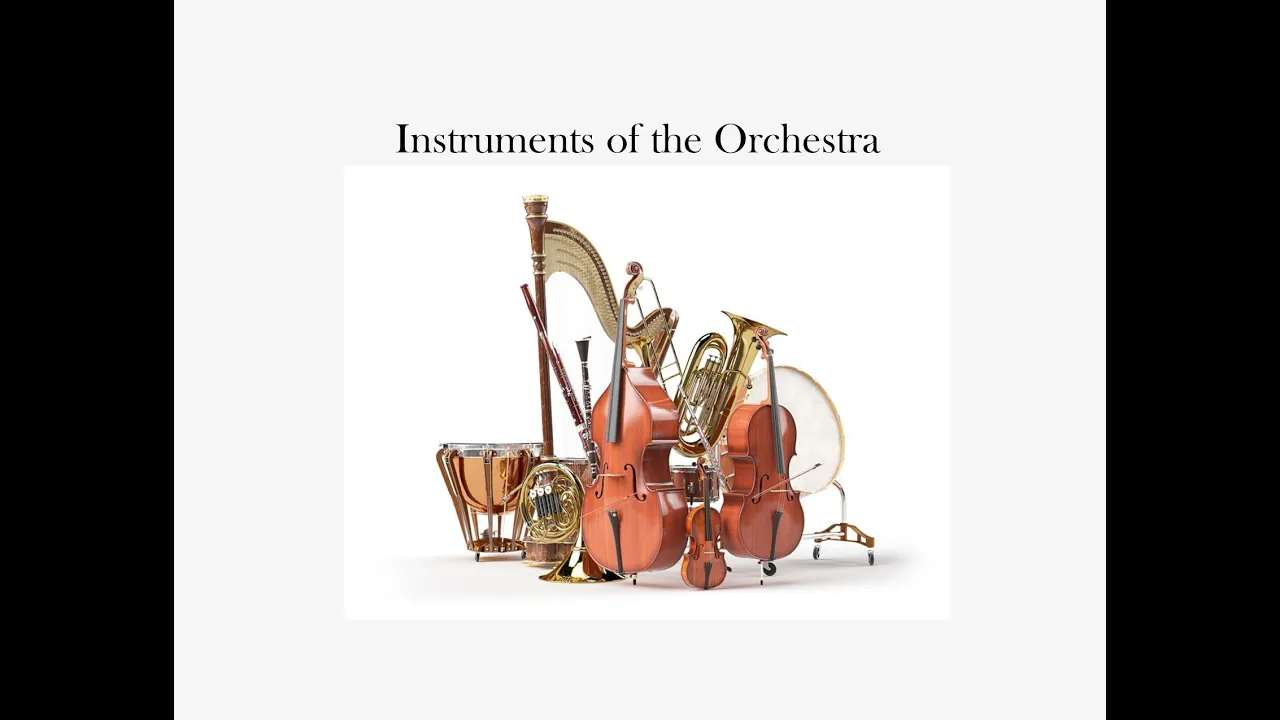

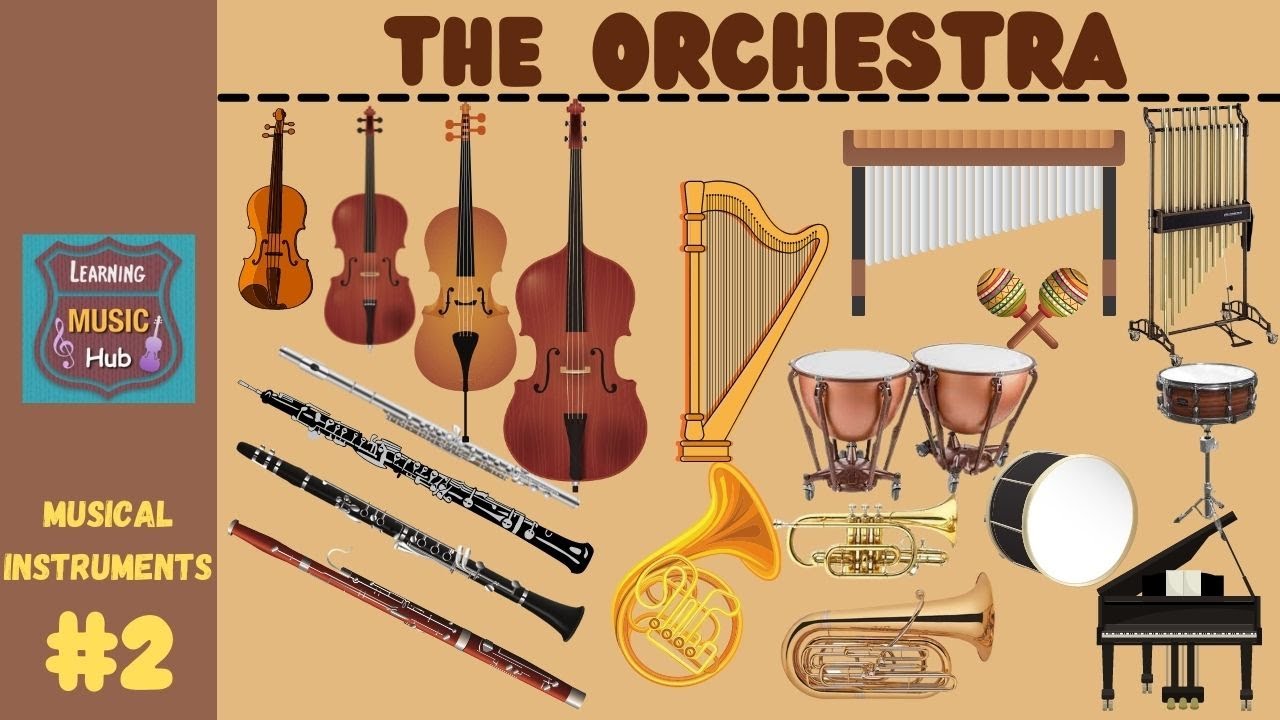






Orchestral composition involves understanding the four main sections (woodwinds, brass, percussion, strings) and their four primary functions (melody, harmony, rhythm, texture), using articulations (long and short notes) for authentic sound, and employing techniques like dovetailing, string octaves, answering phrases, and ostinatos to build emotional depth while carefully managing instrument ranges and doublings to avoid clashing.
Orchestral Composition for Beginners: A Free VST Guide
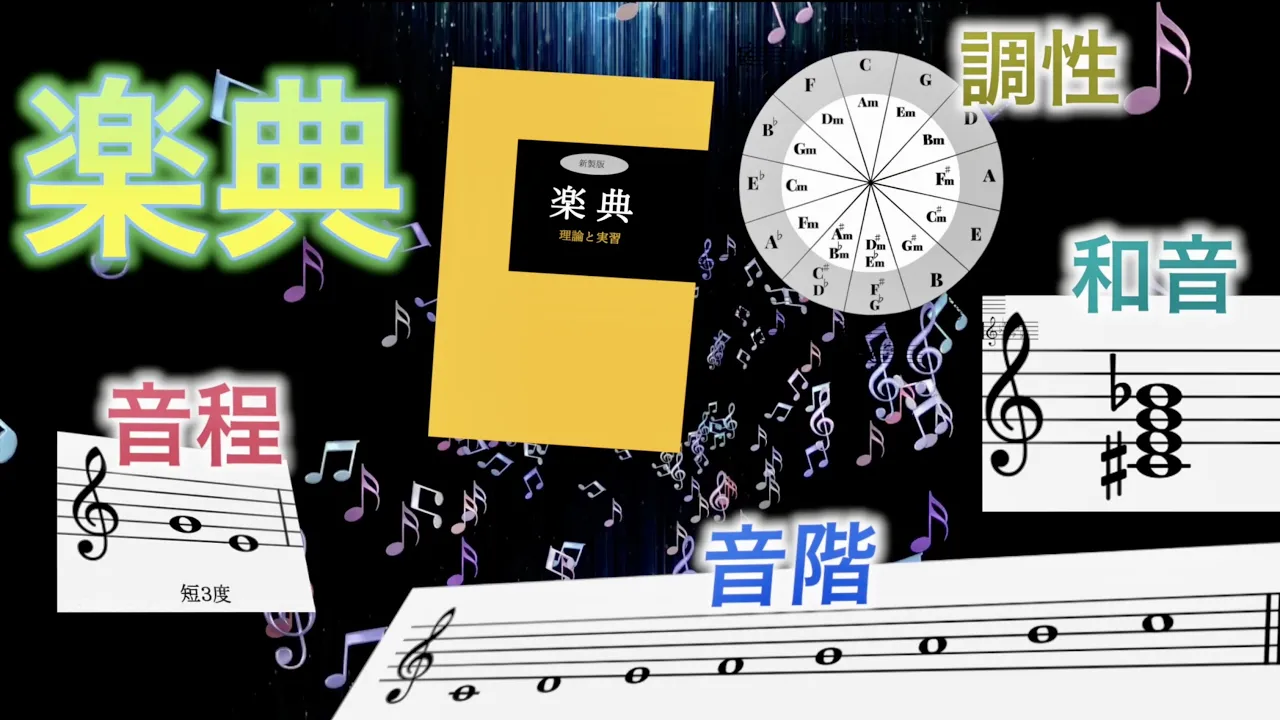
Added:Basic music theory concepts, including scales, keys, basic chord construction, and functional harmony.
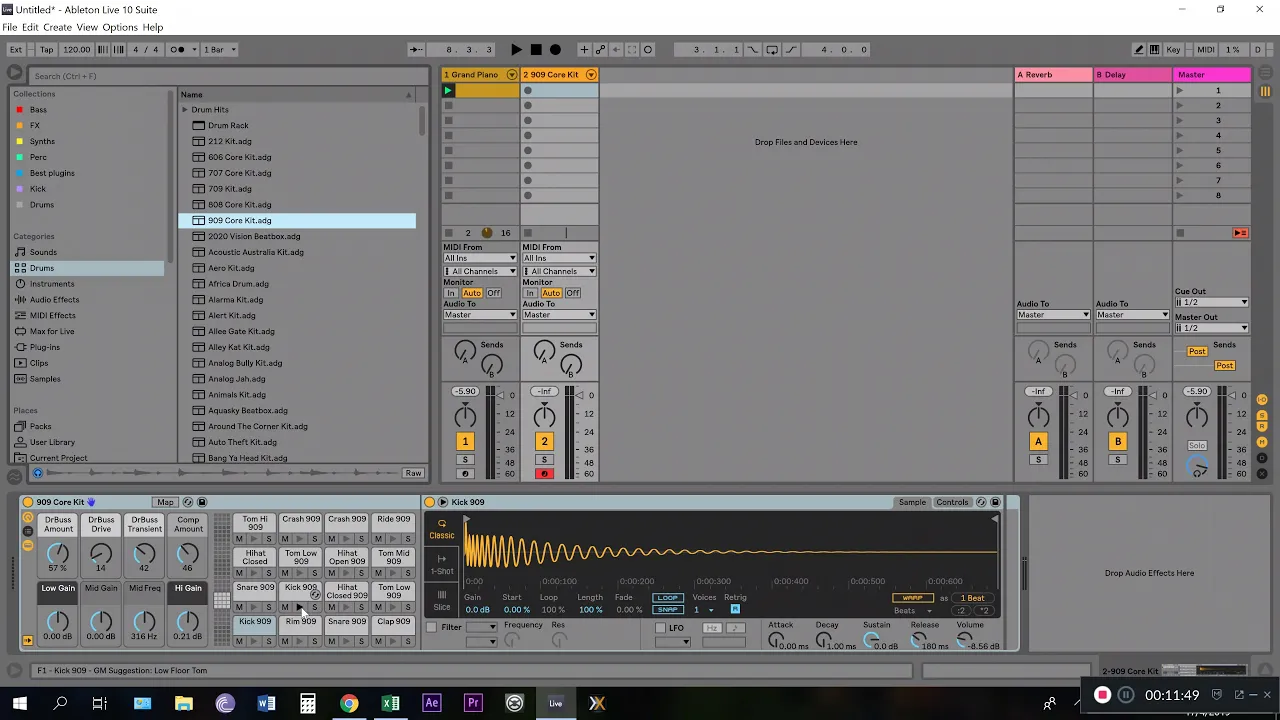
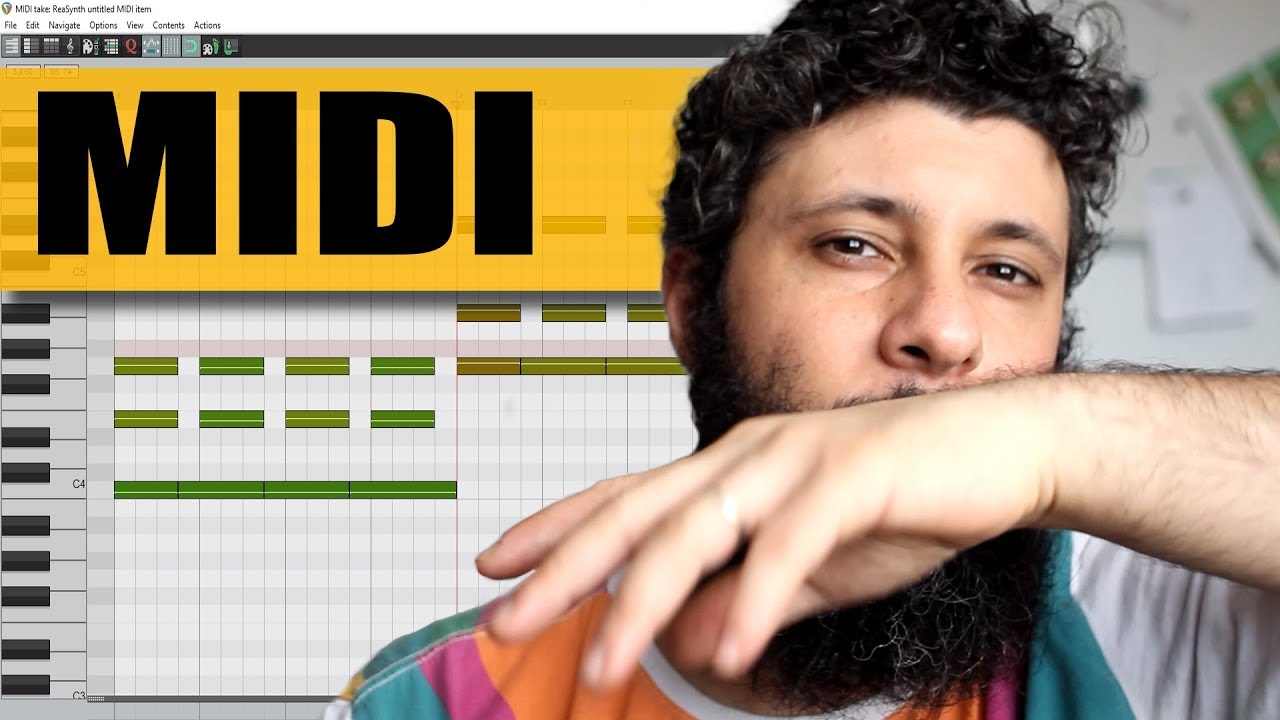
Familiarity with operating a Digital Audio Workstation (DAW) and using MIDI editors (the piano roll).
Elementary knowledge of the four primary orchestral families: strings, woodwinds, brass, and percussion.
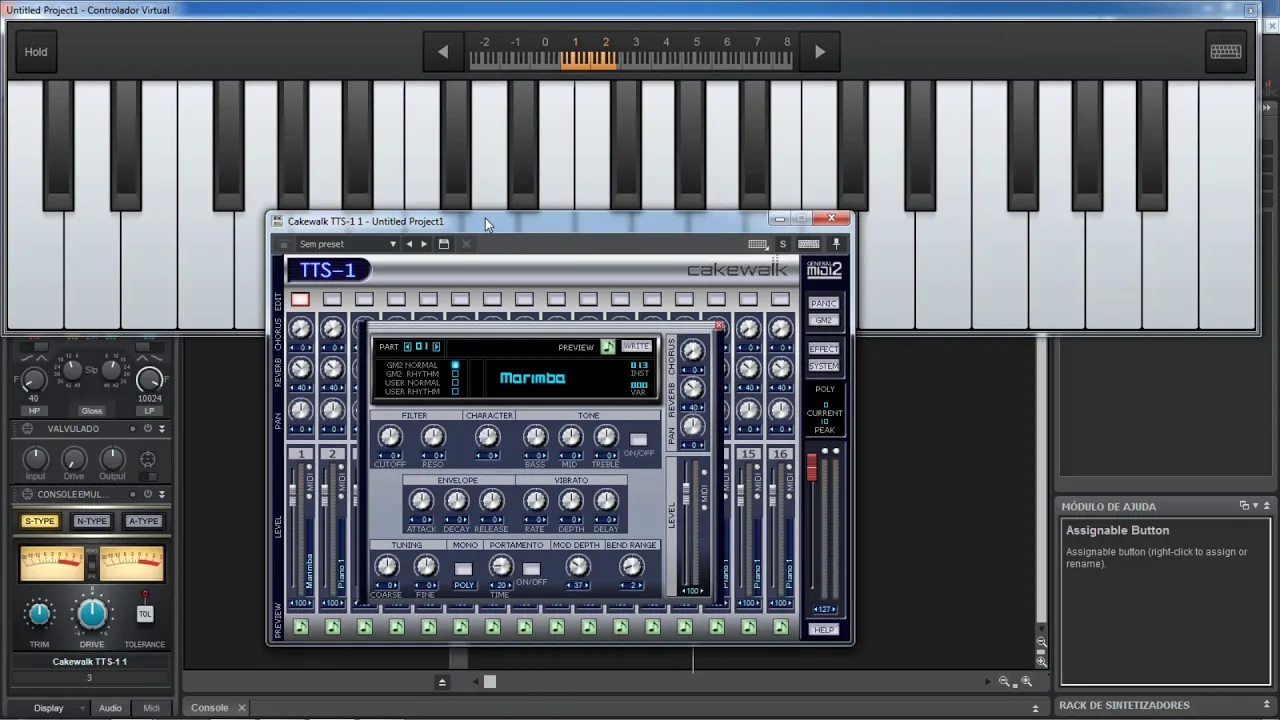
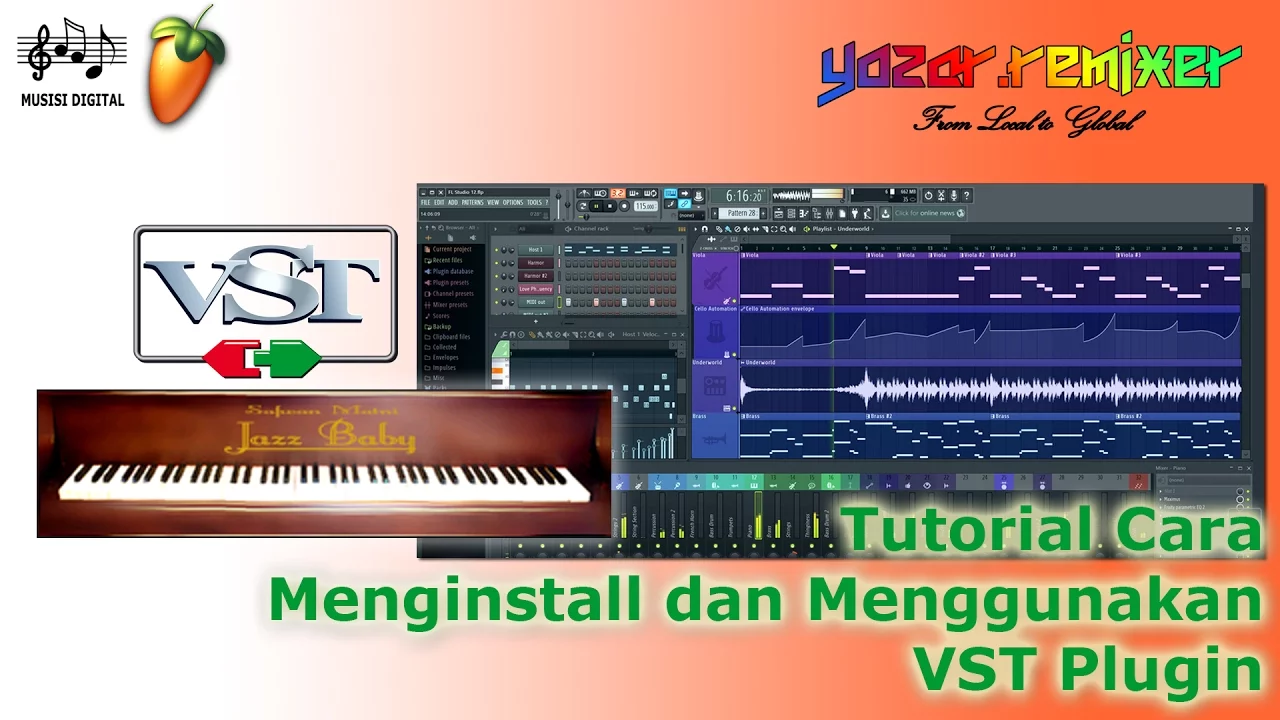
An understanding of what a Virtual Studio Technology (VST) instrument is and how to install and load plug-ins.
Advanced MIDI programming techniques, such as using CC automation (modulation and expression) to create realistic performances.
Study of classical orchestration treatises (e.g., Adler or Rimsky-Korsakov) for deep-dive instrument ranges and blending techniques.
Mixing and spatialization techniques for orchestral music, including the strategic use of panning, EQ, and algorithmic/convolution reverb.
Transitioning to premium, multi-mic orchestral sample libraries that offer advanced articulations and dynamic layers.
364.8K views17.8Klikes32:35Original Release: 2022-07-15
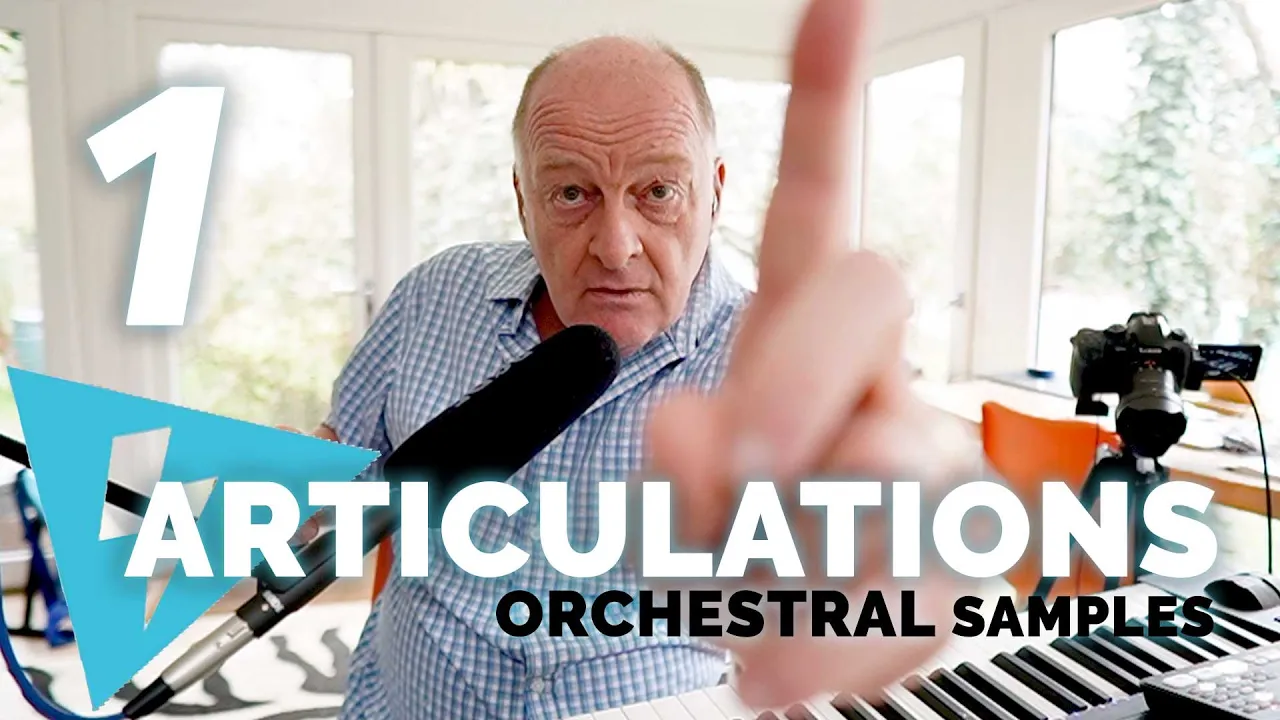
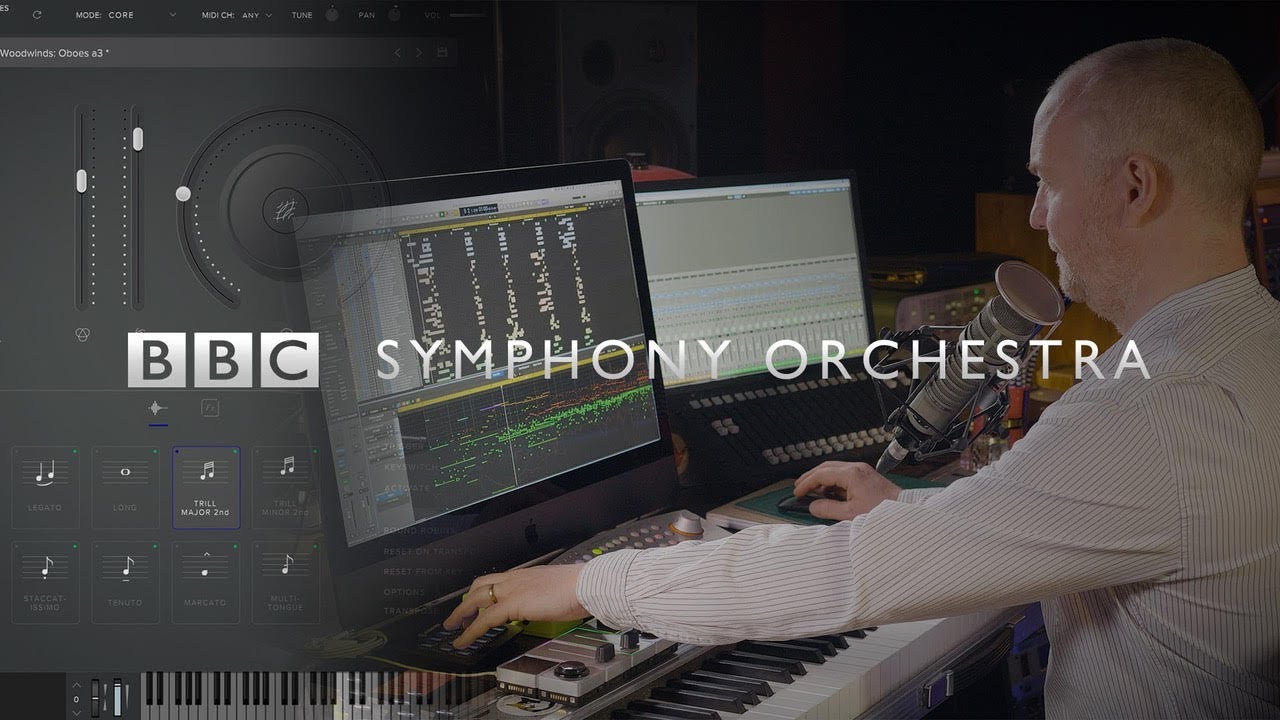
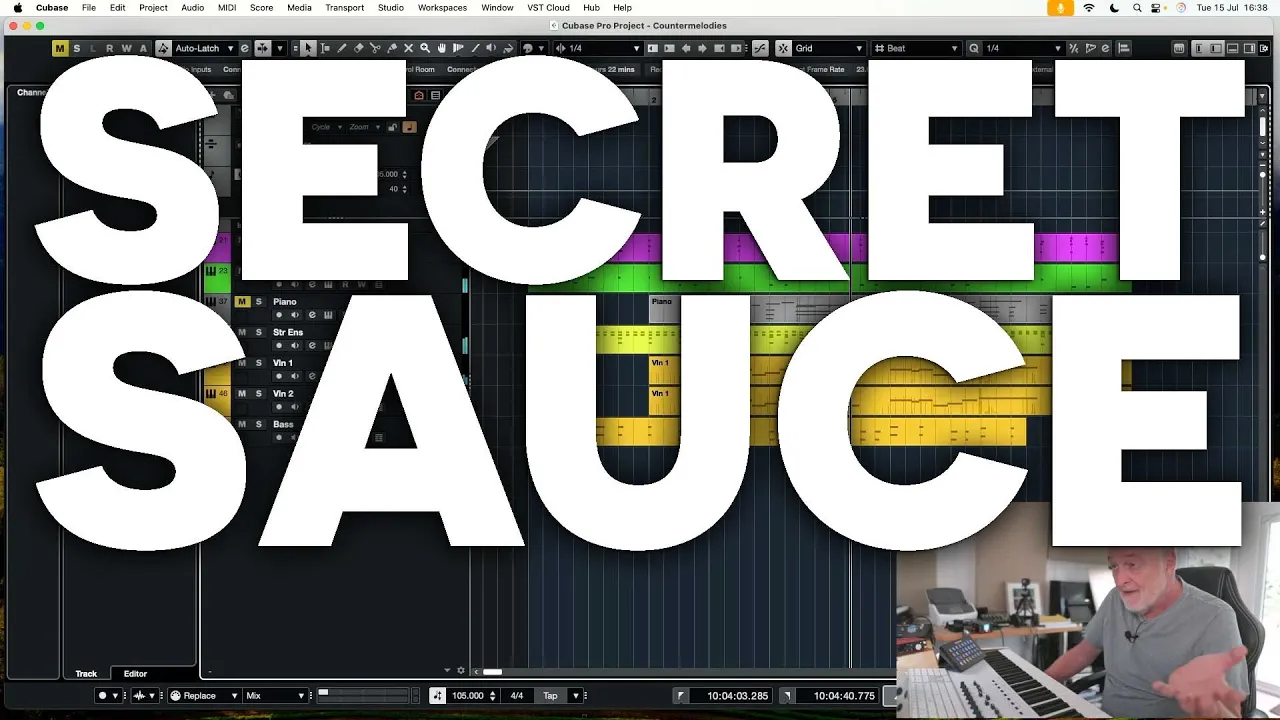
hello everybody i am here to show you how to write a piece of orchestral music starting from scratch i take it that you're probably a musician uh yes because you're on this channel so you may do edm or you might do hip hop or you might be a folk singer yes i'm talking about you melanie from melbourne or you stephen from nottingham or whatever anyway what we're going to be doing today is starting from scratch transferring the knowledge and skills you already have and showing you how actually you can have quite a lot of fun um writing orchestral music as well oh but you don't have an orchestra you haven't got an orchestra lying around in your home [Music] no most people don't but you don't need one of course because there is a whole load of virtual instruments some of which are eye-wateringly expensive and some of which are free the one we're using today is called the bbc symphony orchestra discover edition from spitfire audio now up until this week actually it would either cost you 50 pounds or you would fill in a long questionnaire and wait two weeks um but now it's completely free and you can go to their site right now and download this orchestra and it'll run on almost any computer because it's super super compact and all the rest of it and you get all the instruments of the orchestra look you've got uh what wins you got piccolo flute uh oboe clarinet bassoon uh with brass you have the horns over here and this is the way a classical orchestra is laid out then you have trumpets trombone bass trombone and tuba and you have the string section violin one violin two viola cellos and at the back their bases and at the back as far away from as humanly possible from the conductor is the percussion uh because they're very very loud no uh so look what we're going to be doing is using this a basic orchestral template which is organized along similar lines woodwinds at the top then the brass then the percussion then the strings at the bottom i'm doing this in cubase but you can literally do it in any door you can do it in bit wig you can do an fl studio ableton logic garageband whatever all you have to do uh when you put this thing together is you create two tracks for each instrument you so that's two instant there's one instance there's the other one what i've done here this is um piccolo's long and this one's piccolo short now this is quite an important concept in um orchestral writing particularly when you're using um virtual instruments and that's of articulations there's lots of ways of playing a note you can play a note long or very short and they're not the same sound do you hear the difference between i can't just why did i decide to whistle okay the point is that when somebody plays something short it's not like just playing a long note very short it is a different sound and if you want your orchestral sounds to sound real you're gonna have to start using these different articulations and the easiest way of organizing this is just to have two tracks for each instrument long and short okay so for example there's the uh there's the piccolo so here's the longs and here's the shorts okay as we go on you'll see how all this works right writing orchestral music can be slightly overwhelming to start with because even this basic um little template we've got going here has got you can see there it's got 78 tracks now those of you who come from a band background oh we've got two guitars bass drums and a singer this is like exponentially more complicated no it's not you've only got four sections woodwind brass percussion and strings and there's only four main basic functions which each of those sections is going to be performing it's either going to be playing a melody it's going to be performing some form of harmonic accompaniment it's going to be providing some kind of rhythmic drive to the thing or it's got a kind of texturey thing going on so it's actually not that dissimilar to a band because you've got a lead singer you've got a rhythm guitarist you've got a drummer you know so there is a direct sort of parallel between the two and i think if you just think of it as those four sections and those four functions the whole thing gets a lot easier um now what we're going to be doing is showing you a basic process for how to go about writing this music so the way you've got two basic options either you start with pencil and paper or a score writing program and put notes on a page um or as we're doing in this case b you use a digital audio workstation like logic cubase garageband whatever and you play or use your mouse to put the the notes in that's how we're going to be doing it right there's one other thing i want to draw your attention to before we go any further um that is one of the things i'd advise you to do is to sketch before you actually start filling in all the detail and so for this reason we are also added to this template and some spitfire labs these are also free and there's two string um libraries which come with spitfire labs strings one and two and so you've got an on what's called an ensemble patch so normally um if you had a violin would a violin plays down to g below middle c a viola plays down to a c an octave below middle c a cello plays two octaves below middle c and a bass with five strings plays three octaves down so they're all covering different range so the viola's real key range is this bit here really violins can go right up there a cello doesn't kind of you know although it can go high it's real happy hunting ground is here so a lot of these instruments have a sort of real kind of core part of the range which is what they like now writing string instrument string lines in four different lines at once is the ideal that that's great but it's also quite hard when you first start so what i am recommending is you use a string ensemble patch like this one [Music] because it means that you can play the whole thing in as chords [Music] and then once you've played it in then you can start splitting lines out but it just makes it a lot easier when you first get going to get your idea going right let's start actually doing something more useful than just talking don't you think right there are so many different ways you can approach the actual business of writing uh the music um there's sort of melody and and accompaniment um we're going to be looking at like two or three of them um just to give you an idea and as you go through writing your piece of music you can use variations on this theme is good so melody and accompaniment for example okay so do you remember what i said about thinking this the four sections and there's four functions now each section can perform one function at a time or all of the function you know the string section can play the lead on violins it can have okay i'll show you why why not actually show them guy right here we go so you can have a lead [Music] okay then we can have a little harmonic accompaniment which also is rhythmic [Music] and then we can have a little baseline going on the lease [Music] okay so there's a string section doing all the functions at once um but it doesn't have to be that way okay so if we decide that um we're gonna put that same tune this time we're gonna play it on a float okay so looking at a flute flute range starts uh around middle c some of them go down a little bit lower than that but but so the the this this sort of section you know between um about g above middle c and you know a tenth above that is the sort of happy hunting ground for the flute let's now play the flute line in okay and this time we're going to have some soft horns providing the accompaniment french horn here we go and we can give this a bit of extra oomph by doubling the flute up with an oboe combinations are important we'll come and look at that in a minute now do we want any rhythmic interest in this we could do um we haven't had any strings in the moment and they could provide some rhythmic interest if we wanted actually i'm not going to put that down there because it's slightly fighting with the french horns so you want to try and think about ranges so this these uh woodwind parts are sitting above where the horns are which is sitting just below middle c so they're quite dominant there so we definitely don't want anything else which is going to compete um trying to be in the same range because that might sound a bit now frankly so let's add a cello line underneath that then [Music] that works um if we wanted something more mobile in there [Music] we can put a little harp line up the top [Music] okay um may have to turn that harp up a little bit let's get the heart turned out let's find the half and turn him up where have you gone happy hello mate oh no god what's happening where have you been i've been busy okay so that's melody and melody and simple accompaniment um so you don't have to have um the melody at the top the melody can sit underneath we can put it on the cherry for example [Music] and then we can have um flutes and uh clarinet providing the um the accompaniment now there are a number of techniques people use um to make the orchestration sound better one of the things about the um woodwind section is um it's not very homogenous all these instruments sound very different to each other so piccolos and flutes sound similar-ish but they sound completely different to an oboe which creates its sound using a double reed which sounds different to clarinet which has a single read and the bassoon has a double reed so they're all quite different instruments so if you just had i'll show okay let me demonstrate um so we'll have a chord where we're going to have the flutes up there and then the um clarinets down um down down there so we're going to have clara flutes on the top clarinets underneath and i'll show you why there's a better way of doing it in a second okay now let's add the clarinets underneath [Music] now what most people would do is rather than have two flutes on top two clarinets underneath is you do something called dovetailing where rock you'd have so you might have clarinet clarinet flute flute so the flute and the and the clarinets woven inside each other i'll show you [Applause] now we put the flutes inside that right let's listen just back to that just the woodwind by itself you see how they sound all blended together that's dovetailing um another common technique okay so let me just leave those up no i'll do something else so if we have um let's go back to having french horns um doing the uh okay brass can do the harmony this time so we're going to have here's another common technique what you do is you put the fret the french horns are in what's called close position so that they're they're playing close trials but the trombones are going to play much more broadly spaced so broadly as you go up the keyboard um harmonies tend to come closer together and the big gaps tend to be at the bottom and that sounds good and so what we're going to do is we'll play in these closely uh close harmonied and now we'll add to that some trombones [Music] which are going to be much more broadly spaced yeah like that here we go [Music] okay that sounds alright now we're going to add uh the strings are going to do the melody melody lie so let's now a very common technique is to put the strings in octaves so we'll put violin two up an octave playing exactly the same line so instead of playing this we're going to have a violins in octaves playing this and what you can do actually is you can start and this is another common approach to orchestral writing is you develop a build basically so you start with something simple and then it gets bigger and bigger so that you're getting this emotional wave which builds as the tune does another common technique in orchestral writing is and all writing actually is to have can you hear those dogs bane in my life anyway um where were we right so we got the flute line going there now we we're going to put in an answering voice in other words so this goes [Music] space [Music] do you see what i mean so we want a little thing to fill in the gap but reflect the main tune okay we don't want it to continue after the tune comes back in again okay that's all right now maybe second time round when the tune needs a little bit more support common doublings flute flute and strings flute and oboe they go quite well together as we'll now find out okay now we can introduce a little contrapuntal thing here counterpoints a really interesting idea where you run the same well there's a lot more different way it means it's it's more than one line what a terrible explanation um [Music] it's been a long day okay guys to explain counterpoint in any serious way at all okay let me try ah am i gonna add a contrapuntal line on a little answering phrase on the chili maybe that's the easiest way of doing it yeah i can [Music] okay so that little line there okay here we what we're going to do here we go so we're going to add a little contrapuntal line which is going to go on the cello but i'm going to start it later so it's a little canon [Music] oh the answer is windows 10 does not like counterpoint blue screen of death i'll be back in a minute no i won't because i've lost everything when was the last time i saved it who said writing orchestral music was easy what idiot decided that that was a good idea oh we didn't lose that much um ten minutes later here we are back where we were um right i'm thinking twice about this uh putting this in three octaves i don't think we need to do that and actually what we could do uh what you would do with a real section violin one there's more violin ones than anybody else so what you can do is you can call divisi them so you if you've got 14 players in your section you divisive them so seven play the the top line and seven play the bottom line and it sounds great that means we've now got violence too to do something else with [Music] right now we're going to add our little answering phrase which we were doing we're about to do weren't we [Music] take fate in my hands [Music] so then it morphed from being a cannon to um playing to becoming a harmonic part of it because i then started playing a bass line which went with the rest of it so we've got this coming in there now what we might do this is the kind of like if we want this line to have a bit more prominence um then we might well double it with another instrument and right now we've got a whole load of violet a whole load of um clarinets and uh bassoons and all kinds of stuff up there and they're just sitting around reading the paper you know looking playing on their phones doing all that [Music] so what we could do is copy this over add it to bassoons and cello sound great let me just show you this doubling and then we can try um bassoons and clarinet quite like that i think that's all right let's now move it on to see how much of that can be played on the clarinet because the clarinet range may not be long enough i preferred it where it was actually and so we're going to definitely put it on the bassoon so here let's listen to in context but what we have lost in here is all the sense of motion so we've lost the rhythm element so we've got um the melody which is coming out of the violins with a counter melody coming from the cello and the bassoons the harmonic content is coming from the french horns and the trombones so what is going to happen well there's another way we could approach this one is we could add the we could add some motion in another part of this like strings or something but what i was going to try see if the but see if the brass [Music] no don't like that um but equally i'm not absolutely sold on these big wadgy brass chords either so maybe we will go for we could go back to okay we might do we can add a little bit of piano and see if this what this does [Music] okay that sounded all right [Music] so what we've also got going on here is an ostinato um so you've got if you listen look at this piano the piano part in particular which is doing the that kind of thing i could do another video just about austin arty actually it's um it provides both rhythm and harmony look it's um it's actually a little bit like a thing called an alberti base but that but so there's a chord of e flat so we've got rhythment we've got rhythm we've got harmony that's when it goes up to the a a flat look e flat a flat and c um so we've got a first invert a second inversion of a flat the reason i'm doing that is because i don't want it to feel really sort of permanent stable i want it to feel as though it's about to transition into something else and by using inversions it slightly undermines the sense of finality that's what i think okay let's do this thing ready [Music] um we haven't brought our bases in yet and obviously that e flat is where we're going to bring them in because as i said before if you want the sense of building in terms of range you want to broaden it out so it goes from narrow to as it gets bigger it's also getting deeper and higher so it's not just getting louder we're just although it is getting slightly louder we're bringing in instruments which add substance and weight top and bottom so we're now going to bring in the [Music] the bases on the bottom there [Music] it's very common to write cello and bass in octaves um and it sounds great sounds absolutely lovely um but you don't want to do it all the time it's just too predictable and if you've got a decent sized string section the basses are more than capable of standing on their own two feet um you might want to support them with some low woodwind for example that's another good doubling um you know so we could put in our if we had a contrabass um bassoon but we're already using the bassoon to reinforce that that cello line so we're not going to be able to do that but you can hear actually what happens towards the end of this little sequence here this little section the cello and bass do go into octaves and just listen to that bit there because at the moment they they start um with the cello doing it slightly then the cello is going to do the contra line [Music] now they're in octaves now see that sounds really it sounds satisfying it's a very very common technique i know it works now we've got to now we're going somewhere else what we're we're nearly done i think because i mean the three things i wanted to try and show um in this particular little example three really fundamental approaches to writing orchestral music is the melody and uh accompaniment um is using these little answering phrases um and it's a sort of contrapuntal idea to sort of fill in the gaps reflect the melody in other parts handing the melody from from one section to another this idea which we started out with of this you know okay the four basic blocks texture melody rhythm um harmony which i always seem to say in a different order just to confuse you and the four sections of the orchestra woodwind brass percussion and strings so you're starting to see although this might seem [Music] complicated actually if you break it down to those block structures like we started with it's not um and you've got a clear idea of what needs to happen in each place and what's missing when you feel something's not quite there and how you've got to handle these transitions very carefully from one section to another um now we've just been playing this in without sketching at all which is what i tell you not to do but when you're first starting you will find it easier if you sketch and you will find it easier if you work out your harmonic regime and stick to it so there's all these things are building together so i think we're sort of i think i've got as far as i want to go on this uh today um and i've actually picked up a whole load of little threads which i probably need to pick up in future things not just about orchestral writing but writing in general and um so you when you approach your piece of orchestral image which you're going to do aren't you you're going to download the discover library you're going to stick this kind of template together you're going to download the long version of this video and uh the template for cubase and logic and um a little kind of cheat sheet which gives you some of the stuff i've been talking about but written down um then you're gonna have a go and you're gonna see what you can do i would advise you with this in mind and particularly thinking of sections of the orchestra and the four functions melody harmony rhythm texture listen to lots of live orchestral music and see how many of these things you can hear here where themes are handed from one section or one instrument to another here we're in it where what role is each section playing and how has the composer managed to keep and build and develop this idea as his uh or her um piece evolves so listen to lots of live orchestral music uh if you're able to look at some orchestral scores because even if you're not a really fluent sight reader it's incredibly useful just just look at the score and you see who's doing what where even if you don't aren't absolutely sure what the what the notes are it doesn't matter because scores organize exactly in this order so if you're used to looking once you get used to seeing woodwind brass percussion strings you look at a score it's the same yeah um start with something simple and short like eight ten bars you know and just something you can finish so that you or try differently take one basic theme and see how many different ways you can find of arranging it that's really really useful and sometimes when you start moving on from that start using uh sort of templates little structural templates okay i'm going to do four bar intro eight bar theme one eight bar theme two um a team aim one variation then theme b then back to big finish on theme if you map it out like that it's much easier to work out then you can say block out who's doing what okay i'm going to start with woodwind and strings doing texture then i'm going to bring in my theme on the french et cetera you see how this works good my work is done okay now um that's about all i've got for you today um i'll be back again very soon with more of this kind of stuff and we'll try writing some music in a completely different style we'll do something synthetic i don't know you let me know what you want and i'll do it within reason look hope you've enjoyed this um download the stuff underneath this and uh catch you very soon bye
Up Next
24:58
Orchestrating Mozart's Lacrimosa in Cubase: A Step-by-Step Tutorial
@DomSigalas
223.9K views•2021-02-19

12:54
Triumph of Orthodoxy Icon: Byzantine Art & History Explained
@BenCallan
2.1K views•2024-08-06
13:56
Writing Countermelodies: Techniques for Film, Pop, and Orchestral Music
@ThinkSpaceEducation
24.4K views•2025-07-25

1:42
Game of Thrones Opening Credits: A Cinematic Analysis
@gameofthrones
46.3M views•2011-04-18
Related Study Plans & Knowledge Roadmaps
Structured learning paths in General & Interdisciplinary Studies
general-studies
Elevator Engineering: History, Physics & Cities
01From Hoists to Safety Brakes: The Dawn of Vertical Lift
02Hydraulic vs. Traction: The Engineering Physics of Elevators
03Modern Speed, Safety, and Algorithms
+ 2 more learning modules
12h5 modules
Explore Roadmap
general-studies
Rubber: Material Science, History & Geopolitics
01Origins of Natural Rubber & Mesoamerican History
02The Chemistry of Natural Rubber & Vulcanization
03The Geopolitics of the Rubber Boom & Colonization
+ 2 more learning modules
12h5 modules
Explore Roadmap
general-studies
Containerization: Evolution, Logistics & Trade
01Ancient Trade & Bulk Cargo: Amphorae to Barrels
02The Industrial Revolution & Cardboard Packaging
03The Containerization Revolution: Malcom McLean
+ 2 more learning modules
12h5 modules
Explore Roadmap
general-studies
Textile Tech: Evolution, Labor & Global Impact
01Pre-Industrial Textiles: Handloom & Cottage Industry
02Mechanization: The Spinning Jenny to the Power Loom
03The Factory System & Global Labor Transformation
+ 2 more learning modules
10h5 modules
Explore Roadmap