




















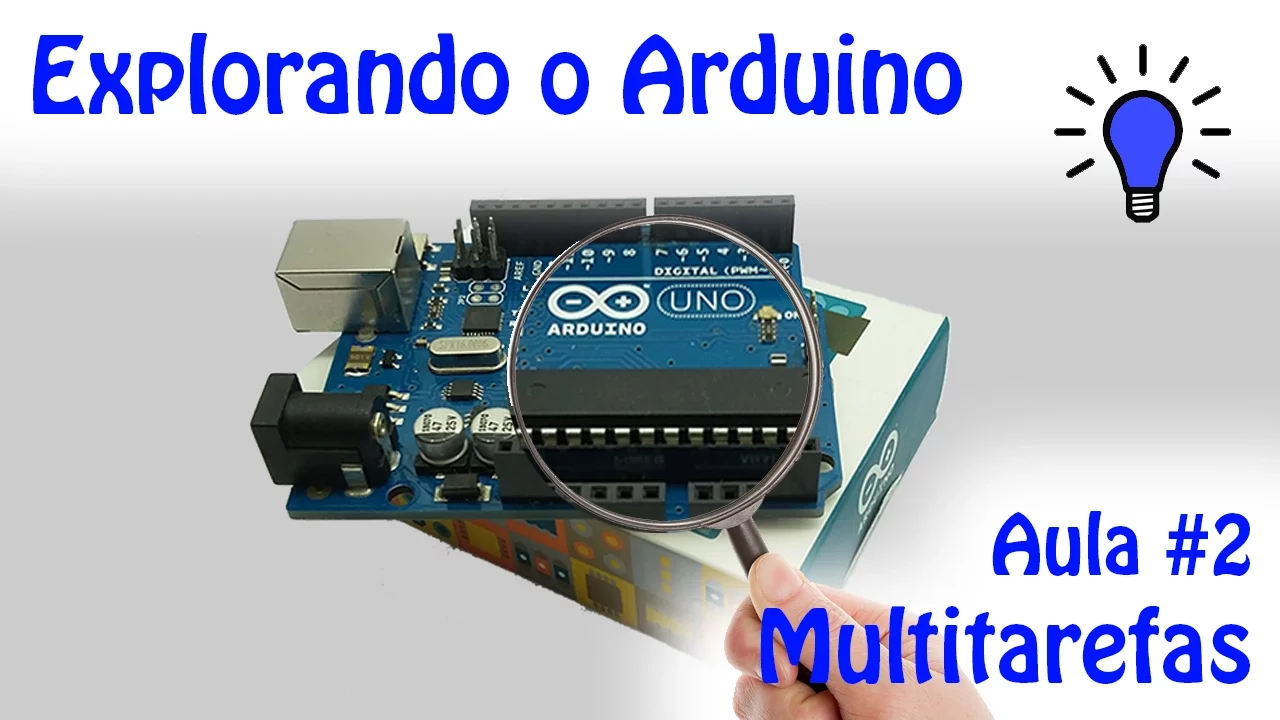


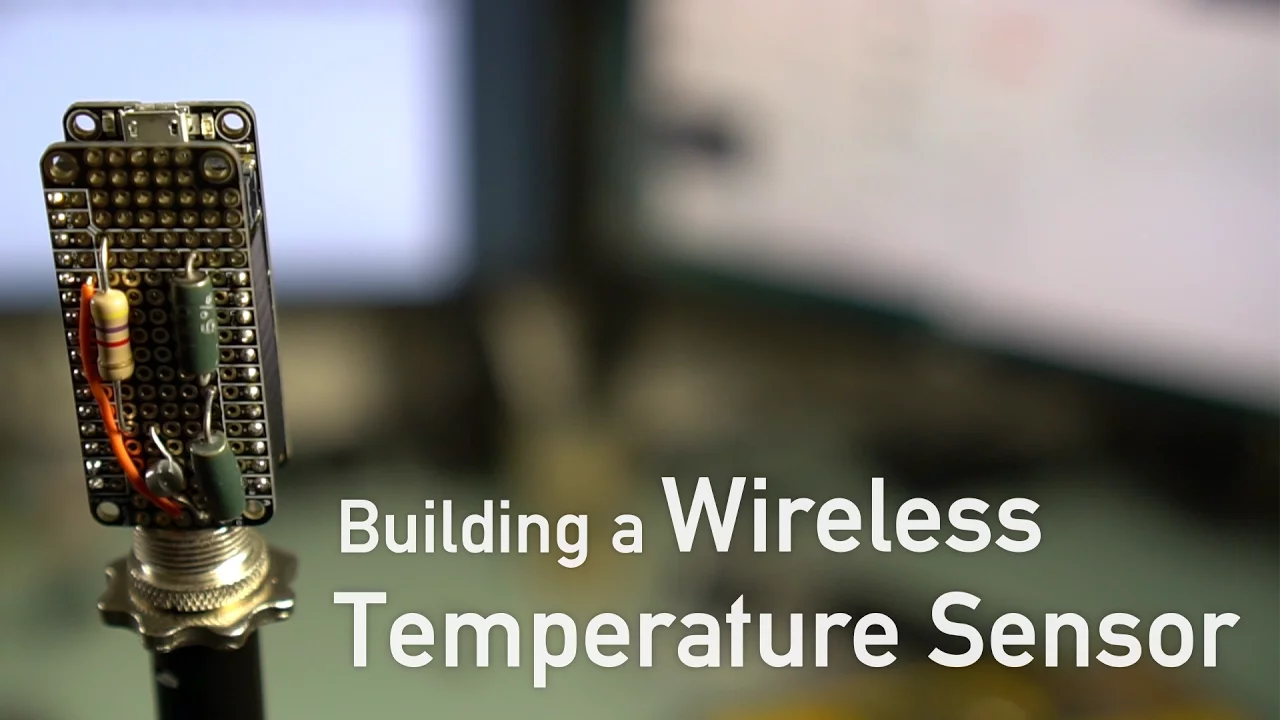
Arduino is an open-source hardware and software platform consisting of microcontrollers—small embedded processors (typically ARM-based)—designed for interacting with the real world by taking input from sensors and outputting data to control devices like lights, motors, or switches; it features both analog and digital input/output pins, with digital pins supporting PWM (Pulse Width Modulation) for simulating analog control, and offers various board types with different capabilities including native USB support and specialized features for robotics and prototyping.
Getting Started with Arduino: A Beginner's Guide to Microcontrollers
Added:Basic concepts of electricity, including voltage, current, resistance, and Ohm's Law.
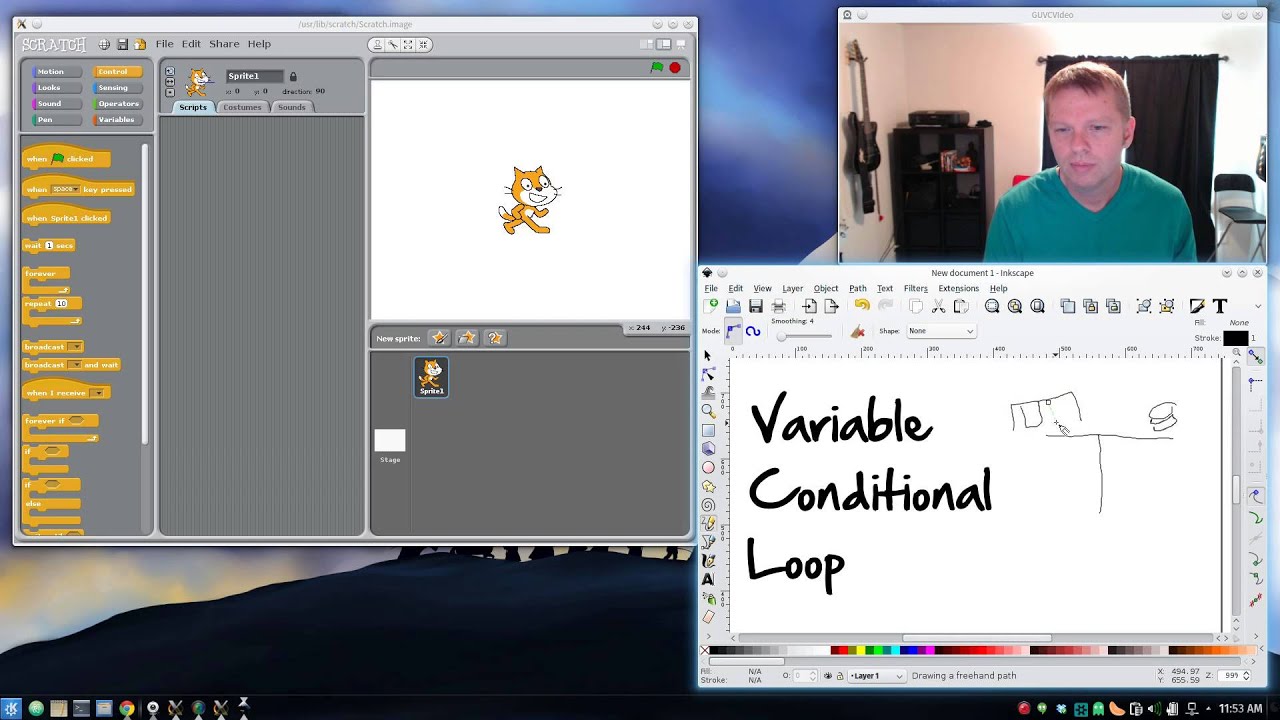
Fundamental programming concepts, such as variables, conditional statements, and loops.
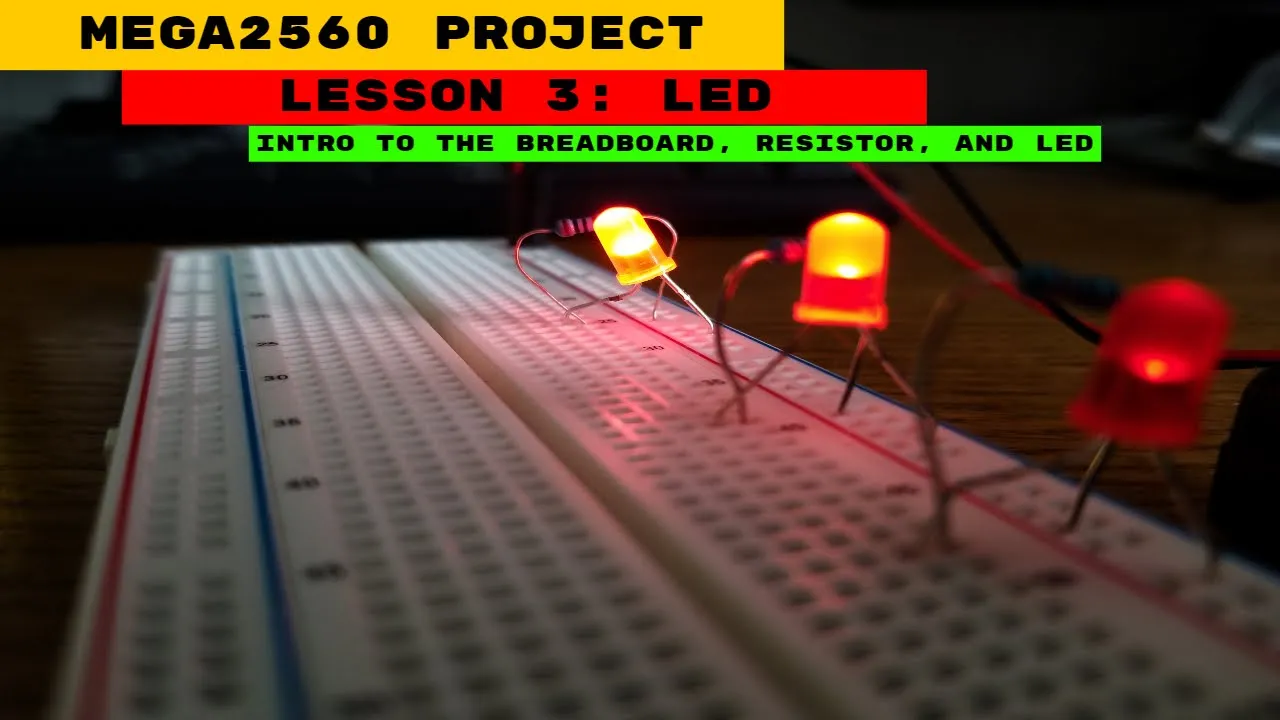
Familiarity with basic electronic hardware components, specifically breadboards, resistors, and LEDs.
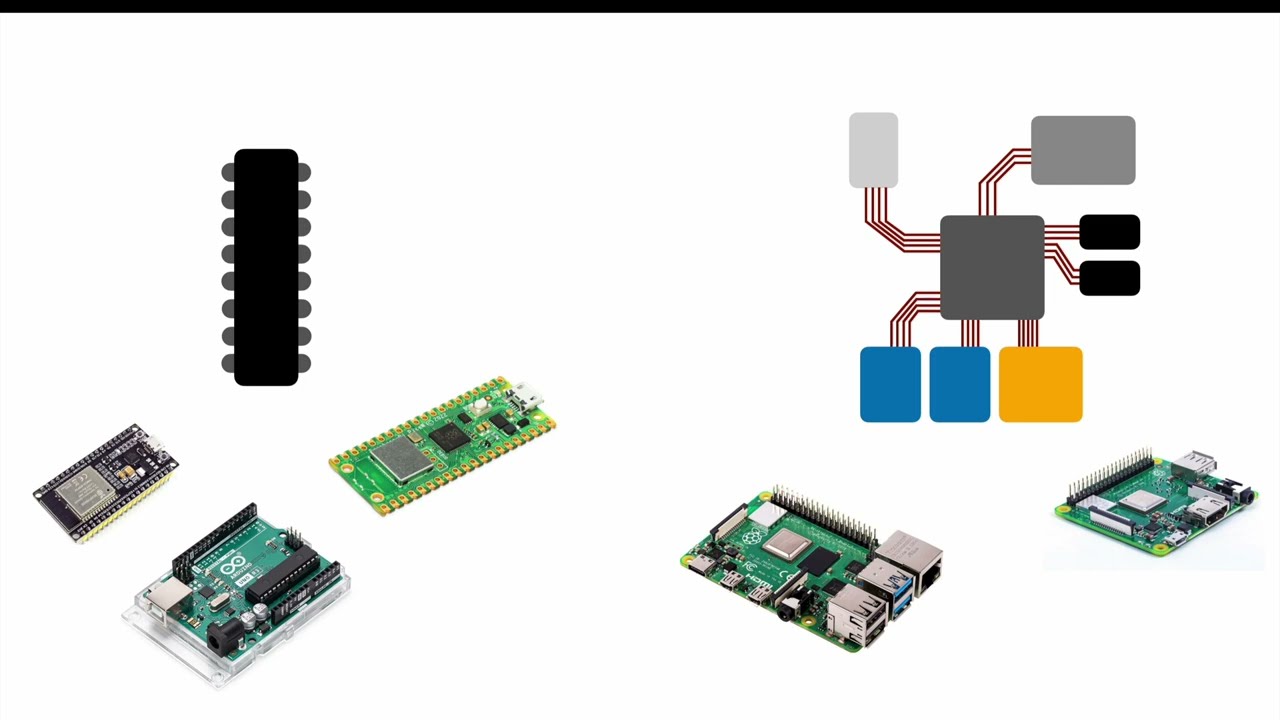
An understanding of the difference between a microcontroller and a standard desktop computer.
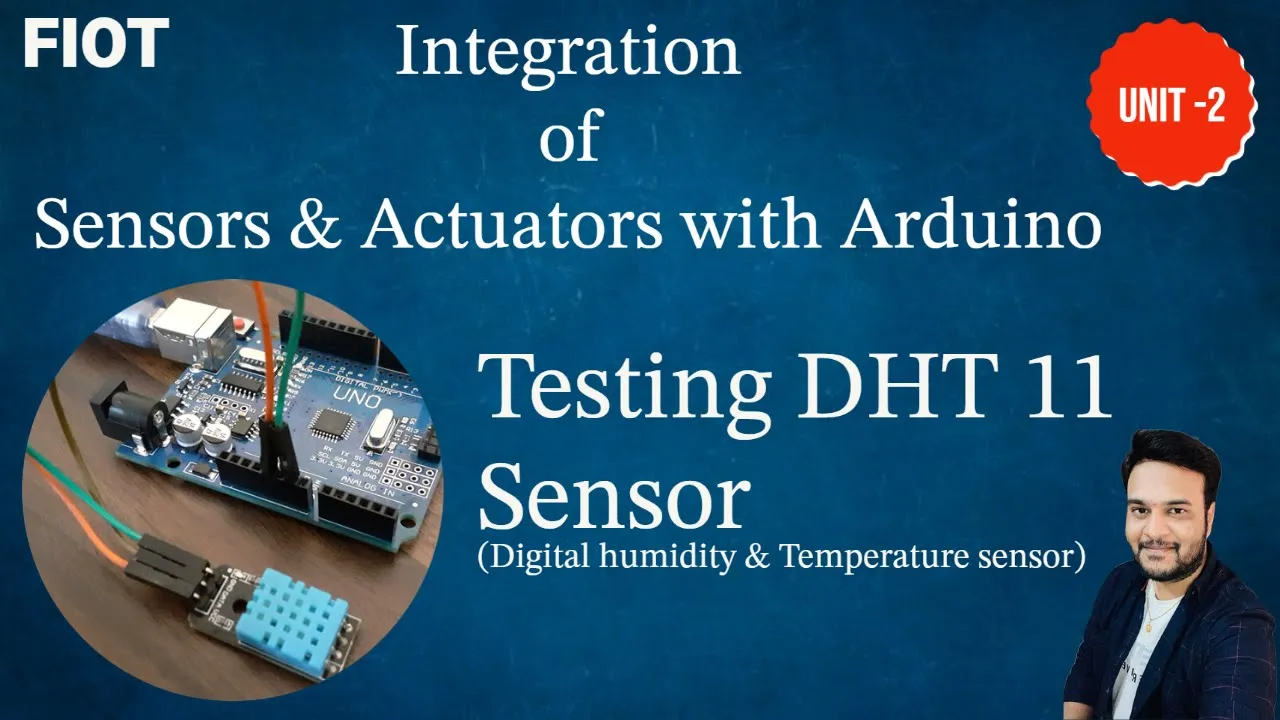
Interfacing with advanced sensors (e.g., ultrasonic, DHT11 temperature/humidity) and actuators (e.g., servo motors, relays).
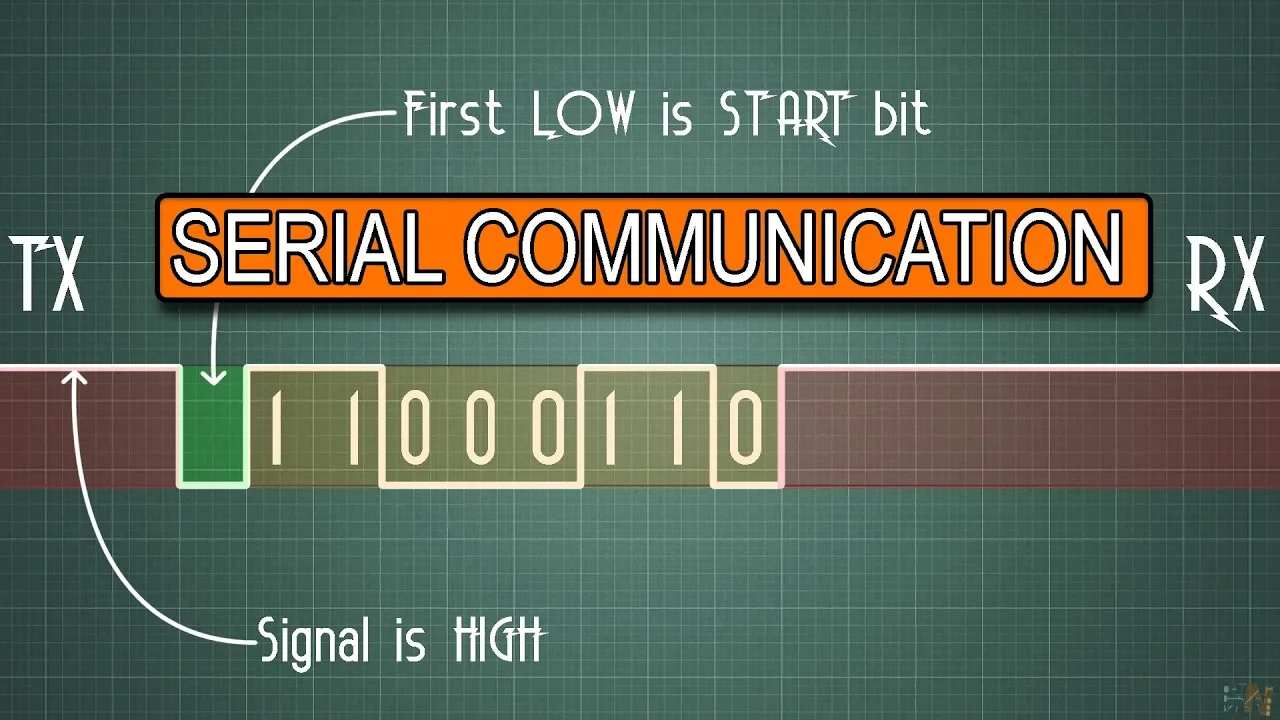
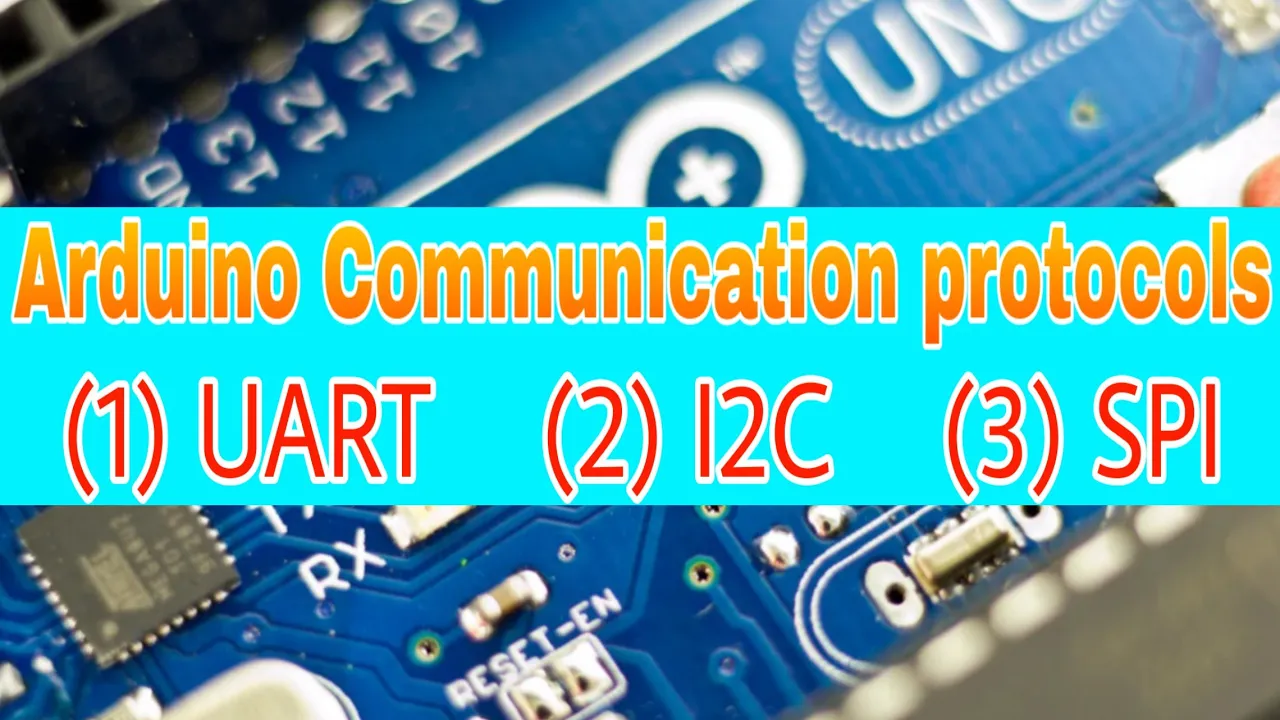
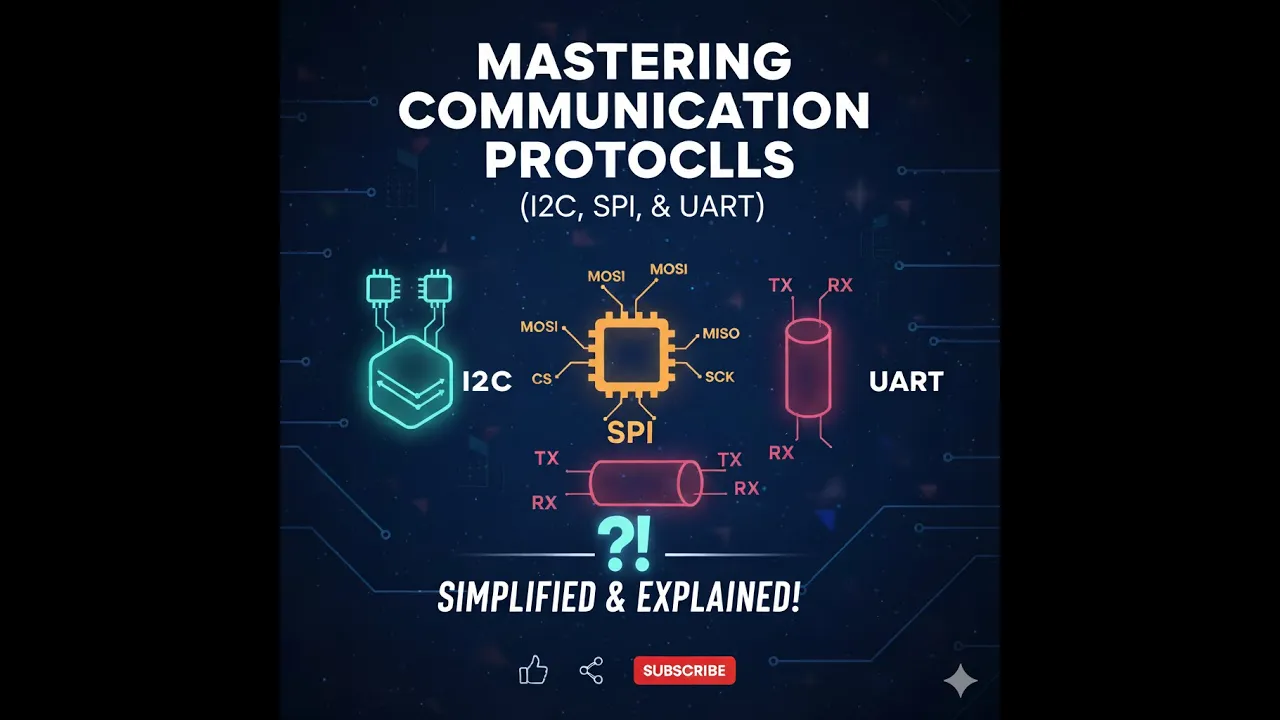
Understanding and implementing serial communication protocols such as I2C, SPI, and UART to communicate with external modules.
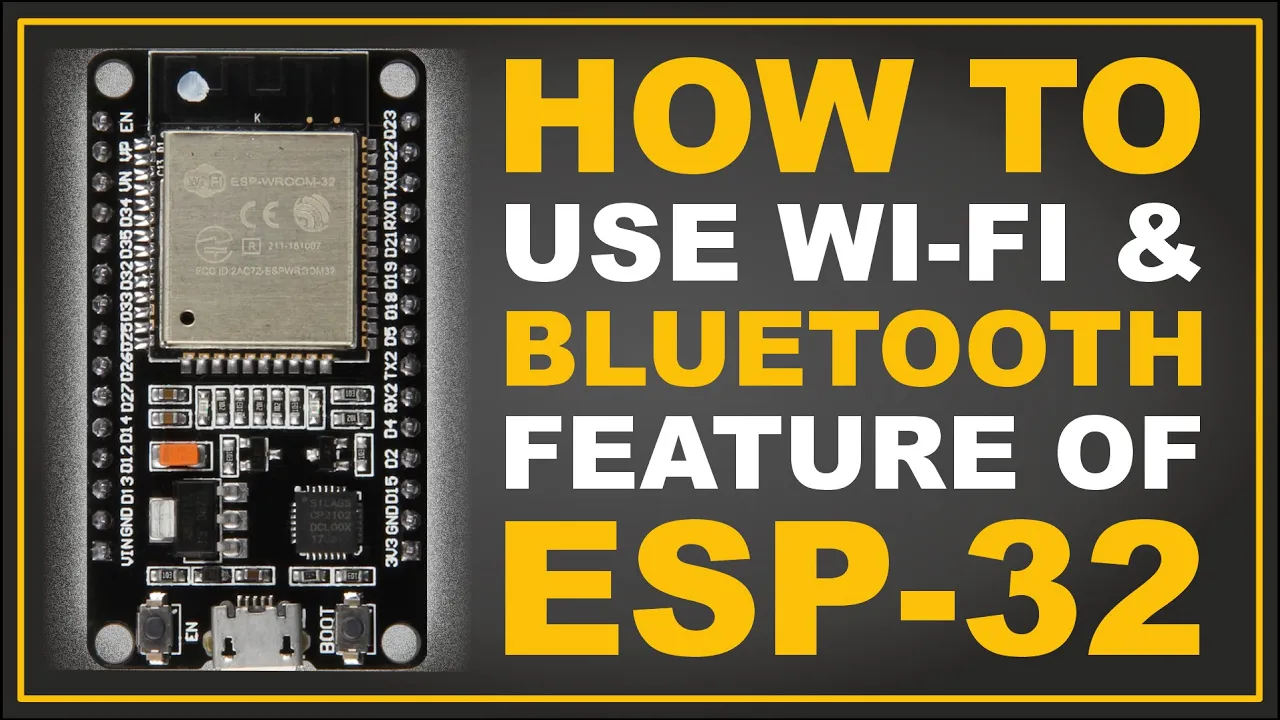
Exploring Internet of Things (IoT) integration using Wi-Fi and Bluetooth-enabled microcontrollers like the ESP32 or ESP8266.
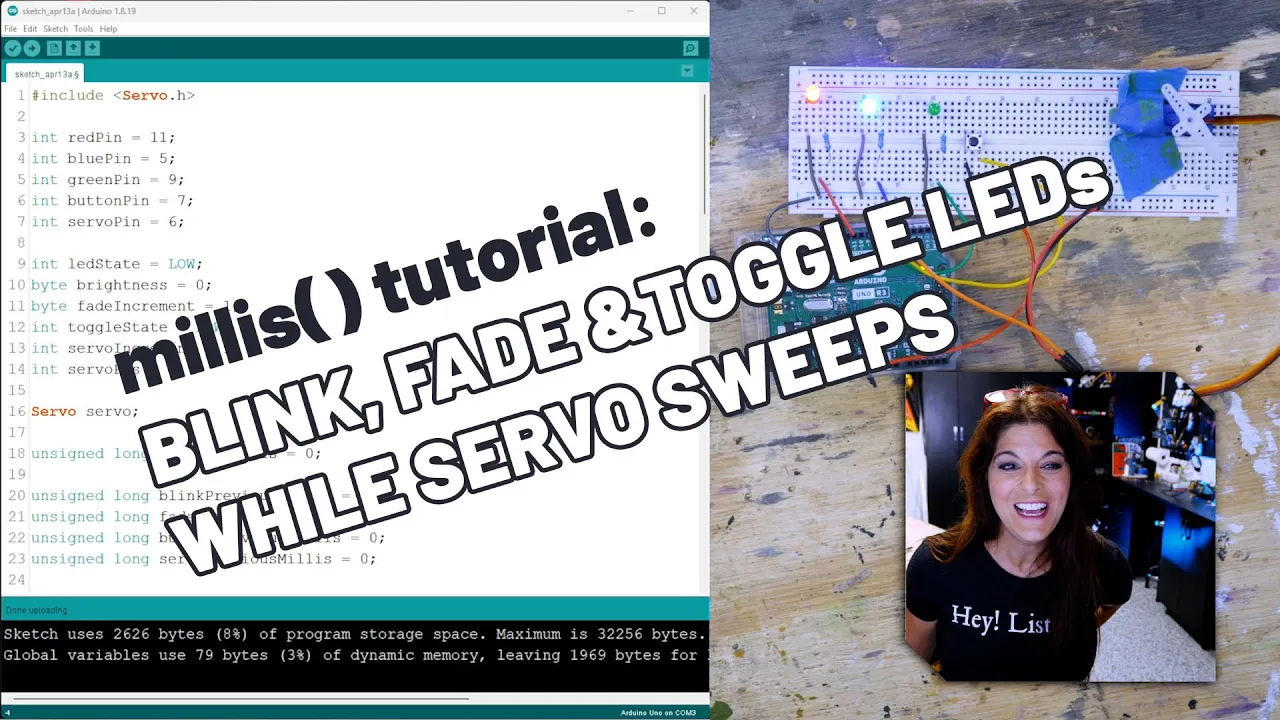
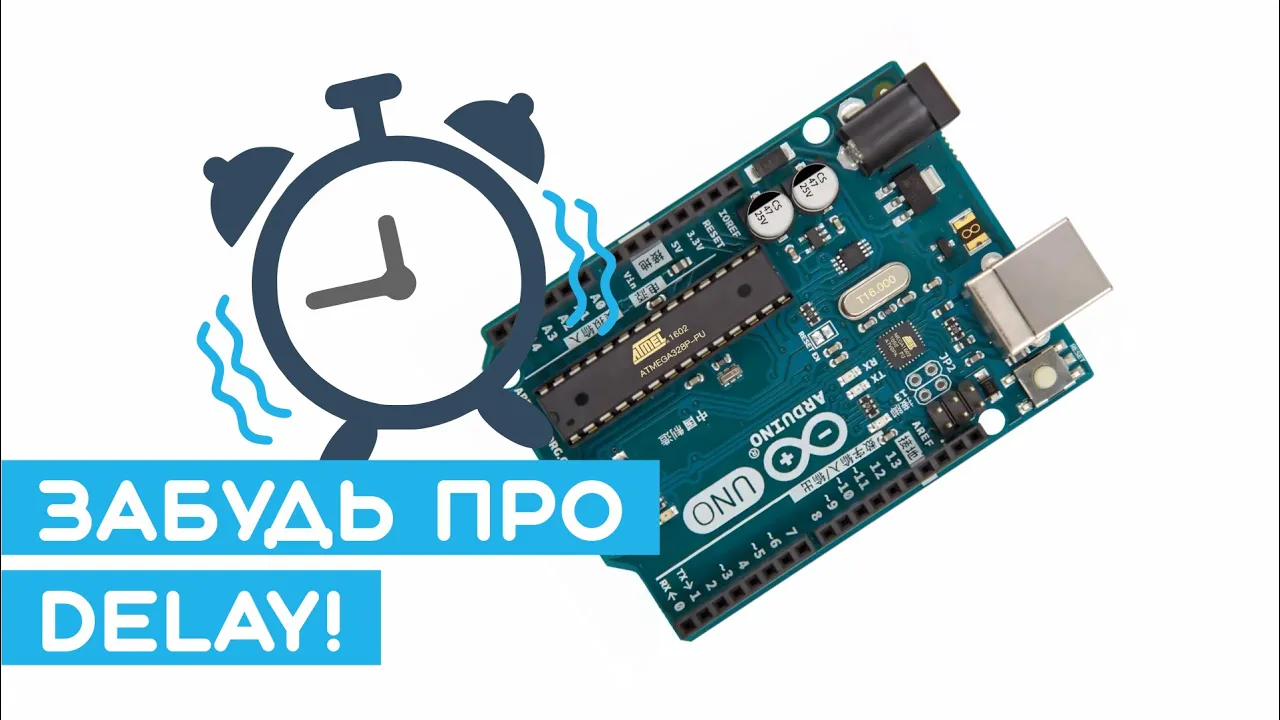
Writing efficient, non-blocking Arduino code using hardware interrupts instead of basic delay functions.
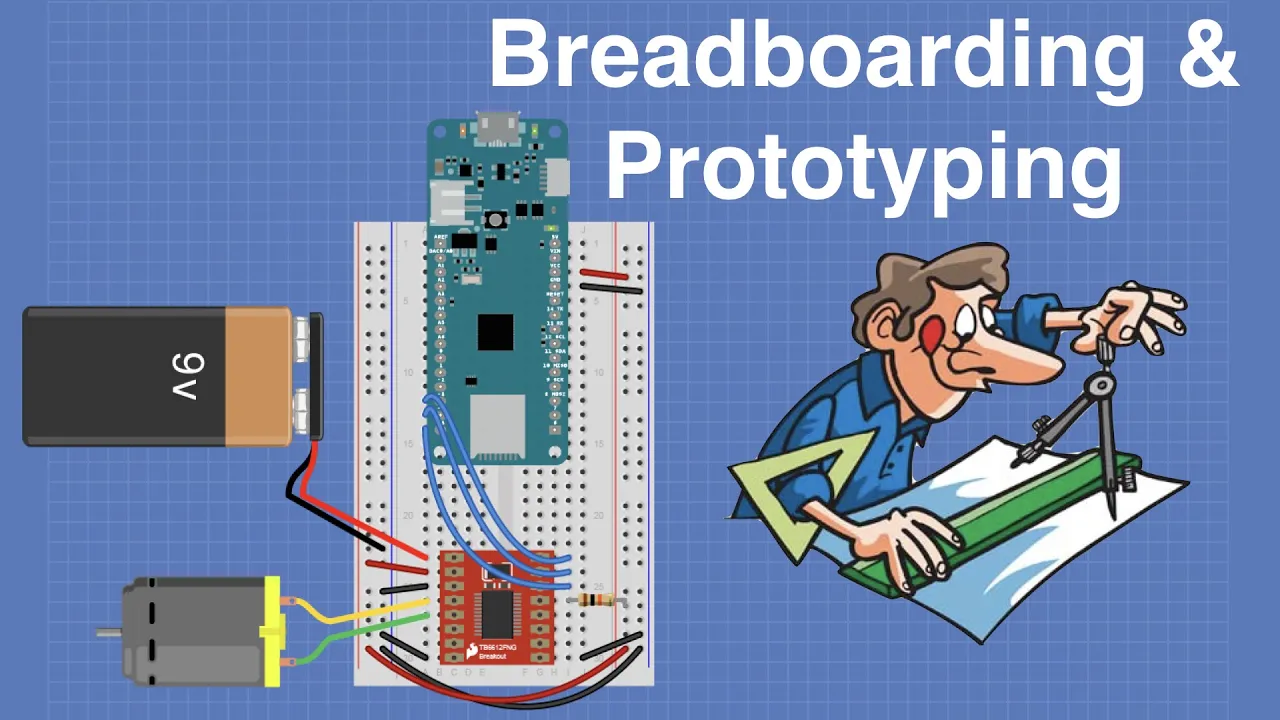
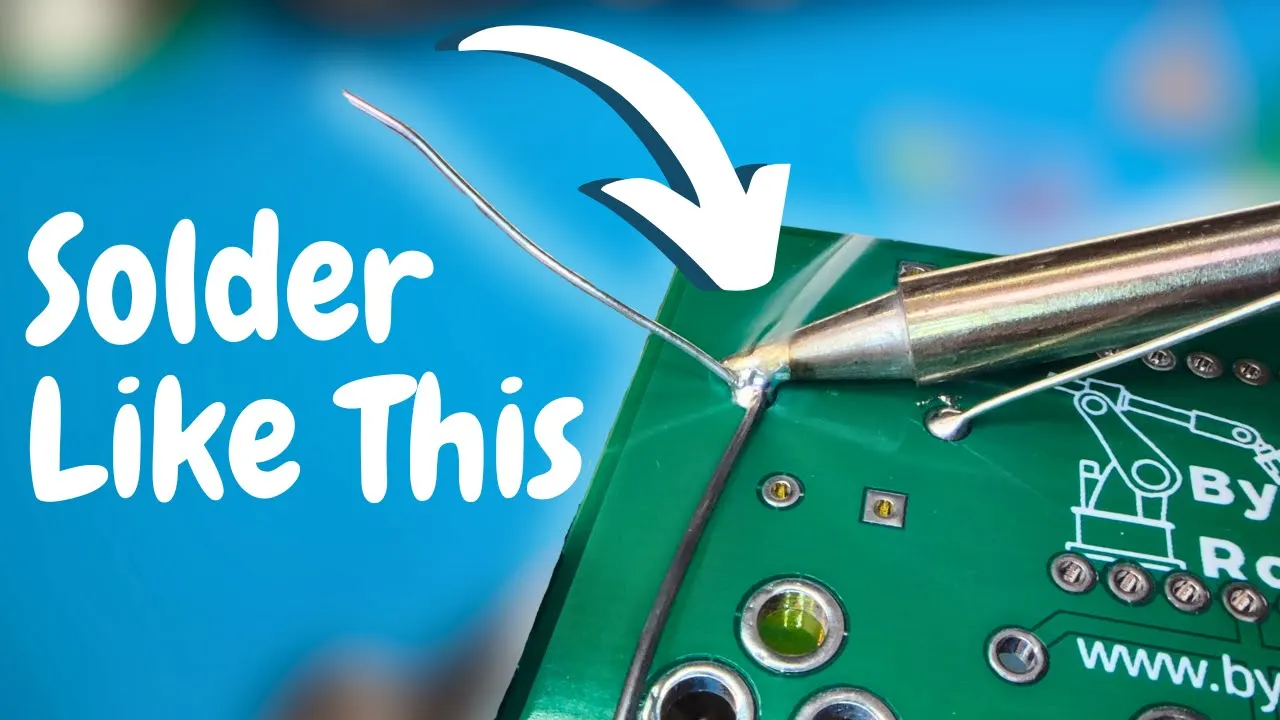
Transitioning from breadboard prototypes to permanent circuits through soldering and custom Printed Circuit Board (PCB) design.
763.8K views5.5Klikes30:37Original Release: 2013-06-12
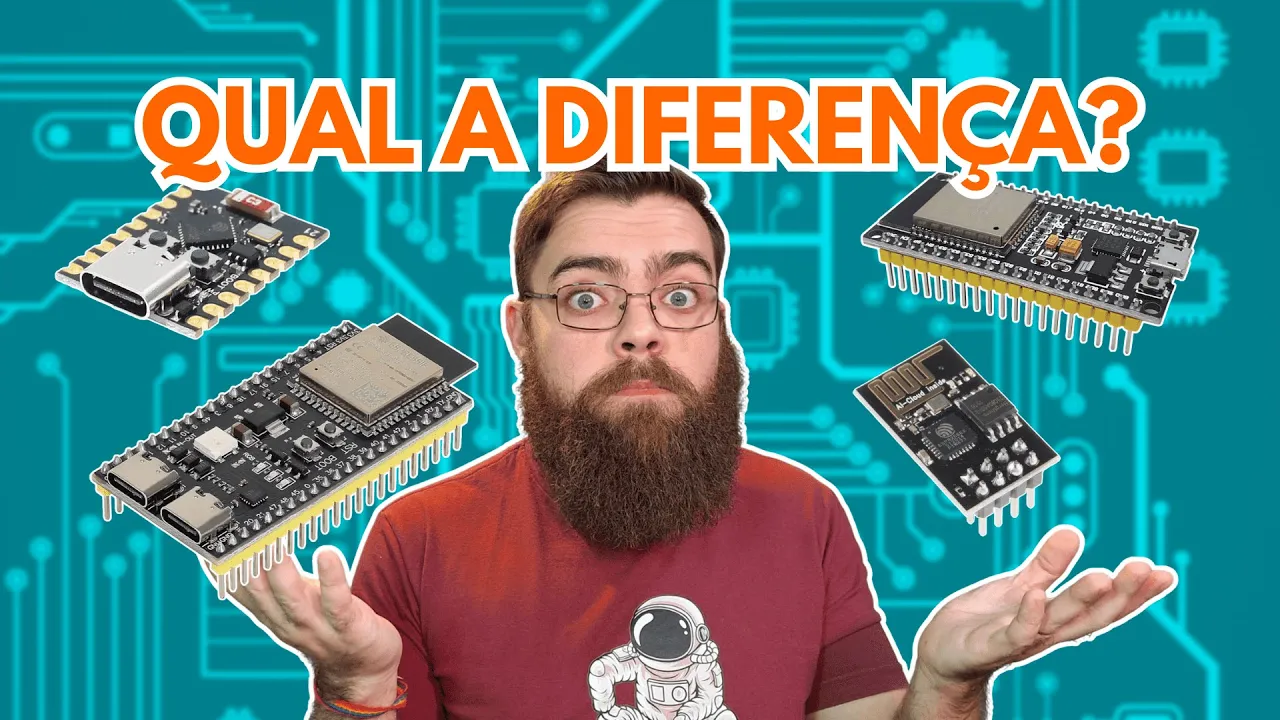
hey guys it's will from testin and Norm from testin Norm uh you have what looks like a whole bunch of little tiny boards spread out in front of you this is all new for you I mean maybe not all new but this is uh this is people may have heard about this yeah uh these are all microcontrollers they're mostly Arduino microcontrollers um I've been learning about those for the last four or five months now uh it's very hot buzz word it is a thing that is popular I've had curiosity about it for a long time I was scared of the programming because you have to be able to do a little bit of cogming in order to use this stuff and uh I we had bought a board two years ago probably at Mak her fair and it literally sat in the office and just was kind of Aging quietly to itself and finally I was like look I'm going to I'm going to do this can't be that hard Electronics yeah I took C in college you know it's not it's not a super scary thing objects Loops you you have all the pointers you don't even need to use pointers like mailboxes pretty much yeah um so I since then I've gotten kind of crazy and I bought a bunch of Arduino stuff so let's go over what you've bought what Arduino is see yeah so let's talk about what it is but and what you can do and what our goal here with this video is because a lot of people have questions about this stuff it's a little bit confusing um it's pretty well documented once you kind of get the basic lingo but if you don't have the basic lingo it can be a little bit scary um so what Arduino is is a open-source Hardware uh and software there software as as well uh that that is a microcontroller it's a family of microcontrollers a family of microcontrollers and what microcontrollers are basically are small embedded processors arm processors typically uh that you can use to write software that interacts with the real world uh so a microcontroller that one that you're holding your hand is an Arduino Mega it's the it's the big one right now so this whole thing is an example it's a mega right there Omega and the processor that's the processor essential it's a 32bit low speed arm processor I think it 32 MHz or something right um but what what you use it for is if you want to take input from The Real World and use that in a computer program or output uh data from the from from a computer program into the real world so for example the simplest explanation I can give is if you want to turn on or off a light switch uh if you want to turn on off a l a lamp over the internet you can do that using an Arduino you would write a simple program build a circuit that can switch 120 volt uh AC from the from the wall and interject that between your your wall switch and your wall socket and the and the lamp and there are many other different microcontroller platforms that all have processors inputs outputs and different features some are more capable some are faster some are x86 based instead of Arm based Arduino is just very popular because it's uh they've been doing it for a long time years open source there's a lot of code and so it's easy because there's a lot of code very easy for people to get in well and the nice thing about uino is because it is open source and it's designed for prototyping if you so our friend Jeremy Williams has built a couple of Arduino based projects and what he's done is used the basic Arduino boards you can buy in the store to do the prototyping and then he's gone out and had custom boards made with the same CPUs that run the same software that have exactly the inputs and outputs he needs and if you're going to do a m a larger quantity of this than just building a handful it's much much more cost effective so while you can buy a board an arduno board whether it's with a processor inputs and outputs you5 or30 right you can also buy just a processor to meet meet your needs have somebody in China assemble the processor and the board that's exactly what you need for or $10 per board depending on quantity and scale and all and still run that same code exactly the same code so you use this as a way to design and do the kind of grunt work and then when it's when you want to make something a little more polished you can there's a wide variety of Arduino Boards out we're not going to get into the real nitty-gritty specific fix between the different ones um because it's quite frankly if you're just starting out then there's a handful of boards that you can start with that are going to be totally sufficient for whatever you want to start with and then if you want to go go deeper later on the difference between a cheap Arduino board and expensive Arduino board is the difference between $15 or $20 and $50 so what are the attributes of a board that you might want to look at um the the things that matter are uh on a high level the number of inputs and outputs so there's two types of inputs and two types of well there's two types of inputs and outputs there's analog and digital inputs and outputs on most boards at least the ones that I've used there you can usually configure each analog uh pin and each digital pin as either an input or output As You Wish what's the difference between an analog and digital so an analog pin will read a sensor that has that provides a wide much wider variety of signals a digital one is either it's either on or it's off um now to complicate matters further when you're doing digital output you can do this thing called pwm which stands for pulse width modulation uh you use that for digital signals like LEDs if you want if you want to turn in LED on or off typically it's either full blast whatever voltage you're piping through the system or completely off you turn on and off at a very high frequency exact then you can simulate granular levels of output you you can make it essentially indistinguishable from an analog controlled dimmer switch to the to the human eye and so if you go shop for an ardino board they will say you know X number of puts number of outputs and in parentheses how many subset of those are PW exactly um the other things that matter and this is something stuff that matters more as you get further in and kind of do more advanced projects um but the the type of CPU that's on the boards makes a difference for example on that Uno board that you're holding in your hand uh there's no native USB capabilities so in order to program the board you basically install a driver that fakes a Serial port on your on your computer whether it's a Mac or a PC and then it pipes out across like it's a like it's a 1990s era modem um on the newer boards I they might not even be newer boards it's really unclear to me what the timeline on some of this stuff is but like the Leonardo which is over here where you can't really see we'll scooch it over in a minute or that mini the one on the far left um they have native USB support so not only can you program that device without really using a driver um it'll also mimic a USB or keyboard a USB keyboard or Mouse if you want so you can use a you can connect like for example if you want to make an arcade stick of your own custom arcade stick you could totally do that by using a Arduino that has native USB support and piping it through to M setting up so that it uses the main default hotkeys for up down left right you know buttons one through four buttons five through eight Let's uh let's give people an example of what you can do with hold on a couple of other small things um different controllers have different clocks have different oscillators some of them use crystal oscillators some of them use um uh something that like a resonator that seems to be much less accurate from my admittedly fight uh stumblings with the boards uh I found that the Leonardo and the micro have much better uh much are much more clock accurate uh when you're dealing with stuff that's in the in the micros seconds and faster and there's also different firmware that goes for all these no the fir so the firmware all the same so the way the firmware works is there's a I guess there's a stock like bootloader or something on I don't actually know how this works you don't have to know how this works which is the nice thing um when you write a program for it though you upload it to the board uh and and I mean we can switch over to the computer I can show you what that IDE looks like I have a couple of sample programs open okay um so these are this is the Arduino ID on the left side of the screen it is just a big ass text editor and it's a you know it's a it's context aware like a modern text editor so you it fills in it color codes the syntax stuff so you don't have to know that stuff that's light gray are comments or or notes stuff that's uh yellow or I guess declarations or orange or declarations and blue or variables and you're not required to write all this code by hand I wrote all this code by hand actually um we we can talk about that in a little bit it looks kind of daunting now I started with a moderately complex program I guess here um but the nice thing is there's a ton because Arduino has been around for a long time there are literally thousands and thousands of programs out there that people have written posted through the internet so you can go through and not only not only crib from their programs if you need to but you can also look at how they wrote their programs and see how they made their Project work which then helps you figure out how to make your project work and if they share their code you can just copy the code and if it's annotated you'll know what the variables change even if it's not and you're re reasonably competent at um at C then then you can usually figure it out um and just to be clear reasonably competent in my terms means I think one semester of cs1 100 so in 1993 so a long time ago in a galaxy far far away uh to program the the board I'm plugging this in over here uh this is an Uno with a shield so the other thing that we should talk about is there are these things called Shields that's what this guy right here is um yeah and there's a bunch of different ones there's ones that let you connect to ethernet and Wi-Fi and Bluetooth and uh zigby which is like a Mesh networking we say Shield it's just another flat piece of circuit board that goes on top exactly and it's in this if you notice between like these two Arduino boards and the Uno as well Uno one it's the same size so a shield that's compatible with Arduino will be Mega is a little bit different because they're typically bigger but but the Arduino the D do Milano do the original Arduino boards all use similar size Shields um you have to be careful but usually when you buy the shield it says hey this is compatible with these six Arduino microcontrollers um and this is another way that lets you prototype so if you were if you were making this product for Mass consumption you would go to China and you would say hey I want to have an Ethernet I want to have this ethernet controller and this and this and this and and you know that's how you would do it uh since we're not doing that here I'm just doing oneoff projects then then the the one-off shields this is just a blank Shield that you can use to solder up the circuits that you want um so to program it you could drag it over Norm it's it's relatively sturdy it's soldered on relatively shoddily embarrassing to show this in public CU I I did a really job of the soldering plug it into USB uh you can't see it now there may be led on the top Shield as well I can't remember um but there's an LED on it's powered it's the program is running right now um I'm going to hit upload and what that's going to do is upload the new version of the of the software unfortunately I took off the hall sensor uh and I haven't put it back on yet which is what makes the the switch turn on and off so it's not going to probably turn on um but when once you upload the program it stays even if the power is off and you don't have to maintain the USB connection to keep the power running you can plug in a 9volt battery adapter into the power plug on the side of the board you can plug in USB power you can plug in to a you know a standard kind of issue wall wart that has a 9volt uh 9vt half output um and and that stuff just works there's nothing to it um you you really like it is it's very straightforward and once you write the program and upload it it's self-contained and it runs on its own as long as you give it power which is which is pretty cool that means you can do things like install this someplace that you may not necessarily have access to electricity and just use a 9vt battery or a lantern battery or something like that if you want it to run for a long time um I'm trying to think what else we should talk about the software is important uh you like there's a couple of different options for this if you don't know anything about programming there's a great book that make make media publishes called getting started with Arduino by masimo um uh oh hell I'm forgetting spell the last name it's uh it's in the box over here anyway just Google getting started with Arduino you can get on your Kindle uh you can buy a paper version if you want a lot of kits come with it uh it explains very core programming Concepts from a very low level so if you have any kind of programming experience at all it's probably going to be too simple for you um and and also you mentioned a kit and so you can buy while you can buy something just like just one board you can buy a bare board for 30 bucks you can also get a kit which will have a lot of the sensors and a lot of the the the the breadboard stuff that you might need yeah so we can show that too yeah um so this guy over here is a Leonardo with another project that I have that I'm working on right now and you can um if you want to plug in power I can show you what it does um I've lost my power cord USB in here uh oh okay yeah you can plug the USB in that'll do it so that when you plug the USB in it'll take a minute to power up this is a countdown timer uh don't lift that yeah be careful of the it's not it's just it's just resting in a breadboard let's talk about what this is before we tell everybody about all the components of what goes on what's going on here um okay so this looks like a horrible snarl I'm sure that people who are good at this are going to do a much better job than I would but you can post your criticism in the com you have your Leonardo here that's a just for all intents and purposes a normal Arduino board the processor and then you have plugged in so in those headers on the side I have jumper wires and this is one of the things that you get when you buy a kit you can also buy just a bundle of like 200 jumper wires there'll be in a variety of colors and lengths uh but basically what they are is and you can pull one of them out if you want it won't hurt anything just remember which one you plugged it into so it's a little metal pin with a wire attached and um it lets you connect into those headers those those big things on the side of the board uh without any kind of um like very easily and very quickly uh the the other end of this goes into a breadboard I'm going to show that on this side because the breadboard is kind of messy uh so that's a just a blank breadboard and you use that to generate circuits the way these work is the ones down the side uh the vertical rows on either side are uh Power and ground uh so the hot wire and the ground wire that's how you see the plus and minus right and they go those are connected vertically the ones on the in inside portions are connected horizontally and they aren't connected across this middle channel so you can do things like connect three wires here that'll all be run in a circuit without having to actually solder three wires to each other um it's it's a shortcut if you took Electronics in high school you know how to do this stuff um it once you understand the core concept it makes tons of sense and is very quick it's much faster than even alligator clipping wires to each other to do the kind of stuff you need to do and yeah that's what I was going to say is with the smaller boards like the micro and I think the Nano as well they'll bridge that um that Center channel so you can really really easily prototype some basic circuits um and you just jam it down in the holes and it it gives you connection it gives you connections to all of the pins on the board um I didn't know that those micros existed when I started and if you want to learn with a basic processor it's a pretty awesome way to start um this comes in a kit bread most kits come with a couple of different breadboards some will come with a prototyping Shield which is a Arduino Shield that you basically snap a breadboard in and it does it gives you a place to have all the prototyping stuff um just on one on one container all right so back to this project so what I've done there is I have uh three or four elements the the big screen which is upside down on the video but that's fine you can rotate the whole thing around if you want uh is a is a um what's called a matrix display so uh this is made by Adafruit uh which is one of the companies that make stuff that contributes to Arduino and Raspberry Pi and Beagle bone and all that stuff um each of these each of the lights on this kind of LED LCD display is individually addressable so in order to make things like numbers or letters pop up on it you have to have a library and some code the good news is is the a of fres have already written the code all you need to connect this exactly you download the library integrate it you know List It declare it at the start of your program of your sketch which is what Arduino calls programs and um then you can just use a series of simple C commands to write text out to those to that display or numbers in this case so what this is is the podcast countdown timer um we've been doing podcasts with your Canon 60 which has a 30- second timer now this is a the program is still buggy I I've completely Rewritten and I have the old version here so it's not particularly awesome right now uh the three elements to this are the screen the switch and I think there's a speaker too so there a little piso it's not particularly loud I need to get a better speaker for this the piso was not the right answer um but what happens when you press the button it switches modes so I'm just switching when I press the button I move from one Loop to another loop you press the button again it'll go to another loop and so what it does is it gives me a 5-second countdown so that I can sync up the video the audio and then it goes to a 30 minute countdown which is coincidentally the time limit of recording on your camera so that we don't actually run out of time at the end of the podcast like we have in the past very good um so I you know the next step for this is to solder it all into a shield um maybe put in a Clapper or something dumb maybe just build a box for it design a box for it 3D print a box for it and I think that that led lights up I haven't built a circuit I need to build a circuit that brightens uh the no the button the button has an LED in that lights up when it gets to the 5-second countdown um I need to get a I need to step up the voltage so it'll be a lot brighter cuz it's not bright enough for what I want um but that was the result of like a good afternoon maybe two afternoons uh and completely programmable and it's completely programmable like if I wanted that to be a count up clock whatever I you can do whatever you want if you want to make an alarm clock it can be all those things yeah yeah you can do literally once you learn the core pieces and and the nice thing about it is like programming you learn how to do one thing and then that's in your wheelhouse forever you then you add add things and add things and add things and pretty soon you have a pretty good skill set and a much better understanding of how all of this stuff works now what if you found a lower cost alternative and you didn't want to buy something that was Arduino branded oh so there's a so that's the other thing in the last couple of years tons and tons of different uh vendors have both made Arduino clones which is totally cool Open Source Hardware uh added their own idees to it maybe change the way the hardware Works change the number tweak the number of inputs and stuff to be more specific to Rob robotics or drones or something like that and because Arduino is open source these things can be compatible with uino shields and other exactly yes so you can use an Ethernet shield it's an Arduino Ethernet shield in some cases not in all but with a with one of the Clone projects for example the turret that's over there on your left uses stuff from I think seed weo um which is a uh kind of custom they're one of the places that make I believe custom Arduino uh based uh boards uh and that that that's a a a control board and then there's a motor shield on top of it that provides a ton of little four and three pin Molex connectors to control many many many many more Motors than are being used on that particular turret robot um the other thing the little the little guy you had is uh something we found at maker a a reader of the site who happens to work on this stuff came up to us and said hey I have something you should check out um I actually plugged it in earlier this week it's a galago I believe is that right galago is galago uh microcontroller and they use a based ID so you basically install a downloadable TSR I think it's Mac only for now there's a CLI version for Windows but that's coming soon um and it's brand new you um you do all the work inside your browser so and it will connect to multiple devices at once so if you have four or five uh four or five different microcontrollers in your project like you're building a robot or a drone or something like that you can you can actually uh address all of them and write the code to them all at once whereas with the Arduino that's a little bit Arduino ID it's a little bit of a hassle yeah and then there's stuff like the arduno robot and even let's start with the explora because it's I think it's the little more basic version of this um but the typical Arduino boards the only kind of inputs and outputs they have is generally there's like an LED that flashes that you can Flash to make sure things are working yeah and then you add your own stuff uh the explora was the first departure from that it in includes a ton of inputs and outputs it looks kind of like a game pad yeah um it's it looks like a naked game pad I guess on the left you have a joystick there's a linear potenti potentiometer on the bottom um there's speakers light sensors microphones I think there's a gyroscope uh accelerometer couple of of digital buttons uh there's a bunch of these things on the top Edge called tinkercad connectors I'll show you that's what these guys are uh I think the orange ones are inputs and the white ones are outputs or maybe it's the other way around um but you can use them to uh expand in a solder-free way so I think this is a design kind of for educational markets where they may not want kids using you know super hot soldering irons uh or that may not be a good thing to start with uh there's a couple other things you can do with it there's a header that works with a couple of different uh small LCD displays the one on the top of the robot is actually compatible with this uh so that is a a computron I think uh 1.7 in TFT LCD uh and it just has two headers that plug in and and if you have the right libraries you can use that with the Explorer Program plug this in it's really cool um and if you want to plug that in I have pong loaded on that it's kind of a crappy version of pong but it's the basic it's the demo code and you can just unplug and replug this stuff it's relatively sturdy um some of the early Arduino boards like the the like the D Milan V if you listen to the podcast you know I killed a Macbook uh using that uh but for the most part it's the newer boards it's really hard for you to pump enough voltage back to the USB port that you actually kill something so I loaded El uh pong which uses the LCD screen it's just one of the demo programs and this is one of the nice things about Arduino is that in addition to the wide community and dozens and thousands of programs that are out there there's also pretty good example programs with most of the projects um and you can use pong with the joystick it's not a particularly good version of pong uh but it kind of highlights a lot of stuff about Arduino that's worth talking about uh this isn't something you're going to play games on like if you want to play emulated arcade games bust out a Raspberry Pi or something like that this is really very specifically for uh control and input and output uh we we saw a guy at the robotics Fair who used an Arduino as a signal processor which is crazy I mean he he basically emulated a really expensive piece of Hardware uh with a $25 board to do IR anal you know IR signal analysis um the other thing that they just rolled out at maker Fair it's brand new is the robot aruno robot yeah the robot is actually there's two boards the bottom board is the motorboard the top board is the control board uh they both use Leonardo processor so they have native USB um you're not ping going to use that with this but I think it's just what they what they using these days there's a bunch of those Tinker kit connectors around the outside edges of the device I think that's the right way I think yeah yeah that's good um and uh it it's uh got two Motors uh drives with kind of skid steer tank style controls so you can go left and right but it's it's an autonomous robot uh it actually comes with enough default sensors I think there's a compass uh some infrared sensors uh I want to say accelerometer and gyroscope but I could be wrong on that uh a potentiometer a d-pad uh and then a speaker and the LCD screen comes with it as well that you can actually get started programming robots without buying extra sensors yeah it's I mean it's kind of expensive it's like 260 bucks but if you compare it to other comparable kits it's it's a very very good deal especially for what you get like the the the kits in that price range are typically much less impressive than than this um it uses four it comes with batteries it's four nickel metal hydrate recharge Ables you charge them by plugging in the robot you don't have to take the batteries out or anything um and it includes the kind of stuff that you need to get feedback to that I have found with the I haven't had that much time with it yet because we've been really busy since maker Fair um but you you can kind of oh it's going to drive it's going to go south or maybe North so you can write programs that use the sensors uh you might want to just turn it off um you can write programs that use the sensors and learn about and like the like the spora and the other devices and this the a fruit screen it has built-in libraries that give you a series of relatively simple Commands to control the robot um it is much more complex than the other stuff it is not a good place to start with Arduino no um start with a mic this is to get in robotics that's if you want to get into robotics I guess the next thing to do is talk about like where you want to go if you want to start you want to get started um the the the thing I would recommend is finding a kit U make cells them Ada fruit sells them spark friend cells them when you say kit you don't mean like a specific make one thing with Arduino I mean that's a good that's a fine way to get started like if you want to learn how to make a clock then you can do that and it will help you get started but you probably won't do as much programming which is where the real learning comes so you want to open-ended here A bunch of stuff kit figure out a project you want the first thing I did uh was this Leonardo kit which unfortunately I I broke in before I brought here but it's it's to put uh Lighting in my pantry I this is the dumbest thing ever it's I could put some sticky undershelf lights that probably do just as good a job but this is going to be cool it's fun and I've learned a lot which is which was the really the goal more than anything else how much are these kits typically um so the starter kits include usually a couple of breadboards a shield that will maybe help you uh uh uh prototype faster stuff like that uh and then a whole bunch of the jumper wires you'll need resistors to get started you'll need some LEDs to get started you'll need some like push push button digital buttons um and typically those range from any anywhere from like 75 to $200 depending on what comes in them um my advice is to get the uh most General like go cheap on this get a get a a kit that has a an UNO board don't spend a ton of money on it because what's going to happen is you're going to get going as you start messing with this you're going to come up with the perfect project and then buy need for that you'll buy the stuff one thing at a time um although it is nice to have a a variety of sensors to kind of noodle around with like having a sound sensor having a light sensor having that kind of stuff is Handy um and that's another place that the Tinker CAD stuff can be pretty useful or Tinker kit rather sorry um the to learn the programming side if you have any kind of programming knowledge at all if you know how to do any kind of uh taking one semester of college level program I would say anything that's not like HTML anything that's not like a markup language um whether it's python or Cobalt or or or C or Fortran or any of the stuff that they teach in college or Community College or the you you know how to write JavaScript even probably if you know how to make loops if you know how if you understand if you understand enough about syntax in one language to pick up the syntax in another language just go straight to arduino.cc look at the reference uh the reference section and they literally have sample code to get started and then pages and pages and pages of all the all the available um uh functions that you can use depending on which libraries you initialize um each of the boards the Arduino Uno the Leonardo the the mega all have getting started Pages they're less important for the for the kind of basic boards than they are for the robot and the spora which have some specialized Hardware on that you need to kind of learn how to use um and then then then look at places like make uh the make sh maker shed uh spark fun Ada of fruit they have all sorts of kits that will kind of give you ideas maybe start you in one particular direction you can buy things like uh like this this is I should have opened it beforehand but this is just a laser cut box for an Arduino Uno um housing it's a housing so if you have a project that you've built and you want to put it in here you screw the board onto a piece of acrylic on the bottom set it in here and it's protected from elements or whatever and has ports on the side um so that that kind of stuff is all readily available it's not particularly expensive um if you have access to a 3D printer or a laser cutter you can make that stuff very easily yourself um and they can also buy this stuff in physical stores P&M stores yeah so uh Radio Shack has not all Radio Shacks many Radio Shacks sell Arduino stuff um they're typically a little bit more expensive than say the Amazon ATF fruit or spark Fun prices but you know convenience of wanting to do something and needing a button Radio Shacks a mile from my house um Amazon also stocks a lot of this I tend to like to support the small guys on on these projects just because they're actually doing the leg work um if you look at the different boards like the micro was designed by with Adafruit uh the robot was designed with Compu bot I think I can't remember Spanish yeah they make robots um so so yeah it's a really cool thing when you combine that with things like these guys which are just LED strip lights uh you can do all sorts of really amazing stuff the LED strip lights are incredibly cheap if you get single color lights they're $15 for 5 m and it's these go into um yeah well there's these they have connectors so you cut them you can cut them on the lines which are every two three four lights depending on the strip and show them that and then you use you can use you can either solder directly to those pads or you can do the connectors which are much easier and faster so that's kind of I mean you have any questions yeah do you have you can go online and go to a store and buy a book exactly or or just look at the reference stuff online if you have any kind of programming background um it's really fun and it's I mean having the programming background probably is the biggest furtle it help and and if you don't have any programming background reading a book will get you to where you need to get started the good news is don't if you don't have a programming background don't let it scare you off because the type of programming that you need to do is not to at least to get started isn't super complex it's not you don't have to you don't even have to understand pointers really you need to understand while Loops for Loops if loops and if you can do that stuff you can kind of you can kind of do something that's kind of neat um it's much it was much more satisfying at least for me to learn programming stuff using things that give me physical feedback than it was to write some Dopey command line program when I was in college so um you know if you tried programming in school or whatever and didn't get into it maybe give it another shot this is a good way to do it and for 100 bucks can have lights are fun and exciting yeah lights buzzers beeps you can make something that'll torment the dog if nothing else there you go uh so that's introductory introduction to Arduino um if you have questions post them in the comments we'll be watching and I'll try to answer what I can share your projects yeah we'd love to see what you guys are doing if you have good projects uh send them to tips tested.com and we'll we'll post the best ones uh I guess that's it Norm see you guys later bye [Music]
Up Next
12:50
CAD Assembly and Color Rendering Techniques for Fusion 360
@idtyoutube2404
189 views•2020-02-17

26:22
Walking in the City: Urban Rituals and the Flâneur in Contemporary India
@PSBTIndia
1.9K views•2016-08-02

30:06
Adam Savage Explores Hollywood Costume Design Exhibition
@tested
301.4K views•2015-01-29

1:42
Game of Thrones Opening Credits: A Cinematic Analysis
@gameofthrones
46.3M views•2011-04-18
Related Study Plans & Knowledge Roadmaps
Structured learning paths in General & Interdisciplinary Studies
general-studies
Artificial Light: History, Tech & Human Impact
01The Pre-Electric Era: Fire, Oil, and Gas Lighting
02The Incandescent Revolution and Grid Electrification
03Gas Discharge and Fluorescent Illumination
+ 3 more learning modules
14h6 modules
Explore Roadmap
general-studies
Elevator Engineering: History, Physics & Cities
01From Hoists to Safety Brakes: The Dawn of Vertical Lift
02Hydraulic vs. Traction: The Engineering Physics of Elevators
03Modern Speed, Safety, and Algorithms
+ 2 more learning modules
12h5 modules
Explore Roadmap
general-studies
Rubber: Material Science, History & Geopolitics
01Origins of Natural Rubber & Mesoamerican History
02The Chemistry of Natural Rubber & Vulcanization
03The Geopolitics of the Rubber Boom & Colonization
+ 2 more learning modules
12h5 modules
Explore Roadmap
general-studies
Containerization: Evolution, Logistics & Trade
01Ancient Trade & Bulk Cargo: Amphorae to Barrels
02The Industrial Revolution & Cardboard Packaging
03The Containerization Revolution: Malcom McLean
+ 2 more learning modules
12h5 modules
Explore Roadmap