



![치매에 파킨슨병까지?! 과학자들이 경고한 미세플라스틱의 정체 (feat. 심원준 박사) [취미는 과학/ 35화 확장판]](https://i.ytimg.com/vi_webp/9Tcry58_vqY/maxresdefault.webp)









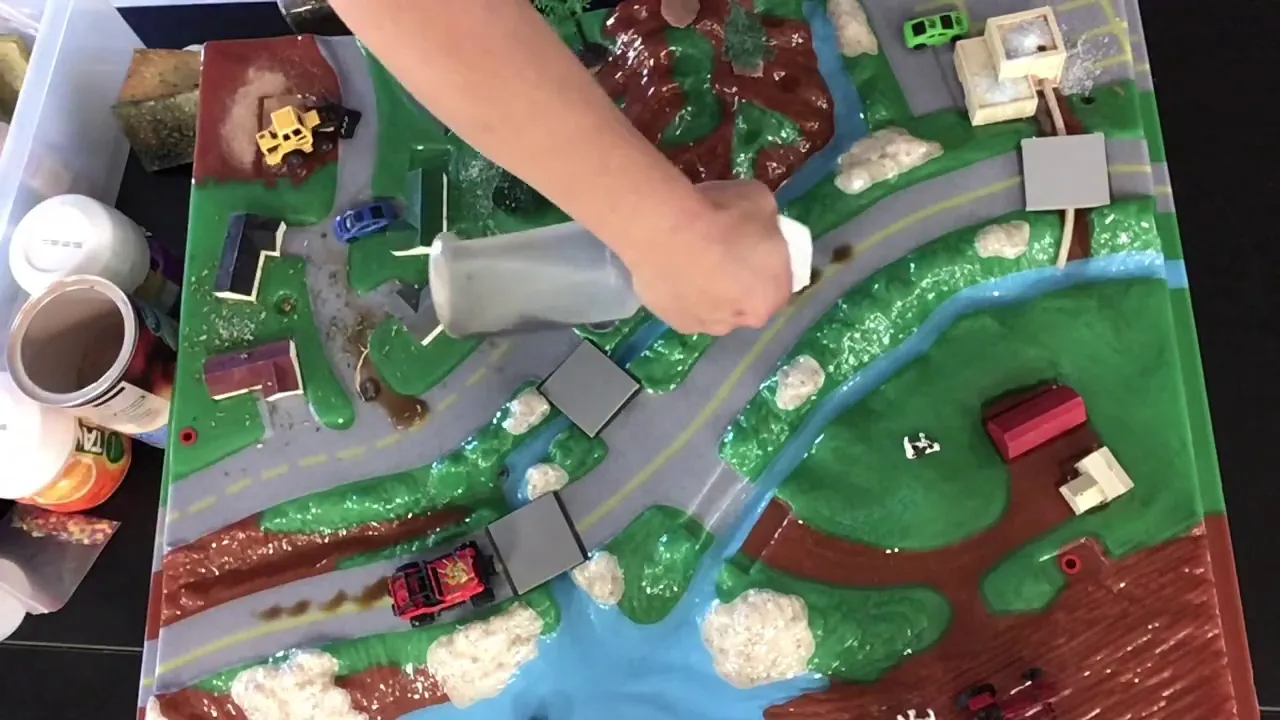













Microplastics are prevalent in freshwater ecosystems worldwide, with concentrations spanning four orders of magnitude (from 10^-3 to 10^1 particles per cubic meter), and they form complex ecological communities called the 'plastic sphere' where microorganisms like microalgae colonize plastic surfaces, potentially altering ecosystem functioning and serving as vectors for contaminant transfer through food webs.
Microplastics in Freshwater Systems | Lake Plastic Pollution Research
Added:Definition and classification of microplastics, including the distinction between primary and secondary microplastics.
Basic freshwater ecology, specifically lake stratification, food web structures, and water retention times.
The biological principles of bioaccumulation and biomagnification of toxins in aquatic organisms.
An understanding of watershed hydrology and how terrestrial runoff transports land-based pollutants into freshwater bodies.
Advanced analytical techniques for microplastic identification and quantification, such as FTIR and Raman spectroscopy.
The ecotoxicology of plastic-associated chemicals (e.g., phthalates, bisphenols) and their endocrine-disrupting effects on aquatic fauna.
Environmental policy, waste management strategies, and international frameworks aimed at mitigating plastic pollution at the watershed level.
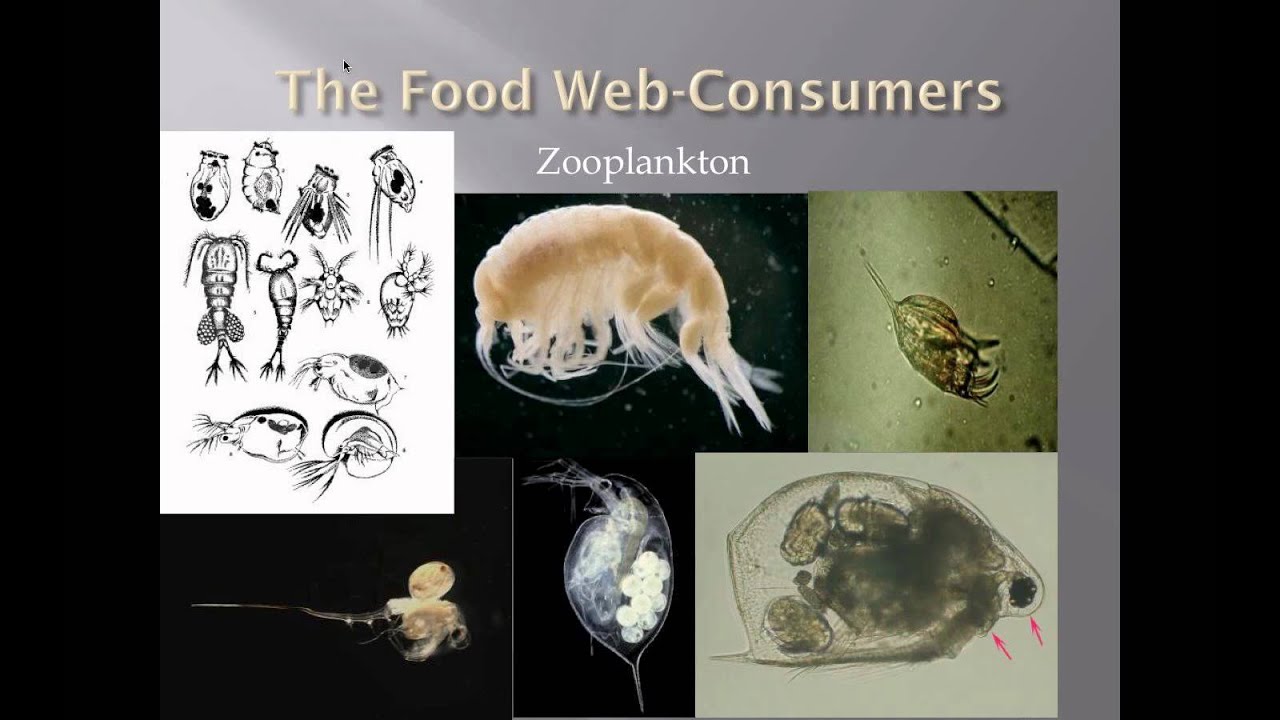
The trophic transfer of microplastics from freshwater systems to terrestrial food webs and potential risks to human health through drinking water and fisheries.
377 views6likes1:04:39Original Release: 2023-11-01
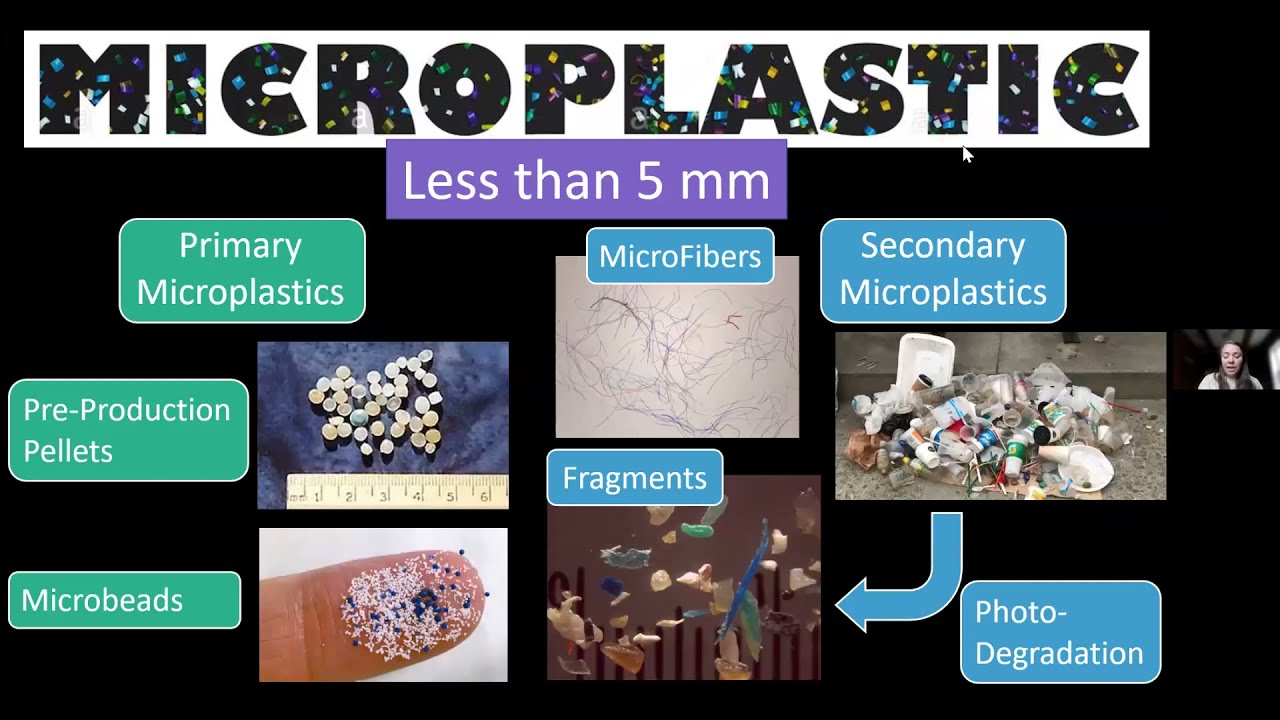
morning afternoon or evening depending on where you are joining us from in the world uh Welcome to our microplastics lecture series uh just before I introduce our speaker for today I want to once again apologize for the technical difficulties that we had last week in all the times that we've done these lecture series that's the first time we've ever had a situation where we weren't able to actually connect with our speaker uh but I do want to let you know that Professor Gia's lecture is now up on our website and so if you would like to catch up on what he would have spoken about on um uh aging of microplastics you are welcome to go uh and listen to it from the website so uh now it gives me great pleasure to introduce our speaker for today Dr Veronica Nava and Dr Nava is post-doctoral researcher at the University of Milano bota I hope I I pronounced that properly um and she's also a visiting postto at the global Water Center at the University of Nevada Reno in the United States her research focuses on the study of the impacts of anthropogenic stressors on lentic and lotic systems through the analysis of long-term trends she studies microplastics and plastic pollution in freshwater ecosystems specifically focusing on the effect of these pollutants on The Wider ecological context through the study of the interaction of plastic debris with microalgae and the subsequent effects on metabolic traits such as productivity and I should also add that she's the lead author on a recent paper in nature on microplastics so it gives us a great pleasure to welcome you to the series today Veronica thank you so much thank you for this nice introduction and thanks for having me it's really a pleasure to be here today so I will start showing my presentation hope you can see it um yep that's good we can awesome so what I we talk today about is microplastics in freshwater uh ecosystem and specifically uh I want to start from the currence of these pollutants in lakes and especially lakes and then go uh into the ecological impacts of these uh microplastics and Plastics so um the outline of the presentation will be uh these so start with a general introduction I will um be very short in this part as you're following uh a series of lecture on this topic so I guess you already have some understanding of the uh concept Rel to Plastics and microplastics and then I will um talk about the occurrence of Plastics in Ling systems and specifically I will talk about these studies that we have published recently uh in nature about uh Plastics in lakes and reservoirs and then I we check uh a little bit about my studies regarding the ecological impacts uh of microplastic that start specifically with the interaction with micrology and then give a little bit of the future perspective of studies so when we usually think about plastic pollution what most of the people think about is Marine systems this large amount of plastic that can be found in Marine systems but actually what the studies have showed is that a lot of this plastic is actually coming from the terrestrial cace and especially rivers and effluence have been identified as measure Pathways for Plastics and microplastics but freshwood ecosystem are not only conable that bring this plastic from the terrestrial environments to the Sea and the ocean but they can also impacted by plastic pollution despite these uh the number of studies that have been done in freshwater ecosystem are still few and we have not many data about plastic pollution in freshwat ecosystem worldwide so when we talk about Plastics we can have the larger pieces of plastic and also the microp Plastics which usually classified as plastic it's smaller than 5 millimeters um and these microplastics can be uh directly produced into the micrometer size range and in this case are called primary microplastics or can originate from from the fragmentation of larger plastic items um as a results of UV radiation webring and uh wind and currents and so on and in this case are called secondary microplastics um we have to say that uh microplastic research Plastics and microplastic research is still um a new uh research field and what is is happening is that there is a lack of consensus on how we Define and we categorize the plastic debris um indeed we there is no even agreement on which kind of polymers should be included in the classification of plastics the problem is that that an ambiguous terminology actually results in confusion and miscommunication and this is a problem because under all the progresses that we can do both on the research side but also on the uh part of the policy and the manager and the management of this problem and and also um we do not know much about the impacts of this plastic so there are many studies that are trying to determine the facts but mainly many of these studies are just considering some specific organism and some specific type of plastics that many times do not mimic their real condition and specifically when we look into the ecological implication we really know uh a little about these impact of plastics and microplastics and this is uh even more true for freshwater ecosystems so so far we have identified a couple of gaps so the first one is a lack of standardization so the fact that we have different study that adopt different study different uh definition which make very difficult to compare the data and we have few data and freshw EOS systems and the second gaps will is the missing pieces of ecological implication so to try to address this first Gap Gap we uh perform the studies so um this is a study that I was mentioning at the beginning and this is um recently publish in nature in which we look at a concentration of Plastics in the surface water Flakes and Reservoir so if you want to access the paper here a QR code uh but I'm also happy to share with you later so what we have done uh the idea was to put together many people to perform a first Global standardized sampling campaign to investigate the uh occurrence and distribution of plastics and microplastics in the surface water of lakes and reservoirs um to do so we take advantage of we took advantage of uh Glee which is this network of people working on lakes which is stand for Global Lake ecological Observatory Network and we met in a meeting in 2019 in Canada and we came up with the idea of this project um put together the people what we have done was that all the different people that joined the project collected the samples and provided information about the leges and Reservoir that they were sampling and all these samples were shipped to the same Laboratories they were shipped to um my laboratory at the University of Milano Baka where all the all the uh samples were analyzed exact in the same ways so they follow a common adjustment procedure uh a common um procedure for polymer identification so the overall objective of the project was really to have comparable data about microplastics so to overcome these difficulties that we have in comparing different data when they came when they come from different study and to do so we um with this data set we wanted to address different questions so the first one was to try to understand first of all we which is the concentration of plastics and microplastics in freshw systems then we wanted to understand the futures of these Plastics so uh which were their characteristic their shape their color their polymeric composition and then we wanted to try uh to see if there was a relationship between the abundance of microplastics and the future of Puff the lake and the Watershed uh to try to understand if there are some factors that can more likely influence the abundance of microplastics in fresh water so uh to collect the samples we use planton net um in and we focus just on the larger size of microplastic so above 250 perometer we perform three different parallel trolls in each leg to have replicates and this sampling occur in the pic Zone near the measure out flowing system to have a a kind of s of the wall uh lake so after these we all the samples have Aid um have said um arrive at our laboratory and so we perform exactly the same procedure so the first step was a wet saving with a 250 micrometer mesh size it was then to be sure that we align like the minimum size of the samples across of the samples across all the different sides as a second step we Tre we treat the um the samples with hydrogen peroxide um um in this way we wanted to remove the uh organic particles that we're not interested and after this we vacum fure the samples on glass microfiber fatures and then each fatures was inspected under dissecting microscope and all the Plastics that we potentially um it was Plastics we just separate them and put on a glass lights and uh as a final step we perform the polymer identification with microman spectroscopy so we took a big picture of each single Plastics uh that we have found um and we classifi these Plastics based on their shape um you can see here some examples of some sphere pallet some fragments some fibers some film then we classified based on the dimensions and the largest Dimension the so faret diameter and then also based on the color based on a standard color palette uh um so to decide how many Plastics we have to identifi with microm spectroscopy we adopt this procedure um suggested by Ken kinal uh in 2019 so we obtained uh for each subsample for each sample the number of Classics that we have to identify with microm spectroscopy based uh on the degree of confidences of confidence that we decided and and the currence that we decide and um as I said we prefer the polymer identification using micro spectroscopy I don't know if you are familiar with this technique but it's basically based on this analystics caping the ramen effect uh so you basically heat the samples with a laser and then you receive as a response a Spectra something like that and this represents a kind of Fingerprints of your of your molecule so um you can then identify which kind of polymers um you have and this is the the instrument that we use that was available at my University uh which was equipped at the time with a green lazer now we have also a red ler and and it's more or less just a parameters that we use just in case some of you is just using the technique and needs to have some reference for that and finally we look at the variable said we we were interested to see this relationship now about Plastics concentration and the different variables of the wersell so we look at the data morphological and hydrological variables of the Lakes like basic uh par like the area the volume the depth the terminal regime we also look at the Watershed features and then we look at same data like the presence of waste P treatment plan land covering population that we uh thought it may affect the number of of of plastics so to do so we we perent G GIS analysis and we use some globally extended database um so I did just use some reference uh in case you're interested in okay so now we arrive at the results um so this map shows the concentration of class that we found uh the first result is that we found Plastics in all the legs that we have analyzed and this concentration actually span four different orders of magnitude so we started from 10 minus three particles on on cubic meters to 10 one particles on cubic meters so you can see was a large difference in the concentration and here you can see in the map like show the distribution of the legs and where is and the concentration so the blue is one with the lowest concentration and the red with the highest concentration actually there are two points in red but there just overlap on the map uh so we can try to put these results into the contest now of the published literature um if we look uh at studies that have been done in into uh the uh Oceanic GS which are considered this uh area of large accumulation of microplastics we can see that some of the concentration some of the legs that we have in our Studies have uh have concentration of plastic actually higher than the concentration found in these subtropical Oceanic G so this is an example this is another study published in 2022 in which the look at the concentration of plastic in face water using an ad so more or less the methodology was similar um so as I was mentioning earlier it is really important to uh compare your results we' studied that more or less use the same methodology because different methodology can help you different results so considering this study in which they use this net with 3 35 micrometer they found a maximum concentration of plastics of 1.6 while our maximum concentration was for Lake Lugano of 11.5 and Lake Majora 8.2 and Lake to 5.4 this is just to give you a scale doesn't mean that these concentration are uh extremely high just it's it's it's it's hard to say if they're high or low it depends on on in the way in which you look this data and which are the factors that you're looking so we also classify the characteristic of these Plastics and we found that majority of plastic were fragments or fibers more than 90% of this plastic belong this uh belong to these two shape categories and this was not actually very surprising because this commonly found also in uh previously published research especially for the fibers was interesting because we found the presence of uh fibers also in very remote systems and so what we have apiz is that this Plastics can actually come to to this remote system also through uh atmospheric transport and deposition it's forance if we look this studies this study was published in 2022 in science and they look at the concentration of um they look at the content of brainfall in terms of of plastics and um and this was done in remote here of United Tes and you can see that the concentration of uh that they also found Plastics and they mainly found fibers so they also they also saw like this presence of fibers in rainfall and there is like an emerging literature about this about the importance of atmospheric deposition and transfers for microplastics so this kind of um provide like um as a background for ouris but this plastic can also come for different CES so not only atmospheric deputation we can have also fibers sorry that can be released into the water system forance from laundry so if we have leges that are uh receiving uh waste Waters or what or other affluence they can have a high content of fibers uh was the studies published by mler at in 2016 in which they show that for six kilogram of laundry you can obtain into the water into the affu more than uh uh 700,000 fibers so you can imagine uh the number of fibers that you can have for the people that are doing ler in a waterers shed sorry so but why do we care about about shapes actually um because we have different uh effects on on different organis based on the shape so we have shape dependent effects what it has been show forance in these studies that we can have uh more tactic effect related to fibers compared to for instance beads this study was done on cherod Nadia and they observe these reduced reproductive act through out when exposed to fibers um and it's very interesting because the larg majority of the study that is done on Plastics especially uh the equ toxicological studies are mainly focus on microplastic beads um which are actually not very common in the aquatic system so if you remember the show the sorry the graph that I showed you before about the shape of the different Plastics uh the main shape was fragments and fibers and pallets were very very small percentage of the wall Plastics so um then we look as I said with the uh micro spectroscopy of the composition uh of the different Plastics and we found the largest uh percentage to be polyester and this was followed by polypen and polye uh this was also not very surprising because this is in agreement with previous studies that have been published about um microplastics in surface water and this reflect the uh the kind of polymers that are mainly used in in insur life cycles and mass produced products so if you think about all the different single used uh packaging you're mainly done by polyethylen all all the botes of um like detergent and stuff are polypropylene and polyester is actually a bigger family which has include the poly talate which is the material that is done that is used to produce plastic bottles and then which is recycled usually produce this fibers that is the polyester fibers that is then used for many synthetic clothes so so far we have seen the concentration of plastic we have seen the characteristics uh but now we're moving towards seeing which was the relationship with the lake future and the waterers sh Futures so we performed this regression Tre in which we look at the concentration of plastic and all the different Futures that the we all the different variables that we have included related to the ls and the impact and human pression on the lake um and these regression trees uh show that the highest concentration was OB first of all in lakes with a high surface uh where we found the highest percentage of plastics and then when the surface area was smaller than 200 um squ kilometers uh then it's split based on the population density and it's not very surprising so we found more Plastics where we have a higher population density compared to Lakes where the population density in the Watershed is lower and this was also confirm with the um with the RDA analysis that we have done uh so what we have found is that we have two types of lake that are mainly vulnerable to plastic contamination and the first one is uh first category is those legs located in very highly urbanized and populated Watershed and it's not surprising because it's directly linked to the presence of human or human population and and plastic pollution and the second category of uh highly impacted Lakes uh were those lake with a high surface area um and we hypothesize that we found this because we observe lake with a elevated drainage area uh these are also lake with a very long rotation time that can in some way retain Plastics and so consider these large legs are widely used for the population so uh you're still link to your presence of human activities but as this large lake are are exposed like have a higher share line have a higher deposition are for atmospheric deposition so they can be more vable more vulnerable than the smaller one so uh which are the conclusion of these first studies that of that I'm showing you uh so first of of all our study really underpin the relevance of flakes as a key component in the global plastic cycle so we can think about plastic pollution without including freshwat EOS system they are key uh in all the Press related to the transport of plastics into into sea but also they can be affected by plastic pollution and these Lakes can be uh affect and this plastic pollution can affect their ecosystem services that they provide forance many of the legs that we have included in our study were uh Drinking Water Resources um and so this can have an effect um if we have a high presence of plastics and we do not have uh to think all um a human perspective but also considering the organism live into this aquatic systems and so we can have effect on on aquatic organism and the ecosystem functioning and there are different processes that can be affected by the presence of plastics and so uh we should address this as in freshwater ecosystems and the last point is that actually we cannot find a lake that can be truly considered as pretin from plastic pollution as we found plastic also in remote remote lates so overall these results demonstrate the global reach of plastic pollution as Serv as yet another reminder of the undable signature of Humanity on leges so before moving on on the uh second Gap that we have identified at the beginning I want just to um underline this aspect of the study so this studies was possible actually thanks to a very would say great and important collaboration with all the different cers so was really an international Network and all the people would there for to try to St the pl pollution in fresh waters um inde if you want to have a look the the nature uh issue which we publish our paper um also publish a news and viws in which underline how this larg scale collaboration can actually be relevant in understanding fing pollution and so this is a reminder of the importance of putting together uh um the resources and strength to uh to study topics that that deserve um important attention so uh 15 minutes I we talk about um about the ecological implication so we have seen that we have Plastics in freshwater ecosystem the question is what's coming next what which are the uh the impacts of this class sixs so my um my research activities is actually focusing uh in the most recent uh time on on on this called plastic sphere so what actually happens that when these Plastics are released into the Aquatic environments this can be rapidly bof this happens to many different surfaces in the Aquatic environment and can also happen to Plastics so zler in 203 in 2013 uh defined this new term the plastic sphere to Define this diverse community of aotr hotr predators and symbium that can grow on the surface of plastic debris uh so this was new research to so this open this open to a new research that wanted to look at this epip plastic community so this community is growing on the surface of different Plastics so among the different organisms that we have on the epip plastic Community uh we also found micology so actually the majority of the study are focusing on the presence of bacteria because they use the analysis to look into the presence of the bacterial community and many of these studies are actually neglecting other components like the microalga and and many other organism like fungi that can live on the plastic surface so I was focusing specifically on micro algen we've published these a review paper in which resarch in which we look at the interaction of microplastics and microalgae so when you think about this interaction microplastics and microalgae you can look at that from Che point of view um so from one side you can have the Toxic effect that microplastics can cause on microalgae so microplastics especially the smaller size so these effects is really shape dependent can affect can harm micro and specifically it has been reced some effect on growth on F synthesis and morphology of micrology but of course as I was saying shape is is fundamental in this process because um should be able to penetrate into the micrologic cell so when we have larger Plastics we do not observe any Toxic effect just related to the smaller one but also we can look at these interaction on the other way around so we can also have the microalgae that biof microplastics and this can have a different effect so we can see when when we looking this way um the first effect is that we change the density of our plastic so this can affect uh the the positioning of the Plastics along the water column so it can change the exposition Ro to many different organism if um changing if if it is floating or it is sinking into the bottom in some cases also reported that this uh layer of micro can in some way protect the plastic from UV radiation in some way kind of protect the Plastics from a WEA ring and other processes it has also been shown that this micrology can show can change the surface futures of this um plastic so changing the absorption and desorption capabilities and then in some cases specifically for someo bacteria it has been aoide like the possibility to idiz this plastic but these are still like studies that are um still in Du curs especially uh in the environment and not they been studies done in laboratory condition but we need some more study like in um in this in um this sense uh but and then and but even if we the experimental result show this reciprocal impact between the Plastics and micro algae it is very difficult to predict how this impact can manifest ecosystem level so we can see this effect like um more basic scale but it's very hard to scale up so we we perform a first study in which we try to look specifically at this interaction of microplastics and micro so not the wall plastic spere but more specifically into this component and so we have done the stud was publishing glev change by ology if you went to have a look this is the reference um and was a mesocosm experiment in which the objective was first of all to evaluate if different plastic polymers can constitute this suitable substrate for the development of microalgae the second objective was to quantify this microalga biomas uh on the different polymers that we uh that we have and then we wanted to look into the speeds of composition so which were the algae that were able to grow in the different Plastics and the last objective was to answer to this question so we were interested in understanding whether sub driven or environmental Factor prevailing shaping the species diversity of diversity and spe and species composition that we found on the different Plastics so this study was press thanks to uh the fun of aquac cosma uh which actually founded um this this is a a European Network which allow people that do not have access to Mis facility to actually access one of them in Europe and perform your own experiment so the experiment was per the ban Network in Spain and Portugal uh so this system includes Maj from Mes cosma in six different climatic region so in different climatic region so we have semi condition Mediterranean condition temperat and Aline environments and for our experiment we actually uh look at five at four of these six location to prevent the contamination then going experiment we prepare some enclosure uh so we put some large microplastics um visible by make D and we incubate in the different misoc cosma at Network n into the bar p network particular we implemented three different experimental treatments uh so in the first one we incubated six gr of high deny polyethylen in the second six gram of polyethylen talate and then a third one a mix of these two polymers so this is just to sum up so these are the five different SES that we had um the three different ponds per Sid and the three samples for each ponds which is HTP meets of the two Plastics and the P so we measure different parameter in each P we measure we measure water temperature pH conductivity turbidity copil and nutrients and then we incubated this Plastics and we wait for 30 days for one month and after this month the Plastics were collected so we scraped the surface of these Plastics and then we preserve the samples in Lous solution for the subsequent Iden in the laboratory so to identify this IG uh we counted the samples under an inverted microscope uh using the basic UT model methods method um and since we had many Dions we also prepare permanent slide uh after oxidation with hydrogen peroxide and this diom were looking with micro Optical microscope of 100 magnification the now we're coming from the results of this part so uh here you can see uh the difference biomass that we observe biomass of micr that we observe in the five different sides so generally we observe a higher value on P especially compared to hdp um and when we look at these differences statistically we found significant differences in total biomass for the different plastic type Al for the magnitude of this difference varies across sides depending by on the interaction between Plastics and side what was very interesting to observe is that in 305 samples that we analyzed we really found many different species of algae so we found 232 different species uh belonging to 144 different gener so the largest fraction of these micro were diatoms and then were followed by chlorop and cyanobacteria and all the other orders uh we also look at the species in terms of uh diversity so here you can see data for the species number Shannon index and and the eveness the eveness so we found an average number of species among the system among the different samples of 35 with some maximum of 37 a minimum of 27 and and when we look at the at the different uh indices uh we observed a slightly higher value on HTP compared to the other to the to pet especially but this difference were not statistically um significant another interesting result is that we found some cosmopol species so some species that we able to find in all the samples that we had analyzed and these are somean bacteria like AOC caps in cha or other diatoms like Kenta or again so we found different species that were really common in all the different Plastics and consider that we have a kind of large scale so was five location or spread across the pwn Network um in different climatic condition and then we did this uh an MDS analysis in which we plot the uh composition the different species that we have um and you can see with the different shape is all lighted the different polymers colonized and with the colors is all lighted the different sides and so what we observed is that we uh the nmds all separated the samples based on the geographic position so except of these two side that overlap all the other side was kind of separated and this separation was also confirmed by Perman of analysis indeed we found a significant difference for the polymer for the side not for the polymer colonized um this out has uh answering to this question so do we have species that select the different polymers or do we have species that are just found because of their environmental factors so what we have observed in our studies that we found many species link to the different environmental factors so they um like distribut along the space based on uh on the concentration of different nutrients so in conclusion like from these studies what we get is that the bof foing actually occur in all the microplastics that we incubated regardless the size that we choose or the plastic polymers and we identify a rich diversifi community of micrology if you remember the number of species that we have found um and but but when we look at the composition of this community we did not observe as specificity in the colonization of class six this is also in agreement with some previous research and a possible explanation also for this that we look at 30-day as a time of colonization so what what what the literature seems to to find is that we can have um higher differences in the spes composition specifically when we look at the very first day of colonization because um the algae are growing on the surface as a different layers so only the first layer is actually really in contact with the polymers that we are considering so this can be a potential explanation so when we have a more mature biofilm we can have a more convergent kind of community in the micrology so but this was interesting because we found many different species that can quick system relatively small plastic items so what we are moving now as a research and is to try to understand to expand our knowledge about the biodiversity of the plasy spere uh infrastructure EOS system consider both lentic and loic ecosystems and we are interested also in try to see how these this community can affect some metabolic traits since we can have bacteria but also Al many other species so we have already done an experiment in Cambodia these are some photographs that I've taken the last January uh this is an experiment that we have done in in the Mong uh River uh where the amount of plastic pollution can be very high as you can see here um and with specifically look into this processes hopefully we will have also another work uh about these uh soon so with these I've concluded my uh lecture for today I want just to allight like some free take home message that messages that I think that we can get from this lecture uh so the first thing is we really emphasize the significance of Ls in the global plastic cycle so for all the different studies or all the different policy that consider plastic pollution they should also include the problem of freshw ecosystem and starting from them um as also this freshw ecosystem can be way more uh close to the different uh pollution sour and it can also be easier trying to address this this problem in these these ecosystems the second take on message is that there is really a lack of knowledge regarding the effects and the specifically of theological consequences uh of microplastics so we need more research uh in this sense and the third object and the third take on message is that plastic pollution is actually preventable for more contamination so we can try to avoid not all different sources but many of them can be avoided so each individual also all responsibility to contribute in to its prevention so there are different layer in which we can address this plastic pollution but also as we can have a role in this so before concluding I just want to acknowledge the beautiful team my specifically my advisor uh my and my co advisor from University of Nevada Reno and all the different people that have help in the publication that we ass show you um as I was mentioning this was wasn't be would have been possible without all the the contribution of all these people um with this I've really concluded my lecture and I thank you for your attention and feel free to uh reach out um now with the chat or the different question but by email or whatever means it's more useful for you thank you thank you very much Veronica for that excellent lecture and uh bringing our attention to all these various important issues and also the important knowledge gaps um at this point as Veronica said I'm sure she's happy to answer questions um you can do that either by putting on your microphone and camera and asking a question or you can ask it in the chat and I think we already have one question from Ail on the chat that maybe you can answer Veronica okay sorry so um yeah I've seen couple of question question here sir um M like diams hard silic walls so is it possible if micro digest this Micron and plastic can be tra in their silica cell walls so yeah there um there was a very recent studies in stud in which they look specifically at the diatoms um and effects with uh micro Plastics and it show also like an effect in which when we have microplastics also the walls of these uh diatoms can become more fragile so um I mean the effect that we can have with the microplastics and the algae can be very different based on different species of course when we're talking by datom we can have different kind of effect because as you said we have the silic uh cell um which can actually um affect the processes of this interaction so yeah there have been studies that are showing this this process and the diams can actually be impaired by different mechanism and actually the exposure to microplastic can also make them more fragile and also their their silica content can be um diminish I mean this is just a paper that can come to my comes po up to my mind um and then I see second question which say I had a concerning issue where I would love your opinion I recently conduct a research study focusing on the dentification of microplastics in deep sea siment samples obtaining from the central Indi locean bin at a depth of 5,000 m as a value your expertise in this field we great appreciate your inside and opinion regarding the potential sources that might have contributed to deposition of these microplastics in such remote and restricted deep sea sediment environments okay so um first of all it's really interesting study to look at these microplastics that's in this remote area and there have been studies that shown actually presence of microplastics everywhere um also yeah in the deepest part of the world they have found the presence of microplastics it's way more complicated to see the sures of these Plastics when you look um are kind of remote system like this especially in the sea because you are not so close to potentially to potential CES uh so what I would like suggest is always to start from the composition of and the futures of these Plastics So based on their characteristics you can kind of hsize uh which can be the services uh but still consider that this plaing can really be transported over long distances both um through the ocean currents but also through the atmospheric deposition so there are many different processes that can act so how this plastic actually ended up in the very deep sediments is also a meure of study um and actually all these biof falling processes that I was mentioning are processes that can increase the density of these Plastics and help uh in your settlings and what the research what the literature is hypothesizing is actually that uh the sediments are the real s of microplastics so uh what what we what we have observed is that we have a studies that are showing concentration of plastics but when we compare this with the amount of plastic that is produced and released in the environment there is a missing piece and so what what previous Studies have hypothesizes that um really um the sediment can be a sink and the place where these Plastics actually uh are trapped and I suppose these are so there are some evidence also for freshwater ecosystem and would be very interesting also to look uh into this process in freshwater ecosystems um so and and another thing that I wanted to mention is that um that I forget actually to mention during my my lectures that a very important thing when we're looking with when we are working with plastics is to address contamination so contamination that as as a research can put into our samples because it it is very easy especially with the fibers to contaminate our samples and so this is uh much more a problem when you're going into the very small size if you're looking to nanoplastics and stuff like that or smaller microplastics uh but it's always a problem so you should always address this and have some measur and way to um at least reduce contamination and take contamination into account if it it's not possible to eliminate all the contamination and the last question that I see uh is how much effective are trash barriers I actually not really an expert about that so I do not have a lot of experience in trash barrier um I think it can be very it can be like depending it depends on the side that you have the futures of the side um but in some cases uh it's really a matter of management of the Plastics like what I've seen for instance when I was studying in the Mong rivers that we have a lot of plastics but it is Alo it is mainly linked to the fact that we are the we they're still developing some uh trash uh manag systems so if we're collect we ended up collecting a lot of plastic using the die Fisheries so these giant uh nests that are deploying in the Mong River but there was not infrastructure than to collect those this Plastics so it's a matter um I have no like specific knowledge about that but I think this is really important to think about in terms of system and the um management that can overall uh um manage the problem of plastics and can be effective for larger PL microplastics but we still have already many microplastics and it's very hard to remove them so my personal opinion is that it's really important to focus on avoid the entrance of these Plastics that can eventually become microplastics or even have microplastics entering so for instance in the European Union um it has been banned all the different microplastics that you can have like primary one like the one the toothbrush or other scraps and personal care products so these have been banned and canot in this way you avoid them to reach the thetic systems I hope I have answer to this question in the chat but if I didn't also feel free to reach out also later by email and I'm also happy to to discuss about your your stud if you want to um have more insights about these potential soures we can have a discussion later um other questions for Veronica Doug can I jump in and ask a few questions absolutely H good morning Veronica how's it going uh great presentation and uh two very nice studies especially well both of them were great studies uh so I have three questions if I can the first one just a short one um the study design as you mentioned for that first study the global Lake study was a great idea the issue that we have is that you can't compare across separate studies so to of course coordinate in terms of a common sampling protocol and then carry out the analysis at one location was a great idea the question I have is how long did it take to do the analysis at that one loc at your institution so um it depends a lot based on the samples that we have but we had uh 38 legs and three replicates for uh each leg so it means that we have almost um 120 samples to analyze so it was actually a work of a couple of years I we say overall and I was focusing a lot into this this project so um the first part like the digestion part is kind of easy I mean it requires 24 hours and can be done easily the longest part were still the uh visual identification and the micro spectroscopy for the visual identification we weren't able to avoid this and this also reported in in the literature uh because still if you are like uh using a diges protocol like we use with hydrogen peroxide just to remove the highest amount of some organic interference material you still ended up having a lot of materials in your filter so this type of visually identified Plastics was uh still fundamental and we were able to do so because we are we were looking at the larger uh Plastics so above 250 micrometer and then of course also the micro spectroscopy was very time consuming so it depends on the number of plastics that we found in each samples but when we had many many Plastics this means that we had to separate all these Plastics and then to do the r on a on a so um larger fraction and this could take a whole day just for one samples in some cases so um it has been a long work yeah yeah I think everyone agrees of course the bottleneck but microplastic work is that microscope work it's tedious it's it's long but of course I think uh the results are very important um the mesocosm work you showed is very interesting so I had two questions one uh I mean Did You observe any influence of the microalgae on the buoyancy so I mean did all your plastic sink did they all float in the end and secondly um do you think that the different mro microcosms maybe inoculated and influenced the um micrology that you actually got in your in your inserts I would say so um regarding the first question so for the buoyancy of plastics we do not observe a change in buy um this is also you should also consider that they were kind of larger plast microplastic because were're two millimeter diameter so very very large uh kind of plastic so um perhaps it would have need like more time to change and affect their their their buoyancy but I still like um like I suppose that this can happen for the smaller pieces where you can actually have a higher surface area and those S can be exposed to a higher number of microgen these can affect the brancy but like for our stud we do not observe this effect but there there is plenty of literature actually on the micro the plastic sphere that in generally affect the brancy of smaller microplastics or nanoplastics um regarding the composition so uh we did not observe like uh any kind of pattern uh based on the different Plastics that we found uh in terms of species so our our hypothesis was that actually the Plastics were just opportunistically used a new available substrate so they found the Plastics or if they found any other substrate they would have used the the the same substrate so there are some other factors that affect this bof foing processes that are much more linked for instance today uh smoothness of your of your substrate so if you compare for instance some polystyren to some polyan sheet you can have a difference in the community that develop on that but this can be much more linked for instance to the texture so to to the kind of surface that you have um so this was really like our main question was to see if we could see like an effect and relationship based on the Plastics and the community but we didn't observe any of these um even if it can also be possible that it is much more like the the rare biosphere that is actually affected by this I mean this this is what the literature is also uh pointing out so it can be that we have just few species perhaps that are linked to specific substrates um um so can be can be um linked to this kind of process so um we did not observe like in general look at the most specific one we did not observe like some specific I mean we had some specific species on some of the polymers but we were not able to to say if they were exactly linked to to the presence of that plastic so it's still like a kind of open question but there are many stud that are also converging at least in a more mature biofilm in saying that actually the community is converging and so the alga are at least using this subrate like opportunistically and did did you notice that I thought I thought I thought in the graph that at one of the locations you seem to have a higher abundance of micrology yeah yeah so we actually one piece that we were missing from that study was to look the community in the in the different parts so um we had like some of the musical with a very higher concentration of microalgae and we were hypothesized that the high like there can be actually different mechanism it can be in one way on on exactly on the other way and we are actually performing some study to look into that so how the specific future of the system can affect this plastic sphere we had differences in the biomass in some uh of the uh in some of the sides and in some other we had like lower biomass and we also hypothesized that was there was an effect of UV radiation that was limiting some of the algae um compared to some other side where the UV Edition was lower so there can be actually manufacturers and we do not really have a clear answer for all the different factions which are the specific one but um we have some more studies especially in these Direction so hopefully will help understanding how the futures of the system can influence this community and how this influence over large scale and how this influence also the Dynamics overall thanks very much thank you other questions for Veronica if not maybe I could ask you one quickly um and that is um given these alal communities that develop on Plastics particularly I would say smaller particles than the ones you used in your experiments uh do you think that uh this would encourage higher trophic levels to ingest Plastics in other words uh are they likely to be consumed and that then become a vector for transfer of the Plastics Yes actually this is one of the other process that can happen is that this micro these Plastics when they are biof they become much more um edible for forance zanon or any other primary consumers so um they uh can really uh actually facilitate the entering in the Aquatic food webs because they are just more edible more uh they biof with the algae and there has been reported some effects of food delution for Zer planton because the for zlan is eating this microalgae but this has microalga and microplastic so it's actually not eating all the micrology that you would need so um there is an effect of food delution and there can be hypothesize also effect in this sense so yes is also so like I think that this this this part like looking good at the community growing on this classtic is very interesting and there also start reporting the presence of viruses and so we can have implication that go uh far beyond just the presence of plastic so that's really kind of complex contaminant is complex because we have many different polymers shape um so already as a physical contaminant can be a problem we it can also become um a chemical contaminants because it absurb pops or many other contaminants from the environments but can also have this community growing on that that can affect different processes so it's complex but it's interesting to look into this Dynamics can can I jump in one more question now because I think your question I found interesting uh that uh the biofilm can make them more tasty the microplastics which is interesting preferential grazing or maybe the more mature the bofilm the taster they are uh but I have one last question if I can um Veronica are you planning any more Global Studies or was one enough um or what's next yeah I have yeah actually like I'm thinking about another kind of global uh study about this part like these interaction that would be very interesting like to see the overall patterns uh under and not only considering some s specific factors is always I mean like personally I like both the global studies and the kind of uh local scale I think that both of them really have important local scale process are important to delve into the Dynamics but the global processes always give us some more insights um so yeah hopefully we will have a second level project but we're also looking for some foundings and see if so if we can have a project that is bigger in this case and with some uh higher kind of uh found PR for the project so yeah hopefully I look forward to hearing more about it thanks I think we've come more than to the end of our time so um with that I want to once again thank you Veronica for excellent lecture and also excellent answers to the questions that people have raised um you've obviously uh done a lot of very important work and we look forward to seeing what you do in the future as well um just before I let everyone go uh I want to just advise you of our our speaker next week we're going to move into the marine environment particularly into the Nordic marine environment and our speaker will be Dr Claudia halban excuse me uh who is with aquan Nea uh and she'll be talking to us about microplastics in the Nordic uh marine environment and I also want to note that uh we have a time change here in uh Canada uh this weekend we move move to Standard Time uh so for those of you who don't move to uh Standard time or who don't change time uh at all uh just be cautious of the time change it would be one hour later uh than this um and then for those of you in Europe and the UK uh you'll join us uh in a couple of weeks I think in in moving uh so over the next two or three weeks just be very cautious that you check the time zone it will be EAS e Standard Time 8:00 a.m. uh for the remainder of our lectures so once again thank you Veronica we really appreciate your efforts today thank you so much was very a pleasure bye all bye
Up Next

6:39
Understanding Grow Dots: Biodegradable Polymers vs Microplastics
@ScottyReal420
25.3K views•2024-12-17

12:54
Triumph of Orthodoxy Icon: Byzantine Art & History Explained
@BenCallan
2.1K views•2024-08-06

9:49
FastAPI vs Flask vs Django: Choosing the Right Python Web Framework
@TechWithTim
302.5K views•2024-05-26

1:42
Game of Thrones Opening Credits: A Cinematic Analysis
@gameofthrones
46.3M views•2011-04-18
Related Study Plans & Knowledge Roadmaps
Structured learning paths in General & Interdisciplinary Studies
general-studies
Elevator Engineering: History, Physics & Cities
01From Hoists to Safety Brakes: The Dawn of Vertical Lift
02Hydraulic vs. Traction: The Engineering Physics of Elevators
03Modern Speed, Safety, and Algorithms
+ 2 more learning modules
12h5 modules
Explore Roadmap
general-studies
Rubber: Material Science, History & Geopolitics
01Origins of Natural Rubber & Mesoamerican History
02The Chemistry of Natural Rubber & Vulcanization
03The Geopolitics of the Rubber Boom & Colonization
+ 2 more learning modules
12h5 modules
Explore Roadmap
general-studies
Containerization: Evolution, Logistics & Trade
01Ancient Trade & Bulk Cargo: Amphorae to Barrels
02The Industrial Revolution & Cardboard Packaging
03The Containerization Revolution: Malcom McLean
+ 2 more learning modules
12h5 modules
Explore Roadmap
general-studies
Textile Tech: Evolution, Labor & Global Impact
01Pre-Industrial Textiles: Handloom & Cottage Industry
02Mechanization: The Spinning Jenny to the Power Loom
03The Factory System & Global Labor Transformation
+ 2 more learning modules
10h5 modules
Explore Roadmap