


![Rat is TIED to it's DEAD Brother's Tail [Sad Horror Game]](https://i.ytimg.com/vi_webp/38uoeYTTIoI/maxresdefault.webp)





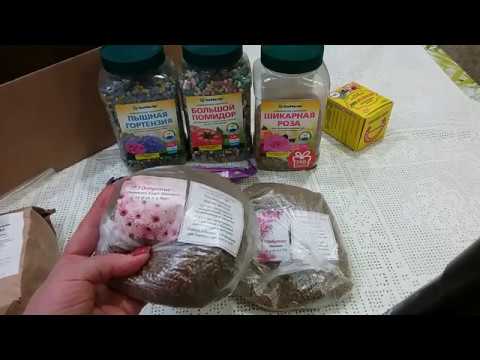

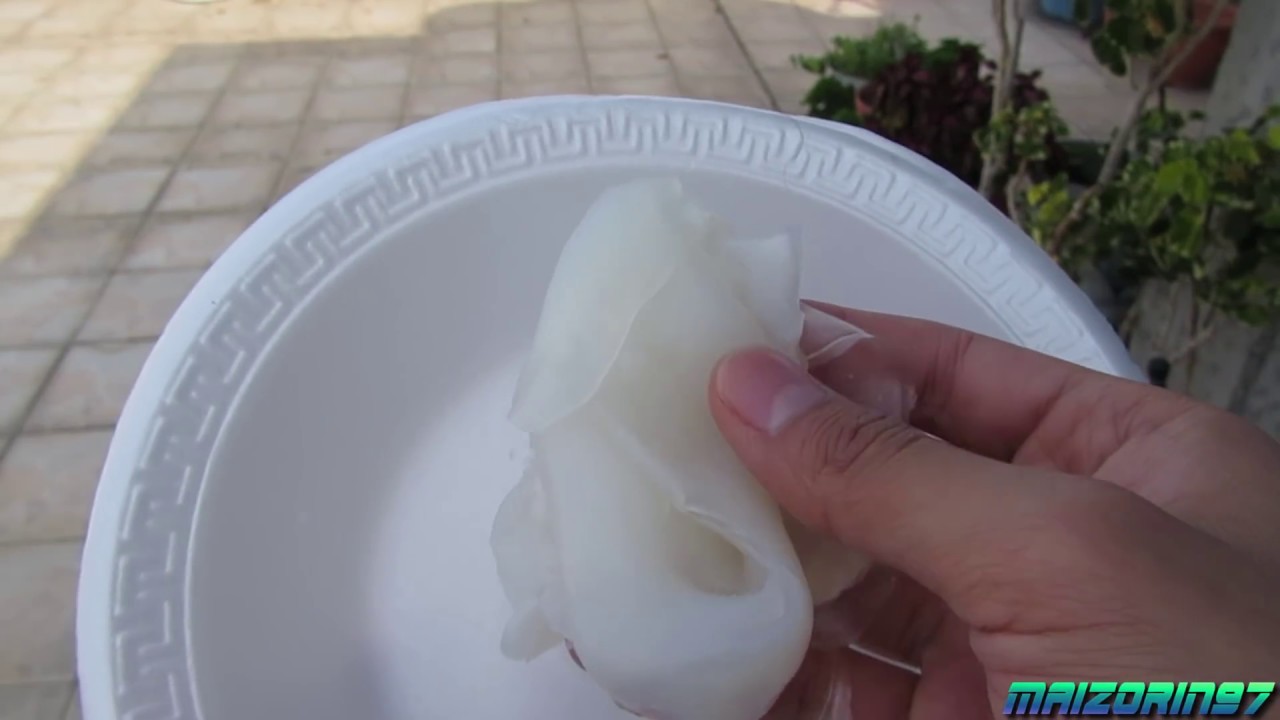








Grow Dots use food-grade biodegradable polymers (not plastic) that break down through microbial action into water, carbon dioxide, and biomass, rather than fragmenting into harmful microplastics, making them environmentally safer than traditional plastic alternatives.
Understanding Grow Dots: Biodegradable Polymers vs Microplastics
Added:Basic Polymer Chemistry: Understanding the molecular structure of polymers, monomers, and the difference between synthetic and natural macromolecules.
Concepts of Biodegradability: Familiarity with the chemical and biological processes (such as microbial decomposition and hydrolysis) by which materials break down in nature.
Introduction to Microplastics: Understanding how conventional plastics fragment into persistent environmental pollutants and their ecological impact.
Principles of Controlled-Release Fertilizers (CRFs): Knowledge of how agricultural nutrients are encapsulated to release active ingredients gradually over time.
Advanced Biopolymer Engineering: Investigating the synthesis and properties of next-generation biodegradable materials like polylactic acid (PLA) and polyhydroxyalkanoates (PHAs).
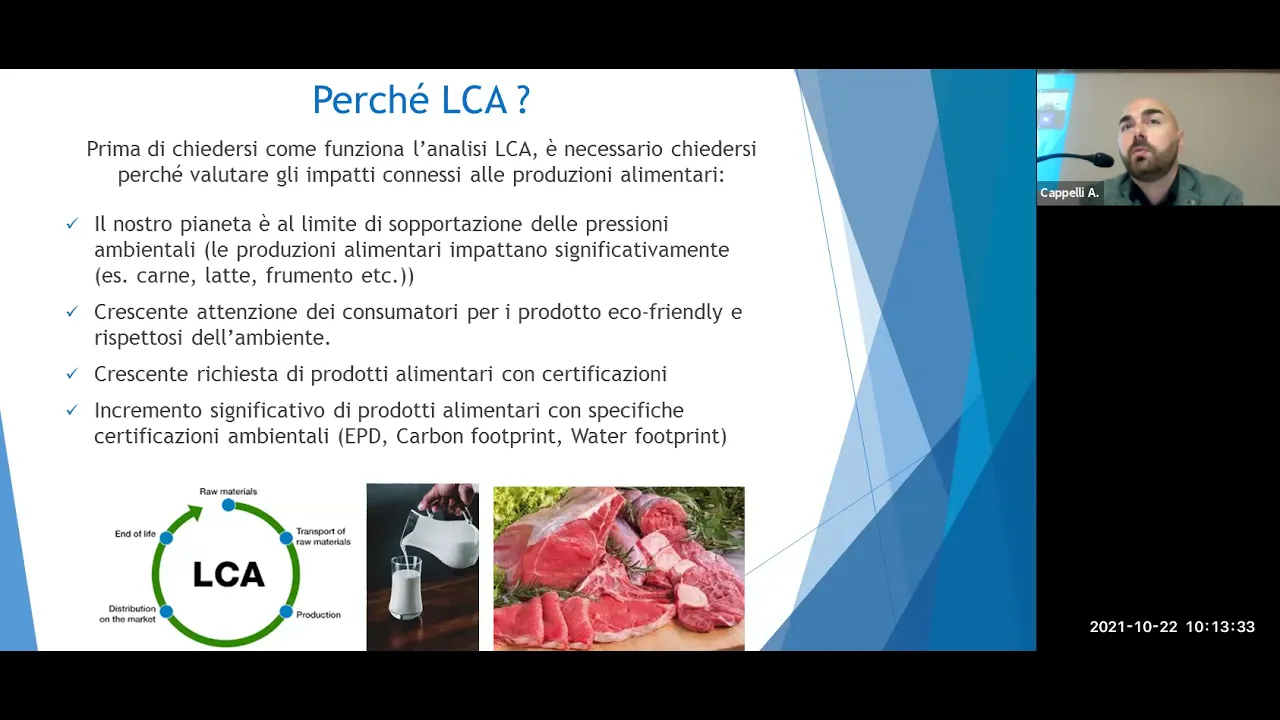
Life Cycle Assessment (LCA) of Agricultural Inputs: Learning how to quantify the overall environmental footprint of polymer-coated fertilizers from raw material extraction to soil degradation.
Regulatory and Certification Standards: Exploring international standards (such as ASTM or ISO) that define and verify terms like 'bio-based', 'biodegradable', and 'compostable' in soil environments.
Soil Chemistry and Precision Agriculture: Studying how environmental factors like soil pH, temperature, and microbial populations influence the degradation rate and nutrient release curves of smart fertilizers.
25.3K views895likes6:39Original Release: 2024-12-17
are grow dots safe to using your grow come on let's talk about some common concerns but before we do today's video is brought to you by real grow laab if you want to connect with the best Growers from all over the world get tips and tricks on how to grow the dankest plants possible and not have to worry about the censorship we get from YouTube Facebook and Instagram go check out realg rab.com get all kinds of great grow talk Q&A plus see all the stuff YouTube won't let me show you in these videos sign up and join our growing community over at real growlab docomo App Store now let's get back to today's video all right hi see come on let's get into this one all right man I'm going to give you my first objection when I when you first brought Gro dots to my attention fair enough I looked at them I was like these are covered in plastic he yes it was my first objection too when I looked at them and then I needed it explain to me that it's not plastic okay it's a polymer and I had to learn a little bit about this I'm not much of a chemist but polymer is just a short chain that is repeated over and over again Plastics are polymers all polymers aren't Plastics and what I mean is that cellulose is a polymer I'm trying to think of what else uh rubber from trees is a rubber ligan proteins it's just this uh uh sequence you know in ours in the grow dots it's hydrogen Nitro nren oxygen and carbon and those are the constituents that are bonded together and then chains of them over and over again monomers and the polymers there's thousands of different combinations of polymers and Gro dots have a food grade safe polymers so it's the same technology they use to grow your food with and I was actually looking this particular polymer up and in Europe they have stricter rules on how they're allowed to produce the food yeah and so they use these in Europe but by law over there they're not allowed to have the type of polymer that degrades into into a what is it microplastics sure absolutely so by law in in certain parts of the world this technology that or this polymer that's on the grow dots it's not legally allowed to degrade into microplastics it's a perfect segue let's talk about the two types of polymers you got biodegradable and nonbiodegradable yeah and I've heard non-biodegradable I I keep hearing about how horrible that is for the environment sure non-biodegradable though how does that turn into micr Plastics after a while you know plastic gets hard and it just starts breaking down in the little pieces and those pieces get a little bit smaller and it just breaks down in these tiny pieces and once they're small enough they can be uptaken by living things plants animals but they are still plastic yeah it's tiny pieces of plastic and is no good man versus when they talk about biodegradable yeah biodegradable is much different instead of the plastic just breaking down just weathering into smaller and smaller pieces uh biodegradable means that the microbes the bacteria and the fungi are going to secrete enzymes that actually degrade this plastic back in through its original elements it's nitrogen it's hydrogen it's carbon it's oxygen and by the way you can take those one makes H2O one makes water one makes CO2 and then you get microbial biomass as well so you get to feed the microbe you get water and CO2 when you biodegrade uh my Polymer all right so I've got this infographic pulled up and it seems like it's talking about what you're talking about it's really complicated all right but at least in six simple color-coded steps you see the microorganism makes an enzyme that enzyme attacks the plastic and it degrades it into what do you got here CO2 and water and other metabolites and they're using the word plastic is that kind of interchangeable they're I I hear plastic and polymer used as the same thing pretty often we talked about it right what is it all Plastics are polymers but all polymers aren't Plastics all right so that brings up my next question is the biodegrading I I don't want these biodegrading in my grow no no they do take a while the coating is meant to last a while and then it does depend microbial activity has has a ton to do with it temperature uh just whether they're exposed to air if they're outside there's a lot of things there's a a few variables that will speed up bi a degradation hey but the most important thing to remember is when these things break down they are not breaking down in the microplastics they're breaking down into their core components and like I said it ends up being water and carbon dioxide okay so I'm not just a grower I'm a marketer everybody knows that about me and one thing that don't know about me is if I don't believe in a product I absolutely will not help Market it I was very skeptical of grow dots when you first bought them on absolutely and one thing that is different than like Monsanto when I see the people that market Monsanto I remember the well if Monsanto is safe will you drink it and the CEO is like yeah I totally would and they give him a cup of it and he goes well not on camera you actually use grow dots in your grow yes I absolutely do I hook out the the Cannabis up as medicine for myself I hook it up to friends and family I have no desire to poison them I no desire to poison myself I am trying to come up my goal what really motivates me is to come up with a super simple way so I can turn people on to growing and then have them have success I want them to be healthy I want them to use cannabis's medicine and being a synthetic grower I have definitely gone through my share of plastic bottles I've used a lot lot of plastic in my grow career and that's why it was important when I was formulating grow dots to work with something and to bring something in the market that was biodegradable that wasn't going to contribute more to this problem but that is why we made grow dots the way we did that's why we want with a biodegradable polymer over a simple plastic that's just me those are my ideals those are my values but what about you are you using Organics are you using synthetics let me know in the comments and if you dug this video please hit that like button smash that subscribe button share this video with another girl you know and check out the other couple videos YouTube's recommending because I think you'll dig them
Up Next

4:02
Exploring KEGG Pathway Database: A Bioinformatics Guide to Metabolic Pathway Analysis
@insilicoscholar
251 views•2022-11-15

12:54
Triumph of Orthodoxy Icon: Byzantine Art & History Explained
@BenCallan
2.1K views•2024-08-06

9:49
FastAPI vs Flask vs Django: Choosing the Right Python Web Framework
@TechWithTim
302.5K views•2024-05-26

1:42
Game of Thrones Opening Credits: A Cinematic Analysis
@gameofthrones
46.3M views•2011-04-18
Related Study Plans & Knowledge Roadmaps
Structured learning paths in General & Interdisciplinary Studies
general-studies
Elevator Engineering: History, Physics & Cities
01From Hoists to Safety Brakes: The Dawn of Vertical Lift
02Hydraulic vs. Traction: The Engineering Physics of Elevators
03Modern Speed, Safety, and Algorithms
+ 2 more learning modules
12h5 modules
Explore Roadmap
general-studies
Rubber: Material Science, History & Geopolitics
01Origins of Natural Rubber & Mesoamerican History
02The Chemistry of Natural Rubber & Vulcanization
03The Geopolitics of the Rubber Boom & Colonization
+ 2 more learning modules
12h5 modules
Explore Roadmap
general-studies
Containerization: Evolution, Logistics & Trade
01Ancient Trade & Bulk Cargo: Amphorae to Barrels
02The Industrial Revolution & Cardboard Packaging
03The Containerization Revolution: Malcom McLean
+ 2 more learning modules
12h5 modules
Explore Roadmap
general-studies
Textile Tech: Evolution, Labor & Global Impact
01Pre-Industrial Textiles: Handloom & Cottage Industry
02Mechanization: The Spinning Jenny to the Power Loom
03The Factory System & Global Labor Transformation
+ 2 more learning modules
10h5 modules
Explore Roadmap