














![[소방안전관리자1급] 2024 개정📌 14편 : 소방학개론 - Part ② | 챕스랜드](https://i.ytimg.com/vi/AJ9vakmS-Fo/maxresdefault.jpg)
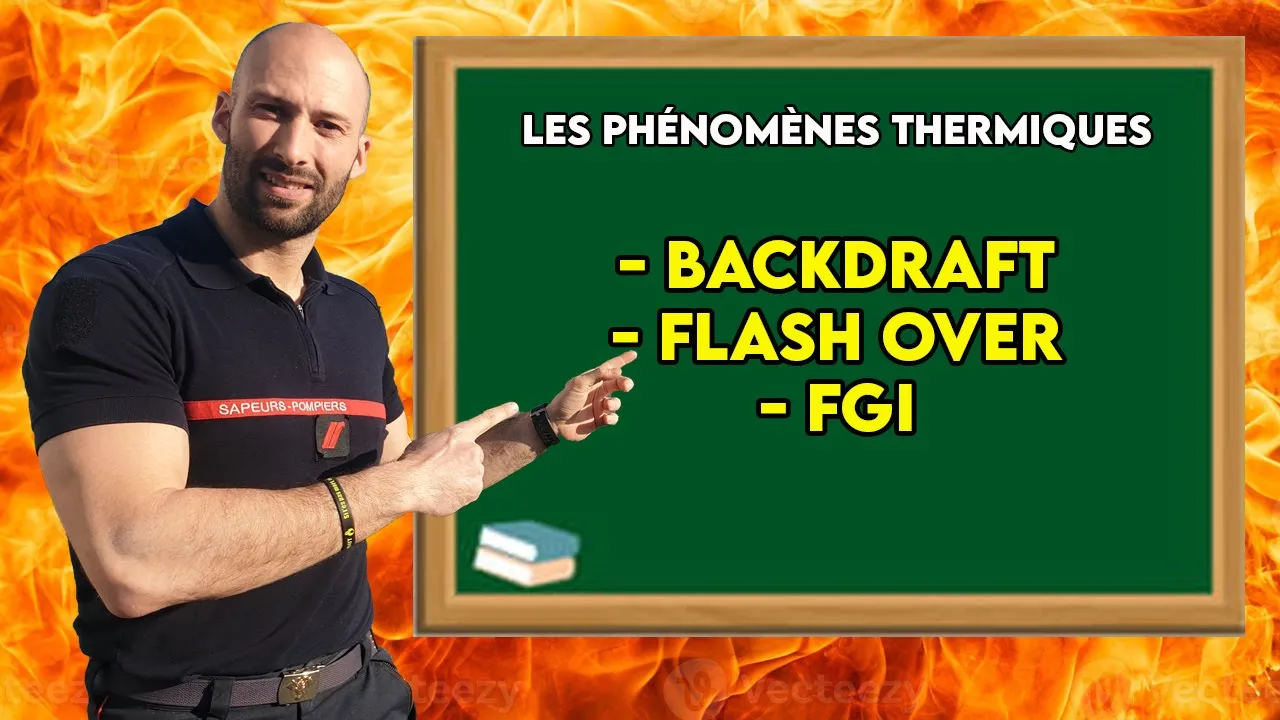



Fire is a rapid oxidation reaction between hydrocarbons (carbon and hydrogen compounds like methane) and oxygen, which releases energy as heat and light by reducing the energy level of molecules; fire safety relies on understanding the fire triangle (fuel, oxygen, heat) and using methods like removing fuel, restricting air, or cooling temperatures to extinguish fires.
The Chemistry of Fire: Oxidation, Combustion, and Fire Safety
Added:Basic chemical reactions and equations, specifically how reactants transform into new chemical products.
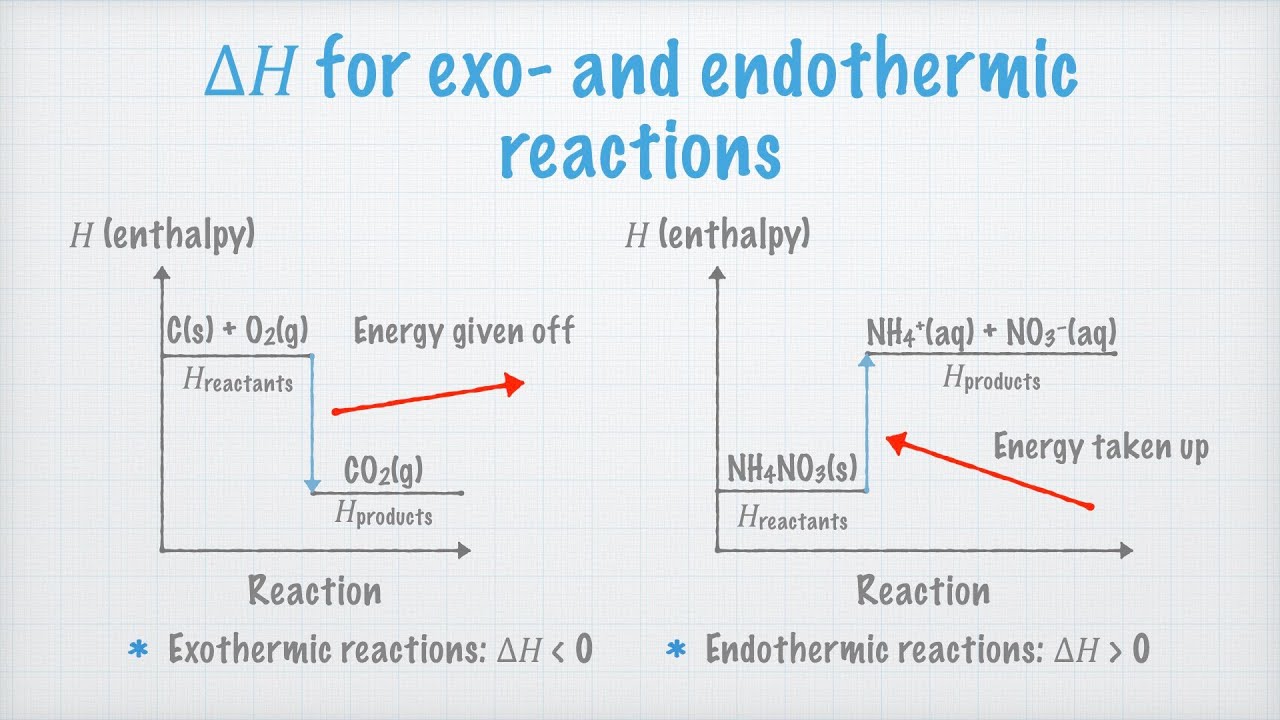
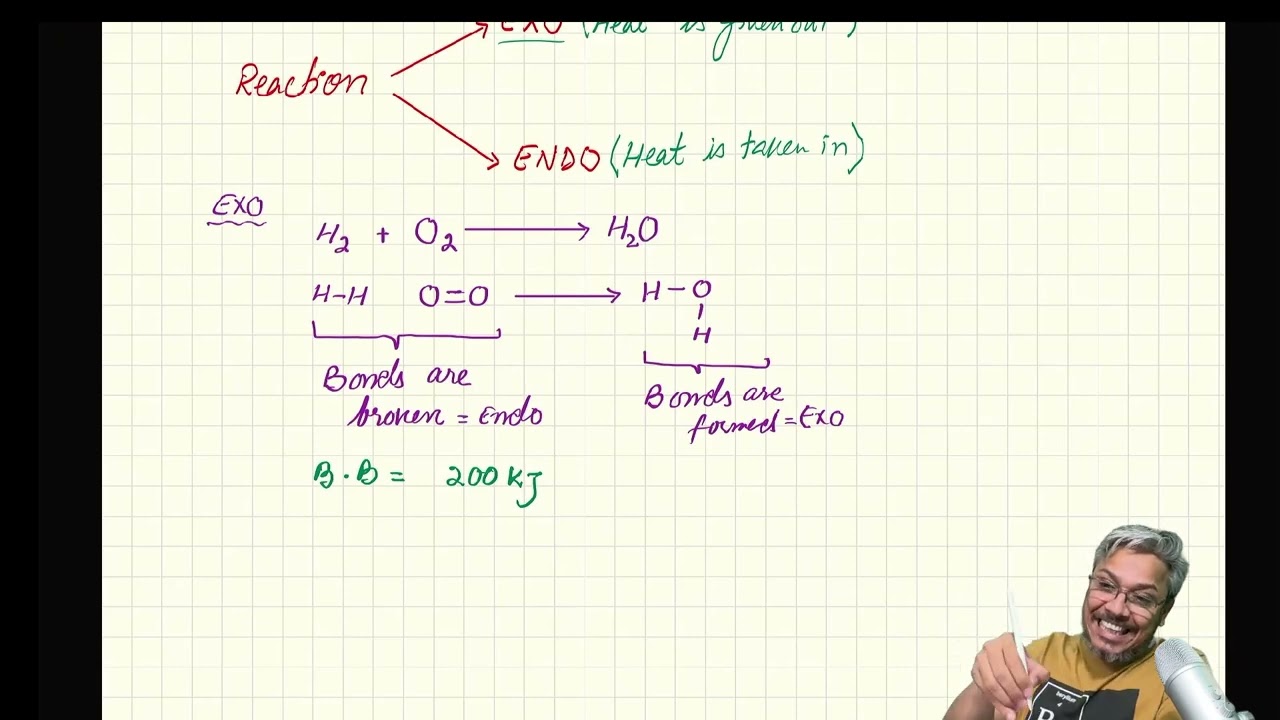
The concept of exothermic reactions, where chemical bonds break and reform to release energy in the form of heat and light.
States of matter and phase transitions, particularly how liquid fuels vaporize into gases to burn.
The role of oxygen in chemical bonding and its behavior as a highly reactive oxidizing agent.
Advanced combustion stoichiometry, including fuel-to-oxygen ratios and the chemical differences between complete and incomplete combustion.
The chemistry of fire suppression, detailing how different extinguishing agents (dry chemical, CO2, water, and foam) chemically disrupt the fire tetrahedron.
Fire dynamics in structural environments, exploring complex thermodynamic phenomena like flashover, backdraft, and thermal runaway.
The toxicology and environmental chemistry of smoke, focusing on hazardous combustion byproducts like carbon monoxide, hydrogen cyanide, and particulate matter.
1.1K views14likes5:57Original Release: 2020-12-14
hey everyone i'm chris anderson and i'm district chief matt flagler from the cincinnati fire department and today we're going to teach you about the chemistry of fire so chief what's the chemistry behind a fire so the chemistry of a fire is a reaction called oxidation oxidation is the same reaction that makes metal rust however in a fire that reaction happens very very quickly the principal elements for a chemical reaction of fire are something called a hydrocarbon which is we talked about that carbon and hydrogen together probably the most classic one would be methane which is the natural gas that heats most of our homes we combine that with oxygen and a rapid reaction occurs and the output of that reaction is carbon dioxide and water and heat right and well and heat because the reaction happens so quickly the oxygen and the hydrocarbon have a very high amount of energy inside those molecules and when i have the chemical reaction i reduce those that energy level to a much lower state so to get from this high energy level to this lower level i have to give off energy and it happens in two ways first is heat like you said because the molecules are crashing into each other so fast and second is light it's so fast that we see the light of the flame of the fire now you have a demo to kind of show us how that reaction works right correct all right you ready to show us i am all right me too let's do it okay all right so chief uh tell us a little bit about the demo so what we're going to look at is something called volatility and volatility relates to vapors that come off of a flammable liquid in this case we're using diesel fuel and in a minute we'll put some fire to it and we'll see that we really even with flame can't get diesel fuel to light on fire that's because it actually has a pretty low volatility level in the fire department we call that something that's combustible it will burn but it doesn't burn very fast so to help us along in our demo we're going to use a liquid called heptane that's got a much higher vola amount of volatility or for us what we call a lower flash point which means that at a lower temperature it lets off vapors and that very small amount of that volatile liquid will heat up the remaining diesel fuel and we'll see a really big fire anything else we want to we need to know before we get this guy lit once we get it lit we're going to put it out okay in fact you're going to put it out and the way that we might put out a fire is we can remove the fuel we could turn off a valve we could pull the burning material away so it doesn't the fire doesn't spread we can restrict the amount of air that flows into it we might put a pan over a lid over the pan that's on fire okay or we can remove the heat and by that we can pour water on it we can do all kinds of things that might lower the temperature and then when we want to finish this job we will use the big hose line off of the engine and that hose line actually has fire fighting foam in it and so the water in the hose line is going to reduce that temperature okay and the foam in there actually floats over top of this hydrocarbon fuel and it shuts off the air so we have kind of a combination mode of putting on cutting off the oxygen yes gotcha well we're ready to light it up yes let's light it up all right [Music] well chief that went up quick yeah no kidding yeah i mean the all we had to do is that little bit of flame and all those gases just went up like that that's right and they're going to heat each other as that fire grows right it creates the heat that the reaction needs to continue that chain react that chain reaction keeps that combustion going that's correct that's cool so i mean it's it's super hot here and we're at least 30 yards away if a fire breaks out in your house what are some things that we should do to make sure that we're safe well the number one thing we want everybody to do is have a smoke detector the smoke detector gives you just so much early warning the smallest amount of smoke from that fire is going to alert you that's a problem so well before this kind of rate of heat release is honest you're going to be safe and you're going to be able to escape the other things to do is when you have a small fire in the home is we want to make sure that you separate yourself from that fire so if you're exiting you close the door if you live in an apartment building always close that door on your way out that'll cut off some of the oxygen that's correct and it'll keep that fire from spreading gotcha i'm sure having a fire extinguisher around the house to to stop that reaction from continuing is probably really helpful too yes the fire extinguishers can be really helpful but we always want to make sure that we have a little bit of practice we know how to use them and the most important thing is the safety of everybody in their home and so if there's any concern go outside and call the fire department that's what we're here for that's right well chief thanks so much for bringing me down here teaching me how fires work and teach us some fire safety that's great i'm glad to have you hey thanks a lot and thank you for watching and we'll see you next time on science around scentsy do you love science of course you do so stay up to date on all things science around scentsy by subscribing to our channel and follow us on instagram and twitter at psi around scentsy
Up Next
10:39
Rate Law and Reaction Order | AP Chemistry Kinetics
@readysetorgo
900.7K views•2014-10-12
83:56
Biocatalysis and Catalysis in Islatravir Synthesis | Merck Webinar
@SCIwheresciencemeetsbusiness
675 views•2020-10-08
10:06
1H NMR: Determining Number of Peaks from Structure
@MSJChem
59.2K views•2017-04-06

17:31
Edible Water Bottles: A DIY Guide to Sodium Alginate Spherification
@ryan
10.5M views•2019-06-21
Related Study Plans & Knowledge Roadmaps
Structured learning paths in Chemistry
chemistry
Nuclear Chemistry: Decay, Meds & Fuel Cycle
01Introduction to Nuclear Structure and Radioactivity
02Decay Dynamics and Kinetics
03Radiation Interaction and Detection
+ 2 more learning modules
24h5 modules
Explore Roadmap
chemistry
Supramolecular Chemistry: Forces & Machines
01Foundations of Chemical Bonding and Intermolecular Forces
02Introduction to Host-Guest Chemistry
03Thermodynamics and Dynamics of Self-Assembly
+ 2 more learning modules
16h5 modules
Explore Roadmap
chemistry
Photochemistry: Excited States & Reactions
01Foundations of Light-Matter Interactions
02Molecular Orbitals and Electronic States
03Photophysical Processes and Jablonski Diagrams
+ 2 more learning modules
18h5 modules
Explore Roadmap
chemistry
Coordination Chemistry: Bonding & Properties
01Introduction to Transition Metals and Ligands
02Crystal Field Theory (CFT) and Geometry
03Magnetic Behavior and Spin States
+ 2 more learning modules
14h5 modules
Explore Roadmap