

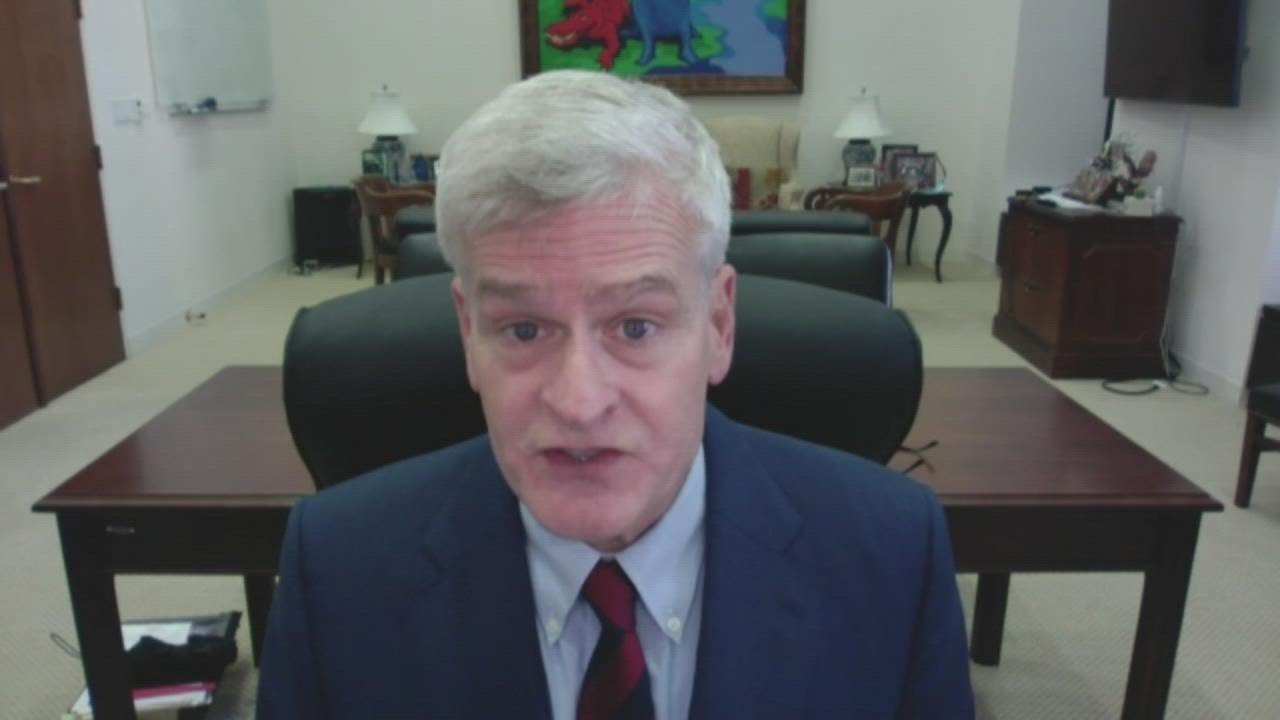






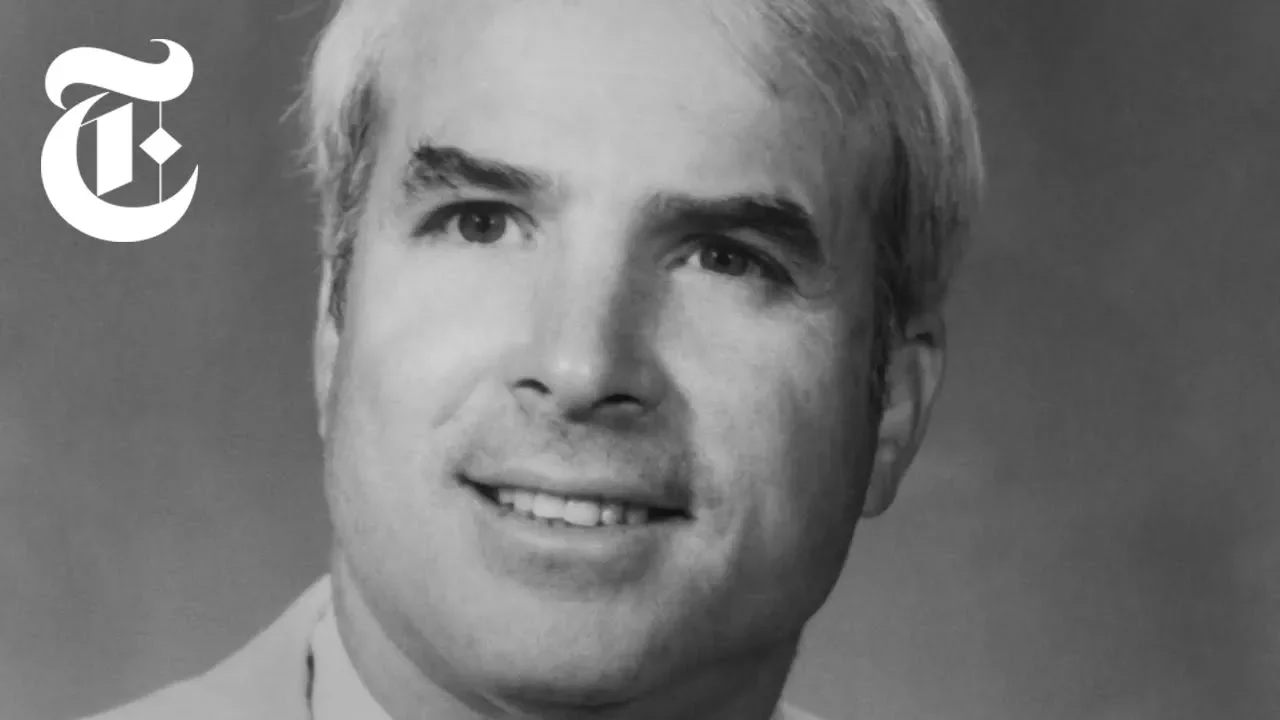
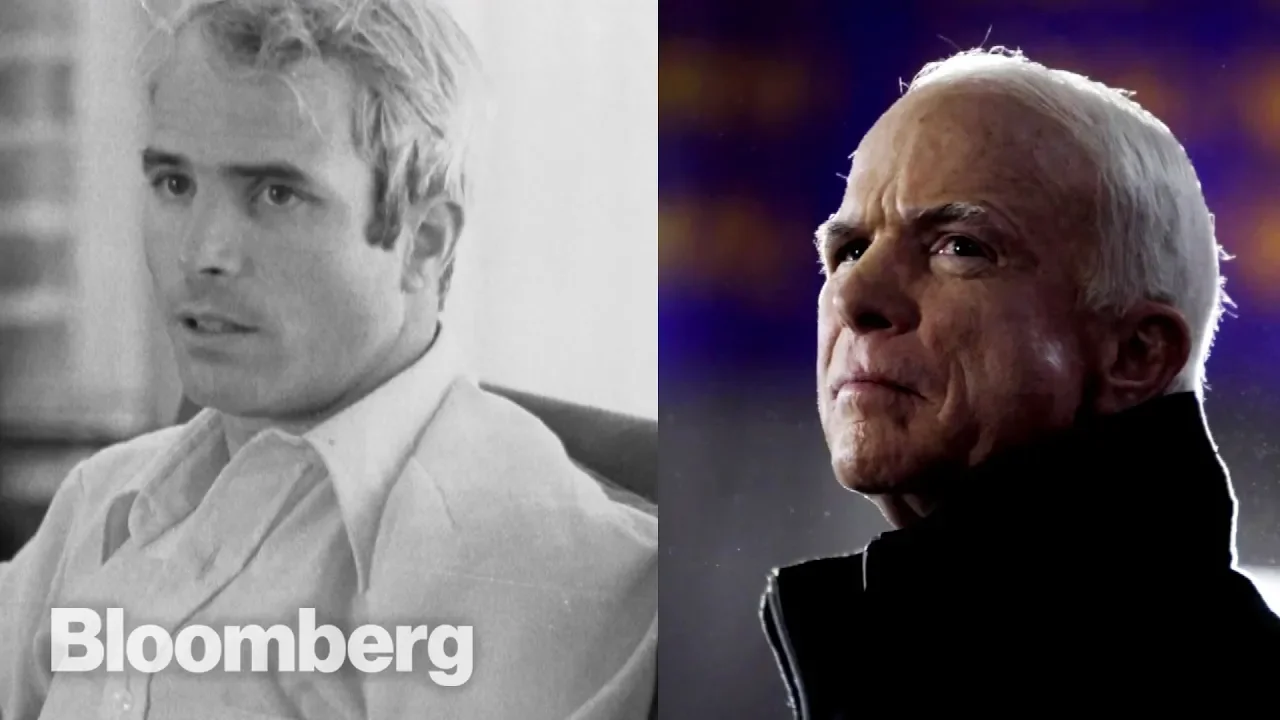
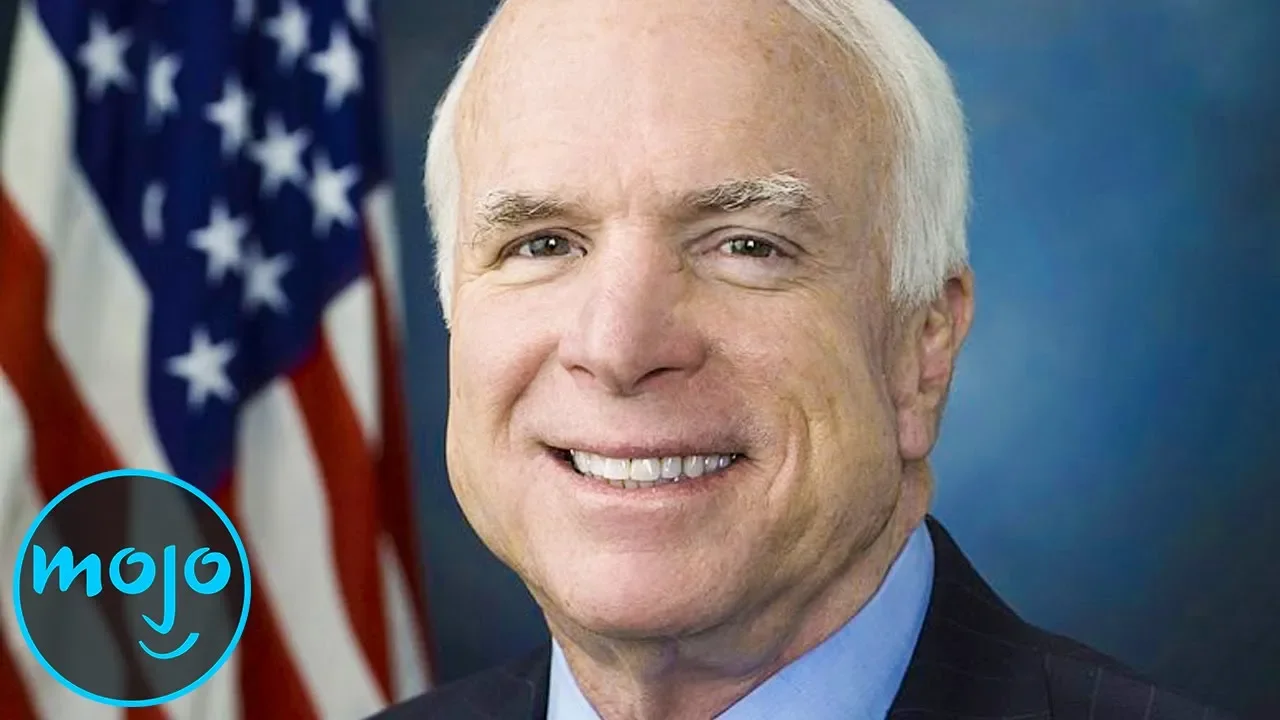




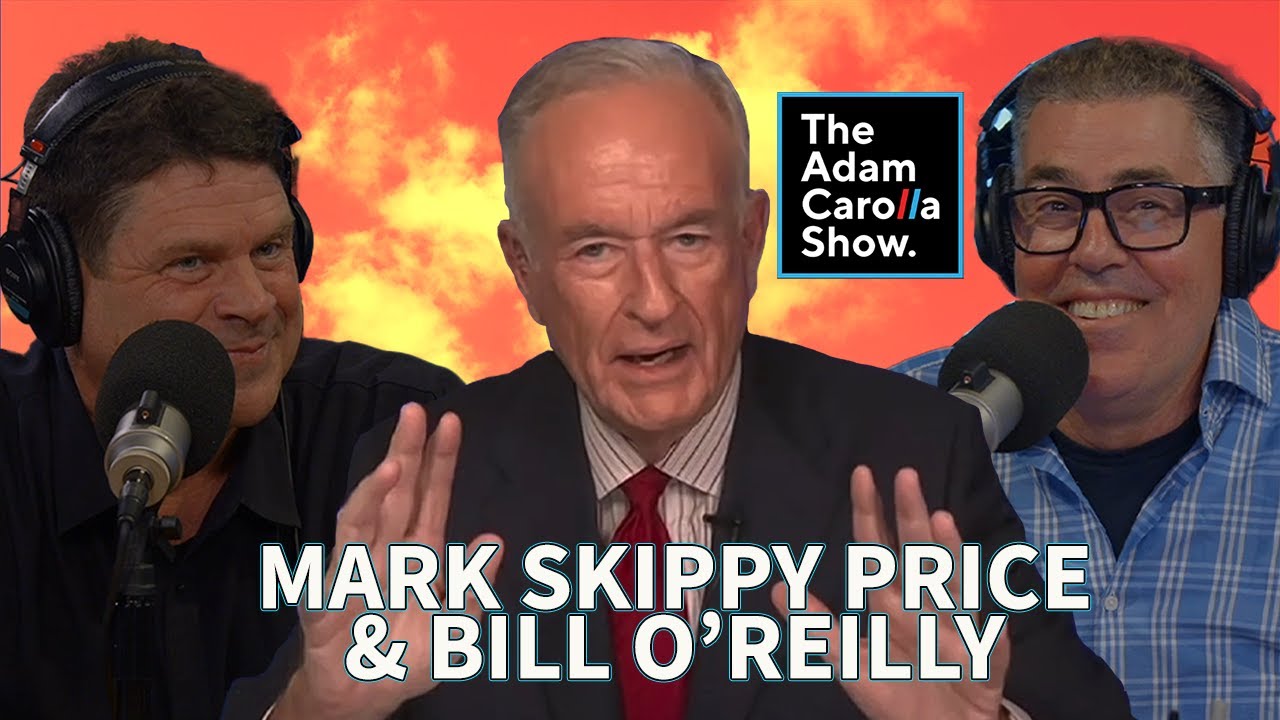



This video analysis examines how procedural votes in the U.S. Senate can advance legislation without constituent input, using John McCain's 2017 vote on Affordable Care Act replacement as a case study. The hosts critique the practice of voting on procedure without seeing the actual bill, highlighting the tension between political theater and genuine democratic representation. McCain's passionate speech opposing the bill while voting for it exemplifies how procedural votes can create misleading impressions of legislative intent, raising questions about whether senators are serving their constituents' interests or pursuing political gain.
John McCain's Senate Vote: Media Analysis of the ACA Procedural Debate
Added:The legislative process in the United States Senate, specifically the distinction between procedural votes (such as motions to proceed) and substantive votes on final passage.
The history of the Affordable Care Act (ACA) and the political context of the 2017 Republican-led efforts to 'repeal and replace' the legislation.
Basic concepts of media framing and political communication, showing how news outlets construct narratives around political events.
The political legacy of Senator John McCain, including his reputation as a 'maverick' and his advocacy for congressional bipartisanship and 'regular order'.
An analysis of the decline of 'regular order' in the modern U.S. Congress and its impact on the quality of democratic deliberation.
The long-term public health and economic outcomes resulting from the survival of the ACA after the 2017 repeal attempt.
Advanced studies in media polarization, examining how different media ecosystems (conservative vs. liberal) portray the same legislative events to distinct audiences.
A comparative political analysis of other historical cross-party or 'maverick' votes in Senate history and their long-term national policy consequences.
308.4K views5.2Klikes13:37Original Release: 2017-07-26
THE SENATE HAD A PROCEDURAL VOTE IN REGARD TO THE REPLACEMENT PLAN FOR THE AFFORDABLE CARE ACT, AND UNFORTUNATELY THE PROCEDURAL VOTE DID PASS WITH MIKE PENCE BREAKING THE 50/50 TIE.
THE TWO REPUBLICAN LAWMAKERS WHO VOTED AGAINST THE PROCEDURAL VOTE OF COURSE WERE THE TWO WOMEN WHO HAVE BEEN HOLDING THIS UP, LISA MURKOWSKI AND ALSO SUSAN COLLINS.
ANOTHER THING TO KEEP IN MIND IS THAT SENATOR JOHN MCCAIN DECIDED TO GO BACK TO WASHINGTON IN ORDER TO TAKE PART IN THIS VOTE, AND HE DID VOTE IN FAVOR OF IT.
KEEP IN MIND THAT THIS IS STRICTLY A PROCEDURAL VOTE, MEANING THAT THE SENATE HAS AGREED, OR HAS VOTED IN FAVOR OF, ALLOWING FOR MORE DEBATE MOVING FORWARD IN REGARD TO REPLACEMENT PLANS FOR THE AFFORDABLE CARE ACT.
>>CAN I JUMP IN ON THE CANE IMMEDIATELY?
>>WE HAVE VIDEOS OF MCCAIN GIVING A PASSIONATE SPEECH AS WELL.
>>PASSIONATE IN ALL THE WRONG WAYS.
I WILL START WITH MURKOWSKI AND COLLINS, BLESS THEIR HEARTS, RARELY WILL A REPUBLICAN SENATOR OR ANY REPUBLICAN POLITICIAN ACTUALLY VOTE IN A MODERATE WAY.
THEY LOVE TO CLAIM THE TITLE OF MODERATE, BUT THEY NEVER ACT MODERATE.
BUT HERE IS A RARE CASE, AND AN IMPORTANT CASE, WHERE THEY ACTUALLY WERE MODERATE.
THEY SAID WE ARE NOT GOING TO STRIP AWAY HEALTHCARE FROM 22 MILLION AMERICANS, WE DON'T VOTE YES ON PROCEDURE, WE DON'T VOTE YES ON THE BILL, AND WE DON'T EVEN KNOW WHAT IS IN THE BILL.
THIS IS THE INSANITY OF THIS.
MCCONNELL, THE LEADER FOR THE REPUBLICANS IN THE SENATE, SAID WE WON'T TELL YOU WHAT WE WILL PUT UP.
VOTE YES ON PROCEEDING TO DEBATE.
MURKOWSKI SAID, WHAT ARE WE DEBATING?
AND HE IS LIKE, NOT GOING TO TELL YOU.
THAT'S GREAT CONTEXT FOR WHAT YOU WILL SEE FROM MCCAIN BECAUSE IT SOUNDS WONDERFUL BUT IN MY OPINION IT'S HORRIBLE.
MURKOWSKI AND COLLINS, REPUBLICAN SENATORS, DESERVE CREDIT FOR DOING THE RIGHT THING AND PROTECTING YOUR HEALTHCARE.
NONE OF THE PEOPLE WHO VOTED YES KNOW WHAT THEY ARE VOTING ON, THEY HAVE NOT SEEN THE BILL THAT WILL BE PROPOSED.
ALL THOSE YEARS OF REPUBLICANS SAYING THEY DIDN'T EVEN READ THE BILL -- IN THIS CASE, THERE IS NO BILL.
MCCONNELL SAID I'M NOT GOING TO TELL YOU WHICH BILL I WILL PUT UP ON WHAT'S IN IT, I WANT YOU TO VOTE YES ANYWAY ON GOING FORWARD ON THAT DEBATE.
AS USUAL, AN OVERWHELMING MAJORITY OF REPUBLICANS, GROTESQUE AND OBVIOUS AND BRAZEN HYPOCRITES.
WHICH I HEAR ALL THE TIME ON TV.
OH RIGHT, THEY NEVER SAY THAT, THEY CALL IT 50/50 UNLESS IT'S TRUMP.
>>MCCONNELL DRAFTED THIS LEGISLATION BEHIND CLOSED DOORS, THE SENATORS DON'T KNOW WHAT IT ENTAILS.
HOWEVER AFTER THIS PROCEDURAL VOTE IT ESSENTIALLY OPENS THE DOORS TO AS MUCH AS 20 HOURS WORTH OF DEBATE WHEN AMENDMENTS WILL BE PROPOSED AND THE OUTCOME IS UNLIKELY TO BE EXACTLY THE SAME AS WHAT MCCONNELL HAS DRAFTED.
I WANT TO MAKE THAT CLEAR.
WITH THAT SAID, LET'S HEAR FROM JOHN MCCAIN, HE DID GIVE A PRETTY PASSIONATE SPEECH DURING THIS VOTE.
>>WE REPUBLICANS HAVE LOOKED FOR A WAY TO END IT AND REPLACE IT WITH NOTHING ELSE WITHOUT PAYING A TERRIBLE POLITICAL PRICE.
WE HAVEN'T FOUND IT YET, AND I'M NOT SURE WE WILL.
ALL WE'VE MANAGED TO DO IS MAKE MORE POPULAR A POLICY THAT WASN'T VERY POPULAR WHEN WE STARTED TRYING TO GET RID OF IT.
HIGH VOTED FOR THE MOTION TO PROCEED TO ALLOW DEBATE TO CONTINUE INDEPENDENCE TO BE OFFERED, I WILL NOT VOTE FOR THIS BILL AS IT IS TODAY.
IT'S A SHELL OF A BILL RIGHT NOW, WE ALL KNOW THAT.
I HAVE CHANGES URGED BY MY STATE'S GOVERNOR THAT WILL HAVE TO BE INCLUDED TO EARN MY SUPPORT FOR FINAL PASSAGE OF ANY BILL.
I KNOW MANY OF YOU WILL HAVE TO SEE THE BILL CHANGED SUBSTANTIALLY FOR YOU TO SUPPORT IT.
WE TRIED TO DO THIS BY COMING UP WITH A PROPOSAL BEHIND CLOSED DOORS IN CONSULTATION WITH THE ADMINISTRATION, AND SPRINGING IT ON SKEPTICAL MEMBERS, TRYING TO CONVINCE THEM THAT IT'S BETTER THAN NOTHING.
THAT IT'S BETTER THAN NOTHING?
ASKING US TO SWALLOW OUR DOUBTS AND FORCE IT PASSED A UNIFIED OPPOSITION.
I DON'T THINK THAT'S GOING TO WORK IN THE END, AND PROBABLY SHOULDN'T.
>>THERE HE IS, HE HAD SOME STRONG WORDS FOR PEOPLE IN THE MEDIA WHO HAVE CHIMED IN ON THIS DEBATE AS WELL, WE WILL GET TO THAT.
>>THAT WAS TOTAL NONSENSE.
HE GAVE THE SPEECH TO VOTE NO, THAT HE VOTED YES.
HE SAID WE DID THIS BEHIND CLOSED DOORS, WE SHOULDN'T.
WE SHOULD KNOW WHAT'S IN THE BILL.
BUT I WILL VOTE YES.
THEN YOU SHOULD VOTE NO.
WE DIDN'T WORK WITH THE OTHER PARTY, BUT I WILL VOTE YES.
THIS VOTE WAS TO MAKE SURE YOU DON'T FOLLOW REGULAR ORDER IN THE SENATE.
SO I WILL TELL YOU ALL THE REASONS I SHOULD VOTE NO, SO IT SOUNDS GREAT, AND KNUCKLEHEAD TV NEWS ACTORS WILL COME ON AND GO JOHN MCCAIN, OH MY GOD, JOHN MCCAIN, HE CAME OUT LIKE A HERO AND TOLD US WHY WE SHOULD VOTE NO, AND THEN VOTED YES.
NOT INTERESTED.
IS HE HEROIC FOR COMING FROM BRAIN CANCER AND SPEAKING UNDER THESE CONDITIONS?
YES.
BEING ABLE TO COME OUT OF SURGERY AND GET TO WASHINGTON, I GUESS ON AN ISSUE HE CARES ABOUT, ALTHOUGH I GUESS HE CARES ABOUT IT -- MAYBE DOESN'T KNOW WHAT HE'S DOING BECAUSE THAT SPEECH WAS FOR A NO VOTE, AND TO TURN AROUND AND VOTE IN THIS DIRECTION -- I'LL GIVE HIM ONE MORE PIECE OF CREDIT, YES IT'S GREAT THAT YOU COME OUT IF YOU CARE ABOUT THE ISSUE, AGAIN IT MAKES NO SENSE BECAUSE YOU SEEM TO CARE AGAINST THIS.
THE SECOND PART IS THAT HE DID CAMPAIGN ON IT.
HE DID SAY HE WAS GOING TO REPEAL OBAMACARE, AND HE IS LIKE WHETHER I KNOW WHAT'S IN IT OR NOT, AND HE SAID I'M NOT PROMISING TO VOTE FOR THE FINAL LEGISLATION, BUT I WANT TO GO FORWARD ON MURDERING OBAMACARE, THAT'S MY HEROIC ACT HERE IN THE SENATE.
>>HE HAS BEEN PART OF THAT EFFORT FROM THE BEGINNING.
HE'S BEEN AGAINST THE AFFORDABLE CARE ACT FROM THE BEGINNING, SO IT DOESN'T SURPRISE ME VOTED THE WAY HE DID.
BUT I WANT TO HOLD FOR A SECOND, BECAUSE WHILE I AGREE THAT IT'S RIDICULOUS THAT BOTH THE SENATE AND THE HOUSE, REPUBLICANS IN BOTH THE SENATE AND HOUSE, CONTINUE TO FIGHT TOOTH AND NAIL OR SOMETHING THAT THE VAST MAJORITY OF AMERICANS ARE IN FAVOR OF, AMERICANS DO LIKE THE AFFORDABLE CARE ACT, ESPECIALLY WHEN IT'S PRESENTED TO THEM AS THE AFFORDABLE CARE ACT AND ALL THE DIFFERENT COMPONENTS THEY GET TO TAKE IT MANAGE OF -- HOWEVER, IT'S NOT AS ALARMING AS THEM VOTING ON ACTUAL LEGISLATION.
THAT'S NOT WHAT HAPPENED TODAY.
IT WAS A PROCEDURAL VOTE WHICH INDICATES THAT THEY CAN MOVE FORWARD WITH DEBATING THIS ISSUE, AND CREATING AMENDMENTS TO WHATEVER MITCH MCCONNELL DECIDED TO DRAFT UP BEHIND CLOSED DOORS.
>>LET ME CLARIFY ONE MORE LAYER TO IT, THOUGH.
THE REASON JOHN MCCAIN IS SPEAKING PASSIONATELY AGAINST THE THING HE VOTED FOR HIS BECAUSE HE LIKES TO DO THINGS IN REGULAR ORDER OF THE SENATE, WHICH IS TRUE, HE HAS BEEN PRINCIPLED ON THAT, EXCEPT FOR HIS VOTES, WHICH ARE THE EXACT OPPOSITE OF HIS PRINCIPLES.
NORMALLY YOU WOULD VOTE TO GO FORWARD ON A BILL THAT YOU HAVE SEEN.
THERE IS NO BILL.
WE HAVEN'T SEEN IT YET.
IT'S NOT LIKE THEY DIDN'T GET A CHANCE TO READ IT -- IT HAS NOT BEEN PROPOSED.
THAT IS NOT REGULAR ORDER.
HAD JOHN MCCAIN STUCK WITH HIS PRINCIPLES HE WOULD'VE VOTED NO.
>>THE WAY I SEE THIS, AND CORRECT ME IF I'M WRONG, THIS IS JUST MY PERCEPTION, THIS IS A LOT OF POLITICAL THEATER FOR ME.
BECAUSE -- >>SORRY TO JUMP IN, BUT THEY COULD HAVE KILLED IT HERE.
IF JOHN MCCAIN DOESN'T SHOW UP, OR GIVES THE SAME SPEECH AND VOTES AS THE SPEECH SAYS, WE ARE DONE WITH IT.
THEY CAN'T PROCEED TO A VOTE TO KILL OBAMACARE.
>>I UNDERSTAND THAT, BUT YOU ARE TALKING AS IF WE HAVE SENATORS THAT ARE INTERESTED IN SERVING THE BEST INTERESTS OF THEIR CONSTITUENTS, WHICH WE KNOW WE DON'T.
WE HAVE SENATORS AND LAWMAKERS WHO DO THINGS FOR POLITICAL GAIN, SO IF YOU HAVE SOME MEMBERS OF -- SOME PEOPLE WHO VOTED FOR THEM, THEIR CONSTITUENTS, WHO THINK OBAMACARE IS TERRIBLE WITHOUT EVEN REALLY UNDERSTANDING HOW MANY COMPONENTS OF OBAMACARE HAVE HELPED THEM OUT -- IF THEY VOTED FOR THESE POLITICIANS WITH THE THOUGHT THAT THEY WERE GOING TO HELP GET RID OF OBAMACARE, WELL, ISN'T THAT WHAT THEY ARE DOING HERE?
ISN'T THAT WHAT THEY ARE ATTEMPTING TO DO?
APPEAR LIKE THEY ARE TRYING TO DISMANTLE THE AFFORDABLE CARE ACT, WHEN IN REALITY THIS IS A PROCEDURAL VOTE THAT DOESN'T REALLY DO MUCH OTHER THAN OPEN THE DOORS FOR MORE DEBATE?
>>BUT AT THE END OF THE DAY IF THAT'S WHAT JOHN MCCAIN THINKS HE'S DOING AND BEING CUTE, I VOTED ON PROCEDURE AND THEN LATER VOTES AGAINST THE BILL, I WILL TAKE IT IF HE VOTES AGAINST THE BILL, BUT IT WON'T CONVINCE ANYBODY.
EVENTUALLY YOU WILL HAVE THE REAL VOTE.
I DON'T THINK IT DOES THAT MUCH GOOD.
THIS IS JUST THEM GOING OUT THERE AND SAYING YES, I PROMISED TO KILL THE AFFORDABLE CARE ACT, WHICH GIVES YOU INSURANCE, AND I'LL DO IT EVEN IF I DON'T KNOW WHAT IS IN -- I DON'T KNOW IF THERE WILL BE A REPLACEMENT AT ALL.
MCCONNELL HASN'T PROMISED IT WILL BE REPLACED IN ANY WAY, SHAPE, OR FORM.
I DON'T KNOW IF A REPLACEMENT EXISTS.
BUT I PROMISED YOU I WILL DESTROY YOUR HEALTH CARE, AND I WILL DELIVER ON THAT.
THANK YOU, JOHN MCCAIN, IT LOOKS LIKE YOU HAD GOOD HEALTHCARE THOUGH.
YOU ARE A SENATOR, YOU HAD GREAT HEALTHCARE, THAT'S WHAT YOU COULD HAVE THAT SURGERY AND COME RIGHT BACK.
IF OTHER PEOPLE WANT THAT HEALTHCARE, IT LOOKS LIKE YOU WILL VOTE NO.
WOW, HEROISM.
>>THAT GOES BACK TO THE LACK OF EMPATHY LAWMAKERS HAVE.
THEY WILL TAKE IT MANAGE OF GOVERNMENT PROGRAMS THAT ARE AWESOME, HE DOESN'T HAVE TO WORRY ABOUT NOT HAVING THE RESOURCES AVAILABLE TO TREAT HIS CONDITION, BUT HE HAS NO PROBLEM POSSIBLY TAKING THOSE TYPES OF BENEFITS AWAY FROM THE AMERICAN PEOPLE.
THERE WAS ANOTHER PORTION OF HIS SPEECH I THOUGHT WAS SUPER INTERESTING, HE DECIDED TO ATTACK THE MEDIA NOT IN A TRUMP WAY, BUT IN A FASCINATING WAY REGARDING THE DIVISIVENESS IN THE MEDIA AND SOME OF THE VOICES WE HEAR FROM.
LET'S TAKE A LOOK AT WHAT MCCAIN HAD TO SAY ABOUT THAT.
>>STOP LISTENING TO THE BOMBASTIC LOUDMOUTHS ON THE RADIO AND TELEVISION AND THE INTERNET.
TO HELL WITH THEM.
[APPLEAUSE] THEY DON'T WANT ANYTHING DONE FOR THE PUBLIC GOOD.
OUR INCAPACITY IS THEIR LIVELIHOOD.
LET'S TRUST EACH OTHER.
LET'S RETURN TO REGULAR ORDER.
WE'VE BEEN SPINNING OUR WHEELS ONTO MANY IMPORTANT ISSUES BECAUSE WE KEEP TRYING TO FIND A WAY TO WIN WITHOUT HELP FROM ACROSS THE AISLE.
THAT IS AN APPROACH THAT HAS BEEN EMPLOYED BY BOTH SIDES, MANDATING LEGISLATION FROM THE TOP DOWN WITHOUT ANY SUPPORT FROM THE OTHER SIDE, WITH ALL THE PARLIAMENTARY MANEUVERS THAT REQUIRES.
WE ARE GETTING NOTHING DONE, MY FRIENDS.
WE ARE GETTING NOTHING DONE.
>>WAIT, LET ME TACKLE THIS.
HE SAYS IGNORE THE BOMBASTIC LOUDMOUTHS -- >>HE'S TALKING ABOUT YOU.
>>I HEAR YOU, JOHN.
TO HELL WITH THEM.
A LITTLE IRONIC BUT WE WILL GET PAST IT.
THIS IS THE GUY THAT'S FAMOUS FOR BOMB, BOMB, BOMB IRAN.
THE BIGGEST WARMONGER IN THE SENATE.
SO IF YOU'RE A LITTLE LOUD ON TV, RADIO, OR THE INTERNET -- OH, YOU HAVE BEEN UNCIVIL TO THE ELITES.
HOW DARE YOU, YOU BOMBASTIC LOUDMOUTH?
I DROPPED BOMBS ALL OVER THE MIDDLE EAST, KILLED HUNDREDS OF THOUSANDS OF CIVILIANS, GRANDMOTHERS, BABIES, CHILDREN -- ALL THOSE PEOPLE ARE DEAD IN IRAQ BECAUSE OF JOHN MCCAIN'S VOTE, THEY ARE DEAD ALL OVER THE MIDDLE EAST BECAUSE OF JOHN MCCAIN'S VOTES, BUT SOMEONE WITH A LITTLE LOUD AND HOW THEY COMPLAIN ABOUT THEIR VOTES?
WHEN HE IS SINGING BOMB, BOMB, IRAN -- WE WOULD HAVE 10 TIMES A BIGGER MESS IN IRAN, IT'S BIGGER THAN IRAQ -- BUT WHATEVER YOU DO, DON'T BE IMPOLITE TO THE HONORABLE LADIES AND GENTLEMEN OF THE ELITE SENATE.
THANK YOU FOR YOUR ADVICE, JOHN MCCAIN.
I WILL CHOOSE TO IGNORE THAT.
I THINK WHAT YOU HAVE DONE IS FAR MORE UNCIVIL.
LOOK WHAT YOU ARE DOING HERE.
YOU SAID RETURN TO REGULAR ORDER, YOU VOTED AGAINST REGULAR ORDER.
YOU SAID WE SHOULDN'T SQUEAK BY, WE SHOULD HAVE BIPARTISANSHIP, BUT YOU DIDN'T INCLUDE THE DEMOCRATS IN THAT HEALTHCARE BILL AND YOU JUST PASSED AT 50/50 WITH THE VICE PRESIDENT BREAKING THE TIE.
IT DOESN'T GET MORE PARTISAN THAN THAT.
YOU ARE A HYPOCRITE, AND IF IT HURTS YOUR FEELINGS FOR ME TO POINT OUT THAT STONE COLD FACTS, THEN I'VE HURT YOUR FEELINGS AND YOU WILL HAVE TO LIVE WITH IT.
WHAT YOU ARE DOING, TAKING AWAY HEALTHCARE FROM POTENTIALLY 22 MILLION AMERICANS, TRUST ME, IT HURTS MORE THAN THEIR FEELINGS.
Up Next

58:55
Banning Biometric Mass Surveillance: The Reclaim Your Face ECI
@mediacccde
1.3K views•2022-01-13

24:30
BRICS Pay and de-dollarization: A New Financial Order Emerges? | 55 chars
@DannyHaiphongYT
164.6K views•2024-10-22
7:33
Government Surveillance Methods: 10 Ways You May Be Watched
@BeAmazed
1.6M views•2017-04-09
10:19
Explaining the Saudi-Iranian Proxy Conflict in the Middle East
@Vox
18.2M views•2017-07-17
Related Study Plans & Knowledge Roadmaps
Structured learning paths in Political Science
political-science
Economic Statecraft: Sanctions & Chokepoints
01Foundations of Geoeconomics and Economic Statecraft
02The Mechanics of Weaponized Interdependence
03International Sanctions: Types, Implementation, and Efficacy
+ 2 more learning modules
12h5 modules
Explore Roadmap
political-science
Central Bank Independence: Politics & Policy
01Foundations of Central Banking and Monetary Policy
02The Time Inconsistency Problem & Inflation Bias
03The Delegation Model and Designing Independence
+ 2 more learning modules
12h5 modules
Explore Roadmap
political-science
Consociationalism: Power-Sharing & Stability
01Democratic Dilemmas in Divided Societies
02Introduction to Consociational Democracy
03The Four Pillars of Consociational Design
+ 2 more learning modules
12h5 modules
Explore Roadmap
political-science
Rebel Governance: Legitimacy, Economy & State
01Foundations of Rebel Governance and Statehood
02Establishing Political Legitimacy and the Rebel Social Contract
03Wartime Economies and Rebel Resource Management
+ 2 more learning modules
14h5 modules
Explore Roadmap