




















Effective international development aid should be structured as professional contracts based on technical merit rather than political conditions, focusing on measurable outcomes like disease control and poverty reduction; the Sustainable Development Goals (SDGs) provide a universally agreed framework for guiding aid toward achieving prosperity, fairness, and environmental sustainability by 2030, transcending short-term political cycles and ensuring long-term accountability.
Jeffrey Sachs on Global Development, Aid & US Politics | Oxford Union Q&A
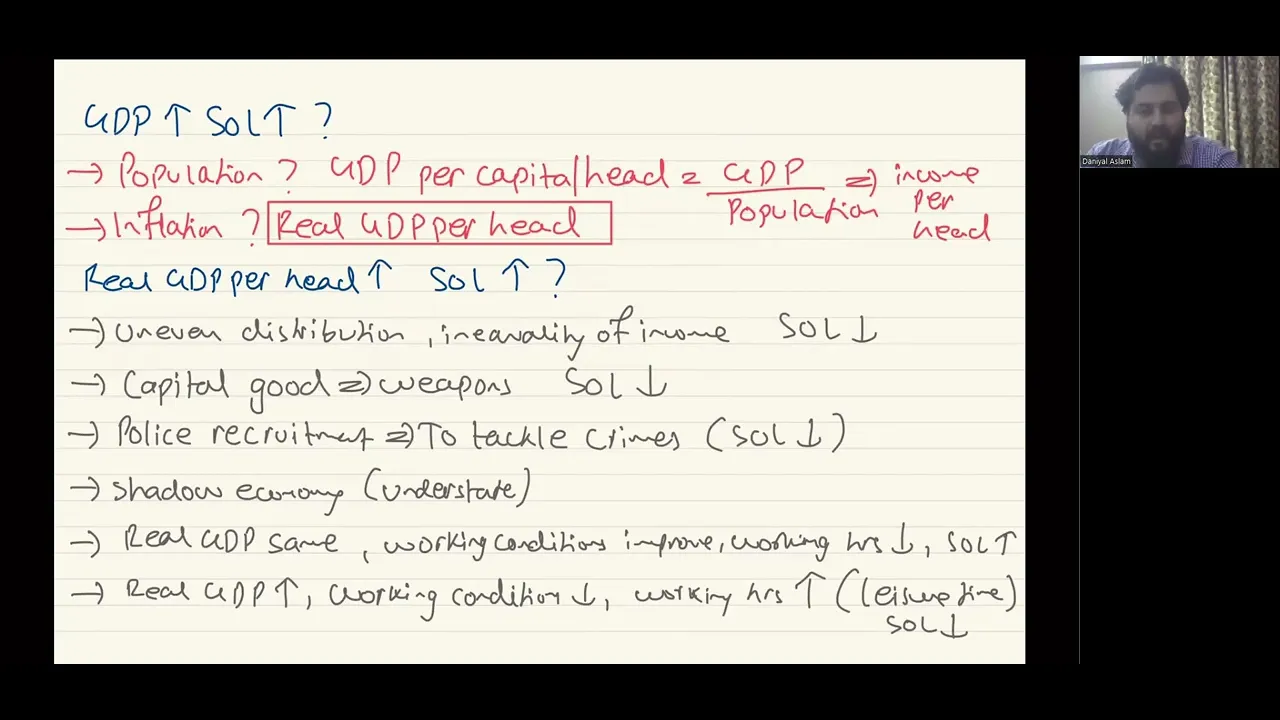
Added:Basic concepts of development economics, including the distinction between economic growth (GDP) and holistic human development metrics.
The historical role and functions of major global governance institutions, such as the United Nations, the World Bank, and the International Monetary Fund (IMF).
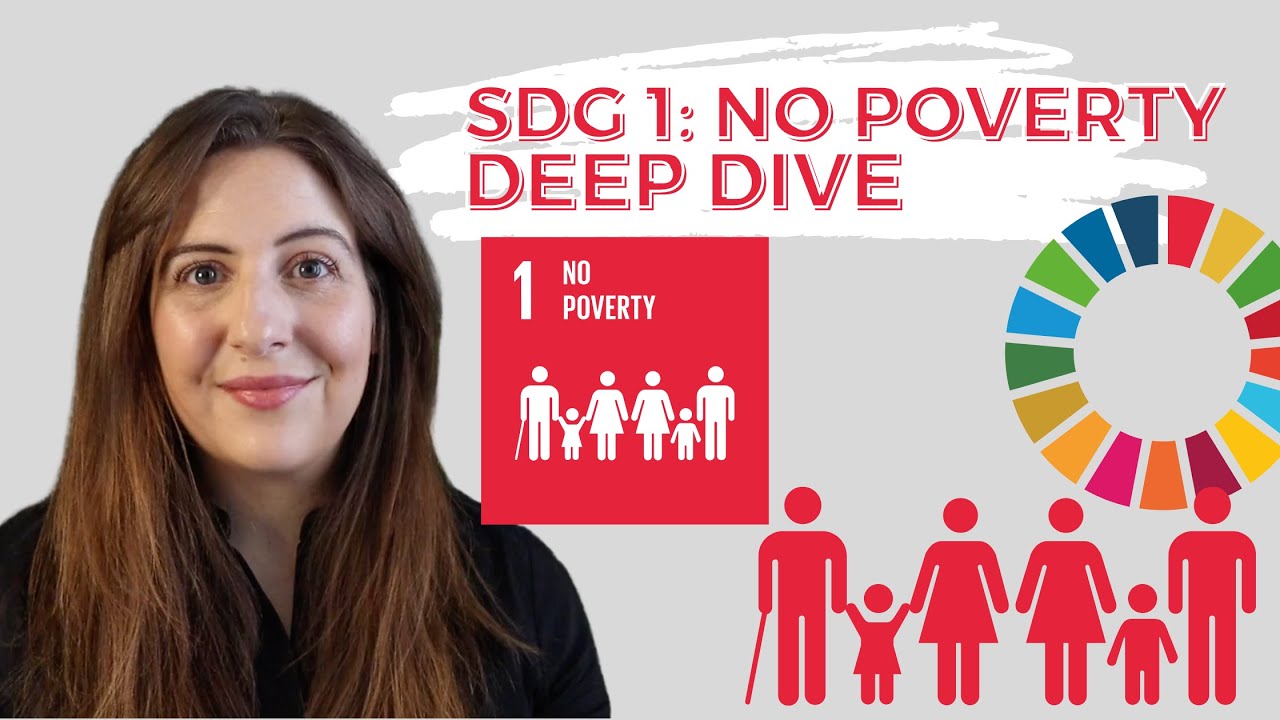
The conceptual framework of the UN Sustainable Development Goals (SDGs) and how they target global poverty, education, and health.
An understanding of foreign aid mechanisms, specifically the distinction between humanitarian aid, development assistance, and military aid.
A comparative analysis of competing foreign aid philosophies, contrasting Jeffrey Sachs' pro-aid 'clinical economics' with the skeptical perspectives of economists like William Easterly and Dambisa Moyo.
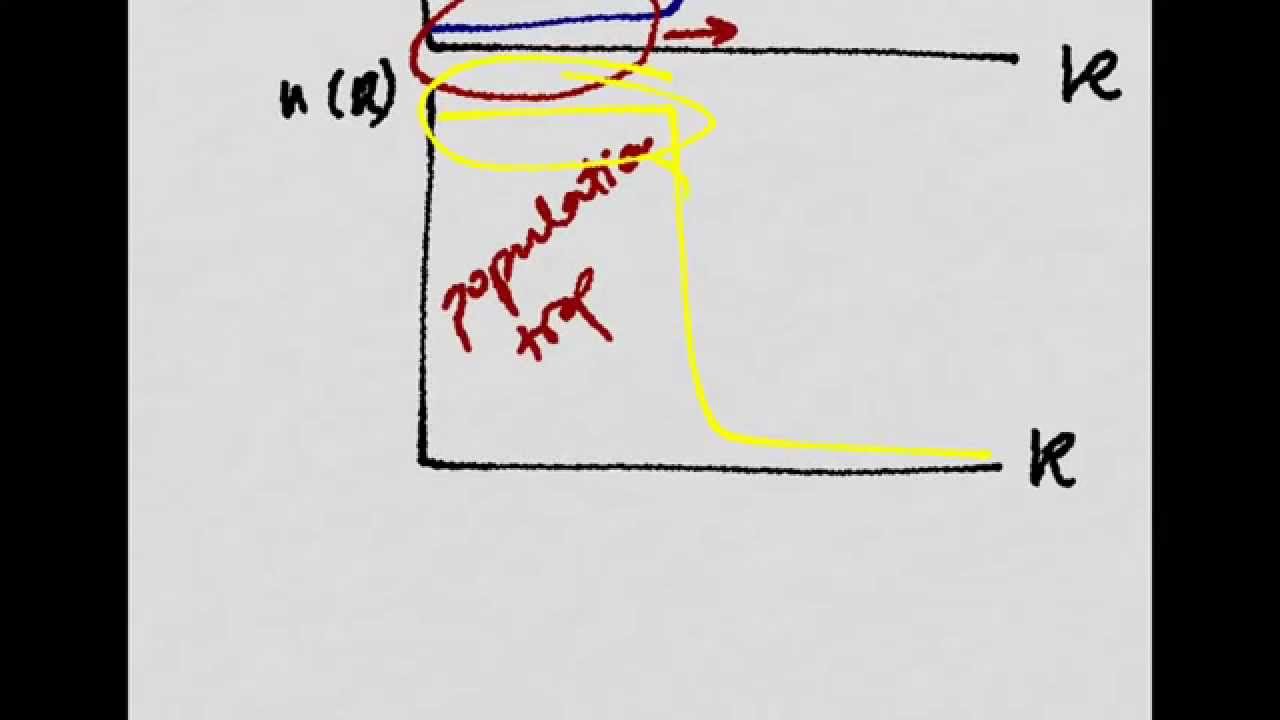
Advanced study of the 'poverty trap' model and the empirical evidence supporting or refuting the efficacy of large-scale aid interventions.
Investigation of modern geopolitical dynamics, specifically how US foreign policy decisions and US-China relations impact multilateral cooperation on climate change and sustainable development.
Exploration of sovereign debt crises in the Global South and the structural reforms needed in international financial systems to support sustainable investment.
254.8K views4.1Klikes52:55Original Release: 2017-10-16
[Music] [Music] wow thank you that's nice so i was just saying um what did you say i was just saying jeffrey sacks upstairs that uh we've been trying to get him for a while and i'm uh delighted that he's finally able to come during my tenure which is quite a selfish thing to say but it's fantastic to have you here thank you um the question the first question i want to start with um is the importance of a well-designed development aid um for advanced economies and how um given the us state the political state in the u.s and and quite a few other countries the importance of um and discussion of aid for countries has decreased since 2008. how do we make this issue topical and restructure development aid to be most effective again thanks a lot uh it's pretty strange you know we have a kind of unusual president right now i'm sure we'll have something more to discuss about him but he came in and he proposed a big slash of aid because that's the kind of crude populism that he represents and even the republicans which are not you know normally the great defenders of aid completely rejected the proposal for deep cuts and that already tells you something that there's still a shred of decency in the united states not not a lot in washington but there still is some and there still is some awareness that um that aid is part of the most basic level of holding the world together there are people that are suffering they're people that are extremely poor if we don't help them they die or their societies become completely vulnerable to disease or to conflict or mass migration so the world's not very generous about any of this even the ultimate standard which the uk fulfills now is less than one percent of income so it's not heroism exactly to reach 0.7 percent 0.7 70 of 1 is taken to be the standard and there are five or six countries that reach that and know others and the five or six is that the netherlands is sometimes up and sometimes down these days but it's normally denmark norway sweden luxembourg and the netherlands that have been the five to reach the 0.7 of national income again a pretty modest standard of aid and the uk all parties adopted the 0.7 and and to david cameron's great credit uh they got that through and it remains the the law of the land and it remains the practice of of the uk so i believe that it's the most minimal standard for the world and all the debate about aid i find pretty um pretty lame actually because within a country you don't say should we give less than one percent to the poorest of the poor even the nastiest places in the world and i live in one of the nastier places understands that you don't just leave people to to die in general i mean it's a horrible thing and so you spend some money for transfers but then when it comes to the international scene then my profession the economics profession spends 50 years debating 0.7 now 0.2 maybe all in my view a completely misplaced thought because what is good to debate you asked me the right question how should aid work not should we have it but what would actually be a good practice for this and i'll tell you and just then stop my monologue my favorite kind of aid over the last 15 years has been aid to control epidemic diseases especially aids tb and malaria from a fund called the global fund to fight aids tb and malaria and the reason i like it is that it's very straightforward the donors put their money into one pool and countries submit national proposals and those proposals are technically reviewed and if they're technically sound then the money is given and then the program is audited was it followed through and it has worked to bring those disease epidemics under control quite substantially and so it has a lot of features that i like one is that the country is the one in the lead it says here's what i need second it's aid is viewed as a contract which i think is the right way to view it it's not charity it's not do what you want with it it's not steal it if you like it's look we're going to give you something and you're going to use it well we're all going to be satisfied as a result of this so it's professional third as i mentioned the plans are reviewed by an expert committee not by politicians it's not a political decision it's just will this policy that is being submitted for funding actually work to control aids or to control malaria or tv and i like that standard because i don't believe in aid as political conditionality we'll give you the money if you run your election the right way i don't even really believe in it for human rights you know we'll give it if you obey human rights i don't believe one country can really run the politics of another country i think it's presumptuous i think it's arrogant but i do believe that resources can help poor people get out of poverty or to stay alive which is in my view not dependency or arrogance but just functional approach of and respectful approach and so i believe that the right conditions for aid should be will this work to satisfy the reasons that the aid is being given and that the reason should not be political reasons because i don't think that works but should be technical reasons in the sense of disease control and so on and i'll just sorry one last point i've been in the room many times with the heads of state of developing countries and maybe the imf comes in or the world bank or somebody else comes in and they make all sorts of demands maybe even i agree with the demands but i don't agree i mean i agree with what they're advocating but i don't agree with the demand per se and then the door shuts and the leader looks at me and says who do they think runs this country because it's inherently very arrogant i think to believe that you can run the politics of some other country even if you're a rich powerful outside country and the truth is you can't actually anyway so bottom line aids really important if it were five percent of our national income it would be better if it were one percent it would be sane and civilized the united states i should have mentioned we're not at point seven we're at point one seven so we're at one-fourth the level where the nastiest stingiest country because we have to save all that money for drone missiles to bomb these places instead because they're all unstable so the only solution to instability is bomb them as it's kind of stupid just just touching on on that last point it it's a lot of people try and look to the us as as um the role model and the the don't do that anymore well so so my exact question was are you cynical uh given november's election that uh us um is is increasingly now going to be a bad role model are you cynical about the futurist prospects of the us to sort of play that role and would you would you try and tell everyone here to actually yeah like you say not use the us as a wrong one i'm not cynical i'm accurate the u.s is not a role model god forbid and it's actually unfortunately a dangerous country right now very dangerous country and i don't say that lightly and i don't say it flippantly do not elect donald trump to anything um [Music] he is psychologically unstable he's sociopathic um and he has no business being anywhere near power so that's a bad thing but even before donald trump the u.s was unfortunately it had kind of lost the direction and i was not a great fan of barack obama's foreign policy except in some particulars like the iran nuclear deal but barack obama continued the war in afghanistan he signed up a secret war in syria because don't believe that's a civil war that is a c.i.a saudi war to overthrow saddam hussein which failed and created misery and mass refugees and a european crisis and many other things but it was a war to overthrow a government not one that i like but i don't believe in the cia overthrowing governments period barack obama joined the war not only joined well he cameron and sarkozy i decided to overthrow gaddafi in 2011.
that was a dumb idea also because whether you do it in a covert operation like the saudis and the cia tried in syria or you do it by nato bombing as happened in libya the result is bound to be terrible because you'll open up a political vacuum you'll create the conditions for civil war for massive gun running for a spread of violence to places like mali which happened and so that was again obama we're in the war in yemen because the saudis begged us to be in the war in yemen because the saudis pay a lot of things in the united states so we do what they want which is not a good idea for them or for us and so the united states ceased to be a role model a long time ago and it is not the indispensable country it is not the world's sole superpower none of that it is a big rich militarily in hyper-armed country that has a lot of bad foreign policy instincts and needs a good course in geography from the oxford geography department uh because uh americans don't know i have a rule which i i will quote myself which is that you're not allowed to bomb a country if you can't name two cities in it because my view is that that would lead to world peace but it certainly would stop all american bombing given everything you just said about the united states why is it that you your your main role at the moment is as a special advisor to the un secretary general do you not ever think that actually you're you could best have an impact by focusing your attention on trying to advise and getting into the administration in america using those those skills to not this is the u.n a little bit uh it's interesting you know i when i started my career which was a long time ago back in 1980 and when i was even studying as a graduate student but really uh after my wife was here and i went backpacking in india in the late 1970s and saw the development challenges and i got really convinced that this was just the most interesting and important thing i could work on and wanted to work on was questions of poverty and development i remember very distinctly saying to myself well i'm an amer first back in 1980 i said to myself i'm an american economist and that's good i'm really proud of that i will go out and i'll help the world and i'll be an american economist and america's good uh we made the marshall plan and so forth and i believe that by the way then and even though i had grown up during the vietnam war period the vietnam war was a really dumb stupid obnoxious horrific war of choice by the u.s so it got everything wrong as we've done many times since then but anyway just to give you the mindset i thought okay this is a pretty good country and and i'm proud to be an american and i'm going to go help fight poverty and i said to myself sometime i don't remember exactly when but i said i don't really have to work on the u.s because we're rich it's the problems of economics though i was trained i am a macroeconomist whether we grew at two percent or 2.4 percent or 1.8 even though when you look at that that's trillions of dollars maybe it didn't interest me that much because what difference would it make you're rich you're comfortable a little bit more a little bit less didn't seem to me to be the captivating issue on a planet where people are dying because they're in poverty for example so i said to myself i don't have to work on the united states thank goodness and i'm going to work abroad and i did that for basically 30 years and starting in the early 2000s i started feeling not only is the united states not a role model but it's really messed up the domestic politics is mean we got into a kind of jag that the highest calling of politics is tax cuts for rich people which started with ronald reagan and we've been doing that now for 36 years and this is the great dream and obsession of the republican party that they're going to try to pull off again in the worst possible circumstances next month so we've got a big brawl ahead politically in the united states but things were really not going well not because the growth was only 2.3 versus 2.6 that was the least of the problems the most of the problem was america was nasty it was unfair our foreign policy was very violent when we launched wars of shock and awe one day in march 2003 and just start bombing iraq that's madness that's in i don't know whether it was insanity or crypto fascism or whatever it was but it was incredibly awful and then all through the period i felt things were really really off track and then it became clear that america was actually in a health epidemic we have of course the highest obesity rate in the whole world by far and the mortality rate of white non-non-minority white non-hispanic middle-aged people the mortality rate started to rise and the reason i mentioned that it's white non-minority is that it's kind of going to the the core of politics you thought in the u.s but the death rates started to go up because suicide epidemics drug abuse opioid epidemics and so forth well i did reach the conclusion starting about seven or eight years ago that the u.s was sufficiently messed up i should work on it not that i was going to solve the problems but that it really i couldn't in good faith with myself just ignore all of that i like my country you know i want it to do well i don't dis it for the sake of being cute or controversial and my family's there my children are there my grandchildren are there so i don't want it to to go bad at all so i wrote a book called the price of civilization in 2012 which was my first quote american book of trying to understand what's so messed up and the idea of that title is a quotation from a great justice of the u.s supreme court oliver wendell holmes jr who said i like to pay taxes that's the price of civilization a concept basically unknown to most americans over the last 40 years and i've spent more and more time worrying about the u.s of course i don't want to give up the other issues that i find compelling and important and i remain adviser to the secretary general of the u.n and i really treasure that that role and that opportunity but i'm more and more launching political activities in the united states including on monday a set of goals like the sustainable development goals for america where i'm really actively encouraging and will unveil them on monday encouraging american politicians to get out of the rut of corruption which is massive in the u.s because we have so much money it's legal but it's corruption nonetheless seven eight billion dollars per federal election cycle right now and that's money given by big powerful interests and a lot of nasty people to a lot of politicians who sell themselves on the cheap on the whole so you can really buy the whole republican party for just a few hundred million dollars which is what the koch brothers have done so the idea is to unveil some goals that could be ways to reorient the country towards important things and one of my abiding beliefs for good economics and good public policy in general is set some clear objectives set some goals on the horizon not for today or next year but for 10 or 20 years from now for the work of the generation and say what could we achieve here's how we could form a path to actually build or rebuild a society and then work on that so my hope is it's actually going to be pretty active engagement politically is that people of both politic major political parties both the democrats and republicans could sign on to a common set of goals as a kind of orientation for where we should go and to get out of the really the craziness that the most important thing in the world is to end the estate tax which is of of course to cut the donald trump family tax and we've got to come back to the idea that we need clear shared aspirations above greed which we don't have in the united states right now one of the the buzzwords um you used quite a few times was growth throughout that and sustainable development combines economic social and environmental objectives yet so often economic progress is only characterized by growth and at the attitude has taken that social and environmental objectives can be integrated once our economies are big enough with enough money available to begin redirecting it with this mindset we have become more unequal unstable and unfair and the environmental risks are multiplying i think at a critical rate because of it how do you we equalize these three aspects of growth and where do the changes need to be made to integrate economic social environmental objectives into economic policy i knew at the end of his life and at the beginning of my career the the man who invented uh on the u.s side of the atlantic the national income accounts because they were more or less invented simultaneously in in the u.s in the uk around 1920 and that was simon kuznets and you probably know the name as the kuznets curve about inequality and he was a wonderful incredible gentleman and a a really fantastic scholar of course and a very kind man to a young student at the time and one of the things he kept emphasizing was the gnp is not a measure of human welfare it's a measure of market economic activity those are two different things and it should not be used as a measure of human welfare and he was very clear on the point and it's good when you have the inventor of gnp in front of you listen to what he says and this i think is basically true that growth period has got to be the wrong thing to look at period and many of you will know the very famous speech that robert f kennedy gave in 1968 where he said gn gdp measures just about everything except that which is important to us and go home and google it and look at wonderful words of a wonderful uh politician in in the united states a really gifted gifted politician um so we do want economic progress including material progress and gnp is not the opposite of that by any means so the truth is as a development economist if i want to know one number about a country i would say what is the gnp per capita if i wanted to know one number generally i want to know hundreds of numbers so i wouldn't stop with one number but if i had to start with one number i'd say one number because then i would tell you with some level of accuracy probably what the life expectancy is probably what the infant mortality rate is probably what other conditions of deprivation or not are but don't settle for one number now you can google a thousand numbers or a million numbers and so that's good the idea that growth is like this idiot debate we're having in the united states we got to raise the growth rate we got to raise the growth rate we're already at 60 000 per capita we've had growth for decades and we've screwed up so much of our society if these thunderheads would stop taking cash from greedy billionaires who want their taxes cut and actually listen to their constituents they wouldn't talk about the need to raise growth we're already very rich what we need to do is to raise the quality of life so we need to help help people who are suffering from epidemic diseases or we need to help people who can't afford medicines which is pervasive in the united states right now because we have a pharmaceutical industry completely out of control why because they give money to congressmen to vote their stupid prerogatives rather than making sure that people can afford the medicines that they make so i do believe in economic progress and if you're coming from a poor country you know there's a lot of progress that's needed and gnp per capita is not the worst measure of that as i said if you need one measure but what i believe in is measuring sustainable development rather than measuring gdp per capita and sustainable development means economic development which means material access to goods but that also includes health education water sanitation as well as personal consumption spending second it means fairness justice income inequality that is not so wide that people are unimaginably rich and simultaneously unimaginably poor and that's true in the us and it's true in many many other places in the world and third is no sense in destroying the environment to raise your growth because we actually live as biological organisms within the environment we take our happiness and our safety from the physical environment and so the trade-off also doesn't make sense screw it up now and think you're going to recapture it later by the way you'll drive a lot of species to extinction in in the interim so you'll never recapture it and when sonia and i were in hawaii a couple of years ago for the iucn meeting the international union for the conservation of nature i remember it was shocking remember that book big thick beautiful book of birds and it was a book when you came close it was a book of all the birds that have gone extinct in hawaii so it's a book of extinction and it's just incredible how stupid we are it it doesn't come back and so take some precautions think and that is my basic message on good economics two pieces of advice think and be nice and then things will work out a lot better great um i think actually that would be a good point to open up to the audience for uh questions so if you have a question raise your hand nice and high and wait uh for a microphone to get to you um we start on the end yeah you in the corner yeah you i just wait for a microphone just wait for a microphone to come thank you very much for coming and for sharing your thoughts um good great work you do with the united nations trying to get nations to cooperate towards sustainable development but i wonder because you talked about thinking long term i wonder how you get to maintain relationships with countries as they transit from one government to another has that been difficult what are the strategies you use to ensure that the objectives are still kept in place as as governments um transit from one administration yeah that's a great uh great idea a great point once i could hear it uh i mean once i underst i could hear the the really good point you're making how do we get anything long-term done with short-term politicians that's a fundamental problem a more fundamental problem is how do we get anything done with politicians now first you know the problem and it's an ancient problem the problem of politics is we need politics and politics is in its noble sense what aristotle said it is which is the pursuit of the common interest and in other words it is actually not the dirty business a as machiavelli is interpreted but it is in principle the noble business of pursuing the common interest and aristotle even had a good idea that living in the right kind of state and the right kind of polis of city-state one would cultivate virtues to be virtuous citizens to create a virtuous uh politics and i think that that is a right kind of vision of course we don't have anything close to that right now and we have institutions that are that vary in some places they work pretty well in the united states they're rather dysfunctional right now but we also have a problem that things that we want to do for the common good take time and politicians are watching the clock and especially in democracies and there are good reasons to like democracies they're watching the election cycle and uh in the united states they're watching the election cycle and the campaign contributions because the corruption in the u.s comes from the fact that every two years we have the elections and because the elections are financed by corporate interests and by rich people the politicians hand is always out and we have a supreme court also deranged actually really got it wrong by saying that free speech meant the right of the inability to regulate corporate giving to politicians because that would deny corporations free speech so they pretended that companies were individuals if you could put the companies in jail i'd go ahead along with that because then we would also have some way to control these sometimes monsters so we have a problem of politics we have a problem of imperfect institutions we have a problem that demagoguery also works because our own psyches are vulnerable to demagoguery so it's not so hard to preach hate and it's not so hard to lead populations to war so that's not just that's our vulnerability to the worst kind of politics and the worst kind of politicians as well so that's the proper study of political science is to understand how do you make politics work and probably the best book ever written about this was on politics by aristotle and not too much got improved since 2 300 years ago by the way in in the thinking of on this topic but my answer to your specific question is that if we could adopt clear goals that transcend any administration and that's why i like the sustainable development goals agreed by all of the un member states for the year 2030 as that point on the horizon that's where we're supposed to go and if we can build a public understanding that those goals are worthwhile feasible important and transcend the election cycle we have a base for actually accomplishing something longer term and a way for accountability it's not strong accountability it's the kind of accountability that you have to work on all the time it's quite imperfect and in places where there is no civil society it's not much of an answer because governments crush populations trying to keep them accountable and that's not an answer but overthrowing those governments by the cia's also not an answer i want to remind you so there are not perfect answers in politics but the best answer i know of is transcend politics by remembering that politics in its best form is about the common interest and that that can be explained by common goals metrics and social and political accountability of course it's also true that one can think about institutional design there are certain things that we don't let politicians meddle with all the time that we have specialized agencies expert agencies that maybe are reviewed by government but are not run by politicians believe me every time i fly into an airport i thank god that the air traffic control system is not run by politicians it's run professionally and you know why because the politicians also fly planes that's the only reason so they don't want politicians running it either so that's what we need to do sometimes is we need to put it on the same status as the air traffic control system let it be monitored democratically but not run democratically in a way that's how we idealize the idea of central bank independence for example uh and there's some truth to how that has worked out institutionally so shared goals in informed civil society because without properly informed public politics is impossible period because even if the politician is sane at the start they'll go insane by the end lord acton was really right that power corrupts and absolute power corrupts absolutely that's not always true but take it as a starting point and so never leave the politicians alone don't let them own the government for their lifetimes i happen to have come more and more to like monarchies but constitutional monarchies i don't and the reason i say that is i don't like presidents who think they're kings like the crazy guy we have right now so we need to think about the institutions of politics but basically we need to think about the purpose of politics the purpose of politics is not machiavellian holding on to power that may be descriptive but it's not normative the purpose of politics purpose in the aristotelian sense of telos the end purpose is well-being and we need to be clear that the purpose of politics is the well-being of the population define it measure it and hold the government accountable for it um let's go uh yeah you and the white top at the very end yeah you um you may have already answered this question uh but you said that we need clear shared aspirations above greed now politicians go very hand in hand with greed at the moment um but do you think it's possible to escape grade and if so how i'm thinking um most of our most of our morality is very very socially contextual and socially determined and most of our views and what we think is right and decent and how we comport ourselves depends tremendously on the milieu in which we operate and what that means is that societies are subject to multiple equilibria we would say in economics there are places that are rather ethical in behavior and there are places that are almost bereft of ethics and one of the main reasons is that in an ethical place the ethics of others weighs on each individual to reinforce their own ethical feelings or guilt or sense of right and wrong or sense of purpose and similarly in a place that has for whatever reason lost the ethics and there are lots of reasons for that brutal governments brutalized societies societies that have destroyed civil society that have terrorized populations can lose the sinews of moral shared values over time so i do think that it's possible to constrain greed greed is a is a it is a possibility within all of us but it's possible to cultivate some self-control and it's possible to have norms of limiting greed and the examples i always give in our world that i think are not wrong examples are the scandinavian societies today which are the fruits of of course of their long history but also of their 100 years of social democracy which i tremendously admire as a political ideology and i think it's the most functional political ideology on the planet um in sweden greed is really kept under control and i can give a very specific example of it based on the experience of a friend of mine who was the ceo of a major company a very respected businessman and when he left he took a mega severance payment of i don't remember 80 or 100 million dollars not large by outrageous u.s standards but greed by swedish standards he was shunned by swedish society actually he had done nothing wrong and he explained well that's how it's done they said that's not how it's done here and he really was shamed for many many years afterwards by this experience and he gave back the money also and so that's a society exercising decency actually unimaginable in the united states once a year i go to a dinner i drag my wife to it because she does not i shouldn't say that because we'll never get the invitation again um but okay we we go for sociological interest okay don't tell anybody um but it's a lot of the richest people in new york and it's not our normal social circle though it is part of my research agenda they always put me next to a crook a man named john paulson who's one of the lead hedge fund and if you're studying engineering at harvard you study at the paulson school of engineering now okay he's a crook the reason the reason he's a crook is that uh in 2007-8 he conspired with the firm named goldman something conspired with goldman to sell toxic assets to unknowing german investors and especially the ikb bank of germany okay and the idea was that he put together this toxic portfolio of of um mortgage-backed securities that he knew the mortgages were going to fail he shorted it in essence through a little bit more complicated transaction and he scored a billion bucks in the transaction as ikb bank lost a billion bucks on the other side of the deal wow to my mind financial fraud well the sec opened an investigation and they thought it was financial fraud too but they didn't investigate paulson but they investigated uh goldman something and goldman ended up paying a fine of i think it was about 700 million dollars this is the abacus case and they never admitted wrong but they made a settlement a consent decree and uh paid the fine they never went after the guy that did it he kept the billion bucks not only did he kept the billion bucks he was considered a genius in new york he was considered you know the top of the industry that is when the norms completely fail they can't tell right from wrong on wall street right now there have been so much abuse so much cheating and it's not just my saying so there's actually i don't have time to elaborate but there's a whole literature professional literature of studying the social mores of wall street it's a crooked place but the social norms are to champion money making not to champion right and not to dis wrong and so greed is completely out of control and that's a very serious problem that and so this is the sense we all are susceptible to all sorts of bad behavior especially if it's encouraged we know from the sombrano study and from many other studies that we'll do terrible things if it seems that it's socially sanctioned behavior and so in this sense greed is definitely part of our psyche if it is let loose and to come back to my favorite philosopher aristotle he emphasized you developed good behavior good morals what he called virtues in in greek you develop virtuous behavior by practice and by emulation and by education and so yes greed can be resisted it can't be eliminated but it can be resisted but it needs to be resisted at a social level not just at an individual level great um let's go yeah okay thank you i'm nazik i'm from kyrgyzstan um yes i'm very happy to to be here with you and now my question is about the question which is very important to our country it's about the alignment of um the international aid to uh with the priorities of the country because as you as you know i mean kyrgyzstan is very dependent from donor said however there is a kind of a misalignment and sometimes it gives an impression that international agencies help to build the second floor of the house while um government is failing to build the ground floor so how should we address this issue thanks very much so how to [Music] if there is going to be help for a country like kyrgyzstan how to make it useful and and work right and now i can combine the answer that i gave about aid to the answer that i gave about politics to the answer that i gave about having goals my job at the u.n is to advise the secretary general and deputy secretary general on the 17 sustainable development goals so they have the virtue of having been universally adopted by all 193 u.n member states they also have the virtue of being good they really do express in a pretty succinct way what it means to have a society that is prosperous fair and environmentally sustainable so achieving these goals would be a good thing worth fighting for so my view is let's orient our understanding our work effort our development aid to achieve those goals that we have set ourselves and the goals are for the year 2030 so that is basically a little more than a dozen years from now that's enough time to get a lot of good things done when you look at these goals for example sdg 3 says universal health coverage so everybody should have access to basic functional health care sdg four which i really think is important is universal education at least through the secondary school level for every child in the world pretty basic sdg 7 and 13 are about moving to a low carbon economy something we have to do if we're going to avoid climate disaster so my view is set goals study how to achieve them i think it's a major task for all of us at universities they're not simple how can they be achieved what kind of investments what kind of technologies what kind of public policies what kind of strategies to achieve them what kind of metrics and evaluation this is good core work of public policy and engineering and science which needs to help us understand what the right parameters are and then development aid which i very much believe in should be oriented towards systematically supporting the achievement of these goals if kyrgyzstan achieves the sustainable development goals it will build the foundation as well as the second floor and if the international agencies take that on they will help kyrgyzstan to do it it's not easy to do this it's a what we call coherence of the international system getting different agencies different politicians different governments different specialized organizations to all focus on a particular set of challenges and of course if i just listed the goals they'd say who the hell are you to tell us what to focus on but the advantage that the un has done it is that it's universal all governments raised their hand and said yes that morning september 25th 2015. they really did and so that gives a legitimacy that is good and my recommendation to you is that the goals are good also there's i wouldn't necessarily have stated everyone in exactly the same way but they came up with a good set of goals that if we achieve them the world's going to be a lot better and so we don't have to keep reinventing our own thing we should now try to do what collectively we promised to do great thank you so much i'm afraid that is all we have time for um i am i'm sure you'll all will you invite me back sometime well yeah now you've accepted once you can yeah hopefully thank you uh yeah i'm sure you're all as inspired as i am by that and will join me in uh thanking geoffrey sacks for many [Music] you
Up Next

57:20
Transmission Impairments & Channel Capacity Explained
@iit
55.5K views•2008-10-17

26:22
Walking in the City: Urban Rituals and the Flâneur in Contemporary India
@PSBTIndia
1.9K views•2016-08-02
29:31
Celebrity Culture and Fame: Insights by Jack Gleeson | Oxford Union
@OxfordUnion
3.6M views•2014-01-15

1:42
Game of Thrones Opening Credits: A Cinematic Analysis
@gameofthrones
46.3M views•2011-04-18
Related Study Plans & Knowledge Roadmaps
Structured learning paths in General & Interdisciplinary Studies
general-studies
Artificial Light: History, Tech & Human Impact
01The Pre-Electric Era: Fire, Oil, and Gas Lighting
02The Incandescent Revolution and Grid Electrification
03Gas Discharge and Fluorescent Illumination
+ 3 more learning modules
14h6 modules
Explore Roadmap
general-studies
Elevator Engineering: History, Physics & Cities
01From Hoists to Safety Brakes: The Dawn of Vertical Lift
02Hydraulic vs. Traction: The Engineering Physics of Elevators
03Modern Speed, Safety, and Algorithms
+ 2 more learning modules
12h5 modules
Explore Roadmap
general-studies
Rubber: Material Science, History & Geopolitics
01Origins of Natural Rubber & Mesoamerican History
02The Chemistry of Natural Rubber & Vulcanization
03The Geopolitics of the Rubber Boom & Colonization
+ 2 more learning modules
12h5 modules
Explore Roadmap
general-studies
Containerization: Evolution, Logistics & Trade
01Ancient Trade & Bulk Cargo: Amphorae to Barrels
02The Industrial Revolution & Cardboard Packaging
03The Containerization Revolution: Malcom McLean
+ 2 more learning modules
12h5 modules
Explore Roadmap