









![CAUSES of MIGRATION from 1750-1900 [AP World History Review—Unit 6 Topic 6]](https://i.ytimg.com/vi_webp/h8RGCtPvV7g/maxresdefault.webp)
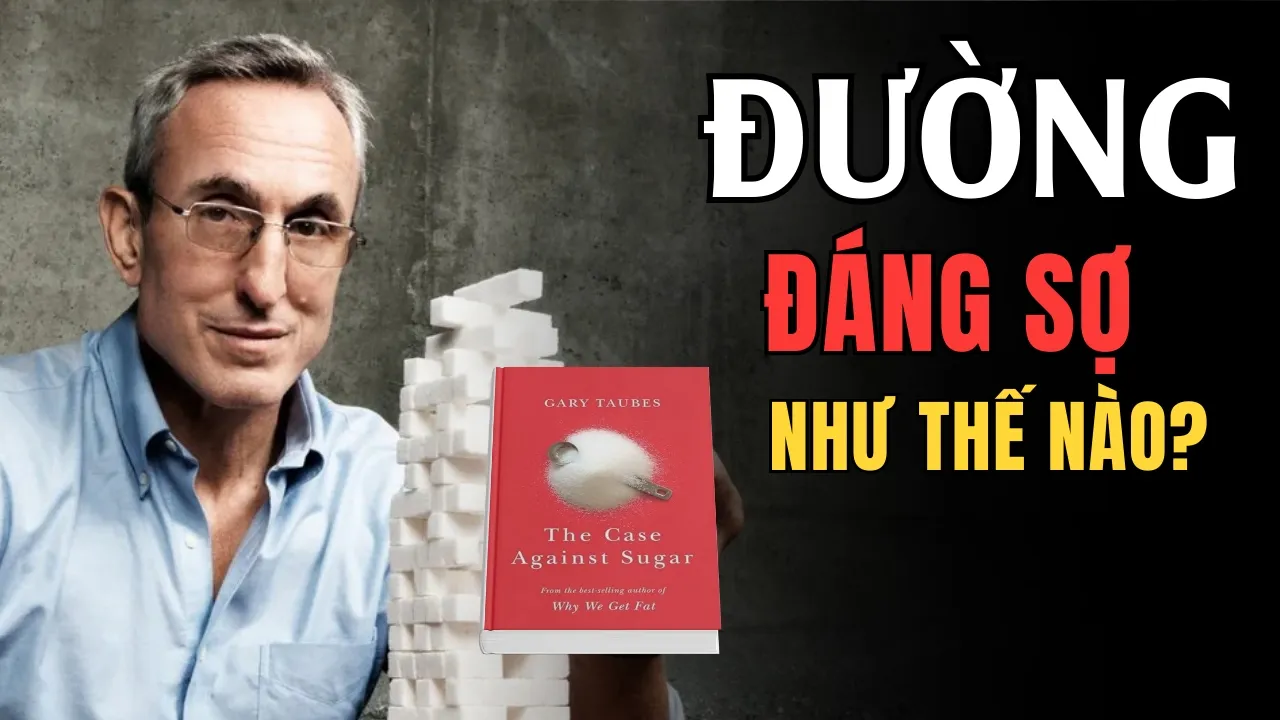

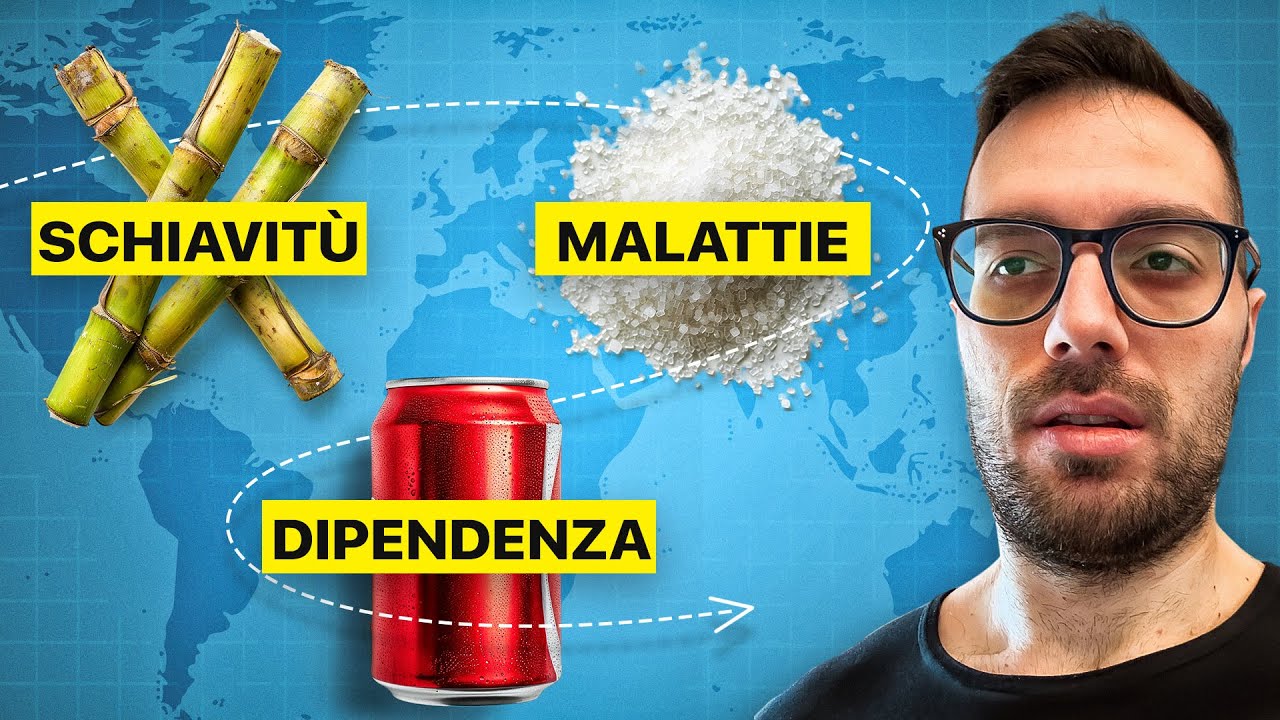





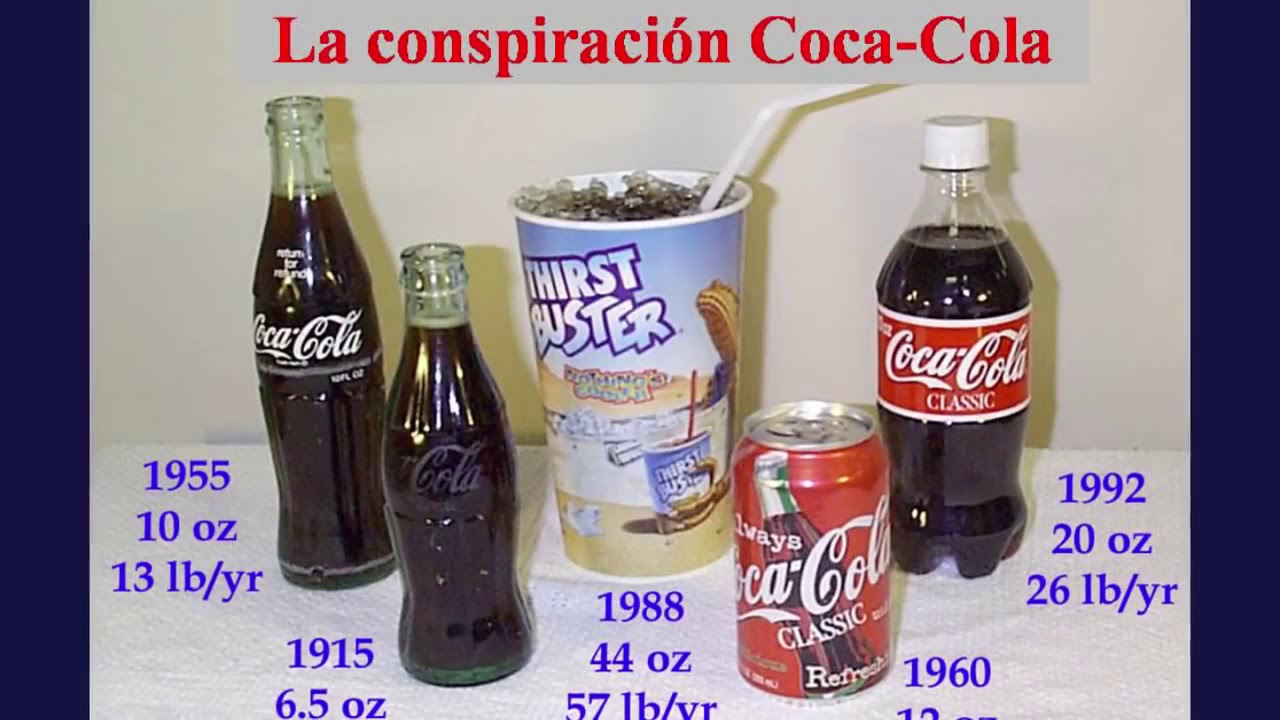

Sugar consumption has increased dramatically over time. In 1600, the average European consumed just 87 grams of sugar per year. By 1800, this had risen to 9 kilos per year. Today, consumption reaches up to 40 kilos per year. This growth reflects both increased availability and changing dietary habits across global populations.
Sugar's Dark History: From Slavery to Industry (Documentary) | 2025
Added:Understanding the Transatlantic Slave Trade and the 'Triangular Trade' model that connected Europe, West Africa, and the Americas.
The basic principles of Mercantilism, specifically how European empires used colonies to extract raw materials and generate national wealth.
The concept of plantation economies, characterized by large-scale agricultural production of cash crops using coerced labor.
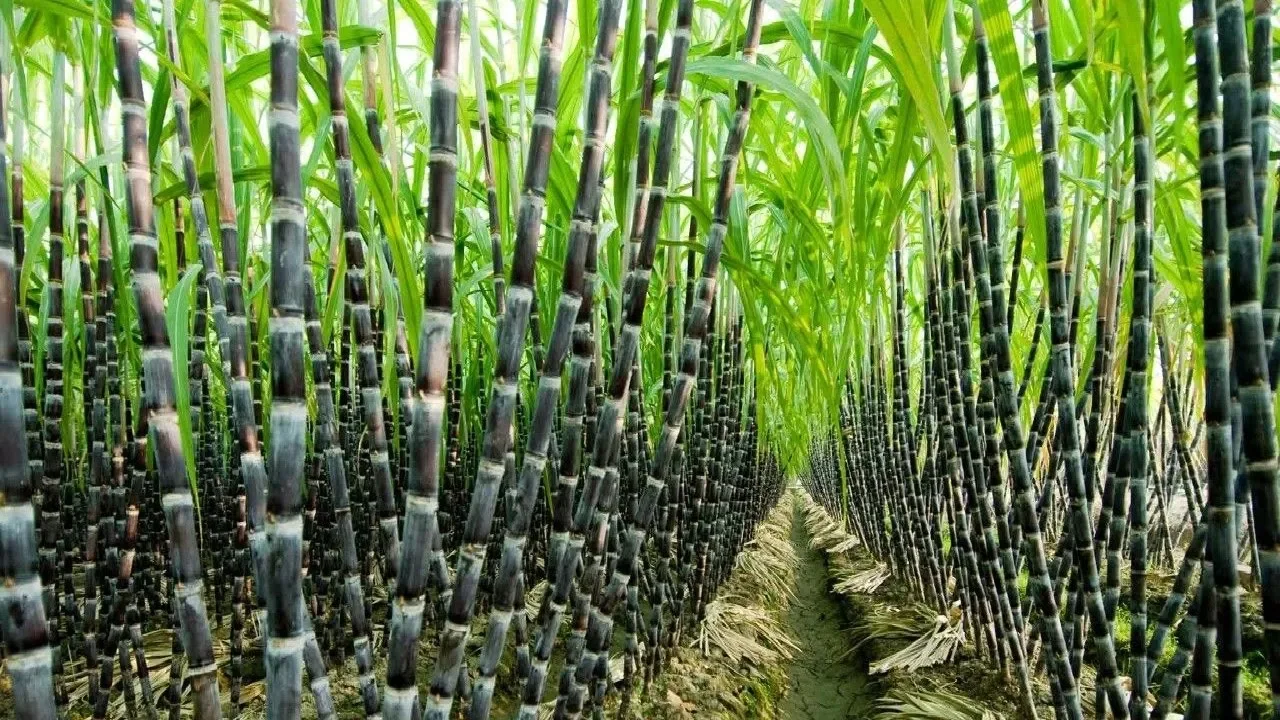
The agricultural nature of sugarcane, particularly its labor-intensive cultivation process and the necessity for rapid post-harvest processing.
The transition from enslaved labor to indentured servitude systems (particularly involving South Asian and Chinese laborers) in post-emancipation colonies.
The technological evolution of sugar refining during the Industrial Revolution, including the introduction of steam power and the rise of sugar beet cultivation.
The modern geopolitics of sugar, including trade protectionism, agricultural subsidies, and the lobbying power of the food industry.
The public health legacy of mass sugar consumption, examining its link to global rises in metabolic diseases, obesity, and systemic dietary inequality.
125 views7likes0:23Original Release: 2026-04-15
Madness sugar. Here we go. Breakfast cereal.
Swimming in the bowl.
>> It's been going on for 500 years. Sugar is quite a story.
It's a global one and has shaped our world. Sugar has been fundamental to colonialism and fundamentally important to the production of racial inequality.
It's the story of blood, sweat, and sugar that binds Africa, Europe, the Americas, and Asia.
All for worse.
Sugar card. They're super delicious.
Really nutritious.
Food for action.
>> The evolution of sugar in our early modern and modern diets in the European and world and beyond has been yeah phenomenal. The history of sugar is a story of domination of our bodies of land of the world of growing domination.
In 1600 the average European consumed just 87 grams of sugar per year. in 1800 9 kilos. Today up to 40 kilos per year.
Sugar provides very easy energy, right?
It isn't nutritionally valuable for our bodies, but it is easy. It's quick.
Global sugar production increased. In the 17th century, it soared. In the 18th century, it quadrupled. In the 19th century, it increased 12fold and 30fold in the 20th century. In 2025, it reached almost 190 million tons. By way of comparison, we produce four times as much wheat, but wheat is nutritious where sugar is not.
and that was overall in China and in India.
Sugar made its way into the European diet quite gradually, really over centuries. Sugar started as a luxury.
The aristocracy could have sugar. They could adorn their tables with sugary treat. But also sugar was becoming present in medicine and as a spice. Only the richest people could have it.
But the taste of sugar is irresistible.
Soon addicted, Europe craves more and more. How could this demand be met?
The great Portuguese navigators led the way in the 15th century. Conquering the seas, they pushed back the boundaries of the known world in their quest for power, gold, silver, and sugar.
In 1419, the island of Madera was conquered and given over to sugarcane production. It was soon supplying all of Europe.
Then in 1474, Portugal seized two uninhabited islands of Gabon, Saoto and Principe. A tiny territory, but it changed human history. Fore to plant, harvest, crush, boil, and turn sugar cane into loaves for sale across Europe. Men and women were captured and sold in their thousands on the west coast of Africa. Then they were forcibly transported to the island where they were enslaved.
Sugar and slavery. In the jungle of Saoto, the Portuguese created a model.
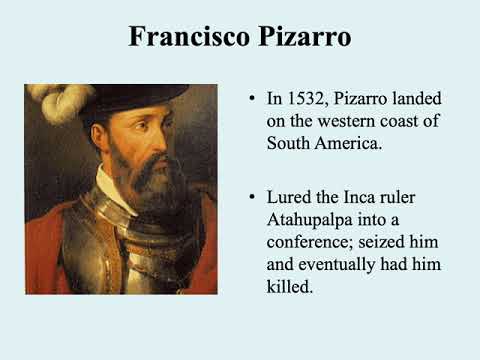
Christopher Columbus knew what he was doing. In 1493, just a year after his first voyage to the Americas, the explorer crossed the Atlantic again and returned on behalf of the king and queen of Spain to the Caribbean island of Hispanola.
His mission was to colonize it. In his chests were sugarce plants.
complex on the production fund in the new Beatles.
Oh, Marlo.
500 years on, sugar still rules the island of Hispanola, today divided between Haiti and the Dominican Republic.
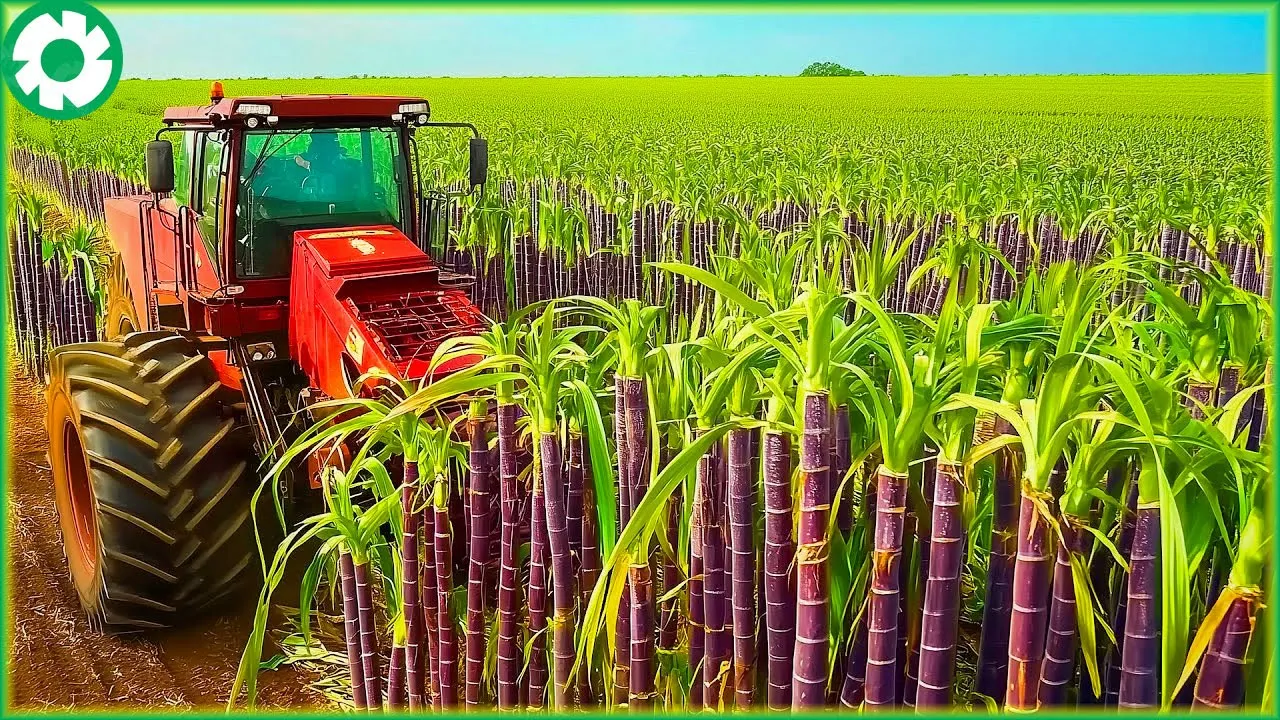
For generations, thousands of workers have fled the poverty of Haiti and crossed the border each year to cut sugarcane in the Dominican Republic by hand like their ancestors.
In the region of El Sabbo, a few hours drive from the beaches of Puntaana, there are an estimated 200,000 Haitian workers.
I personally Foreign speech. Foreign speech. Foreign speech.
Then boot.
We live in a world that is deeply affected by the sugar economy that was created under slavery and and has and persists to this day.
>> Nothing could stop the sugar economy.
And following Christopher Columbus and the Portuguese and Spanish concistadores, it subjugated all of the Americas.
When the Portuguese colonized Brazil in the early 16th century, they brought sugar cane with them.
In just a few years, they destroyed the primary forest to make way for sugarcane fields, reducing the indigenous peoples to slavery.
sugar decimated Brazil's indigenous peoples.
So as in Sto and Hispanola, the planters replaced them with enslaved men and women from Africa.
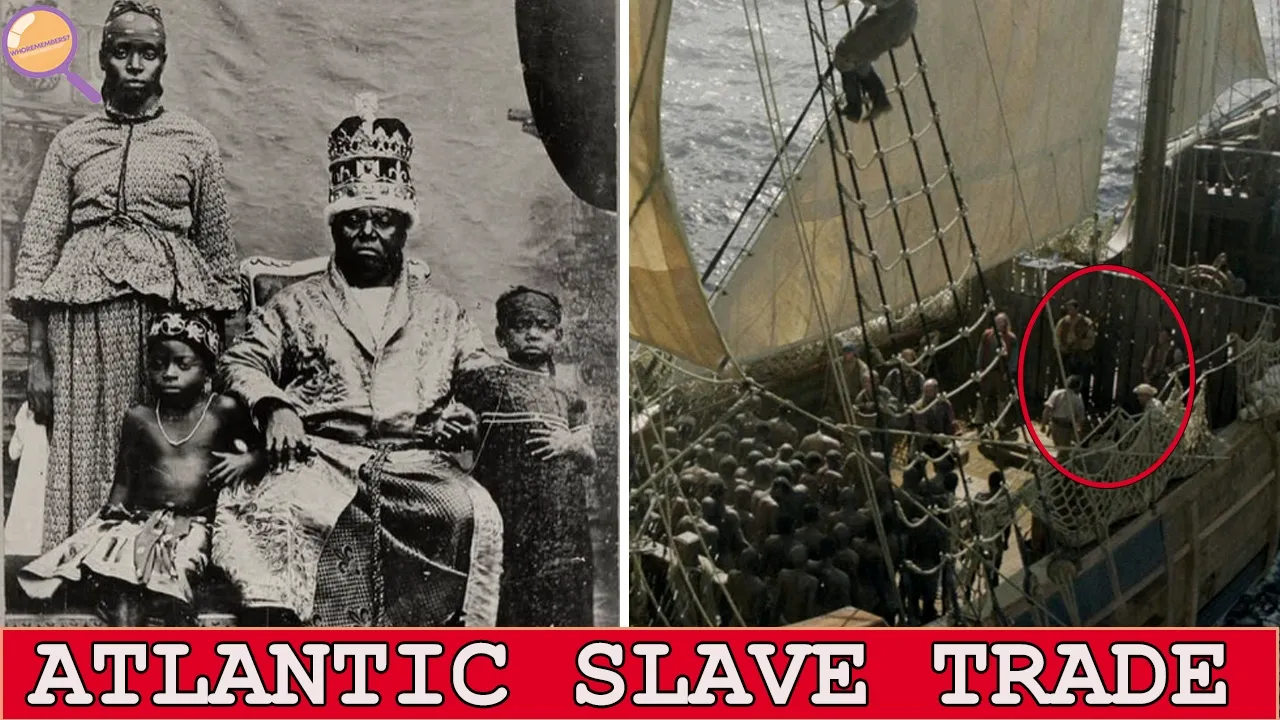
Throughout history, a total of 12 and a half million Africans have been reduced to slavery.
Over half purely for the sugar industry.
From the 16th century, the sugar economy prospered. From the coasts of Africa to the plantations of the Americas and European ports, people, sugar, and money circulated.
It was the start of globalization.
All of Europe benefited.
Globalism.
That's the story.
and Orlando is Amsterdam.
Fore driver is capitalism.
That also explains why so many wars were fought over those Caribbean territories where especially the French and the British and the Dutch as well were growing their sugar.
>> Everyone wanted their share of so-called white gold, including Britain and France.
In the 17th century, as a result of wars and treaties, the Spanish lost ground and the Caribbean islands changed masters, but not their destiny.
Everywhere, sugar ruled.
In 1697, the Spanish seeded the western part of the island of Hispanola, today's nation of Haiti, to France. At the time, the French called it Sandoman. It rapidly became the largest sugar producer in the world, the richest colony.
>> So people talk about a sugar revolution that actually metastasized from Brazil through the Caribbean and came to dominate the region by the 18th century.
The plantation model was exported everywhere from Portuguese Brazil.
fields of sugarcane, mills to grind it, furnaces to boil it, and slaves exploited around the clock.
And all of it dominated by the master's big house.
This plantation model has endured in the Dominican Republic.
In El Sabbo region, 70% of sugar production is by a single sugar company, Central Romana. In the middle of the sugarcane fields, out of sight, the slave quarters have been replaced by the Batees.
This is where the Haitian workers and their families live.
glue. See Second view.
Come see physical.
Yes, Fore stereotype.
Racism legitimates all of these violent ways of suppressing and exploiting people um of depriving them of their dignity and explains to us why that's natural. We can see how it was given extreme impetus by the sugar plantation system and by the slavery system more generally.
>> European trade flourished including in France.
industrialization.
In business circles, there was a sense that the Caribbean sugar islands made the world go round or at least the European economy.
Because at the end of the 18th century, the plantation owners and sugar producers profits meant they could invest at home.
They had capital, banks, and networks.
They would help finance the beginnings of the industrial revolution, and Britain led the race.
So, at the basis, sugar is almost the engine um for that economic revolution, but sugar is a different kind of engine as well.
And it wasn't just the factories that needed financing. Those who kept them running had to be fed, too.
The new working class who flocked from the countryside to the cities to rent out their labor.
A backbreaking pace, a poultry wage.
Like the machines, they needed energy to keep going. Fast, cheap, easily accessible calories, sugar.
As more sugar could be produced in greater quantities and arriving in Europe and then becoming more and more affordable, the majority of people could include in their diet.
The British working classes, they started to drink a lot of tea with sugar mixed in.
It has a ritual quality tea drinking I think.
But sugar mixed with tea also gives you some cheap energy really.
It's estimated that as a proportion of their diet, the working classes were eating more sugar than for example the middle classes.
So, I think that's become one of the class distinctions um between the halves and the have nots is that gradually sugar went from being the food of the rich to being actually just the cheapest nastiest fuel that you can fob people off with who can't afford what you want for your own family.
>> Now, that sugar was grown with energy provided by enslaved African laborers, right? who were brought over in the course of the slave trade.
And so those villages in Africa producing those workers captured through the slave trade producing that sugar which then went into the diets of European workers that was a circulation of energy.
a transfer of energy really from Africa to the Americas to Europe that sugar production brought feeding the European poor with sugar produced by African slaves. This is how the sugar industry boosted its growth.
At the end of the 18th century, it was at its peak.
Who could shake it?
This August 14th, 1791 is the start of the Haitian Revolution.
On that night, uh, enslaved individuals gathered together at a spot in Mon Rouge in Haiti, which is in the northern plain, and they came together and formed a plot, a plan to rebel against the enslavers on mass.
And that's what they did.
The fire of revolt engulfed the sugarcane plantations and swept through Sandom, today's Haiti. It was the most profitable colony in the French Empire and the world's largest producer of sugar. But it was built on the backs of 450,000 African men and women condemned to slavery.
When the French Revolution took place in Europe in 1789, news reached Sandang and the slave laborers began to demand their share of liberty, equality, fraternity, and simple humanity. So, it was funny to me that somehow the Haitian Revolution wasn't considered an important event in Western history when it's so bound up with the rights revolution that we identify with the French Revolution and which we think is fundamental to the history of the West. And yet, without the rebels of Sandang, the world might never have witnessed the first abolition of slavery proclaimed by the new French Republic in 1794.
And then Napoleon came along.
>> Napoleon Bonapart.
After the French Revolution, the general seized power in France in 1799.
He vowed to restore law and order and colonial order. In 1801, he launched an attack on the freed men and women of Sandom.
But they fought back. Although their governor general Tusanu was arrested and deported, his troops went on to defeat the French. On the 1st of January 1804, they proclaimed independence from France and created the first free and independent black state in the world where slavery was outlawed. Had the sugar empire capitulated?
Well, not quite. After the Haitian Revolution, many French colonists fled, seeking new lands on which to rebuild their sugar fortunes.
They found them in Cuba, as well as Louisiana, a French colony since 1682, and they took their enslaved labor and ruthless expertise in sugar production with them.
and they stimulated the sugar economy there which reproduced all the most brutal effects of sugar planting in the Caribbean.
>> And so then they become the sugar experts and you know you have all of the opportunity to grow sugar here. And so then they take that technology and and get rich again or make people that were already plantation owners and slaveholders make them even richer because they're bringing in all of this knowledge about sugar. It's flooded into Louisiana.
Bittersweet. Bittersweet.
I grew up going into the sugarcane field with my brothers, chopping off a couple of pieces and then, you know, like you sitting down and and eating sugarcane with your family. But I mean, this is trauma. This is black labor. This is extraction. Everything from the soil.
So, I'm a 10th generation Louisian from this portion of the state. And these plantations that we're driving in front of is where my ancestors were enslaved.
It's my ancestors who built these plantation plantations and slavery on the banks of the Mississippi. Sugar prosperity flourished once again.
But France was about to give it up.
Napoleon had lost Sandang. Britain was challenging him at sea. And he had Europe to conquer.
In 1803, Napoleon abandoned his dream of an American empire and sold Louisiana to the United States for $15 million, instantly doubling the young nation's territory. Few Americans know that we owe the expansion of the United States beyond the eastern seabboard to the Haitian Revolution.
Now, the irony is that when the United States expanded into that Louisiana territory, it also expanded the institution of slavery.
So, right, the end of slavery in Santa Domang, Haiti led to the expansion of slavery in the United States.
That is the strength of sugar and its economy.
It adapted, mutated, and relocated in response to change.
A way of surviving the storms ahead. The Haitian Revolution lit a fuse in sugar colonies across the world. Enslaved people rose up. Even when those uprisings were crushed, their echoes carried all the way to Europe.
In 1807, Britain became the first colonial power to abolish the slave trade, and it then outlawed slavery in all its colonies in 1833.
It was a heavy blow to sugar. But once again, it shifted, adapted, and moved on. This time, Cuba, still under Spanish rule, entered the game.
is Kuba.
Kuba is for the African Spain was actually one of the last countries to abolish slavery in its colonies. It finally did so in 1886, long after Britain, France, the United States, and Portugal, and 2 years before Brazil in 1888.
Ultimately, it took nearly a century for the global sugar industry to stop relying on slave labor, at least in theory.
Everyone involved knew that the colonial sugar economy couldn't survive without a workforce it could easily exploit. It was a fragile, shrinking system, and the market was about to become even more competitive. Sugar cane now had a rival.
It was European, suited to northern climates, didn't depend on slave labor, and since 1799, its sugar could be extracted on an industrial scale.
That rival was sugar beats.
Continental Africa inclusive France alternative sugar beat was a major challenger to Britain's sugar cane power. Napoleon took center stage again and championed its largecale production to compete with British controlled cane sugar.
By the end of the 19th century, sugar beets supplied around half of the world's sugar.
For sugar cane planters in the colonies, it was a major crisis.
They were squeezed between beet sugar competition and the gradual abolition of slavery. So how could they stay profitable, invest, get into debt, diversify? How could they survive?
The fact that they lose the campaign to maintain the slave trade, the fact that ultimately slavery is abolished and emancipation declared doesn't mean that they're not still trying to maintain their power and influence. And what they do when they realize that slavery is going to be abolished, they they demand that they be paid for the loss of their property.
And so Britain and France took the sting out of abolition by compensating plantation owners for the loss of what they called their property, the human beings that enslaved.
The new Republic of Haiti was the first to pay the price. After years of lobbying, in 1825, the French plantation owners expelled from Sandang secured an indemnity of 150 million gold franks.
Haiti was forced to pay in exchange for formal recognition of its independence.
To ensure compliance, France threatens Porto Pass with warships.
It also demanded that Haiti borrow the money from French banks including the powerful deo which financed industrial expansion. At high interest rates, sugar wealth was made to flow back to mainland France.
The overall losses to the Haitian economy were far greater and have been calculated in modern terms to be between 22 and 48 billion US. The system is designed to punish Haitian Haitians for being free and to punish them economically.
It's the Haitian people who always suffer under these policies and systems.
Haiti has never truly recovered. Debt and abject poverty have pushed generations into exile, a source of cheap labor for the sugar industry in the neighboring Dominican Republic.
In the world of sugar, freedom came at a high price. After bringing Haiti to its knees in 1825, the plantation owners won another battle in 1849.
This time, France picked up the bill. A year after abolishing slavery, the Parliament of the French Second Republic passed a new colonial compensation law.
This granted former slave owners 126 million gold franks in reparations, about 7% of the state's entire budget.
Now that money that goes to the slaveholders is then reinvested in the Victorian economy and so you know money is funible and it builds up other industries that may not have as much to do with slavery but are still funded off the backs of enslaved labor and the money from sugar kept circulating in the French colonies. It financed the first banks in Martineik, Guadloop and Reunion.
The plantation owners used it to pay off their debts, modernize their estates and sugar refineries, and to look ahead to a future beyond slavery.
Because manpower was still needed to cut, crush, and boil the sugar cane.
Every sugar colony in the world now face the same challenge as to how to replace enslaved labor and keep sugar flowing without increasing costs.
And for this the British had a plan.
Even before abolition they tested it in 1829 on Mauritius in the Indian Ocean.
From colonial India, they brought in poor workers threatened by famine along with Chinese laborers from Singapore.
They called them koulies.
These officially free workers were bound by contracts to work for three, five, or more years for minimal wages.
Food and lodging were provided, but if they ever wanted to return home, they would have to pay the cost of the journey. A new system was born.
Indentureship.
The British rogued it out across their empire, and the French soon followed.
Indenture is in uh a borderland between slavery and freedom. Although the contract was for 5 years, there were many stories of people who were indentured for decades because they had um become indebted to the plantation.
whether they were buying their food through the the company store or sometimes less um healthy things like rum, the time just got added onto their contract, their labor contract. Um so debt became kind of um self-perpetuating debt locked them into decades of being bound to the planter.
system.
And that is how indentured. ship rescued the sugar economy.
Between 1850 and 1930, an estimated 750,000 Chinese and 2 million Indians were uprooted and scattered across what you might call planet sugar.
>> It's important to recognize that these workers, plantation workers, indentured workers were actually um the vanguard of the Indian diaspora. These were the first Indians abroad in significant numbers.
>> Their path crossed those of other indentured peoples, Africans, Vietnamese, Malagasi, Rodrigans, Oceananians, and Japanese. Together, these forced exiles forged the very identity of the Sugarlands.
On the French island of Reon off the southeast African coast, indentured servitude continued until 1933.
Around 200,000 laborers met their fate here, their lives bound to sugar.
for the land.
I want to do.
Certain kulagon.
While slavery and indentured labor are technically a thing of the past, in the Dominican Republic, it's hard not to make the comparison between working conditions today and those on the plantations 200 years ago.
Fore speech.
Foreign speech. Foreign speech. Foreign speech.
Guarantee. here.
500 years and it isn't over. The sugar economy has always managed to turn every upheaval to its advantage. From the abolition of slavery to changes in the market.
At the dawn of the 20th century, it was booming and it only grew stronger. This time it placed its fate in the hands of a rising new power, the United States. A new horizon, new fortunes, and a new empire to conquer.
If the history of sugar is associated with changes in the European diet through the 18th and 19th century, by the 20th century, the pioneer for a lot of those changes is definitely the United States.
Fore.
And so that food revolution really served the function of putting sugar everywhere in all sorts of consumables that we buy off the shelf.
>> Sugar slips into our diet in all sorts of pernicious ways. And I think that with the arrival of sort of mass- prodduced branded foods, maybe people become even less conscious of how much sugar they're eating.
>> Anticipation.
In the late 19th century, American food companies reinvented what people ate and exported their new products across the globe.
Fast food, ice cream, fizzy drinks. It was a new golden age for sugar.
Sugar was no longer just a habit. It was an addiction. In 1800, the average European ate 9 kilos of sugar a year. By 1900, the average American was eating 30 kilos. Over that same century, the world's population doubled and North America's grew 12fold. With numbers like that, demand exploded. People wanted sugar, more sugar, more sugar than ever.
It's really important to us to emphasize this plantation kept operating until 1973. Um, most people don't know that people continued to live on plantations um for that long.
>> After the American Civil War and the abolition of slavery in the US in 1865, Louisiana sugar plantation owners feared for their business model.
But like their French and British counterparts in the Caribbean, Maitius, and Reunion, they simply adapted.
Before long, sugar was thriving again along the banks of the Mississippi.
These were businesses that didn't just stop just because slavery ended.
The people who ran these businesses were still interested in making money.
In a lot of ways, the interest was not in figuring out how to restructure society after the Civil War. It was instead how do we continue to do the thing we did before, but without slavery. So, they just replaced slavery with wage labor.
These photos date from the years just after the Civil War and the abolition of slavery.
These workers and their families were supposedly free.
They had been promised 40 acres and a mule to begin a new life. In reality, the plantations had stayed intact and the land was never redistributed.
Many former slaves had only one option, to take out their machetes and return to work for the very masters who had once owned them.
The planter power was so complete.
There was a major strike here. The response from the planters from that event was to create essentially their own militias. In 1887, when the Knights of Labor organized about 10,000 workers around Tibido, the planters were the planters association was um intimately involved in the suppression of that strike, which was brutally violent.
In the town of Tibido on the 23rd of November 1887, 60 black sugarcane laborers were shot dead by police and the planters militia.
One planters's wife later wrote in a letter, "I think that settles the question of who makes the law around here, the black man or the white man.
In Louisiana, defending the planters interests went hand in hand with defending white supremacy.
In 1896, racial segregation was written into law. Racist violence became legitimate.
Out on the plantations, work simply carried on.
But who cared? As long as sugar kept flowing, the refineries kept running, and profits were rising.
By the late 19th century, the heart of the sugar economy was beating on America's east coast. And if it had a face, it was this man's. Henry Osburn Havier.
form.
>> Havier was the world's first modern sugar bar.
In just a few years, he bought up most of the refineries in the United States and created a corporate giant, the American Sugar Refining Company.
In the early 20th century, the company refined 98% of all American sugar, a monopoly.
Nothing stood in Sugar's way, not even the American government.
The island of Hawaii would discover this the hard way.
Throughout the 18th century, Christian missionaries bought up fertile land and planted sugar cane intensively.
The island was turned into one vast plantation. Then in 1898, it was annexed by the United States.
for 1898 was a year of conquest. In April, the United States declared war on Spain.
territoria, Puerto Rico, Mundo is Kuba and its main customer was the United States which imported most of its sugar production.
Henry Osbbor Havomire had already invested heavily in Cuba and by the time the SpanishAmerican War broke out controlled almost all of the island's refineries.
Spain was defeated on all fronts in August 1898.
The Philippines were occupied, Puerto Rico was annexed, and Cuba gained a tightly controlled independence and effectively became an American protectorate.
The pattern in the industry extreme And this was Cuba. And on one side, a sugar workforce made up of former slaves turned indentured laborers, Chinese coolies, poor European migrants, and Haitian and Jamaican cane cutters desperate for a contract.
And on the other side stood a sacriy.
This was made up of Creole and Spanish planter families who owned sugar fields that stretched over tens of thousands of hectares closely linked to American power and interests.
While the countryside went hungry, the parties in Havana's clubs and casinos were in full swing.
The gap between the plantations and the capital's glittering nightife widened as deepening inequality tore the island apart.
and guerilla order from Fidel Castro.
Fidel Castro's father was a major land owner. He himself as a young lawyer chose to defend landless peasants and impoverished sugar workers.
In 1950, Castro openly challenged General Batista's dictatorship and took over the leadership of the armed struggle.
His fighters entered Havana on the 1st of January 1959 which marked the start of the revolution.
Macheteries in hand, the Guerros, the cane cutters became the new heroes.
Soon, Americanowned sugar mills were swiftly nationalized. Plantations were collectivized or broken up and shared out.
The great landowning families fled, but Cuba's love affair with sugar was far from over.
The US imposed an economic blockade on Cuba which closed off the American market. But the Soviet Union welcomed Cuban sugar with open arms.
The new Cuban government banked on sugar, imposing increasingly ambitious production quotas.
In 1970, it set the target at 10 million tons.
Students from around the world flooded in to help cut Kane, including a few American rebels. The revolution was powered by sugar as long as it lasted.
cultivar producing.
Sugar was Cuba's lifeblood.
But when the soil was exhausted and the Soviet market collapsed, that lifeblood dried up.
It was as though the country couldn't escape sugar. A nation being forged, populated, and exploited for a single crop.
What future lay beyond after sugar?
Every island in the Caribbean was asking the same question.
And it still pays.
>> Oh, sugar. Oh, yes. Even even with high wages and greater cost of production, it pays.
>> In the 1960s, British sugar colonies gained independence within the Commonwealth.
France chose to keep its islands, making them overseas depart.
But whatever the case, whether it was British Jamaica or French Martineique, Trinidad or Guadloop, Guyana or Guan, the reality didn't change.
>> People now found these houses too big.
>> That's my husband, myself, and mama. But we don't find it any too big. My husband and I have just enough room to quarrel, I assure you.
>> And you can still get servants here to run a big house like this?
>> Yes. Mine never leave. The best land remained in the hands of white planter families known as Beckes in Martineik.
>> And the machetes remained in the hands of black field workers, the descendants of slaves.
>> Hard in the field to work.
>> It's hard in the field. Why? Why is that? Well, because they're not paying enough money.
>> Bob Marley said, "The day we find that we are free only to be chained in poverty." Right? Um, that is one of the saddest parts of the story of emancipation in Caribbean. The emancipated slaves did not receive compensation in the way the slaveholders did for the labor, generations and generations and generations of labor that their ancestors had performed. And they were not able to invest that money in their own futures. And so you find generations of poverty succeeding generations of enslavement.
Disadvantage is inherited as well as wealth. Right? Disadvantage accumulates just as well as capital.
The legacy of sugar weighed heavily on the people as well as on the land.
Centuries of monoculture farming left the soil exhausted, sacrificed at the expense of food crops and infrastructure.
The islands had lived on sugar alone, a dangerous dependency.
But sugar consumption didn't fall. Quite the opposite. By the 1960s, Caribbean sugar had become surplus to European needs.
France and Britain implemented more modern intensive farming methods.
Sugar beat was now grown on an industrial scale.
Why import sugar from across the world when you can make it yourself?
The European community's common agricultural policy accelerated the shift. It gave subsidies to farmers and assured them it would sell their beets at a guaranteed price.
Forever the price of the world Against this shielded, heavily protected beet industry. Caribbean cane could no longer compete.
One by one, from Jamaica to Martineik, plantations and refineries close their doors.
Well, when the sugar economy collapses, these Caribbean economies cast about looking for other ways to to make their national income. So, they're still oriented toward growing agricultural products for export. So, bananas becomes a crop that a lot of people grow.
They're still oriented toward catering to Europeans. uh and others. So tourism becomes a way that they try to to prosper nationally.
Now, none of these things really replaces the profitability of sugar.
>> Unemployment hit hard and it struck young people the hardest of all. They immigrated on mass.
A new wave of sugar exiles began, but this time they were leaving the islands for Europe.
>> In France, they were known as the Boommy Dome generation, named after the agency set up in 1963 to send young people from Martineique, Guadloop, and Reo to mainland France.
They were the cheap labor that powered the prosperity of the post-war boom years.
In Britain, the Windr Rush generation traded Jamaica, Trinidad, and St. Kits for the building sites of London, Birmingham, and Manchester.
They were welcome for a while, but then became undesirable when economic crisis and unemployment hit in the early 1970s.
Many had to leave in search of new horizons, sometimes even to cut sugar cane yet again. Like the thousands of Jamaicans sent to the new sugar paradise, Florida, >> the men are lined up. They come up to representatives either from the companies or from the Florida Fruit and Vegetable Association.
Hard work, you better be ready for it.
>> And these fellas are, they want to see their hands. They'll feel them to see if they have calluses.
They ask you the questions, you know, are you willing to work? What kind of work you do? And you tell them farm work boss.
You willing to work seven days a week?
Yes, boss. You willing to eat rice pork?
All that.
I get this video and I start looking at it and I see these guys with their hands out. I see them bending. I see them, you know, feeling muscles and I think, man, it's exactly.
>> Dave Gorman filed a class action against Florida's powerful sugar companies in 1989 together with two other lawyers on behalf of 20,000 Jamaican sugar cane cutters.
These migrant workers were paid by the task and earned well below the US minimum wage.
It was supposed to be the great sugar trial.
>> When I watch it, I I feel that we got screwed. They got screwed. We got screwed. Um, we should have won.
>> These Jamaicans were hired illegally under a US program for temporary unskilled workers known as H2.
It was a 20th century form of indenture.
And until the 1990s, the sugar industry took full advantage.
I am a H2 worker coming from the island of Jamaica. I am a H2 worker cutting can in a Florida working so hard in the burning sun. Wondering if >> and the music water dripping from the ceiling, the proximity of the men sleeping next to one another.
I was in my early 20s at the time and it was um the closest I had ever seen in my life of of of of something akin to slavery.
Sometime they put the king price at $138 a row. The next day they drop it at $105 a row and such a life. They keep on. And so every time they see you cutting the cane fast and every time we make a quick money, they drop the price lower and lower the next day.
>> It's a crime. They contractually agreed to come and work for a certain amount of money. They were not paid that. They were not provided the housing that they contractually agreed to. They weren't provided the medical care. They were not provided anything that was promised to them and yet they provided what was requested of them for the sugar industry.
Today these plantations stretching far into the distance are owned by a single conglomerate, Florida Crystals.
At its head are two brothers of Cuban origin, Alonso Alfie Fanho and Jose Pepe Fanho.
>> People ask me what do you do? What are your profession? I say farmer. And sometimes they look at me farmer. You know that's what I am. I have I've done everything in a form.
>> Their story is one America likes to tell. two self-made men who fled communist Cuba in 1959 and became billionaires.
Two brothers in a long line of sugar magnates, they rebuilt an empire in just 30 years, Florida Crystals.
Then they bought up other firms to create a new giant ASR, American Sugar Refining.
A nod to history. That was the name of the monopoly founded by Henry Osborne Havier, the first of the Sugar Barons.
concern for production as marketing from a success story largely underwritten by American taxpayers.
The sugar industry has an arrangement under US law that is more favorable than any other agricultural industry. The fawn holds were very smart politically.
They made the very smart political decision that one would be a major contributor to the Democratic party, the other would be a contributor to the Republicans.
>> Would that be a winning strategy?
In 1992, one judge dared to rule in favor of the cane cutters, ordering Florida's sugar companies to pay $51 million in back pay and damages.
You know, I used to we used to joke around about being able to go down to Jamaica and hand out money. Uh, and they took an appeal. Um and the appellet court reversed. They they decided that that the contract was ambiguous.
I've done this work for 45 years. I've done more farmworker cases than any attorney in the country. Um I've won more farmworker cases than anyone in the country.
And this is the one that got away. They didn't want to pay the money and they were willing to pay their lawyers and their lawyers gambled in one essentially.
The Fanhul brothers then streamlined their business.
After the trial, new machinery allowed them to replace cane cutters for tractors. Much cheaper and far less demanding, and their empire stretched out even further since 1984. They've also been operating in the Dominican Republic, a 2-hour flight from Miami.
Central Romana, the country's largest sugar producer, is now affiliated to American Sugar Refineries, ASR.
Here, migrant workers from Haiti paid by the task costs even less than the machines.
Florida.
>> It was in El Sable Province that homeless families found shelter on communal land. Unfortunately, it was on the edge of a central Romana plantation.
for no matter Oh yeah.
Okay.
Central.
In 2022, a US government investigation confirmed that central Romana was engaging in abusive practices in the Dominican Republic.
Imports of its sugar into the US were banned, a decision the Fanholes contested, but the ban was lifted in March 2025, shortly after Donald Trump became president again. Pepe Fanhul was one of the donors to his election campaign.
is over the concentr for inappregul in Florida.
>> Add to that groups like Kosan and Raisin in Brazil.
Since the 16th century, Brazil has been the sugar country, the world's biggest producer and exporter.
>> It sells itself as inventing the future.
A petrol international when oil prices quadrupled in 1973 and the world faced an energy crisis.
Brazil turned back to sugar. In 1975, it launched the pro- alcohol program, betting heavily on ethanol.
Since then, a large part of the country has run on this canebased fuel. It's promoted as the green alternative that could dethrone oil and decarbonize growth. So, could sugar really turn out to be the savior of the planet and of humankind?
This energy revolution is playing out here in Sao Paulo State, the richest region in Brazil.
It is a pillar of Brazil's agri business. It alone produces around 14% of the world's sugar.
6 million hectares are planted with cane, half of them devoted solely to ethanol.
The plantations lie packed together and as in Florida, harvesting is now fully mechanized.
Fore! Foreign! Foreign!
Foreman.
Foreign speech. Foreign speech. Foreign speech.
physiolog Logica was Helmet.
And then there is drought worsened by monoculture and deforestation.
In 2024, accidental or deliberate wildfires tore through S. Paulo's cane fields. They burned tens of thousands of hectares and covered half of Brazil in smoke.
Yet the market barely flinched.
Prospects remained bright and growth continued in Florida. Sugar is also a hot topic.
Near Muk City at the heart of the Florida Crystals plantations, fires burn through the cane fields every year without fail from October to May.
The whole Muck City area is being choked physically by smoke and ash that falls and burns eight months out of a year.
Eight months out of a year. Chemicals in air.
>> Black snow.
>> And our cancer rates have gone up. Right now, there's a study from FSU that that revealed that 1 to six deaths is caused a year from the burning here.
It's hell. It's hell down here. It's literally burning hell in the community.
>> But unlike in Brazil, these fires are not natural disasters or accidents. On these ultraodern, fully mechanized plantations, an age-old practice survives to make harvesting easier.
To strip away the dry leaves, the sugar cane is set a light thousands of hectares at a time.
Like black snow, ash falls everywhere.
In some places, more than others.
They have provisions right now that's been placed on our community that says that when the wind blows to the east, they can't burn. But when it burns out to the beautiful community of the Muck City, let it burn, baby. Let it burn in that. And I believe and I know it's because of environmental racism. They don't see my people work. We're we're I would say at least 60 70% African-American, whether it be um Jamaicans and Haitians and all of that, but we're all we're all I just say black.
It's a shame, especially allowing us to be ranked the number one poor city. How can we be ranked the number one poor city when we got a billion dollar company burning directly on us?
We're choking and we're choking from so many things. Not only environmental racism with with the sugarcane burning, but also in our economics here.
And I am sending a message out there very strong acting our industry. Listen, allow us to breathe. Let us breathe.
For five centuries, this has been going on. For five centuries, sugar has subjugated lands and lives on every continent.
The legacy of slavery, the displacement of whole communities, forced labor, environmental collapse, and public health crisis.
That's the bitter price for our collective addiction to sweetness.
Al Jazzer contacted the government of the Dominican Republic and asked it to respond to allegations made in this program, but they didn't reply. We also asked Central Romana to respond to statements made in the program about its alleged abusive practices in the Dominican Republic. They replied to say that these were quote completely false and defamatory. A spokesperson said that the company would not respond further.
We also asked Florida Crystals to respond to Robert Mitchell's claims about the detrimental effects of their burning sugar cane fields on his local community, but they didn't reply.
Up Next
31:31
Sugar, Slavery, and Modern Capitalism: A Historical Analysis
@YoungDonReacts
28.2K views•2026-03-24

33:02
The Great Schism of 1054: Causes and Consequences
@SacredCathedrals
113.5K views•2026-02-19

43:41
Iran 1979: Anatomy of a Revolution | History Documentary
@aljazeeraenglish
575.5K views•2019-02-04
17:05
Understanding the Cold War: Superpower Conflicts and the Road to Détente
@OverSimplified
46.1M views•2019-01-24
Related Study Plans & Knowledge Roadmaps
Structured learning paths in History
history
Byzantine Iconoclasm: Theology, Art & Politics
01Foundations of Byzantium and Early Christian Images
02The First Iconoclasm: Leo III and the Crisis of Images
03Empress Irene, Nicaea II, and the Second Iconoclasm
+ 2 more learning modules
9h5 modules
Explore Roadmap
history
Iranian Revolution (Causes, Events & Legacy)
01The Pahlavi Dynasty and the Roots of Discontent
02The Spark of Rebellion and the Rise of Khomeini
031979: The Fall of the Shah and the Climax of the Revolution
+ 2 more learning modules
8h5 modules
Explore Roadmap
history
Mali Empire: Mansa Musa, Trade & Timbuktu
01Foundations of the Mali Empire
02The Trans-Saharan Gold and Salt Trade
03The Reign and Pilgrimage of Mansa Musa
+ 1 more learning modules
6h4 modules
Explore Roadmap
history
1947 Partition: Politics, Borders & Legacies
01Foundations of British India and the Divide
02The Political Negotiations and the Mountbatten Plan
03Drawing the Boundary: The Radcliffe Line
+ 2 more learning modules
8h5 modules
Explore Roadmap