




























Sugar's journey from a rare luxury in ancient times to a ubiquitous global commodity reveals how economic demand drove the transatlantic slave trade, shaped modern capitalism, and created lasting social inequalities; the same forces that made sugar cheap and abundant through exploitative labor practices now continue to affect global trade relationships, where beet sugar producers in wealthy nations receive subsidies while cane sugar producers in developing nations face unfair competition, perpetuating cycles of economic dependency and health consequences from excessive sugar consumption.
Sugar, Slavery, and Modern Capitalism: A Historical Analysis
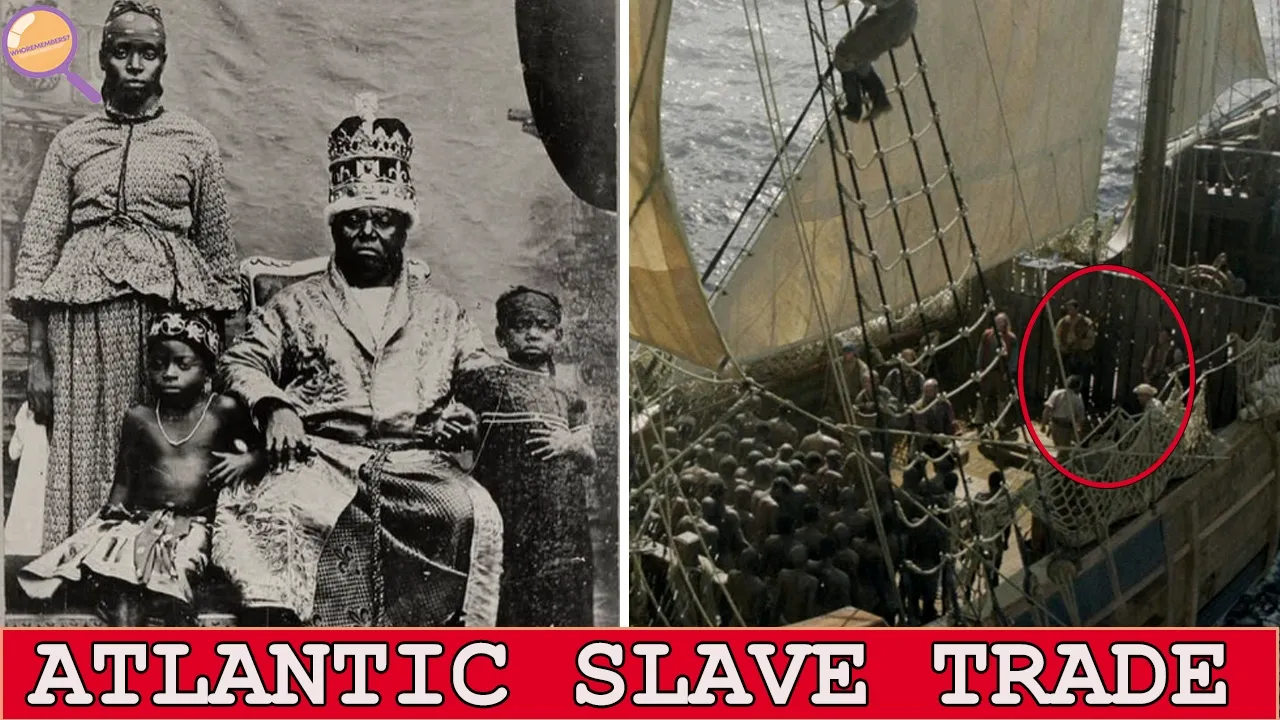
Added:Understanding the Transatlantic Slave Trade and the triangular trade routes that linked Europe, Africa, and the Americas.
The basic principles of Mercantilism and how European empires sought to accumulate wealth through colonial trade monopolies.
Fundamental economic concepts of capital accumulation, commodification, and the transition from feudalism to early commercial capitalism.
The structure of the plantation economy, particularly how monoculture systems operated through forced, institutionalized labor.
The 'Williams Thesis' and the historical debate surrounding how profits from slavery and the sugar trade financed the British Industrial Revolution.
The concept of 'Racial Capitalism' and how racialized hierarchies continue to influence global labor markets and economic systems.
Modern global supply chain ethics, including the study of contemporary neo-colonialism and modern labor exploitation in agricultural commodities.
The long-term public health and ecological consequences of global sugar consumption and colonial land-use patterns.
28.2K views1.8Klikes31:31Original Release: 2026-03-24
In the pamphlet, they condemn consumption of sugar as it is stained with spots of human blood. And this pamphlet goes completely viral. It It goes all over the English speaking world. It's estimated 250,000 copies of it were made.
>> [ __ ] woke lefties. [ __ ] libtards.
Your sugar was made by slaves. That's essentially what happens to every woke leftist position. Eventually, it becomes the norm and people look at the people of the past and think they were [ __ ] crazy and like, "How did you even think that was okay?"
How sugar enslaved the world.
Video by the present past. Okay, let's talk about it, man. Sugar. Everybody loves sugar, right? This is sugar. In 1850, the average person in the world ate 1.8 kilo of sugar per year. Okay. In 2017 in the United States.
>> How many pounds is that? 1.8 kilo. Can we get this [ __ ] in American, please? Oh my god. You're telling me people used to only eat 4 lb of sugar in an entire year? Bro, a pound of sugar. You know what a bag of sugar looks like? a little pound pack of sugar. Imagine only getting to go through four of those a year. And remember, you also that that's not just the sugar you're putting in your drinks, bro, or in your little recipes. We're talking about you got to subtract the sugar that's in soda, in alcohol, in uh food that you eat when you go to rat to fast food establishments. Like all that sugar, you have to subtract it from that four pounds of sugar. That's how much sugar people ate in a year. That's insane.
>> Eight. A person consumed 1.8 kilo in about 11 days.
>> This is three times the top range what the World Health Organization advises.
>> Yeah, that's more like it.
>> Did this happen?
>> THAT'S MORE LIKE IT.
>> YEAH.
>> Oh yeah, sugar.
Right. Yeah.
>> Sugar is in everything you eat, from breakfast to dessert. But just 500 years ago, this cube would be worth its weight in gold. The quest for this innocent sweet was responsible for the transatlantic slave trade. It kickstarted modern capitalism and created an >> I mean I mean it it makes sense. People wanted sugar so bad they were willing to enslave people, put them in chains, ship them across the [ __ ] ocean just to get that sweet, sweet sugar.
>> Pandemic, humans have always sweetened their food with grapes, dates, or honey.
But sugar is special.
>> You can sprinkle it, dissolve it in water to make lemonade, add it to flour.
The uses are endless, and you can store it forever. An echo of how special sugar used to be can be found in many festive events from Eid to Christmas, Hanukkah and Halloween, Easter, moon festival in China, or just the big wedding cake.
>> Over the last 500 years, sugar changed from a luxury you only brought out during a celebration to a substance you can't escape. So, how did sugar become so big?
>> Big sugar, man. Oh, yeah.
Yeah. Give me that white stuff.
Uh-huh.
For the start of this story, we have to go to New Guinea. Here, they domesticated this plant that was special. Sucking it lifted your spirits.
It gave you energy. This plan from >> use that one on my wife.
>> This invention spread over trade routes west to India and China. In India, they invented a process to take the juice of this plant and turn it into something solid. The word sugar comes from sakara, gritty particles.
>> All right.
>> Sugar cane then spreads further west into Persia. And when the Arabs take the Persian Empire over, they fall in love with this product. In every place they conquer, they introduce sugarcane, move on to the crusaders, and when they arrive in the Holy Land, they in turn get introduced to the sweet stuff and they are equally impressed. And they talk about this honey reed, how the locals sucking it for the beneficial juices.
>> Hey yo, bro. Yo, you he's talking kind of wild with this one.
>> I know. I know. It's just it's just sugarcane. Okay, never mind. Now you got to suck on it for them beneficial juices.
>> It gives them energy for long sieges and it was used in medicine. In this period, people died of diarrhea all the time and drinking sugared water helps to get at least some energy in.
>> Wow.
>> For us, sugar is everywhere.
>> Bro, that's crazy how people were just dying from [ __ ] back in the day, bro. Like, how you dying from like loose stool?
Imagine that, bro. Like, who doesn't get diarrhea once in a while? Am I right?
Who doesn't eat some [ __ ] they weren't supposed to eat every once in a while?
And you know what I'm saying? You you you gota Everybody becomes a little religious on the toilet at that instance, right? There was a point in the the past, bro, where if you got diarrhea, you started to worry, bro. You started to be scared for your life. If you're like, "Oh boy, I hope this stops very soon or I'm going to [ __ ] myself to death. I'm going to I'm going to [ __ ] myself until I die." Oh my god. Have you ever had diarrhea that bad before? I've had it before that bad once, bro. Once.
I think it was after I like drank too much. I don't I just I did a bunch of [ __ ] bro. This is back in the past.
I did a bunch of [ __ ] And I remember being on the toilet, bro, and being like, it it's like like I could it felt like like more wanted. Is this getting too much? It's getting too much, isn't it? I'm just saying. Like I can see how people got to that place mentally, but you know, they it was like anytime they had diarrhea, they would be incredibly concerned.
Like they knew people that died because they [ __ ] themselves to death. Okay, we're going to move on now.
>> Stop and imagine how it was for people tasting this for the very first time.
This blissful substance, the sweetness of the taste, the energy you get from it. I mean, something like coffee is is bitter. It's an acquired taste. But straight out of the womb, babies love sugared water.
>> Oh, yeah.
>> They prefer it over normal water. So, sugar now starts to catch on in Europe, but it is ridiculously expensive. In 1226, the king of England begs a trader going to Cairo. If he could just provide£3 pound of sugar if so much could be got.
>> Wow.
>> 3 lb of sugar. It's like a kilo and then some. If I buy it at the store, it's going to cost me what? 4. But sugar is about to get a lot less expensive. It's when the crusaders get kicked out of the Holy Land that gain such a journey west.
So far west, it would travel all the way to Ecuador. And it's also here that the history of sugar starts to split. Sugar was always produced by farmers just as a nice extra. But now this starts to change. Just for sugar, one invention is made that will completely dominate transatlantic history for hundreds of years. A place away from the markets in the hands of foreign investors designated to produce one cash crop where forced labor is imported to cut the cane. The plantation.
Oh, the plantation itself is the invention. Got it right. Yeah, the first factory. This is essentially the first factory.
This approach, it started in the Mediterranean and it was perfected in the Caribbean. And the Europeans, they are going to need their plantations because the Black Death and a Mongol invasion devastate Egyptian sugar production.
>> Oh, so now Europeans have a big need to make their own sugar. Plantations start to appear in Cypress and Cree. The Spanish and Portuguese introduce sugar plantations in their newly conquered territories in the Atlantic. Columbus takes a cane with him to the new world.
The Iberian powers plant sugar as far as Ecuador using indigenous and imported slave labor to keep the mills running.
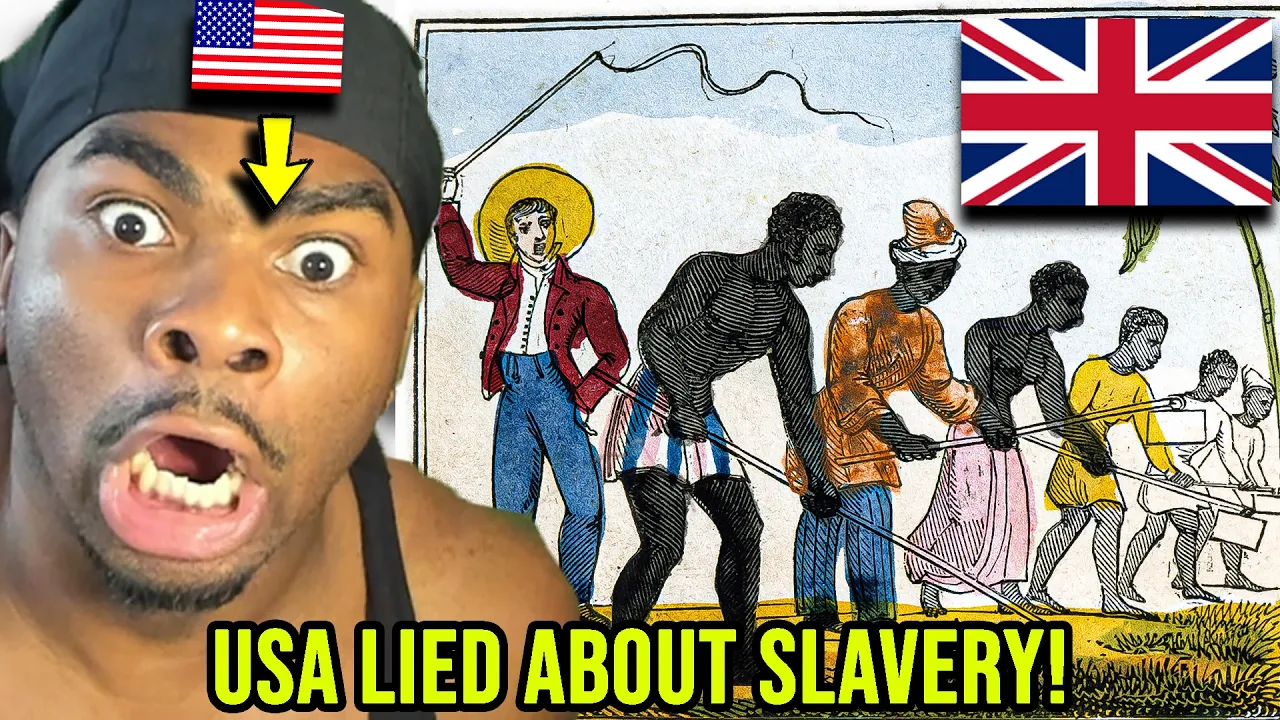
Now other European powers see this and they want a piece of this pie. The Dutch, French, and English steal some colonies and they make some of their own. But who should be working on these plantations? All these powers experiment with local forced labor and white contract laborers. But not enough of them want to sail around the world for an uncertain adventure. And those that do, they tend to die quickly. So they follow the example set by Spanish and Portuguese.
>> Yeah. They needed someone a little bit more sturdy.
They needed a sturdier, hardier people to come cut that sugarcane. I wonder who they whose shoulder they tapped. is and turn their eyes east over the ocean.
They tap into existing slave networks in Africa. And soon the extreme demands for ever more people overwhelmed these markets, asking for more enslaved Africans than ever before, trafficking a total of 12.5 million people across the ocean to plantations. There were also plantations for other products like cotton and tobacco. But of all the enslaved people, half to 2/3 were sent to sugar plantations. Yeah.
>> And these plantations also have a much higher mortality rate. The thing is to go from sugar cane to white sugar is extremely labor intensive and dangerous.
It's it's not like potatoes. You just put some potato in the ground and then after some time you pull them up and it's basically ready to cook. With cane, you need a lot of people to manually plant, harvest, and cut it. After the harvest, you have an issue with time.
From the moment you cut it, you have a maximum of two days to get juice out of the cane before it spoils. And use presses for this that have evolved over the millennia from pressing it by hand to using rollers to the mortal and pestle mill.
But the biggest innovation was the three roller mill powered by animals, wind or water. The sugarcane would be fed between these rollers from one side and back. It would happen that hands got stuck in the rollers.
>> To save them from being completely crushed, machetes were always close by.
The juice would then flow down the rollers and into a container. From there, this juice would be cooked until the liquid evaporated. If you've ever made caramel, you know how danger it is to boil sugar. If it gets on your hands, it just keeps on boiling. And these furnaces have been compared to the fires of hell.
>> Now, think about this, right? these [ __ ] evil uh plantation owners when they wanted to punish a slave and enslaved the black person sometimes they dunk you in there. Yeah, these people Christians >> and ever more plantations are built in the Caribbean. More people get trafficked there and as sure becomes cheaper and cheaper.
>> Those that's those they're the ones who gave you your religion, my fellow black ladies and gentlemen of the Caribbeans, Africa and the Americas. Yeah. The same people who dunk you in boiling hot, scalding hot [ __ ] acid sugar essentially.
Yeah. Yeah. They the one that taught you about God and [ __ ] Mhm. That makes sense.
>> Starts to change Europe. Kings in Europe and the Middle East, they used to have these big sugar statues at dinner parties just to show how wealthy they were. But now, sugar loaves start to appear on paintings of a new middle class. As bigger groups of people have the opportunity to buy this luxury, it gives them the incentive to earn more money, increasing productivity and their income, getting more people interested in investment and innovation. And there are other effects. Sugar makes other new products like coffee and tea easier to drink. So, it drives a tsunami of demand for tea. In the UK, tea consumption rose 400 times in the 1700s. So, now you understand why the British will do everything to get more of it. smuggling opium to trade for tea into China, fighting wars to get access to the markets, plunging China into a century of humiliation by Western powers, a dark memory that still influences Chinese foreign policy to this day. And when industrialization starts to happen, old schedules of living are shifted. People now have to be at work at a certain time. They don't have time to cook anymore, but sugar is there as a cheap and quick road to energy. A cup of sugar tea and some toasts with jam become staples of the working class. So the industrial revolution of the UK is partly fueled by cheap calories coming from the colonies.
One thing to note is that not everyone is eating the same amounts of it in this time. In the 1700s, the UK is consuming much more sugar per person than France that also had colonies in the time.
Researchers have asked yourself like why why did this happen? Um, and there's this quote I found that basically says, "Is it a bad question to ask whether the English cuisine was so [ __ ] they just needed sugar more than the French?"
>> Oh my gosh.
>> I don't know.
>> Yeah. From what I've seen though, look, there's a reason there aren't any British restaurants in your average like American city. You know what I'm saying?
You got Jamaican restaurants, Haitian restaurants. You got African restaurants, Indian restaurants, Chinese restaurants, Korean restaurants. You got restaurants from all over the world. I ain't never seen a British restaurant, though. Yeah, from what I heard, the food's pretty [ __ ] Now, with so much sugar around slowly, the idea starts to trickle down that this consumption of sweet has a bitter aftertaste. Quakers start protesting the situation of the enslaved. They write this pamphlet, plea for the poor. In the pamphlet, they condemn consumption of sugar as it is stained with spots of human blood. And this pamphlet goes completely viral. It it goes all over the English speaking world. It's estimated 250,000 copies of it were made. And nowadays brands get boycotted all the time. But this was the >> [ __ ] woke lefties.
[ __ ] liards.
Your sugar was made by slaves. [ __ ] woke leftards. That's what they That's what the people were saying at that point in time. You know what I'm saying?
That's essentially what happens to every woke leftist position. Eventually, it becomes the norm and people look at the people from of the past and think they were [ __ ] crazy and like, "How did you even think that was okay?" But once upon a time, what you think is normal used to be the woke leftist crazy liberal position?
>> Very first consumer boycott in history.
The core idea of these actions hasn't really changed. If we purchase the commodity, we participate in the crime is what they say. And it totally worked.
People just couldn't get this cannibalistic idea out of their head that they might be consuming human flesh when dropping some sugar in their tea.
So, they start something that's also over time, ethical consumption. They have these sugar pots to signal to their friends they're using slave free sugar.
And of course, as always, there's a counter movement. Take this milk can celebrating a slave ship, the Brooks. It talks about how they want success for the rope makers. The rope makers. What do the rope makers have to do with slavery? Well, this is something that people not always realize. It It is not just a few sugar barons making the profits of sugar.
>> There's a whole industry making ropes, sails, guns, anchors, planks, saws, hoes, employing tens of thousands of people.
>> The people in these trades, they don't want the slave trade to stop. Mhm.
>> And you see when people say slavery didn't build the entire western civilization, this is the [ __ ] they don't take into account. They just look at the the gross revenue that was generated by cotton, by sugar, etc., and say, well, if we just look at these numbers, this was only like 25 30% of the entire GDP. How can we say slavery built America? Yeah. Well, all of these other industries, they only existed because of the slave industry, the slave trade. That that's they were all interconnected and thrived upon one another. Reality is the UK would never have invested in American colonies if slaves didn't come here and get this [ __ ] popping in the first place. So, cuz hey, they were looking for gold. They were looking for precious metals. When they didn't find that, they decided to try and give agriculture a shot, but they couldn't hack it. And you know, the first two colonies failed. At least one of them resorted to cannibalism.
But once they brought the slaves on board and ship became profitable and scalable. Well, then the UK was like, "Okay, maybe we did strike gold after all."
Schumer actions supported by politicians and big slave rebellions like the one in Hayiti, they eventually win the fight against the anti-abolition movement. And so the slave trade and slavery gets banned in British territories.
Does that mean that exploitation is immediately over?
Not really. In Africa, the trade continues. Huge producers like Brazil and Cuba still have slave labor. In 1850, 50% of the world's sugar is still made by slaves.
>> Yeah, I think Brazil was like one of the last countries to abolish slavery over here in the Western Hemisphere.
>> The British reopened their borders to slave produced sugar. Former slave owners scrambled to get sources of labor. So, a new project of moving people gets underway. You have waves of East Indians, Japanese, Chinese, Portuguese, or Italian people sent all over the world to replace the enslaved people. Wow.
>> Sometimes without any clue where they're going with a contract that gives the owner legal authority over the worker and the conditions are not better. In Cuba, half of Chinese workers died before the end of their 8-year contract.
>> God damn.
>> This has been the fate of workers on so many sugar plantations around the world.
And even now, there are many places where people on the plantations get exploited.
But we're not there yet. It is really hard to imagine a world without sugar.
Just go to your local supermarket and think away the aisles connect to the sweet stuff.
>> Oh, yeah.
>> And I mean more than the candy because sugar is added to basically every pre-made sauce, peanut butter or yogurt.
And it's also hard to see what's actually healthy when you buy your groceries. I have these two drinks. One is soda. The other is a vitamin Well reload with vitamin B and D, magnesium, and zinc. Don't tell me they're the same amount of sugar.
>> So, which has more sugar? Well, you're probably going to see this coming, but they're equally as sweet.
>> Wow.
>> Now, this not a fair comparison. I know because this is about a third as much as the soda bottle, but I think it's very easy to drink liters of this and not be aware you're just drinking sugar water and marketing. It wasn't always like this. So, how did this happen? Well, it starts with Napoleon. When fighting the English, he forced the whole European continent to stop trading with them.
This meant no cane sugar for anyone. So all over Europe, people are scrambling to make sugar from all sorts of things really apples, grapes, potatoes, and even mushrooms.
>> In the end, it's the sugar beat that wins out. And this is huge. Sugar can now be made in cold climates. Beet sugar appears in almost all European countries. With these two options, you can now make sugar basically everywhere.
There's just one problem with beet sugar. It's more expensive to make than cane sugar. So beet sugar producers, they lobby national governments. Help us because we can't compete. They get subsidies and are protected from cane imports. In this protected position, the beet barons get an incentive to produce.
So at the start of the 1900s, you have this growing pile of sugar. Sugar is still seen as a somewhat unnecessary luxury in many countries. What are the producers going to do with it? They need to teach people to eat more sugar. Sugar has to become a necessity.
>> So when the first world war happens, they make sure that the millions of soldiers deliberately get sugar as part of their rations. And this is done again in a second world war.
>> Marketing to soldiers is not enough. In the US, it's now the turn of the family, stressing convenience to sell sugary products. Do you want instant orange juice? Here we have juice from synthetic chemicals with sugar.
>> And sugar is so bad for you, bro. Oh my god, sugar. Of course, not sugar in of itself isn't objectively bad. However, excess sugar in the blood, which we all know is diabetes. Sugar in the blood poses a health risk to us because the sugar molecules when they stay in your bloodstream too long as a result of your body being maybe it's insulin resistant.
And so the amount of insulin that your pancreas produces is not enough to shovel away all of the sugar that is floating around in your blood into your muscles and into fat stores. And so it just lingers in the blood. And this allows a process known as glycation to occur, which is when sugar binds to proteins and fats in your body and it causes oxidation. It causes just damage.
Essentially, it's like caramel caramelizing. Carameliz caramelizing. Yeah, it's caramelizing your body essentially. It just [ __ ] it up. It [ __ ] up your blood vessels. It causes plaque to build up in your blood vessels, which of course can lead to heart attacks and strokes. Um, and even if you aren't at that point yet, before you get to that stage, you just deal with fatigue and tiredness. Why?
Because the insulin causes your blood sugar to crash, right? It it it because of course your body is like, "We need to get rid of all this extra sugar. It's going to [ __ ] us up." And so the insulin, which is a hormone produced by your pancreas, it brings down the amount of blood sugar in your body, but it overcorrects it.
And so then you feel tired and lethargic. That's what you perceive as the itis, right? And then in order for your body to correct this low blood sugar, it then compels you to eat more.
This leads to you gaining weight. And if you resist that urge to eat more, then your body has to release cortisol, which is a stress hormone, into your blood.
And that then causes stored glucose in the form of glycogen to then re-enter your bloodstream.
uh and or the glycogen gets converted to glucose. Point is it raises your blood sugar levels so you feel energized again but excessive amounts of cortisol stress in your body lowers testosterone and also comes with its own problems. And so to make a long story short, sugar usually bad, right? Added sugar bad, unnecessary, right? Um, a little bit won't do you too bad, especially if you're exercising a lot and have a balanced diet. But things like juice and [ __ ] like that, jam, you you really shouldn't be consuming that [ __ ] on a regular basis, bro.
>> Time to make breakfast. Here's breakfast cereals loaded with sugar. This brand literally market their cereals as candy.
It had 70% sugar. Sugar is added to stop bread from going still to enhance the shelf life of all kinds of products. And this is also the time of the rise of soda. Drinks that you can keep drinking without making you full. Americans still drink almost half a liter of soda daily.
And all these products focus their marketing on kids. Selling food that is engineered in such a way that addiction >> give it to the kids. Let's make the kids sick.
>> It is compared to a drug habit. In 1999, the WH has to declare a global pandemic, an obesity pandemic, warning the damage our sweet diets do to our health, making us fat, giving us heart disease, inducing diabetes. Why did it take so long for sugar to be seen as harmful?
This has to do something from when I was growing up. You had light products for everything. Light yogurts, light chips, light peanut butter, light everything.
But what was up with these products?
Well, they didn't have fat. You see, in the 50s and 60s with rising levels of heart disease, researchers connected this problem to people eating too much fat. Research sponsored by the sugar industry. That is, there are scientists around that blame sugar, but they get completely silenced. So now the sugar industry jumped on the fat makes you fat train and they make all these light products that instead of fat contain a ton of sugar. So where does this leave us? Sugar in itself. I mean, I'm no nutritionist. I am no expert in really anything. I'm just a [ __ ] guy that makes YouTube videos. However, you should know that the experts when it comes to heart health, the current scientific data does tell us without a shadow of a doubt that saturated fat is strongly connected to increased risk of heart disease. The more saturated fat you eat, the higher your cholesterol.
The higher your cholesterol, the more likely you will be to develop heart disease. And heart disease is the leading killer of humans.
Period.
So yeah, can't throw the baby out with the bath water. Fat, just like sugar, in of itself, is not bad. Your body knows how to deal with both. It's just about having them in the right forms and in the right quantities. That's really what it all comes down to.
>> Is not bad. It's just the same as everything. In moderation, you can have a perfectly good diet without anything happening to you. The problem is it's almost impossible to moderately consume sugar unless you completely cut out every pre-made food from your diet.
What's crazy to me is how sugar was always an unnecessary luxury. And how we went from sugar statues to sweetened tea, pastry, lemonade to soda, sugar tomato sauce.
>> That's crazy though. That used to be a flex to have sugar >> and Big Macs that actually contain sugar. Why? All for this one commodity.
Sugar has become a necessity that we but also these big food companies are addicted to. And it is with sugar that we see how our global capitalist system is made. um making sure that you have one product that is getting made cheaper and cheaper with factories not in your own country but somewhere far away.
Products made in another country, shipped all over the world to you for a cheap price.
>> I wanted to show you two maps that show our global system and also that we don't live in a postcolonial world.
>> These are beet and cane sugar producers.
It's almost a photo negative. The beet producers are generally situated in the global north, the cane producers in the global south. This is not an open market. Remember how beet was more expensive to produce? That hasn't changed. But the European Union kept on subsidizing the powerful beet sugar industries. These industries then dumped this artificially cheap sugar in markets that had cane sugar but couldn't compete. And it's just a few years ago that this practice was stopped after an international lawsuit. so much for a free global economy.
>> Yeah.
>> The thing with global >> Yeah. This idea that we are operating under a free market is a fantasy. It is an absolute fantasy. Um corporations, huge corporations are able to lobby governments and get them to pass laws and policies that benefit them. Right?
companies form monopolies and then make it impossible for anyone to compete with them, allowing them to charge you the highest possible price that people will pay for things, right? Prices that are higher than they would be if there was actual competition. So, there is no capitalism. Capitalism is a is a myth.
It's a it's a [ __ ] scam, bro. It's not even real. the capitalism that you get sold on by Republicans and people who talk about capitalism like they are not helping to keep a true a truly free market in place. There is nothing free about our market. And so yeah, you know, they're just scamming you. It's [ __ ] Capitalism is is how on the one hand it's lifting millions out of poverty, spurring innovation, getting people to collaborate, but these cheaper products, these cheaper prices, they always come at the cost of other unseen people at the cost of their environment.
>> You can't really see.
>> So that's how sugar enslaved the world, right?
We can thank that sweet, sweet, good white stuff. I mean, we can't blame sugar alone, but it played a huge role in motivating white Europeans to um enslave black people and force them to work without pay and without labor. Uh but on top of that, we're all still enslaved. A lot of us still enslaved in the form of sugar addiction, an addiction that is quite literally killing us all. And maybe that's just karma. But you let me know what you think in the comments section down below. Thank you for watching and until next time, peace out.
Up Next

118:31
1619: The Arrival of Africans and the Making of America
@loc
359.4K views•2018-10-15

33:02
The Great Schism of 1054: Causes and Consequences
@SacredCathedrals
113.5K views•2026-02-19
91:57
The Geopolitics of the Ukraine War and the Rise of Global Autocracy
@JordanHarbingerShow
468K views•2025-04-19
17:05
Understanding the Cold War: Superpower Conflicts and the Road to Détente
@OverSimplified
46.1M views•2019-01-24
Related Study Plans & Knowledge Roadmaps
Structured learning paths in History
history
Byzantine Iconoclasm: Theology, Art & Politics
01Foundations of Byzantium and Early Christian Images
02The First Iconoclasm: Leo III and the Crisis of Images
03Empress Irene, Nicaea II, and the Second Iconoclasm
+ 2 more learning modules
9h5 modules
Explore Roadmap
history
Iranian Revolution (Causes, Events & Legacy)
01The Pahlavi Dynasty and the Roots of Discontent
02The Spark of Rebellion and the Rise of Khomeini
031979: The Fall of the Shah and the Climax of the Revolution
+ 2 more learning modules
8h5 modules
Explore Roadmap
history
Mali Empire: Mansa Musa, Trade & Timbuktu
01Foundations of the Mali Empire
02The Trans-Saharan Gold and Salt Trade
03The Reign and Pilgrimage of Mansa Musa
+ 1 more learning modules
6h4 modules
Explore Roadmap
history
1947 Partition: Politics, Borders & Legacies
01Foundations of British India and the Divide
02The Political Negotiations and the Mountbatten Plan
03Drawing the Boundary: The Radcliffe Line
+ 2 more learning modules
8h5 modules
Explore Roadmap