




![Les sciences du sommeil et du rêve [TenL117]](https://i.ytimg.com/vi/7CIvfkOdmHo/maxresdefault.jpg)
















Medical research reveals that sleep deprivation dramatically increases error rates in high-stakes professions. Residents working 30-hour shifts have nearly 460% higher diagnostic error rates in intensive care units. Surgeons with less than 6 hours of sleep in the previous 24 hours have approximately 70% higher surgical error rates. Additionally, sleep-deprived physicians have 168% increased risk of motor vehicle accidents after their shifts.
Sleep for Learning: Memory Consolidation & Creativity | Huberman Lab
Added:Basic neuroanatomy of memory, specifically the distinct roles of the hippocampus in short-term encoding and the neocortex in long-term storage.
The fundamentals of sleep architecture, including the cycles and differences between REM (Rapid Eye Movement) and NREM (Non-Rapid Eye Movement) sleep.
The concept of neuroplasticity, including how synaptic connections are strengthened or pruned in response to learning and experience.
An introduction to circadian biology, including the suprachiasmatic nucleus (SCN), melatonin regulation, and how light exposure drives sleep-wake cycles.
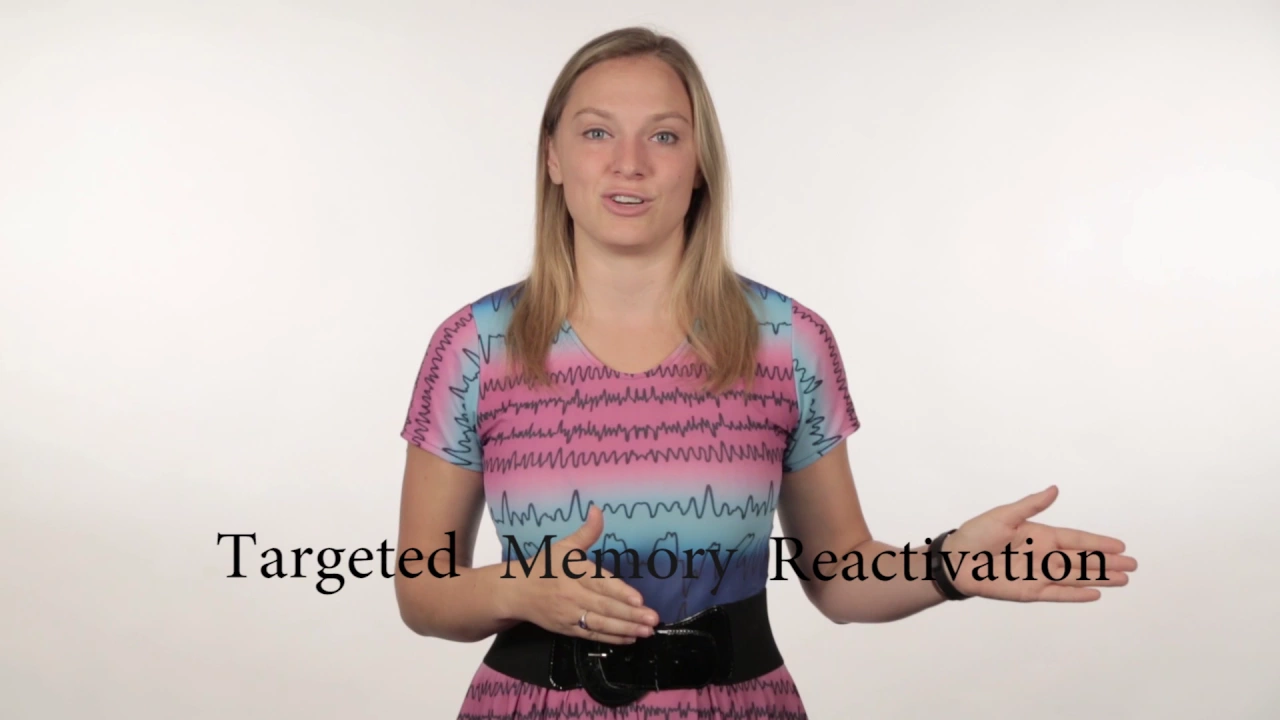
The science of Targeted Memory Reactivation (TMR) and how sensory cues can be used during sleep to selectively enhance memory consolidation.
The neuropathological consequences of chronic sleep deprivation, such as its connection to beta-amyloid accumulation and long-term neurodegenerative diseases like Alzheimer's.
The neural mechanisms of dreaming, specifically how REM sleep acts as overnight emotional therapy and facilitates creative associative thinking.
Applied chronobiology in society, including the redesign of school start times, shift-work protocols, and elite athletic training schedules to maximize cognitive and physical performance.
259.3K views5.5Klikes1:03Original Release: 2024-04-24
[Music] welcome to the hubman lab guest Series where I and an expert guest discuss science and science-based tools for everyday life I'm Andrew huberman and I'm a professor of neurobiology and Opthalmology at Stanford School of Medicine today's episode marks the fourth in our sixth episode series all about sleep with expert guest Dr Matthew Walker during today's episode we discuss sleep and learning as well as the impact of sleep and the specific stages of sleep on creativity and memory we talk about when and how long to sleep relative to different bouts of learning as well as the role of naps in consolidating information that you are trying to learn we discuss the science and Protocols of sleep as it relates to both cognitive learning and motor learning and the mechanism by which sleep encodes memories as with the previous episodes in this series today's episode includes information about the biology of sleep as well as practical tools that is protocols in which you can use sleep to improve your learning memory and creativity before we begin I'd like to emphasize that this podcast is separate from my teaching and research roles at Stanford it is however part of my desire and effort to bring zero cost to Consumer information about science and science related tools to the general public in keeping with that theme I'd like to thank the sponsors of today's podcast our first sponsor is Helix sleep Helix sleep makes mattresses and pillows that are customized to your unique sleep needs it's abundantly clear that sleep is the foundation of mental health physical health and performance when we're getting enough quality sleep everything in life goes so much better and when we are not getting enough quality sleep everything in life is that much more challenging now one of the key things to getting a great night's sleep is to have the appropriate mattress everyone however has slightly different needs in terms of what would be the optimal mattress for them Helix understands that people have unique sleep needs and they've designed a brief two-minute quiz that asks you questions like do you sleep on your back your side or your stomach do you tend to run hot or cold during the night or maybe you don't know the answers to those questions if you go to the Helix site and take that brief quiz they'll match you to a mattress that's optimal for you for me it turned out to be the dusk DS mattress it's not too hard not too soft and I sleep so much better on my Helix mattress than on any other type of mattress I've used before so if you're interested in upgrading your mattress go to helixsleep.com huberman take their brief two-minute sleep quiz and they'll match you to a customized mattress for you and you'll get up to $350 off any mattress order and two free pillows again that's helixsleep.com huberman to save up to $350 off and two free pillows today today episode is also brought To Us by whooop whoop is a fitness wearable device that tracks your daily activity and sleep but also goes beyond that by providing real-time feedback on how to adjust your training and sleep schedule to perform better I've been working with whoop on their scientific advisory Council to try and help Advance wop's mission of unlocking Human Performance as a whoop user I've experienced the health benefits of their technology firsthand for sleep tracking for monitoring other features of my physiology and for giving me a lot of feedback about metrics within my brain and body body that tell me how hard I should train or not train and basically point to the things that I'm doing correctly and incorrectly in my daily life that I can adjust using protocols some of which are actually within the whoop app given that many of us have goals such as improving our sleep building better habits or just focusing more on our overall health whoop is one of the tools that can really help you get personalized data recommendations and coaching toward your overall health in addition to being one of the most accurate sleep trackers in the world whoop allows you to recover more quickly and fully from physical exercise and other kinds of stress and thereby to train more effectively and sleep better if you're interested in trying whoop you can go to join. whoop.com huberman today to get your first month free again that's join. woop.com huberman today's episode is also brought To Us by waking up the waking up app is a meditation app that offers hundreds of guided meditations mindfulness trainings yoga need your sessions and more I started meditating over 30 years ago at that time there wasn't very much science on meditation but by now we know that there's a lot of strong science supporting the fact that a daily meditation practice can improve mood focus and alertness and can reduce stress and improve sleep and overall health one thing that I and many others have noticed is that while meditation is excellent for buffering stress it's often times during periods of stress that we let our meditation practice go the waking up app overcomes this by offering meditations of different durations so they have some longer ones of 30 to 60 minutes but also some much briefer ones 10 five and even one minute meditations that are known to be effective so no matter how busy or stressed you get you always make time for your meditation practice the fact that they have lots of different types of meditations and Yoga Nidra sessions and non-sleep deep rest protocols also make sure that your meditations are kept fresh and interesting you never get bored of them I personally use the waking up app to do a 5 to 10minute meditation or a non-sleep deep rest protocol which is similar to yoga Nedra each and every day and if I miss a day I try and double up the amount of time that I do nsdr Yoga Nidra or medit the following day yoga NRA and non-sleep deep rest protocols can be done essentially any time of day in order to restore mental and physical Vigor I'll sometimes do one first thing in the morning if I wake up and I feel I didn't get quite enough sleep the previous night you can also do yoga NRA or nsdr in the middle of the night if you wake up and you're having trouble falling back asleep sometimes they will allow you to fall back asleep and if they don't you'll still feel more refreshed than you would have had you been tossing and turning and worrying about not getting sleep so nsdr and yoga Nedra are terrific for both restoring mental and physical Vigor and potentially for restoring sleep that you otherwise would have missed if you'd like to try the waking up app you can go to waking up.com huberman to get a free 30-day trial again that's waking up.com huberman and now for my conversation with Dr Matthew Walker Dr Walker Dr hubman welcome back we have covered a lot of material first episode of this series you gave us an overview of sleep and some actionable items about sleep then in the second episode you gave us far more actionable items of how to think about one sleep in a way that leads to very concrete decisions about controlling light temperature when to sleep and then some really in-depth Advanced tools or protocols as we call them and then in the third episode we talked about caffeine and napping and some other things that people can do to really supercharg their alertness through sleep augmentation in the daytime and today we're going to talk about sleep learning in memory and a topic that I know everybody is very interested in creativity indeed resplendant pleasure to be back on the show thank you for having me yeah absolutely so I think nowadays most people understand that there's some relationship between sleep and learning but I think think it would still be a good idea for us to zoom out a bit and establish what that relationship is you know I I think most people are familiar with being exposed to some new material cognitive material physical uh skill material and not being able to learn it right away but then having a few days in between and then all of a sudden voila yeah there's uh the skill has been embedded it seems but not obvious in that scenario is that sleep is perhaps the pivotal event that allowed the learning process to take place so how do you think about sleep as it relates to learning and memory I think I've conceptualized it in three different stages or three different buckets of a benefit the first is that we need sleep before learning to prepare your brain to initially imprint and lay those memory traces down but then you need to sleep after learning to take those sort of freshly minted memories and then save them and cement them into the brain so that you don't lose them the third domain is that sleep will then take those new memories that you've been learning and it will start to collide them with all of this back catalog of information that you've already got stored in your brain and it updates the iOS of your informational systems so that then you come back the next day and you have a better abled ability to understand how the world Works in other words the difference between knowledge which is learning the facts and wisdom which is knowing what it all means when you put it together that's the third category and why is that beneficial because it provides you with creative insights and so we will will perhaps just double click on each of those three and I can I can expand them because the data behind them is utterly fascinating as you said I think many people subjectively have a sense that sleep helps me with my memory in some way but in what way and for people I think one of the things that you do here is not just protocols but you help explain the conceptual understanding or the conceptual mechanisms underlying the reasons for all of the these protocols and I would love to dive into detail yeah so let's do that let's talk about this business of sleeping before learning you know essentially establishing a millu within the brain that is optimal for learning what what is that about and neurochemically at the level of circuits and um what is the evidence that providing some I don't know additional sleep or just adequate sleep prior to the exposure to the new material can be beneficial yeah I that word that optimal millu and it beautifully describes what we found we started off asking a very simple question at my sleep center is pulling the allnighter a wise idea so we took a group of perfectly healthy smart individuals and we assigned them to one of two experimental groups a sleep group and a sleep deprivation group and both of those groups went through those two different protocols and then the next next day after sleep or after no sleep we put them inside of a brain scanner and we had them try and learn a whole list of new facts as we were taking snapshots of brain activity and then we tested them to see how effective that learning had been when we looked at the group that had had a full night of sleep they had incredibly efficient learning capacity so in other words they had learned and imprinted that information initially very well well when we looked at the sleep deprivation group not so much in fact there was a 40% deficit in the ability of the brain to make new memories without sleep and we've used lots of different types we've replicated that now we've had visual information we've had textbook like information and the range is somewhere between 20 to 40% I find that by the way striking and we can come back to this based on what we are seeing in our Educational Systems right now there is this parcity of sleep because of this model of early school start times and I'll explain exactly what's happened there and what we've been doing to try to change that but coming back to those two groups the Sleep group and the sleep deprivation group what was going on as you said inside of the brain that would help us understand why they couldn't learn or at least couldn't learn effectively and the structure that we focused on is one you've spoken about before called the hippocampus and you have one on the left side and the right side of your brain it looks like a long cigar that runs down the left and right side of your brain and people listening can think of the hippocampus almost like the informational inbox of your brain it's very good at receiving new memory files and then holding on to them and when we looked at that structure and its activity during learning in the Sleep group they had wonderful powerful activation of the hippocampus as if it was gobbling up all of that new information into the inbox when we looked at the sleep deprivation group however we couldn't find any significant signal whatsoever so it was almost as though sleep deprivation had shut down the memory inbox and any new incoming files they were just being bounced you couldn't effectively commit new experiences to memory and then subsequent stes that were not done by us but uh looking at animal models they were looking at how able the synapses are in that memory structure the hippocampus how capable those synapses are for building new connections and the synapses are just those connections between neurons and we think that part of the way that we make memories is by strengthening the connection in the memory circuit itself and what they found was that when they restricted the sleep of these rats or the mice that part of the brain became very stubborn it just wouldn't form those new synaptic connections and something that we call synaptic plasticity so we started to understand this was the bad that happened when you take sleep away but let's come back to that control group that I said got a full night of sleep exactly what is it about sleep when you do get it that seems to support and promote your learning ability so we decided just do another different study instead of manipulating sleep by dialing it down we instead tried to dial it up by way of a daytime nap and again we took two groups and we had them initially learn again a huge amount of factual information they learned it over and over and over again and then we brought them back 6 hours later at 6pm and now we had them learn a whole new set of information and after each one of of those fresh novel learning sessions we tested them to see how effective that learning had been again one of those groups spent that 6 hours of time awake doing just relaxing activities the other group was able to obtain a 90-minute nap and we Ed that 90-minute nap to allow them to go through a full sort of average cycle to get some non-rem and to get some REM what was interesting is that when we tested the group that remained awake later that fall following day the learning capacity had declined but in the nap group it seemed to restore the brain's capacity to learn and you didn't get that decline in memory in fact if anything you got a little boost and the difference between those two was about 20% so it's quite a nice benefit yeah not trivial not trivial at all and then we said okay well if sleep is doing something what is it about that sleep so we unpacked the physiology of sleep and the different stages of sleep that we discussed in the first episode and what we found was that it was the nonrapid eye movement sleep or the non-rm sleep and particularly those sleep spindles those short bursts of electrical activity that we have discussed before that seemed to predict how restored and refreshed your learning ability was and the best way that I've been thinking about this in terms of sleep storing or refreshing your encoding ability and it's a crash analogy and I don't mean to make a direct brain to computer analogy but think of that hippocampus almost like a USB stick that's very good during the day at going around and grabbing new files but it has a limited storage capacity and what sleep was doing seemed to be shifting those memories from the USB stick of your hippocampus over up to the cortex which you can think of almost like your hard drive a much bigger storage capacity and by way of doing that when you woke up after the nap or after a full night of sleep you had this cleared out USB stick so what could you do you could go around and start acquiring all these new files again so that started to teach us a little bit about why sleep before learning is critical but also mechanistically how sleep is doing this remarkable work of memory restoration we then wanted to say well can we translate this out into the real world and I think there are two regions that we've moved this workout into one is education one is is medicine and Alzheimer's disease but the education piece was very interesting in the United States I think the last time I checked the average school start time is somewhere around 7:30 745 sounds about right and if you think about that for 7:30 school start time school buses will begin leaving around 5:30 5:45 in the morning mhm that means that some kids are having to wake up at 5:00 a.m. maybe even earlier this is lunacy when you think about it there's a great study in edner I hope I'm pronouncing that correct edner which is a small suburb or it sits in a small suburb outside of Minneapolis in Minnesota and they shifted their school start times from 7:25 5 to 8:30 in the morning and then they wanted to ask what is the consequence of that on the academic performance of their students and the metric that they used in these teenagers that they were focusing on was something called the SAT score which is a score I had to learn when I first came to the United States is a critical assessment test that will largely determine which university you go to and they did an analysis which was clever they focused on the top 10% performing students which you could argue those are the ones that are closest to the ceiling performance and the hardest to expect any benefit from sleep so in the year before they made the time change the average score of those top 10% performing students was 1,288 which turns out to be a pretty good SAT score the following year after they made the time change the average score for that top 10% was 1,500 that difference is non-trivial and it will change exactly where those individuals will go to university in terms of the tier of the university and likely change the trajectory of their lives as a consequence now some people have argued that data you know in terms of its source and its reliability may not have necessarily been accurate but now we've got very consistent data when you start school times later academic grades improve psychological and psychiatric problems decrease truancy rates decrease but something else happened in that story of later school start times that we didn't expect which was that the life expectancy of students increased and you think well hang on a second how do you determine that the number one cause of death in teenagers 16 to 18 is actually not suicide turns out to be second it's road traffic accidents and here sleep matters enormously there was another great example from tetan County in Wyoming and they shifted their school start times from I think it was 7:35 in the morning to 8:55 and the only thing more remarkable than the extra 1 hour of sleep those kids reported getting was the drop in car accidents that following year there was a 70% reduction in car crashes in that age range of 16 to 18 what time are they getting out of school well they will probably be ejected out of school that's another interesting part by the way maybe around 4:30 and people have said well look all of this idea of later school start times it means that it's going to cost us more cuz you've got to change the school bus system and they've argued push back against that and I would say probably two things first I know it's difficult and I'm not saying it's an easy problem to do it's a complex problem and I'm sympathetic to that but I I think we've put people on the moon and so I suspect that we can also solve the problem of early school start times the the other component of that is what are we doing as Educators if our goal as educat is true truly to educate and not risk lives in the process then we are failing our children in a most spectacular manner with this incessant model of early school start times and if you look at the data it's very clear when sleep is abundant Minds flourish and when it's not they don't and so that's the reason why myself and a whole group of sleep scientists we started to try to create a movement for later school start times and we got this bill passed firstly in California we got it on the governor's desk at the time who was governor uh Brown and unfortunately he didn't sign it into law then when the organization changed and Governor nusum came in as governor of California we got the bill back on the on his desk and he did sign it and then uh the next state to go was New York they started to put in legislation for recommendations for later school start times I think Florida is about to fall as well in that regard so there's gradual movement happening but it's hard fought and it's it's problematic I still think that it's it's impossible to deny that data I mean it was an interesting thing I remember when I was a professor back at Harvard we were doing this work on sleep and and learning and they said and it was sort of published in these sort of um kindly I don't know how we did it but in nice journals and they said okay based on the media attraction would you write an editorial for the Harvard newspaper which was called the Harvard Crimson I said I'd love to so at first I thought I'm just going to write a straight piece about sleep and memory and why it's important then I realized no there's a better opportunity because teaching there and you know this as well as I do there is this bizarre system where we teach for an entire semester and then we endload the semester full of exam in this stressful 2E period and what do you think is going to happen they're not going to sleep especially at a time when they're trying to cram information so especially in college where you don't actually have the material four weeks before so there's not really the option to learn it in advance no everything's about University to me was about getting a bunch of information and needing to incorporate it very quickly and then move to the next item right next item next item and then all of a sudden there's this cataclysmic moment at the end of the semester and you are supposed to regurgitate this by cramming everything into your brain in this Sleepless twoe period so rather than saying look the students need to change their behavior they need to understand this is problem it's not their fault I said it's us as Educators and administrators we have created a system that forces them to undergo deliberate sleep deprivation and we are educating them amnesic quite literally so I put this uh editorial out it received a um a rather Baltic if not Arctic response and um that was the last editorial I was ever invited to to write for the newspaper but you know you've got to say your piece well so but I'm curious why there's resistance to shifting to later School times and to improving the conditions for learning if the goal is to learn I mean tradition dies hard um maybe that's why um I think there's also the idea certainly in the medical profession that you know well when I was doing my training we would pull all nighters all the time um and so the idea then is that it's just part of The self-directed Hazing process that is getting a degree that you're going to be doing a lot of allnighters and cramming and things of that sort is that is that why you think motivates the the resistance to change I think so I think you've hit all the points I think you know Zeitgeist die one generation at a time and we see that resistance certainly there too I also think that when you come back to later school start times they have suggested that there is this cost when they tally it up but you made a point which is when did they get out of school and let's say it's around 4:30 one of the interesting analyses that was published and we latched on to this that is this strange bewitching hour when kids get out of school but often their parents are not home to work and if you look at the Teenage Crime rate and you look at when those crimes are committed it's usually in that bewitching hour after they get out of school but they don't have a home or parents yet to go to that filled but by pushing school start times later they get out later they go home and if you were to even half that debt that those crimes cause you would easily pay for the education system so it's very interesting I think that also notion of well we went through it and here I am so you can go through it too is very prevalent in medicine this is another good example we and mostly um colleagues at mine such as Charles Eisler at Harvard have really done a great job job at cataloging exactly why we need to abandon this resident program which has a fascinating history by the way which is Young residents should be working 30-hour shifts often without any sleep whatsoever and when you look at that data residents who are working a 30-hour shift are going to be almost 460 more likely to make diagnostic errors in the Intensive Care Unit if you have a surgeon and you're getting elective surgery who's had less than 6 hours of sleep in the previous 24 they are almost 70% more likely to cause a surgical error which could result in non-trivial consequences and then the irony is that when young residents after a 30-hour shift get back into their car at the end of the shift and drive home there is 168% increased risk that they get into a car accident and then end up back in the ER from where they just came but now as a patient rather than a physician and you think what are we doing I Charles SE I think has described they provided this evidence to the council and at first they just I think the idea was look our minds are made up don't confuse me with the data and you appeal on the empathetic basis but it wasn't well received so then if you go back and you say no I'm going to give you a different argument if you look at the cost of malpractice caused by insufficient sleep and if you get the administrators into the room all of a sudden the schedules change so then based on that data there was a policy that you couldn't work any longer than I think it was a 16h hour continuous shift the problem was that they only said that that was apparent for the first year residence and not the remaining years and the question was well why I said well the data that you showed us you only collected in firste Residence as if something magical was going to happen when you become a second-year resident and you Dawn this TEF long coat of immunity against sleep deprivation well if anything it would compound to get worse so so it seems to me that um there's there's like zero question that getting adequate sleep is good for learning but and when the stakes when it's high-risk High consequences scenarios or even high consequences scenarios like a medical situation um just seems like uh should almost come down to Legal liability yeah I'd like to take a brief break and acknowledge our sponsor ag1 ag1 is a vitamin mineral probiotic drink that also contains adaptogens and is designed to meet all of your foundational nutritional needs by now I'm sure you've all heard me say that I've been taking ag1 since 2012 and indeed that is true now of course I do consume regular Whole Foods every day I strive to get those Foods mostly from unprocessed or minimally processed sources however I do find it hard to get enough servings of fruits and vegetables each day so with ag1 I ensure that I get enough of the vitamins minerals Prebiotic fiber and other things typically found in fruits or vegetables and of course I still make sure to eat fruits and vegetables and in that way provide a sort of insurance that I'm getting enough of what I need in addition the adaptogens and other micronutrients in ag1 really help buffer against stress and ensure that the cells and organs and tissues of my body are getting the things they need people often ask me that if they were going to take Just One supplement what that supplement should be and I always answer ag1 if you'd like to try ag1 you can go to drink a1.com huberman to claim a special offer you'll get five free travel packs plus a year supply of vitamin D3 K2 again that's drink a1.com huberman so are the errors of sleep deprivation in these scenarios both in students and medical professional are they due to errors in memory per se I mean so I mean because you can imagine all sorts of Errors so with a surgeon they like cut the wrong thing or they cut too far the margin on the surgical side is too big Etc but since we're talking about learning in memory um and its relationship to sleep uh is it that people are forgetting what they did are they forgetting what they didn't do I mean um or is it a deficit in motor skills or all of the above it's all of the above above plus which is that learning in memory your recollection of both what you did or what you need to do or what you should do based on your training is going to be compromised because your recall of that information it turns out is also compromised but it's also decision-making too that what we know is that your frontal lobe is especially sensitive to a lack of sleep and it's that frontal lobe that really takes complex situations to Stills them down and comes up with the correct output scenario of decisions that you need to make not so much when you're sleep deprived so how should I establish the proper neural millu for learning by sleeping prior should I make sure that I I mean in an Ideal World I get excellent night sleep for the you know every day of my life leading up to about of learning being Expo and here I'm referring to about of learning as being exposed to new material but life happens um so if I know that tomorrow I'm going to take a class in something or I'm going to need to perform a skill that it's pretty nent skill for me I only learned it recently what should I do the night before I would say think about what you can get in terms of your sleep under current conditions and understand that that is staying awake and foregoing sleep is not the right equation that you may think in other words think of sleep that night as an investment in tomorrow rather than a cost opportunity of now or today that would be the message I think for learning in memory some people will say logically and rationally well but if I stay awake I can at least be learning and going over that material for many more hours so doesn't that compensate for me going to bed let's say I haven't learned it well enough well surely I should just you know say I I should just focus and stay awake CU at least then I can just go over the material Time and Time and Time Again doesn't that offset the the deficit and to a degree it does we did that study but what was really interesting is that the next day were you able to at least learn and recall some of that information to a degree yes you were and the more that you kept going over it the better you performed even when you were not getting sufficient sleep but then we did something interesting we then brought them back we haven't published this this day I should do we brought them back a month later and then we tested them again and what you find is that the group that slept was far better able to have retained and remember that information whereas the group that did not sleep as much they performed much more similar to the group that got a full night of sleep the next day but when you test them a month later almost none of that material is residing in their brain anymore got it so this is the cramming effect that's right right and and if one knows this from teaching university courses um or if they've crammed that you can learn a bunch of material but then you regurgitate it for the exam and then it's gone yeah so so it's almost like a it just never passes from short-term to long-term memory essentially that's correct okay and that seems to be in some ways that's a beautiful description of then what happens next in the Sleep process it's not just about sleep before learning you then have to sleep after learning to do exactly what you just described so I have an class in the morning or I'm going to learn something new the next day afternoon my goal presumably should be to maximize the amount of sleep I get and to be on the same sleep schedule so this gets back to qqr that was presented in the first episode quantity quality regularity and timing I people should refer to that um nothing wrong with your memory by the way well I don't know about that but um the um the qqt formula was was described in the first episode um let's come up with a what I think is a fairly common scenario so I like to go to bed early between 800 and 9:00 p.m. I discovered this recently thanks to conversations with you this is clearly what works best for me I kind of always inted it but I um it clearly is what works best if I go to bed at 10:00 I probably want to wake up sometime around I don't know 6:00 a.m. or or 6:30 and um if I go to bed any later than 10:30 I start running into problems I don't feel good the next day even if I get sufficient hours of sleep so this is the importance of regularity and timing keeping things more or less locked to that 8:30 to 9:30 to bedtime for me 4:30 to 5:30 wake up time that's me just by way of example in an Ideal World therefore I would stick to that schedule wake up the next day and go do my learning or my performance of something that I'd learned someone else might have the chronotype we're going to bed at 11:00 p.m. and waking up at 7:30 a.m. is their preferred schedule however often because of travel because of courses because of Life circumstances the night before something critical that we need to learn or to perform some critical task physical or cognitive the Sleep the night before is disrupted in some way either by virtue of timing or quantity and then of course by extension regularity so is there anything that we can do heading into a bout of learning meaning the night preceding that bout of learning that can kind of um provide a buffer or or set us up for the best possible learning scenario if we're not able to stick to our perfect schedule I think there may be two things there's been a little bit of work that's been done um to suggest that caffeine may actually enhance the hippocampus this memory encoding structure and boost its ability to encode now what they haven't yet done is the study where you sleep deprive someone then you give them caffeine the next day and then you have them try to learn and ask can caffeine by way of its effect on the hippocampus rescue and restore what would otherwise be an encoding deficit now that is entirely possible and I think it's a fascinating question by how much we don't know but if it doesn't it's equally likely that the hippocampus by way of being sleep deprived is not receptive to the benefit of caffeine under conditions of sleep deprivation and I told you in the rat studies when those rats were deprived the hippocampus once again became stubborn in its ability to form new synapses and it may be that it's equally stubborn to receive the normal benefit of caffeine when you are sleep rested but I would love to do that study the second is to then say well if I have the choice of when I'm going to be learning during the day let's say that you've had a bad night of sleep or you just had a short night of sleep non-negotiable couldn't do anything about it and the next day I've got to cram in some information I would say think about your chronotype and think about when you are at your best operating temperature so your scenario let's say going to bed at 9: waking up at 4:35 your Peak is probably going to be maybe 10 11:00 in the morning where your biology and your Cadian rhythm is on its almost Crescendo Peak at that point we know for Cadian influences on learning and this is independent of sleep influences on learning that's where things are better now for me you actually described me which is I'm a kind of an 11 to 730 type person for me it's probably going to be much closer to about midday or 1: p.m. where I feel at my operating Peak both for physical performance and also mental performance so if you've got the choice and you are underslept there's nothing you can do about the sleep that you've lost the night before but at least recognize that your Cadian rhythm is going to come to your rescue and help offset that as long as you time you're learning to that known peak of your Cadian Rhythm does that help a little bit yes that that makes good sense so the idea gets us back to something you described in previous episodes which is that you have this sleep pressure due to the buildup of the molecule adenosine which the longer we are awake the more adenosine in our nervous system which makes us sleepy but separate from that there's this circadian circadia about 24-hour Rhythm right um that causes fairly dramatic shifts in wakeful fullness and sleepiness independent of the adenosine signal now sometimes the two signals overlap so that late in the evening for instance we have a lot of adenosine we've been up all day and our circadian rhythm is such that our alertness is starting to diminish so they're aligned and in the early part of the day assuming everything is normal the adenosine levels are low because we slept well the night before and our circadian rhythm is on the upswing so to speak um and we are alert so if I understand correctly the goal is to of course Maxim the quality quantity regularity and timing of sleep qqr but that in the absence of the ability to really anchor any one of those things to 10 out of 10 you know A+ performance if one knows that okay typically around you know between 10:00 a.m. and noon is when I'm at my sharpest that would be the time to be exposed to new material or ideally take an exam if one can control that sort of thing and then perhaps in the afternoon there's another opportunity be uh after the postp perenial dip that's right but before the post perenial dip sometime between 1 and 4 pm usually lasting about an hour to 90 minutes this is a dip natural dip in energy but then after that is another opportunity to learn um sure there'll be a lot of adenosine in one system because you've been a long time um but the Circadian system is on its sort of uh upswing again before the down swing that occurs in the evening is that right right opportunities um and by the way it's strange you were to ask if you look at the Cadian Rhythm right before sort of bedtime there is this sort of strange little blip this peak um that Folks at um back at Harvard have have discovered and you think well why would my Cadian system which needs to really ratchet down for us to get to sleep well why would it have this little Jag upwards in the evening hours right before we need to sleep and it then drops precipitously right makes no sense until you think about Evolution because after foraging for food during the day what you need is this final spurt to get you home safely to your nest or to your home yeah to batten down the hatches exactly so there is this beautiful little built-in Cadian upswing to say okay I know you're returning to home this is probably a time when there's some maybe Potential Threat to you I'm going to just boost your alertness very quickly so you travel home safely good to go great and now I stopped my downswing I think this is a really important thing for people to know about um I'm familiar with the data uh although just in top Contour but the idea here as I understand it is that many people will feel like okay around 6:00 p.m. 6:30 they're getting sleepy 7:30 8:00 p.m. and then they want to get to bed at 10:30 and suddenly for them based on their chronotype around 9:00 p.m. they're like Wide Awake second wind right the second wind and they're like oh no I need to sleep tonight um now maybe it's the case that they're a they would be better off going to bed far earlier and waking up earlier the next morning but in many cases it's just that transient 45 to 6 you know 70 minute window of increased uh alertness this kind of um uptick in the in the Circadian system so this two shell pass and then also just set yourself up for success and we discuss a little bit about the methods of really ratcheting things down dimming Down the Lights having a tiet alarm these types of things will just gradually back you off and after that second wind comes give you the greatest ability to decline physiologically which then permits this beautiful thing called Sleep to come in its place well speaking of sleep postar learning um what is the role of sleep that follows about of learning and here again we want to Define learning as the exposure to novel information that one is trying to encode either cognitive information motor information or or combination of the two um and I say that because learning AKA neuroplasticity has many different stages it's a process not an event but um so let's say that uh earlier in the day I took a dance class Lord knows I need one or um you and both or a musical lesson or was exposed to some interesting information who knows maybe on a podcast and I was you know trying to engage in that information and and pay attention and then that night I I plan to sleep um or perhaps one could take a nap after this bout of learning how close to the learning episode about as I'm calling it does the sleep have to arrive in order for sleep to maximize the amount of learning that occurs is very good question which is what would happen if I were to be learning information and I'm listening to um this odd British gentleman should I then immediately dive into bed so that I maximize the retention of that information and the answer is no don't worry and I'll come back to why not to worry um but to your point not only do you need sleep before learning as we've been discussing but there is something unique and equally necessary of and causally necessary I should say for sleep after learning but it does something different sleep before learning gets your brain ready to lay down those new memory traces after you've imprinted them into the brain sleep after learning then takes those freshly minted memories and then it strengthens them it all essentially it's almost like sleep will hit the save button on those new memories so that you don't forget so in other words sleep is future proofing that information within your brain so that you don't forget and then the question and we've been able to and we and many others have replicated this in fact it's nothing new if you look at the literature on this sleep after learning um gig it goes back as best we can tell to 1929 although I'll argue with that in a second but two researchers Jenkins and dback did a landmark study they had participants learn a whole bunch of nonsense syllables and they had them learn them over and over and over again and gradually they got better and then they started to test them across an 8 hour period they tested them 2 hours later 4 hours later 6 hours later and 8 hours later the only difference is that in one of those testing sessions that 2 hours 4 hours 6 hours 8 hours was a cross awaking day in the other they had them learn that information to near Perfection before sleep just as they did in the waking group but now they woke them up after 2 hours and tested them after 4 hours and tested them after 6 hours and then again when they woke up in the morning 8 hours later and what they found is that in those people who stayed awake after learning there was essentially just catastrophic forgetting the amount of information 2 hours 4 hours 6 hours 8 hours later just declined dramatically but when they repeated that in the same individuals after learning things to the same degree 2 hours 4 hours later memory was starting to decline but after about two and a half three hours of being asleep all of a sudden sleep had fixated those memories almost like um like an animal that's been trapped in Amber and set in Amber like a fossil and then those memories just would not Decay any further and you retained them what was stunning about that study is it has been replicated time and time again that's not the surprising part the surprising part is that in that study they tested a vast number of subjects in fact a sum tootal of two participants but what's stunning is that that finding has gone and been replicated time and time again so that demonstrated to us that there's something special about sleep that is concretizing almost literally like taking things and setting it in concrete and then the question became again mechanistically how how is it and it's important to understand mechanism because it has ramifications for diseases and Medicine how is sleep doing this fantastic saving of memories and we now have at least two non-mutually exclusive mechanisms so in other words both seem to occur the first is what we call memory translocation sleep and particularly what we found for fact-based memories and I should note by the way that this story of sleep after learning is a two-part or it runs in two different narratives one is sleep after learning for fact-based memory what we describe as declarative memory and you've uh done a fantastic uh previous episode on working memory and describe all of these different types of memory so one story line has been sleep after learning for fact-based memory but the other which is equally interesting is sleep for non declarative or procedural skill memory in other words what we think of as motor memory but I'll come back to motor memory in a second what we then found for this sleep and textbook like memory is that there are two mechanisms the first translocation and here what we found is that it's deep nonrem sleep for fact-based memories and it's those big slow powerful brain waves that we spoke about in the first episode combined with those sleep spindles that ride on top of them almost like a surfer on a huge amplitude wave and it's the combination of those two brain waves that acts like a file transfer mechanism and it moves and shifts memories from a short-term vulnerable Reservoir the hippocampus to the more permanent long-term storage site the cortex in the brain and therefore protect protecting them and making them safe so that's one mechanism is the the shifting of memories around the brain and through different storage sites from short term to long term the second I think is perhaps even more fascinating it's called memory replay and this was discovered back in the probably 1990s Bruce mcnorton um at the University of Arizona working with a young Matt Wilson who not uh I'm Matt Walker he's Matt Wilson at MIT now they were looking at rats and they were looking at how rats learn a maze and they had these electrodes in these hippocampal brain regions um these memory related regions that we've been discussing and they were listening to the individual firing patterns of those memory cells in the hippocampus as they were running around the Maze and sure enough as they ran around the maze statistically you would build up what looked like the signature pattern of learning so think about those neurons that they each had a special tone to them and as the rat is running around the maze you can hear the signature of learning I just me it over and over again but then they did something clever when the rats went to sleep after learning they kept listening what did they hear they didn't just hear noise they heard that same memory signature replayed however it wasn't replayed at the same speed it was replayed somewhere between 10 to 20 times faster so now all of a sudden instead of hearing you heard just going over and over again and what we've learned is that this replay of memories for that type of information now for rats that's the version essentially of that spatial navigation is their version of fact-based memory and I won't go into detail but yeah cuz navigating novel environments is especially important for all species but rodents to know where they cashed food where escapes are and things of that sort yeah perhaps even more so than as humans that locational memory is necessary and nowadays there's Google Maps and Uber and things of that sort but in the the old days as it were I recall the the London taxi drivers were considered the um you know the world heavyweight champions of of uh memory and there were some decent brain imag studies of their hippocamp ey and indeed they have amazing spal memory of the city of London um now that's probably changed because of Google Maps there there's no need to rely on on um internal memory stores when you have no you still actually there's still a now you can drive you know these ridea apps but for London taxi drivers they still have to go through in some ways it's almost like a hazing it's called the knowledge and if you if you are visiting London you will see these strange guys who are going around on mopeds and they just have this huge kind of map in front of them and they are doing the knowledge which is that they are learning exquisitly the entire road map of London and what they found in those studies was that the size of the hippocampus this memory structure related to fact-based memories and also spatial memories was significantly larger in cab drivers than it was in matched controls now you could say well this is a self- selecting process that people who already have large hippocampi as we would say they're just going to be the people who can do the knowledge well and pass as it were but what they also found was that a correlation the longer that you've been doing the knowledge and being a taxi driver the bigger and bigger your hippocampus so it's time on task so coming back to the the the rats in this spatial learning it's almost as though sleep after learning is taking that memory trace and it's like etching into a glass surface you just go over that memory circuit over and over again and you're strengthening that memory circuit what was also fascinating however I would I'm telling you that it's during non-r sleep that you do all of this memory replay and certainly what we found is that for textbook memory it's deep non-rem sleep that's the important stage of sleep but Matt Wilson published at MIT an interesting study looking at REM sleep what happens to the memory Trace in REM sleep and REM sleep which we know is associated with dreaming there the memory replay didn't slow back down to normal waking speed it slowed down even further to point five times relative to waking speed so the waking speed versus the dreaming speed in dreaming sort of in REM sleep I should say because we don't know if rats dream or not but in REM sleep things had slowed down by essentially 50% and this comes back to our conversation in a previous episode that we had about time and you and I were discussing how there's this strange phenomenon where you are woken up by your alarm and you're in a dream and you have a snooze button that lasts 5 minutes you hit the snooze button you go back to sleep and you feel as though you've been dreaming for I don't know 10 minutes 15 minutes but it's been 5 minutes in the real world but time has slowed down time has dilated it's almost like a satina that's stretched out and all of a sudden we were finding in or Matt Wilson because we don't do animal research was finding that this replay was slowed down by 50% so I always wonder whether or not there is neuronal evidence that helps us explain why dreams seem to pack more time despite being in real world time a shorter amount absolutely fascinating yeah I have to imagine that um rat dream and dog dream and other animal stream I mean why wouldn't they um you know if uh all the components of REM sleep that are expressed in humans appear in these animals and vice versa you imagine it almost has to be the case it does and I think there is some interesting supportive evidence that you can argue there is a sleep disorder that we understood in humans first called rapid eye movement disorder or REM sleep behavioral disorder and in the first episode we said that one of the fascinating features of REM sleep which is when we principally dream is that your brain and specifically your brain stem paralyzes your body so that your mind can dream safely so you're shut down into this motor paralysis incarceration rightly so but what also happens is that as we get older it seems to be particularly more so in men than in women but it can be both both once we get past our 50s there's a higher likelihood that that mechanism starts to degrade and you can start to act out your dreams now this is not sleepwalking or sleeptalking that actually comes from deep non-rm sleep and there what happens is that there is a trigger an Awakening either a brain response almost like a stress response that wakes the brain up and you're in the deepest stages of sleep and you are trying to get forced back up to wakefulness sort of the back to that analogy of going from the basement to the to the penthouse and instead you just get locked into this mixed state of consciousness of and as a consequence you start to enact very root basic behaviors you'll go over to the refrigerator open the door close the door pick up a glass put it to your mouth put it back down and if you wake someone up which you shouldn't necessarily do unless there's there's harm that and ask them what was going through your mind just a few minutes minutes ago they all say nothing and the reason is because it wasn't coming from dream sleep it was from deep non-re sleep I see however there is a very different condition that sometimes people will mix up as the very same thing which is REM sleep behavioral disorder and there you're acting out your dreams it can be quite violent some people have enacted violence on their partner and woken up and being absolutely devastated I bring this up however because human beings are not the only species that suffers from REM sleep Behavioral disorder dogs suffer from this as well and when you see it and you can understand it's very clear you have electrodes on the head they go into this REM sleep State and all of a sudden they come out of the paralysis and they start enacting what very much looks like a behavior of wakefulness it's quite complex and at that point you look at that and you say okay I'm I'm sorry but that looks very much like dreaming now we can't of of course ask dogs a question you know what was going through your mind you can ask them but they're not going yeah but yeah you can ask them but it turns out that the response is is less than it's just a look to say give me a treat but you know in science sometimes if it looks like a duck talks like a duck walks like a duck maybe it's a duck what what about um this phenomenon which I've experienced before of being asleep presumably in rapid eye movement sleep and being completely paralyzed but then waking up and I'm still in paralysis but I'm not asleep and um this was a long time ago uh probably the 10th grade which for me I was what 15 years old I'm 48 now and um it was at a party that I I fell asleep on the couch and I goodness I I don't believe in underage drinking but there's a there's a possibility that I might have been inebriated I I was kids parents that you know I I just I actively dissuade young people from drinking and many older people from drinking but yeah I started drinking far too young um and but I remember I drank the night before I got drunk the night before again something I'm not um suggesting or proud of I woke up and I was wide awake gosh I remember this so well and I was paralyzed I could not move and it was terrifying and then all of a sudden boom I could jolt myself awake and I was like oh my goodness and um it must have been in an invasion of that atonia that sleep induced paralysis into the waking state so I can explain this and you have this is the perfect prototypical situation when we see this what you're describing to me is something that many people listening will have experienced called REM sleep paralysis and it's not necessarily a problem or a sign of a condition that you need to be worried about although if it's happening frequently we can think about that what Norm happens when we wake up out of REM sleep and REM sleep as we spoke about in the first episode dominates the second half of the night and particularly the last quarter of the night as you're coming out of REM sleep and waking up out of REM sleep which you know you've got a 50 50% chance perhaps cu the other state that you're in a stage two light non REM as you're coming out of REM sleep you're regaining Consciousness to the external world and then normally in lock step with that perfect lock step if not a little before your brain is realizing this and it's releasing you from the paralysis and we all wake up and we don't even think about it I just wake up and I lean over I turn off you know the alarm and I get out of bed everything's fine every now and again however the waking up and Consciousness re-engaging occurs however the brain does not release you from the REM sleep paralysis so at that point it's almost like a locked in body phenomenon and it's very frightening because because you begin to be aware of your surroundings but you cannot make any voluntary movements because I told you that the voluntary sceletal muscle system is imper by the atonia the absence of muscle your involuntary you're still breathing and all but your eyelids turn out to be part of your voluntary muscle set so you can't lift up your eyelids and then normally what happens is that it's associated with a strong sense of often an in Rudder it seems to be if you're doing it sort of in bed by yourself at home now your context was a little different and it turns out that if you look at these descriptions of sleep paralysis where you can't wake up you can't shout out you can't move you have this sense of another presence or another being in the room it adequately explains most if not all alien abduction stories because when was the last time you saw a news article or on the news that someone said okay today it was very clear that Jimmy in Wisconsin in the middle of the day was abducted by aliens and everyone saw it you know you're at the meeting table and whoosh what happened that was Jimmy he just got whisked off by alien doesn't happen that way it's normally that you're in bed at night it's the early morning hours just before you're waking up these aliens came into the room they injected something into you they paralyzed you you couldn't shout you couldn't move it's simply REM sleep paralysis now when do we see that there are ways and not ways because these are not protocols that we advise there are circumstances where the probability of that increases and I've experienced this too when you are sleep deprived or you are highly stressed the likelihood that you will experience these REM sleep paralysis events upon Awakening is increased and for me it was happening when I was um a a young uh PhD student and I was studying sleep and then I would be awake all night because I'd be monitoring the patients and looking at their sleep the irony of sleep studies exactly that you have to deprive yourself of the very thing that you are trying to study and is which by the way gives you some amazing insights for experiments that I've had as a consequence not that I would advise that as the way and we'll come on to why that's not wise when we speak about creativity but we were um doing these studies and then I would go home and then I would take a short period of sleep maybe just 2 and 1 half hours of sleep and then I would wake up I didn't want to cuz I was ready to go deep into sleep but I would wake up and then I would force myself to be awake throughout the day and try to get to bed at a reasonable time because if I slept all day what's going to happen I'm just going to be awake all the next night and I'm going to be out of my rhythm but what's interesting is that when I would wake up then I would be waking up maybe at 10 10 a.m. in the morning 11: and at that point if you're sleeping there with someone like my face you are in a very REM sleep Desiring state that it's in those last morning hours and into the early morning hours when your brain wants to devour off the menu of sleep stages this thing called REM in vast quantities so I was sleep deprived Point number one second I was going into a very REM sleep Rich phase in other words higher likelihood of paralysis and that occurred to me your description is also prototypical you've been drinking the night before went out to the party we spoke about in one of our previous episodes that one of the problems with alcohol is that it's very good at blocking your REM sleep so you'd been absent of REM sleep the PRI night you built up what we call a REM sleep debt and when you slept all of a sudden what your brain wanted more because it at least got some sleep and there you're going to get mostly your deep sleep the death on the sheets of your balance account for sleep was not so great for deep nonrem but you were very much in debt with REM so what happened as soon as you conked out on the couch whoosh you were probably straight into REM sleep and then when you woke up you had this mismatch in timing between Consciousness and the release of paralysis what did you experience REM sleep paralysis love it I mean hate it I did not enjoy it but I love your description it's because it makes so very clear what happened and for those that have had the experience it can be mildly stressful to terrifying so thank you for um providing the therapy that is knowledge and uh so that people don't stress it too much but we still dissuade people from consuming alcohol prior to sleep correct I want to take a brief break and acknowledge our sponsor insid tracker insid tracker is a personalized nutrition platform that analyzes data from your blood and DNA to help you better understand your body and help you reach your health goals now I've long been a believer in getting regular blood work done for the simple reason that many of the factors that impact your immediate and long-term Health can only be analyzed from a quality blood test the problem with a lot of blood tests out there however is that you get information back about metabolic factors hormones Etc but you don't know what to do with that information with inside tracker they make it very easy to understand your results and they also point you to specific directives that you can follow in the realm of nutrition exercise supplementation even prescription drugs that can help bring the levels back into the ranges that are optimal for you inside tracker ALS Al offers insid Tracker Pro which enables coaches and health professionals to provide premium and personalized Services by leveraging insid trackers analysis and recommendations with their clients if you'd like to try insid tracker you can go to insidetracker decom to get 20% off any of insid tracker's plans again that's insid tracker.com huberman okay so we've been discussing complete paralysis and of course that's the inability to move let's talk about the ability to move meaning motor learning what is the relationship between sleep and learning physical skills either coordination of motor movement or who knows maybe increased power output or endurance um and if you would could you comment on whether or not there are specific phases of sleep that are specifically linked to motor learning yeah great questions so what we've spoken about so far is that you need sleep after learning for that textbook like memory and that is one category of memory that resides within your brain there's another type of memory that you've spoken about which many of us don't realize is memory and that's what we call non- declarative or procedural skill memory so if I were to you know ask you okay Andrew you know last night for dinner or yesterday for lunch do you remember what it was that you had to eat and my guess is that you could probably tell me so do you recall what what some of that my diet is pretty boring um in the sense I tend to eat more or less the same thing every day although I'm open to being flexible yesterday for lunch I had two grass-fed hamburger patties maybe a little bit of rice sliced cucumber some tomatoes and because I'm a driveby blueberry eater there were some blueberries out on the counter and I had several large fistfuls of those and then I washed it down with some water and I half mug just like this of some cold brew sugar-free yamate and I can confirm folks I was there at the incident and that's exactly what he had but did everyone who was watching or listening just realize what happened in this room today something that Einstein suggested would never be possible that Andrew just travel back in time that using this Incredible Gift of memory you you folded time almost like a concertina compressing it and you race back within milliseconds you were shaking your head yes I know what I had and you race back into that catalog of all of your previous lunches you found the correct manila folder for that specific lunch all of the details and out it popped that is a spectacular complex computational process that your brain's memory system accomplished Within milliseconds it's stunning what we have as this gift of memory but as I said there's another type of memory so if I were to ask you okay how do you ride a bike it's very difficult there is no textbook for here is how to ride a bike the way that you do it when you're a child is that you are taught how to learn how to ride a bike by being on it so if I were to say how cuz I'm a longtime cyclist how do I take uh a right turn with my bicycle the obvious suggestion would be well you turn the handlebars if you turn the handlebars at 30 m an hour trying to go around a right Bend you going crash very quickly what in fact you do is you alter the steering angle just a little but you lean and that is what we call non declarative meaning you can't declare to me what it is that you know you just have to show me through action and behavior this is skill learning and we use it for things like sports surgical procedures flying planes there are so many musical performance as well so many aspects so we wanted to then say well sleep is helpful after learning for fact-based memory but what about this other type of memory and in truth I didn't come up with the idea it was given to me back in the gosh I'm aging myself in the early 2000s I was back in the UK I gave a lecture at the for the decade of the brain which it was back then and at the end of the course I'd spoken a little bit about sleep and this informational processing but no evidence for motor skill memory and this gentleman be lovely gentleman Old Gentleman with a sort of a white beard I remember his tweed jacket this green Hue was beautiful and he came up to me at the end and he said look I'm a musician I'm a Pianist and I was fascinated by what you said about sleep sometimes I'll sit down and I'm learning a new piece and I just don't seem to be able to get it and I practice practice and practice into the evening and then I just stop and then I come back the next day and I sit down at the piano and I can just play do you think that's sleep and of course at that moment my mind starts just relexing with ideas and I'm thinking gosh there's the next 10 years of my work and grants and so I sort of said look I I think it's a fascinating hypothesis it could also be that you're just maybe a little bit tired in the evening and but it's it's entirely possible I don't know of any evidence yet that supports that I suppose the alternative hypothesis that there's simply a certain amount of time that needs to elapse After experiencing something new that one wants to learn the trigger for learning is I don't know some biochemical SL neural signal that's like a wavefront and it takes a while for that wave to go ashore which is learning and that independent of how much sleep one gets or the quality of sleep that the learning could occur I suppose that's one idea no that's in fact precisely the central hypothesis that we then set out to test which is that your maybe it's it's practice then some time that helps you create that perfect motor routine that's one hypothesis but let's split that apart maybe it's time but time spent awake or is it time but time spent asleep so we designed a study to disambiguate between those two both groups learned a motor skill task and it's very much like learning a piano and you learn a sequence of movements let's just say 41324 and we have you type that out over and over again for periods of 30 seconds and then you rest for 30 seconds and then you do it again you do 12 of those trials and sure enough practice seemed to get you better and you were learning and your learning curve went up and then we brought those participants back 12 hours later and we retested them on that same motor memory half of those participants spent that 12 hours awake the others had a night of sleep in between an 8 Hour night of sleep when we brought the people who had learned in the morning and tested in the evening without sleep they had retained that memory they were no worse they were just no better but in the people who had slept what was stunning was that they had improved their performance output speed by 20% and they'd improved their accuracy by almost 37% wow so in other words it wasn't time that you needed to produce Perfection it was time with sleep in other words you've often heard the statement practice makes perfect but we violated that edict it wasn't practice that makes perfect it's practice with a night of sleep that makes or leads to perfection in other words after learning your brain continues to improve in the absence of any further practice however that learning occurs exclusively during periods of offline sleep and not across equivalent time periods while you're awake now what was interesting in the group that remained awake across those 12 hours we then actually brought them back after a further 12 hours but now after a night of sleep and they showed that beautiful benefit so the sleep that can let's say enhance although I think what we're really talking about here that consolidates motor learning yeah can arrive the night after meaning one finishes let's say learning at I don't know 11:00 a.m. and then they sleep later that night or the following night and in both instances that sleep can enhance or let's say consolidate the motor learning that occurred that's right so it was to your question actually that we discussed earlier and I recall now I didn't answer it which is that you the things that you learn throughout the day you don't have to worry about learning them really close to bedtime so that they're available and accessible for this sleep dependent work of sleep after learning it seems to be that the human brain and we've plotted this we've looked at how at what point does the brain sort of fail in terms of its ability to place on hold sort of on the runway ready to take off into the consolidation phase and it seems to be about 16 hours MH that you can hold on to those freshly formed memories for about 16 hours and then you get the chance to sleep and consolidate them so if you learn at 11:00 in the morning or if you learn at 7:00 p.m. in the evening don't worry about that those memories are still going to be gathered together in the beautiful receptive arms of sleep and then knitted up and enhanced when it comes to procedural memories and by the way that's a key difference to those two types of memory sleep will take fact based memories and simply save them so that you don't forget it doesn't necessarily boost them anymore it just simply prevents you from Forgetting which is what would happen otherwise across a waking day ah key point it's it's not enhancement it's consolidation of or essentially um the way I might think about it is the new information is put into a potential memory bank and that information is either flushed or maintained depending on whether or not you get sleep that's right there's no enhancement enhancement would be supranormal levels of memory if you sleep and that's the case for textbook like memory in other words sleep comes in and it stems the blood flow of forgetting from the memory wound as it were to get I don't know why it came up that's a terrible analogy no I like it I guess we might say Hemorrhage right like it is okay and but so sleep comes in and prevents that from happening but with motor memories it is enhancement it's that when you're awake across the day you don't get any worse which is what happens with fact textbook memory you hold that performance but then sleep comes in and it boosts you even further you get a nice benefit without doing anything further so then the question became to your point if sleep is doing that if it's not practice that makes perfect but practice with sleep what is it about the sleep so we looked at their sleep physiology and what we found were two interesting components first it seemed to be related to that lighter form of stage two nonrem sleep I told you that textbook memory requires deep non-rem sleep stages three and four casting back to episode one motor memory more dependent on stage two and those beautiful spindles that are the Hallmark of beginning your stage two the more of those that you had the greater the memory benefit the next day we then wanted to say well is this effect simply something to do with the nighttime because that's the other hypothesis it's not really about sleep it's just something about night ESS because in all of the studies i' described so far they're all happening at night and at night they were sleeping so is it really nighttime or is it specifically sleep so now we did a nap study with motor skill learning we repeated that and sure enough even though that time period was across the day not during night n they showed this beautiful motor skill benefit if they napped versus if they did not and then in that naps City I was telling you that they were learning the sequence with the um right non-dominant hand and they were all we selected all right handers to to make it equal and they were typing 41324 41324 and that right hand as well you know is controlled by the left motor cortex so after in the nap study when we recorded their sleep we used very high density EEG so lots and lots of sensors on top of the head so we could map with High Fidelity resolution the surface of the brain or the surface of the scalp and infer what's going on in the brain and what was interesting is that yes those sleep spindles the more of them that you had in the nap the better your motor skill learning was but there seemed to be a lateralized effect such that the Sleep spindle activity on the right side of the brain which controls the left hand which was not working that showed no spindle increased in activity however on the right hand activity that invoked activation in the left motor cortex that left motor cortex and specifically Al the hand region showed a local increase in spindle activity and subsequent work and work prior to our had demonstrated that it's not sleep physiology globally it's almost as though your sleep physiology responds to the mapping of the memory in the brain wherever the memory is that's where sleep when you go to sleep sort of starts massaging the cortex so that you get that plasticity it's almost like a good masseuse you know you sort of sit down they say where are your problem points and you say it's it's here and here and so they don't give you a general massage they go to work on the regions that have been working hardest that require greatest attention sleep does that it's a amazing and reminds me of some of this work that was done I think in the late 90s early 2000s Richard Morris and um colleagues over in I think he was in Edinburgh um talked about synaptic tagging you know this notion that animals or humans perform or learn some new motor skill maybe navigation of a novel environment maybe a motor skill of the 41234 that you described you know keys on a piano or something like that and then it was acknowledged that the the changes in the connections between neurons don't occur immediately which meant that there had to be some sort of tag or label to the synapsis that marked them for consolidation later for plasticity long-term potentiation things of that sort the names don't really matter um I think later it became clear based on Marcus Frank's work and others that indeed during sleep the hard rewiring of the nervous system occurs plasticity occurs but what you're saying is that there's a high degree of specificity meaning the specific circuits that were active and required for the learning are the specific circuits that are modified which on the face of it one could say well of course what that means is that during sleep the brain is um somehow able to uh the neurons of the brain that is are able to chemically or electrically or both signal like this is where that there needs to be some modifications done and then then like a night crew um the the brain self- induces its own changes which is remarkable it really is it's almost as though there are red flags that are planted in the territories that have undergone learning dependent plasticity and they are calling out almost like you know hungry mouths that are in plasticity famine for the feast relief that comes by way of sleep do we know what the factors are that are released in sleep that allow that to occur or is it I'm guessing there are many people love to talk about brain derived neutrophic Factor bdnf but which is a very interesting molecule but um it's probably just one of a panoply of of molecules that are that are important we we don't know necessarily the neurochemical processes although some people have manipulated plasticity and then blocked it with different types of nmda which is a certain type of receptor in the brain for excitatory activity which is the underlying basis of brain plasticity so that certainly is dependent but what's interesting about the sleep spindles I said in the first episode that they burst somewhere between about 12 to 15 times per second if you apply that type of stimulation to a particular neuronal circuit within the brain that seems to be one of the and it's not the only but one of the ideal sort of Sweet Spot tickling of neurons that forces them to say oh I think I should strengthen this circuit so it's almost as though these sleep spindles are ideally designed at the frequency at the sort of tickling level of neurons to stimulate exactly what we think is the underlying basis of strengthening a memory which is at the level of the neurons the strengthening of synapses so interesting um because we hear this fire together wire together high frequency transmission between neurons is what creates plasticity but this is literally a replay of previously meaning earlier that day or the previous day as you pointed out activity in the given circuit being replayed not unlike the the the work that you talked about earlier the fast replay of neurons in in the hippocampus but here it's not necessarily just in the hippocampus it can be in the neocortex or other structures that then builds up the uh the the Vigor with which that circuit can function in the daytime AKA learning um is it's super interesting you mentioned that this is occurring largely in stage two of sleep not in rapid eye movement sleep is this business of stage two being the the main period of sleep in which motor learning occurs unique to motor learning in other words cognitive information um surely can get um wired into the brain at night but is that largely Associated just with rapid eye movement sleep what this would suggest in other words is that the earlier stages of sleep 1 and two and heading into three and four serves a specific purpose which is consolidation of motor skills and and motor learning from the previous one or two days it does seem to be that stage two stage one is we now think of more of a transitional stage but we will speak perhaps when we discuss the idea of creativity that it also may have a memory function that very light first step of sleep stage two is certainly related to motor skill in fact stage two is fascinating we used to think of it as just the stage that you had to go into to get to deep sleep and the stage that you had to go back through to get up to REM sleep never made any sense to me why because stage two non-rm sleep is about 40 to 50% of your night why would you spend 40 to 50% of your time asleep when it's just simply a gate to get to something better you would spend more time in the something to something that's better stages so we started to find functions and stage two is dist distributed throughout the night but those sleep spindles in stage two are not evenly distributed throughout the night you get some of them in the first quarter more of them in the second quarter of sleep certainly more in the third quarter but you get a lot more of those sleep spindles in the last quarter of the night and in fact when we looked at the overnight study where we' had people learn in the evening tested the next day we recorded their sleep in between yes sleep spindles predicted and stage two predicted how much better they were the next day but it was especially stage two in the last quarter of the night let's say I'm going to bed at I'm just for argument sake for ease midnight and I'm waking up at 8 it's in that sort of 6:00 a.m. to 8 a.m. range when I if I was going to sleep at that time would be getting my stage two and I find that interesting because it is the time of night that we all feel it's okay to cut short to get a jump start on the day it's this Modern Life erosion of our sleep time and what these findings would suggest is that you are short changing your brain of some significant motor memory performance especially those classic Olympic coaches that have their Athletes Training until you know 8 in the evening and then you know they're in bed by sort of 10 or 11: but they have them waking up at 5: back on the athletic field at 6 but they would gain some additional motor memory benefit if you just let them sleep a little bit longer I recall there was a study done at Stanford relatively small study um but interesting nonetheless because I think it was the basketball team that was asked to um spend I think an additional two hours in bed there a sleep extensions today um and they were even told that they could do other things in bed uh besides sleep um there might have been some specifications of you know things they should not do in bed during that time um but at least by self-report some of the students said that they slept a bit more or they relaxed a bit more in bed and indeed when compared to the control group there was a significant Improvement in their um I forget if it was three throw free throw percentage excuse me um or other metrics of a basketball performance yeah it was the point scoring performance it was the speed up and down the court it was a great study done by Sher Mah at uh Stanford University um and she's done epic work with athletes to to sort of replicate those findings and the athlete story is interesting some people may be saying well didn't you just make a hop skip and a jump from you know 41324 to inferring complex motor skill I thought about that so we did a a new series of studies where we this is control that's the nice thing about the sort of typing on a sequence you can really measure that performance with high sort of accuracy but we then switched it to a b manual task much more like learning to play a piano and you were learning sequences that were 12 14 items in length and you had to learn them over and over and we had a hypothesis would sleep fail at the the task when motor skill performance became much more complex or would it be different and what we found was that the more and more complex the motor skill became the greater and the greater the benefit of sleep um by way of that consolidation effect and then I started to hear something cuz I would often be in the room as these participants were learning the sequence and then as they were testing and my ears started to hear something that I I couldn't quite believe to begin with they would start to learn these motor sequences but they would seem to have these pauses and it's what we call chunking in motor skill memory so instead of 41324 41324 they would do 41324 41324 and I would have them be using the same keyboard and I got to know the sound of the the keyboard so I could hear it 41324 41324 and then when they came back the next day yes they were performing faster but they weren't just doing 4132 4 41324 they were simply doing 413 24 4 3 there was no Gap at all so we went into the individual responses individual motor sort of finger responses and sure enough before sleep there were these very clear problem points on these pain points in the motor memory sequence but then when we came back after a night of sleep and looked at their data it wasn't as though sleep simply grabbed the motor skill memory sort of profile and lifted everything up sleep was selectively going after those pain points and improving them and that to me was interesting because that's the goal of a good athlete it is automaticity you don't want to be thinking about it at some point you go from a very conscious Act of deliberately trying to remember what you should be doing to then not thinking about it at all it's only automaticity that gives you that ability not to think and it operates below the level of Consciousness super interesting and here we're talking about specific changes in the brain terms of neural activity Etc that occur during sleep when we've been exposed to or engaged in a particular novel for us motor skill and you see this you know these spindles in stage two Etc but does it work the other way as well meaning does the process of trying to learn a new motor skill enhance certain components of sleep or maybe even one's ability to sleep you know years ago I heard uh that practicing unilateral leg movements this is a perhaps a crazy idea but but it makes sense in the context of what we're talking about practicing unilateral leg movements things like you know everyone's familiar with squats and deadlifts and things of that sort but there are some one-legged movements like a pistol Squad a pistol Squad that's pretty hard um if one can do them I'm always impressed um Bulgarian split squats you know foot up on the bench and then squatting down with a dumbbell things like that were just unilateral movements that require a lot of mental attention to the performance of that movement could be in the gym but it could be something else as well you think about a dancer trying to learn how to um organize their their steps um where they have to pay careful attention to right versus Left Foot Right they always say you know like two people have two right feet that can't people can't dance have two right feet or two left feet by the way for those listening Andrew is looking at me right now when he's saying two right feet rightfully so no I I have no knowledge of your your dancing ability or or or challenges thereof um as I recall there may have been some some uh very preliminary data about changes in the amount of certain sleep stages according to whether or not someone had tried to learn a skill in this case unilateral uh uh limb performance the previous day so in other words if one wants to improve their sleep would the attempt to learn a new motor skill be one Avenue to to improve one's sleep it's it's interesting if you look at some of the data it's a little bit mixed in terms of motor skill learning but there are some studies demonstrating that it's true for textbook like memory and there's a study gosh done many years ago Again by the great German group of yan born and they simply ask the question if you were to just not be learning very deliberately and intensively through a textbook like set of information and then we just measure your sleep to get a Baseline and then we force you to have a very long very intensive learning session of these facts and then when we measure your sleep again is there any difference relative to the non-intensive learning day versus the Intensive learning day and indeed what they found was that there was an increase in their deep non-rem sleep in their deep slow wave sleep and again we think it's almost we describe it as a homeostatic response which is just a fancy way of saying that when the brain is driven to undergo a demand then sleep will respond to try to accommodate that demand and so I would say that there are probably many other things and we discussed this in episode 2 in terms of a how to optimize your sleep that probably carry a bigger bang for your buck in terms of optimizing and enhancing your sleep but is there any evidence to suggest that that's the case there does seem to be some evidence in the literature yeah so interesting I I certainly know the experience of trying to learn a lot of information and then feeling like my sleep is that much deeper although I've also experienced the challenges in quote unquote turning my brain off when I've been trying to learn something and then it's late in the evening forget the caffeine component you know just that the the information is spooling in my head maybe some pre uh test anxiety that kind of thing so I think the the tools and protocols that um you offered so generously in episodes one two and three are especially important under those conditions learning how to really taper off one's level of of thinking and planning and arousal in the evening really bring things down so that one can access that sleep I mean one only wishes that the more we did during the day the easier it would be to sleep I think to some extent that's true but there's there's some um there's some conditions in which doing more thinking about more and and I guess that's sort of the the irony right I interrupted myself but on purpose that wouldn't it be wonderful if the amount and ease of sleep was directly proport to how much we needed to sleep that's that's one of the the tricks in this whole business system sometimes right like sometimes when we really need sleep we're dealing with something psychologically challenging or we need to learn something we have an exam that often can be when it's most difficult to sleep gets right in the way of what we need most although coming back to your point I think physical activity does seem to be one of those things that is very good and I'm I I'm remiss to have not included it in the optimization or the unconventional tips there is a very good robust literature now demonstrating that if you are Physically Active during the day you can boost the quality of your sleep particularly your deep sleep at night it seems to be there are some subtle differences in terms of whether you're doing aerobic versus anerobic so let's say versus you know doing a spin bike class for an hour versus lifting resistance uh or doing resistance training for an hour or strength training there's subtle differences but netet overall the big picture of you is that when you perform exercise you drive a response from enhanced sleep particularly deep sleep at night and I think many people have had that experience you've been out on a long hike maybe a 10 12 mile hike or you've just been working in the garden doing really you know sort of long Landscaping work throughout the day six or seven hours and you just come in and you go to bed that night and you you just know that this is going to be the most Royal night of sleep that you could you know it ahead of time you know sort of earhole to to Elbow um and that evidence is now very clear the the one interesting thing if you dig into that data though you can drive increases in deep Sleep by way of exercise it does seem to come at a little bit of cost to REM sleep exercise May throttle back some of your REM sleep now don't fear that it may just simply be that every night and we know this my sleep and my stage stages of sleep are going to be much different to to yours in how they are structured and how they play out but even within me the same individual Matt my sleep stages vary from one night to the next to the next some of that is idiosyncratic others are or other reasons depend on what I've been doing during the day and so it may be that we don't need to get concerned about that modest reduction in rem due to exercise enhanced nonrem because it's simply that when you've gone through that form of activity as a human being during the day what you need is that type of sleep more so than perhaps REM sleep and therefore the next night things calibrate back down let's say I wasn't as active I just sort of went to work durly and I'm back to Baseline again so I don't get too concerned about that but I just want to bring it up it's there in the literature yeah I think it's a very interesting point and one just has to trust that nature Knows Best in modifying the percentage of different sleep stages according to our daytime activity again highlighting the the key uh relationship I mean the the closely tethered relationship between daytime activity and sleeve and vice versa correct yeah and it's a it's a reciprocal Loop because what we found is that exercise during the day can enhance sleep at night but also what we found is that sleep at night enhances your athletic performance the following day and I'm not just talking about motor skill memory upstairs in the brain I'm talking about physical activity in the body and if you limit sleep to let's say less than 6 hours the data demonstrates that your Peak muscle performance is decreased your Peak vertical jump height decreases your time to exhaustion decreases by in some studies it was up to 30% so if you're training for a 10K Marathon but you don't get enough sleep the night before you're done by seven we also know that it decreases perhaps more than almost any of those and it's striking the brain's motivation to exercise at all so in fact many people may be able to get close to their Peak muscle strength when they are underslept chances are they're probably never going to get to the chance to express that because their motivation to exercise just drops off and I think many people will resonate that you had a bad night of sleep I just don't want to go go to the gym the next day the final part of that is injury risk there is a significantly elevated injury risk and if you ask most athletes okay what am I particularly concerned about is it my performance or if I had some kind of injury that knocks me out for the rest of the season and so I've had the fortunate chance to work with many professional teams uh of different kinds and gradually they are realizing what I've sort of long said and it's a crash statement but I think sleep is probably the greatest legal performance-enhancing drug that most athletes are not abusing enough I could not agree more I mean I feel like every time I say sleep is the Bedrock of mental health physical health and performance it um it's sometimes perceived is just kind of like oh yeah sleep we need to sleep um but there's no question that it the positive effects of getting excellent sleep on a consistent basis um far out way and perform any kind of supplement or even performance enhancing drug in fact those Mo most supplements and performance enhancing drugs that can indeed improve performance of various kinds seem to only function or function best certainly on a backdrop of excellent sleep and I should say that you I think you've done a brilliant job of being very explicit about the fact that you need to get all of the basics in place and then it's great to think about fine tweaking with optimization of things like supplement ation and all of these other things and I think sometimes that message has been maybe a little bit more mixed in the social media environment that we often don't think about the basics and we go straight to supplementation where you would say gosh there's actually a log order of magnitude benefit that's on the table if only you to do some of the basic things that your your grandmother would probably tell you you know eat right get your stress sorted out do some physical activity and make sure that you get some sleep do those things and you're very far along now there's more opportunity on the table for fine tuning as as you've elegantly discussed but I think I just want to acknowledge that I think you've done a really great job of being balanced in that message um and I hope people um in the general sphere can appreciate how hard that is to do it's not an easy thing when you are talking about supplementation because at first it sounds as though gosh all of this speak and you describe great data means that it is the Holy Grail of enhanced human beings but you're always careful to say this after the foundation and I can give a very good example with sleep let's say that you're trying to manage your weight and lose weight and you're dieting but you're not getting sufficient sleep what we've discovered is that yes you will lose weight when you're dieting even though you're not getting enough sleep the problem is that almost 60% of the weight that you lose will come from lean muscle mass and not fat in other words when you are unders slapped and dieting you keep what you're trying to lose which is the fat and you lose what you wish to keep which is the muscle so your body does something very interesting in its um removal of different types of energy stores in your body when you are not slept it becomes very stingy with fat and it will not give it up when you are sleep deprived which is very why would that be by the way muscle such a metabolically demanding tissue you know if you're you're send by not sleeping well you're sending signals that there really isn't the capacity to take care of what you already have much less uh increase the size of the engine that's exactly right and then think about fat which is in terms of its energy you know unit benefit it has you know at least perhaps twice the caloric value that protein does so if you are underslept that is a warning sign to any evolutionary species past that things are dire so whatever I'm going to do this is break glass in case of emergency situation and if you're not getting enough calories I'm going to hold on to the thing that has the highest caloric value right until the end which is fat and I'm going to give away the stuff that doesn't have as much caloric benefit because I am in a caloric deficit right now now of course that's strange because the person trying to lose weight perhaps is rightfully trying to lose weight based on them being somewhat overweight but that's the biology that we think explains why that that's the case it's not just a strange phenomenon it's a very logical one yeah it is a logical one and and thanks for the um the support around um you know my constant um voicing and revoicing of the the pillars of Health you mention you know exercise SLE well I put it in the order of sleep as the the most important pillar um and then one could argue about the the order of the others but in no specific order um light which dovet tales with sleep but um nutrition movement exercise uh social connection stress modulation these these kinds of things yeah the fact the speed with which that comes out of your mouth tells you how many times you've you you've said it and you've said it over and over it's wonderful well thank you it's it's interesting because they are the basics but um they are Basics that need to be re-up every 24 hours so often I feel like we all need to be reminded every 24 hours I also you know one of the most common questions I get is what should I take people like if I had a dollar for every time somebody said what should I take you know i' I'd keep podcasting but I'd be a gazillionaire um but my response is always the same which is how's your sleep the first question I say is how's your sleep and then they think I'm going to suggest a sleep supplement but I want to know whether or not people are sleeping well on a consistent basis and that that opens up a a whole set of discussions and that um inevitably we forget about the what one should take conversation I think it's the rare individual who's sleeping very well every n of their life there are such individuals and then the the what should I take conversation makes sense in a certain context there's something I wanted to just uh return to uh for a moment before I move on to the next topic which is you mentioned all the um significant deficits that occur in Motor Performance when one has not slept that well the night before grip strength a vertical jump motivation Etc um you know we're not here to um to deliver anything except the facts to people at we we're certainly not here to soften the blow of reality but there are a good number of people that will have say a physical performance like a race they're training for a half marathon or um they have a a big game the next day or um they have some Performance Event the next day and by virtue of butterflies um anxiety travel an alarm going off in a hotel in the middle of the night I've had that experience Etc that they may not get the best night sleep the night before and and obviously there are going to be ramifications of that but um I'm reminded of a study that was done by Ali crumbs Lab at Stanford where they people wear sleep trackers and then and they actually knew how much and how well or poorly they s slept the night before I don't know how detailed the analysis was but it stford sleep center so presumably it was it was reasonably detailed and then the next day with that knowledge in hand either lied to the people or told them the truth about how well they had slept the night before or poorly for instance if someone had got eight hours of great sleep the night before they might have told them hey you got eight hours of great sleep the night before or they might have been in a condition where they said hey you know what your sleep last night wasn't that great yeah or if somebody got five hours of sleep they might have said hey you know you got eight hours of great sleep so there was a ly a lot of lying involved in this study but basically what they observed is that performance in I think it was motor skill performance but it might have been cognitive but the the that's not the the issue here the the point is that much of our performance can be dependent on our subjective understanding of how well or poorly we slept the night before in other words there can be belief effects that's right so this one the concerns about placing too too much emphasis on the one poor night sleep you know and obviously people should be mindful of injury as you pointed out but if someone has a big race or a big event the next day and they just don't sleep well yeah I think the that we have to be careful that the mere knowledge that they're not going to perform as well because that's what the data say um Can potentially be offset by the the Ali crumb study which is if they they believe like hey a lot of it is about what they believe their own sleep to be which just tells you that performance can and motivation presumably can override some of the the physiology there a you know and again we we you can't rescue what you can't rescue no and I think it's a very good point because it comes back to our discussion about the placebo effect in some ways which is this is mind over matter and that your biological state so one of the things I do when I'm working with professional athletes and we're doing sleep tracking of I'm working with a coach and I will say during that period where they're really you know it's they're on the road and now it's they've got seven games to play in the playoffs let's keep tracking their sleep and let's you and I make sure that we're trying to optimize this athlete because they've given consent they want to have their sleep as good as possible and they want us to help them do that but I say at that point we will simply look at the data night after night and then we can describe the data that they've been having at the end of the week after they finished the series because for exactly that reason if you start giving them feedback we don't want to erode confidence and with sleep trackers there is such a thing called orthosomnia and it's now a described situation orthosomnia in medicine words mean something so although people will be familiar with in medicine Orthopedics Orthodontics it's about getting things straight Orthopedics getting your sort of bone straight Orthodontics getting your teeth straight orthosomnia is about trying to get your sleep straight and being so worried about that that it compromises your sleep now we don't know exactly what proportion of people it may be less than 10% who use sleep trackers but I would say that to anyone listening if you are tracking your sleep with a Tracker and you're experiencing this sleep related anxiety do one of two things first take my recommend Commendation which is that only on let's say a Sunday afternoon do you open up the app and check your data so that way you can still be measuring your sleep which is very helpful but you don't have to get the anxiety morning after morning the other is that if you are truly starting to get a very negative experience take it off put it in the drawer and just get your sleep confidence back using some of the suggestions that we had in the optimization episode and only then return to using that tracker what's also interesting it relates to what you were saying about beliefs and intention they did another another great study where they looked at this cortisol rise in the morning that you and I have discussed on this series many times which starts to happen sort of just before you're waking up and really Rises into the morning what they did was they brought participants into the laboratory and they had them go to sleep around 11:00 uh at night and then in one group they said we're going to wake you up at 7:00 a.m. in the morning the other group they said we're going to wake you up at 5 a.m. in the morning well it turns out that both of those groups were woken up at 7 a.m. but what was bizarre is that in the group that was told they were going to wake up at 5:00 a.m. their cortisol release started to rise around 5: a.m. in other words just the knowledge before sleep that you're going to be woken up at 5:00 a.m.
change the non-conscious brain's release of a stock standard prototypical hormonal release mechanism and that comes right back to this idea that we we were speaking about with time that consciously we have lost time perception when we're sleeping but non-consciously it seems as though the brain is still knowing what's going on because for that early morning flight you wake up 2 minutes before your alarm well perhaps the reason why is that you're you've learned that you have to wake up at that time and you've changed your cortisol response which would normally because you don't wake up for an early morning flight every day would normally not come for 2 hours but it's arriving earlier it just blew me away I couldn't believe that the brain non-consciously could change a hormonal profile simply based on me telling you what time you're going to wake up the next morning spectacular and and really as you pointed out really speaks to the fact that during sleep there is a lot of problem processing going on you know un you subconscious unconscious cognitive processing and we know this in the form of Dreams uh a topic that we'll talk about um in a subsequent episode of this series but okay so you've shared with us the clear value of getting the best possible night's sleep before what I call a bout of learning y you also shared with us the clear value of getting sleep after being exposed to some new information AKA about of learning and you've explained to us the key relationship between sleep and motor learning learning of new motor skills what are some other aspects of brain and cognition for which sleep exerts a significant positive effect so those for a while were the first two things that we really thought sleep was doing for learning in memory sleep before learning to make those memories sleep after learning to consolidate them and and hit the save button but then data started to emerge and we started to look at this too that sleep was much more intelligent than we ever imagined when it comes to information processing sleep doesn't simply just strengthen individual memories like isolate Islands unconnected sleep after learning is almost a form of informational alchemy that sleep will take these new memories and it will start to interconnect them and Crosslink them with the new information that you've learned because usually information that you're learning during the day is interconnected and sleep was building those connections between new memories but also it was integrating them into the back catalog of all of your past autobiographical memory systems so that you woke up the next day and you had a revised mindwise web of associations and a good example of this we did a study gosh very early on where we asked the question which stage of sleep then is important for this type of I almost think of it it's probably strange analogy but almost like group therapy for me memories that at the end of the day every new memory gets a name badge and sleep gathers in all of these memories into the same room and it forces you however to speak to the people not at the front of the room that you think you've got the most obvious connection with it forces you to speak to the people all the way at the back of the room that you don't think you've got really any connection with at all but it turns out that you do because sleep doesn't simply build associations and connections it does it seems to bias the brain towards building the most non-obvious distant associations it's almost it's almost like a a Google search gone wrong that during the waking day our memories which are still our brains are still associative in how they can build links and connections that's like page one of the Google search so let's say that I type in you know Andrew hubman and I the first page I get the first hit is the hubman lab website great but if I go to page 20 it's about a field hockey game in Utah and I think he a second what's what's Andrew doing you didn't know but yeah I know exactly I don't think I've ever played field hockey I've been to Utah it's a beautiful state it's beautiful but if I look I can see that there is a very distant non-obvious Association I can understand why it's there that's what sleep seems to be over indexing for in this associational framework so then we asked well what is it about sleep so we had participants perform anagram solving tasks and anagrams are simply these words that are the letters are all jumbled up and you have to kind of stare at them or work through them and all of a sudden you start to see which word it really is because at first all jumbled up and it makes no sense but we didn't teach them it before sleep and after sleep we did something different we woke them up out of different stages of sleep why well when you come out of different stages of sleep you there is still some degree of the biology of that sleep state that lingers in your brain almost like Vapors coming off the stage of sleep that you've just exited and it only lasts for about 2 minutes or so but what was nice is that that this anagram test you could do within 2 minutes so we would wake them up out of different stages of sleep and then we'd have them quickly do these anagrams and I told you that for fact-based memory that sleep after learning was important to strengthen the individual memories and it it was particularly nonrapid eye movement sleep that was doing that strengthening of the individual facts now what we found is that the association creativity benefit of sleep was very different that cross-linking benefit came by way it seemed of REM sleep because when we woke them up out of REM sleep compared to non-rem sleep they were 30% more capable of solving these anagrams and when we looked at how they were solving them it was interesting coming out of non-rm sleep it was very sort of analogical it was very what we think of as um very sort of convergent very focused way of trying to logically solve the problem but with REM sleep it was much more Divergent fluid intelligence it was almost as though they were just standing back and waiting for it and then it just popped out in front of them all the letters kind of reorganized and and clicked into place and then there was a subsequent study that did something different it looked specifically at creative insight and it was a lovely study and they performed something called the numeric number reduction test which is one of those test that psychologists love to administer and participants hate to perform and here's what happens you're shown a whole string of numbers and you are given a certain set of rules and you have to work through those number problems and come out with a final end answer and you're told that you're going to be judged simply on how many correct Final End answers that you get and you work through hundreds of these problems what they don't tell you in the instructions however is that there is a hidden rule here embedded in that all of those sequences all of the sequences are different that you have to solve but there is one common rule that binds them all together which is that the second part sort of the second component of the solution so you're working through let's say it's a 10 digigit string number and you have to apply these rules to the first number then carry it through to the second number and then to the third number and the the second partial number that you produce in this string of calculations to get to the Final End answer it turns out to be always the same end answer so in other words if you clue on to this hidden rule all you have to do is work up to the first let's say 10% of every problem you can just shortcut the rest of it and you just write down the number because you are told that the only thing we're going to judge you on is the end answer so they train participants on these sort of numeric number reduction uh trials and then they brought them back after 12 hours of being awake and no one seemed to have that light bulb moment of the sort of okay I get it but then they did the same thing they trained them but now they trained them in the evening they get gave them a full8 hours of sleep came back the next morning and there was a threefold increase in Creative Insight problem solving ability in other words people were coming back with that aha moment of you know the gig is up I've got it I know what you guys are trying to do and I'm going to show you then they did something clever they said back to question of motor skill learning well is that really sleep or is it just Cadian that it's just something about going through the night that gives you this kind of dally creative benefit so they took another group they taught them the information in the evening and they tested them the next morning just like the Sleep group but they kept them up all night so they went through nighttime n for that time period and they showed no benefit in the problem solving and my experience is that sleep deprivation leads to all sorts of ideas about how one um is coming up with novel ideas and solutions all of which completely suck after two good night sleep um but but most of the time it seems that sleep deprivation intoxication of any kind um it it gives one the impression that you know you're coming up with novel Solutions but really they're just novel that D is very clear that you know there was this Moma that if if I sort of go through the night and work sort of through into the morning I'm just much more creative when I'm sleep deprived and and it's been tested and it's just it's the opposite quite the opposite in fact what I I also find interesting though about this the sleep and creativity log it was always there in the literature that there are innumerable anecdotes of people having sleep inspired Insight it's almost as though when you wake up the next morning having had that revised set of web Connections in your brain you can divine solutions to previously impenetrable problems and there's a great example I think Dimitri Mev um who at the time was trying to answer one of the most epic questions in human history how do all of the known elements in the universe fit together in some logical order and he was failing he just could not and he was so obsessed with this problem he created playing cards with all of the different elements of the universe and their atomic weights and their electron and he would go on these long train rides and he would just Shuffle the cards and he would deal the cards on the table he was just desperate to try to see what the pattern was he was shuffling and shuffling and shuffling and then the story goes and it's written that one night he fell asleep and he dreamed and he could start to see all of the cards just dancing around in front of his eyes and then they snap together in this logical grid based on the atomic weight and the different electron properties and he wrote it down on the back of an envelope which still exists to this date really yeah and you can see it out and that was the initial basis for what we call the periodic table of elements amazing and it revolutionized human history and it's not just in science I mean there's great scientific you know people have won Nobel prizes for understanding neural transmission utoy well and maybe it's worth um rattling off a few brief examples because they're they're so spectacular Einstein was known for taking naps in the middle of the day multiple times throughout the day in order to come up with novel Solutions um I think the the discovery of the um some of the organic you know ring the Benzene ring was uh came to uh I'm forgetting in a dream thank you um there are numerous examples of fundamental scientific discoveries that is creative insights that were anchored to real world experiments um and Theory pure Theory as well that came to people in their dreams so what's interesting though is that there seems to be some sort of hydraulic pressure created by the the the waking or within wakefulness attempt to like figure something out so all of these people um to be very clear didn't didn't just sleep to come up with solutions they put a lot of kind of hydraulic pressure feeding a lot of information you thinking about a problem in a in a structured or unstructured way taking walks focusing on their other demands of the day but then when they went to sleep clearly that information was still being worked with in in in important ways and then you going to mention some examples uh from uh the Arts I think yeah there's some great you know I'm um I was born and raised in uh Liverpool uh in England and of course famous for the Beatles and for Liverpool Football Club uh and event as well that I'm a Lial supporter however Paul McCartney has gone on record very clearly to say that two songs that were probably some of the the the most successful songs yesterday and let it be both came to him by way of dream inspired Insight there's a lovely description I think in his biography he was filming it was either help or a hard days night down in London with the rest of the Beatles And he was staying in a rental in wimpole street in London and he was staying on the third floor and in his bedroom fortunately there was a piano on the opposite side of the room and he describes how he woke up one morning with this beautiful Melody by way of um it was a string quartet that was playing it and it was the melody for um yesterday and he went straight over to the piano and he started playing it and he said it was just so Sumptuous and he couldn't remember where he had heard it and then after a while he remembered I haven't heard it anywhere before it came to me by way of sleep same thing with um Let It Be the the obviously you know Mother Mary comes to me singing songs singing words of wisdom let it be and there's often been a suggestion that that has religious overtones um in terms of mother Mary it actually is not um it's his mother Mary McCarney and was having a hard time struggling with the fame of The Beatles at that moment and one night he slept and his mother Mary came to him and just said Relax it's going to be okay stay true to yourself continue doing what you're doing just let it be and he woke up and he wrote the song I love that story um and there's some actionable takeaways here that um if if I may I I just wanted to um mention um a previous guest on this episode in fact he's been on the the podcast twice is the the great Rick Ruben oh I've listened to those yeah one of one of the most legendary music producers of all time and and the second episode that we did with Rick gets heavily into some of his protocols for lack of a better way to describe them and one of the things that Rick does is when he wakes up in the morning he makes it a point to he takes walks he gets Sunshine he hydrates he does all of those things but to try and make the transition between sleep and wakefulness to be rather gradual almost to allow some of the the components of sleep to um kind of bleed into the morning and then allow wakefulness to to come about um and in his case he's able to push some of the more uh linear processing and procedural things to later in the day um and I've spent a lot of time with Rick I'm fortunate to be close friends with Rick and and I can tell you that he also spends a fair amount of time you know sitting or lying down typically very still with his eyes closed just thinking or allowing thoughts to emerge as part of um his creative process now he's certainly not the only one to do this um but he's he's a notable example but what's the takeaway here should everyone be you know lying with their eyes closed um when they first wake up perhaps but there's a some potential dos but I think there's a really strong don't if one subscribes to the idea that during sleep there is substantial reorganization of neural circuitry AKA learning but also expansion of creative opportunity as you've clearly pointed out and there are data to support that statement then it stands to reason that upon waking there's a key opportunity to capture some of that information that is now in your mind um that was created the night before but that if you immediately look at your phone that you Eclipse that process with sensory input from somebody else's ideas and what's going on in the world and it's not to say that looking your phone first thing in the morning is a is a is a cardinal sin or a violation of any kind of neural neural circuit requirement but I in an attempt to try and capture some of the learning and creativity that occurs during sleep have tried for a while now to not look at my phone for at least the first 30 minutes after waking it's very challenging to do for for most everybody but rather to let some of the ideas um from sleep percolate up and I will often go you know be you know making a morning of tea or something and then go running to my office to write something down that suddenly Springs to mind and then I'll remember that this was something that came to me in a dream the night before none of which as significant as the Benzene ring or the periodic table or the kind of works that uh Rick has produced but I think that we need to be cautious about um not short circuiting these um these creative insights that no doubt can come to us and sleep I think it's very well worth just even for your own mental health firstly not to just wake up up and start your reception of the world but to do some as we've mentioned reflection on what you've just experienced by way of sleeping and it doesn't necessarily have to be that you're trying to recall your dreams just sit with whatever your thoughts are think about the the day ahead think about the days prior and there is some benefit and the creative benefit there you mentioned Einstein another one that is often mentioned to me is Edison uh Thomas Edison the in ventor and Edison was claimed to be a short sleeper people will say well he was a brilliant inventor but you know he said that he didn't sleep very much it turns out that Edison was a habitual Napper during the day and I've got lots of pictures of him him napping on his workbench um in his Studio him napping in the garden I love it well I took a 45 minute nap today yeah and it was he and I'm no Edison but I subscribed to his protocols um but you know he he understood the creative Brilliance of sleep to your point about writing things down and he used it ruthlessly as a tool and here's what he would do it's genius he would take a pair of Steel bull bearings in his right hand he would sit in his office on a reclining chair with a rest for his arm and then he would put a pad of paper and a pen next to him and then he would gradually start to relax off but what he' done was he' used a metal sauce Spin and turned it upside down and placed it underneath the armrest and as he was drifting off into that state into that sort of lional state so he didn't go too far into sleep what would happen is that his muscle tone would gradually relax he would release the steel ball bearings they would crash on the saucepan wake him up and then he would start to write down all of the ideas that he was having from that linal state oh you said saucepan saucepan sorry that's why no no that's okay but uh very so what made a it made a a a metal sauce underneath you know or a water pale whatever it was and it would crash that wake him up and then he would write down these ideas so interesting and in fact if you look at his house which is preserved um historical you can walk around and he had nap Cuts installed in his house so he could go into different rooms and take naps in these little cuts for his genius brilliant isn't it it is brilliant sorry I didn't mean to interrupt but it was out of enthusiasm I I mean I I don't want to um like give too much detailed information about Rick's working environment but yet let's just say there are a lot of places to lie down and access these these states of mind um and you know it looks like somebody just lying there with their eyes closed but there's an extremely active mind in there obviously look at the look at the um productive output of Rick's career is you know it's truly something to behold behold in capital bold underline highlighted letters um but it's so clear to me um based on all the examples you gave the ones that we're kind of batting back and forth now and I think there's a book the title is something like Winston Churchill's nap or something like that that my dad has always talking my dad's a theoretical physicist always talks about napping is so key um to one's ability to come up with novel Solutions um you know I guess uh that napping frequently throughout the day perhaps violates some of the tenants that you um described in the uh episode on napping and caffeine episode three we put I think you we put in guard rails and we put in the protocols to say okay naps under certain circumstances are no bad thing at all and if you're going to do it here are the suggested guidelines as to exactly how you optimize naps with a protocol um but it is I think it's very worthwhile to just appreciate exactly how complex sleep is in terms of what it's doing for information processing and if you to ask me look what's the the take-home of this final section I think it's no one has ever told you Andrew you really need to stay awake on a problem they've told you that you should sleep now many times on a problem go to sleep yeah sleep on a problem and what's interesting is that in every language that I've inquired about today from you know English to Swahili that phrase sleeping on a problem or something like it very much exist I think the Spanish someone was telling me is translated is you have a conversation with your pillow which I thought was lovely what I also was struck by a fellow who was um French said you in in England you say you you sleep on a problem well the French translation is much closer to you sleep with a problem and I thought that's much so much about the Romantic difference between the beautiful French and the the Eng you know you sleep on a problem ver as you sleep with a problem yes I agree I I think um not only does it have more romantic Notions but but I like it because it there's a a um a symbiotic aspect to you know sleeping with the problem there's kind of a meshing with the challenge in a way that um isn't as uh combative like this thing that's Weighing on you you go to sleep with and you're supposed to wake up and and feel like you've solved it like Eureka right push down on it rather than it's elaboration with sleep rather than a demand from it but I also think it's you know I make that notion about language translation and maybe a slight joke but what it also tells me is this that that phenomenon of sleep dependent creativity transcends cultural boundaries it is common across the globe it's a universal phenomenon why well because sleep is a universal phenomenon not just even in humans but in almost every species that we've studied carefully to dat as you uh described the um the the French notion of sleeping with a problem I think um what the that comes to mind is that perhaps the the idea is um if you're going to sleep with a problem that um you should be the big spoon and they should be the little spoon as opposed as opposed to the problem being the big spoon and you're kind of wrapped in the problem maybe the the problem needs to mesh with you but maybe I'm taking this this IM a little too far before we close out this discussion about sleep and creativity I can't help but bring up um a set of questions around a different nonsleep protocol that in many ways seems to mimic sleep and that for some individuals throughout history in particular the great physicist Richard Fineman um another habitual Napper yeah and an absolute Idol of mine uh wrote about and spoke about his fondness for um these flotation tanks that are contain a temperature of water that is um fairly neutral so one doesn't recognize um the difference between body temperature and the surrounding water and there's a certain amount of of salt salinity in the water that allows one to float at a at a um kind of a depth within the water that one loses their sense of proprioceptive awareness as you described earlier in in this series a key component of falling asleep and he talked about how under those conditions in the flotation tank there was a um kind of an untethering of the of one's Notions of space and time that were very sleep-like and that that was one of his um go-to for Creative Solutions um people talked about walks um as a go-to for Creative Solutions in the shower people seem to come up with Creative Solutions states of Mind where that they're um an activi is where it's only somewhat goal directed but basically the idea is to just lose track of one's body positioning and let the mind go so to speak and for that matter psychedelics are um have on occasion been um attributed as at least one of the sources of Creative Solutions um I raised these ideas understanding that each one of those could be a podcast into itself but it seems to me that sleep and in particular dream sleep is Nature's Way of creating these um you know these states of untethering our our our rigid linear understanding of what relates to what and it provides this this you know near magical mixing of of things learned the day before and um and that's the essence of creativity and humans have been trying to tap into the creative process through all these other portals for a long time with expensive Technologies and um but it it it's becoming very clear to me that the technology already exists and that it costs absolutely nothing and that it has tremendous health benefits uh uh in addition to its benefits for creativity and that that uh technology is this This brilliant technology of of sleep yeah and dreaming it's a stunning State Matt thank you so much for today's discussion about sleep memory learning and creativity um we are now four episodes into this series on sleep uh first episode we discussed rather you taught us about sleep and the biology of sleep as well as some actionable um takeaways so actually some I would say some uh important guidelines for getting one sleep correct and then in this second episode you went much further into protocols both basic Advanced for getting one sleep right maybe even optimized and the third episode you taught us about naps and caffeine and today you've taken us on a beautiful exploration of the relationship between sleep and learning are what's more interesting than neuroplasticity and learning I mean after all um you know humans are unique in our ability to learn so many things throughout the lifespan it's one of the things that distinguishes us from the other species on the planet the the the very very long window perhaps lifelong window for the opportunity to learn and of course creativity and novel solutions to challenging problems in the world but also great works of art and music Etc I think we can fairly say based on what you've taught us today that sleep has been not only the Bedrock of mental health physical health and performance since the beginning of time and still now but also has been one of the fundamental drivers of human evolution because of all the creative insights that have OCC occurred and all the learning that's occurred in sleep that's then been transformed into real world Technologies indeed it's much of the way that we have the the blessing of being right here right now if that's the flag that you're raising I will salute it uh five we still Tuesday very much yes well I'll salute that flag right with you and also point to the exciting fact that the next episode episode five in this series you're going to teach us about the really tight relationship between sleep and emotional processing and emotionality and I can't think of a more interesting topic to get into especially at this point in the series and I look forward to that discussion with emotional enthusiasm I can't wait if folks are interested in trying to modulate their mental health um I think that next discussion should be very helpful with regard to sleep I hope so at least thank you for joining me for today's episode episode with Dr Matthew Walker to learn more about Dr Walker's research and to learn more about his book and his social media handles please see the links in our show note captions if you're learning from and or enjoying this podcast please subscribe to our YouTube channel that's a terrific zeroc cost way to support us in addition please subscribe to the podcast on both Spotify and apple and on both Spotify and apple you can leave us up to a fstar review please also check out the sponsors at the beginning and throughout today's episode that's the best way to support this podcast if you have any questions for me or comments about the podcast or topics or guests that you'd like me to feature on the hubman Lab podcast please put those in the comment section on YouTube I do read all the comments on many episodes of The hubman Lab podcast we discuss supplements while supplements aren't necessary for everybody many people derive tremendous benefit from them for things like improving sleep for hormone support and for Focus to learn more about the supplements discussed on the hubman LA podcast go to Liv momentous spelled o us that's Liv mous.com huberman if you're not already following me on social media I'm hubman lab on all social media platforms so that's Instagram X LinkedIn Facebook and threads and on all those platforms I discuss science and science related tools some of which overlaps with the content of the hubman Lab podcast but much of which is distinct from the content covered on the hubman Lab podcast so again it's hubman lab on all social media platforms if you haven't already subscribed to our neural network newsletter our neural network newsletter is a zeroc cost newsletter that provides podcast summaries as well as prot calls in the form of brief 1 to three page PDFs that cover everything from neuroplasticity and learning to sleep to deliberate cold exposure and deliberate heat exposure we have a foundational Fitness protocol and much more all of which again is completely zero cost you simply go to huberman lab.com go to the menu tab scroll down to newsletter and by supplying your email you can subscribe I want to point out that we do not share your email with anybody thank you once again for joining me for today's discussion all about sleep with Dr Matthew Walker and last but certainly certainly not least thank you for your interest in science [Music]
Up Next
6:48
The Neuroscience of Zoning Out and Brain Health Benefits
@AsapSCIENCE
567.3K views•2026-01-05

21:55
Deciphering Neural Circuits Controlling Anorexia in Mice | Richard Palmiter
@AllenInstitute
2.3K views•2011-10-10
35:44
How Your Brain Interprets the World: Neuroscience with Dr. David Berson | Huberman Lab Essentials
@hubermanlab
79K views•2025-10-16
13:03
How Exercise Benefits Your Brain: Science Explained
@TED
11.4M views•2018-03-21
Related Study Plans & Knowledge Roadmaps
Structured learning paths in Neuroscience
neuroscience
Appetite Regulation: Brain Circuits & Hormones
01Foundations of Endocrinology and Brain Anatomy
02Introduction to Energy Homeostasis
03Peripheral Signals: Leptin, Ghrelin, and Insulin
+ 2 more learning modules
14h5 modules
Explore Roadmap
neuroscience
Neuroeconomics: Value, Risk & Brain Mechanisms
01Foundations of Neuroscience and Brain Anatomy
02Introduction to Neuroeconomics and Subjective Value
03Dopaminergic Prediction Errors & Reinforcement Learning
+ 3 more learning modules
18h6 modules
Explore Roadmap
neuroscience
Spatial Navigation: Cells, Grids & Brain Maps
01Foundations of Brain Anatomy and Memory
02Place Cells and Head-Direction Cells
03Grid Cells: The Brain's Coordinate System
+ 2 more learning modules
12h5 modules
Explore Roadmap
neuroscience
BCIs: Neural Decoding & Prosthetic Control
01Neuroscience Foundations: How the Brain Signals Intent
02Signal Acquisition: Recording the Brain's Activity
03Neural Decoding: Translating Brain Waves into Data
+ 2 more learning modules
25h5 modules
Explore Roadmap