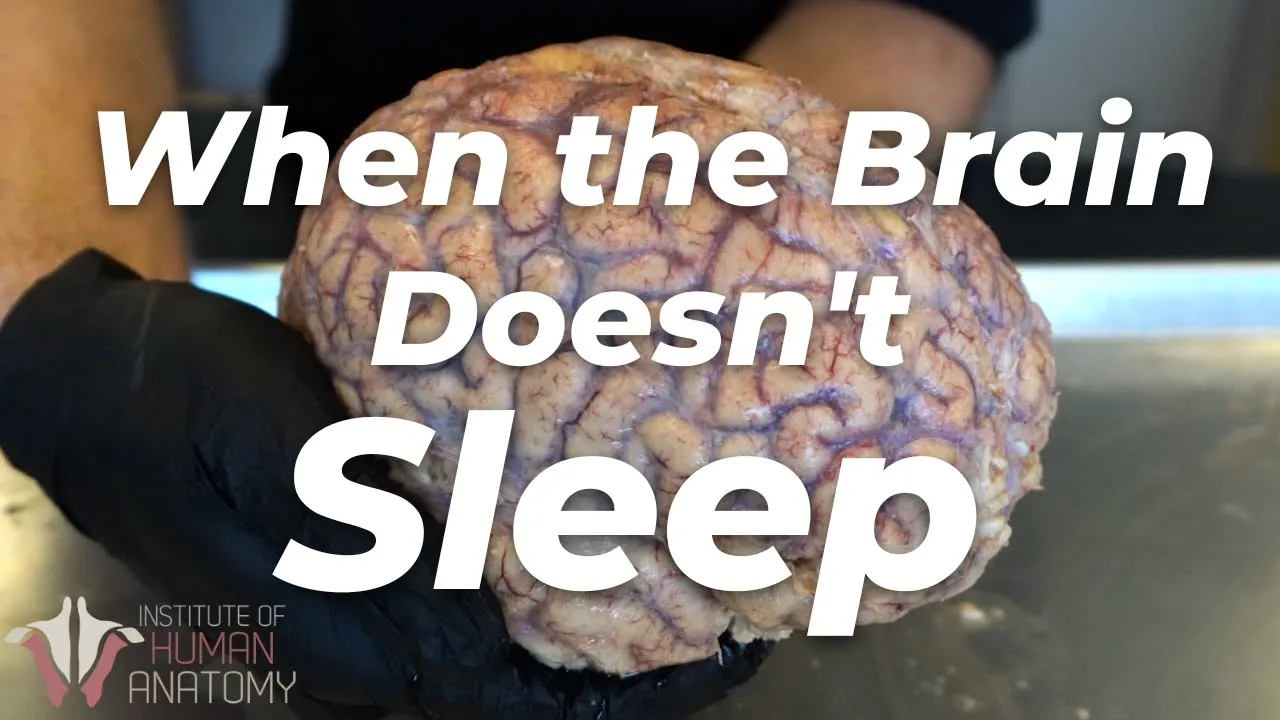












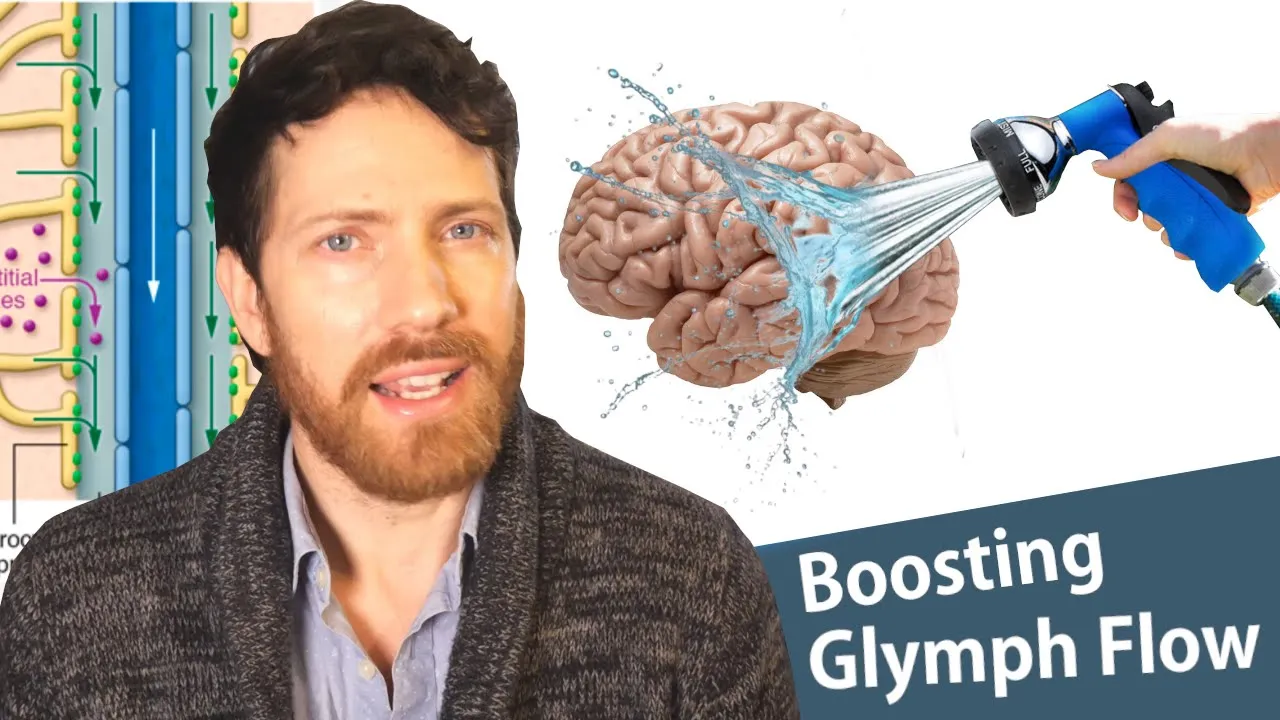
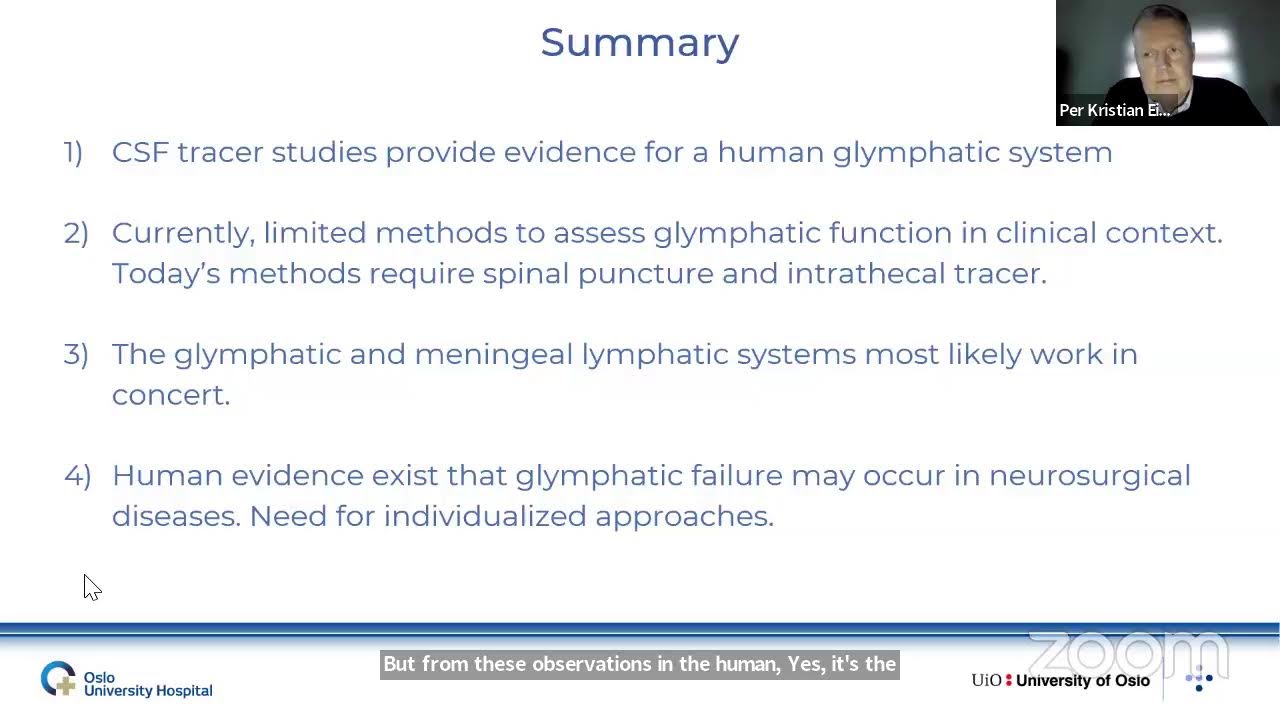












When the brain zones out or mind wanders, it triggers a flushing mechanism where cerebrospinal fluid flows through the brain, clearing out waste products like beta amyloid and tau proteins that accumulate throughout the day; this process mirrors the brain's natural cleaning function during deep sleep, meaning that zoning out may actually be essential for brain health rather than merely a sign of laziness or distraction.
The Neuroscience of Zoning Out and Brain Health Benefits
Added:Basic neuroanatomy, specifically the difference between the lymphatic system in the body and the brain's specialized waste clearance mechanisms.
The concept of the Default Mode Network (DMN), which is the network of interacting brain regions active when a person is not focused on the outside world.
The fundamental stages of sleep and resting brain states, particularly the role of slow-wave sleep in neural maintenance.
Basic cognitive psychology concepts of attention, executive function, and the distinction between focused attention and mind-wandering.
The pathological link between glymphatic system dysfunction and neurodegenerative disorders, such as Alzheimer's and Parkinson's diseases.
Advanced protocols for Non-Sleep Deep Rest (NSDR) and deliberate defocus techniques to optimize daily cognitive performance and memory consolidation.
The neuroscience of creative incubation, exploring how subconscious resting-state brain activity facilitates creative breakthroughs and complex problem-solving.
The impact of modern digital stimulation and constant connectivity on the brain's default state, investigating the psychological consequences of 'boredom deficit'.
567.3K views36.2Klikes6:48Original Release: 2026-01-05
If you look at the brain of somebody about to zone out, 12 seconds before it happens, we see a specific brain signal, but it's when their attention finally waines that something spectacular happens to the brain. And it turns out that this brain activity while you're zoning out may not only be good for you, it might actually be essential for your brain health. Breakthrough research took a group of otherwise healthy people and first tracked their brain activity with EEGs and fMRI scans after having a normal amount of sleep and then [music] brought them into the lab overnight and kept them awake the entire time followed by another day of brain scans to see what was going on after sleep deprivation. Obviously, they had more lapses in attention or moments of zoning out when sleepd deprived. But it's what scientists saw in the brain that was most surprising. Every time a person would zone out or lose attention, cerebral spinal fluid would flow out of the brain and then return one to two seconds later. And this would happen over and over every time the person zoned out. But perhaps even more interesting is that this flushing is almost identical to something that happens in a very specific window of sleep. By now, you probably understand that every time you fall asleep, your brain runs through specific cycles. Your brain goes from light sleep to deep sleep to REM sleep where you dream. But this deep sleep section is super important for cleaning out your brain.
Yes, literally cleaning it out. There's something called the glimpmphatic system, which is a disposal system for your brain. When you hit deep sleep, your brain cells actually shrink, and so the space between them grows larger, which allows cerebral spinal fluid to flow through more easily and flush out any waste. Why is there waste there even to begin with? Like, what is it? Well, besides the fact that scientists are finding more and more plastic in our brains than any other organ, that's a video for another day. Your brain breaks down all sorts of chemicals and proteins throughout the day that are totally normal and useful, but can create byproducts like beta amalloid and towel proteins that if not kept in check can lead to long-term issues. For example, their accumulation is actually linked to Alzheimer's disease. So, the brain flushes fluid in and out of the brain during deep sleep in order to stop these from building up. Turns out zoning out may actually be doing something very similar. If you don't sleep well or get enough deep sleep, these cerebrros spinal fluid waves will hit you whether you want them to or not. And while they're happening, they come with an attention trade-off. You aren't able to focus or pay attention. It's almost like your brain is making the executive decision to catch up with a micro burst of deep sleep at the cost of your attention in the moment. This research helps defeat the notion that zoning out might be some sort of lazy or low energy brain activity, but instead it should be seen as a tightly orchestrated series of brain and body changes coupled with a system of fluid dynamics that has a real purpose. And while the fluid waves were the most pronounced effect seen, 12 seconds before zoning out, the pupils would actually [music] constrict. And the participants also showed slowed breathing and slowed heart rate during these moments. Ironically, while these lapses in attention can be super dangerous if paired with driving or other important activities, [music] they're actually the brain's way of trying to take care of and protect itself from the negative impacts of sleep deprivation. Now, most of the zoning out in this study was unintentional. The participants were just so tired that it was basically an irrepressible need for the brain. But what about if you do it intentionally?
Initially, research into this kind of mind wandering actually came back pretty negative. What they found is that when people or adults rather were daydreaming, they were more likely to be unhappy because their brain would naturally think about stressful things or bring out their anxieties and worries. And you've probably heard about the studies where people were more likely to give themselves an electric shock than be sitting bored in a room for an extended period of time. A handful of studies like these began to show that boredom and mind wandering can be associated with maladaptive or sadistic behavior. But more recent research has found that if you are doing it with more intention as opposed to it just happening to you, like if you stop to take a break from something and decide you want to fantasize or have your mind wander, then the negative impacts aren't present and we start to see benefits. In particular, the default mode network in your brain gets more activated, which has a series of benefits. Research has found that creativity increases when there's more room for mind wandering. When you step away from a task that is challenging, your brain continues to work on it in the background. And researchers call this the incubation effect. [music] Ideas can get tossed around and random connections your brain wouldn't normally make with focused effort [music] can be formed. And studies actually show that people who mind wander come up with more creative solutions to problems.
Daydreaming has even been shown to help with something called autobiographical planning. The brain uses downtime to prepare and plan for future events and scenarios and mentally rehearses reactions which help us prepare for obstacles before they even happen. But scientists even link mind wandering to the brain's way of finding meaning and purpose. [music] Working through bigger visions and goals and literally understanding our sense of self. And all of this is really important mental work that can't really be done if you're constantly engaging with your phone or other forms of mental stimulation, which I think is the real crux of the problem today. We live in a world where it's difficult to even experience 10 seconds of boredom or zoning out without immediately reaching for something to engage us. And so we so often don't even experience these benefits. The important thing with boredom in particular is to remember that it's a signal that isn't inherently good or bad. [music] But that signal usually means that whatever you seem to be doing in that particular moment doesn't seem meaningful. Now, waiting for the subway doesn't need to feel meaningful. But if you always pick up your phone to avoid that boredom, you're not only not addressing the underlying cause of meaning, but creating a strong feedback loop for every other time you feel bored. The need to reach for an immediate solution or for stimulation in the future becomes harder and harder to avoid. So, in the case of something like intentional daydreaming, you want to pick topics that feel meaningful to you because if you just picture walking down the street, that probably won't do much for your brain. And in the case of zoning out, simply knowing that it can be useful, that it can help clear out your brain, that it doesn't mean you're lazy might be enough to make it more meaningful in your life and give you some inspiration to try it. At the end of the day, I know this stuff is nearly impossible with phones. But for me, simply learning that there are actually benefits has given me some motivation to zone out more or to try and carry around my phone a little less so I don't have such an easy out. And I think you should try it, too. Speaking of avoiding your phone and facing boredom, if you're looking for tips on how to actually accomplish this, like sciencebacked research on the best ways to be less addicted to your phone, our latest podcast episode covers this. We not only talk about our personal experience and addictions, but actually go through researchbacked techniques and tips on how to manage this relationship with our phones that we all seem to be struggling with. I'll link it here on screen and in the description below. Thanks so much for watching. Like, subscribe, and we'll see you ASAP for some more science.
Peace.
Up Next
4:45
Long-Term Potentiation and Memory Formation: Cellular Basis
@Alilamedicalmedia
433K views•2017-04-04

21:56
Investigating Circuits of Conditioned Fear | Greg Quirk
@MichiganEngineering
1.9K views•2016-06-20

4:10
Vagus Nerve (CN X): Anatomy, Nuclei & Functions Explained
@Alilamedicalmedia
305.2K views•2022-10-31

13:03
How Exercise Benefits Your Brain: Science Explained
@TED
11.4M views•2018-03-21
Related Study Plans & Knowledge Roadmaps
Structured learning paths in Neuroscience
neuroscience
Fear Circuits: Amygdala, Context & Extinction
01Introduction to Brain Anatomy & Neurobiology
02Fundamentals of Fear Conditioning & the Amygdala
03Microcircuits of Threat Processing and Defense Responses
+ 2 more learning modules
12h5 modules
Explore Roadmap
neuroscience
Appetite Regulation: Brain Circuits & Hormones
01Foundations of Endocrinology and Brain Anatomy
02Introduction to Energy Homeostasis
03Peripheral Signals: Leptin, Ghrelin, and Insulin
+ 2 more learning modules
14h5 modules
Explore Roadmap
neuroscience
Neuroeconomics: Value, Risk & Brain Mechanisms
01Foundations of Neuroscience and Brain Anatomy
02Introduction to Neuroeconomics and Subjective Value
03Dopaminergic Prediction Errors & Reinforcement Learning
+ 3 more learning modules
18h6 modules
Explore Roadmap
neuroscience
Spatial Navigation: Cells, Grids & Brain Maps
01Foundations of Brain Anatomy and Memory
02Place Cells and Head-Direction Cells
03Grid Cells: The Brain's Coordinate System
+ 2 more learning modules
12h5 modules
Explore Roadmap