






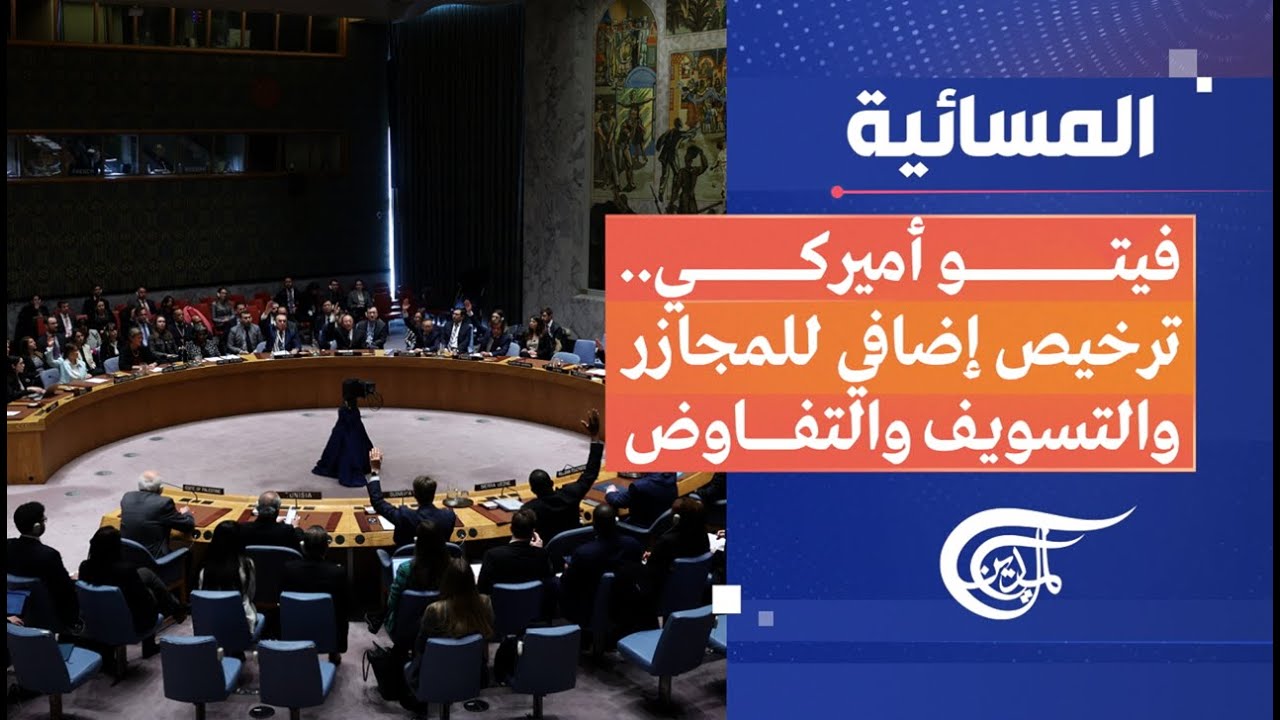







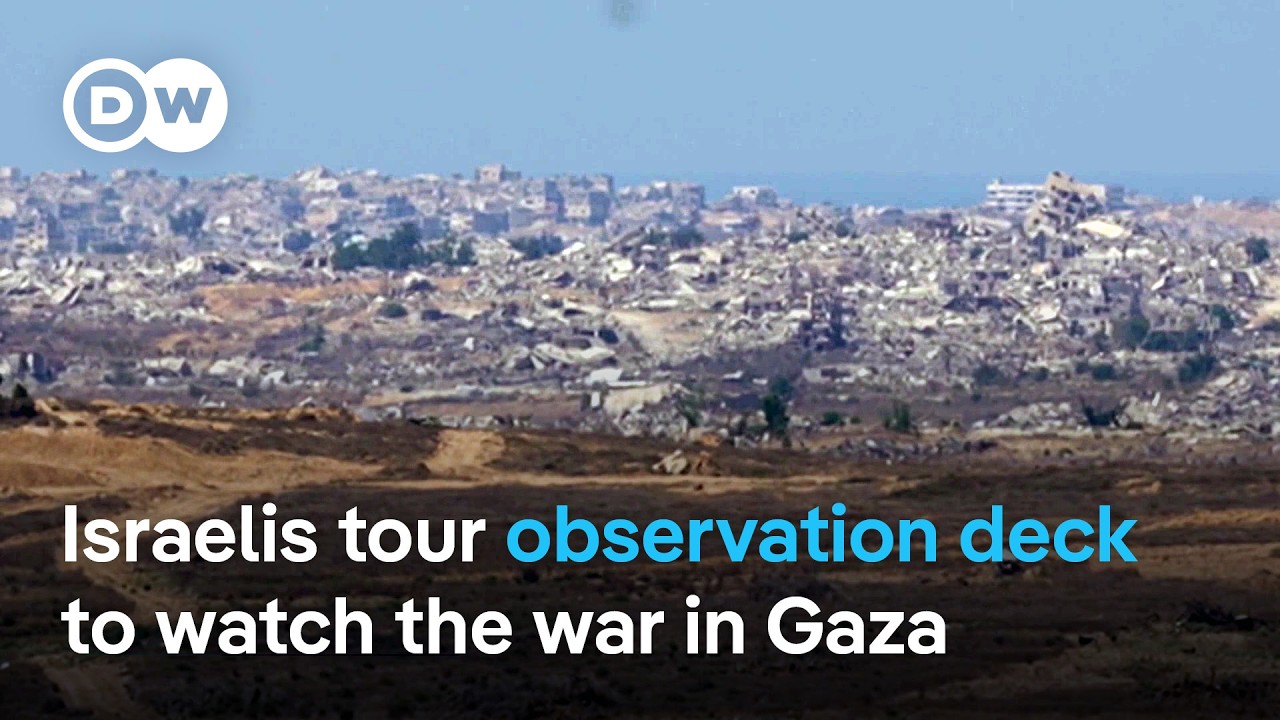




The United States has vetoed six resolutions at the UN Security Council in nearly two years, blocking ceasefire measures for Gaza despite overwhelming support from 14 other member states; this demonstrates how the veto power granted to permanent Security Council members can prevent collective international action on humanitarian crises, even when a majority supports intervention.
US Vetoes Gaza Ceasefire Resolution at UN Security Council
Added:Structure and voting mechanics of the United Nations Security Council (UNSC), including the distinction between its permanent (P5) and non-permanent members.
The concept of the 'veto power' granted to the P5 nations (US, UK, France, Russia, China) and how it shapes international peacekeeping resolutions.
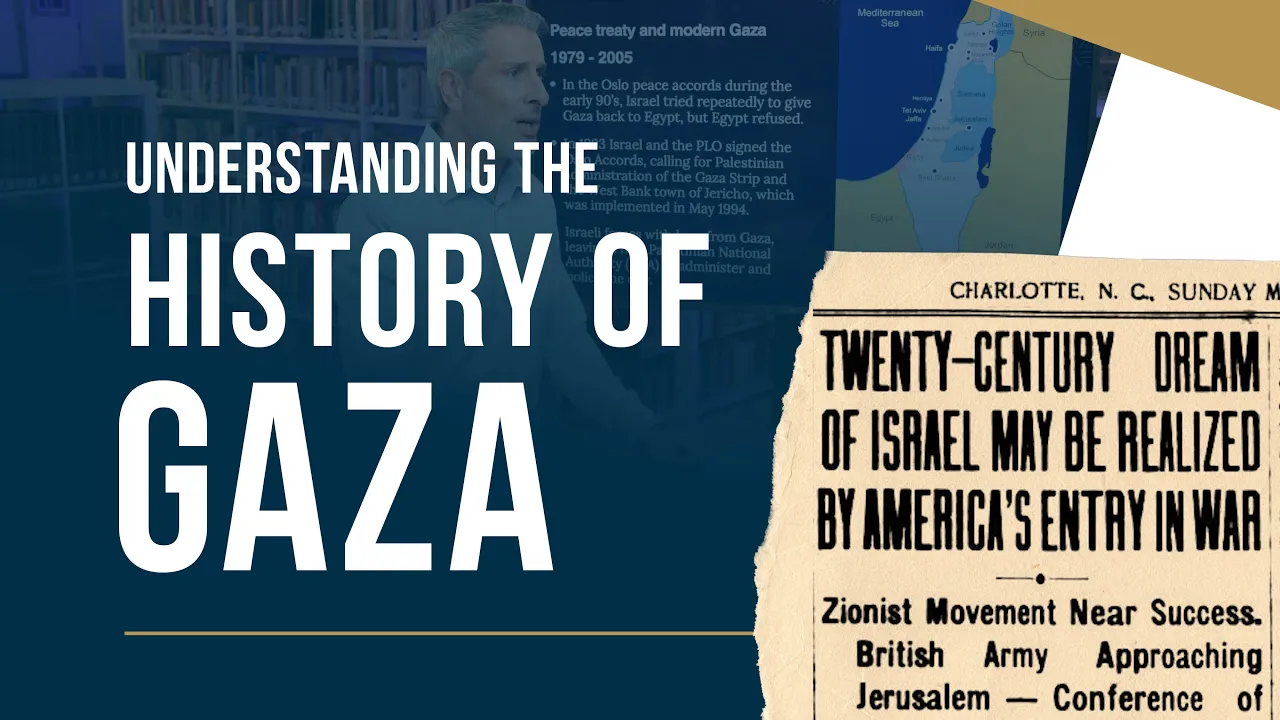
A foundational overview of the geopolitical history of the Israeli-Palestinian conflict, specifically focusing on the Gaza Strip.
The legal distinction between binding UN Security Council resolutions and non-binding UN General Assembly resolutions under international law.
The diplomatic and geopolitical fallout of the US veto, including its impact on US relations with Middle Eastern allies and the Global South.
Alternative UN mechanisms utilized during UNSC deadlocks, such as the General Assembly's 'Uniting for Peace' resolution (Resolution 377).
The immediate humanitarian and military implications on the ground in Gaza following the failure to pass a binding ceasefire resolution.
The broader, ongoing global debate regarding UN Security Council reform, specifically targeting the limitations and potential abolition of the veto power.
174.8K views2.5Klikes15:14Original Release: 2025-09-18
ability.
>> Well, we continue to watch proceedings at the UN Security Council. Just to recap what has happened, a crucial vote uh on a resolution tabled by multiple countries, some of whom uh will be speaking now in the wake of that vote.
Uh a single country has voted against that resolution that demanded an immediate, unconditional, and permanent ceasefire in Gaza as well as the immediate and unconditional release of all the captives. And that country is the United States. The the US representative there, Morgan Artega, saying that they the United States, Donald Trump himself, believes that a resolution of this kind wrongly legitimizes the false narratives of Hamas.
After that vote some impassioned words by the Algerian representative Amar Benjam who said multiple times, forgive us, forgive us, forgive us. Um he said that humanity itself in the wake of a a rejected resolution like this rejected squarely by the United States um meant the humanity itself was diminished.
Listening into all of that of course is James Ba our diplomatic editor. Uh James we always knew the United States would uh stand against this. I I wonder what purpose it serves.
Well, it certainly doesn't serve the people of Gaza. A sixth time the US have uh have used their veto in nearly two years now in the Security Council, blocking uh things that would be vital for the people of Gaza, most notably a ceasefire uh which was one of the very first things listed in this resolution.
As you say, a resolution drawn up out of 15 security council members by 10 of them. The ambassador of Somalia speaking, he was one of them. the 10 that are the non-permanent members but also supported by all of permanent members um apart from one the US so 14 against one yet again is the way stacked up in the security council Morgan who is the deputy special envoy for the Middle East Steve Wickoff is the special envoy she is his deputy uh she was saying there that the US doesn't believe the international community on famine uh says that the IPC that international body that is so cautious about its its decisions and uh recommendations. When it said that famine had been confirmed in Gaza, she said that was biased and was based on false methodology. And she says that a ceasefire and this resolution would actually help Hamas and lead to another October the 7th. That's her view, the view of the US administration, not a view that's shared by any of the rest of these ambassadors.
But the way the system works, the way the Security Council was set up, this is its 10,000th meeting. Um, we have the 80th anniversary of the United Nations.
The first Security Council meeting actually didn't happen until 1946. So the 80th anniversary of that, not until the beginning of next year, but the system was set up with 15 members in the Security Council and the powerful victors of World War II. They were all given a veto. That is what is stopping action on uh Palestine. That is what is stopping action on Gaza and that's what's stopping um any ceasefire that would end as we heard uh from the Danish representative end what she described as this abhorrent uh war. They're sitting in a very somber um setting of the UN Security Council supposed to be the most ultimate body uh on peace and security um in the world. Uh you saw at one point a wide shot of of that room ne and the Norwegian mural that's been there since the very beginning. Norway gifted it of a phoenix rising from the ashes of war.
Well, that's what they're supposed to do. That's not what's happening here.
Yeah, you're absolutely right, James.
Absolutely somber atmosphere there in the in the chamber, wasn't it? Um, and picking up on some of the other things that the Algerian representative said, um, he said that the world speaks of rights but does not offer them uh to the Palestinians. It must be a deeply deeply frustrating position for many of these countries, champions of Palestinian rights, to see their hands essentially tied by a single vote from a powerful permanent member of the UN Security Council.
>> Yeah. Champions I think of of the cause because they now after two years are seeing how appalling the suffering is.
Everyone has mentioned the number of children, the number of women that have died, but also many of these countries are champions of multilateral diplomacy in this 80th year of the United Nations coming together to reach agreement on solutions. And of course, you've got the US sitting in its seat here blocking this resolution that takes a very different view, the America first view of uh where we are in the world. um not a strong advocate it seems now of the United Nations cutting much of the humanitarian funding uh to this organization uh I think bringing this organization to um one of the worst crisises this is probably the worst crisis it has faced in its 80 years uh the the tools that were set up the bodies that were set up 80 years ago in the aftermath of World War II with the with the message never again uh they all seem to be uh really serious seriously creaking right now.
>> All right, James, many thanks for that.
We'll of course come back to you and keep an eye very much on um who says what in the chamber in the wake of this allimportant vote. If you've just joined us, um the breaking news in the last few minutes or so is that an important resolution in the 10,000th meeting of the UN Security Council that would have meant uh an unconditional and permanent ceasefire in Gaza as well as the immediate unconditional release of captives has been backed by 14 out of 15 of the permanent and non-permanent members of the UN Security Council in the Chamber voted down by one powerful permanent member, the United States, their representatives saying that the resolution wrongly legitimizes the false narratives of Hamas. Let's talk about this all with Omar Raman, who's a fellow at the Middle East Council on Global Affairs. He joins us from Washington DC.
Uh Omar, thanks for for joining us. Um we always knew that the United States would take a firm stance against a resolution of this kind. Several reasons were were given. We'll get into that in a minute. those reasons given by Morgan Teagus, the US representative there. If we knew that this was going to be the the the result, what purpose does it serve? Firstly, diplomatically, secondly, for the Palestinians, >> first of all, thank you for having me.
Um I mean the purpose is that these countries uh that are sitting on the security council, these 14 other countries besides the United States have an obligation to bring this forward uh and vote on it and to demand uh an end to this to this slaughter, this genocide that's happening in the Gaza Strip. Uh so yes, of course, they anticipated that the United States was going to veto it, was going to vote against it. Uh and the US representative there wasted no time to say it. I mean the first thing she said is you know should come as no surprise that we oppose this and then she proceeded to uh you know outline just the same tired old propaganda that the Israelis have been using to justify uh their actions in Gaza and this genocide. So um you know and the Palestinians I mean what can we say here uh in terms of this just shameful failure by the international community by the UN security council to uphold it and the US itself uh is shaming shaming itself embarrassing itself and it stands completely isolated. I mean, no abstensions either, just standing alone uh in protecting Israel uh and and and allowing it uh to continue on and then therefore it continues with its complicity. It's complicity that began with the Biden administration on October 8th and continues until today. I wonder whether diplomatically the 14 out of the 15 countries that that back this resolution have done this deliberately to exaggerate to focus the attention to exacerbate I suppose that that sense of isolation that the United States has on on the international stage. Gone are the days of ambiguity over the legalities of Israel's war in Gaza. Um, given the recent reports suggesting that a genocide is very much underway in in Gaza at the hands of the Israeli government, is this a deliberate push to show that essentially the United States is backing and supporting genocide?
>> Yes, I think so. I mean, you have to you have to demonstrate it. Um, you have to let the United States stand alone. You can't just say, "Well, the United States is going to veto this and therefore there's no point in putting it." You have to show that the world stands united uh in opposing what's happening with the exception of one country that is continuing to shield Israel and allow it uh to to perpetuate or perpetrate a genocide with impunity. And so I think you it is important uh to force the United States into that position and take that vote. Uh and without US backing, what then what then is left? Um I mean is it essentially down to each individual state or partnership of states to devise its own punitive measures to stand alone?
>> Certainly. I mean there's a legal obligation for every state uh to take action uh to to to prevent and punish genocide. And this is not the only thing. I mean it's not just this ceasefire. Uh there have been rulings from the ICJ uh regarding the genocide in Gaza from January 2024. There was uh a ruling on the illegality of Israel's occupation uh from the summer of 2024.
All of these rulings demand that the uh every state uh act both collectively and individually to take actions to sanction Israel, to put an arms embargo in place uh to cease their relationship and not to provide anything uh with Israel in terms of economic engagement or anything else that supports its illegal actions.
And so yes, I think uh you know these kind of votes are important uh even if they fail but every state needs to act individually uh to to uh enforce international law and enforce their legal obligations. So because you know in the absence of this you know Israel has is it stands as the greatest threat to not only Middle East uh peace and security but global peace and security and the reason for that is uh impunity and for the reason for Israel's impunity is the United States. But as long as as an actor can flagrantly and repeatedly violate the most sacred uh uh international laws and and norms and do it with impunity, then that collapses the entire legal system and the entire international system. So Israel is that great threat and the world needs to act uh in order to reign it in even if the United States, the global superpower uh stands in the way. talking about the global superpower. I wonder Omar if we could pick on some of the details given by Morgan Otus, the the US representative there. I mean because she made some uh claims we've heard many times before. Let's start with this one that Israel has accepted terms to end the war. Hamas has not.
How true is that?
>> I mean it's it's that's uh that's utterly ridiculous. And it it was just proven in the latest uh ceasefire negotiation. And what just happened on the 9th of September? Israel went and attacked the the people that were the leaders of Hamas who were gathering to review a proposal from the United States uh on a ceasefire. They went and attacked it. Why? To sabotage the negotiations because they don't want to see an end to the war. They want to continue on indefinitely uh and and commit this genocide and ethnically cleanse the Gaza Strip and destroy it uh and remove all the Palestinians. So that's their objective here. Uh, and I think it's ridiculous. Is Israel has shown every step along the way, including there was a ceasefire in January that lasted for two months. Uh, who was the one that sabotaged that, undermined it, and continued on the war?
That was Israel. So, uh, it's this is a ridiculous notion from the United States.
>> And Omar, we hear also time and time again, both from the United States, but also from Danny Danon, the um, Israeli representative to to the UN, who's there at the table, that resolutions against Israel will not release the hostages and bring peace to the region.
uh the US also insisting that the hostages are very much an afterthought in any of these resolutions to date that have been put forward. I note though in the wordings of this resolution, it does call for the immediate and unconditional release of captives. I mean none of this seems to seems to add up in terms of these claims from both Israel and the US.
>> Yeah, I mean in a way I agree that resolutions themselves uh won't do it.
They're important uh but action is what's demanded. uh and the failure of the international community to act is the reason why genocide continues in the Gaza Strip. It's not just a a US veto um at the security council. Other states, other supporters of Israel need to take action uh collectively to bring that to an end. So uh certainly um there's that element of it. But uh um what was the second part of your question? Sorry, remind me. No, the second part of my question is that um the uh the Americans there have said that the hostages are very much an afterthought when it comes to this particular resolution that have been put forward despite the fact that the the captives are specifically or the the hostages as they're named here are specifically mentioned in the wording of this text because they talk of the immediate and unconditional release of them.
>> I mean this ceasefire rests on on three pillars. the immediate and unconditional uh ceasefire, the immediate and unconditional release of those captives and the immediate and unconditional entry or lifting of restrictions on aid, humanitarian aid into the Gaza strip. So that is one of the three pillars. It was mentioned repeatedly by by all the actors. Uh and so that's also a ridiculous notion. If anybody doesn't care, if anybody has the hostages as an afterthought, it's Israel itself. You would not bomb uh relentlessly, ceaselessly the Gaza Strip and the captives that are held there if you cared for those captives. You would not violate a ceasefire agreement that was seeing the release of those hostages and had it been seen through into its second and third stages would have seen the release of all of them. And you would not impose a starvation and a famine on the Gaza Strip if you cared for your own hostages because those hostages are going to starve right along with the population that Israel is targeting. So, it's a ridiculous notion. Israel again is uh the one that doesn't care about its own hostages.
>> All right.
>> The Israeli government, mind you, not not the public, but the Israeli government. Let me clarify that.
>> All right, Omar. Many thanks for that, Omar Raman there. We'll be back with you as um proceedings continue
Up Next

12:41
Theories of Global Governance: Realism, Liberalism & Constructivism
@atewsonlinestudy3251
19.9K views•2018-08-18

24:30
BRICS Pay and de-dollarization: A New Financial Order Emerges? | 55 chars
@DannyHaiphongYT
164.6K views•2024-10-22
27:35
Bosnia's Dayton Peace Accords Crisis: Silajdzic Interview | Analysis
@aljazeeraenglish
64.1K views•2025-03-16
10:19
Explaining the Saudi-Iranian Proxy Conflict in the Middle East
@Vox
18.2M views•2017-07-17
Related Study Plans & Knowledge Roadmaps
Structured learning paths in Political Science
political-science
Economic Statecraft: Sanctions & Chokepoints
01Foundations of Geoeconomics and Economic Statecraft
02The Mechanics of Weaponized Interdependence
03International Sanctions: Types, Implementation, and Efficacy
+ 2 more learning modules
12h5 modules
Explore Roadmap
political-science
Central Bank Independence: Politics & Policy
01Foundations of Central Banking and Monetary Policy
02The Time Inconsistency Problem & Inflation Bias
03The Delegation Model and Designing Independence
+ 2 more learning modules
12h5 modules
Explore Roadmap
political-science
Consociationalism: Power-Sharing & Stability
01Democratic Dilemmas in Divided Societies
02Introduction to Consociational Democracy
03The Four Pillars of Consociational Design
+ 2 more learning modules
12h5 modules
Explore Roadmap
political-science
Rebel Governance: Legitimacy, Economy & State
01Foundations of Rebel Governance and Statehood
02Establishing Political Legitimacy and the Rebel Social Contract
03Wartime Economies and Rebel Resource Management
+ 2 more learning modules
14h5 modules
Explore Roadmap