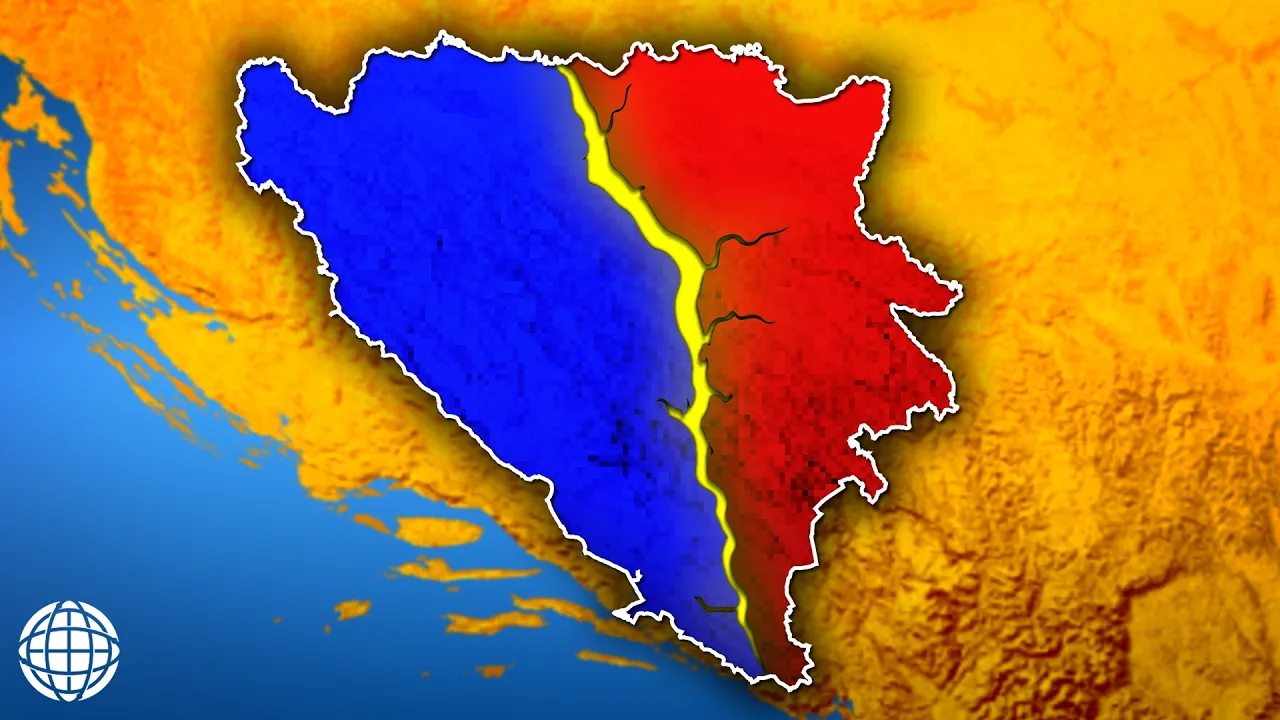









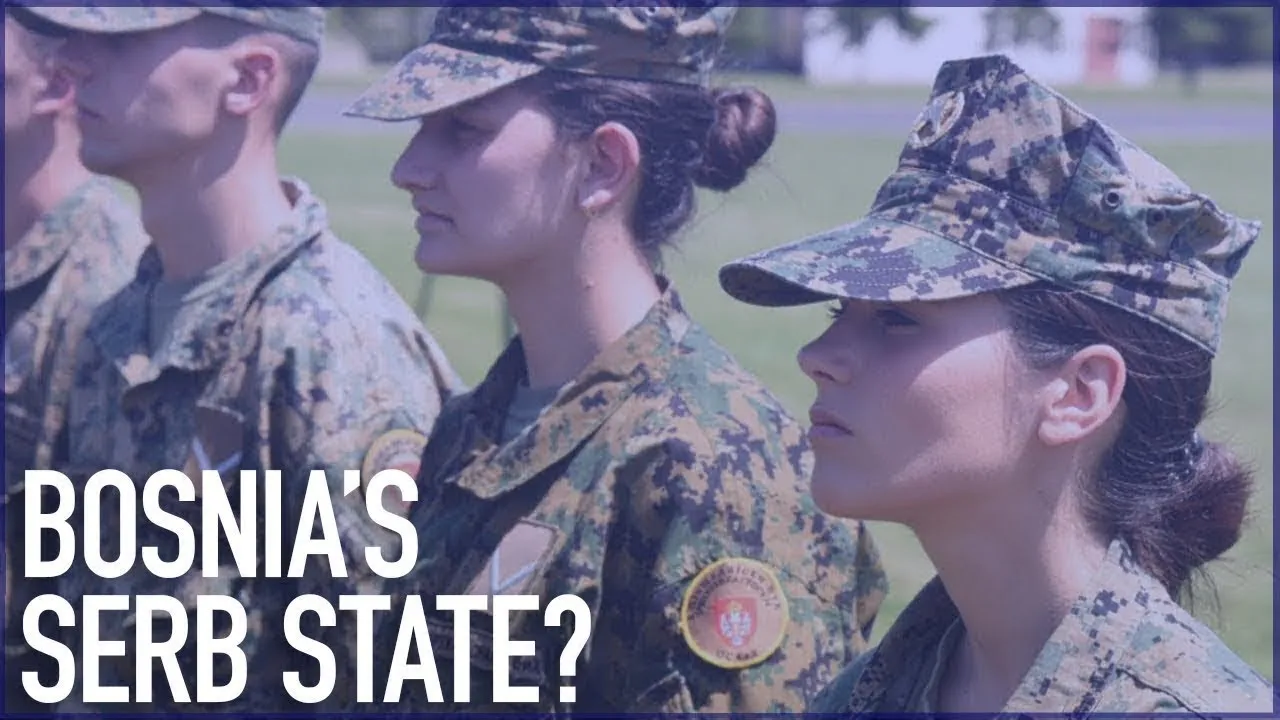




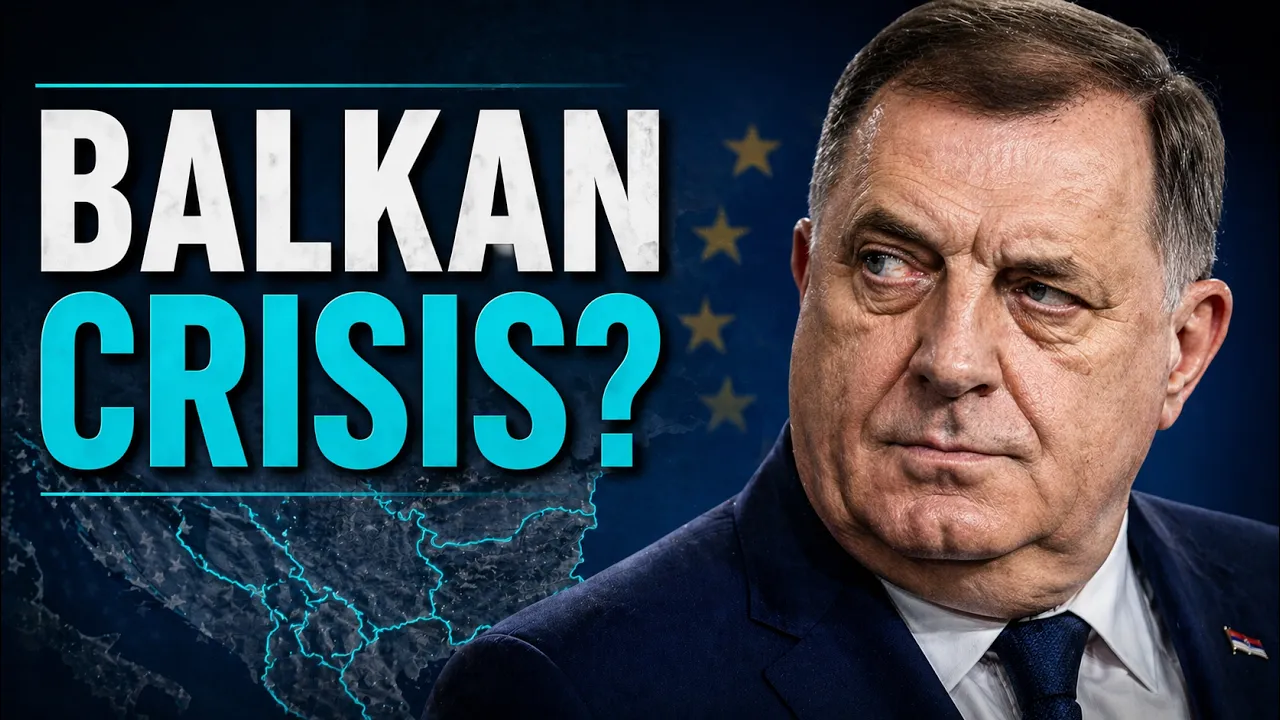

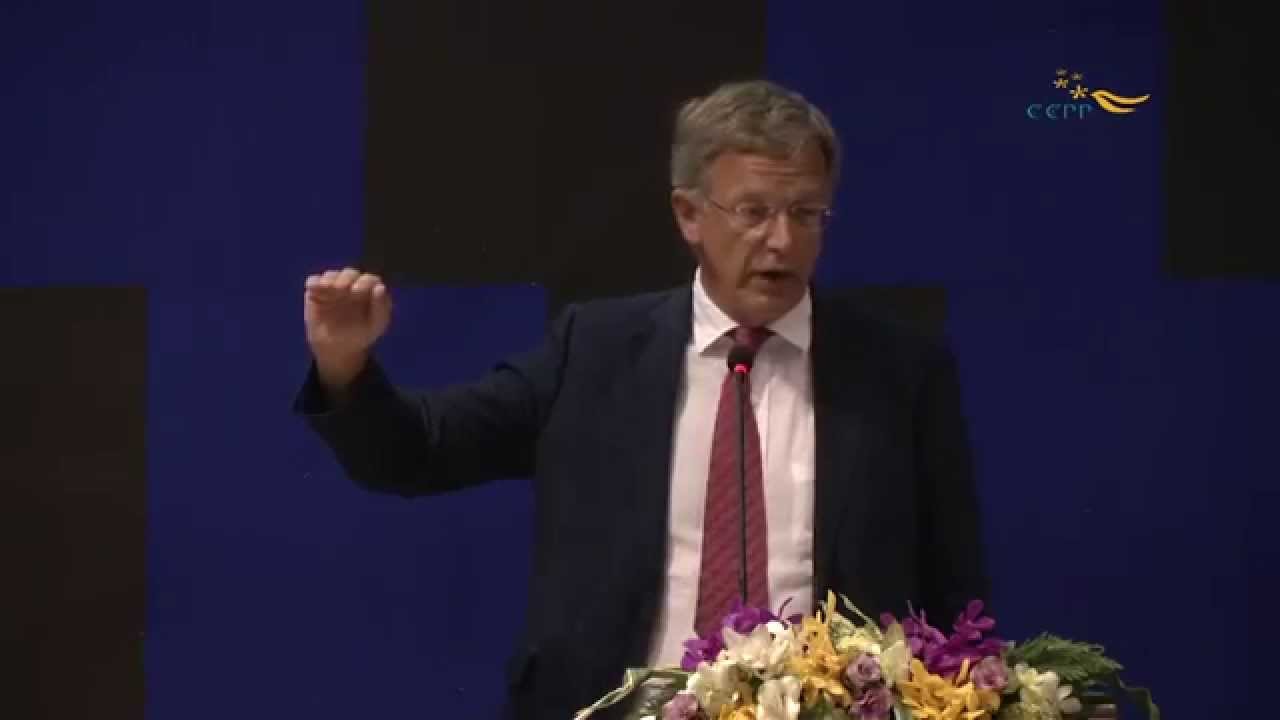



The 1995 Dayton Peace Agreement, which ended the Bosnian War, established a complex power-sharing system with 13 parliaments, five presidents, and numerous ministries, creating governance paralysis that has hindered Bosnia's development and fueled ongoing tensions with Bosnian Serb leader Milorad Dodik's defiance of central authority; this structure, originally designed as a wartime ceasefire mechanism, has failed to deliver effective governance or economic prosperity, leaving the country divided and vulnerable to renewed conflict.
Bosnia's Dayton Peace Accords Crisis: Silajdzic Interview | Analysis
Added:The history of the dissolution of Yugoslavia and the subsequent Bosnian War (1992–1995).
The core terms, structure, and territorial divisions established by the 1995 Dayton Peace Accords.
The complex governance system of Bosnia and Herzegovina, including its tripartite presidency and the Office of the High Representative (OHR).
The concept of consociationalism (power-sharing among distinct ethnic groups) in deeply divided societies.
Analysis of contemporary secessionist movements in Republika Srpska and their threat to regional stability.
The geopolitical roles of external powers (such as Russia, the EU, and the US) in the Western Balkans.
Theoretical debates on constitutional reform in Bosnia and Herzegovina to transition from an ethnocracy to a citizen-based democracy.
Comparative studies of international peace agreement failures and successes in other post-conflict zones.
64.1K views1Klikes27:35Original Release: 2025-03-16
always I'm Jonah Haring a rainy Saro and Bosnia and herzo is living through challenging times three decades since the end of the war that tore this country apart and the peace that has bound it together since is under threat the latest crisis erupted when the parliament in Republic cska one of bosnia's two autonomous entities banned the state level police and Judiciary from operating on its territory this assault on the country's constitutional order was led by Bosnian Serb leader Miller ad doic who has long defied central government and the internationally mandated High representative his conviction last month for undermining bosnia's Constitution has deepened the standoff instead of backing down doic escalated urging Bosnian serbs to withdraw from federal institutions ignoring National prosecutors and dismissing a prison sentence in opposed by bosnia's top court it's the latest and some say most serious test yet of the 1995 dayon peace agreement that ended the war but divided Bosnia two autonomous regions under a single complex system a system now threatened from within to understand what's at stake we turned to a man who was at the negotiating table when Dayton was signed Harris cigic wartime prime minister of Bosnia and her Governor has long warned of the agreement's flaws with stability and security at risk we ask could the deal that ended bosnia's War now becoming undone haris cigic talks to Al jazer Harris elic thank you for talking to Al jazer Bosnia today finds itself at this moment in a pretty tense political crisis it's shared power structures and institutions are being challenged from within by the Bosnian Serb leader Milad doic uh how dangerous a moment do you think this is well this is C certainly uh an attack on our institutions there are dangers but we've been through Wars and uh we have survived this is not uh uh just a random okay this is deliberate planned and it's a the continuation of a very old project from 1840 when the greatest Serbia scenario was first introduced to the public in writing greater Serbia meaning that Serbia expands westwards and Southwest and the to graa Bosnia Kosovo Macedonia Montenegro well that brings me to my next question which is to do with his motivations let's be clear first of all exactly what Mr dock has done in recent weeks uh he's defied the office of the high representative uh he's been convicted for doing so that is essentially the most influential individual in Bosnia today a man named Christian Schmidt currently legally and internationally uh mandated uh doic says the country's laws should not be mandated by an unelected Foreigner uh he has also signed local laws in Republic cska essentially canceling the jurisdiction of state level uh institutions like the Judiciary and uh the police what is he trying to achieve is it is this about secession do you believe in terms of that greater Serbia idea AB absolutely it's it's about secession it's been planned MH and unfortunately because of that greater Serbia idea which is a very very bad idea uh we had what we had in bosnan heroina we had uh The Invasion the aggression it was that idea that sparked the war in the first absolutely but it's you know it's been perpetuated it's it's been U organized it's been uh propagated for very very long time as you say it is historic is it in any way viable in the present day can you see any way in which secession can actually come about and who might stand in its way well it's a one would think that invading countries grabbing territories is behind us at this St and the age because Bosnia has been for hundreds of years more than 1,000 years a country of Refuge for all unwanted in Europe because it's situated between east and west so we developed and it it's a civilizational effort it's not easy to do and we are still developing we are still trying to defend it we develop Bosnian Paradigm of a Multicultural multi-religious multi-confessional Society and it's not easy it takes an effort that's why I said it is an a civilization successful effort see so uh for this to happen in Bosnia and heroina is a very uh unnatural and the result is are natural so we have this Society you know it's easy to be an extremist just take a slogan here and March forward and kill people for this what we have created here you need patience careful planning good neighborhood and we have developed a society that is able to do it in it's we are not a big country but this Paradigm is a big Paradigm not only for us for Europe Europe actually wants to be what we have already been until that Invasion and that uh that uh abominable idea of conquering ethnic cleansing brutal ethnic cleansing cleansing people from the territory and now what they are trying to do is clim the state institutions from the territory you see so this is deliberate planned process do you see this as a political process or do do you see in this the real threat of a return to conflict what I see our institutions are reacting adequately to the situation they are in process of doing that the International Community and in Europe Europe has obviously developed a heightened sensibility for the BS of War you see they know now that the French we are a French although we are in the middle of Europe but we are French country we are not one of the main countries that that that's where the danger lies that's where the danger lies and they are also coming here NATO Chief came here Stern words from Mark to the native chief his message was to the leaders here get your act together step up to your leadership positions and solve this well I would add something I've heard this simpl I've been hearing this for decades now what I would add to this is name the perpetrator we're really fed up with this all sides and so on it has failed this approach all all sides has failed there is a perpetrator there is a plan behind him and Serbia obviously supports this so just just say who is the perpetrator who wants over here and who has been planning this for a long time well look that is the rather Bleak backdrop to our wider conversation I want to draw you in now to what is really at stake here potentially the Dayton Peace Accords that were signed almost exactly 30 years ago the 14th of December 1995 in Dayton Ohio that brought the Bosnian War to an end and have preserved peace to this day you were at the table throughout you were at the table during the War years as the prime minister of the Republic of bosnan herzo you were involved in the negotiations that ended the war and created Dayton he went on to be the bosniac member of the tripartite presidency following that you were the chairman of the presidency give us a background lesson if you would briefly into what it took to achieve the extraordinary goal of Peace in Bosnia it took a lot because the uh the other side had at their disposal a vast arsenal of the Former Yugoslav People's Army so they thought and they knew we didn't have much they would be uh they would have the upper hand a lot of people died a lot of people are outside of the country but we won how did we win because we were not defeated we had to smuggle arms into our own country because we had the UN arms embargo on our backs not always strictly observed thankfully but we still have had to smuggle the arms into our own country to defend ourselves uh and they know the lesson they have learned the lesson uh you know they cannot defeat us what do you consider to have been the greatest achievement in that process towards peace the formation of the Dayton Peace Accords what was the most difficult obstacle to overcome which the the greatest achievement is the ceasefire and it's a ceas fire agreement but that dayon agreement comprises all the ingredients needed for not a normal but a state with the protection of All rights human rights uh minority rights and so on the problem is we have never implemented that agreement that's a downside but the ceasefire was achieved and that was an achievement of International diplomacy too I I want to talk about the implementation quickly though I spoke to a bosniac war veteran recently uh who said this we accepted Dayton although it was clear that this was in a way a reward for the aggressor we did so because we wanted to preserve Bosnia and herzo within its borders and to end the war was it a mistake do you think to have given quite so much to the Serb side in this deal or did the mistake perhaps come later in failing to prevent the spread of nationalism under the terms of the system that came next well um what are the alternative most probably and I'm almost sure the alternative of not accept accepting the peace agreement uh would be from Frozen a Frozen conflict temporary and that temporary can last very very long as we know so the Frozen conflict would have been detrimental to our interest I think the uh U achievement what the bosano remained intact we became a member full member of the United Nations which is a big obstacle for all those who want to destroy Bosnia heroina I think lives were s saved but that alternative of Frozen conflict uh was not an alternative that we could accept the system that came out of Dayton and based on the date and Accord say it stood the test of time do you think do you still do you think it's still the right formula for Bosnia today no I think we could get um I personally would accept any Constitution from the European Union Swiss Belgium any this is a product of War this is prolonged ceasefire this served its uh purpose and I think if you ask me I would uh I would uh create a different system of four or five regions in Bosnia heroina natural demography economy regions that will serve the the the the people of Bosnia heroina serve the citizens this serves some very bad political ideas this you see we are been pretty bogged down in those political ideas because of the system of consensus because of the veto powers that each side has you end up with political stalemate yeah but I still think everything is better than War better than war war is horrible no doubt better than War But A system that many people say is broken and let's look at why not just that idea of political stalemate but also Bosnia is one of the poorest economies in Europe it has one of the highest unemployment rates and a lot of the population don't have an enormous amount of faith in their institutions 6 69% have no faith in Parliament 71% no faith in the government 72% in local authorities 83% in political parties there's not a lot of faith and confidence in the structures that exist naturally so naturally so because there was no reason not to develop as a normal country except one reason the perpet they blocked everything they obstructed everything including return of refugees that's unacceptable this AG seven of this agreement including Annex 9 corporations which would incorporate the economy of bosnan Herona it's been fragmented so there is a problem the problem is that people that have a plan to destroy Bosnia heroina they removed even the names of Bosnia heroina from from the towns uh they control well let's explore this idea of constitutional change to be fair I think it's not just the obstinacy or the exploitation of the system by the perpetrator that holds Bosnia back I I I'll read you something from a report released by The brussels-based Independent European policy Center they say constitutional reform is absolutely vital not just to progress on the path to EU membership but to bring this country into line with simply being a functional democracy they say this 30 years after the war the ultimate Authority in the country continues to be a foreign official Not Elected by Bosnian citizens it continues to be governed along sectarian lines in in a country of slightly more than 3 million people that's about the size of Madrid or Berlin there are 13 parliaments five presidents and around 150 Ministries leaving the perpetrator aside that is not a recipe for modern day governing success absolutely I agree but how can we do it well that's my next question so so constitutional change is vital it's been attempted several times over the years it's failed every time largely because of this system of consensus well if how do you do it well if if these perpetrators could succeed in blocking us from the European Union and NATO of course they could succeed in blocking us here in Bosnia hergo especially because our constitution is very complicated bogging down us absolutely so we have [Music] to to break some EGS here to make this omet because we we've been we've been tiptoeing around you know all sides please you know behave boys you know it's no no no it has not worked it has not worked those must be named and if we can if if the International Community can impose the high rep representative then impose a normal Constitution period see that's what we would like to see how does that gain the support and credibility among a divided population well they what divided what population run a referendum and you can see that it's not divided people want peace young people want life you know not the mythology not the uh death Cults see not graveyards they want to live and the new the new generations is obviously ready for that and I hope in Serbia too and I can see that there is a new generation there that can bring the change because everything started from the regime in Belgrade in Serbia because of this expansionism you know the crazy idea that they can take other people territories kill uh expel people and uh live happily ever after this is this is a sick idea I must say so it must stop and there must be there must be uh a more forceful approach of the International Community if they want to help us run the referendum in Bosnia see what the citizens want really and help us Implement that that's simple but talking about all sides please you know be nice that hasn't worked as we can see is European union membership still a valid well and achievable goal anytime short of achieving the sort of Standards you're talking about because that sounds pretty far off EU membership is desirable of course but is it achievable well depends on the European Union well they've already said haven't they that constitutionally Bosnia needs well they can help us with this constitution because because Bosnia deserves that Bosnia does not deserve this what we have now we deserve some attention we did not create the Berlin Wall you see the Berling wall those your big pieces from the Berlin wall when it went down it went down on Bosnia and we are breathing heavily under it so we did not create this see we are a small country and of course we you know we we cannot change everything it's the other way around Europe should help us and should help this very small but actually big symbol Paradigm of living together in peace Co the real thing not the story of it you can see it here today and again how did we win it's because you can now go to the sa where the genocide culminated talk to mainly women are left male were executed as you know talk to them you will not find one with one word of hate isn't this an achievement that you have a country we have Europe has a country insignificant or significant or small that is ready for what European Union wants to be because that we have been for centuries and it was not easy that's why I call it a civilization effort well you you have played a hugely instrumental part in the latest chapter of that Civilization effort Harris cich what have you learned in all of these years that you would like to pass on to a new generation of leaders here now we have the technology we have the opportunity actually to communicate instantly globally in one instant right that is a great achievement do we have the content to send what do we communicate because as I say today this new power that we have the this new technology it looks like it's so much ahead of us people are scared so they try to go back they hurry back to their comfortable place of the old and known only to find it unrecognizable you say so we are all in a bad place and unfortunately it's going to get hard and harder you see how can we help us how can we help this situation here the the global situation to I'll use the terms that are not very U they very preferred these days empathy for example try to understand good will because it's all over the Internet ill will it's like and ition something is happening to us and we must understand that people are very confused very concerned but this is this is our state of mind right now we don't know where we are we don't know how to deal with this situation now we have unprecedented changes at a pace that the human being is not prepared biologically to accept we don't have time to internalize what's happening to us and that is a very dangerous situation we have mental indigestion if you like everything is you know flying by us the new phenomenon every day 100 200 new thousand thousand of new phenomenons people are confused so let's let's look at the successful efforts to to bring together diverse communities or with some differences so well that's Bosnia that's a value of Bosnia wise words Harris Sanic thank you for talking about Zer thank you for coming here [Music]
Up Next

14:57
Public Space Privatization: Legal Analysis of Corporate Encroachment on Taxpayer-Funded Plazas
@AbaNPreach
116.7K views•2026-08-27

24:30
BRICS Pay and de-dollarization: A New Financial Order Emerges? | 55 chars
@DannyHaiphongYT
164.6K views•2024-10-22
26:00
Lebanon's Political System and Resistance to Reform
@aljazeeraenglish
240.1K views•2018-08-06
10:19
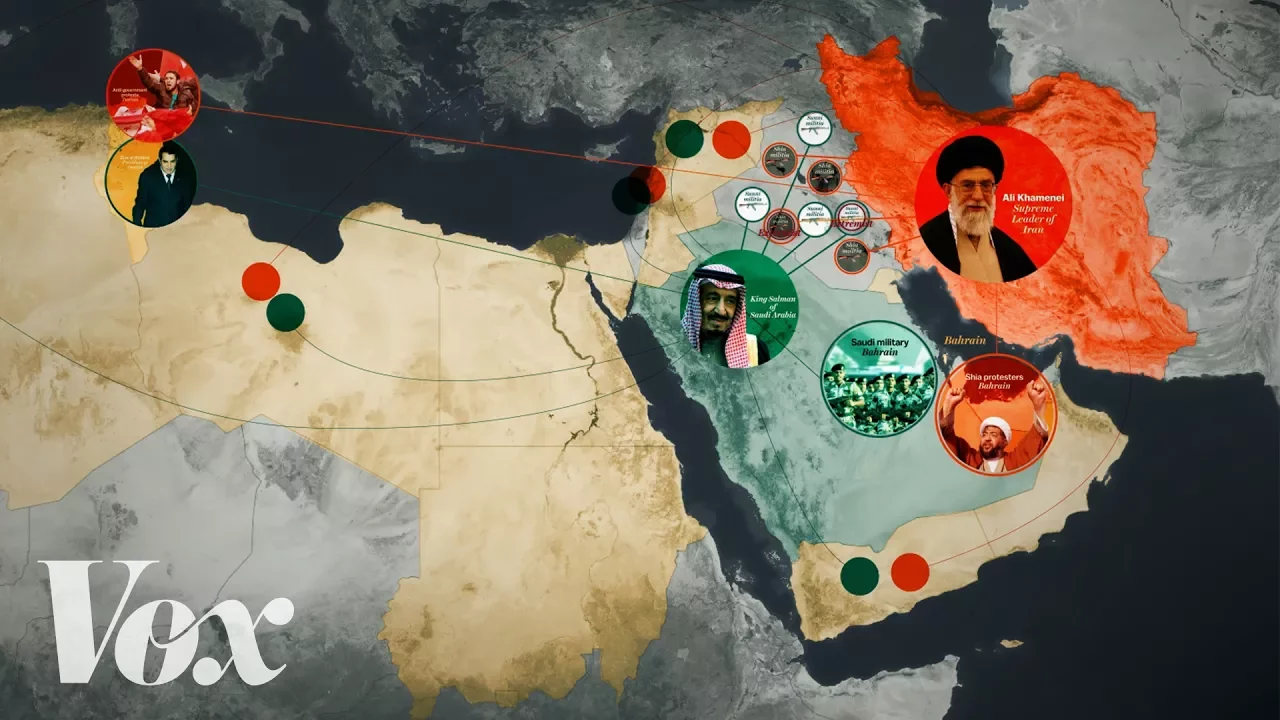
Explaining the Saudi-Iranian Proxy Conflict in the Middle East
@Vox
18.2M views•2017-07-17
Related Study Plans & Knowledge Roadmaps
Structured learning paths in Political Science
political-science
Economic Statecraft: Sanctions & Chokepoints
01Foundations of Geoeconomics and Economic Statecraft
02The Mechanics of Weaponized Interdependence
03International Sanctions: Types, Implementation, and Efficacy
+ 2 more learning modules
12h5 modules
Explore Roadmap
political-science
Central Bank Independence: Politics & Policy
01Foundations of Central Banking and Monetary Policy
02The Time Inconsistency Problem & Inflation Bias
03The Delegation Model and Designing Independence
+ 2 more learning modules
12h5 modules
Explore Roadmap
political-science
Consociationalism: Power-Sharing & Stability
01Democratic Dilemmas in Divided Societies
02Introduction to Consociational Democracy
03The Four Pillars of Consociational Design
+ 2 more learning modules
12h5 modules
Explore Roadmap
political-science
Rebel Governance: Legitimacy, Economy & State
01Foundations of Rebel Governance and Statehood
02Establishing Political Legitimacy and the Rebel Social Contract
03Wartime Economies and Rebel Resource Management
+ 2 more learning modules
14h5 modules
Explore Roadmap