


![HISTORIA de LÍBANO🇱🇧 en 17 minutos [resumen] - El Mapa de Sebas](https://i.ytimg.com/vi/pBwDGUObza4/maxresdefault.jpg)



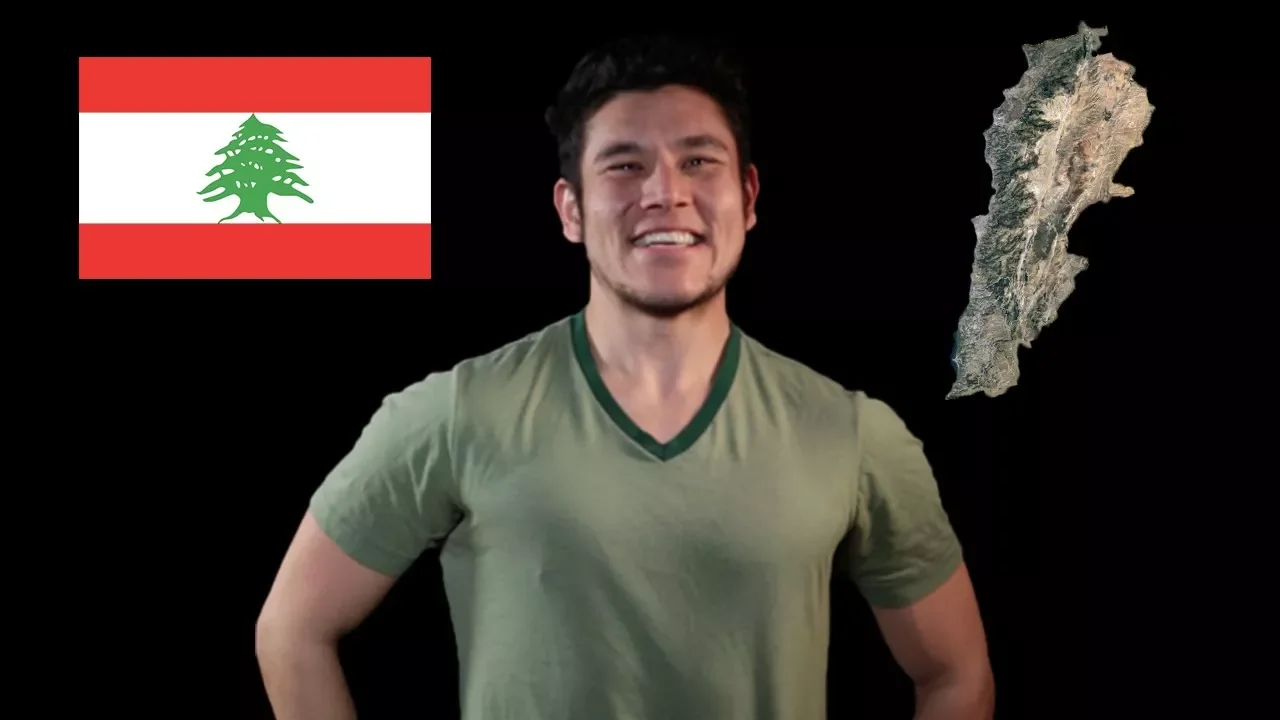

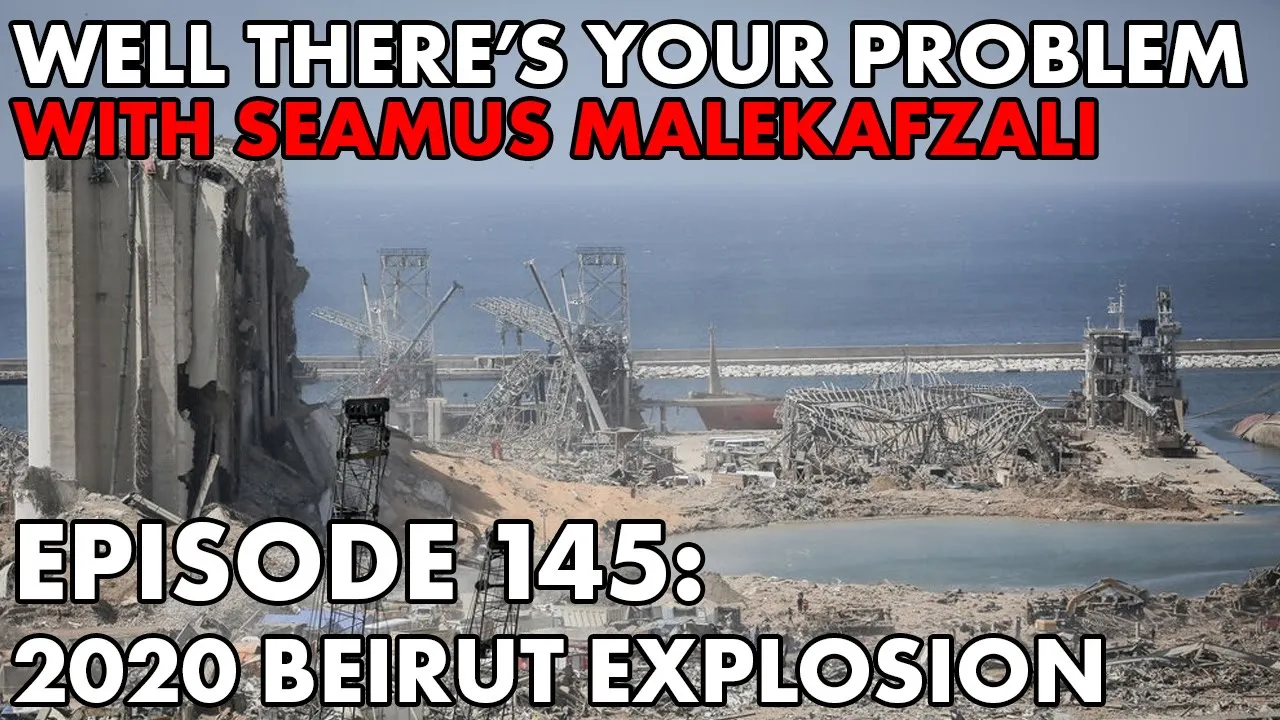
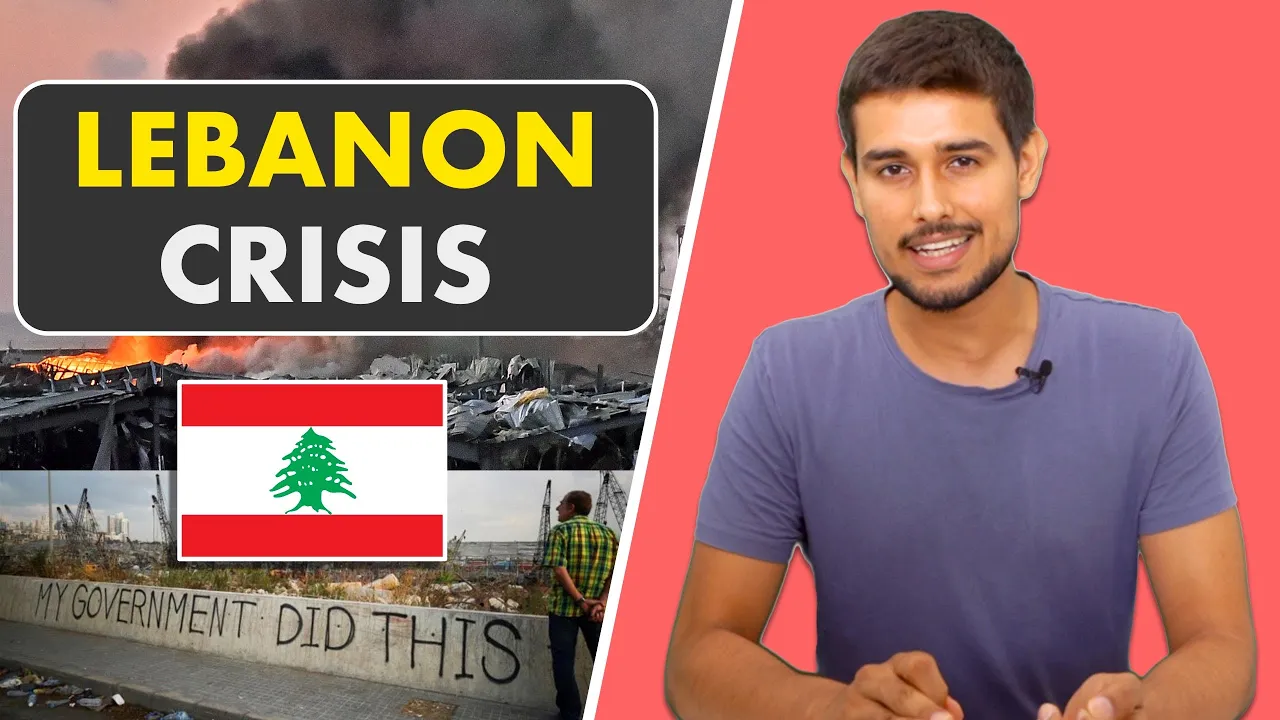

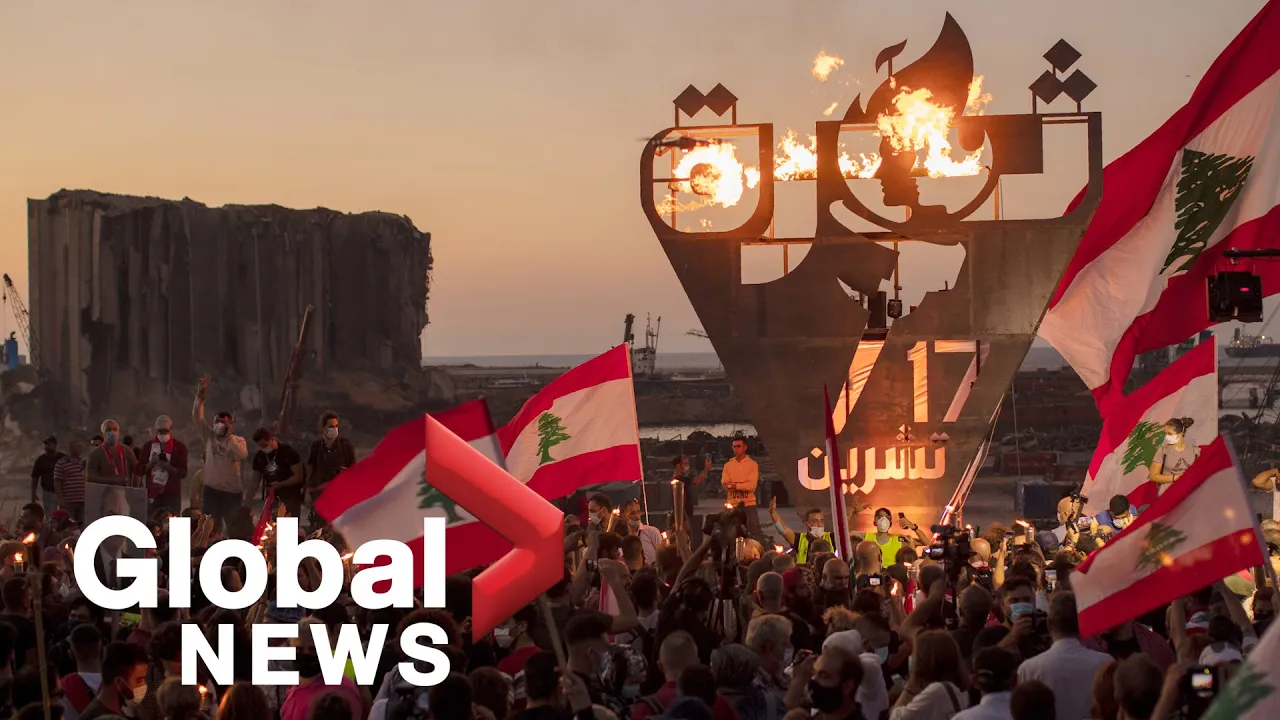







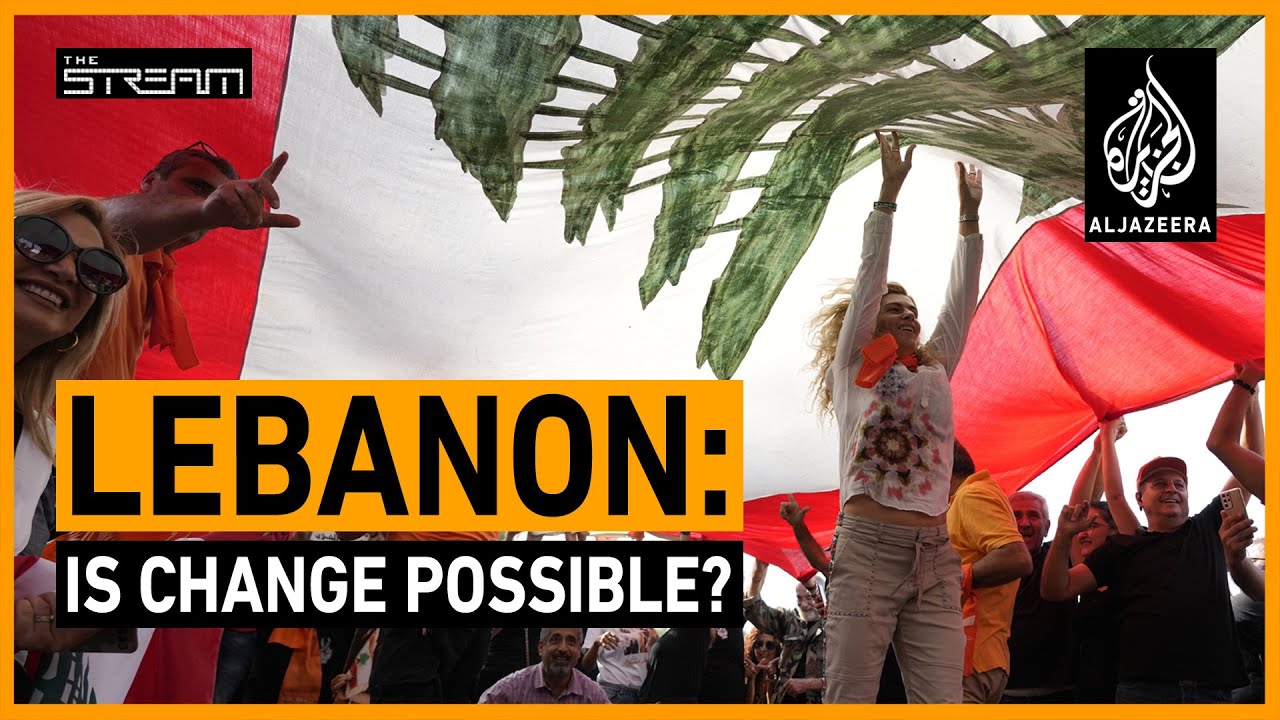


Lebanon's confessional political system, established to prevent sectarian dominance after the civil war, allocates government positions based on religious affiliation (President must be Maronite Christian, Prime Minister Sunni Muslim, Speaker Shiite Muslim), which has created entrenched political dynasties, clientelism, and corruption that make the country resistant to meaningful reform despite regular elections; this system, combined with interference from regional powers like Iran and Saudi Arabia, has resulted in gridlocked governance, inadequate public services, and a population that increasingly views voting as ineffective for achieving change.
Lebanon's Political System and Resistance to Reform
Added:The concept of confessionalism (sectarian power-sharing) and how it historically structures political representation in Lebanon.
The historical context of the Lebanese Civil War (1975-1990) and the Taif Agreement that ended it, cementing the 50:50 Christian-Muslim legislative split.
Basic definitions of political clientelism and patronage networks, where state resources are distributed along sectarian lines rather than based on merit.
The demographic makeup of Lebanon, specifically the major religious communities (Maronite Christians, Sunni Muslims, Shia Muslims, and Druze) and their traditional leadership.
The socio-political impact of the 2019 'Thawra' (protest movement) and the devastating 2020 Beirut Port explosion as catalysts for reform demands.
A comparative study of other consociational (power-sharing) democracies, such as Bosnia and Herzegovina, Northern Ireland, or post-2003 Iraq.
The mechanics of Lebanon's 2020 financial collapse, including the role of the central bank (Banque du Liban) and negotiations with the International Monetary Fund (IMF).
The geopolitical influence of regional and global powers (primarily Iran, Saudi Arabia, France, and the United States) on Lebanon's internal political deadlock.
240.1K views1.7Klikes26:00Original Release: 2018-08-06
[Music] struggling with a failing economy inadequate public services and the meddlesome attention of two rival regional powers many Lebanese hoped recent elections might provoke reforms to help solve their problems but in a country where power is apportioned along sectarian and dynastic lines little ever seems to disturb the status quo we went to find out why in May 20 18 Lebanon went to the polls which was the first parliamentary election in nine years and there was one question on many observers Minds was it to be politics as usual or would growing concern over the country's myriad problems affect the outcome there was at least a hint of change in the air the first time a grassroots movement known as the civil society coalition was fielding candidates against Lebanon's long-established sectarian parties in animal Bodnar Huracan CCSD de la [Applause] terrasse de either chic Tirek tear tear ham but apathy was the biggest winner voter turnout was less than 50 percent despite general disgust drove a spiraling unemployment and faltering basic services it seemed few Lebanese believed the route to solutions and lay through the ballot box I didn't vote because the system won't change misciagna will be a score and it will be learning our assumption was that people were fed up after nine years of having the same Parliament people would go and vote it seems that this was not the case are we at the point where people both care anymore in the aftermath of an election that promised much but to live at little - is six million citizens we've been to investigate why Lebanon's distinctive political setup appears so dysfunctional and resistant to change [Music] in 2015 Lebanon's capital Beirut saw the first of several demonstrations against huge mounds of uncollected garbage that were piling up in the city soon the rallies were attracting over a hundred thousand people as fury grew over the state's failure the authorities quashed the protests but in doing so gave birth to a movement that would later attempt to challenge the country's unique political system as the most religiously diverse country in the Middle East Lebanon has tried to prevent any one group from dominating by setting up a parliamentary system known as confessionalism in which each of the main sects holds a position in government the President must be Maronite Christian the Prime Minister Sunni Muslim and the Speaker of Parliament Shiite Muslim Laurie - was a candidate for civil society in the elections but being born Armenian Orthodox she could only stand against others of that section her district this is what we are trying to fight that this is not sustainable at the vision you are dividing people cording to their religion or to their sect and this is the only identity you are enforcing while there should be citizens of this country with the same rights and responsibilities lori's district of Ashraf ei is one of the roots Christian heartlands still influenced by the legacy of the Swedish main leader of the right wing cater a party during Lebanon's 15 years civil war which ended in 1990 he was president-elect for three weeks before he was assassinated in 1982 [Music] power being passed from father to son is a common feature in Lebanon stylistic politics although he was only four months old when his father was killed Nadeem is a prominent member of the Qatari party [Music] and therefore the expression thank you [Music] you can call it inheritance you can call it the easy way to do things but what I believe is that I believe in the same cause I have the same values and ethics of doing politics Christian are part of the people of Lebanon and of course we cannot ask Christian live in Lebanon if we don't guarantee them the freedom and the security Bashir Ismail was the defender of the Christian during the civil war when we were doing our election campaign in this region people would say that a Shafi'i without the human family is not a Shafi'i why and that image male has popularity here they see him as the continuation of that political ideology there is fear between all the community between the Sunnis and the Shia there is fear between the Christian and the Muslim that is fear between the Shia and the Christian there is fear all this is based on the fact that no one trusts the other community the system guarantees government posts to all the main parties but it can also mean politicians are both unaccountable and free to dispense patronage as they like our citizens were mistaken by voting to some people just because they offer services or money I believe that the confessional system in Lebanon has destroyed all the equilibrium of power under confessionalism if the government can't or won't provide state welfare citizens are forced to turn to their sectarian leaders for help it's how Lebanon has run for generations today these people are all awaiting an audience with same origin blood one of the main clan leaders of Lebanon's Druze community it's a family tradition usually we always open the house Tuesdays to receive people and usually they come either for financial assistance or jobs and since we don't have a stable government that provide jobs this is what we do these people have come asking for financial help to cover medical bills and support with their children's tuition fees an overwhelming number are here to find jobs the Drew's are an offshoot of Shia Islam they may only constitute around 5% of the population but in fighting hard for their say they are still a force in Lebanese politics like Nadim al-haj inherited his role as leader of the main Druze party from his father he is unexpectedly candid about why I don't want to be in politics but I have to narrow it to my father and to my family history which who have been basically working in politics for more than 400 years it's the family business we don't want to cease to exist at some point so we all were always fighting to stay in power it's almost like a feudal system and the community we always come back to us for help or for assistance unfortunately in Lebanon and Druze can go to the other camp - a Sunni camp or a Christian camp to ask for help he always comes back to his roots basically every political party is responsible for his own people the sister way the country is built even myself and my father were all accountable but nobody actually is gonna admit to that the odds are stacked against anyone not running on a confessional ticket getting into Parliament one of the few who managed it is billionaire 4 at Mizzou me he's convinced the confessional system has done the country more harm than good there is no equality this country politics stinks economy stinks social conditions things and add to it the dimension of sectarianism forcing people to go forth sectarian leader to even get their basic right that combination forced people to go for the allegiance for the individual not for the state as one of the richest men in Lebanon Masumi could fund his campaign in ways groups like the civil society coalition could not afford the people that they had the cause like the civil society that they really believed that they have a message to send out they couldn't even get it out unfortunately here it's not anymore the causes that you are fighting for political program is for lease politicians 11 mostly are for lease you don't buy them they're too expensive that ruling class did not want somebody to come in unless you can afford it in my case I can afford it during elections politicians often use local political agents known as election keys these are individuals who mediate on behalf of candidates to secure votes so feet Nahas was one of four at Mizzou meas election keys he reveals just how the system works some people used to give money and as you know most of the people are in need of money because of the present political situation it starts from 100 dollars per person it reached to 1500 per person to give his vote people are in full state they came to us asking for money but we told them that this is against the law on the other hand if you cannot pay for the rent we can support you but the most important thing and we give it priority is medical assistant we were very very very busy Tov Etan has told us he'd met over a thousand people asking for help the mazuma foundation claims to have been supporting families long before the elections including running soup kitchens but his charity certainly didn't hurt his candidacy equally many voters are just as willing to take advantage offering their loyalty to whichever party will help them critics say Lebanon's distinctive Constitution inevitably lends itself to abuse and is the main reason why the country is often cited as one of the most corrupt in the Middle East it's almost acceptable now we always blame the politicians but my father says it's a it's a vicious circle it takes two to tango I mean the politicians are being watered by the people so there's certainly much wealth on show here albeit for the select few who were able to make the political system work to their advantage these impressive new skyscrapers are a good example a staggering 80% of Lebanon's coast has been privatized but activists say much of this development is illegal civil society campaigner najeda Halil takes us on a boat trip to explain why my Balam are a demonic alayiea manam are a liar a kid in the house bust my Damon and Lakeisha corruption one of the most controversial developments is this resort it happened recently despite several legal rulings against it even babies or tie their last ancilla get a lot in the hundreds Ramudu you've been Hawking helm outdoor isobutyl Mandela is niqab that you mohandie seen believed name killer and we are tira you we are to that you know we will hide them hala for hate that maybe it's a rabbit and Elizabeth about Emma being I'm a sheep I'm not if me and few were aha yeah done so a kid him at all the resort is just one of many enterprises spreading along the coast can have Don Messick Idol matam in on early idol McKeown yeah the whole way sleek Martin Maher gamble government yeah Bakunin West hot air to the high munille a possible medium than Alan Lavinia bus najeda tells us that to add insult injury the resorts and restaurants routinely pumped their waste into the sea merci bien methylene glycol Robert Mardirosian shifty switcheroo lon am you select a la voz Aquila Mediterranean a Musa Latakia masala dosa masala you name a kid the legal name is Maha Lana as the 2015 garbage crisis showed Lebanon's problem with waste management is not new but endemic corruption and gridlock over which party has responsibility meant it remains a highly sensitive political issue here on the shoreline its fishermen like Najib and leek who are most affected he tells us he now struggles to earn a living from these contaminated waters Kenickie Liang silently thinking so much consequence somewhat so you headed my machine thinking son allow me to mention senior a lock-in was barely mastered the levels are so I mean already sound Najib and najeda take us to a stretch of coast where it seems there's almost as much plastic ass and play I never see a radio h2 will appear hello Murphy's really after flash local fishermen next illogical is very at along behind perhaps partisan volunteers men do menial motility kimura family on Castle Valley Fernando oh one sec I dunno sarcastaball allo lookin fi here at Islamic beer is inevitably anger is boiling over to send a message to the government the fishermen hold a protest at one of the new coastal landfill sites these were the government's response to the rubbish crisis but the fishing community says that toxins leaking into the sea are now poisoning the water katissa Wacka Wacka article Seiya vardaman [ __ ] illa atomically matt eliason kareem bad and Arabic Allah workmanship ally in a shinobi Oaxaca hot cocoa I will be topless and feasel monsieur le laasa larger world in i at the lyon the police try to limit the protests but the presence of the only civil society candidate to win a seat in the recent elections and the only parliamentarian to turn up gives them pause today they're asking for their rights to fish at least but instead of fishing all they're getting is garbage from the sea in Lebanon no one is responsible they said all of them in the government on the same table and everything we point to the other he is responsible not me I wouldn't blame every Minister in this government and I will blame the presidents because they run the country yet the question of who actually runs the country is open to dispute and subject to geopolitics Lebanon's position between more powerful neighbors has always made it vulnerable to outside influences you have Israel on one side you have Syria with a civil war on the other you have Saudi in Iran fighting proxy wars all over the Middle East you have Turkey in the north of Iraq also fighting the Kurds you have the US and the Russia are fighting for a piece of the pie so it's a miracle that we still exist today the dominant external players in the country are Iran which supports the Shia Muslim party Hezbollah and its allies and Saudi Arabia who supports most Sunnis and certain Christian parties against Hezbollah things came to a head in November 2017 when Prime Minister Sajjan Hariri was visiting Saudi Arabia and to the shock of his fellow-citizens suddenly appeared on TV to make a statement for any almost apology maria sittel her formal of gnarnia oh she r because her aha for doing more about allah iran let him at the hell fema can alert us Rafi he'll sit on what damar many in Lebanon believe that Hadid he was held hostage by his Saudi patrons and forced to resign because he was losing ground to Hezbollah after international pressure heavy Lee returned home and said he wasn't giving up office after all but he has yet to explain exactly what took place we don't know what happened there the president announced that our prime minister was personal in Saudi Arabia then the Prime Minister came back after a month he said that ok I'm not resigning anymore and then business as usual what's that this is it's not normal the people who are in charge of the country are not in charge of the country they are protecting Iran or Saudi Arabia by sitting there in the parliament where they stood they are supposed to legislate distorted politics we tried repeatedly to get an interview with the prime minister for this film but how our requests were declined his opponents to have their patrons and the leader of the Hezbollah party say if Hassan Nasrallah does not shy away from his reliance on Iran mineral islamia fear Palama iran v loose enough loose hezbollah and its allies including the president Michelle Long's party were the biggest winners in the recent elections we tried to speak with Hezbollah's leadership but were told that they too were not giving interviews even filming from a car in a Hezbollah controlled area is problematic security is tight and outsiders are quickly spotted Pam invaluable Edna Muhammad Allah strategy now has my route doesn't offer amnesty to Israel is one of Hezbollah's defining characteristics the part he did agree to show us their Museum leta close to the border with Israel built on a former battleground the place is a showpiece of Hezbollah's resistance to Israeli attacks we are here in circle bunker used by fighters of resistance during the war in 1980s and 1990s hey Lesley hollom over here at 11:00 a.m. HAARP warm America Mostel affirmative all meaning of Hezbollah wealth now Sarah mala do listen Iranian funds we're told gave Hezbollah the means to fight Israel more effectively than the less equipped Lebanese army it's why for years now proposals that has butlers paramilitary wings should give up its weapons have divided both the government and public opinion for supporters Hezbollah is seen primarily as a resistance movement and some lettuce and the colonisation of men lastly I wanna see why don't you do a salon upon the palisade Marin and Sonoma Hama but the existence of a separate armed force under one political party worries many in Lebanon if Hezbollah has missiles that can defend Lebanon why should they stay with Hezbollah why not transfer these arms into the Lebanese army reserve Malouf is handing over office today and leaving the political world where he has served for the last nine years as a parliamentarian for the lebanese forces a right-wing christian party which gained in the elections the aspirations of the round to set up the Shia Crescent from Iran to Iraq to Syria to Lebanon his obvious Hezbollah is a threat to the democratic system in the economy of this country this country cannot sustain if Hezbollah maintains what they're doing they've had their impact directly and indirectly especially on the economy of Lebanon and the proper governance of the system I don't feel personally threatened by Hezbollah that's for sure but I know that my country is threatened by their presence unsurprisingly Hezbollah refutes such claims Sylla hello mr. Mountford devil Mulliken well I mean hello McKesson Idol Muharram king Leticia and the lover a lockable love Iran yeah Locati has a daily the Sharia - a little in Kakuma to do I was caught on Zima we shared a lot after one voilà salade Okada Alma Dorian a husband la answer Rafa we said Virginia in the absence of effective state welfare Hezbollah like most other political parties offer services to its supporters including providing food for the poor and the short field must have not feel alone Misaki informative Allah Allah Allah Allah Allah well feet are free a banana sorry really Allah GF Malouf begs to differ I don't think Saudi Arabia has ever armed anybody in Lebanon with all due respect the Lebanese expats that work in the Middle East in general in the Gulf in particular bring into this the economy the local economy close to six billion dollars a year honestly I don't know what contribution to my economy Iran has done given Hezbollah's recent election successes which may look like iran is winning the proxy war against Saudi Arabia yet the history of Lebanon is all about no one side ever becoming dominant in the situation where we are living it's always going to be this balance between these different agendas because whenever you have one prevailing over the other you have civil war but maintaining this delicate equilibrium through Lebanon's confessional s system has long been seen here as both a blessing and curse identity in Lebanon I mean you still have the eighteen religious communities you don't have one Lebanon you have nineteen levels you don't have one vision for the future you have 19 of them while the power-sharing that's embodied in the current constitution might have kept these different visions alive or at least prevented Lebanon from returning to the dark days of sectarian conflict its critics say it's also led to stagnation clientelism and corruption at the hand of an entrenched elite the government is stuck in gridlock the economy struggles and mismanaged public services failed to deliver few places epitomized the stagnation better than the country's once proud railway system which used to connect three continents Lebanon's trains stopped running during the civil war more than 40 years ago in two party squabbles over responsibility and budget have stopped them moving ever since although ludicrously thus rusting Network is still officially in receipt of public funds in reality it's now just a relic of better times a victim like so much in Lebanon of a system that does little more than keep rivals apart and political dynasties in place you
Up Next

39:46
Consociationalism vs Centripetalism | Ethnic Conflict Lecture 7
@justincarter7195
102 views•2025-04-28

24:30
BRICS Pay and de-dollarization: A New Financial Order Emerges? | 55 chars
@DannyHaiphongYT
164.6K views•2024-10-22
27:35
Bosnia's Dayton Peace Accords Crisis: Silajdzic Interview | Analysis
@aljazeeraenglish
64.1K views•2025-03-16
10:19
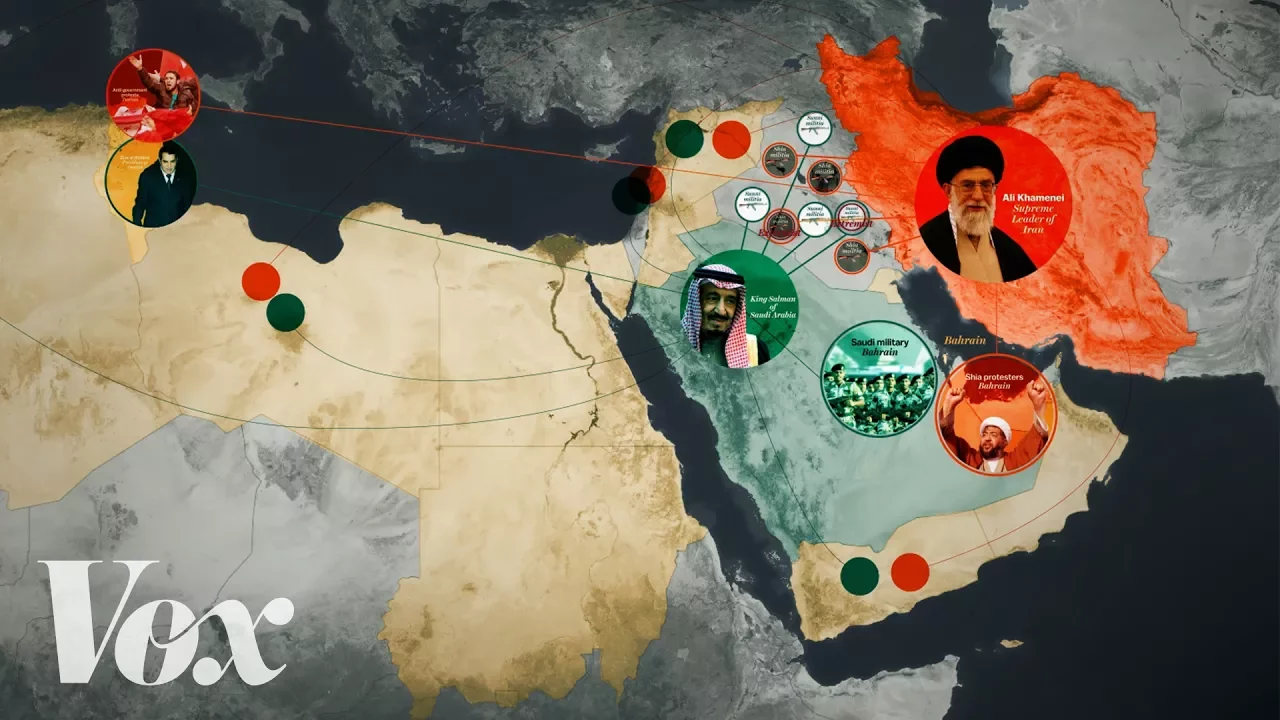
Explaining the Saudi-Iranian Proxy Conflict in the Middle East
@Vox
18.2M views•2017-07-17
Related Study Plans & Knowledge Roadmaps
Structured learning paths in Political Science
political-science
Economic Statecraft: Sanctions & Chokepoints
01Foundations of Geoeconomics and Economic Statecraft
02The Mechanics of Weaponized Interdependence
03International Sanctions: Types, Implementation, and Efficacy
+ 2 more learning modules
12h5 modules
Explore Roadmap
political-science
Central Bank Independence: Politics & Policy
01Foundations of Central Banking and Monetary Policy
02The Time Inconsistency Problem & Inflation Bias
03The Delegation Model and Designing Independence
+ 2 more learning modules
12h5 modules
Explore Roadmap
political-science
Consociationalism: Power-Sharing & Stability
01Democratic Dilemmas in Divided Societies
02Introduction to Consociational Democracy
03The Four Pillars of Consociational Design
+ 2 more learning modules
12h5 modules
Explore Roadmap
political-science
Rebel Governance: Legitimacy, Economy & State
01Foundations of Rebel Governance and Statehood
02Establishing Political Legitimacy and the Rebel Social Contract
03Wartime Economies and Rebel Resource Management
+ 2 more learning modules
14h5 modules
Explore Roadmap