![[시민강좌] 조원빈 성균관대 교수 - 한국의 민주주의 수준? 정치제도적 측면 평가](https://i.ytimg.com/vi/IrDt-Zxv5g8/maxresdefault.jpg)




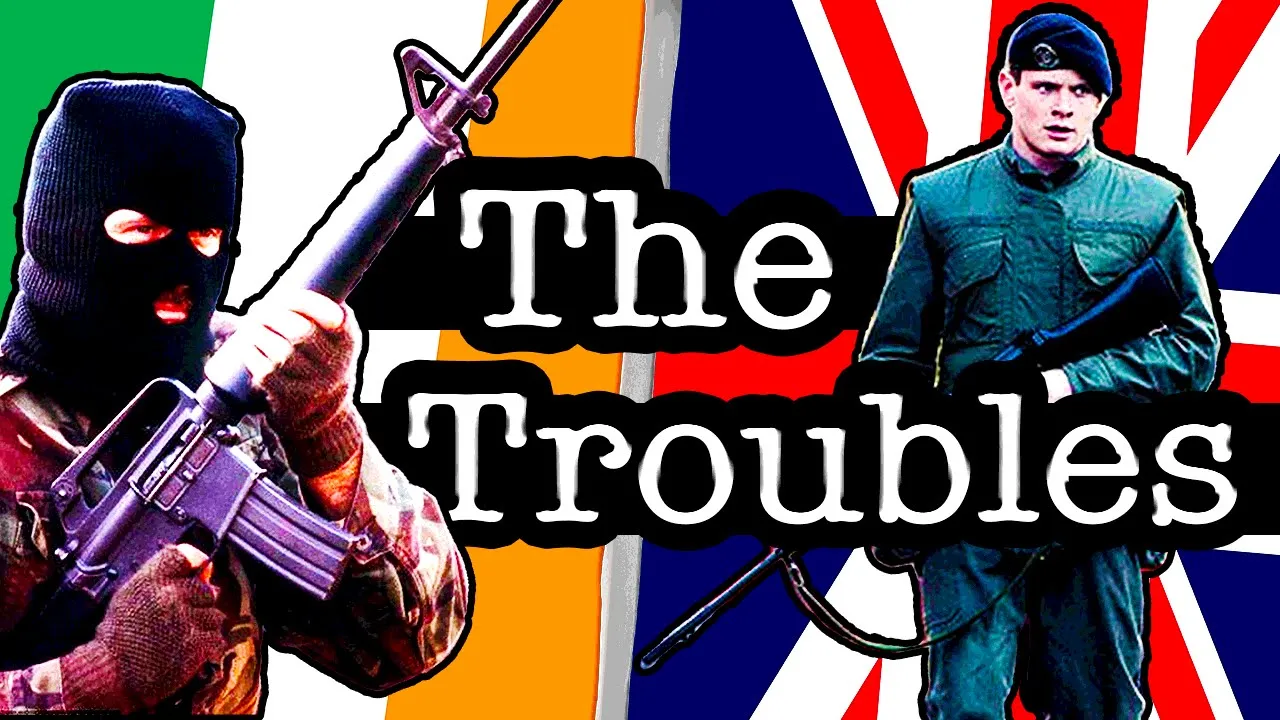
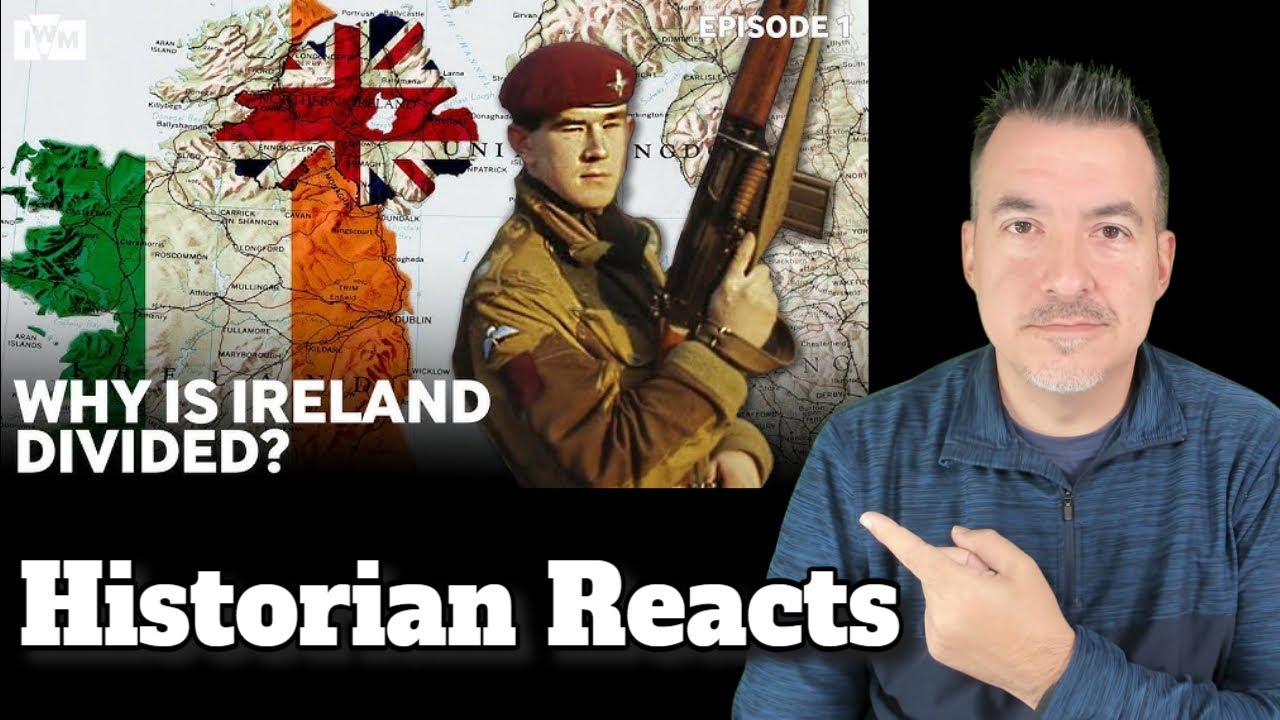

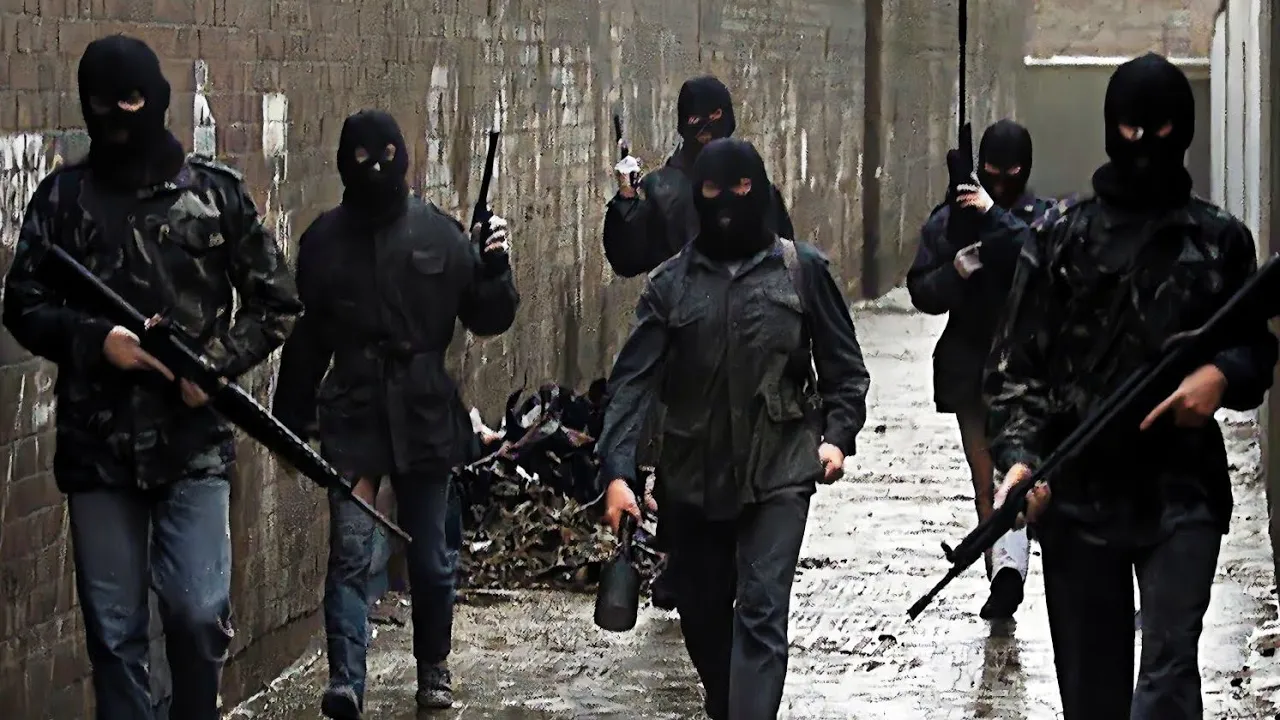











Power-sharing is a political arrangement designed to prevent any single group from monopolizing executive, legislative, judicial, bureaucratic, or cultural power, thereby reducing violence and promoting stability in deeply divided societies; successful power-sharing requires balancing three core principles—parity (equality of groups), proportionality (influence proportional to group size), and autonomy (self-governance rights)—while recognizing that its effectiveness depends heavily on contextual factors such as neighborhood stability, previous power-sharing experiences, and the willingness of dominant groups to accept shared governance rather than pursuing majority rule.
Power-Sharing in Deeply Divided Societies: Iraq & Northern Ireland
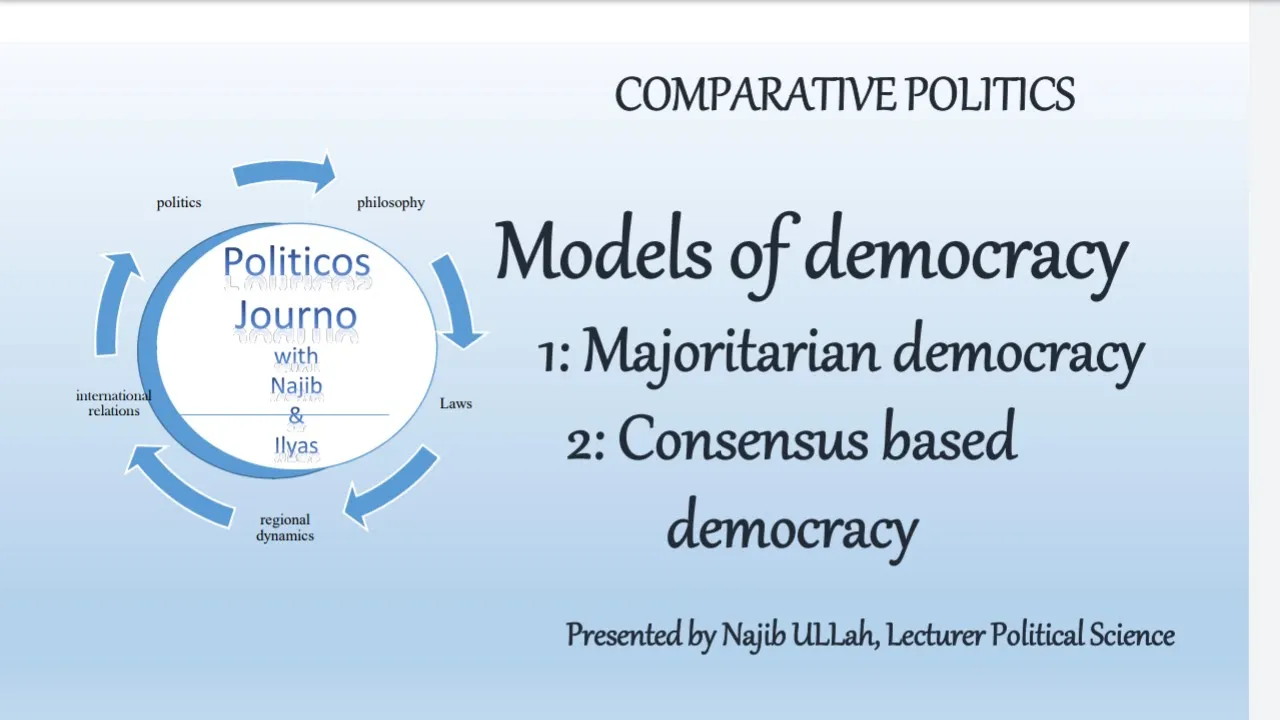
Added:Fundamental concepts of democratic theory, specifically the distinction between majoritarian (Westminster) and consensus models of democracy.
An understanding of what constitutes a 'deeply divided society,' including ethnic, religious, or sectarian cleavages and identity-based conflicts.
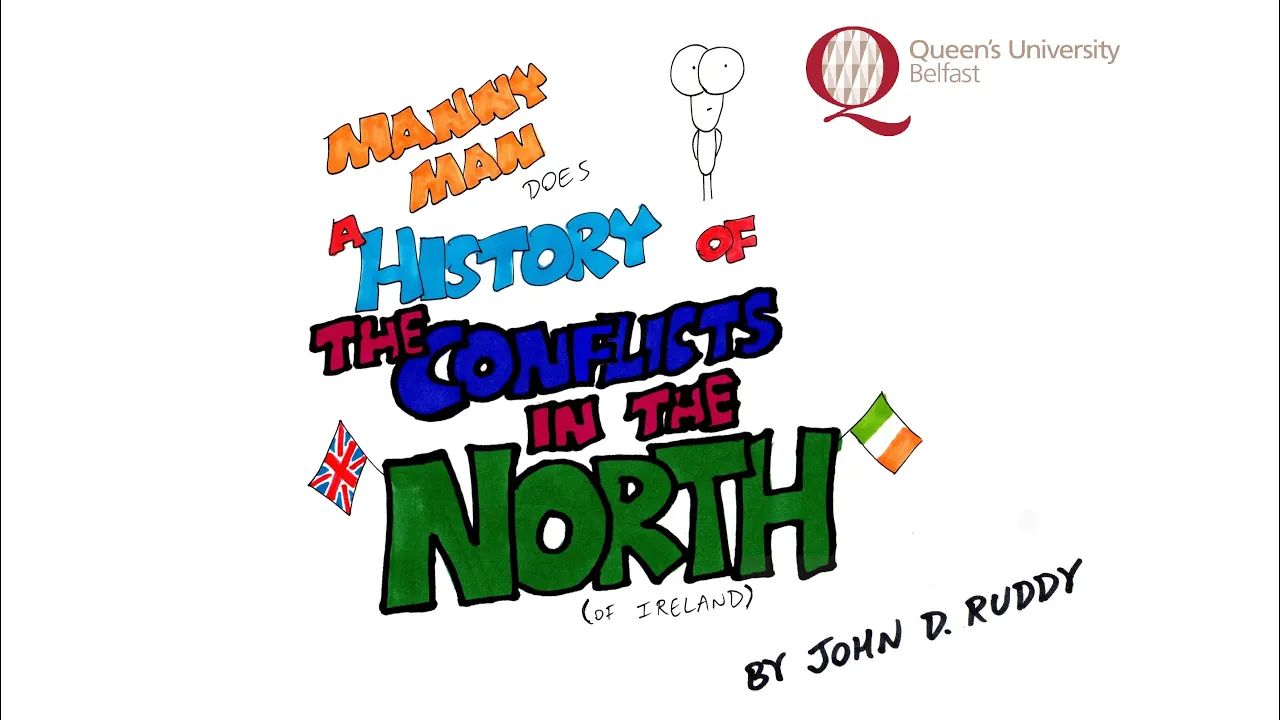
Basic historical awareness of the conflicts in Northern Ireland (The Troubles) and post-2003 Iraq (sectarian tensions and state reconstruction).
The core pillars of Arend Lijphart’s classic consociationalism theory (grand coalition, mutual veto, proportionality, and segmental autonomy).
The debate between consociationalism and centripetalism (integrationist approaches to ethnic conflict management proposed by scholars like Donald L. Horowitz).
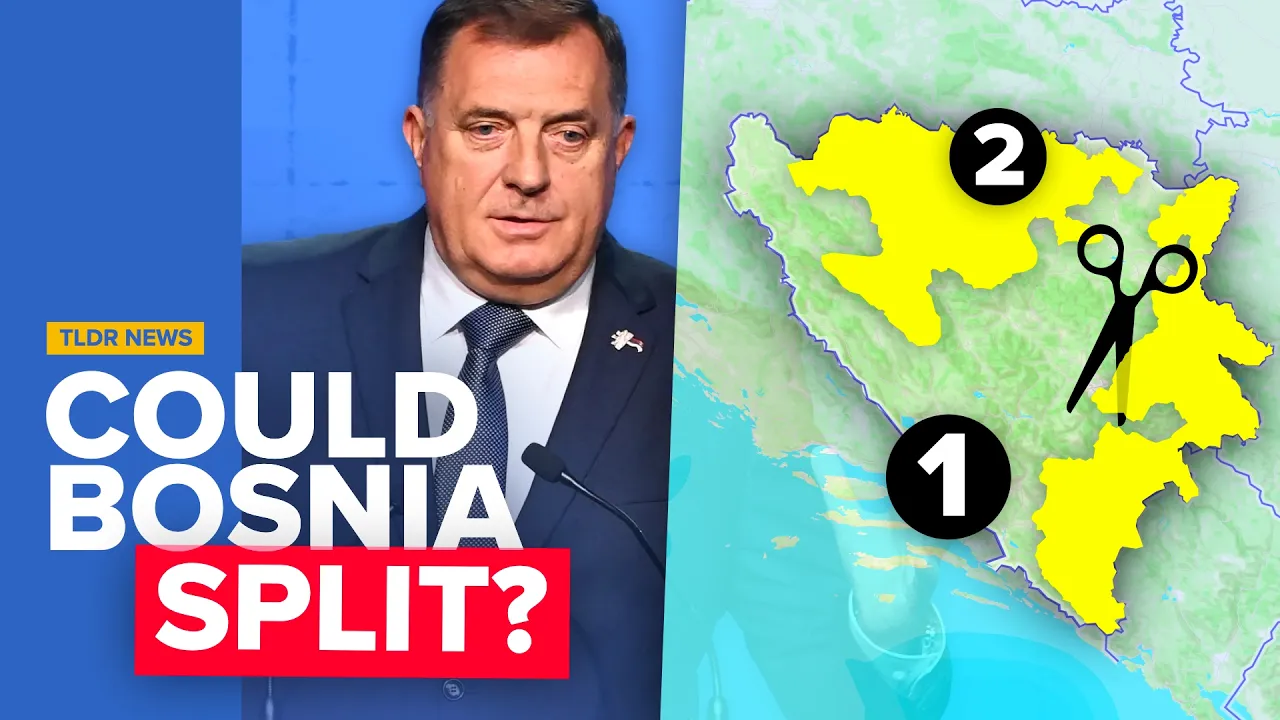
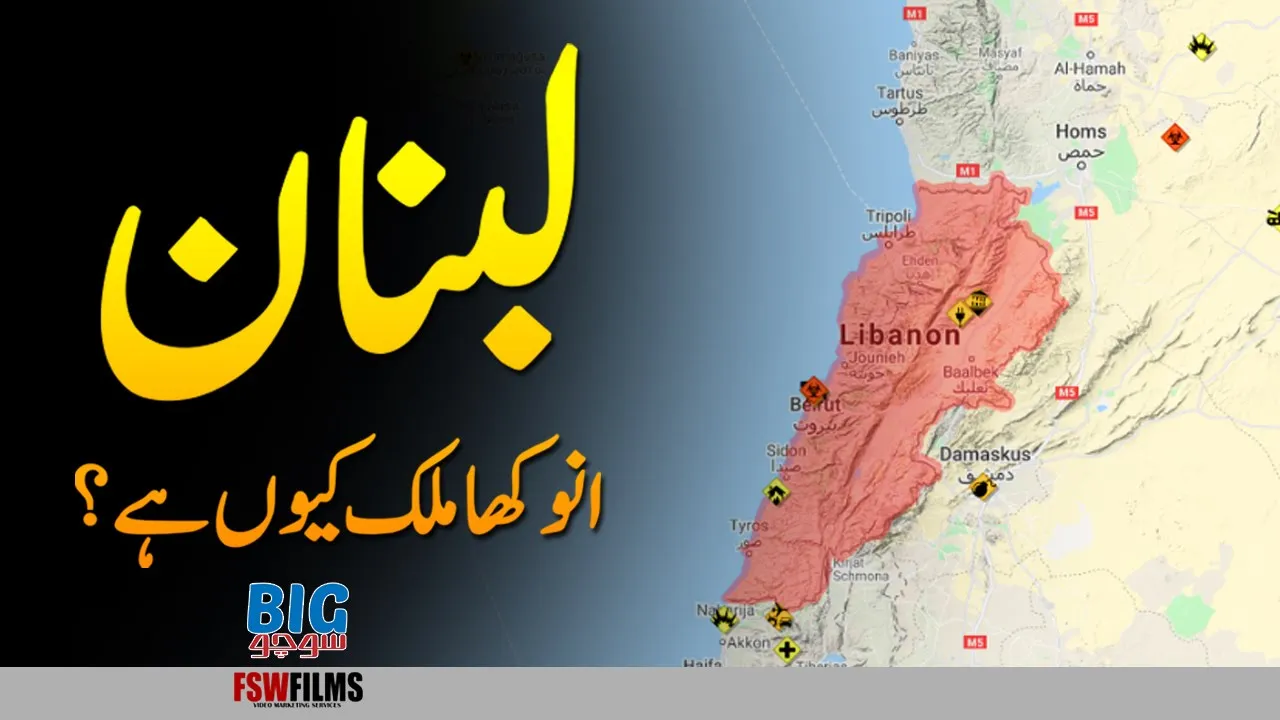
Comparative analysis of other consociational systems, such as Lebanon's confessionalist system or Bosnia and Herzegovina's post-Dayton Accords framework.
An examination of the structural critiques of power-sharing, such as political gridlock, the entrenchment of sectarian divisions, and the exclusion of non-aligned groups.
Advanced study of constitutional design and electoral engineering in post-conflict state-building.
2.7K views0likes1:41:16Original Release: 2016-05-03
good afternoon welcome thank you for coming here today um I'm delighted to introduce Professor Brendan oi who's currently a visiting fellow at the Moore Institute um and is one of the preeminent political scientists of his Generation Um he's professor of political science at the University of Pennsylvania one of the most respected and influential Scholars of conflict of consociationalism and of powers sharing um and I think one of the things that marks him out during a time when much social science writing has been strict of uh passion strict of uh emotion is that his writing is so Lively um provocative irreverent um and humorous and he writes with huge energy in a very very engaging way now his academic contribution which is is uh recognized globally is intertwined with a contribution in the political world that has been just as important and he's been deeply involved in efforts to bring a stable or or to create stable forms of government in deeply divided societies and he's particularly deeply involved at the moment with the Kurdistan Regional government in Iraq about which we will hear more but I want to say a few words about his contribution in Ireland he published around the time and in the years before the Good Friday agreement a series of books that really helped to lay the intellectual foundation for that agreement and that hugely influenced public debate at the time um his ideas were also very influential at a practical level in informing structures of government changes to policing but apart from the contribution through his academic work he also acted as advisor to two Shadow labor secretaries of State Kevin magnamar and later Mo mam as she prepared to take over uh and play a crucial role in negotiation for the Good Friday agreement so his influence fed into that process both through his academic work and his work as a political advisor he'll address today one of the most challenging questions for those concerned with um political stability how do you establish stable and sustainable but also Equitable structures for government and divided societies he'll talk about two areas today that are of particular concern in in Ireland where we still have lots of debate about the legacy of conflict um but also where there is great interest and great debate about conflict in the Middle Eastern region in general uh both areas in which his contribution has been both academic and political uh and very influential it's particularly appropriate that his talk today is part of the ethics initiative uh launched by President Michael D Higgins which is about um contributing to public debate on issues of Ethics in the area of the political and the social um I want to ask you to join with me now in giving a warm welcome to Professor Brandon o thank you very much indeed Neil with an introduction like that I can only fail to live up to the expectations generated uh nevertheless I I'll try and do my best I would like first of all to thank the University of gway for the fellowship I've enjoyed since the beginning of July I'd like to thank the president of of the National University of Ireland at goway I'd like to thank the president who can't be here but under whose offices um I speak and I'd also like to thank the mo Institute and its founder professor canny so the subject matter is power sharing in deeply divided places I'd like to emphasize that power sharing is best achieved through lots of food sharing and lots of drink sharing if you want to remain slim handsome or um beautiful in the case of the female part of the species then don't do power sharing do conflict do violence it's much better for your your Fitness and probably certain kinds of Health um as you'll see the first photograph on the left is one that in my home we call two fat Irishmen um and that was taken in the US Senate in 2000 going to darur by contrast is is a good way of remaining slim because you're almost guaranteed to get some kind of uh food related illness but uh I digress I'd like to begin with some personal observations about the field of power sharing the first is that most people think that when you go abroad you want to promote your own country's system so that Americans export the American Constitution the French export the uh French Constitution the British export oh they don't have a constitution what about the Irish well we too are accused of exporting our particular successes associated with the Good Friday agreement but in my experience what experts do when they go abroad is not to promote their own country's model but rather to promote what they would like to have happened in their own country so it's not the case that uh we have a battle between um competing uh versions of national cultures abroad but rather people are trying to experiment often mistakenly with foreign peoples with idealized models of what they'd like to implement in their own countries sensible power sharing advice has to be contextual it can't be based on seeking to export some idealized version of your own country the second thing that I've noticed is that cosmopolitans have very very typical biases typically a Cosmopolitan is a person with a passport in their pocket uh somebody completely devoid of national linguistic religious or ethnic Prejudice can't really understand why the locals are sunk in periodic uh battles of of an antagonistic nature and they presuppose that it's relatively easy to establish an integrated State based on equal citizenship this is very clear if you've ever been in the Balkans where for many years various European cosmopolitans have governed Bosnia and herzo and have governed Kosovo with very little local sensitivity if you take seriously the aspirations of those in Conflict particularly minorities you will rarely find that what they're struggling for is to achieve uh a nation state based on equality of all citizens that's rarely the case instead they're minimally seeking autonomy they're maximally seeking Independence their own nation state rather than an integrated one usually minorities and their leaders are backward-looking they're not the creatures modeled in political science forward-looking rational actors who don't display any recognition of of sunk costs instead they're invar ly driven by some conception of their local uh particularly their local ethnic history so daruis are deeply driven by the fact that they used to be a Dar or sultanate and many of them want to recreate it no matter how apparently irrelevant that regime might appear to the contemporary modern the third thing I'd like to observe is the weaknesses of my own discipline political science and the social sciences generally a lot of work has now been done on power sharing that is of a statistical nature I'm going to briefly discuss some of that today but very little of that literature has purchase if you're trying to persuade a politician of the merits of a particular way of organizing the executive or u a political party that its interests are in a particular kind of electoral system you can't do it through statistics you have to use the telling anecdote the telling uh episode from experience the skills of a journalist are usually more uh useful than the skills of a social scientist two more things as personal observations one is power sharing i' I've had the I've had a a job with a ridiculously long title um I was the United Nations senior advisor adviser on Powers sharing for the mediation support unit of the Department of political Affairs of the United Nations the only thing I can tell you about that title is that the longer your title is the less important you are if you're powerful you have a nice short Snappy title president t-shock uh something like that but when you have that position people pres presuppose that your skills are pertinent everywhere and in the United Nations there is a temptation to believe that every crisis is best resolved through Power sharing and this has led to some recently um absurd and utterly inappropriate use of power sharing so when an African president loses an election and steals it and tries to stay in power the solution often proposed is that there should be a power sharing settlement with the person who actually won the election this I call pseudo power sharing it's a very frequent um recipe used by diplomats to try and resolve crises of executive formation it doesn't do power sharing any good as an inst institutional prescription if it is seen to be uh rewarding the loser in an electoral competition the last personal observation i' I'd like to make before getting to the academic core of my argument is that it's absolutely vital when looking at a group's preferences not to take what they overtly say at any given time as binding and that may seem TR and obvious but it's it's fundamentally important a group's preferences are frequently strategic they're conditioned by history they're conditioned by all sorts of conceptions about what is or is not possible and it's vital to understand this because you have to understand that the groups that they're in competition with will have uh very different conceptions of what the Rock Bottom preferences of the other group are we can see this in the history of our own Island that nationalists are always suspicious of unionist fundamental preferences they see them as a fundamentally uh settler Colonial Community with the desire permanently to Lord it over the natives and by contrast um they see nationalists as always intent on driving them into the sea and those bottom level fears about the other group's preferences are what you critically have to pay attention to I once had the experience of giving advice in kirgistan I'm probably the only person in the room who really knows the difference between kyrgistan Kazakhstan and Kurdistan the difference is that in kyrgistan you drink unpasteurized horses milk in Kazakhstan you drink pasteurized horses milk and in Kurdistan you don't drink horses milk there you are an elementary lesson in Central Asian geography but anyway I was in kyrgistan and the very interesting feature of kyrgistan was that the USC population which had recently been subjected to a pogm this was in 2010 constantly told International visitors on public occasions that what they wanted in kirgistan was a a simple Civic State based on equality but when you talk to them in private of course they wanted their own language they wanted autonomy for the USC Community they were fearful terrified in fact of expressing their overt public preferences so these are things you have to bear in mind in the interpretation of group preferences so power sharing the theme of this evening why should anybody want Power sharing the first and most obvious reason is uh to prevent War the statistics on war since the uh Congress of Vienna of 1815 are now very clear three numbers are very easy to remember 1/5th a half and 3/4 1if of the wars in the world since 1850 can be coded as National Liberation Wars or nationalist Wars of some kind based either on the demand for Independence or autonomy a half of the wars between the Treaty of Versailles and the collapse of the Soviet Union were nationalist or ethnonational in character but since 1991 34s of the war have been ethnonational in character and it's fairly obvious that if we um break down the human race by category linguistic ethnic National or religious there's a limit to the number of plausible nation states that could exist in the world if we take each of those Dimensions possibly there's potential room for 8,000 nation states in the world that isn't going to happen that simply means that in lots of cases power sharing has to be at least considered as an alternative to the standard Arrangements of the nation state this graphic which you're not expected to able to read because after all um it's difficult to read it it shows all the conflicts in the world since um 1945 in which there have been over uh a thousand U battle deaths where does does this come yes this is the graph I wanted to to focus on you'll see that since 1945 the scale of human deaths in Wars has actually in general gone down there's been a an uptick in recent times and obviously because of the wars in Syria and Iraq uh we can expect that to to go up even further most of those Wars are now internal Civil Wars it's rare to have a formal war between two rival sets of governments in neighboring uh sovereign states the norm is an internal Civil War which is what power sharing is presumably supposed to address the second reason to have power sharing is that most conflicts do not end in a military Victory only about uh one in 10 will in fact less than that will end in a military Victory most conflicts end with peace agreements of some kind but usually imperfect ones so power sharing has a role to play in the successful conclusion of uh Wars internal Wars and successful conclusion of peace agreements this may seem blindingly obvious but in fact one one of the uh most unfortunate features of of my profession is that typically we're asked to get involved just as a war is starting that's not the appropriate time got no useful military advice to give the best role for power sharing occurs when the combatants for various reasons have decided that they're not going to accomplish comprehensive Victory then there's some possibility that we might matter we also might matter before a conflict begins but rarely in the in the opening moments are we useful that's why the the United Nations model of having a standby team to deal with conflict is in many ways radically inappropriate that grouping is only useful towards the end of a conflict or to prevent one from materializing it's very rarely useful at the very beginning of a conflict the third reason to be interested in power sharing is because the alternatives for at least one group are usually worse on the left hand side of the screen you can see uh one way in which national and ethnic differences can be resolved namely by elimination we can exterminate people genocide we can expel them ethnic expulsion sometimes dignified with the phrase ethnic cleansing we can partition territories to make entities allegedly more homogeneous than they were before in the hope that this will minimize conflict we can make everybody like one another literally like one another in the sense of resembling one another as a an active public coercion rarely successful or we can go for the recipe of the integrated nation state in which all citizens are to be equal and cultural differences are to be in the private domain in all of these strategies It's usually the case that one group is going to lose uh in some fundamental Sense on the right hand side of the screen are ways of managing ethnic and National differences most frequently it's still the case that these are managed in a hierarchical way in which one group or Coalition of groups organizes itself and disorganizes others that's um the the norm in Imperial political systems and their successors in many parts of the world World in which you have a dominant majority which disorganizes a minority Community arbitration mechanisms in which uh an outside force or a third party regulate differences between groups is increasingly difficult it used to be possible under monarchical systems because the Monarch could be related to every Community uh within the Empire by dynastic marriage for example we've had cases in recent times in West Africa where particular leaders have been related to large numbers of ethnic groups in the country that kind of bondage through marriage or lineage isn't possible in the modern world so systems of arbitration are likely to be temporary uh and not likely to be enduring in consequence I think frequently in the presence of conflict we are required to think about power sharing systems and these come fundamentally in three packages PES Federal packages consociational packages which I'll explain in a moment and centripetal packages those are packages intended to ensure that power sharing takes place on the basis of the cooperation of moderates rarely successful so rarely is it successful that I'm not going to spend uh any significant time on it today the fourth reason to be interested in power sharing if you're an optimist is that it seems to be increasing in incidents this is data taken from my friend Lars Eric sedman who's uh a professor in Switzerland he has shown that the numbers of humans living under uh governments which exclude their Community from any significant participation in political power U are falling and the numbers of those in formal power sharing systems of some kind are rising though obviously um given the trends you can see in these Graphics one shouldn't uh place too strong uh hopes in the idea that power sharing is necessarily the wave of the future large numbers of people live in systems in which they were they remain their their representatives their communities remain significantly excluded from power so what then is power sharing the easiest way to define it is as the opposite of systems of power monopolization power sharing necessarily involves some organized system of exchanges of power and influence so that at least somebody is better off than before and preferably all gain some improvement in their position so we might Define power sharing as all political Arrangements that prevent One agent or one collectivity uh from being the winner who who holds all critical power so defined power sharing obviously has both negative and positive connotations the negative connotations are such systems are typically accused of leading to deadlock to leading to um dysfunctionality leading to stalemates in political uh confrontation the positive sides of power sharing are consensus and unanimity this of course I think is helpful because any definition that doesn't automatically load you in favor of power sharing in advance is a more neutral and therefore a more appropriately scientific definition so the way in which I'm going to conceptualize power sharing from here on and I'd be happy to take critical questions afterwards is that power sharing is any set of Arrangements of political institutions to prevent the Monopoly permanent or temporary of executive legislative judicial bureaucratic security or cultural power and I emphasize cultural power because most contemporary Powers sharing systems are designed to deal with cultural clashes over the definition of the nation over matters of language matters of religion or um alleged um or real ethnicity cultural contestation is a very significant feature of contemporary conflict so having defined power sharing in that way it's quite easy to see that there are broadly speaking five major political patterns of power sharing between states you can have international organizations and confederations among nations you can have multinational States typically multinational uh confederations or federations sometimes consociations among peoples or communities that are intermix and here typically the arrangements will be consociational each group will get to govern its own culture even in the presence of other people exercising theirs so you will have different people going to different schooling systems within the same territorial space they'll have their own media they'll have their own forms of cultural self-government and lastly and very typically in Western democracies you can have power sharing across political parties all of these these modes of power sharing are important sometimes uh they're found in interesting permutations what they have in common is a set of instruments that are used to achieve power sharing the the key political bodies always have a formula that formula involves some form of shared rule some institutions in which decisions are made together and some form of self-rule some form of autonomy where the group makes the decisions on its own with its own leaders the essence of all of these political Arrangements can be summed up in a simple formula PPA parity equality of the groups proportionality each has influence in proportion to its numbers and lastly autonomy note that those principles don't easily fit together if groups are to be equal and yet the principle of proportionality is to apply that sets up an immediate clash between a consensual rule in which all have equal rights and a proportional rule which would suggest that the larger group or groups would have more influence than the smaller ones power sharing does not guarantee uh the absence of clash or antagonism secondly to achieve power sharing you need security institutions that will underpin those political bodies armies Police Services intelligence agencies have to be organized in some way that makes those political power sharing institutions work well together thirdly power sharing usually is associated with certain kinds of economic formula those can be based on parity proportionality and autonomy we'll divide the cake equally we'll divide it according to per capita formula we'll allow each group to use its own share of Natural Resources to manage it as it as it seems fit and lastly you always have policies to promote and preserve cultural pluralism and that's something I want to emphasize here because there are many fears uh among particularly Irish people that power sharing involves the entrenchment of previously existing cultures when many people think that those particular cultures are partly responsible for conflict in the first place why should you support power sharing if it's going to entrench those negative and antagonistic cultures now I think it's very important to understand that at the heart of most contemporary power sharing systems there's a bargain each group is not making a commitment to freeze its culture and to freeze uh and protect the other group's culture Instead at the heart of powers sharing Bargains is the idea that each group is to be responsible for any transformations in its own culture it's not going to be imposed Ed by the other group the core of the bargain is the idea that each group is autonomous in its own domain it's not that uh Catholics have to remain 19th century papists it's not that uh Northern Irish Presbyterians have to remain um committed to 17th 17th century conceptions of the Scottish Covenant it's rather that each group is free to develop Express articulate and change its own culture uh provided of course that's compati able with the maintenance of the other groups culture so this notion that power sharing necessarily involves a commitment to freezing tradition is I think simply false so to sum up this part of the argument this should of course all be blindingly obvious and if it isn't then I've achieved something uh Power sharing is promoted in order to end War to prevent genocide and uh similar crimes against humanity to control the violence of States so that states work for the security of all not just the dominant um ethnic group and to enable group regulation of cultural change that's what power sharing is in my understanding and I'd now like to defend it and then ask the question does it work and under what circumstances does it work and then I'm going to close with considering the circumstances under which it might break down one reason for defending power sharing is that it makes up for two core gaps in the western uh political tradition the Western political tradition is deeply committed to the idea that constitutionality is the secret of political stability it's also deeply committed to the idea that democracy settles most forms of human conflict in uh relatively amicable ways power sharing makes up in my view for the deficiency of both constitutionalism and democracy constitutionalism is not sufficient because constitutions can very easily entrench uh dominant power you can have very powerful Executives single person presidencies single person Prime Ministers you can have emergency powers that can quite easily be manipulated and abused by the incumbent in power as has happened in Iraq under the uh Premiership of uh new al- Malaki so nothing about constitutionalism per se guarantees that checks and balances will successfully work to prevent both permanent and temporary monopolies of power so constitutionalism per se is insufficient though of course power sharing can be constitutionally entrenched power sharing is also not quite the same thing as the idea of the separation of powers one of the amusing things about being in negotiations involving arabic speaking um populations I've had this experience both in uh negotiations about darur in uh Doha in Qatar and also um in in Iraq one of one of the interesting problems we had was that we would translate everything from English into Arabic and then we would make sure that the translation from Arabic back into English was done by somebody else to ensure that uh we were always uh getting the correct formula across and we would do this with other linguistic groups as well but in Arabic this problem constantly recurred every time power sharing was written down in English and translated into Arabic the translation we would get back into English was the separation of powers now the two Notions are distinct to separate Powers such as executive legislative and judicial powers implies that your trying to tackle Monopoly by fragmentation it deliberately ensures that there isn't one body wholly in charge of coordinating public policy or law it has many merits in tacking Monopoly but if each of the key institutions that is separated by the separation of powers is dominated by one group one language group one religious group uh one ethnic group then the accomplishment of the division of powers has no benefits for minorities except under highly ideal circumstances pow sharing by contrast requires conscious coordination of policy and law by groups that self-consciously are organized as groups to be represented as groups in key institutions it is compatible with the institutional separation of powers but it's not quite the same idea democracy is plainly not enough for dealing with many of the conflicts in the world for reasons that we in Ireland are very familiar with democracy can quite quickly um be a system of majority tyranny and the competition for power though it can check certain kinds of abuses can quite quickly degenerate into uh Politics as a census where we simply measure group size and it can quite quickly lead to uh possibilities of violent conflict particular at the formation of democratic systems one of the paradoxes of the Contemporary world is that we promote democracy to achieve better systems for people and in the hope that democracies will be more peaceful with one another but the Paradox is that the process of democratization itself partly because it very likely will set in place competition between ethnic groups between linguistic groups and religious groups will generate violence so that's why power sharing has to be considered as sometimes an appropriate formula for assisting democratization so I've indicated what I think power sharing is or how it should be understood now I'm going to ask the question does it work which is after all a very fair question here typically we have a war of anecdotes for every successful case people can think of Canada Belgium if you think Belgium is a success Story the European Union uh Switzerland for every case like that people can quite quickly think of a contrary case a Soviet Union a Yugoslavia a Bosnian herzo a contemporary Iraq how do we come to a reasonable assessment about whether power sharing can actually work after all if power sharing appears to collapse in a particular case it may not be because power sharing was impossible but rather people chose the wrong power sharing formula for their particular conditions that could be the problem so in Northern Ireland in 1973 74 we had a power sharing settlement which we all know today as the sunning dale dale settlement it collapsed under a loyalist uh workers General uh strike it collapsed partly because it wasn't supported by the then uh incumbent labor government in the UK it collapsed for a whole series of reasons but did it collapse because its design was inappropriate that's a a key question that analysts of power sharing have to address in my field there are now a whole range of statistical studies of power sharing which are basically devoted to the question of assessing whether on average power sharing systems can be successful and I'm delighted to note otherwise the purpose of this lecture would be otos that the results are positive um to begin with aand liart a famous Dutch scholar who's the pioneering uh conceiver of the theory of consociation that is the theory of how uh pow sharing can work to ensure that you have cross community executive power sharing proportionality of group representation in key institutions self-government and veto rights he calls that Collective package consociation aent liart has tested all the stable democracies of um any significant size over the last three decades and what he shows is that the more a democracy has power sharing features consensual multi-party government checks and balances that prevent the domination of uh or or exploitation or maltreatment of minority groups and so on these kinds of democracies consistent ly outperform The Winner Takes all majoritarian kind of democracies and not only do they outperform them in ways that we might consider important in conventional terms high levels of employment high levels of price stability high levels of growth but they also I perform on what are sometimes called Soft standards better protection of women's rights better protection of human rights in general um and better welfare entrenchment now you might think that these results are significantly biased by the presence of large numbers of West European multi-party systems in the data set but that actually isn't the case though they are obviously uh significant significantly like that so what Li part's results show is that within democracies the democracies that are more power sharing in nature perform better what about worldwide beyond the stable democracies pipa Norris a professor at Harver has looked worldwide at all regimes and using a different understanding of power sharing but with a primary focus on proportional representation parliamentary systems and the uh existence of federal or decentralized institutions she argues that even in non-democratic systems if you have pow sharing features inside those authoritarian regimes those authoritarian regimes will outperform other authoritarian regimes this is not a recommendation of course for creating authoritarian regimes everywhere just in case you thought it was but it is an interesting uh feature of her data set that it appears to be the case that the presence of these kinds of Institutions has an independent impact on all sorts of important criteria that we would want to assess governments by conflict avoidance um Economic Development the avoidance of corruption so um liart shows you that power sharing gives you a better uh democracy with better outcomes Norris shows us that with powers sharing attributes even authoritarian regimes will perform better than their counterparts uh that are not that that don't have these attributes but but what about war and conflict itself several studies I highlight merely one here on the slide show us that if you adopt pow sharing institutions in conjunction with intelligent security arrangements to end a conflict then you're much less likely to have a recurrence of War afterwards so uh Mikila Mattis and burus saavan have shown shown looking at 46 major Civil Wars which ended with a peace agreement that in those agreements in which they um successfully Incorporated pow sharing Arrangements in particular power sharing Arrangements which ensured parity between the groups after the Civil War and which ensured the proportional representation of those groups in key institutions there was a very significantly lower likelihood of the recurrence of conflict so it would appear statistically across the planet we can say power sharing gives you a better democracy power sharing gives you a better regime whatever your regime type and power sharing makes War recurrence less likely these are comforting conclusions but obviously I wouldn't want to press uh sorry I wouldn't want to um have you believe that you should rely totally on them after all they are the results of political science and political science isn't really very high in the status hierarchy of the sciences and lots of these results are the result of different definitions of power sharing different statistical tests and consequently um though these results are robust and I haven't been selective in what I've been telling you uh one should be cautious about having total confidence in these arguments never Ness I think we're allowed to conclude that if you want to lower violence if you want better Democratic standards it's advisable to consider power sharing Arrangements especially if you've recently had a violent or protracted conflict so if that's right the informed debate should be uh about how and why power sharing Works what particular types of power sharing are best for given conditions when we should intervene to promote power sharing if at all whether that intervention should be high or low from the point of view of international and Regional organizations and of course critically when is power sharing most likely to be successful these I think are the reasonable arguments so if you hear Skeptics saying that power sharing never works that's obviously false um the the simple bottom line conclusion I can give you is that it sometimes works and it sometimes works across all of those three dimensions Improvement under any kind of regime Improvement um of your democracy and Improvement of your likelihood of avoiding uh conflict recurrence so let me deal with the two cases I promised you Iraq and Northern Ireland these are not typically compared and I'm not trying to suggest to you that these should be typically compared there are major differences between these places Iraq has a very large population Northern Ireland does not um conflict in Iraq is largely triangular there are three major communities with rival Visions for the future of Iraq or indeed to have no Iraq in the case of the Kurds each of those three communities is internally divided likewise in Northern Ireland although you have a a central dualistic conflict between National unionists there are divisions among nationalists and unionists and there are those who claim to be neither so the configuration is different but the fundamental contrast is between a a trilateral conflict and a bilateral conflict the neighborhoods are very different no matter how antagonistic we Irish May occasionally feel about the British they are democratic they're our neighbor they're in the European Union relations between Britain and Ireland are generally positive benign and not characterized by hyp suspicion or recent deep military conflict that's not the case in Iraq Iraq has five authoritarian neighbors uh one of which is uh currently undergoing a profound Civil War Iraq has invaded two of its neighbors in recent times and one of its neighbors at well two of its neighbors turkey and Iran have have invaded po itions of it so the neighborhood of Iraq is much less auspicious and it's a general result of studies of democracies that the better your neighborhood the better your prospects of stable democratization so Iraq's chances were always lower than Northern irelands in both places you do have formerly dominant minorities Al unionists were part of the dominant minority that prevailed in much of Ireland between the 17th Cent century and the beginning of the 20th century Sunni Arabs dominated Iraq throughout ottoman times uh and in spaces that later became Iraq and they dominated Iraq under the the British mandate under the Iraqi monarchy and under the first Iraqi Republic and indeed under the bists and Saddam Hussein's regime they're now displaced from Power the psychology of formerly dominant minorities is rarely accommodating uh their usual aspiration is to accomplish a restoration of power as quickly as possible in Iraq you have a very clear Shiite demographic and electoral majority that the American intervention has now permitted to achieve uh power through the ballot box that's a complete reversal of relationships inside the Arab community in Northern Ireland ustra Protestants have been removed from a position of dominance to roughly a position of equality partly as a result of demographic change so that's a major difference Iraq has officially religious parties as well as nationalist parties they have religious names they have uh explicit religious appeals now you may not think this is TR this is you may think this is also true of Northern Ireland but it's not the Democratic unionist Party The eler unist Party The Social Democratic and labor party Shin Fain they all have secular titles they all in principle appeal Beyond a religious constituency you may laugh about the extent to which they do so successfully or you may be skeptical or cynical but the fact is that they're formally nationalist or unionist Parties by contrast in Iraq religion is directly in the public domain as well as questions of nationality and lastly of course the territorial concentrations of the the group VAR significantly in Iraq the three major constituencies are largely geographically distinct allowing for the possibility of a federal or confederal settlement whereas in Northern Ireland though you do have significant territorial concentration you do have also lots of mixed zones where uh groups are if not cheap by jao at least close to one another but nevertheless both of these places have had power sharing experiments Iraq's has gone badly Northern irelands has gone remarkably well each of them can be understood as in different ways embedding the principles I referred to earlier parity proportionality autonomy and veto rights in Iraq in the constitution of 2005 it was formally declared a multinational State Kurds and Arabs were declared equal as Nations and equal as linguistic communities Iraq originally had a collective presidency in which three persons were returned to office representing the three major communities of Iraq not by law they didn't have to be a kurd a Sunni Arab and a Shia but they were that's how they organized their votes in Iraq you've had list proportional representation determining elections precisely because of that the Shia have not been one block and have invariably needed to build coalitions in order uh to return a new federal prime minister and a new Council of ministers to office Iraqis agreed that revenues from previously exploited oil fields would be proportionately allocated across Iraq on a per capita formula that's embedded in the Constitution the autonomy granted in Iraq according to the Constitution is dramatic if you read article 110 of Iraq's Constitution it gives the federal government the shortest list of powers of any federal government in the 20th or the 19th centuries the bulk of powers are reserved to Regions or provinces veto rights are built in to the Iraqi system the originally the three presidents each had a veto right over law or public policy but that was a transitional Arrangement phased out uh in uh 2010 but significantly each region Kurdistan is so far the only region but the provinces are entitled to become regions each region has the right to nullify to say no this federal law does not apply in this region or to modify it in any way that they see fit as long as the relevant area of law or policy is outside the very small number of powers which are exclud exclusively those of the federal government so Iraq has a comprehensive power sharing settlement which hasn't worked Northern Ireland also has one and it has worked you have the equality of the two first ministers you have a cabinet based according to the rule of proportionality by the dant rule which I'll explain briefly in a moment Victor dant is by the way a very good answer if you have a problem some of you may be familiar with the game Tri Trivial Pursuit you ever played Trivial Pursuit in Trivial Pursuit there is a challenge the challenge is name a famous Belgian most people fail this challenge miserably unless they're Belgian because what they usually do is name a 17th century Flemish painter when the problem is Belgium didn't exist so apart from those who mentioned tinon who isn't a real character I have a solution for you Victor dant he's a famous Belgian a very famous Belgian who designed the electoral system which fundamentally shapes uh many European Democracies and indeed shapes the way in which committee chairs and positions are shared out in the European Parliament and that is the system that Northern Ireland has adapted for the formation of its cabinet Northern Ireland also has as a result of Fair Employment laws affirmative action in the private and the public sectors so the principle of proportionality applies in public and private employment Northern Ireland also has autonomy the both the autonomy of Northern Ireland from Westminster now extended to include policing and judicial powers but also autonomy in and fundamentally schooling Arrangements each system each uh con constituent Community has its own schooling system funded on a per capita basis equally and funded on uh a capital basis also equally since 1992 and Northern Ireland famously has a set of veto arrangements so both countries embed pow sharing formula the Iraqi experience has not been a success to put it mildly the Northern Ireland one has been um a dramatic success it's still fragile but it has been a dramatic success so we should ask ourselves why has Northern Ireland been more functional than Iraq now you could say i' I've already answered the question the neighborhood and all those other variables that I referred to but I don't think those are sufficient to account for the differences between the cases I think Northern Ireland is aided very significantly by the fact that it's not sovereign so that many of the fundamental questions of identity and external relations do not actually burden the local decision makers the British and the Irish states regulate uh the most intense conflict that that could occur uh within within Northern arand the budget is decided the size of the budget is decided by the UK key questions um are mediated by the predition Irish governments who so far have not been um characterized by having the the negative relationships that existed certainly um at previous points in our history security has been remarkably successfully transformed in Northern Ireland to create a police force which now has cultural Catholics between 30 and 35% of the force um in less than 10 years is a remarkable outcome and although one no one would idealize that police force um it's a significantly different set of relations between uh the minority community and the police to that which existed previously but I would suggest to you that the fundamental difference between the cases is that Northern Ireland has learned from its previous power sharing experiments its latest one rectifies the errors of previous Arrangements in Northern Ireland if you don't participate in the executive you exclude yourself nobody seeks to institutionally exclude you or at least uh the rules don't allow that to happen anybody with a mandate gets into government there's not an attempt to build an inclusive sorry a a coalition of moderates that then exclude hardliners to the to the contrary hardliners provided they're willing to abide by Democratic rules are openly admitted into the system the way in which Northern Ireland is now organized is the in some senses the exact opposite of what was tried in 7374 on that occasion quite deliberately people tried to build a coalition of the moderate unionists and the moderate nationalists against Republicans and Loyalists and the center did not hold to put it mildly after 98 we have a world in which there is a comprehensive Coalition and indeed the system is driven from the flanks by the previously most Hardline parties who have moderated their platforms so the northern irand case is a case of learning a better power sharing system something that um Iraq obviously desperately requires to do in some analogous way it's not clear that it will'll be able to do it if we look from a a height of 30,000 m at both cases we might say that in Iraq there's been far too little power sharing in Baghdad the federal government has been become totally dominated by its prime minister and there has been no attempt to build the autonomy and self-government of the provinces or governorates of Arab Iraq the case of Northern Ireland we might say looking again from a um a a very high point of view that there's too much power sharing in Belfast lots of questions don't have to be resolved in principle by the Northern Ireland assembly they could be settled at a more local level there's no reason why all the questions attached to uh policing and parades should be organized at Northern Ireland level they could perhaps be successfully delegated at another level so it's possible to see in both cases that a reassignment of powers might produce um some greater stability but if we look at their geographies I think we can clearly see huge uh and key differences between the cases if we look at Iraq and you ignore the desert zones in white there's a clear separation of the three communities in most places the most violent clashes occur in Baghdad which Still Remains mixed but has um now an increasingly diminished Sunni Arab minority and on the borders between Kurdistan and Arab Iraq there are a range of mixed uh cities and towns and Villages where you have heterogeneity that you don't find elsewhere in Iraq the primary need for successful power sharing is at the city level in places like Kook Baghdad and mosul not perhaps so centrally important in the country as a whole provided it can develop a federal system so consociational Arrangements in Iraq need to work at the city level less than they need to work in the country as a whole though they are applicable there as well if we look at Iraq's internal divisions at the moment they're partially productive for power sharing no group is homog genius each group is internally divided to create a federal Coalition that will be lasting the new prime minister has to build a coalition Beyond his own Shiite constituency it's not at all clear that he can do that but the fact that he does not preside over a unified Shiite block actually makes that more uh likely than it might otherwise be those are reasons to be mildly very mildly cheerful about Iraq's prospects but I don't want to overemphasize them in Northern Ireland we've seen greater territorial segregation taking place and as a result of the new organization of local government uh Arrangements in Northern AR we have a reduced number of local governments and reduced political competition in consequence on the left hand side of the board I've indicated the new local governments that are going to be dominated by nationalist Come What May for the next decade at least on the right are the ones dominated by unionists and again likely to be that way for the decade ahead the only place where there is significant competition for power is in Bast itself where there is a nationalist plurality but um a com if if the others split uh with unionists on key questions uh the city doesn't have a unionist majority so what this means is that um a lot of the power sharing questions in Northern Ireland now centrally focus on the Belfast region they don't have to focus they don't have to be so important everywhere else where majority rule and uh some inclusion of the minority can in effect uh do a lot of the significant exchanges and bargaining between the groups Belfast is the epicenter of the disputes over Flags Belfast is the epicenter of most of the disputes over parading it's not the sole Locus but it's the key Locus so in Belfast power sharing questions remain uh vital and I think one of the reasons for the certain small Tremors in conflict in the north can be explained by the fact that Belfast was the only major location in which power sharing had not been practiced at the local government level before it became systemwide um after 1998 or all of the other local governments with significant uh nationalist populations had shifted to a power sharing system uh before uh 1998 Belfast was the key and distinct exception okay let me conclude what brings power sharing systems down they're obviously um likely to be vulnerable they're open to the challenge that they're not Democratic they require all sorts of cooperation from groups that are fun fundamentally in antagonism so it's not difficult to see why they can be precarious but I want to suggest to you that in examining why they break down you should focus mostly on the larger or the dominant group not on the potential secessionists or the minorities and the ways in which this can happen are are various but they can be reduced to three where the dominant group seeks to rule by majority rule then it's its threatening system breakdown even nice people like the Cs managed to do this they said to the slovaks majority rule means that we'll have a liberal economy and your heavy Industries will go majority rule means we'll have a more centralized and rational economic uh set of arrangements and that means you'll suffer but in the end you'll do well little brothers it led to the breakup of Czechoslovakia recentralization of power is a frequent trigger for the breakdown of federations and uh uh confederations most people think that the Soviet Union and Yugoslavia broke up as a result of large-scale secessionist movements and that of course was the final outcome but what they typically forget is the immediate precursor to breakup in both cases was the unsuccessful attempt to recentralize both systems in Yugoslavia it was more visibly evident in the projects of um sladon mosovich but it also happened in the Soviet Union the immediate trigger for the collapse of the Soviet Union was a coup a coup in which the hardliners attempted to unwind the decentralizing uh concessions that gorbachov had just signed away in an all Union treaty in Sudan the um fundamental um feature of its history throughout the postcolonial period has been the breaking of power sharing pacts and autonomy Arrangements achieved with the South so it's fundamentally the political competition for influence within the dominant or Central Group which is likely to trigger power sharing breakdowns of a federal kind of course one way in which dominant groups can dissolve power sharing systems is to decide that they don't want the periphery to downsize to um basically expel places you're not supposed to do this in international law but international law doesn't explain how the world works in the case of Malaysia Singapore was in effect expelled from it to the mutual longrun benefit of both places um so downsizing is a possible strategy adopted by dominant groups what about the non-dominant secessionists have a very very difficult time in succeeding anywhere they need to be territorially concentrated they need to have very significant Unity among their population um and they have to have a combatant a center that is willing uh to be defeated in war or at least willing to accept their eventual departure and on top of that they need to be able to achieve widespread recognition internationally all of which is difficult but all secessionist movements will nevertheless resist any effort on the part of a center to recentralize or to reimpose uh Monopoly power they can frequently be relied upon to renegotiate uh a settlement but there's only so many times a marriage can uh be repaired and that's the situ sitation of the Kurds in contemporary Iraq most Kurdish politicians that I've spoken to recently most of them uh who are very representative of their Community believe now is the moment to go they don't believe any Baghdad promises they've had a whole institutional history of treaties and agreements with Baghdad that have fundamentally uh been broken they don't believe it's going to be any better uh this time around but what I'd like to emphasize to you is that it's a group's assessment of its pivotality its decisiveness which may well be important in explaining its final Collective decision- making over questions of um Power sharing and unity in the case of the Kurds in 2005 they believed that they were likely to balance the Sunni and the Shia they were significant ly positioned between both of them and they could therefore play a role in determining who had power in Baghdad for that reason they believed it was worth experimenting with a federal political system by contrast the South Sudanese in 2010 realized that their demographic size in Sudan was much less than they expected it to be after the first free census was held and they came to the conclusion that they would never have sufficient pivotality or decisiveness in the Sudan and in consequence they decided to secede a final word the formerly dominant minorities in the case of Iraq we can see that the Sunni Arabs are now switching their preferences their initial ambition was to reject the American settlement both the federal Dimension and the Democratic dimension but they've given up on that they realize that if Iraq is to be remade their best chance lies in federalizing their own provinces in the same manner as Kurdistan or they have taken the view like Isis that they should in effect uh remake uh the entire political system of the region so that there is a a sunnan a space entirely dominated by Sunni Arabs that could be the basis of remaking Iraq that most of the sunnis who are not jihadists have realized that the only way in which they can participate in Iraq is to imitate Kurdistan if that works if Kurdistan says it's possible that you could have a balance of power within Iraq in the case of unionism unionists made a settlement in 1998 because their uh demographic status was diminishing because they thought there was some Prospect of a of of a settlement that would protect them into the long run what might tempt them to break the system only two things fear of being outflanked on their right in the case of the Democratic unionist Party by those who would imitate what the Democratic unionist party did to the ster unionist party previously that makes them fearful uh electorally and makes them do things that um they might otherwise not do like compete vigorously on issues of flags identity uh um the H report and matters like that but they're also tempted intermittently when they think that they might be pivotal or decisive in the making of UK United Kingdom Westminster based coalitions that too can potentially destabilize Northern Ireland I don't think that's going to happen but these are potentially destabilizing factors okay let me um conclude um I have said a lot of things I have said uh many of them very very quickly and flatly uh I'm open to interrogation as long as the interrogation respects the Irish Constitution I'm um very open to what you have to say thank you for listening to [Applause] me you want to sure so we'll take 10 to 15 minutes for questions and who would like to start yes at the back well um there is a group of academics in Northern ARA established this group called AR which is um proposes that both governments establish a commission made up of Scholars to investigate the past what are your views on that proposal I think that most of the people making that proposal interestingly enough are unionist uh people and they seem to imagine that the science of history is always objective and impartial and that provided they were given all the archival records they would come up with an accurate story I think it's highly implausible that that's exactly what would happen I do think that there may well be a case for um comprehensive inquiries of this kind into past atrocities by both uh militias paramilitary groups and the state but to work in Northern Arland absolutely everybody would have to be uh on an equal footing and there is absolutely no indication that a Westminster govern government is willing to put its intelligence Services the Army uh let alone the local police through that kind of open process so my own views on that matter there there is no successful formula for managing controversies over the past uh that I know of there are ways in which you can bypass the difficulties um the one that appeals most to me is comprehensive amnesty all around so that you can look forward uh it avoids making a judgment on who was most culpable for conflict people will differ over that for decades to come but it does draw a line under the past and enables people to go forward what's happening in Northern AR at present in my view is large scale scab picking and picking scabs is not actually a very good way to allow the body to heal do come back if you wish iend to agree with your remarks I mean it's historical sense is such that as you say we're still very close to the conflict it's still very raw emotions and Scholars are no less close to that than the rest is indeed yeah to what degree is the distribution of oil resources and proportionately holding arounda together and could you give us a look at a re map to tell us where the oil resources are and would it be in the interest of one group to segment and have all the or themselves I didn't send you these slides in advance but uh I thought the question might come so just one moment I I can indeed answer your question I'm sorry this is the oil resources of the entire uh middle east region that's Focus here on Iraq I'm deliberately showing you this one because this is an outof dat map and the outof DAT map is the one that tends to be in people's head and it's the one that guides the way they act politically so if you look at this you see that Western Iraq appears to have no large oil fields so you think to put it crudely that Sunni Arabs get the sand and the Quran right whereas the Kurds in the North and the Shia in the South they get the oil the sand and the Quran if they want it so many people particularly American policy makers argued you needed a centralized fed eration to ensure that the sunnis would get their share in the background was another American assumption we need a centralized Iraq to balance against Iran so we need a strong government in Baghdad preferably led by a strongman and yes he's also supported by Iran so why did we actually have this policy but let's let's deal with let's abstract from that for the moment the truth is that Allah in his infinite wisdom has distributed oil deposits more or less everywhere in Iraq so there's plenty inside Kurdistan now being developed particularly around here there are there's lots of oil deposits in anbar out in the west predominantly um Sunni there are pockets of oil exploration that are showing signs of success uh north and west of Baghdad as well so there's plenty of oil for the future and there is significant oil available for sunnis the constitution of 2005 I was an advisor to Kurdistan we thought we had accomplished a brilliant success and we thought it was very clear here was the deal all of Iraq's oil exploited before 2005 were was to be distributed across Iraq as a whole on a per capita basis everybody was to get an equal share with some compensation for some past difficulties experienced by some regions though that was never applied the new oil sorry and it was also clear in the Constitution that the federal government owned no oil and no natural resources we certainly succeeded in removing any provision that the federal government owned any oil the constitution of Iraq says that the oil and gas in Iraq is owned by all of the people of Iraq in all the regions and governments the the media never ever mentioned the last clause in all the regions and governments and the thinking there was to decentralize Iraq by ensuring that future oil revenues would be developed locally but sorry oil would be developed locally and then distributed across Iraq as a whole in an agreed Revenue sharing law now what happened to prevent this settlement from working was many things one was the American preference for centralization so they ignored the Constitution the second was the Shiite preference under the dawa party for centralized ation which ignored the Constitution and the Americans focused on getting agreement on production Arrangements namely which companies would come in how would they um develop the oil that existed instead of focusing first and primarily on what matters politically getting an agreement on how the revenues are to be shared so there there has never been since 2005 a new federal oil law governing either production or Revenue instead Kurdistan passed its own laws which is entitled to do Under the Constitution successfully attracted lots of small companies to develop oil and is now in the business of trying to export them and just before Maliki fell he was preventing Kurdistan from having any of its oil revenues that it was in titled to as a result of the uh fields in production before 2005 and additionally not uh trying to block them from earning any revenues from their oil exports so the very first demand that Kurdistan has on the negotiating table with the new prime minister is a restoration of all the budget cuts which are unlawful and then recognition of its independent production rights so that's a kind of a factual resume could these three peoples distribute and share these revenues yes they could um the geography does not tell against the interests of Sunni Arabs and if the Sunni Arabs wisely now coales around trying to make their own provinces like Kurdistan with some of the Shia who who thought about that as their original model of a of a Iraq there could be the basis for a political settlement I'm however skeptical because I think that the internal divisions among the sunnis are still high the depths of the sectarian war between Sunni and Shia are so raw that they're unlikely to be able to come to the rational bargain that's available what's stunning for all places there is that there's no need for the government to have any taxation there's no income tax there's no significant sales tax Kurdistan has an emergency export tax now because it was deprived of revenues by Baghdad so one of the problems for Iraq is a genuine oil curse in the sense that there are no parliamentary institutions in which the politicians have to extract taxes from the population and deliver Services um in consequence instead they have uh an enormous um set of oil revenues which they which prevent them from any need for to to tax their population and the best most Vivid description of the government in Baghdad is that it's like the worst combination of Nigeria and Lebanon namely huge colossal uh corruption uh in addition to deep sectarian conflict now the scale of the corruption is unbelievable it it would appear that maliki's family has extracted somewhere in the region of 45 billion dollar billion Irish politicians are really unambitious so to bring this to a close if there was constructive leadership there's a basis for a rational settlement in which all could benefit I just think it's improbable that moment has passed it could have occurred the abuse of power by Malaki the deepening of the Sunni Shia division uh the success of Isis all of this makes it highly unlikely that we'll get the kind of bargain that could work now who knows for the long run um I just want to point out as well there's a roving mic if anybody needs it and ask in questions do you want to come back on that thank you there's so many questions that come up from that from from that talk um and with apologies to the president's initiative one of the I suppose the attractions of this model in a way is it doesn't require an ethic of Toleration anyway and presumably you find your own interests Satisfied by by this kind of system of power sharing you therefore don't have to participate in that kind of newly imagined set of relationships um but I wondered about two sort of general questions I they might be relevant to Iraq or to the the examples you discuss generally one is is this typically or always a kind of negative solution to to to a problem is it an outcome therefore of conflict which in which you you bargain by saying look this is the best we can do accept a negative um is there a way in that in that sense of positively engaging this in this sounds more but my Canadian model of look this is this is a good we embrace it as a good we adapt and we transform our political systems in order to imagine a future which is which is better and more just um that speaks to Me Maybe of a slightly different question which is to what extent is politics dependent on building a tradition and how do you create a tradition out of something which is hasn't been there before you partly answered your own uh powerful and important question so power sharing systems that have come into being through past Bargains and accommodations eventually will generate um a positive celebration of those arrangements so with the exception of a very important exception of key Quebec nationalists Canada does conceive of itself as multinational Multicultural multilingual indeed it loves Quebec precisely because it stops Canada becoming another America we love you so much you keep us different so there is a genuine celebration of of difference um the same in uh a less uh clear way might be argued of Switzerland and perhaps less less evidently so of Belgium it can certainly be argued of India parts of India but what I would say about ethics is this pow sharing demands an ethic of responsibility on the part of the leaderships that run this system they must be sufficiently vigorous and assertive that they remain representative of their communities and they must be able to make Bargains and deals with the representatives of other communities and they must limit their bargaining there must be some uh uh careful uh avoidance of maximalism because otherwise they will bring the system down so an ethics of responsibility is certainly required of the leaders who run a power sharing system but it's not required that the communities as a whole share some collective commitment to a celebration of their diverse differences um and I think if you came in the first place with a a recommendation of Cosmopolitan celebration of difference you would have no impact whatsoever your your job has to be to show people if possible that there are rational ways that they can make a bargain that would reflect and respect their core interests and identities so building that uh you know the the Americans were amazing and the British too in in Iraq I couldn't believe it I I was in bbill in 2004 a Welsh woman stood up in front of a thousand Kurdish women and said just be Iraqis there was total silence in the room and I put up my my hand I said I think you're Welsh she said yes are you just British and the Kurds roared with laughter roared with laughter so the Americans and the British said to everybody just be Iraqi in the most implausible conditions on Earth in which people would want to be just Iraqi the Kurds post genocidal assaults of of of Saddam Hussein so if you want to build multiple identities and shared Collective identities don't do it that way get the bargain first and maybe if you're lucky things might emerge later the question here first and and then just a brief word on how your view of how the pow share instructors in Bosnia herzo have operated um up to now good question so a nice comparison between Northern Ireland and Bosnia and herzo is as follows the arrangements in Bosnia and herzo are corporate consociational you ABS the the three uh presidents have to be a Serb they have to be a cow up and they have to be a bosc the decisionmaking rules entrench very vigorous vetas the system was designed to end a war it had very little legitimacy among any of the constituents and what's happened is that America and then largely the European Union governs Bosnian herzo as the impartial Arbiter and unwinds as much of a settlement of 1995 as it can get away with and it's used the European Court of human rights to do this as well attacking the method of electing the presidency and the Senate now I think of these two cases as very important for the thinking of Britain and Ireland and everybody in Northern Ireland let's imagine there are undesirable features of the Northern Ireland arrangements and you want to change them I think it's vital that they be changed under the rules of the bargain previously agreed and not changed by the action of some court or by some outside power because there's no better way of destabilizing a power sharing settlement than for some outside force to Rattle the cages invariably in a way that will uh benefit one group rather than another so in an ideal world would I have created the arrangements that occurred in Dayton in um 1995 no but they have prevented a recurrence of war and in my view the major problem of Britain and France and Germany and Austria the EU as a whole and the United States is that they've not allowed the partners inside bosnan and herzo to Bear the costs of their own decisions if they don't cooperate then there are certain consequences from their lack of cooperation they will have a less effective politic instead what happens is that they're allowed to express their radical opposition to one another and then Inc comes the Arbiter from outside to make quote unquote the wise governance decision so this generates an ethic of irresponsibility among the local politicians it was it would be as if every time there was a disagreement in Northern Ireland the British and Irish governments agreed to suspend the institutions that to me is not the way forward um so bosnan and herzo is an example of an overly Rigid power sharing system which has interfered with too much from the outside so by comparison what's in existence in the north is a lot better on multiple Dimensions we we'll just take a gentle questions before we wind up so I see one here and then a second question there and a final question over here slightly provocative uh slightly provocative perhaps but in Democratic terms when democracy should be about Alternatives isn't the best thing that can be said for par is that it's better than what went before yes and no because in your head might might be an idealized model of of government and opposition that you have got as a result of the defusion of the Westminster culture which is very powerful in these islands and that is one model of democracy well it is the predominant model that then gives shape to other thinking about democracy most other uh Democratic systems usually actually accomplish having a majority in power the Westminster system doesn't even do that it frequently gives power to a plurality now that's fine if everybody shares the same broad cultural dispositions but once your Society is significantly hetrogeneous it's a recipe for tyranny and disaster so that government and opposition model I wouldn't idealize now um could you have more opposition in in the Northern Ireland Arrangements yes but that simply requires those who are complaining about it the sdlp and the El unionists to withdraw from participation in government and say to the electorate expand our vote and make us the big players and this is what we'll do instead that's open to them nothing stops them from doing it right there's no absolute requirement for people to participate in government it does require representatives from each side to be in the government but there's no requirement that particular people that sorry that everybody from each side has to be in the system which I see as a virtue think my biggest issue is that it sometimes just feels infantilizing in Northern Ireland the set up that's there yeah I'd rather infantilism than War absolutely which is my point about better at least it's better than what went before it is yeah we agree on that good gentleman here uh what Ro do you think uh Tru reconciliation commissions or systems of transitional Justice had in this sort of process you get a Truth and Reconciliation Commission typically when the regime is powerful enough to prevent its Extinction and can bargain with the new forces that there will not be a comprehensive criminalization of the outgoing regime when you get a Revolution and the incumbent government is overthrown very often the revolutionaries put everybody in the old regime before the courts and sentence them accordingly in Northern Ireland the British state did not collapse it's not going to in my view allow itself to be the subject of comprehensive inquiry and interrogation that's why I earlier indicated that I would much prefer to see comprehensive amnesties and almost Nicholas knows about this from history it used to be the case in um Ireland that acts of Oblivion were pass that was the name Act of Oblivion and in a way that's what I would like to see in in Northern irand an act of Oblivion now these formula acts of Oblivion Truth and Reconciliation commissions application of the rule of law whatever the legal system was uh no impunity so these are different formula none of them is perfect um what I would happily say is that if the parties agree on one of these formula they they should stick to it the Northern Ireland agreement was very messy on these questions so there was an implied but Undeclared amnesty for the state there was an amnesty for those organizations that participated in ceasefires and the eventual decommissioning of their weapons but big hole was left past crimes were were open to investigation on all sides so that's a mess formula why is it like that because the parties couldn't agree and they still can't agree so I I do not stand before you and say that I know that there is one formula for these questions that works best everywhere the political scientist who me tells me that what will happen will be dictated by whether or not the incumbent regime has fallen in this case it hasn't therefore you can't expect um a comprehensive um accounting of everybody and therefore in my would be better to go for General amnesty so one final question very directly this part an end or is is it a rout to an end I suspect that many people know here this was a rot to an ultimate solution and and have the Sens what you were saying that it's both yeah you you there are various types of power sharing Arrangements which are clearly transitional so in South Africa they agreed a transitional power sharing formula to a set of universal suffrage elections and they agreed rules under which a new constitution would be created and the africaner made an error they thought they would do slightly better and they underestimated how well thec would would do and therefore they ended up having a more majoritarian outcome than they had anticipated so you one of the reasons for that was that thec was never going to sign out before those first elections to an entrenched power sharing system it wanted to have a chance to to create a different constitutional order so you can have transitional Arrangements but you can also have them conceptualized as permanent so in the Northern Ireland case I think my own view which is not shared by everybody is that the particular formula adapted for Northern irand the dun system which is excellent the proportionality The veto rights my own view is that should stay if Ireland were to federalize that Northern Ireland would continue to need to be governed and those would be the collective assurances that Irish nationalist North and South would offer to alster unionist as part and parcel of accepting the outcome come of some future majority rule that's not I I didn't it's it's not understood down here it's not you can't point to a specific feature of the text which says that but you have to ask yourself this if there were to be a a unified Ireland there has to be two referendums there has to be one in the north and one in the South and they both have to converge so that almost certainly means they have to negotiate what that unified Ireland would look like now it's not a recipe for Success if let's say the shinan and sdlp Coalition in the north says well actually what we'd like to do is dissolve the six counties into the institutional Arrangements of the 1937 Constitution um and incidentally when we do that we'll lose all our local power and will be governed by Elite from Dublin so they will actually think about it themselves well actually it makes sense for Northern armed institutions to remain in some way because we after all are now a local majority there why should we concede all these Powers so the way it's been institutionally set up I can't see any way in which a federal Armand being avoided as the eventual outcome with distinct government Arrangements in the north what do simp concept how important is the is the uh the money to sucess system if the British ta for our really to support on ours Shing I think you got fail State fa yes ultim is democracy not successful St or a well as we can see from Iraq that you know money itself doesn't solve things um the the the per capita if if Iraq's oil Revenue since 1920 had been moderately well invested each average Iraqi would be a lot richer than each average person on this island so we know that money is of itself isn't crucial um it's the institutional apparatus that matters if the British start to impose austerity programs on La arm that creates lots and lots of pressure on both the dup and shin it creates lots of pressure on them to blame the British government to blame each other to avoid responsibility or to talk to themselves about whether they want more Powers whether they would like to have a different level of expenditure and different forms of tax regime so one future way of handling a a mild British economic withdrawal would be to enhance the powers of the northern arm parment there only one way things would go well I guess what I suggested the risk is well right one of the things about northern northern irand was heading in this way anyway before the conflict but one of the indirect consequences of the northern irand conflict was to make an East European economy out of Northern irand um a heavy dependence on the public sector public Enterprises um and I think having a more Market oriented economy would benefit both communities I'm not a I'm not a neoliberal but I I certainly think on needs a more vibrant domestic economy but that critically depends upon long run political stability and commitment of both groups to the stability of the system it's it's very interdependent um I think we'll wrap it up there be before we finish I'll just note that there is tea coffee and even biscuits here you're welcome to join us for reception afterwards um and I'd like to just thank Brendan o again for such a stimulating talk thank [Applause] you
Up Next

39:52
Power-Sharing & Inclusive Conflict Management | Keynote Lecture
@UCDCollegeofSocialSciencesLaw
104 views•2024-03-22

24:30
BRICS Pay and de-dollarization: A New Financial Order Emerges? | 55 chars
@DannyHaiphongYT
164.6K views•2024-10-22

7:33
Government Surveillance Methods: 10 Ways You May Be Watched
@BeAmazed
1.6M views•2017-04-09
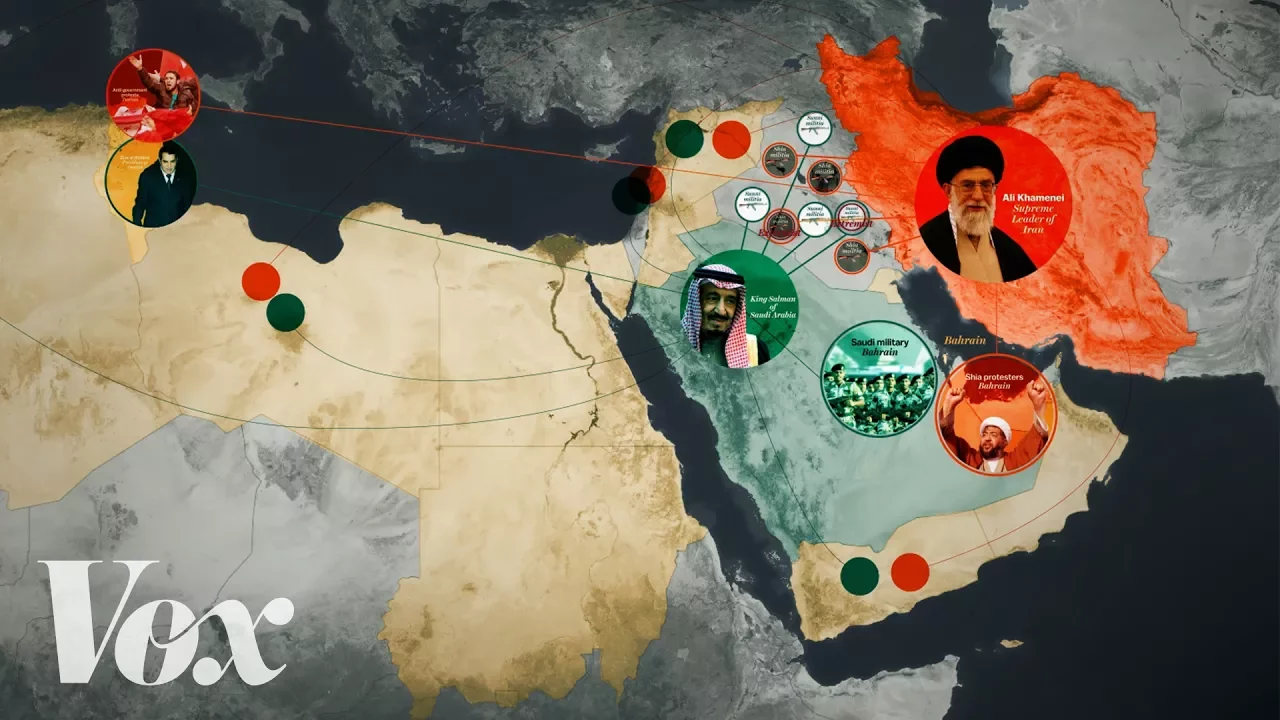
10:19
Explaining the Saudi-Iranian Proxy Conflict in the Middle East
@Vox
18.2M views•2017-07-17
Related Study Plans & Knowledge Roadmaps
Structured learning paths in Political Science
political-science
Economic Statecraft: Sanctions & Chokepoints
01Foundations of Geoeconomics and Economic Statecraft
02The Mechanics of Weaponized Interdependence
03International Sanctions: Types, Implementation, and Efficacy
+ 2 more learning modules
12h5 modules
Explore Roadmap
political-science
Central Bank Independence: Politics & Policy
01Foundations of Central Banking and Monetary Policy
02The Time Inconsistency Problem & Inflation Bias
03The Delegation Model and Designing Independence
+ 2 more learning modules
12h5 modules
Explore Roadmap
political-science
Consociationalism: Power-Sharing & Stability
01Democratic Dilemmas in Divided Societies
02Introduction to Consociational Democracy
03The Four Pillars of Consociational Design
+ 2 more learning modules
12h5 modules
Explore Roadmap
political-science
Rebel Governance: Legitimacy, Economy & State
01Foundations of Rebel Governance and Statehood
02Establishing Political Legitimacy and the Rebel Social Contract
03Wartime Economies and Rebel Resource Management
+ 2 more learning modules
14h5 modules
Explore Roadmap