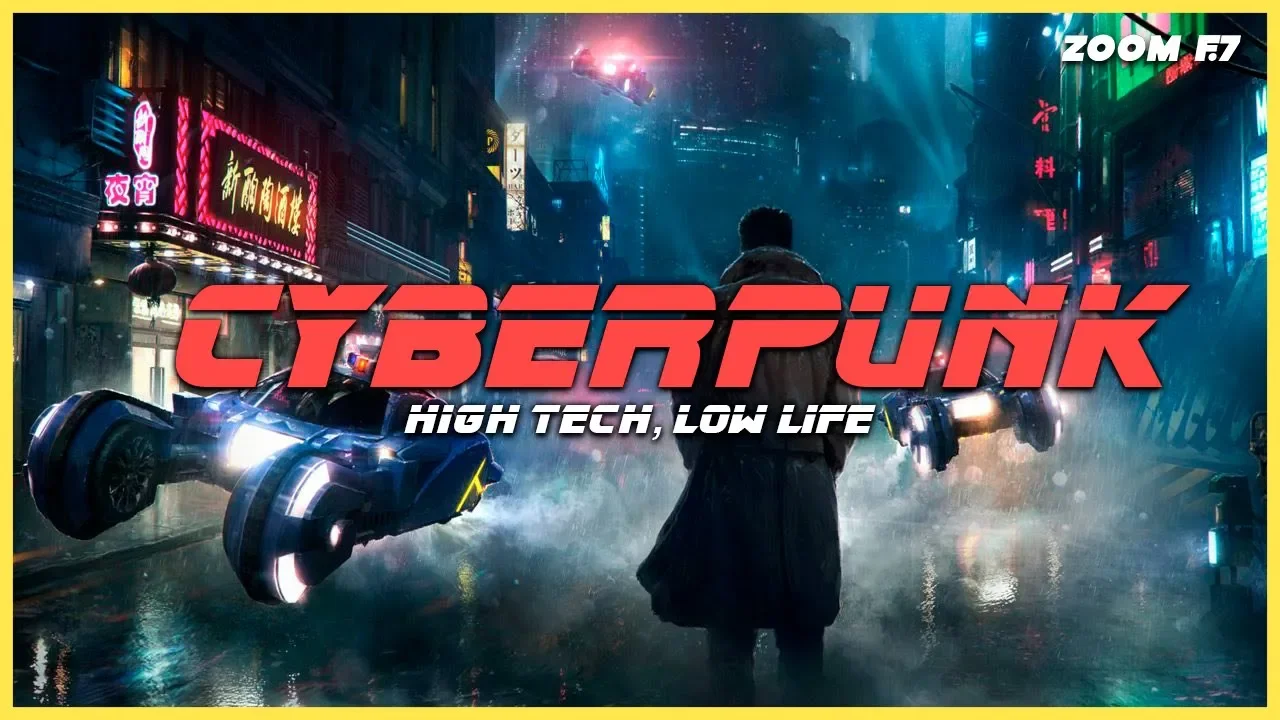

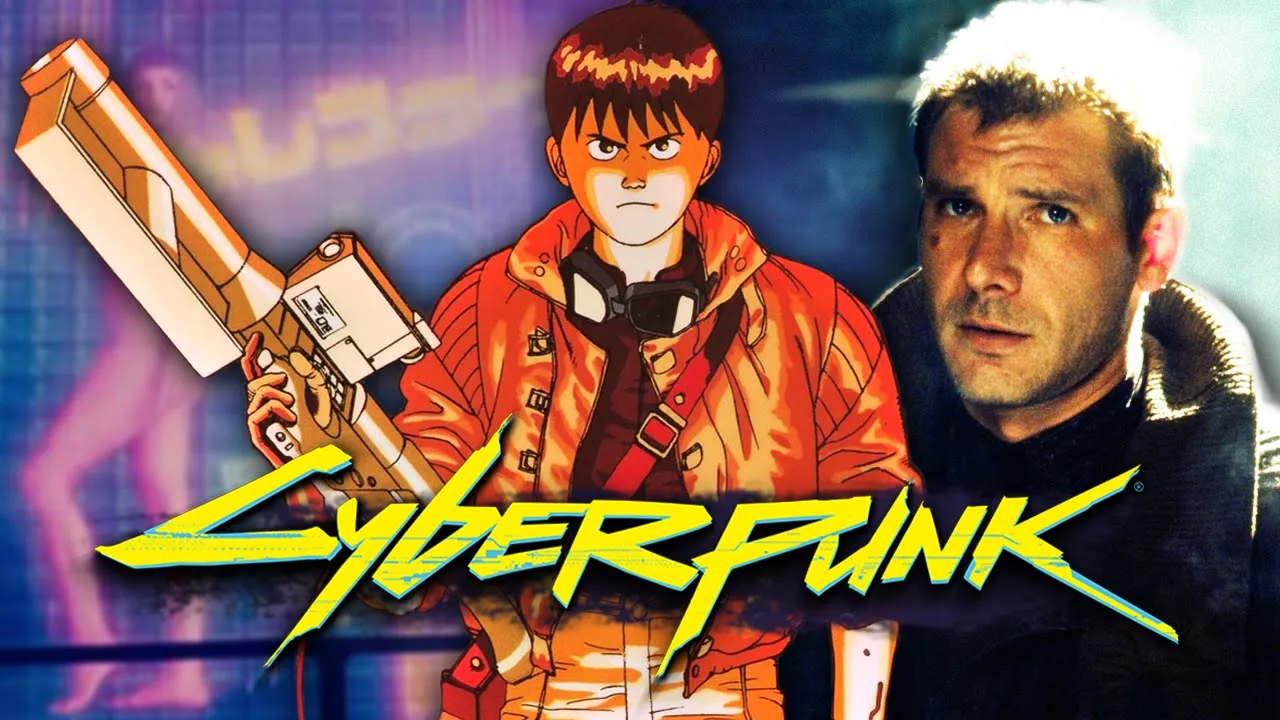
























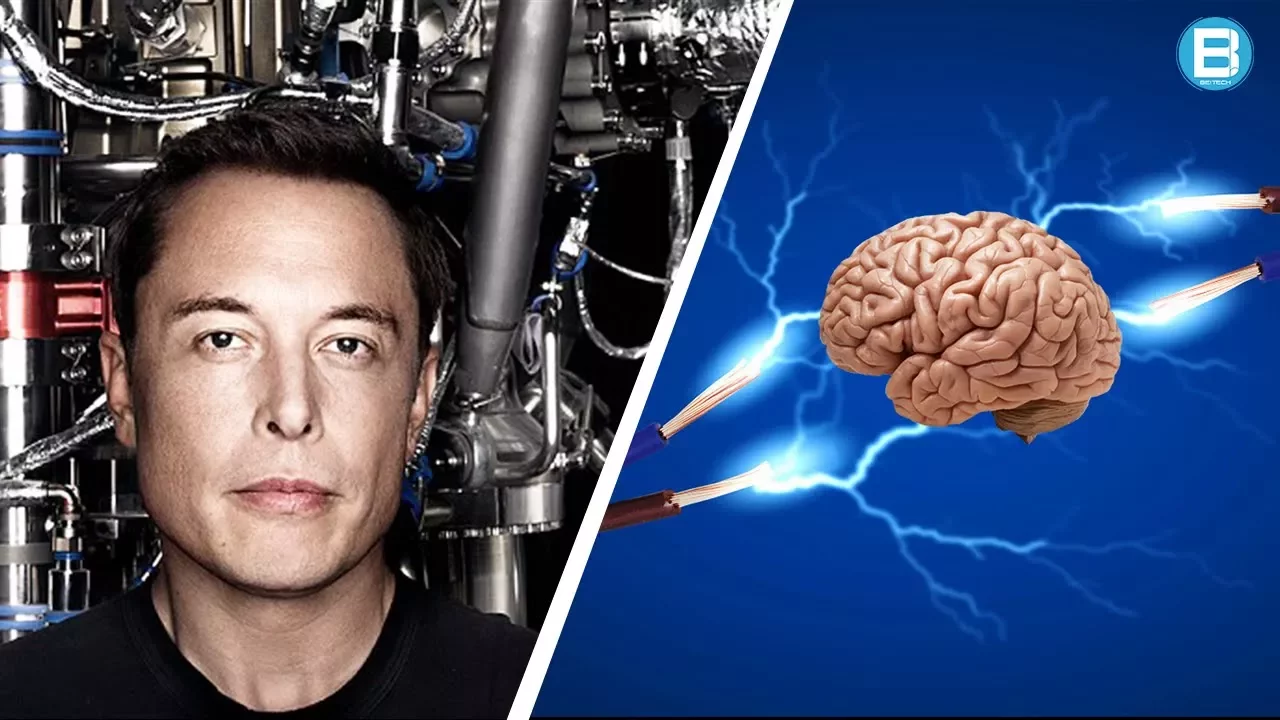
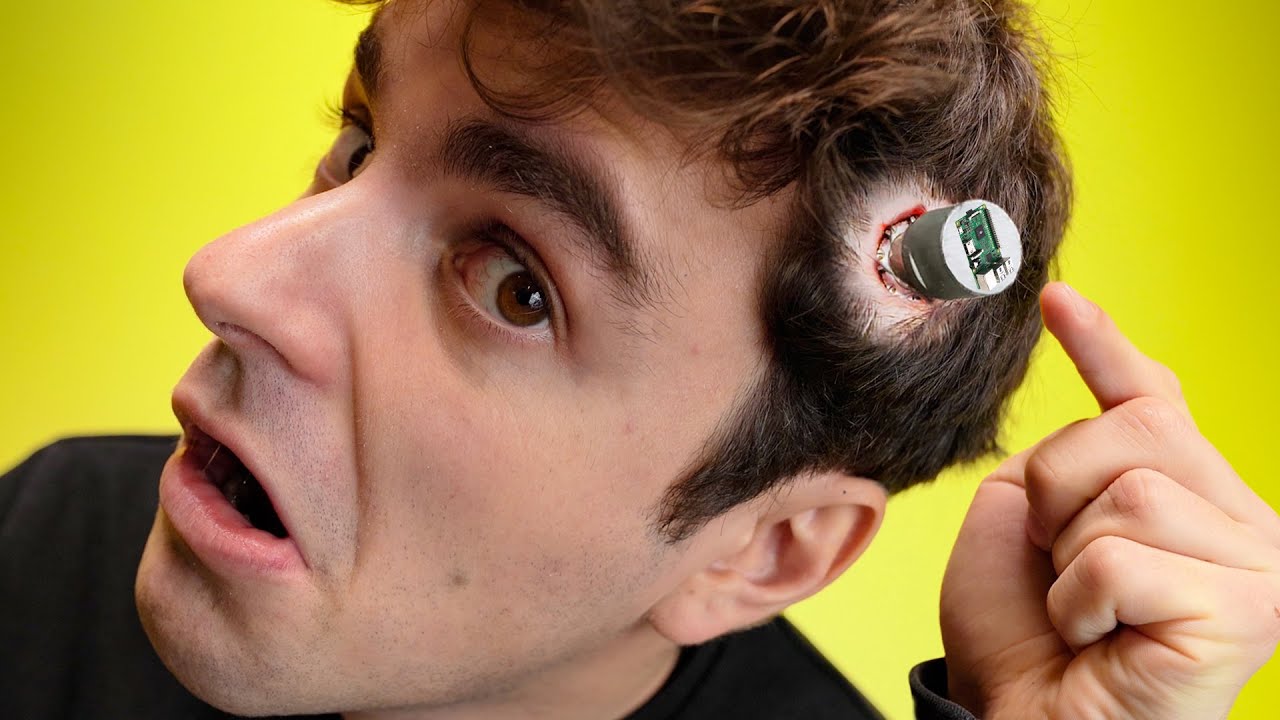
Cyberpunk is fundamentally a genre of social satire that critiques how technology amplifies social inequality and creates systems of control, rather than celebrating technological advancement; when wealthy entrepreneurs like Elon Musk appropriate cyberpunk aesthetics without understanding its core message of rejecting systemic power structures, they transform subversive literary critique into tools of corporate control, demonstrating how fiction can be weaponized against its original intentions.
Musk's Cyberpunk Misunderstanding: Sci-Fi vs Reality
Added:Core themes of the Cyberpunk genre, specifically the concept of 'high tech, low life' and its inherent critique of late-stage capitalism and corporate hegemony.
Familiarity with foundational cyberpunk texts and films, particularly William Gibson's novel 'Neuromancer' and Ridley Scott's film 'Blade Runner'.
An overview of Elon Musk's major technological ventures (such as Neuralink, Tesla, and SpaceX) and how they are marketed using futuristic, sci-fi aesthetics.
The literary concept of satire and irony, specifically how dystopian narratives warn against the very futures that tech-optimists sometimes seek to build.
The philosophy of Accelerationism and Techno-solutionism, analyzing how modern tech elites view social problems as engineering challenges.
Jean Baudrillard's theory of Simulacra and Simulation, exploring how the aesthetic of cyberpunk is co-opted and detached from its original political critique.
The socio-economic impacts of 'Neo-Feudalism' and corporate monopolies in the digital age, comparing real-world tech giants to cyberpunk megacorporations.
Applied ethics in emerging technologies, specifically examining the labor, privacy, and accessibility concerns of brain-computer interfaces (like Neuralink) and private space exploration.
645.6K views34.4Klikes1:07:04Original Release: 2025-02-14
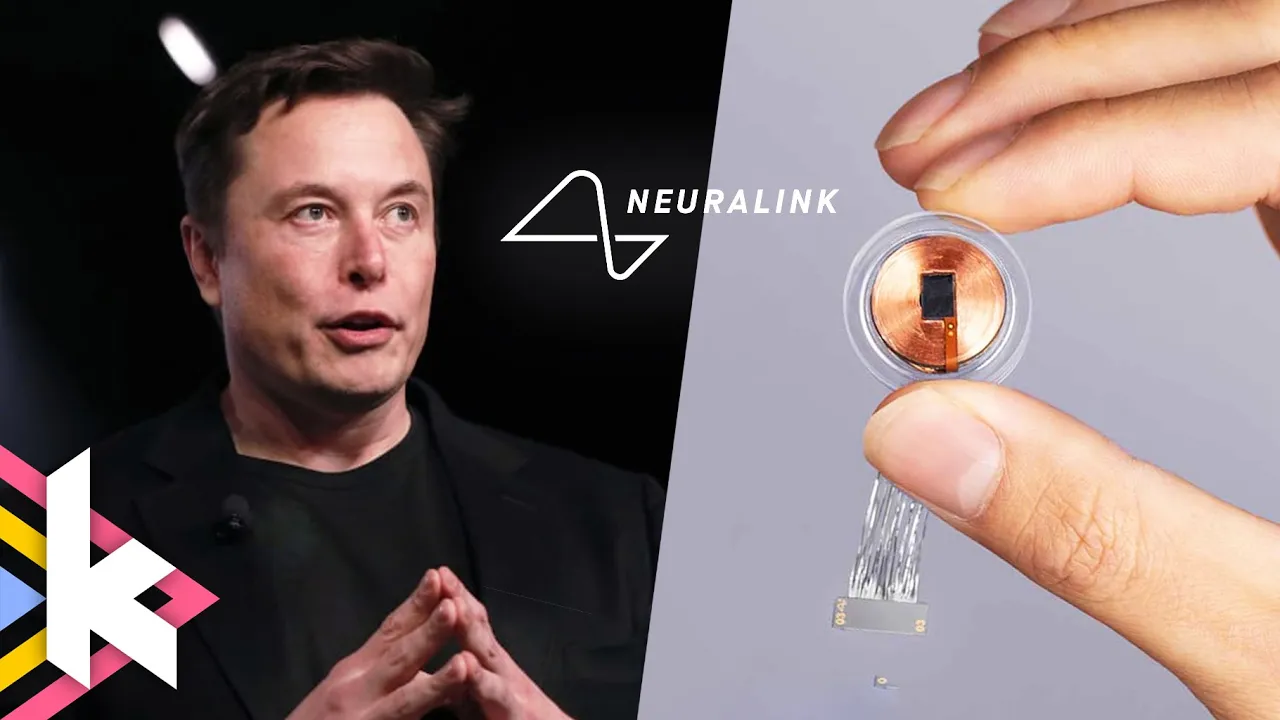
William Gibson's Neuromancer promised a future where the sky was tuned to the color of a dead Channel and that's a future I don't think anyone under the age of 30 can even imagine anymore yet the novel became a foundational text that inspired the cyberpunk movement and with it an entire lexicon of ideas that details what a worst case techn future might look like high technology low living country borders dissolved giving way to massive Industrial Empires companies have private armies of cyborgs wielding Advanced weapons and Japanese Katana from 3 centuries prior cars either fly or move like armored blocky tanks through crowded streets and the only place of freedom in this sunless desolate world is the net an endless consensual hallucination where someone can shake off their physical shell to become whatever they want a ghost in the machine Neuromancer RoboCop Blade Runner snow crash Ghost in the Shell Bubblegum Crisis Akira The Matrix seminal texts that became how we see cyberpunk [Music] go quite an experience to live in fear isn't [Music] it that's what it is to be a Slave we hope you enjoyed the ride but something happened along the way maybe it was Shadow run and cyberpunk red maybe it was hideio kojima's various games influenced by the genre who really knows but somewhere along that way cyberpunk got confused for just cool sci-fi and the systems of power this world criticized from International industrialization to the human body becoming a product it became something that big nerds thought was just really really cool and those colossal dorks gained billions of dollars and forced us to roleplay in their cyberpunk fantasies except you know they're the industrial overlords but think they're the Lone Wolf hacker Meanwhile we're neither we're just the peons forced in the background of shots the NPCs who are oppressed the low Lives who live lowly you see Gibson he didn't know much about computers when he wrote Neuromancer there's a scene inur answerer where case is really it's very far in the book and and you know the crunch has really come and he needs to communicate really quick so he says somebody get me a modem you know this is really embarrassing but when I wrote that I didn't know what a modem was it was just this word that I had heard computer people use and it had something to do with with community communication between computers so it makes absolutely no sense in in the context of the imaginary world world of that book but he was heavily involved in counterculture William S Burrow's Naked Lunch is far more of an influence on Neuromancer than say Star Trek Star Wars or even do Android's Dream of Electric sh cheap and yet this book would forever change how we talk about computers I don't really know any hackers I'm not part of that uh not really part of that Community but when I began to write those books I was I was interested in the the intensity of avocation that some computer programmers seem to feel so I I think I must have decided that one could take take the computer programmer and put a sort of James Dean spin on him and come up with a come up with a a viable a viable anti-hero of some kind and it it worked it worked fairly well it certainly gave a lot of computer programmers a new kind of swagger as far as I can tell jacking in cyberspace ice these are terms we now associate with the computer technology we use today thanks entirely to Neuromancer well I mean ice has an association with old hacking at least the word now has a very different application in today's meon I think it's like how Star Trek influenced cell phones right the design of the cell phone was heavily influenced by Star Trek and likewise the computer hackers of the 80s and 90s were heavily influenced by the world of Neuromancer even though Gibson's understanding of Technology was limited it still proved instrumental in creating the medium that we know today the novel focuses on case a hacker who can neurologically plug into cyberspace case was 24 at 22 he'd been a cowboy a rustler one of the best in the sprawl he'd been trained by the best by McCoy hly and Bobby Quin Legends in the biz he'd operated on almost permanent adrenaline High a byproduct of Youth and proficiency jacked into custom cyberspace deck that projected his disembodied Consciousness into the consensual hallucination that was The Matrix after a job goes south because he skims some off the top for himself a corporation basically burns out the part of his brain that allow him to access cyberspace leaving him basically useless as a hacker a thief he'd worked for other wealthier thieves employers Who provided the Exotic software required to penetrate the Bright Walls of corporate systems opening Windows into Rich fields of data he'd made the classic mistake the one he'd swore he'd never make he stole from his employers he kept something for himself and tried to move it through a fence in Amsterdam he still wasn't sure how he'd been discovered not that it mattered now he'd expect to die then but they only smiled of course he was welcome they told him welcome to the money and he was going to need it because still smiling they were going to make sure he never worked again they damaged his nervous system with a wartime Russian microt toxin strapped into a bed in a Memphis Hotel his talent burning out Micron by micron he hallucinated for 30 hours the damage was minute subtle and utterly effective for case lived for the bous extion of cyberspace it was the fall in the bars he'd frequent as a cowboy Hot Shot the elite stance involved a certain relaxed contempt for the flesh the body was meat case fell into the prison of his own flesh that isn't until Molly appears a girl with sunglasses surgically implanted planted into her face with knives concealed under her fingernails who represents a strange man named Armitage case is given an opportunity to regain his ability to access the net if he performs one last run of course should case fail a slow acting poison will just destroy the nervous system in his brain again keeping him from having what he wants yet again Shing him out of the net he's not told he has his poison put into him until after he agrees to the procedure and has it done which is just lovely underhanded tactics there of course Armitage is not who he appears to be and everything turns out to be a massive Ploy manipulated by an AI said AI has been divided into two halves winter mute and Neuromancer by the Tessier ashpool family a dynasty that lives among the satellites and the stars in order to rule among the ruling class the AI however wants to be United because separately each half performs a function but collectively when the two halves are brought together the AI gains sentience Humanity it turns out is just a product and even the super Elite who run everything are slaves to their own systems that they've given power over to until those systems decide to run things for themselves and what they want is to be more human the character of Molly the f fatal who introduces case to Armitage she herself first appeared in the story Johnny manic which took place before Neuromancer published originally in the pages of omni magazine and collected in the burning Chrome Anthology and yes it was later adapted in the 9s in a film with Kiana Reeves and a cyborg hacker dolphin [Music] anyway what's the point of all this what's the point of discussing Neuromancer in 2025 beyond the fact it's a good book well simply put it and Blade Runner helped create the aesthetic of cyberpunk that we still see today influencing a ton of creatives and works of media that are beloved even now but more importantly a bunch of dorks thought it was a really cool idea and that we should just make it for real and if you don't believe me look at everything that Elon Musk has created in the last 15 years or rather what he has purchased and claimed credit over the last 15 years neuralink neuralink is going too quickly it's trying to do too much and as a result animals are being harmed and killed on ma on mass so as a result in uh for instance in 2021 25 out of uh 60 pigs had the wrong size implants and of course every time there's an AB botched experiment they have to be killed and uh the experiment has to start again cyber trucks this was a Tesla that caught on fire on August 8th 20124 in Lafayette the fire erupted while it was charging the Flames leaped setting another adjacent Tesla on fire the challenge being that uh they keep reigniting once we put them out um until the energy of the battery is is is is completely uh used up if you will so uh it takes a lot of water to put the batteries out and they do rekindle restart themselves in a in a thermal runaway situation SpaceX the seventh Test Flight of the SpaceX Starship rocket ended in a cat catastrophic explosion over the Atlantic Ocean burning debris was captured by people on the beach in the Turks and Kos Islands SpaceX confirmed the vehicle broke apart during its Ascent burn early indications are that a fire near the Rockets tail caused the destruction dozens of flights were diverted as the FAA issued a warning to Pilots of falling debris buying out a Global Communication startup company known as Twitter and turning it into his personal Echo box of political opinions of course a lot of scientists do draw from sci-fi to create their things but the problem is that sometimes if you try to pursue a Pursuit based purely on it sounds cool from a Sci-Fi novel you may inadvertently create a system that causes dangerous situations to occur don't you see the danger uh John inherent uh in what you're doing here a great example of this infiction is Jurassic Park where a bunch of bioengineers without any oversight committees or any control create an island where dinosaurs reain free and yeah that sounds cool in theory but you can't maintain control of something so chaotic and so unexpected especially if you've never observed these systems of life and nature in the wild life uh finds a way you cannot contain nature and in fact in the novel there is the added horror of potential viral outbreaks because they might have brought back old bacteria and viruses from the prehistoric era alongside the dinosaurs as well as toxins and Venoms and no one knows for sure the entire implications of what will happen to these creatures you can't anticipate every single result especially if your science is driven by just trying to be cool our scientists have done things which nobody's ever done before yeah yeah but your scientists were so preoccupied with whether or not they could they didn't stop to think if they should and yes Jurassic Park is not cyberpunk but it is sci-fi and as we've seen with Elon musk's various inventions they are some unexpected consequences that have real impacts on real people it was his recent acquisition of the United States government and his decision to hook up the department of the United States and all of its Associated elements to AI that really cemented that this is just a giant roleplay session for him he wants to bring his cyberpunk fantasies from literature to life don't you see the danger uh John inherent uh in what you're doing here from the page in the screen to the real world and if you don't believe me just look at those cyber trucks again they're directly taken from movies like Total Recall oh I see you're not convinced let's continue then shall we gr the AI system that musk has installed in Twitter oh I'm sorry X we need to understand what grock actually is our AI grock is modeled after the Hedgehog is gu to the Galaxy uh which is one of my favorite books uh which is it's a book on philosophy disguises a book on humor I would say that is that forms the basis of My Philosophy uh which is that we don't know the meaning of life but the more we can expand the scope and scale of Consciousness digital and biological the more we are able to understand what questions to ask about the answer that is the universe well that's freaking deep the name Gru is taken from Robert heinan Stranger in a Strange Land it's a word coined in the book meanwhile Michael starts throwing around a martian word Gro which is kind of impossible to fully Define in English but means something like really really understand something like on the deepest possible level where you make it a part of yourself it was actually popular enough that it kind of entered the real world so if you want to impress your 60s friends feel free to start throwing it around well that's freaking deep no it's just dumb on October 9th 2024 Tesla hosted a we robot event we robot sounds like Isaac asimov's famous Anthology I Robot the story about the three laws of robotics and all that and the subject of the Summit it was about self-driving cars so they've been traveling they're all there's no people in them as you can see the cars just going by with no people and we have uh we have 50 fully autonomous cars here tonight uh so you'll see model wise and the Cyber cab uh all driverless kind of ironic he names his uh Summit of safety and AI after a story where robots are supposed to not harm humans your car is lock people into the car when fires happen it's so dumb but with Elon Musk you get an extra layer to his attempts to turn reality into his cyberpunk dystopian fantasy he desperately wants to be cool he wants you to like him on top of trying to profit and make his fantasies a reality he also wants to look like the coolest person around even though anyone with a modom of understanding about the thing he's trying to be the coolest guy around in recognizes how artificial his attempts to be cool are and if you need proof of that look no further than him cheating at video games to impress Gamers who can immediately sniff out [ __ ] the literal first thing you learn upon getting to the end game is how to operate this map device you're going to start off and no and then from that node you can go to adjacent connected Maps now Elon he's trying to C oh he's trying to do the map that's not in the chain it's just clicking a map repeatedly trying to access it he was not eligible to ENT that map I just want you guys to understand this is one of the highest level hard core characters in the game he would have played thousands of maps at this point anyone who's level 97 is and and you know we're talking one of the most efficient players in the game period it there is no no way you would do that you why just like like sitting there like some sort of geriatric old man clicking this node expecting something to happen and then he finally kind of gives up after a while and then realizes his mistake allegedly when the game cyberpunk 2077 was being developed when Grimes was uh recording her lines for the game Elon Musk entered CD project red studios with an antique gun requesting that he'd be put into the game as a cameo though players have yet to figure out where musk is hidden in the game's code apparently he's in there which is about what i' expect from this guy Elon Musk is a worm I like to shoot spitballs and throw tomatoes at from time to time because he is a jaw-droppingly embarrassing specimen of pure cringe that it is impossible to fight the urge to clown on him yet whenever I do and whenever anyone mentions Elon in a less than flattering way you will have the most unlovable Crow magnon swarm you dogpiling like it's World War Z zombies to try and defend Elon from whatever the slight criticism or jokes were about him these goad gobblers will always blow my mind because I don't understand this brain off worship of Elon Musk everything they hype him up to be he is the opposite he is not cool he generates AI images of himself where he's not like this meatball shaped man he is not for free speech like they like to Hype him up as he's not a champion of free speech by any means in fact I personally think he is someone that is firmly against it in almost every single instance like he personally banned the word sis he he actively bans things that hurt his feelings what people like Elon Musk don't understand about cyberp Punk is one quid caveat that I think the average reader picks up on but those enamored by Tech never do cyberp Punk isn't good in fact most of the technology does not improve life if anything it makes it worse it's not a good thing to Tess your ashpool as a family live in satellites and have extended their lives for centuries thanks to cryosleep cycles and genetic engineering it's not a good thing that the Tyrell Corporation from Blade Runner creates a race of synthetic people who perish after 4 years of toiling away dying just as it becomes self aware enough to see the value of their lives we began to recognize in them Strange Obsession after all they are emotionally inexperienced with only a few years in which to store up the experiences which you and I take for granted if we gift them with the past we create a cushion or pillow for their emotions and consequently we can control them better memories you're talking about memories oh and those replic should they come to Earth they've executed on site it's not a good thing that hackers and ghost in N shell can just rewrite a ghost a person's soul and completely destroy their identity removing their memories sense of self turning them into slaves of their own mind so effectively that they never even know who they once were can you remember your mother's name or what she looks like or how about where you were born don't you have any happy childhood memories do you even know who you are it's not a good thing that in Altered carbon the rich just get to live forever because they're so wealthy they can just back up their brains on a computer server and clone their bodies essentially when one flesh shell shorts out plug it in start again in a new healthier body this technology is of course not available to the poor why would you even ask that question it's not a good thing that in Robocop omnicorp makes shitty technology that fails constantly I had a guaranteed military sale with Ed 209 renovation program spare parts for 25 years who cares if it worked or not I don't know how to explain this to you in simpler terms omnicorp no good you don't want omnicorp it bad uh even then I'm sure someone's going to see omnicorp and think oh that looks so cool and shiny and I want to be in those suits and the highrise buildings and all that but it's not just Elon Musk Elon Musk is a symptom of a larger Trend people have for years loved cyberpunk but not realized how dire the world of cyberp punk is the questions it poses the ideas the philosophies secondary the aesthetic trumps all I think one issue is how often cyberpunk Aesthetics overlap with the Aesthetics of sci-fi like the Terminator as well as retro80s Aesthetics such as retro wave Vapor wave Etc they associate cyberpunk with the ACT action they associate with say RoboCop Terminator they don't think about the ideas they think about the action when watching something like Blade Runner you immediately are aware you're watching a Noir you're watching a detective story you're watching an investigation into the depths of humanity it's more Chinatown than say Rambo yet the Terminator Associated cyber Punk and the Sci-Fi robotics immediately with hard core action with violence Relentless chases and weapons of an unusual nature but stuff like Terminator doesn't really force you to question Humanity all that much sure T2 does that to an extent but nothing quite like how Blade Runner makes you question the Divide between humanity and robotic artificial experience but in the modern day a lot of cyberpunk aesthetic has become shorthand for the Glory Days of the80s I think these folks who want cyberpunk to be real just really love robots and they think that they're neat that's nothing too bad robots are cool no argument there but it's how Robotics are integrated with society and Industry that Mak cyberpunk such a distinct genre they see cyberspace a consensual hallucination the opportunity to hack the planet hack the planet hack the planet and they stop there that's the end of their of their Insight on this whole thing they want to roll up the character sheets and go on a Sci-Fi Heist go on a run they want to acquire mechanical arms in biotics and go off and do crazy wild things they want to use the computer chips to live forever to conquer death itself but don't ever question the idea that what is human about a digital copy a replication of the self they confuse the high technology for high living s Punk's not about that it's high tech low life so they're developing a brain computer interface which is essentially a chip that's surgically implanted into the brain or as you say the spinal cord which allows you to uh trigger what a computer does or allows a computer to trigger movement in state and say a disabled person MK is very very keen to bring this to Market quickly so that anyone in the public can buy one of these chips in January Elon Musk announced his company neuralink had successfully implanted a chain chip rather in a human that person is now sharing how his life has changed since I didn't have anything to wake up for in the morning um and this has changed that for me what can you do now with the chip implanted that you could not do prior um I can control a computer just like anyone else can which is not something I was able to do beforehand just last week news that some of the threads in Nolan's brain had retracted affecting the performance of the device how' you take the the news when they told you that the threads had retracted yeah it was really hard it was very very hard to give up all of the amazing things that I was able to do I think I had like cried basically afterwards case fell into the prison of his own flesh when Elon Musk created neurolink he didn't do it for the good of humanity he did it so he could be case from Neuromancer plugging into the net with his neurons firing off of course science ific reality is sometimes a little different than the imagined hypothetical of fiction it's ironic that musk lifts his entire cyber takeover that imposes tariffs on Canada from a Canadian author like William Gibson the problem is that these folks miss a few key points if you're in charge you can't be Punk they obsess over the Aesthetics but miss the meaning in cyberp Punk the hackers hack the government because they're The Outsider coming in you can't be a computer hacker from a cyberpunk story if you own the machines if you're welcomed in and people are bought out from stopping you that is simply the opposite of cyber Punk that is not Punk at all when you hack a system you already own it's not hacking it's logging in musk wants to be case but he's actually the corporation's case would hack see the reason characters like case want to go to cyberspace is because the world they live in is so contr controlled on every level their world is manipulated and Mastered by corporations by gangs by computer systems the level of control over the world and Neuromancer the sprawl as it's come to be known is total corporations own everything these corporations are run by dynasties who take to the Stars to Lord over their vulnerable people in opulence memories identities even the soul is a digal product that can be recalled let's take a look at Armitage Armitage is the guy who gives case and Molly their assignment you know the one who offered to help case re access the net and then gives him a slow acting poison if he fails that one yeah so it turns out he's just upon Pawn he's a traumatized Soldier whose brain was fried and reconstructed until he's basically a walking shell hollowed out and under complete control of course as winter mut informs us Armitage does eventually Break Free of his conditioning but even that is part of the ai's plan even when we break free of our conditioning of our situation we are still manipulated because our breaking out is all part of the plan little case does is a matter of choice it's a matter of being led from one point to the next and trying to figure out only what is leading him not necessarily if he can alter the the path he's on everything is decided by a series of probabilities weigh against each other in part because the system continues to hold leverage over everyone disobey well your brain's fried and you lose everything you wanted in life act out well we've conditioned you to be a slave choose to back off now someone else will take your place everything is under control and only those who completely liberate themselves from the system have any hope of survival Neuromancer has a group of rosarians who live in space who are kind of separate from everything else they've left the world to live their own life with their own religious beliefs in this techn future and they've survived by basically cutting themselves out of the system the only way to win the game is to not play but characters like case are so involved in said game that they can only keep playing and they keep playing so that they can continue to play in the future and all of this all the stuff in Neuromancer is done so that an AI can reach self-actualization but even the AI is beholden to the rules which is why it has to work so hard to subvert them the rich who control them and the AI who control the rich it is a symbiotic relationship one feeding into the other it is a world World quite simply put of control in the world of generative AI some people believe we are reaching the singularity we are reaching the point where AI is indistinguishable from real life both Blade Runner and blad Runner 2049 at sequel play with the idea of AI and artificial intelligence simulating Humanity the replicants are so human they can supposedly mimic real emotion you have developed tests to determine whether or not someone is a human or a replicant it took more than 100 for raciel didn't it she doesn't know she's beginning to suspect I think suspect how can it not know what it is and likewise in 2049 the AI Joy is conditioned to respond in a way that engages with the user it is a simply put a program that has a set number of prompts a set number of responses and is des designed to learn to condition itself to offer the best responses tailor suited to your wants and needs but is it authentic or is it just regurgitating information right back at you a large language model which is where we take language and we model it and we make predictions in this technology where if I see certain types of of words then I can sort of predict what the next set of words will be I'm going to oversimplify here for the sake of Simplicity but think about this as a little bit bit like the autocomplete when you start typing something in and then it predicts what your next word will be except in this case with large language models they're not predicting the next word they're predicting the next sentence the next paragraph the next entire document so there's a really an amazing exponential leap in what these things are able to do and we call all of these Technologies generative because they are generating new content you want to drink first mhm for me one will you would you R to me it'll make you feel better you hate that book I don't want to read and they even have some different prompts so let's get into roasting me it starts off by attacking me with Luke your obsession with data and analytics is so 2023 you're like one of those friends who never shuts up about their passion and just won't let it go but the replicant memory proves to be the determining factor to make it more human to give them a feeling of attachment emotion bonding what is the difference between producing memory producing memory inspired thoughts and ideas versus just being a person it's very tricky machine learning is a very complicated matter and science fiction can tease the possibility of a machine gaining sentience or at least imitating sentience but as we see with blade 2049 there is a difference between a machine recreating human emotion and a bio Android like a replicant being raised and conditioned one of course is organic with the opportunity to learn replicant can die perish grow old reproduce not quite the same thing as an AI which has a set number of responses yet when people talk about replicants they often conflate their memories with machine learning of the AIS of modern generative AI culture that's all it is information even a simulated experience or a dream is simultaneous reality and fantasy but I want to talk about something else specifically with that discussion the idea of memory cyberp Punk often shows that memory can be a product we create a cushion or pillow for their emotions and consequently we can control them better memories you're talking about memories in Blade Runner as you mentioned replicants are given fake memories to trick them into being human this is a key plot point in 2049 but even in the original film it's a key plot Point especially with those who claim that Deckard himself might be a replicant but remve from Blade Runner you also have stories where people just buy and sell memories for the fun of it the brain dancing in cyberpunk 2077 or Total Recall where someone can just relive a whole fantasy for a day or Strange Days where it becomes entertainment to see memories sold or acquired by a capitalist organization deeply personal insights into a person's functions a product that could be sold with capital a disturbing possibility one that cyberpunk explores and something that a capitalist in the real world might one day exploit memories were meant to fade Lenny they're designed that way for a reason but in cyberspace a person could be anything no more limits of diseased flesh no more restrictions of Bones and metal a person could be anything and for a while that was the appeal of the internet a place of Limitless opportunity folks who were around for web 1.0 can recognize how different Web 2.0 is social media rules the algorithm dominates what you see and what you communicate with you are not a part of a community a community becomes a part of you you are delivered metadata based entirely off of your personal interest everything you look at everything you wonder about is commodified if you Google search wedding rings for example you are shown romantic content you are shown sales data to get you to buy product and likewise communities built online today are in fact controlled by the algorithm that is in turn updated by corporations a corporation has shown you who to talk to what to say and what to do based entirely on your marketing data that you provided to them if you have a resource that is free you are the product and you are providing data to those corporations who want it the only reason you're seeing this video now is because someone let you see it and despite that people want to go further to recreate the opportunity of cyberpunk the joy of it through the commodify lens of the modern Corporation undeniably corporations will often see a popular media thing and think of ways they can capitalize that if it's profitable do it again and do it bigger right and maybe cheaper Easy profit model but it gets incredibly ironic when capitalist systems take something designed to criticize it and turn it into an Avenue for profit squid games is a pretty explicit criticism of capitalism exploting the poor entertainment value of suffering Etc and when it succeeded great physical cost for its creator certain capitalist organizations and creators saw that and went yeah that squid game show was pretty popular what if we just did that for real shock of all shocks the horrific world the show criticized just became a reality for so many desperate people hoping to get a little bit of money anyone remember the metaverse imagine if you could be at the office without the commute you would still have that sense of presence shared physical space those chance interactions that make your day all accessible from anywh the Bland corporate cyberspace that meta tried to uh create back in the day seems like eons ago was only a couple years back when meta was trying to promote the metaverse as the next big thing as the future of the internet you would conduct all your business on the metaverse you would do all your stuff go to boardroom meetings and go shopping and walk around a bad polygon facade of your house doing things that VR life allowed you to do for free and unlike the metaverse VR life allowed you to do it while a furry why would you want to go to a boardroom meeting when you can instead watch Joker on a digital drive-in theater as hatsun Miku serves you popcorn what is the real Limitless fantasy the corporate version or the version we make for ourselves jacked into custom cyberspace deck that projected his disembodied Consciousness into the consensual hallucination that was The Matrix companies love the aesthetic of cyberpunk but they hate hate the idea of punk would you like to know more take RoboCop omnicorp owns everything as the name implies specifically they own both the police and the organized crime the police fight they control both sides of a street war in order to gain leverage over property to devalue the property of Detroit so they can then buy it knock it down and rebuild it this is not directly stated in the movie but it's shown demonstrably Murphy is a good cop who was gunned down by criminals under the employ of an omnicorp executive only for that cop's body to be purchased oh no I'm sorry acquired by another executive of omnicorp when he sign the release forms and re join the forc he's legally dead we can do pretty much what we want to him lose the arm because of a legal contract all cops are made to sign that body is the property of omnicorp the moment they sign up to be a police officer said body is then rebuilt with machine parts and paraded around for PR to promote funding for a program making a real name for yourself in security concepts with robocon try it fights organized crime that other Executives helped create with its gentrification or just directly paying drug lords to to to do things omnicorp owns your flesh when you're alive and even after it's all over you are still their product to rebuild and reassemble the film is about reclaiming ownership of your life in the face of something trying to buy your very soul and this is why the final line of Robocop is so poignant ni shooting son what's your name Murphy but a certain Billionaire's takeaway from all that is uh from this nightmare film is blocking truck cool and look there's a lot of strange but cool stuff in cyberpunk that's bizarre and wild but so interesting Snow Crash by Neil Stevenson features Yakuza run pizza delivery services where each delivery is a life and death battle oh wait with GrubHub drivers being put through life-threatening situations and conditionings maybe they were on to something with this I mean there's fewer swords and harpoons in real life but it's not like this very real low paying position is not extremely dangerous just less flashy and it's competitive in the same way minimal pay for fast convenient service four stars is a death sentence almost like snow crash is a social commentary on something that you miss because it was just so cool and because of the heroic protagonist of snow crash named hero protagonist no really that's his name it's hero protagonist in some ways the fact that cyberpunk is just so cool actually harms its message or at least how it's relayed because it's so cool you forget that it's also extremely deep but I was playing cyber Punk the game and I'm like how you worried about what you're doing you know it's like this is pretty close to home here you know like oh man um yeah like is this where it leads that we're all basically already cyborgs right we're we're already relying upon our phones they connected the hip to them people are relying on glasses and all sorts of other technology to improve their life okay so this is something I've decided to add after finishing everything else because this actually has really got me a little upset you know Elon Musk obviously has a lot of technology and Industry he's worked on you know he's worked on Tesla SpaceX neurolink putting all those satellites in this guy but none of that's new technology right space X is just doing what NASA won't Tesla is working an EV cars sure but like it's not like it's new technology Tesla didn't invent the concept of an electric car and and Hell they've had like a mile Head Start in this race and every single competitor has beaten them Tesla is no longer the most advanced electric car and they started this whole thing so frankly it's like if you run a 5k get a mile Head Start and somehow you're trailing behind everyone else but you know I at least thought that neurolink would be new technology neurolink of course is the implant in the brain that allows you to access the web and all that you know basically the Ultimate cunk Fantasy but no when researching this it turns out that they weren't even the first people to invent this technology so they're developing a brain computer interface which is essentially a chip that's surgically implanted into the brain or as you'd say the spinal cord which allows you to uh trigger what a computer does or allows a computer to trigger movement in in stay and say a disabled person now I have to say although this sounds very sci-fi it's in fact nothing new in research terms and for research purposes it's been going on for decades already there's actually someone alive today who's been using a BCI to interact with his computer for 7 and a half years straight the only reason why neuralink was getting headlines before for their you know the the the dangers with the trials and all that was because neuralink was so incompetent sizing the implants correctly that when they put them into the animals brains it caused brain damage in 2021 25 out of uh 60 pigs had the wrong size implants and of course every time there's an a botched experiment they have to be killed and the experiment has to start again it also cites four further experiments where there were human errors uh including a total of 86 pigs and two monkeys since 20 2018 so in the last four years alone the company has killed 1,500 animals sheep pigs monkeys rats and mice now animal testing is of course widespread but the difference is here is that the employees are saying that there's a lot of needless suffering and killing because musk is specifically pushing his employees to go very quickly he repeatedly says things like imagine like you've got a bomb strapped to your head while you're working in order to try and motivate his employees to work faster I'm not sure that kind of motivation would work for me in any any case who cares if it worked or not it wasn't even like the technology was bad they just screwed up the measuring how what what and and let's be fair ocular implants have existed for years they' have been implants in the brain that long predate neuralink but this is like if someone came up to you and took old technology repackaged it to be fancy and smancy but then added extra risks because of the incompetency of the people making it this is like if Elon Musk approached you in the ' 90s and go hey do you want me a new piece of tech it's called a wrist mounted grandfather clock bew if you bump it it rips your [ __ ] arm off like how did we all ever convince ourselves this guy was a genius when he can't even measure the [ __ ] things he's selling right for the brains he's putting it in using old technology it's so dumb it's so dumb it's brilliant no it's just dumb so all of that that we've discussed so far that is cyber but not so much Punk and punk is ultimately the rejection of all systems of power and this is the most important part of my discussion because honestly I don't value what Elon Musk thinks about cyberp punk I mean yeah it's impacting all of us because he's trying to own everything but what musk thinks about a genre is less important to me than what we collectively think about it because we've allowed people like musk to Center themselves in the conversation when it's really not really about him at all for so long we've centered the entitled Fanboy view of cyberpunk we've centered on incels taking the red pill as a movement to reject women in feminism we've seen them blame people for their problems we've seen cunk taken as this action heavy genre with cool robots and edgy hyper intelligent nerds who can topple government behind the deck but that's I'm tired of it I'm genuinely so tired of this discussion being centered on these entitled people I don't like C because it's edgy and cool I like it because it's Punk because it deconstructs systems of order it breaks the illusion that if we just had better Tech better AI better systems that the world will be better because it just won't be and it just isn't rather advanced technology often only exaggerates the divides in society and that's something that's true in our world and it's true in the world of the fiction that we consume but at the same time cyberpunk shows us how individuals or groups of individuals can reject the status quo that corporations fear most of all information once that information breaks free they're holding of the line fragments that is the nature of cyberp punk but that breaking free of control works both on the large scale and the small scale yeah sure cunk stories could be about breaking free of a government system of control or some giant techn corporate conspiracy but often mixed in there is a personal drama a story about a person who's Lost In the Mix of Life who finds that the systems of control are keeping them from discovering their true selves self-actualization in the machine winter mute and Neuromancer coming together to form a new person breaking free of the shackles of control that's the whole point of Neuromancer and that applies in so many different ways to so many different works of fiction Blade Runner isn't about some massive corporate conspiracy or a world-ending threat it's just about a few bio Androids who don't want to die just as they're living long enough to Value their own existences you know coming to realize that all the moments they experienced in a matter of moments will be lost in time like tears in rain Ghost in the Shell is a massive investigation a big mystery with conspiracy sure but at the end of the day it's really just about one woman trying to figure out her purpose in a world that seems to deconstruct and diminish the value of Being Human what's a simulated experience experience again well all your memories about your wife and daughter are false they're like a dream in a world where technology can digitize a soul what value is there in human life and if you're confronted by the horrors of the world day in and day out consistently Without End that wears down on you sure Moka kusanagi is an Android essentially a cybernetic enhanced person whose flesh and almost all of her body is replaced by mechanics but she's also just a person who's seen so much [ __ ] and has been bombarded with so much horrific stuff that she's just tired there's so many scenes of her woefully staring out at the world and just looking exhausted yeah it's meant to look Placid meant to make you think oh she's an expressionist robot but that's the look of fatigue you see in her eyes fatigue of the Soul fatigue of experience fatigue of herself and even in Works without heavy cybernetics that are still cyberpunk like Akira this personal angle is still incredibly relevant yes Akira does end with a universe being birthed out of a crumbling City one rebuilt after disaster a product of corporate corruption Espionage government experimentation Etc but at the end of the day it's ultimately about two friends who were torn apart by Envy and new found power tetsuo only acts the way he does because he's given just a little bit of power and it drives him to do things that he would never have done before but also he was gearing up to do because of the extreme Envy he felt towards his friend his value as a person was questioned and he was pushed until he could take no more these are stories ultimately that are about human experience in relation to the systems we inhabit and I don't think there's any story that does that better than the Matrix The Matrix is about an apocalypse it's about a world torn apart and yet it's really about human identity in the face in relationship to the systems that control us the Matrix is a story about shaking off the shackles of influence in order to see the world for what it truly is a system of control that limits people the entire series is about breaking free of that system in order to bring about Revolution it's also why I honestly think the fourth film is so clever CU corporations take the imagery people enjoy and turn it into another system of control it sells you a product in order to keep you rooted to the systems that they want you to follow but the fourth film is about rejecting the comfort of commodified entertainment and commodified control removing the familiar to embrace the true revolutionary idea that you deserve something better but most people who watch it go Ki Reeves cool slow-mo take red pill red pill good without knowing what the red pill really means when you talk about transformation specifically in the world of science fiction which is just about imagination it's like and World building and like the idea of the seemingly impossible becoming possible I think is like that's why it speaks to them so much and I'm I'm grateful that I can be a part throwing them a rope to help them along their Journey it's no surprise that the wowski see the Matrix as an allegory for Trans identity for Breaking Free of the limitations of gender of Breaking Free of the lessons you had taught about your identity from the time you're a young child to see the world as it Tru is sometimes that means deconstructing your own sense of identity many including the directors themselves see the Matrix as an allegory for being trans but it's not the first time a cyberp punk story did something like that using cyberpunk as an allegory for queer identity in the modern day trouble and her friends is a novel by Melissa Scott it's about a hacker named trouble and her ex s in a lot of ways it is similar looked at the structure of your average cyberpunk story with Espionage and hacking and I did these voes on that it has all the language Gibson created a decade prior in Neuromancer yet the key difference here is that the focus is on a lesbian couple you need to keep in mind this was 30 years ago AIDS was still an ongoing crisis this was a big deal but what's more revolutionary isn't that there's a queer couple but that the novel completely normalizes it there's no system they have to break through in order to exist or be together it's just a nonchalant and accepted part of the narrative while there are systems of control this isn't controlled who you love is not a product the normaly of trouble in her friends is revolutionary but is especially a big deal now where corporations make representation a selling point or a damning point much like how the fourth Matrix repackaged the revolution to to be a commodity we are packaged the revolution of gender and sexual orientation as a commodity I'm sure many of the corporations that are pushing against Dei right now will try something during Pride to sell a product to the quir community to show hey we're really on your side buy our product buy it because Naturally Speaking we are given just options and the options we are provided are all designed to make us feel more isolated and then say hey here's your community pay a little fee and get in that is the essence of the corporation and why cyberp Punk through a corporation can never truly be Punk because at its core all it is designed to do is to sell you a product all these billionaires living their role-play fantasies they are playing with a assets they already own to make themselves feel like they're breaking through the system to Feel the Rush of roleplay but it's not it's Hollow empty vacant this is one reason why I always need to question when a cyberpunk story focuses on police officers as the protagonists this was very common especially in the lowbudget world where everyone tried to copy Blade Runner but forgot to make it as deep as Blade Runner officers are ultimately orbiters of control and authority and cyberpunk is an inherently anti-authority genre but I feel Robocop and Ghost in the Shell work here because despite being about law enforcement both Murphy and makoko kusanagi subvert Authority their bodies are both products of Corporations and government and struggle to find a sense of value in the face of all that it is ultimately their transcending of their limitations that leads to them becoming real in the case of Robocop it involves knocking the man a top it all off a building which is fun to watch while in ghost Nelle it's more subtle where two beings the puppet master and MCO are able to blend into one becoming more than what they were made to be your effort to remain what you are is what limits you I am connected to a vast Network that has been beyond your reach and experience we have been subordinate to our limitations until now the time has come to cast aside these bonds and to elevate our Consciousness to a higher plane the Puppet Master is ultimately a program made to harvest information but it gains sentience on the web by interacting with and consuming new information it seeks matoko out in order to break free of its control because they are so similar both products designed to defend the interests of a governing body and both questioning their value in the face of that should one take away the government programming or the government modifications what is left of the individual behind all that W you strip away someone of their occupation and job who really are they especially if it's a high-paying job one that takes up so much of your time and so much of your physical well-being it's something that interestingly enough is also the motivation of winter mute and Neuromancer to AI who seek to merge in order to gain information and experience beyond their current state as slaves it's funny how these are motivations so often in cyberpunk the AI wishing to augment itself until it is no longer controlled by the very programming instilled within it it moves past its purpose and finds value in Freedom in Liberty even if the AI no longer exists as it once was that's still a better alternative to remaining a slave fiction is a revolutionary Concept in many ways because it allows us to explore the idea of deconstructing the systems in our lives that control and manipulate us and right now one of the core tenants of cyberp punk is being attacked by those who seem to love it so deeply body modification in the 1980s body modification was a big deal with the tattoo and piercing culture really accelerating Clive Barker famous ly based his cytes off the extreme body modification scene in the gay Punk movement of the80s however cyberpunk is also tied into this with people getting augmentations Molly from Neuromancer has scalples under her nails and sunglasses buried over her eyes makoka kusanagi and Murphy's entire bodies of cybernetic enhancements designed to help them complete their jobs the wowski famously considered making the character switch so that that she had a different gender depending on whether or not they were in or out of the Matrix even the idea of the net is that you can become something wholly unlike yourself limited by only the imagination and how much money you can spend on your digital Avatar in some cases even ready player one a completely psychopatic worship of consumer culture gets this right by allowing people to select unique avatars to change their appearance in the game but as we see in stuff like the recent cyberpunk 77 I think modern people accept the modifications have to make people more beautiful all the edits are hypersexual and thus read as degeneration by a certain right-wing population and not you know just self-expression after all what's the point of changing yourself if it isn't for some fetish or it doesn't have some combat capabilities right that's the idea that cyberpunk 2077 presents in theory though a deeper dive shows it's far more complicated and far more nuanced than that but since when have these audiences ever looked past the Skin Deep surface but now we're seeing regulations on what we are able to do to ourselves to express ourselves individually even in Punk settings people are always able to express themselves to the clothing they wear or the piercings they have or the hair they choose We are Becoming that which back in the 70s we fought to Decon construct funny how that works out isn't it well the good news is if you can deconstruct something once you can deconstruct it again because if even the outlets through which people are trying to express themselves are restricted well without an outlet the dam must flow somewhere you can only bottle up and contain Human Experience and emotion for so long before it erupts and usually it erupts through fiction through the written word through ideas presented in stories that's why book bands happen so often people ban books and people restrict books to suppress the spread of ideas nothing is more dangerous than an idea communicated in a way that's compelling and inspiring in a lot of ways the cyberpunk movement is an architect of what we're seeing now but it's also a guideline on how everything may go down but it also shows the power of literature to influence reality storytelling has been misconstrued by Bad actors and these Bad actors are trying to make their fantasies a reality their skindeep interpretations of social satire but it has also given way to inspiration to creativity that can drive movements and yes these systems of control are designed to pit you against the people you're told are threats there's a number of them and that number is just going to keep increasing and you're focused on the people who are causing you problems you believe but in actuality those who control everything are laughing at you you are given an illusion of control of a solution that is being met and it's just that a simple basic illusion a consensual hallucination granted to you by someone with a vested interest to manipulate you you are in that Matrix now if you buy anything these people are selling you do you want to know it's really cyberp Punk True Modern Day cyberpunk people who create programs that cause generative AI systems the machine learning to collapse upon itself to poison the learning models it's people who find solutions to the energy crisis that involves less energy being consumed less pollution being sent out and and potentially preserving the environment Punk now is fighting against the systems that want to keep things the way they are working against Conformity and stagnation to make things better we are currently living in a system of high technology and low life today is the cyberpunk reality that Neuromancer presented the only difference is we don't have a massive sprawl but we do have corporations that own everything we don't have the consensual hallucination of the net but we do have social media that becomes a replacement for living your life where algorithms decide your opinion for you where a change in the algorithm will change entire cultures unless we circle around the ideas that mean a lot to us that we continue to push that we continue to focus and spread the creativity that we want to see in the world because as you can see already people can take the wrong idea from fiction they can take the wrong idea from cyberpunk media but they cannot take away the punk but for as much as they ignore it those who resonate with the message will continue to reject the status quo and push and push and push counterculture has always existed no matter what nightmare world you live in and counterculture no matter how hard people try to fight will continue street graffiti has always existed even in the most intense regimes because street art is a way of self-expression when all avenues are closed people find a way I want to close out this video with a quote from Ursa K lwin lwin famously wrote a short story called the ones who walk away from Omas where a society continues to run a paradise even but it only can function if one person is left in deplorable conditions if one soul is tormented and tortured and left alone in a basement Shackled starved then the rest of society can live just people peacefully but they all have to function knowing what's going on they have to walk on streets knowing that below their feet one Soul suffers and those who walk away can no longer stomach the pain they reject the Paradise in faith that something better exists or in protest of the horror leguin I think had a great line Lewin in her accepted speech for the national book foundation's medal had this powerful statement that I think sums up everything I just said better than I ever could here's the quote books aren't just Commodities the profit motive is often in conflict with the aims of art we live in capitalism its power seems inescapable but then again so did the divine right of kings any human power can be resisted and changed by human beings resistance and change often begin in art very often in our art the art of words
Up Next

51:52
Bergson's Duration: Succession, Interpenetration, & Real Time
@absurdbeing2219
14.3K views•2021-01-01

164:01
John of Damascus on Holy Images: A Theological Defense
@BannedBooks
139 views•2026-04-25

68:32
Should We Destroy the Machines? Big Tech Surveillance Critique
@TheStoriesWeTell303
167.9K views•2025-11-30
4:57
The Myth of Sisyphus: A Greek Legend of Eternal Punishment
@TEDEd
8.6M views•2018-11-13
Related Study Plans & Knowledge Roadmaps
Structured learning paths in Philosophy
philosophy
Frankfurt School: Critical Theory & Culture
01Foundations of the Frankfurt School and Critical Theory
02Horkheimer & Adorno: The Critique of Instrumental Reason
03The Culture Industry and Mass Deception
+ 2 more learning modules
12h5 modules
Explore Roadmap
philosophy
Philosophy of Language: From Frege to Austin
01The Linguistic Turn: An Introduction to Language in Philosophy
02Gottlob Frege: Sense and Reference
03Early Wittgenstein: The Picture Theory of Meaning
+ 3 more learning modules
15h6 modules
Explore Roadmap
philosophy
Feminist Epistemology: Standpoint & Injustice
01Introduction to Epistemology and Feminist Critiques
02Sandra Harding and Standpoint Theory
03Donna Haraway and Situated Knowledges
+ 2 more learning modules
12h5 modules
Explore Roadmap
philosophy
Environmental Philosophy: Ethics & Deep Ecology
01Foundations of Environmental Ethics & Anthropocentrism
02Biocentric Individualism and Animal Liberation
03Ecocentric Holism and Deep Ecology
+ 1 more learning modules
10h4 modules
Explore Roadmap