





















Henri Bergson's concept of duration (la durée) describes time as a lived, qualitative experience characterized by the mutual penetration and interconnection of conscious states, rather than as an abstract, homogeneous dimension like scientific time; duration involves the continuous progress of the past that gnaws into the future, making every moment genuinely new and unpredictable, with change being fundamentally irreversible and constituting genuine creation.
Bergson's Duration: Succession, Interpenetration, & Real Time
Added:Introduction to the Philosophy of Time: Understanding classical views of time as a linear, measurable, and objective dimension (e.g., Newtonian absolute time).
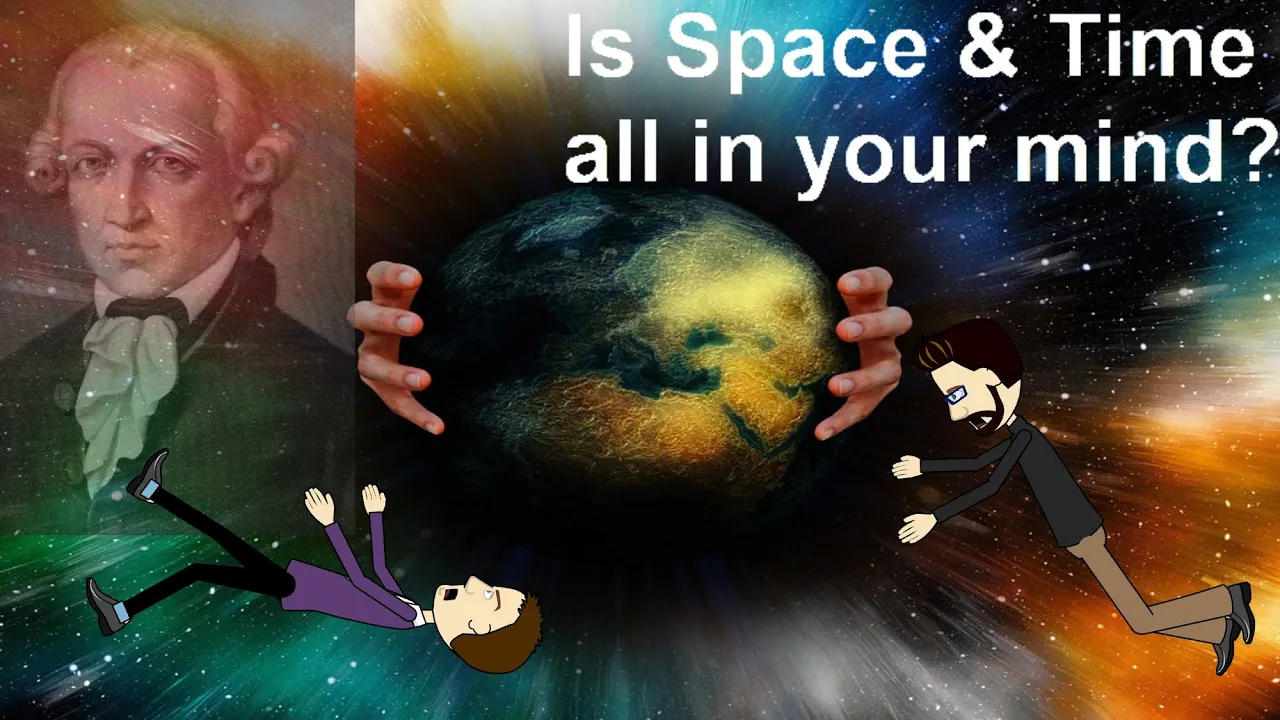
Kant's Transcendental Idealism: Familiarity with Immanuel Kant's view of time as an a priori form of intuition used to structure sensory experience.
The Distinction Between Quality and Quantity: Grasping how qualitative differences (differences in kind) differ from quantitative differences (differences in degree).
Zeno's Paradoxes of Motion: Understanding how treating motion as a series of static points leads to logical contradictions, which Bergson seeks to resolve.
The Bergson-Einstein Debate: Analyzing the famous 1922 debate between Bergson and Albert Einstein regarding the philosophical vs. physical definitions of time.
Bergsonian Evolution and 'Élan Vital': Exploring how duration applies to biology and metaphysics in Bergson's seminal work, 'Creative Evolution'.
Deleuze's 'Bergsonism': Investigating how Gilles Deleuze revived and systematized Bergson's concepts of multiplicity, the virtual, and the actual.
Modernist Literature and Stream of Consciousness: Examining the influence of Bergson's duration on writers like Marcel Proust, Virginia Woolf, and James Joyce.
Process Philosophy: Transitioning to the study of Alfred North Whitehead and others who privilege change, event, and process over static substance.
14.3K views342likes51:52Original Release: 2021-01-01
hey everyone nathan here absurd being all right henry bergson duration is what we're into today before i do actually i did say at the beginning i think two videos ago the this this series i'm not going to kind of work my way through any one book in particular i'm certainly not doing like a chapter by chapter breakdown but there is i am just basically following bergson's thought through time and free will and then we're going to look through moderate memory and then finally we'll go through creative evolution so i'm really following bergson's timeline anyway um but it's it's it's not a kind of i mean if you're thinking of reading along or if you're um trying to kind of anchor these videos in something um i am really following following those books although very much unlike heidegger and sartran and co i'm not doing a um kind of chapter by chapter breakdown i'm more focused on the bigger the bigger ideas i think anyway um that's just kind of a side note so we're still we're looking through time and free will and we're going to be looking at duration today and we'll start with space so space we're just going to flesh this idea out at the beginning here because it's going to be something we will contrast to duration so there are two kinds of space that that bergson is interested in the first he calls the perception of extensity and this is basically an original lived spatiality which is experienced as being full of qualitative differences bergson calls that heterogeneous an important word for berks and it comes up again and again and it comes up in distinction in contrast to homogeneous so those words are good to kind of become familiar with um so this kind of this this sense of space is something that we live it's not something that we we abstract it's not something that we we conceptualize it's it's it's our lived way of um being in a space being in a space with other things being anchoring ourselves orienting ourselves in our environment so it's a live spatiality and it has these qualitative differences and you can think about this perhaps an easy way to think about it is is the difference between right and left if you have if one hand is dominant so i'm right-handed the right hand feels different to me from the left things on my right side feel different from the left it's not just the two the two aren't equal the two aren't um kind of i i can't do what i can do with my right with my left is equal equally as well if i if i go to throw a ball it feels natural if i do it with my right the left side it's it's kind of strange so and that that that carries over into um the way that i kind of subtly perceive my orientation in the world relate in relation to other things the right side just feels a little bit different from the left i don't know my right as being different from my left through kind of thinking about it it's a natural lived difference and that's just a small example of of this these qualitative differences that um a lived spatiality has the hetero heterogeneity of of a lived spatiality obviously milo ponti picks up on this and talks about this as well in phenomenology of perception he talked he talked about this in a number of different senses one was uh with tribes people kind of because primitive tribe tribes people who um when they think about the location of their clan encampment it's it's associated with this feeling of um a kind of a peaceful feeling it's not just another point on the map it has an effect of quality to it um and you could say the same thing about many religious believers today right the the church has a different feel where the church is it's not just another building it has some special kind of feeling associated with it an affective quality mecca is a great example right so important that um muslims have to orient themselves in the world in relation to it or they have to direct themselves to it to to to go through that the prayering the that's right the ritual the prayer ritual that they um that they do so again location it's not just not just a compass point it's uh there's a feeling associated with it um and so that's apparent in many different ways in everyday life the example that bergson gives which is a good one is animals or navigating through um however they do it whether it's magnetic line magnetic fields or whatever it is the directions aren't the same for them that one direction has kind of a privilege over others depending on what they what they're doing so if they're trying to get back home many animals are able to navigate follow a straight line basically back to back to their their home and however it is that they're able to do that that line back to their home is obviously it has a different feeling from other directions and so that's that's this lived spatiality the other kind of space um bergson calls a conception of space and so this is space which we we're conceiving as we're conceiving of it as a homogeneous medium which makes abstract objectifying thought possible because because it gives us a background on which to juxtapose things to each other we talked about this a little bit in the last video with psychic states they're intensive they're intensities but we tend to spatialize them and it means that we we end up thinking these psychic states are measurable that they're quantitative when in fact they're qualitative and intensities rather than this this kind of something that can be analyzed and measured and quantified um so okay conception of space it's an abstract homogeneous background so every point in this abstract manifold that we we're imagining when we think of space in this way is the same no point is privileged no point is special every every point is just another point with a with a coordinate which with a set of coordinates which directs us to that which which um individuates that point amongst others but there's nothing special there's not nothing else special about it it's just just like the same as every other point on on the on the plane whatever it is that we're thinking of so that this kind of space it's an abstract way of thinking about something it's not a real space this this conception of space doesn't exist anywhere it's it's an abstract tool that we that we invoke whenever we want to objectify whenever we want to analyze something so it's no longer within the world it's not a part of the lived world it's i've written it's not contaminated with our qualitative feelings it's this kind of pristine idealized model and this kind of space is only available for highly intelligent animals or animals capable of higher kind of cognitive functioning and so it's connected with the intellect and that's a nice um contrast we've always said before space's perception of extensity all animals have this you don't need any special kind of cognitive abilities it's present for all animals this one however this abstract conception of space is only available for animals with with a with a higher degree of intellect so with that in mind let's turn to duration okay duration so um first of all perhaps perhaps why the word duration why did bergson shy away from the word time the reason is basically because actually let me just let me just get into it and then i think it'll be clear so when we think of time we usually think of time as this as a dimension right another dimension like space so it's a static background homogeneous medium in which events unfold it's like a container through which we're moving when we think of space in the same way this kind of background which which plays no active role in in what we do it's just this each point is the same is the same as any other point no points are privileged no moments are privileged doesn't mean it's a fundamental idea in science right that's what it is to be objective um but if we when we think of time like this we think of it as this this kind of background medium in which things happen then it actually means that all of those individual moments in time coexist right we're kind of it's like a timeline right you've got the past here the present here in the future there all of those moments we can see before us at once so all of those moments coexist which means there's no actual duration nothing is actually enduring through time and if that's the case then there's no time because that's fundamentally what time is it's that enduring that sense of persisting through that sense of persistence a sense of living if you get rid of that if you replace it with this abstract idea of time as a timeline or time as as a dimension similar to space then we can we can easily throw up every moment on this on this this ruler and uh all moments coexist we're no longer engaged we're looking from the outside as a spectator and if we have that situation there's no sense in which time is happening time is not flowing at all and if time's not flowing it's not time it's space and so that's that's the way that we normally think of of time as the static background which which we can project in front of us past the present and the future and if if we have that idea what we've done is spatialized time and it's the same as we talked about just before space perception of extensity and the conception of space where you've got duration which has lived it's uh along with that perception of extensity it's qualitative it's engaged it's it's something that that is experienced right as opposed to over here the conception of space and the conception of time the scientific and the the normal the typical understanding that we have of time is just another dimension it's it's something that is it's an abstract idealized conception it's not what we fundamentally live and if it's not what we fundamentally live it can't be metaphysically true right so we're living in reality if our description of reality doesn't match what we're living then we've got a problem but that's what we have we kind of have that situation now we've got this pristine idealized scientific account which again there's i'm not criticizing science at all but it's not describing fundamental reality it can't be because it's excluding that's a reality that no one lives no one can live in that reality it's an idealized conception it's an abstract model but it's not what we actually live and so these ideas you get space and time they don't map on to what we actually experience and and there's that that divide and it's kind of um i think it's come to the fore with consciousness because there's just no way to bridge that gap and so we're talking about pie in the sky notions like emergence which doesn't mean anything doesn't explain anything or integrated information which again i can't see it going anywhere because it's just ignoring the fundamental divide that's there that we're trying to to to bridge something which is fundamentally lived fundamentally experienced with with a static um abstract model and uh i don't think it's going to work there has to be a complete reevaluation of of the the situation anyway i've drifted so time without this sense of duration time without the sense of persisting or enduring is actually space which brings us to duration duration itself and let me give you a quote pure duration is the form which the succession of our conscious states assumes when our ego lets itself live when it refrains from separating its present states from its former states okay so the a couple of important things in that quote um it's interesting actually bergson's not he doesn't it's not describing he's not defining duration he's talking about duration he's talking about our conscious states actually our psychic states and and the the way that our psychic states succeed one another there's that there's a um there's a flow with our psychic states that is a kind of duration that's a that's the form of duration that our psychic states go through so succession is key succession is important in duration there has to be this um progression there has to be a flow a flux a change from one state to another if if you don't have that pretty much obviously right you don't have duration you don't have time you've got space masquerading as time so succession is important there has to be a succession we we saw this in the end of the last video as well with the bell the ringing of the bell each bell each um each peel sounds one after the other so there's succession there and that's a form of duration and not just succession though you have the succession but where we don't lock ourselves into the present and separate the present from other states so duration is the succession but it's also this kind of a wider broader um into it no that's not that's not that's not a good word a broader sense of an awareness of prior states and perhaps future states to come so it's not locked into this present moment again typically how we think of time right we think of time we're locked into this present we're always in the present it's never the past or the future past is just the memory the future is just expectation the only thing that's real is the present but that that's a that's an idealized conception of time right no one lives that no one lives locked in the present moment we're always our prison is always informed by the past it's always our past moments always carry through they bleed into the present if they didn't we wouldn't be able to live we wouldn't be able to function and and these as they bleed into the present we the way i described it before is i'm leaning into the future at the same time so i'm not locked into this this single moment i'm a broader temporal existence let's say so we refrain from just separating ourselves in this locking ourselves into this present separating ourselves from other other moments other states and that's that goes against kind of the the normal everyday sense of time but also things like buddhism which is which focuses on the present there are elements of buddhism i think in fact a lot of buddhism is very complementary to science and very it overlaps with science in a number of places which which is why it has a lot of respect i think in the west but but again here the buddhist idea the present is the is the only is the only thing real you only ever live in the present that's just not true we don't live in the present we're not locked into the present where um we are a broader temporal we we have a broader temporal existence than that but having said that so where this we span this this wider temporal field but we're not explicitly positing each of these states right so there's only one state present before us at once that's what it means that's what a succession is if you if you don't have if you have more than one state before you at one time it's not a succession anymore then it's space you've just thrown everything up against the wall and you can see it all clearly laid out before you but there's no enduring there right so enduring there's a succession there's only ever one state before you but there's a there's an awareness of these other states that have gone before and these other states that are coming um but it's kind of well to to go with milo ponte and sartre it's non-thetic it's not explicit we're not explicitly juxtaposing these states we're not putting them up one one by one you know in front of us we're not laying them out which would be to spatialize time which would be to lose what we're trying to look at which is duration which is time rather they instead of juxtaposing them like that we have this kind of awareness this um non-theftic awareness of them other states uh and the way that bergson describes this he doesn't use the word non-fetic that that's i don't know where that came from i first heard it in sartre i'm not sure he coined it though but both sartre and mello ponte use it um but he talks about bergson talks about the past and the present coming together into an organic whole in which the past is gathered up without being explicitly posited so we've got this organic whole which means that we're not looking at individual moments individual states or individual elements in the succession but they all and they're all kind of they're all there in the present moment so i when i'm listening now i'm only hearing the single peel of the bell the single ring of the bell but that ring it contains all of the rings that came before it they've all kind of they're all interconnected in this organic whole and that is how i'm going to well that's how bergson's going to describe it in this next quote i have which is which is more which is the better i think definition of duration itself so anyway it's uh he says duration is a succession without distinction a mutual penetration an interconnection and organization of elements each one of which represents the whole and cannot be distinguished or isolated from it except by abstract thought and that is exactly what i was just getting at the succession but a succession without distinction there's only ever one moment present but that moment is it's interpenetrated it's interconnected with all the other moments we we see the whole thing together we get this organist picture of an organic hole and we can't break it apart without going into abstract territory without um without losing what it is that we're focusing on here whether that we're interested in duration the psychic states the the um how they're how they appear for us as soon as we we we break them down by you know state by state then we we're juxtaposing them we're we're abstracting them we're spatializing them and that's again something that i remember i remember saying those almost those exact words and um in the videos on milo ponte somewhere as soon as we abstract as soon as we break something apart we've lost what it is we're looking for we start looking at a reflective representation of the thing an idea of the thing rather than the thing itself so anyway what i wanted to focus on or emphasize in that quote duration is not just succession but it's that mutual penetration of elements of states and just an interesting kind of side note is i i feel that that that um description that uh that process the succession which is um the succession of states which in which uh are interconnected the way that person's talking about i think that is what consciousness is that's what it's what um kind of makes consciousness conscious if you like and i'm working on a series of articles at the moment which i'm trying to kind of disentangle the uh the mess that that is consciousness at the moment and uh and i'm doing it through through bergson through this idea of duration and now i think it's really interesting he's i i think that this is very um it's just everything just comes together so nicely in bergson in a way that i haven't seen before you get this from a phenomenological perspective in heidegger and milo ponte and or that maybe a little bit less with such actually but um but here he's this is pure metaphysics now so he's really looking at describing what reality is not just our phenomenological not just reality from our phenomenological perspective but but uh reality itself so uh so yeah it's just it's all good this is this is great stuff um okay let me keep going so psychic states originally endure or they succeed one another into penetrating each other in this way that that makes an organic whole but when we think about them we necessarily we necessarily conceive of them as coexisting simultaneously in a certain order and when this happens we have spatialized duration so what's important in there is that we necessarily conceive of them in this way and this makes kind of duration a little bit tricky to um to to touch if you like to to grab because when we when we use the only tool we have for thinking which is our minds we automatically go spatial we automatically think in in terms of space that's just the way our brains work or our minds work um and so it's the only way we can think about things is through this spatial approach this analytic abstract approach if we didn't do that we wouldn't be able to think where would be we'd be like the animals just um would be navigating through space in that you know perception of extensity through space as a perception of extensity but but we wouldn't have the capacity for abstract thought we wouldn't be able to think about what it is that we're doing and that's that's that's our gift but it's also our curse because when we do that when we're thinking about something like duration to think about it in the first place to intellectualize about it to abstract that in itself negates duration that that act negates duration so the act of thinking about it um dissipates the thing we're trying to think about which makes it kind of a tricky thing to to to get your head around and you kind of have to approach it obliquely you have to look at it kind of from the corner of your eye because if you look at it directly it disappears if you try and think about it kind of the way that we normally think about it and there's no other way to think that's that's the trick here there's no other way there's no special way of thinking is the way there's only one way of thinking and that's a spatial way that's a that's a logical way um it's it's kind of like and i really think there's uh this is the the tao taoism the tower that the what is it the tower that can be spoken of is not the real tile something like that but uh that that applies so well here duration that you can speak about that you can think about is not the real duration that duration is something that can only be lived it can only it only works in inner life in a lived situation abstracting it out from that situation immediately loses what is essential what's intrinsic to duration um and i just want to go through another example that bergson gives here he talks about a pendulum swinging backwards and forwards and imagining keeping that in your mind he says i shall perceive one and the other each permeating the other and organizing themselves like the not the notes of a tune so as to form what we shall call a continuous or qualitative multiplicity with no resemblance to number i shall thus get the image of pure duration but i shall have entirely got rid of the idea of a homogeneous medium or a measurable quantity okay cool so pendulum swinging backwards and forwards when i think of it when i perceive it when i live it each of those swings permeates every other swing it's i there is no um isolated single swing each swing is part of of a greater whole like the notes of a tune and that that's probably the best example it's funny you didn't use that example herself used that and really really hammered it out i think nicely with the melody a malady doesn't make any sense unless you've got a broader focus unless you know if you're locked into the present note then the what about then there's no melody there right there's no melody in the individual notes melody comes from the notes flowing each note and being interconnected with the note that came before it and that and that is is coming after it and we're kind of the melody leads us somewhere even as it came from somewhere and we're aware of that that's what it is that's what duration is that that's what it is to be to live your time not just to abstract it out there not just to spatialize it and that bergson calls i almost called him milo pontia i did that in the last video too that bergson calls a qualitative multiplicity so it's a multiplicity because you've got you've got a succession right the pendulum swinging 10 times 15 times but it's qualitative in the sense that we are we've we're aware of it we've got this broader sense of of the present swing in a in a broader in a in a greater whole and that's that's what duration is same idea as the bell ringing um so yeah important pure duration cannot be measured because it's not a quantity exactly the same as we saw with intensities intensities of psychic states they can't be measured because they are purely qualitative we think they can be measured we think we can count them and and treat them like number like uh objective quantitative data but that's only because we've spatialized them already as soon as once we've spatialized them yeah we can we can go ahead and measure and count and do all those wonderful things with that put them into equations but as as as the experiences that they actually are they're qualitative they're not they're not um quantitative so i like that that that term qualitative multiplicity it's the multiplicity we talked about at the end of last the last video it's the second kind we didn't i didn't use the word qualitative multiplicity i think i just called it the multiplicity of psychic states but that that's what it is interesting um point which we're not going to drill into here but we will come back to is we've got this idea duration succession of psychic states that all and to penetrate each other but how do they melt into each other like this how is that affected that's a good question and berkshire answers it by saying memory with with the word with the um capacity memory so memory is i think of memory as the the engine of duration the driver it's what it's what allows those states those separate states to interpenetrate like this to to connect together into a hole and we're gonna we're gonna spend a little bit of time on memory a little bit later but uh but that's coming anyway so just just be aware of that i'll give you a couple of a couple more definitions i think just to just because they're nice um bergson talks about these quite nicely duration he talks about it as a synthesis of the past and the present with a view to the future again that idea there's a connection there's a past and the present these states are blended together in some way into a whole and with a view to the future and that's it's it's there in bergson but it's very much understated he he doesn't pay much attention to the future which is interesting because heidi is the exact opposite right for heidegger the future is is the the main ecstasy the other one's past in the present that they're important obviously they all they're they're all intertwined but for heidegger it's the future that's the key for bergson very much it's the past and we'll see this when we talk about memory a little bit more as well but but it's just an interesting interesting thing to think about one last definition and this is from creative evolution duration is the continuous progress of the past which gnaws into the future and which swells as it advances just a nice description i mean these people all of these philosophers they have these the philosophers that we've been reading they all have this real knack with words and that's a nice description continuous progress of the past gnawing into the future swelling as it advances beautiful one consequence of this and this is going to lead us into the last section of this video is that it means change is constant duration is the continuous progress of the past so one thing that is is underlying this is the idea of change becoming and creation and bergson talks more about this in creative evolution but what i want to say about this is quite small and and it ties in nicely with duration so um we'll look at that now right basically change creation and becoming essentially these are all three facets of the same thing three kind of um and and that thing is duration so it's underlying um duration's underlying these three notions and that's the way i've described them here that's kind of consequences of bergson's idea of duration so let's have a look at some things there are a few things i wanted to say here the first is that change obviously occurs in between psychic states so we're kind of restricting our discussion here of duration to psychic states for now so change occurs obviously in between each psychic state so the succession of psychic states there's a change in between them but change also is taking place in each state itself so whatever it is that's succeeding whatever whatever elements are succeeding each other in addition to the change in between each element there's also a change in within each element uh every state is itself constantly changing because just to exist is to change um and that means and that's again just a consequence of the fact that every state is enduring fundamentally enduring so not only are the changes there change in between states but the states themselves are constant constantly changing they are constant change um and that i mean i've already said it it's a key element but um this idea of continuity in books and becoming there is no um nothing is static in books and everything reality psychic states even even um the natural world is is in a continual flux there is no there is no stasis in bergson let me give you a quick quote duration means invention the creation of new forms the continual elaboration of the absolutely new and that's from creative evolution [Music] and it's a nice quote for this section because it lets it leads me into four points that i want to make four points that i want to make first all change is creation of something new [Music] and that's that follows from the the fact that every moment every current every present includes the whole of the past behind it so that that's this idea of all moments into penetrating each other into an organic whole right it means that every every moment is brand new simply because it's it's this moment plus everything that came before it and it's a continual pushing into um the new so even if this moment has happened before right everything is identical but because this moment it's not the first time because it's happened before in the past it's no longer it's not the same just that is enough to make it to make this moment different from the last moment or from this state of affairs different from the prior time the same state of affairs occurred because this state of affairs includes that prior identical state of affairs so when whenever you you factor in the past into the into the present in the way that berkshire does here every every change is creation of is the creation of something new it leads into something new and this means that change is fundamentally unpredictable to predict something involves projecting what has what has already been seen or inferring something based on what has already been seen but if each moment is new if each moment is brand new a genuinely new creation in the way that we're suggesting here prediction is impossible and that that again it's a more central element in creative evolution and we'll talk about it later in in relation to that book but but for now that that's something to just kind of bear in mind all changes create the creation of something new that means that that whatever occurs all change is fundamentally unpredictable and we think though about things like abstracted physical systems so things that um systems that we take out of the whole and and isolate and by themselves those kinds of systems don't endure they don't undergo duration if you like so those abstracted systems then there is since there's no duration going on there they um it's possible for them to enter the same state twice so if the same state occurs it's not it's not different from a prior state we can treat it as identical and in fact it is identical because there's no duration because it's been abstracted out from the whole so there's only duration if you have that that prior build up of the past with you if we take something out stick it there on its own isolated then it doesn't endure then we can predict future states there's nothing unpredictable about that because there's no duration going on and the example that bergson gives is the system cup kettle and water so you've got those three things those are elements that we've broken we've pulled out from the whole from the from the natural world into the static artificial system this static artificial grouping and now there's no duration there's no there's no past essentially [Music] if the water in the kettle boiled at 100 degrees celsius yesterday then i can reasonably expect that we'll do so today and that's fully predictable we can we can predict that with without any problems as opposed to something like a psychic state which is always part of of a human an individual a whole an organic totality those can never be predicted and this is going to be a core part of his argument for freedom which we'll look at a little bit later the last thing i wanted to say that follows on from that quote duration means invention the creation of new forms the continual elaboration of the absolutely new is that it also means changes are irreversible so you can never undo something go back to a prior state if you go if you try and go back to a prior state everything even though everything is identical to some earlier state again just the fact that this state has happened before makes this state different so whatever change takes place because it's and it's it's really saying the same thing as what i said in the second point in the first point actually all changes creation of something new so you can never undo a change go back to a prior state and the way i've expressed this is that every moment is always experienced for the first time so there's never any creation is absolutely new change is what better changes absolute creation the creation of the absolutely new um and that's change creation and becoming just just a little bit um like i said we'll talk more about it in the context of creative evolution but for now let's head to a summary okay so we talked about space first we had the perception of extensity and this is that heterogeneous lived space that we that we occupy that we orient ourselves in as opposed to the conception of space which was an abstract homogeneous background which which lets us juxtapose things which gives us a static unmoving fixed kind of um space in which to analyze in which to measure in which to count in which to to do all of those things that the intellect likes to do then we look at the duration itself i talked about duration as being succession and mutual penetration so those are really the two key ideas of duration we looked at curation as a continuous progress of the past which gnaws into the future that was another definition and finally some consequences of duration in the form of change or creation or becoming and some of the points that i made here every state is constantly changing so the state itself is constantly undergoing change and this is talking about psychic states here change is genuine creation so it's the creation of the absolutely new change is unpredictable therefore we can never and again within psychic states or within any any state that is that is enduring um the change that happens is unpredictable fundamentally and finally change is irreversible every moment is always experienced for the first time and that is the first video on duration we'll um we'll continue this theme in the next video but yeah i really like this concept duration it's a really nice and it's just so novel it's just so um there are there are bits and pieces of it in other places but um i don't i mean i'm not sure maybe prior to bergson there was someone who had something very similar but um certainly from the philosophers that i've read this is this is so unique and because it's just kind of he's been pushed aside bergson duration's just kind of languished there no one's no one's done anything with it for for a hundred years so we're the first to get into it maybe anyway that's duration thanks for listening i'll catch you in the next video you
Up Next

11:38
Environmental Ethics: Intrinsic vs Instrumental & Deep Ecology
@juliadreamz
38.6K views•2019-07-31

164:01
John of Damascus on Holy Images: A Theological Defense
@BannedBooks
139 views•2026-04-25

68:32
Should We Destroy the Machines? Big Tech Surveillance Critique
@TheStoriesWeTell303
167.9K views•2025-11-30
4:57
The Myth of Sisyphus: A Greek Legend of Eternal Punishment
@TEDEd
8.6M views•2018-11-13
Related Study Plans & Knowledge Roadmaps
Structured learning paths in Philosophy
philosophy
Frankfurt School: Critical Theory & Culture
01Foundations of the Frankfurt School and Critical Theory
02Horkheimer & Adorno: The Critique of Instrumental Reason
03The Culture Industry and Mass Deception
+ 2 more learning modules
12h5 modules
Explore Roadmap
philosophy
Philosophy of Language: From Frege to Austin
01The Linguistic Turn: An Introduction to Language in Philosophy
02Gottlob Frege: Sense and Reference
03Early Wittgenstein: The Picture Theory of Meaning
+ 3 more learning modules
15h6 modules
Explore Roadmap
philosophy
Feminist Epistemology: Standpoint & Injustice
01Introduction to Epistemology and Feminist Critiques
02Sandra Harding and Standpoint Theory
03Donna Haraway and Situated Knowledges
+ 2 more learning modules
12h5 modules
Explore Roadmap
philosophy
Environmental Philosophy: Ethics & Deep Ecology
01Foundations of Environmental Ethics & Anthropocentrism
02Biocentric Individualism and Animal Liberation
03Ecocentric Holism and Deep Ecology
+ 1 more learning modules
10h4 modules
Explore Roadmap