




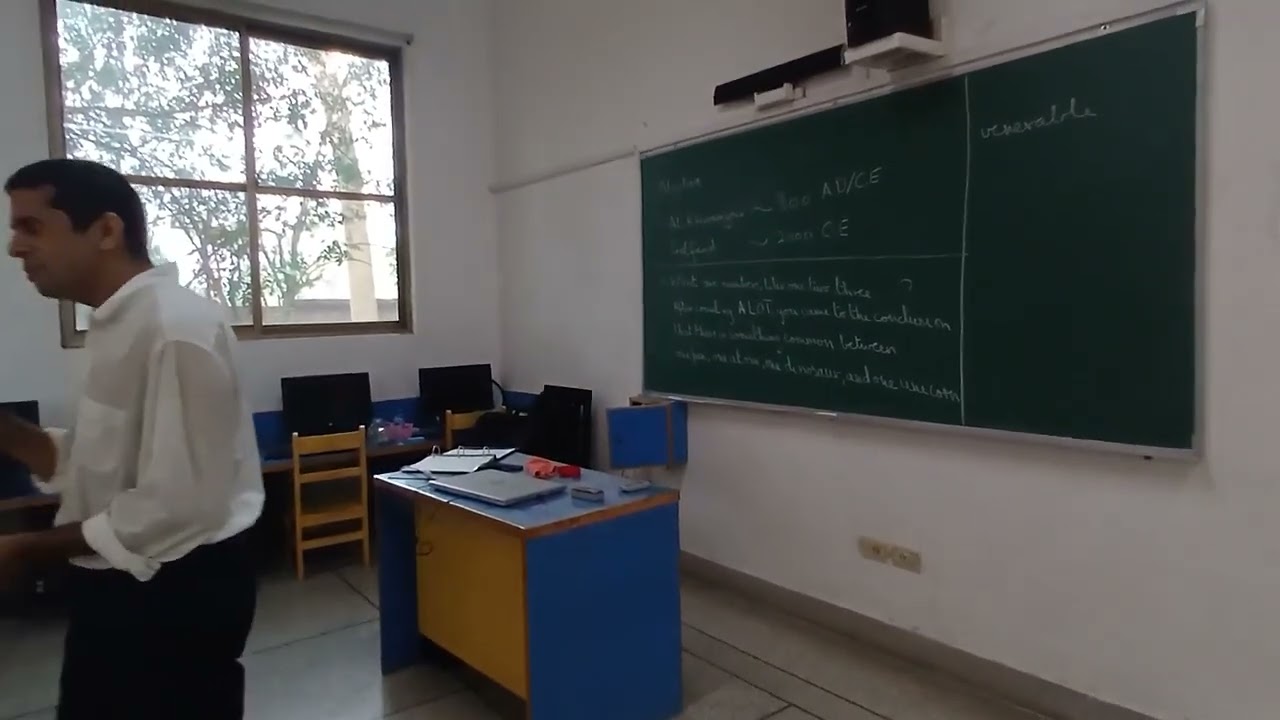
















Algebra originated as a practical tool for solving real-world problems in commerce and engineering, evolving from rhetorical (word-based) methods used by ancient Babylonians and Greeks to symbolic notation developed by medieval Islamic mathematicians like al-Khwarizmi, who wrote the first algebra book around 825 CE; this progression transformed arithmetic calculation into a systematic method of logical reasoning about unknowns, enabling general solutions to problems that could be applied repeatedly with different numerical inputs.
The Birth of Algebra: A Historical Journey | Stanford
Added:Basic arithmetic operations and properties of real numbers (addition, subtraction, multiplication, and division).
The conceptual distinction between concrete arithmetic and symbolic representation of numbers.
A foundational awareness of ancient civilizations (e.g., Babylonian, Greek, and Islamic Golden Age) and their contributions to early science.
Basic understanding of solving simple equations where an unknown variable is represented by a placeholder.
An in-depth study of Al-Khwarizmi's seminal work, 'Al-Kitab al-mukhtasar fi hisab al-gabr wa'l-muqabala', focusing on reduction and balancing.
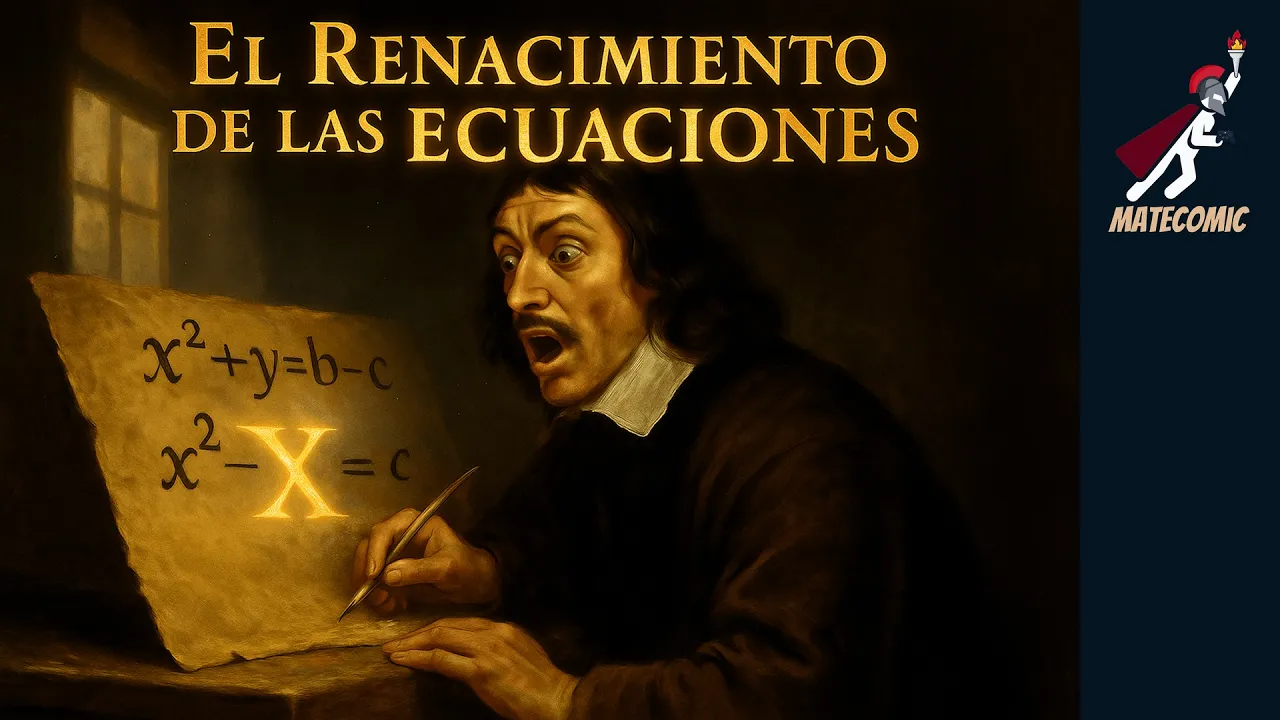
The historical transition from rhetorical algebra to syncopated and, ultimately, modern symbolic algebra pioneered by François Viète and René Descartes.
The development of algebraic geometry and coordinate systems that bridged algebra and classical geometry.
An introduction to Abstract Algebra, exploring algebraic structures such as groups, rings, and fields.
220K views2.5Klikes1:44:23Original Release: 2012-12-11
Stanford University welcome back and there's two topics tonight the first one is the one I began and just sort of got into a little bit at the beginning at the end of last time and so I'll pick up on that that's this thing about the birth of algebra which is part of a general sort of historical theme that's going to be running through this but I'm also interspersing it with sort of more up-to-date things and given the events in the political arena the second half is going to be about how do we count the votes in a general election okay and the spoiler is you tell me who you want to win and I can give you a fair way to count the votes that that person will win okay so you know it's it's not who wins well actually it could be who wins the debate that can really get into the White House but really the game is won or lost when you decide how you're going to count the votes so that would be the second half okay I'll go a little bit I'll go fairly quickly for the first couple of minutes because we got into this last time and this is about the bet of algebra and I pointed out that we need to be careful what we mean by algebra in fact they even today there were two meanings there's what I'd call sophisticated arithmetic or thinking or meta arithmetic or thinking which is the the caneva which is what most people think of as algebra which what's the basis of algebra in the high school system and then there's what mathematicians call algebra sometimes known as high or algebra okay well first of all and the focus mainly is going to be almost exclusively is on the former which is algebra as it arose out of arithmetic as a way of improving arithmetic calculations so I'm not going to be touching on higher algebra which is what he's done so if you see that if you come up you'll understand equal under Stanford campus you go into math department and you go into an office and someone says this is Professor X and professor X is an algebraic this is not what Professor X does Professor X does something very different perhaps works on something like fair miles Last Theorem although that turned out not to be algebraic in the end but that's another story okay it's certainly not algebra because it uses symbols in fact algebra for many years was written in a non symbolic fashion it was always done symbolically by the way I will mention that if you start going on the web when you go to even to Wikipedia and you look for accounts on algebra there's a lot of misinformation floating out there it's one of the Wikipedia is actually pretty good on a lot of mathematical content but the last time I looked in terms of the history of algebra it was really very weak largely because it was based on the few textbooks that are available that people have access to most of which are actually quite old and scholarship as I advanced quite a bit since then ok so this is one of those instances where beware of what you find on the web ok but it's certainly it's no it's not because it's symbolic that makes it algebra it's the it's the kind of thinking that's going on and in fact the symbolic part although you can trace it back to these fairly early origins it really wasn't until even later than the 13th century that that we get modern symbolic algebra in fact 16th centuries when you can first really identifying the work of francois viet viet a you can know you can really recognize symbolic algebra in the modern sense ok so the key distinction is it says logical thinking rather than numerical quantitative thinking it's not calculating with numbers its reasoning logically about numbers so whereas arithmetic is definitely quantitative algebra is very much a qualitative discipline but it's focused on numbers this kind of algebra is still focused on numbers and one of the ways to distinguish it is whereas in calculation you have some data and you do things to that data to get an answer you calculate with the data you add numbers together you multiply them and it's a forward-looking thing where you're combining things you're literally not getting new information you're combining information you've got in order to get a result that was already implicit in that data one of the features of algebra is it's a little bit different you know that there's an answer out there you give it a name and then you sort of almost work backwards you reason what would have to happen to get to that thing so you logically in order to to determine that value now it doesn't matter whether you call that and unknown by a name and in fact in medieval mathematics it was used by terms that really meant the thing you do this to the thing you do that to the thing and then you find out that the thing is this so there are various terms in Latin and other languages which really translators the thing and it only became known as the ex solving for x was was more like 16th 17th century so it's not to do with the language you know my analogy wouldn't with music music is transcends that the musical notation and algebra transcends any particular notation it's the way of thinking that we sting would use it so my one of the things I mentioned last time was that taking a formula and putting numbers in is outright arithmetic but the deriving of that formula in the first place in usually involves qualitative and what we might call algebraic reasoning and the examples I gave again last time very quickly it was solving a quadratic by guessing and calculation that's just doing arithmetic you make a guess and then you do some calculation if you're systematic and you substitute in a formula that's also arithmetic but if you look at the the method whereby the formula itself is obtained or in the case of a particular example like this looking at the structure of it and reasoning about it then that's really I mean there's a there's a there's a fuzzy borderline and some people might disagree with my classifying this as algebraic because it is a fuzzy boiled line but I would say when you start doing this you've really crossed over into into algebraic thinking it's fuzzy and different people might want to put the borderline in a different place so I would say that's that's that's that's trust that's moved over and that's that's really algebra and then when we look back historically with the benefit of hindsight we can see algebraic thinking going back a long way certainly wasn't symbolic algebraic in the sense we have now let me know once that because I've already referred to that implicitly there's two issues is how did they record what they were doing how did they write down on their tablets and whatever they parchment how did they write down algebra or arithmetic for that matter and then the other issue is how did they do it well they've always it's always been done symbolically it's hard to imagine how you could do it without some kind of scratching of some sort of abstract symbols but when they wrote it down for many centuries it was written down in words and I alluded to that last week in in connection with it with Leonardo Fibonacci or maybe was two weeks ago that when before the printing press when things were written down they had to be written down in a manner that allowed fairly reliable copying and the writers knew that the scribes would be literary people that could probably get most of the words right but they wouldn't necessarily understand the symbols I mean a one man what one symbol that's written wrongly can turn a correct result into an incorrect result contains something sensible into gibberish so in order to be to it to give some guarantee that results would be preserved when when things were copied most things were written in words and but it was always done symbolically so one of the things you'll find on some websites is a distinction between rhetorical algebra and symbolic algebra that's that's sort of missing the point it wasn't that there was a different kind of algebra it was just a distinction between how it was written and how it was done so we got this evidence of the Babylonians doing something that was essentially algebraic it was it was very much couched in terms of geometric problems but some of these and some were very big practical some of them were actually numerical problems that were couched in algebra in geometric terms and some just seemed to be recreational and even though they didn't have notational devices for talking about variables and general cases they stocked in terms of specific numbers it was clear just as we do with modern recipes very often you know take two cups of this and three cups of that and you just assume you can double or triple any of the units it was clear that they applied in general but it was with hindsight this was algebraic thinking okay and indeed to the degree of having an unknown and unknown that you reason about the unknown was until that wasn't a number mystery geometric so the unknown was a line that's algebra we might want to call it geometric algebra just to be clear about it but again this is a modern term you know they were just doing their stuff they were just trying to solve problems and in some cases just to have a good time and as I mentioned a moment ago sometimes they would do this to solve arithmetic problems that's a feature that we can see later on in the work of Omar Khayyam and so forth that it was a geometric approach to essentially numeric problems and here's what I think I got at least as far as this last time this problem which I've translated from base 60 into modern decimal notation and it was written in words I added the second the area my two squares then I've put it in decimal notation and expressed a problem and then they gave a geometric solution of procedure and algorithm we feel like an algorithm for solving it in modern terms I expressed the area of my two squares x squared plus y squared and the air we added them together is that home what is 1525 and then another condition gives me that equation so I've got two equations one quadratic one linear and you have to solve them that's really sophisticated it's pretty sophisticated in symbols but if you're thinking about it geometrically I think most people today though we could easily solve that using algebra procedures geometrically that I would find out a bit of a challenge geometrically this kind of problem was solved all over the place you get the Egyptians doing it in the Rhine populist Chinese these are famous works from history and the early Greeks in Euclid's elements but in those cases it's it would fall I would say and most historians I've consulted which is not a lot but at least consulted modern historians would say that that's not very algebraic yeah I should meet going on so when I wrote my book on Fibonacci the man of numbers I consulted with three of the leading scholars one Italian and two American on medieval period actually the the pre medieval period I saw the the Arabic Persian period in the eighth ninth centuries and and then they the medieval period initially I consulted with three of the best modern scholars on those areas and I'm pulling on those guys for my information rather than and none of them have written books actually that's not quite true one of them is written some books but none of the sea' have really written a lot about what they know not in the form of a book so their their knowledge hasn't really filtered onto the onto the internet yet okay and I think that's I think I did get us flowers this you know whereas we would do a plus B squared is a squared plus 2ab equals b squared the Greeks and others would think of that geometrically in terms of actual areas you know we talked about x squared but the word square indicates that there's a square floating around so a plus B squared that means there's a square which sides of a plus B and you'll find that kind of thing this kind of geometric reasoning rather than algebraic reasoning in all of those famous works then we get something that really is beginning to look like modern algebra absent the X's and the Y's and disease which we're not going to come to the sixteenth century and this is Diophantus who wrote this multi-volume book arithmetic ax I mean I know you're the one with the way of this music is actually in the title but this is really a rhythm sick done from a higher-order perspective it really was algebraic thinking we can recognize it as algebra absent the symbols we can reckoner out there are symbols but they're not the familiar modern XY z-- and Z's and software but there was definite introducing and unknown and then reasoning logical solving equations and that was around 150 250 current era so the where these letters but that's you know it's not symbolic algebra in the modern sense but it certainly is algebra negative numbers we used and he used these techniques that we'll see in a moment restoration and confrontation moving things from one side of an equation to another eliminating like terms on both sides and solved usually use these methods to solve polynomial is up to up to degree six okay now this I don't think I got as far as this I think this is where I stopped last time okay so the if we want to trace a historical thread now beyond the advances then we'll go into India Rama Gupta around 600 cordera and he wrote this book which I am not even going to attempt to pronounce but it roughly means something like correctly established teachings of Brahma that's the some disagreement exactly when zero will appeared but this is one of the certainly one of the first clear appearances of zero meaning that there's a discussion of the properties of zero you know that you are zero to anything you don't change it you multiply by zero you get zero or that kind of a discussion very recognizable algebra again absently modern XY and Z gloss and then solution of quadratic equations including 0 and negative numbers so that's very well-established around six six hundred uh silicon tira then the next huge step and this is that path that I alluded to in connection with Fibonacci where you begin down in India with the hill and hindu-arabic numerals they're needy the Arabic speaking Persian speaking traders moving that up towards North Africa and then crossing the Mediterranean into Italy and so there were three seminal figures from a historical perspective this drama Gupta and then there's al-khwarizmi and then as Leonardo they were just three and essentially what they did that was distinct was the H wrote a book that survived if you want to change things you can write you can do all sorts of things but if you want to have a major effect on history and be recognized writing a big book is often a good way you know we regard Euclid has been the guy who arbitrated geometry it's not clear that Euclid did any of the work with the originate in any of the work in his book he probably did but the real power of Euclid's elements is the way it was organized Smid systematic and made available to us and laid out in a nice way and the same was true with alcoholism ii brought two very important books and likewise with Leonardo you clearly have to be very good to do that but you're a lot of the work is collection you know that's why I ended up comparing Leonardo to Steve Jobs you just make a really good job of collecting it marketing it and making it accessible and that's how to influence the world okay so there's a moderately reasonable attempt and that the full name so this is around eight hundred current era and he wrote one book in around 1825 on the calculation with Hindu numerals that was a book on arithmetic using hindu-arabic numerals and then a few years later he wrote this book and in the title of that book you'll see that for is algebra that's where we get the word algebra form because this was the world's first recognizable algebra book and that was the focus of the book and that phrase in there at the end of it really means restoration and confrontation those terms that we saw a moment ago in connection with dear Francis the way of solving an equation move things from one side to the other and remove equal terms from both sides if you want to translate the whole thing and again I've got this translation from one of the leading scholars of the period the abridged book on calculation by restoration and confrontation would be a modern scholarly translation it's usually however known among scholars was just the abridged book on algebra because nowadays we would just refer to restoration in confrontation was just as the key method for solving equations so it's algebra and the question that people like me get asked when we teach students that are not necessarily enamored by mathematics is not at Stanford but when you figure out where then they'll say you know what's this useful for you know is this really any use well let's go back to the source our queries amis book is essentially a modern algebra book you know the like the languages changed and we've got bit of examples and these days we have full-color illustrations and all that kind of thing but if you go back there you've really got the beginnings of the modern algebra book and now queries me answers the question here's what he says what is easiest and most useful in a with music this is what the book is about such as men constantly requiring cases of inheritance legacies partitions lawsuits and trade and in all their dealings with one another or where the measuring of lands the digging of canals geometric computations and other objects of various sorts and kinds of constants eight doesn't get more fundamental on that this is this is basic commerce this is how people trade and live and and enter legal dealings and deal with their finances so algebra was introduced for very very practical reasons you know one thing that's characteristic of almost all the writings of what's known as Arabic mathematics meaning the writings that were preserved in the Arabic writing and all sorts of people who involve the Persians there were people whose natural languages Arabic there were Jews or Christians floating around there were people floating around in the Middle East all over the place and in Spain doing work and but it was that the language in which engine just as we talked about Greek mathematics much of which was done by Egyptians but it was but Greek was the language it was recorded in does this phrase our big mathematics which really means it was recorded and stored in the Arabic language okay but it's it gets extremely useful it was very practical and certainly the interest although the Greeks interest was very much one of a sort of a leisurely pursuit an intellectual pursuit the Greeks famously known thought of mathematics particularly geometry as an as a as a pursuit of the mind something for the leisured classes to do something to think about to improve your mind go to the Muslim world in the eighth and ninth century it was driven primarily for very practical reasons they were engineers there were traders and so this was designed to be to improve the way of doing business there's an image farmer I forget the date on that one but it's an image I managed to get all over the date from a version of that book but if you look at the contents of the of the book and this is not meant to be a translation from there this is just a summary of the contents of the book this is it basically in that book he takes linear and quadratic equations and actually in turn at the end of last week we've had I had a discussion with a couple of people as to why there was this huge focus on quadratics and you know the answer is if you're a practical person you can do an awful lot in the world with linear equations sometimes things change at different rates and linear doesn't work the next best thing is quadratic and within within a certain range of tolerance that's as far as you need to go you know even an exponential curve looks quadratic over small intervals so it's just a reasonably good approximation yeah look so physics book physics books classical physics books are full of linear and quadratic equations well it's just cuz that was already difficult enough and good enough for doing an awful lot of things you know as physics developed people to realize that there were higher order terms that you needed to take into account but over reasonable areas of accuracy that will do same with computer graphics right you can you can do almost anything with a computer graphics package that will draw straight lines and quadratics you just put them together in a suitable way so these sequences you can do piecewise linear and piecewise quadratic curves and get all kinds of nice shapes okay and so this was really developing machinery that was extremely useful you might ask yourself why regard these as different because we don't today we just talk about equal quadratics we say ax squared plus BX plus C equals zero and that's a quadratic well the reason was they didn't have negative numbers in their calculations so they had to take account of whether the A's and the B's these were all positive so you had to put them on different sides in the first place in fact their conception of negative numbers was really unusual the conference hit that with those words restoration and concentration concentration is sort of easy you've just got equal things on both sides they confront each other well if they confront each other you can we can remove them restoration means you restore the value instead of dealing with a negative term so they wouldn't have something like 10 minus X what they would say is you've got a 10 and it's it loses weight it goes on a diet and it loses X pounds so you've got a slimmed-down 10 but it's still positive you know you've got a you take something from it then you work with it and you get a noun you do something and at the end you restore its value which we would say is adding X back to both sides but that's not how they're thought about it they didn't have subtraction and it didn't have negatives so they just sort of diminished quantities that were still the 10 minus X was still a ten it was a ten that had lost weight you reason with that then you restore it at the end it's hard to get into that mindset now because we know there's other ways of thinking about it but that was that was how you if you want to understand their writing you have to understand that they didn't have subtraction you couldn't subtract from both sides you could diminish something and that was where the word restoration came from you restore the value of the thing okay here's a very famous or historically famous problem from our cohesion is algebra this is how it was written that doesn't look like algebra there but it's all language all words that make everything well actually let me read it out because this was a modern translation a fairly literal translation from al-khwarizmi book if someone say you divide 10 into 2 parts multiply the 1 by itself it will be equal to the other take an 8 time's computation you say 10 less thing that's going to be a 10 but it's less something it's a diminish 10 multiplied by itself is 100 plus a square less 20 things so the less doesn't mean you're subtracting it means it's reduced somehow and this is equal to 81 things separate the 20 things from a hundred and square and a square and add them to 81 it will then be a hundred plus a square which is equal to 101 roots have the roots the moiety we'll come back to that in a minute is 50 and a half multiply this by itself it is two thousand five hundred and fifty and a quarter subtract from this one hundred the remainder is two thousand four hundred and fifty and the quarter extract the root from this it is 49 and a half subtract this from the mighty of the roots which is 50 and a half there remains one and this is one of the two parts most of us would find that quite challenging to to understand let me take you out of your misery they were solving this you've got a ten slimmed-down by an amount X you're squaring it and you get 81 that's the solution to that and actually if you follow that su that's just that the sort of like the way we might solve the equation to be with the details but it's sort of like the way you you you sort of sort of follow that through and understand of what you would do bearing in mind that they didn't have negatives but they could move things from one side to the other I'm going to move on well it was really just a touch I didn't want you to spend a lot of time let just assure you that the way it was laid out much simpler we would think to just solve that equation because we reduced algebra to very much just symbolic manipulation I mean the point about solving that quadratic is you can do it without switching your brain on once you know the methods you can just grind the handle it's very much algorithmic okay so that was our charisma I will mention that al-khwarizmi because he was describing procedures for doing arithmetic especially in his first book actually in both books I gave back to the modern word algorithm so the word algorithm for computational procedure he's derived from our choir visionaries like so he's left the world with two words algorithm and algebra pretty pretty significant okay so that was her car is me there's another nice picture for one of the the books then the next major figure almost immediately afterwards was Abu Kamil a guy who wrote a many books at least ten of which we know did a whole bunch of things are really dramatic individual from remarkable individual he actually used that equation to solve two calculus out of a regular pentagon so really kind of remarkable piece of work and the guy was so sort of amazing and obsessive one might say that in one case he looked at many what's known as indeterminate problems problems where there's not a unique solution but there were many solutions and in one case he actually went through and found two thousand six or seven 676 solution and calculation of all those many solutions well either there were fewer distractions then right so it was a even so that's that's pretty remarkable the next major figure not to have a lot of people involved this was a huge enterprise going on I'm just mentioning some of the more famous people and then we've got Hal kuraki recognized at the sequence well that first remark is really a modern interpretation of what he did you have to sort of read it with modern eyes but essentially he realized that you can keep running up the exponents indefinitely likewise from a modern perspective he discovered proof by induction the method of proof by induction where you prove the first case and then you show that if it's true for n it's true for n plus one for those of you who've been through that kind of an education it's not explicit in his work but it's certainly implicit and some of the historians I talked to said the yeah it's a little bit of a stretch to call it induction but for my perspective as a mathematician it was induction pens how you define our cassette and look at it and see induction and he verified this which is typically done today by induction that the sum of the first n cubed is that formula I think actually that's on I think that problem is on the test the problem sheet that I'm handing out to many students in my online class today if it's not today it's on Wednesday so don't tell them thank you I think I think I'm asking him to prove this one as an example of induction proofs he wrote at least three books then there's a famous Omar Khayyam I mean known more in the West as a poet I never thought his poetry was that good but his mathematics was brilliant and I think the fact he's known as a poet reflects more on our values in society where we value poetry above mathematics I wouldn't change the balance the other way I'd say I wouldn't want to put them on a balance they're both important things okay yeah but he certainly did some spectacular mathematics works on astronomy calendar reform a very significant figure very very detailed cataloguing of things all the possible kinds of equations relating them to geometric constructions you his book is easily available in at least three translations including one as recent as last year sort of cubics using various intricate instructions involving conic sections methods that are sometimes taught today in classes that focus on that kind of thing and actually looked at the issue of things that could couldn't couldn't be solved by ruler and compass methods so was very much into the kind of things that are still at least in high school geometry courses still very much the focus never rather nice picture from this manuscript of the cubic equations in each section of conic sections okay and then amazing person did a whole bunch of things certainly a child prodigy wrote over 80 books and articles got involved in all sorts of other enterprises our Sam awhile and this is really a sort of a quotation from I mean this is a quotation from from one of his writings he said that algebra involves quote operating on unknowns using all the arithmetic all tools in the same way as the iris mission operates on the known that nails that distinction between algebra and another with Matic you're using arithmetic 'el tools but you're doing it at a different level of abstraction you're doing it on the unknowns which means you're sort of doing logical reasoning with them you're doing qualitative reasoning in an arithmetic framework as opposed to calculating with the numbers and he among the things he did was proved this result for the sums of the squares again that's expressing it in modern notation so absent a notation you've got an awful lot of modern algebra been on this period and then that brings us up to where we began two weeks ago that the story then picks up by Leonardo and then if we satisfied with Leonardo we can pick up in century the same story in terms of spreading the word with Steve Jobs so that was a quick tour through algebra the history of algebra up to essentially to modern times because here once it was in here than in other books and although I focused when I talked about Libra bachi I was talking essentially about the arithmetic part if you look at the later parts of Libra bachi there was an awful lot of algebra in fact it's interesting the way Leonardo sold things in his book in Libra bachi Leonardo describes method for solving our thematic problems and different methods that they have and then he says there's another method which we would call algebra so to him algebra was just another method for solving the problems and it's interesting that he always put that in almost as in a pen dicks and so if you don't like these methods there's this other method called algebra now we would regard algebra as that is the natural way to solve these problems and indeed from a modern perspective algebra is a natural way to salton if you look at some of the problems in Libreville bachi they're very simple to solve by algebra but they're remarkably difficult to solve by oweth medical problems they're just challenging to do okay so but by the time we've got to Leonardo we've got essentially modern algebra modern high school algebra in the form that it's retained today so that was a period of several centuries ending in the 13th century and then it more is stabilized except for the introduction of notations I've got any questions about algebra okay so that brings us up into the essentially into the modern era of algebra yes why do you think the Babylonians moved away from or why do you think after the Babylonians that the geometric algebra didn't didn't keep going okay I mean if the reason I'm asking is it seems in Russia first yeah a lot of attention is paid to or in Eastern Europe to geometric else right yeah certainly in yeah in China and Japan in places and partly its perspective I think we you know we we trace our intellectual tradition to that tradition going back to the ancient Greeks and so forth and we tend to see it through those eyes I mean want one seminal fact was and I think I must have touched about this already was the the discovery in the time of the pythagorean's that the square root of two was irrational that there was in fact there was a distinction between numbers and geometry there was this feeling that geometric lens can be captured by ratios of whole numbers and when it was realized that that couldn't be done that sort of blew the two things apart and they developed independently and the one that really got the most mileage in terms of utility was the calculations the arithmetic algebraic thing and that you know in not for intellectual reasons just commercial applications I mean look at the way it went when when the Arabic speak and the Persian speaking trade has got it that became dominance because they were using it in trade and commerce and engineering and the rest was just left and then then it comes across to Europe and dominate so you've got a method buttress by all of these applications in trade and commerce which are changing the world and so that becomes the dominant one and they that leaves a geometric stuff there's a sort of Sunday afternoon recreational stuff and so I think it's really that the world the arithmetic aside created a world in which the arithmetic Assad was really important and it was the world we all live in and the other stuff remained a geometric remained an intellectual pursuit with sort of aesthetic values and so forth but it was just I think you know and bear in mind I'm not a historian so this is I'm trying to pass on information I've got from historians but I get was it was very largely just a matter of of what became more important and because of the world that was created using it yeah yes the difference between an algebraic expression and a model okay well the word model is a it's used to denote a lot of things in mathematics it's very often just means an equation or a set of equations where you take some feature of the world something going on in the world and you represent it by a model it could be a graph it could be a network whatever it is it's some arithmetic some algebraic some mathematical representation of something in the world that you can solve so you're modeling the world through these abstractions in the course of building a model when you apply that model to the world then very often lead you to or involves developing algorithms algorithms are procedures for solving problems let me back up I think the crucial distinction is that a model is a representation of an aspect of the world and algorithm is a procedure for doing things that allow you to make conclusions about the world very often an algorithm arises and is used in the context of a model in fact arguably it always is you need a model that represents something in the world and in that model you can apply algorithms to draw conclusions about the world relative to that model you can also do algebraic reasoning which may or may not be algorithmic algorithmic means step one step two step three step four but not all mathematical reasoning is Alba with make it can be just I have no idea how to solve it I have no idea how to solve it I have no idea how to solve it oh I can solve it that way it's in sight it's the aha moment and a lot of mathematics is like that it's very much not algorithmic often mathematics proceeds by no idea no idea no idea oh great idea and then when you reflect on that idea you can get an algorithm so that other people can do it okay so a classic example I guess would be solving the quadratic it was a great idea you can do it by turning it into a perfect square completing the square an ancient method we all learn in high school or even middle school and the first person who did that you know that's boolean you just think wow I'll just turn it into a real square and actually you can imagine that happening if you think in geometrically but the moment that person did that you can turn it into the formula for the quadratic and then you just got an algorithm you just plug in the values X is minus B plus or minus the square root of b squared minus 4ac over 2a there's the algorithm that's a procedure but that came about as a result of a greater ha moment so back to the question models are how we start with the world and represent them in mathematics and then once we've got a model once we've got the world captured and aspect of the world captured in mathematics we can apply algorithms step by step procedures or we can apply algebraic reasoning or geometric reasoning to draw conclusions about the world and that reasoning may be algorithmic or it may just be thinking we relationally until you have an insight okay I think I've got as close as I'm going to get on the spur of the moment yeah there is an arrogant several weeks ago or a month ago in the New York Times that the great disservice done to our educational system by requiring high schools to hack at that guy hacker yes I already have in public but hahaha I could do it again um a couple of things if his article was about the great disservice that's done to our kids by teaching them what we currently teach him in their high school algebra class I'm a hundred percent on his side but he didn't he said we shouldn't be teaching algebra what he should have said is we need to teach algebra instead of that excuse that's taught in the schools for algebra and I'll be recording me so I cannot get slaughter buzz now it what's taught is not algae if you go back and look what our core vision we was talking about and say this is algebra this is clearly important this is clearly powerful this is valuable stuff and you teach it in the context then it makes sense and everyone can see the use of it I guarantee that the person who wrote that and probably almost all students in the course of their everyday life or their recreational activities use Excel spreadsheets to do things Excel is an implementation in silicon of algebra that's what it is it's a spreadsheet is modern algebra a modern implementation of algebra so anyone who keeps track of sports pause or run runs events or keeps track of their finances using a spreadsheet they are using algebra right there and then so hacker is saying we don't need spreadsheets and you don't need to know about them that's what he was actually saying but he didn't realize that so it's a matter of of what he was getting at and it was mr. point but if it was a matter of watch talk that's a different issue yeah in terms of the NA but that's right because the issue is and this is really why it was sort of implicit in what the the traders were doing in eighth and ninth century in the Muslim empire when they're doing the trading what they're seeing is there are calculations which you have to apply again and again and again and the numbers change if you're trading you're multiplying by an exchange rate you're doing something you're doing this and it's the same calculation essentially but the numbers change so if you have a method that tells you how to do it for any numbers whatsoever you're at the level of algebra and at the spreadsheet that's what spreadsheets do they do arithmetic efficiently so that you just change the numbers and then you just literally now you just sort of pull the cursor down and it does the same calculation for all of them so it's doing algebra but it's still the algebra in the sense of our core is early because it is applied to numbers it's the focus is on calculation but it's general methods for solving problems that have all essentially alike and once you're looking at terms of general methods you're at the level of algebra which is why when I stocked about the Babylonians I said this is really algebraic they were lighting down a formula they were writing on instructions for do it with specific numbers but the way they were writing it was saying take any number and do this and this and this and the moment you start saying take any number you were essentially doing algebra unfortunately Gallup vote in the New York Times know that you know that this you know I tend to avoid writing about something publicly that I don't really understand and I think he overstepped the lines there but if he'd said what my kids are learning in the algebra class hey I'm on his side but I think that means we should reform what's going on in the algebra class okay yes derivatives be a combination or use of algorithms you mean in terms of calculus oh actually I think one of the things I probably will do is do a half a session on calculus because calculus ISM is the modern technology world without calchas wouldn't have modern technology and calculus I'm going to defer a detail down so I will definitely now next week in fact one of the things I'll talk about next week is calculus because it needs it needs more than a quick answer but let me give you a quick answer anyway because I'm on a roll now okay the brilliance of calculus and it's absolutely brilliant is it takes something it's almost the same brilliance as algebra in that it sort of takes something that's intrinsically difficult in that case tedious because you're doing a same calculation many times and by ratcheting up the abstraction instead of having to do the same calculation many times you have a general method a formula that you can just apply without thinking that's what calculus calculus takes an incredibly difficult problem involving rates of continuous change which when you analyze it involves talking about infinitesimal increments and things changing over infinitesimal amounts of time gets very deep both philosophically and computationally in terms of least conceptually philosophically and conceptually difficult because you are dealing with these infinitely infinitesimally small things and so forth okay very very challenging very very difficult in the 17th century it was a major headache for people to do it Archimedes had struggled with it thousands of years earlier got results but it was very hard to understand exactly what it meant how to make sense of it what calculus does is take something extremely difficult and turning it into a mindless algorithm calculus is just a set of syntactic rules that allow you to work out the answers to things involving continuous change it took it from one end of the spectrum to the other calculus starts with something which is conceptually intellectual unbelievably challenging the infinite is something that the human man under literally can't grasp and yet it rears its head as soon you start looking at infinitesimal changes in continuity it takes that extreme many deep stuff that our minds can't fully wrap around and reduces it to a completely mindless set of symbolic manipulations that is technology writ large take something complicated and reducing it to something you just push buttons calculus was one of the world's first great conceptual technologies technologies in the sense of it's a black box you plug something in and the answer comes out magic happens inside magic happens inside carcus I became a mathematician when I met calculus in my last year of high school I thought calculus I thought mathematics was kind of you I was going to be I was going to got a university to be a physicist I wanted to do physics I went to high school when Sputnik went up and I just thought space exploration all this stuff so I went to neva was going to go to university do physics spent all my time doing physics wasn't particularly good at mathematics that's not sure I I wasn't gifted at mathematics but I needed to do it for physics so I put a lot of effort into learning mathematics which I viewed as a set of tools that would help me in physics then in May after my first year of what's the sixth form in England when I'm sort of seventeen getting into the last year of high school we start doing calculus we started really doing calculus I mean just looking at what the definition of the derivative and so forth and I'm presented with this stuff that a is obviously very powerful it allows you to calculate you know where the moon's going to be three weeks from now it allows you to calculate it's going to allow you to calculate what's going to happen to a spinning top when it starts to slow down it allows you to calculate all of these wonderful predictive things with incredible accuracy and yet I had no idea how it worked and for me to have something that was thrust upon me that was clearly powerful and worked and in a sense was simple because you know you look at that a couple of pages of the textbook said here's how it works made no sense to me and I'm like and a guy he wants to lift the hood up and see what's going on here so for me what 10 means a mathematician was realizing that here was something powerful that I didn't understand and it took me many years to understand it by the time I did I was a mathematician because once you've got it it was funny because most of the other kids in the class and that's the beginning my teacher said look here's the formula if you differentiate X to the N you get n X the N minus 1 just use the sucker and get this up himself and I was that kid that kept saying yeah okay but for me to come from why does that for me to work and I was the only kid in the class including the CTO actually who really worried about why that was the case you know that was clear that was the point where I became a mathematician because everyone else was content to just use it and get the answer and for me the fact that they could do that without understanding it was what made it interesting because I wanted to know what Newton was thinking when he came up with that thing or what novice was thinking so I'll come back to that next week it's a really good question and it's a big answer and it's the answer that our modern yeah we're doing big themes you know we've already looked at numbers what's the biggest invention that mathematicians have produced that changed the world Hindu ivic numerals that's fundamental to modern life for everybody so that was a biggest one I would say what's the next biggest one probably algebra which is more efficient ways of dealing with numbers and the next one's going to be calculus because that gives it score the first one gives us all our commerce and our financial business and I was in a quantitative stuff money began with money as far as we know all of that comes on from the numbers and on the other side we've got calculus that gives us all on by modern science and technology so these are big big themes okay yeah that was slightly more than a little digression but I'll come back to calculus next time okay shall we take a break now let's take a break now and then we'll come back and we'll talk about how we've count the votes in an election is there anyone in the audience that sort of works on electoral reform or bolding or his political activist the last time I gave a talk on it was somebody in the audience that did that and it got kind of interesting because we had two perspectives man was a mathematical somebody else was working on a political side it was one of the people who got Steve somebody whether he was one of the people who got a Instant Runoff adopted in San Francisco and Oakland and places like that so I've got to be very interesting we had more up-to-date data I'm going to be talking about it from the mathematical perspective and I couldn't resist it given what's going on in the country at the moment just to look at what's involved in in what is our what are the things on which our democracy is found it is the idea of you know we all have a vote yeah we do but what does that mean so the first thing you might say is not math right you just counting votes everyone votes everyone has an election everyone has a say and then the question is when the election whenever votes are counted the people have spoken it's the will of the people no it isn't it turns out to be more depends on how you count the votes and it's not that all clear what you mean by the will of the people how hard could it be well the the reason why this becomes it makes sense to think about this mathematically is in terms of mathematics you can start looking at how the votes could work out with hypothetical examples someone asked the question a minute ago about mathematical modeling what I'm going to be doing now is develop several mathematical models of the electorate and how we count bouts and depending on how we set up the model we'll see that there are different answers here's the one that we're familiar with you know this is this is how we're going to you know unless it goes to the Supreme Court again then it will all be to do with who gets the most about well the modular the Electoral College which makes it a little bit more complicated but modulo that it's still the one who gets some more the more college votes okay so this is a famous plurality of voting is e is official terminology it's the first-past-the-post the one who gets the most votes okay and that's fine if you've only got two candidates nice and clean no problem but there were very really two candidates you know I mean I guess Ralph's near does not involve this year but for many years it was but other people will be in there and if there's more than two candidates this can be extremely problematic and you can often get winners or you can get winners and it does happen that two-thirds of the voters really didn't like and the one that was in my memory which kind of dates me and when we get this this wrestlers Jesse Ventura in Minnesota surprisingly been elected when only just over a third of the population voted for him so that was a very dismissive more recent examples even in the Bay Area but this was a very famous one that got a lot of coverage because people were really surprised how could that happen that someone with only 30% sight first-past-the-post if you got more than two people it's not the will of the people anymore because it's the way they are so that the things get counted you can get someone elected that really two out of three people didn't want to be there so it's hard to say that's the will of the people if two-thirds of the people didn't want that person in office on the other hand modulo this model if you model getting the will of the people judging the will of the people by letting them vote and looking at the one with the most votes if that's your model of representing what the population wants then that can happen well then there's another one this is the one that's been which it was quite recently in San Francisco been used in Oakland with some controversy a few years ago Australia the Irish Republic and northern interesting group of locations this is where everyone ranks there are different versions of this there's a sort of a full Instant Runoff and then there's a truncated version the ones in the Bay Area were truncated where you just do it for a certain number you rank all the candidates in order of preference and then you rank them based on the number of first-place votes and then you see who was last and that person drops off and their vote is transferred to the next choice and you repeat and repeat until you're left with the winner ok so that also has its supporters it's a it can be just as justify easily justified and the idea is to get rid of the fact that people the point is if you're if there's lots of candidates and you just counting the votes once most people have two or three people they might like and you can end up with the way it's usually described is if you don't if you haven't voted for the actual person who gets the most in a sent your voltage wasted because that person dominates so the idea here is that your vote isn't wasted it takes account of your preferences okay why not sir this political arguments to be made favor of that but that will give you a different model and hence different mathematics I'll come back to all of these with some look at all of them in a minute I'm just throwing onto the distiller several ways I'm just introducing the ones I'm going to talk about then there's something called approval voting interestingly enough this is the one that the two societies I belong to the American Mathematical site in the MEA we use this and here the goal is to be collegial this actually makes sense if you're voting in a society arguably the United States should be a society but it doesn't seem to work out that way where the vote the goal is we should all try to get along together and it's better to have someone who is better to minimize the number of unhappy voters rather than to have a small group of voters who gloats because they want we want to minimize dissatisfied people and for things like the MEA DMA these you know we think this is a good way of doing it so you vote for all those whom you are happy to have you know yeah you can basically say and I can live with that person so the idea is to encourage collegiality and for things like professional societies that's kind of a valuable thing to have and then the one who gets the most votes wins and it tends to encourage people to be collaborative and to not upset as many people I'm British I'm sort of used to the sort of wishy washing us I mean it's sort of disappeared when Margaret Thatcher and various people came along but it used to be sort of wishy washy you can't remember who the people were and it was sort of middle of the world sort of thing so it's definitely not the you know the the sort of lone ranger figure that the American population seems to want you know some Superman figure okay but it's another method okay now let's see let's just compare them mathematically now so we're going to reduce it this is mathematical modeling we've got three different methods we've got a plurality voting first-past-the-post we've got single transferable vote Instant Runoff and and we've got approval all with different assumptions let's see how it works out and so let's think of a hypothetical situation so we've got 15 million voters going to poll and there's three candidates with two candidates you know it's a simple with that there's no problems with two candidates with three candidates this is where already with three candidates things interesting things happen and this can get lost in a real election so we'll look at a hypothetical case so we'll assume six million people like a first then B then C and five million like C B and a and four million like b c and a seems kind of plausible spread with you've got three candidates what happens if loyality voting well clearly a wins six million put a first only five million put C first and forming and put B fest so the votes are six million for a winning for c 4 million for being and we never get into what their preference is our second intere so a wins clear winner nice million more than C but nine million people don't like it they had in last it's not that they didn't like every didn't prefer him they actually didn't want him at all or here whatever it is okay they didn't want him nine million sixty percent of the total this is the Jesse Ventura phenomenon two-thirds of the population didn't want Jesse at all and yet they got him okay what about single transferable vote well let's see what happens single transferable vote who gets who's that who's lasted mean in terms of that we you look at their first ranking and the one who's least popular in terms of first ranking is be only four million votes so B is eliminated after the first round B's votes that formally in votes are transferred to see okay so that puts see who originally had five million votes see now has nine million votes so this time C wins so the first time with plurality vote in a wins but this method and a won pretty substantially first pass supports six million to five million no one's going to all that election and Astro a recount if it's six million to five million to four million that's regarded as a clear result so in the plurality voting a wins hands down no questions no lawsuits North North no Supreme Court okay C wins by nine million to six millions absolutely clear Diesel's absolute the people have spoken the people want see now I mean this six million well now the people have spoken twice in one Keirsey hands down voted for a and this time they've hands-down voted for C that's not what we wanted C wins by nine million to 6 million but just count them 10 million people two-thirds of the vote would have rather had B that can't be the will of the people familia t look like the will of the people but it's certainly not when you you look in terms of that so this has it's unfortunate consequences what about approval voting this is the one that I said the you know it's nice to have cuz it improves collegiality well let's just see what happens here first of all we've got to a make an assumption because there's not enough information if it was an approval voting we need to know whether they were approving let's just assume that if you vote if you rank someone second that that's a sort of a tacit approval that's not necessarily the case but we need something to just see how the results come out so we'll just assume that everyone sort of it really likes one person they've sort of okay with another person they could live with another person and they really don't like another person that's not actually unreasonable people I mean I think many of us have that feeling okay we are the totally dislike someone or we sort of would just wish you with them let's see what happens in this case that means that B's supporters and C supporters could live with each other but none of them like a exactly not that unreasonable okay so that's a reason with extra assumption one can imagine this happening in real terms so let's see what we've got in that case what does a get six many of them are going to go away 15 million are going to go to be and nine million are going to go to see because you were proving it's just that what this doesn't say you think Asia or favorite it says 6 million people approve of a because the others didn't approve all six million the top the other two they had late last they didn't approve of a at all but in the other cases there's approvals going on so B gets six million from the first line and the actually B gets the more than they B gets 15 million because all three think B is okay either they think B is wonderful or B's okay the first two line six million think B is okay five million think B is okay four million think B is wonderful so that's 15 million in the case of C six million don't want C at all but five million plus four million they could live with C so those are the numbers when the goal is not to have a lot of dissatisfied people where you've minimize the number of dissatisfied voters but in this case B wins so when we summarize we've got three voting systems same electorate same preferences which candidate you want you tell me who you want and I'll give you a voting system that will will give you that candidate you know this is huge don't worry about redistricting change the mathematics you know come to the mathematicians will give you who you want just give us the preferences maybe I should run for the Supreme Court now I don't think I have the right kind of background and really kind of remarkable when these these are dramatic and these are not on read these are simplified numbers but I think they were unreasonable the kind of things you can easily think of us coming up so which one is one of the people well it's not a mathematical question that's a political social question what does it mean to represent the people minimize the number of hand happy people have someone who has a definite group of people who totally approve of them or that you've just got some preferences very different assumptions behind those politically and socially and there's another problem with this single transferable vote gets a lot of mileage you know trendy cities like San Francisco and Oakland have adopted that okay I mean it's it's there's a lot to be said in favor and as I said the last time I gave this talk there was somebody in the room who was very instrumental in getting single transferable vote Instant Runoff accepted in San Francisco and the Oakland the Bay Area so one of the local activists was in the room and actually stood up and explained why he thought it was valuable and it was a very persuasive argument as it must have been because it was eventually accepted but there's something weird about this thing this is very weird it's very sensitive to the way the preferences go because it can happen that if more people vote for someone you can have someone who is going to win but if at the last minute more people vote in favor and supposing the elections going on and they reported on their dual public opinion polls and the report on television that candidate X looks like they're going to win in San Francisco so much so that people think oh well in that case I want to make sure I back a winner I'll switch my vote and vote for that person saw that they're even more likely to win mm if they switch their vote that potential winner can end up coming last let's see why actually was it did anyone on a and I was driving around today and on NPR I guess it was I think it was Michael Krasny this morning was interviewing Daniel Kahneman was that was last night was it okay though recent talking about I think it was that interview actually was it that interview that was about the method of thinking and thinking on thinking was it that one I know it wasn't that when it was actually wasn't the carnival another interview this was about who was it good who was it been into who what was this no it was on them I think was on to the best of our knowledge yeah it was about whether table as all these NPR shields blend into one I his NPR his NPR they but yeah but the issue was no I know it was it was a guy who'd I think might have been the same show it was about how when we I think this was written by someone who was at NASA had been at NASA some of you may have heard it was about how when we deal with complex problems we use mental faculties which we evolved to deal with local problems within our context and when we apply reasoning that works well in a familiar context to a new context it can be very misleading because of the complexity they don't want here that one I don't think I dreamt it I think it's on everybody there nobody it wasn't the Kahneman one but I think it was it was in my mind it was the same show in any case that was a sort of diversion for me let's just look at this one because this seems on the face of it very counterintuitive but it's because the numbers can do that the situation's complex single transferable vote is a very complicated issue in fact it was interesting when they the votes were going when they last election in in the district elections in San Francisco I did a bunch of radio and TV interviews about this work and talking about you know the fact that people could game the system one of the questions that was asked was well doesn't this system allow you to game the system and sort of rig things so that you can guarantee things and the answer actually if you look at the mathematics is probably not because it's really difficult to gain the system because it's so damn complicated you can simulate it and you can model it but at the last minute people are going to vote and it's very sensitive to the small changes in in people's preferences so in principle you could game it but in practice I think it would be a really difficult thing to do okay so take a deep breath because this the numbers are going to be simple but this is this can be a little bit difficult to follow I will bow I know I follow I forgot to post the PDFs for the talks last week I'll try to remember to post them later on tonight but in any case if within 24 hours you haven't got an email saying the PDFs are posted please someone send me an email and I'll get them up including this one because you probably need something to look up to figure this one out later let's imagine we just got 21 voters okay seven of them monk ABCD six BAC so these are the order of preferences okay seven six five and three four candidates twenty-one voters multiply everything by multiply the number of voters by a thousand and you've got something maybe very realistic for votes in a major city okay let's see what happens single transferable vote who's who's the one in last in terms of first place but only three put D fest whereas five put C fair six book be first and simple Davis so I've ranked those in order of their placing of D in the number of voters and D gets the lowest number of first places so these out D those three voters had C second so they've all gone to see okay so the new counts are DS gone so the 7s had ABC and D that's unchanged because D was at the bottom six I'd be a CD that's unchanged D was last in terms of the ones the 5 and the 3 the 5 have C be a DS gone and the 3 have C be a so CBA is the aggregate of the last 2 now when you take D out of the picture the last two rows become those four CBA okay now there's another round the second round let's see seven Hebei first six have be first and eighth are CFS so be fails now in the first place so bees gone and bees votes those six votes good away go say was there six choice so this one he's gone they all got away so now we've got 13 for a for AC and eight for CA so here's one we're down to two now two candidates a and C a wins 13 to 8 we've reduced it to a two horse race and a wins okay but suppose that was under the previous that that's under this supposition suppose now sorting that circles and on to that circumstance a wins let's suppose that the initial preferences were sort of different suppose the ones who originally ranked be CBN a watch the TV news the night before and say to themselves well hey looks as though he's got a chance so you know maybe I'm influenced by my friends and it's unreasonable in fact I think I'll surface for whatever reason I'm going to back a let's move a to first because a seems to be doing pretty well you know the polls have shown the day is leading so they jump on board for whatever reason and decide they will but they'll go with the winner because they really be I guess they don't want B or C or whatever but if they've changed of the preference so a has now got a one before remember a one in the previous round a one this time it's got more supporters more people have voted for a which you think would mean that a wins by an even bigger margin let's see what happens well round one eliminates D just as before giving 7 for ABC 6 or BSC if you just do the calculations we've got a different different numbers now because A's numbers have changed so if you if you actually work through this you find you've got seven six five and three Wendy's eliminated this is why I said you'll need to get a printout of this to redo it or I'll take a photo with your iPhone if you think you lose sleep take a photo quickly you do round two and that's going to eliminate C and then when you finally come out you've got ten for a B and eleven for B a so B is overtaking a and B is overtaking a because more people have voted for a buddhir this is the power of mathematical modeling you've eliminated all the politics you just looking at the actual numbers so there is a problem with single transferable vote in that if someone gets too popular it could actually upset things and the issue is the order in which things get eliminated it's a sequence process and people are moving up and down in complicated ways and someone that the trick is to sort of survive until the last round and then have enough votes and that's really you had it would I would find it I would think it's difficult to actually game this system even if you wanted to you know because in a sense you're gonna have to say - you'd have to say it a candidate a do something to make yourself less popular you know maybe Obama in the debate was trying to play something I don't think that was what was going on people or the last place person or the next last person first rank in fact they end up getting your vote like twice or three times is there any rationale - well there's certainly a rationale but whether you want to buy that rationality yeah it's yeah by some counts yeah I mean if in it because if they do get to make several choices the I mean the counter-argument is sword as the other person it's just to make the same choice every time but then you into a political discussion another mathematical decision really at this point I punt and so I'm just doing the mathematics yeah and I actually haven't I mean I I said I do the mathematics I'm interested in it and I get interested in every time there's an election but this is not my area of mathematics which is a pity because this kind of thing is the closest I'll ever get to a Nobel Prize chance and you know mathematicians really only get a chance at the economics thing that was an interesting result today because that's that result that's relevant to the the result that was cited is is very controversial as to whether that's valuable or not yeah that's another issue okay okay so the question is come on let's come on mathematicians what's better I mean you've given me you've looked at three popular methods all of which are used in various places they've all got problems you know if you're so smart you mathematicians come up with a better way well the mathematicians are smart and a mathematician at Stanford not at Stanford when the original work was done but eventually was brought to Stanford it was very interesting about the the Nobel Prize today was that you know the guy that would the Stanford guy that won technically he's still at Harvard he got a visiting professor now I don't know whether we knew who was likely to get it but boy he was here at the time and if you look in if you look at Boston com it says Harvard professor gets Nobel Prize and if you look on Stanford's webpage Stanford professor gets Nobel Prize so interesting how that was powered out and then right at the bottom it says he's currently a visiting professor at Stanford but a regular position is on the way and he was originally from Stanford so you know I think it's all right that's a US marketing well you go to a mathematician and you get a mathematical answer and in this case it was a theorem that says there is no perfect method so a mathematician who did come up with an answer but it wasn't the answer people would have liked but this was a very famous result of Kenneth arrow and now emeritus at Stanford curry shipping to the 1972 Nobel Prize and back in his 1951 PhD is social choice and individual values he proved this result that's in some sense he's very surprising when you dig down into it it's that this that there are some subtleties going on but on the face of it it's extremely extremely surprising because there are these three conditions that seem totally reasonable to have first of all if a safe every voter prefers X over Y then the entire group prefers X over Y you know you could actually start pushing these things and ax is a friend of mine at UC Irvine called Donald sorry as a mathematician who's written several books on this and has really start of kicked that kicked the tires on this one and said well there were various issues you can have with it okay let's look at the second one because we've just seen how this kind of thing can play in with that last example if every voters preference between x and y remains unchanged then the group's preference between an x and y will also remain but changed even if the voters preferences between you the pairs change well you know I I deliberately gave that other example beforehand to say that this is actually rather rather complicated question sounds unfair first meeting that sounds reasonable but when you are aware of the way of votes can shift it's not altogether clear that it's reasonable or not but but on the face of it it seems reasonable you know why should your preferences be altered by another person even if they change for other things if you fear X to Y you know if we think about that that it's not actually clear that you really want that because depending on who else is in there you might change your views but in any case this was when this first came out it was it was regarded as I mean I was like I was a small child so I wasn't aware of it but I'm told that it was regarded as that that second condition was it was with regard as has been very reasonable and then there's there's no dictator no single voter possesses the power to always determine the group's preference okay oh right well the point is if you want all of those three you can't have them this simply is no voting method that will solve the proofs not terribly difficult I'm not this isn't a course about proofs and you can find the proofs all over the place including the books by Donald sorry you just can't have it in fact what you show is typically if a voting system has one and two then you've actually got a unique decider that's kind of a bit of a downer so that leaves the question that mathematics has basically looked at the issue and distant and done its mathematics finish modeling and then said it's back to the politicians the one constant thing that mathematics is shown as is you can't solve the problem mathematics is not where to look to find the idea of voting method mathematics I think is valuable it gives us into those kind of questions and they would have just given three but you can run these kind of simulations with these models with different voting methods different numbers and you can look at the different models and you can run computer models if they're completely revote then you're in a very different game you mean if you eliminate and then as a completely yeah then you're into a very expensive business of course that would be in principle that ought it's a dangerous thing to say this but in principle that sounds very plausible yeah you knock somebody out then you have a completely different vote my initial reaction is that would be the one that would be least likely to be objected by everybody except the taps peers who are paying for it there is definitely no free lunch there yeah that should all of the things I'm talking about depend upon the fact that the the preferences are sort of fixed and everyone has and then you just counting the votes so I'm looking at counting the votes when there's been an election now in the case of some you might do bonded to other things but basically you have one election you get the results and you count them the other method sounds better yeah Cemal transfer system oh if you only if you only bought four want yes yeah does that or only vote for me and I don't know how that's a lot oh you could weigh I mean you could do this it you could you could certainly run numerical models like this and just build some people in that do that and you know strengthen your vote does that make their vote in a sense it's going to strengthen their vote because they're not bringing anybody else into the picture only yes depends on the rules of the election I forget what I don't know I don't know what we what they do in San Francisco with the with the single transferable vote with you that's true yeah yeah you you've given up that but but you've you also haven't added weight to somebody else my guess is if you run different models with different numbers it could go either way question so a marketing surveys that same vote if you say tell me which of these you prefer what you would have done is you would have given say four points to the first vote points to the seventh to second for last and that would be a lead with 12 see second bill 11 8 10 and do a 7 and that's the marketing does it because you assume okay well if you have that is your weight more favorite and this is your least favorite then we just give you some arbitrary number there and sometimes they'll do it you know 5 3 then we make it more highly preference and then blow it but to feed it but but then they're not looking for an actually they're not looking for a winner they are looking for the for the spread yeah yeah five points perhaps for first place yeah three points for second and one point or for third and then they all get tallied out yeah first has the most points wins and so it could be the first guy the most first-place votes wins could be the person who at all yeah third most yeah I suppose wins but but you got to vote for up to three and acts I think it might be nine five three or something for the yeah yes and yeah and in the literature on this I mean I mentioned Donald sorry the Stephen Browns at New Yorkers a whole bunch of people right and lots of books and papers on this and pretty well all of those models you can run this count of numerical examples and I don't think there's a symbol method where someone hasn't come up with a simple and example with four or five numbers that doesn't give you wrong extrange results you can you can come up with a model that gives you strange counterintuitive results just almost any method you come up with it's just the nature of the beast the most plausible thing you come up with there'll be a scenario and say the to this is the case it's been a scenario that you think that's not what I wanted it's just funny business okay but the point is how do you decide which way I don't remember how the AMS and the MEA chose those methods because they had to have chosen them using the voting method that was in place before so at some point we we got on board well that's just political and it's you've got to decide what you want you could certainly think in terms of and this was one of the arguments in favor of Instant Runoff in in Oakland I think in in the genie Kwang case a few years ago they for the mayor of Oakland a there was this issue of people complained and said she won because she spent a lot of time building up coalitions of people who weren't gonna vote against her well you could argue that it's very valuable for a politician to spend their time building up coalitions right so that's a political issue it's not a another mathematical one and that throws me back to someone who I am old enough to remember who basically came up with this really nice phrase that buying democracy sucks but everything else sucks even worse which I suspect that most of us agree with to some degree or other but it's certainly not clean okay it's a very complicated issue okay that's the end of today's lecture and we can answer a few more questions I think we've got time for I've actually got more time and I thought we actually got 10 minutes tonight so I've left myself ten minutes for chatting so and it doesn't have to be about this it can be about something else you know yes one castle thing will be awesome is to explain how its asked on a couple of it smashing theory quick example what oh who knows about that I mean this is basically an economics thing it's about did the matching theory the thing that the Ross got the nobel prize for rotten there was you're the guy yeah we only remember the local guy yeah I just read the Stanford news report on this thing I'd need half an hour's prep time to sort of see anything comfortable that because it's not something I'm really familiar with I'll just know vaguely stuff at the level of apropos from a question prior about this Excel spreadsheet yeah an algebra or a very interesting the pivot tables are though or pivot pivoting and Excel is that algebra I mean you're looking at relations basically I think of one powerful things of spreadsheets is taking a data set and then pivoting it yeah I mean I don't burn that I would say it's at the level of algebra whether you were classic I mean what is you know is it something that was done before you had spreadsheets no really matrix' I don't know yes sir yeah I mean it's yeah whether or not it Maps well into something that was there before you were just doing spreadsheets then it's algebra it's at the level of algebra because you're operating on blocks of numbers collections of numbers on mass that fact I'll turn calculations inside it up Excel has algorithms running some of these things but this is sort of like a reasoning with compare data yeah it's essentially it's essentially algebra um yeah yeah I mean it is something there's a sort of algebra in the sense that I've been focusing on it which goes back to the tents of medieval towns then there's linear algebra which is more recent which is things like matrix algebra and so forth but that's it all this is clearly algebra when you get to linear algebra you're ready transfer you're moving on to what I called higher algebra which is what mathematicians are interested in it's still algebra it's just that it's not focused on equations and numbers it's quick it's focused on other other numerical structures well linear algebra is our popular is a common example of reasoning about sets of numbers but where the structure is different from just sets of the similar kind of numbers it's not looking at a whole collection of equations it's looking at different blocks of things but in terms of the distinction algebra is sort of looking at patterns of numbers collections of numbers aggregates of numbers be they're equations of the same type like linear equations quadratic equations cubic equations or different structures like matrix equations and a bunch of other stuff big bunch of other stuff in fact yeah but he said it's a level of abstraction that's really the distinction yeah kind of a couple weeks back portion first lecture you talked Russia educates I didn't some of them yeah and I was curious if you look over time whether that's yielded more mathematicians ah um talked about getting interested in getting confounded by the politics yeah and this was at the time of the Soviet Union with the Davidoff curriculum where they had this method whereby kids basically did lots of sort of exploratory work with paper and pencil and manipular balls and sand and water to get a sense of size and the idea was to get them used to thinking about things in the world based on menstruation on measurements of lengths and volumes in particular and then they started to introduce notations then that turned into algebra where the variables denoted real numbers or lengths and volumes and then after they did that they sort of gravitate to numbers they actually started do algebra first and then inequalities and algebraic expressions then eventually they look at special cases where those X's and Y's and disease denotes integer quantity Hall number quantities and the idea is they can then deduce the properties of arithmetic from-from mensuration now so this was done for several years in the in the Soviet Union and there were claims of incredible results you know they were winning Olympic medals as well so you've got to be very careful what was going on there's a lot of things going on so a lot of good results and the habit experiments done at the University of Hawaii in a new unit SUNY in Binghampton I think it was within the sixties and seventies funded by the NSF and maybe the seventies natives that have shown similar results so that you can get really good results but the problem is this and the problem with education research is always that those kids are not the boss tree rats in isolated cages so here in the Soviet Union you've got these kids learning this stuff and doing extremely well and in the classrooms it was regimented that they would have to learn it this way but then they would go home and they would have parents like you oh I you probably said this looks really interesting but what if my kid gets screwed up by this just to be safe I'll teach my kids basic arithmetic the way I learnt it so what was almost certainly going on was a lot of kids were getting to education they were getting one method and at home they were getting taught the traditional way that the parents had learned so even though there was this legislation to introduce that there was this strong suspicion that the kids were actually getting better not because they were having this instead of that but because they're having to lots of it in different ways it's hard to say it was such a complicated issue and the same was true when this has been taught in in the United States in various forms the kids are not immune to have been isolated from being taught in other ways and in fact the kids who statistically are likely to do better were the ones with parents who were statistically more likely to give them the extra stuff so it's always a problem with education research that what's the clip what's the crucial variables there's too many things going on at once and parents tend to try and offset worries they have with their own education having said that oh oh the issue ah there is again subject to the fact that this is never done in isolation there is certainly good evidence to suggest and certainly good reason to suggest that if you engage people in meaningful tasks then they'll then much more effectively now that's certainly true for adults we know that there's actually there's a big new story bubbling about Stanford and one of the professors in education right now if you type in if you've gone to the Stanford website I think was in today about Joe bola a professor of mathematics education is a big a big story about a rather unpleasant sequence of events in a mathematics education can get pretty political and one of the proponents leading proponents actually not well the leading proposal one of the leading scholars in terms of helping people learn mathematics by giving them interesting meaningful projects that there's a someone Pleasence of going on around that but there is certainly evidence that's indicative of the fact that if kids rather than been taught a series of rules that they later apply if they learn them fools in the process of doing meaningful tasks and get better engagement and they get a semantics for it that they will learn better now even for those of us who think that's a very reasonable assumption based on what we know about cognitive science and human learning it's doubt difficult to prove that kind of thing because it's all these different context very often you'll find whatever you do in the school's an awful lot of parents will say that seems really good but just in case it doesn't work I'll do this other thing as well and so the results get incredibly skewed notoriously difficult to do research in that field it's really really hard it might get a little you know one of the things that interested me about doing these online courses these MOOCs where you never meet the students is you're not sampling anymore you've got the whole population ascends you've got many thousands and we're collecting data and so we will get some hard data extrapolating that to what the circumstances is difficult but we I think that the era of big data at least we have some chance of getting some some meaningful numbers you know most of most of these education experiments it's a class of thirty people in a couple of schools the case I was referring to a gerbil she did some comparative studies of two schools with classes of thirty or so and did longitudinal studies and within that context the results were pretty convincing but you can argue about you know how representative are those two schools and a whole bunch of other things I mean then no matter how much you try to minimize the chances of all sorts of interference effects it's really really difficult to do really difficult to do and there were costs of illegal restrictions on the kind of things you can do with human subjects research so so mathematics education was it's a lot of it's done on groups of 25 or 30 people and you choose the schools but then it'll teachers involved is sort of a human thing another confounding variable with education research is you come in with some interesting intervention and I've been involving this myself I have an educational smaller occasional video games currently trying to develop educational video games and we you know we test them in the schools and and that means when you take a piece of technology you've tested in the school you've got the agreement from the school so the school wants to do it that means they're interested in educational reform you've got a teacher who really wants to be at the cutting edge well you've already got a very atypical teacher within a typical class you know and you're probably in Palo Alto which is a typical as well and even if you go across to East Palo Alto which we often do you get confounding variables as well because a lot of the people that teach there are people who really want to teach they're to sort of make a difference to East Palo Alto and they're committed and so it gets really confounding when you've got those groups it's almost impossible to get a class of 30 a random class of 30 students to take part because most of them don't ever take part at all so very different area but many of my colleagues do when it's really hard to do it okay how are we doing yes questions about game theory in general I'm like there's a lot that can be said about game theory I mean it's certainly away for many years it was it was a way to get Nobel prizes it was one of these things that did get in the bill classes and economics and that's true of the more recent one it very much is mathematical modeling for one thing it became very popular in the Second World War for military purposes for planning campaigns and so forth it basically I've actually got problems with it I think it's interesting mathematics but I think it's oversold in terms of its applicability because it really takes a real-world domain and it reduces it to a mathematical model where you're very often just got two by two variables you've got these two variables and those two variables and you end up assigning numbers to things and even if you assign the numbers reasonably you've reduced a very complicated domain to a small number of key variables so it depends in the first place on a model that that's very very restricted and then you just look at some you look at some inequalities and you see which is the optimal choice it leads to some interesting results like there's a thing called a prisoner's dilemma and very so the the contradictions and paradoxes you can get with the mathematics but the I always come back to the fact that it's only as good as the model you start with and it's a very very restricted model that assumes the world comes down to you know and it's done knowingly then that the that the people are not being naive you've got von Neumann and people like that involved in developing this stuff so very smart people but it's still you consciously reduce something that's complex to a small number of variables you reason with them that just makes me instinctively feel very suspicious of the results and you know you can get you if the goal I mean I guess a sophisticated way of looking at it is by playing with those models you get insights above eight a very complicated domain that's great if you're playing with these models in order to get a result that you're going to apply you know do we attack tomorrow based on this model that strikes me has been taking the model too far so now you know we could spend an hour so they'd on in the world when they got two more lectures left but you know we could say I could certainly spend time talking about it I'll be somewhat reluctant because I think it's it tends to get more play than it really deserves it's a very good way of analyzing a domain and getting a good sense of it but you know if you look at the way it's modeled it models the world it's a simplistic model and and to applied in domains that are inherently complex like you know whether to attack this convoy to do anything else I it bothers me as a mathematician because I've got this fear that because of some numbers and there's a matrix and some inequalities that it covers this sense of this is the best way of acting i I just feel really uneasy about that everything I know about numbers modeling suggests know it says here's one to look at it in which that would be the best thing to do but that's what about other ways of looking at it so that was like sort of context to an answer but I'm really saying why I would be inclined not to talk about that topic in this kind of course some people will give this kind of course do talk about it I tend not to like it because I just feel very uneasy about it as simple as that and actually I mentioned earlier that there was there was some discussion already in the news about whether the Nobel Prize was deserved I mean no one was arguing with the billions of the people does this paid to these people it's very smart people the question is is that math is it other things they did really that useful do they do they lead to really useful results same thing with John Nash and the Nash equilibrium is that really that useful is it brilliant is it clever is it smart yeah but ditto for the black schools model also got on the baelfire's is it really the way to you know does it really tell you how to make a lot of money on the stock market not for a short period of time it did but then it didn't so all of these modeling things are they tend to get a lot of play because they affect the real world of you know splitting up the airwaves porting the airwaves which I guess nationally was involved in that how you do the various matchings for hospitals and all of this kind of thing it tends to get a lot of play because these algorithms get used in real domains for a while but when you look at their use it becomes very I mean this is this all very rapidly there becomes a lot of dispute as to whether they're really useful or not and the thing that I think fundamentally bothers me is they achieve a lot of their interest and their attraction because people have this view of mathematics in physics mathematics is king queen Emperor whatever in economics and human activities mathematics is just another tool will that help you to understand something really complex and that bothers me all the time when these Khanum and game theory is very much in there doesn't bc it's not great mathematics it is important mathematics but all of those eggs applications if you look at the experts in the demands they say yeah well okay but we don't actually use it so it doesn't work or they say that you know nobody would ever do a matching using this method the algorithm doesn't work okay that's so that's an opinion I'm not short of opinions but you know that's a sort of I went into mathematics because I like certainty and I'm now well out of madami enough comfort but this is a friendly crowd what it was I'll see you next week okay for more please visit us at stanford.edu
Up Next
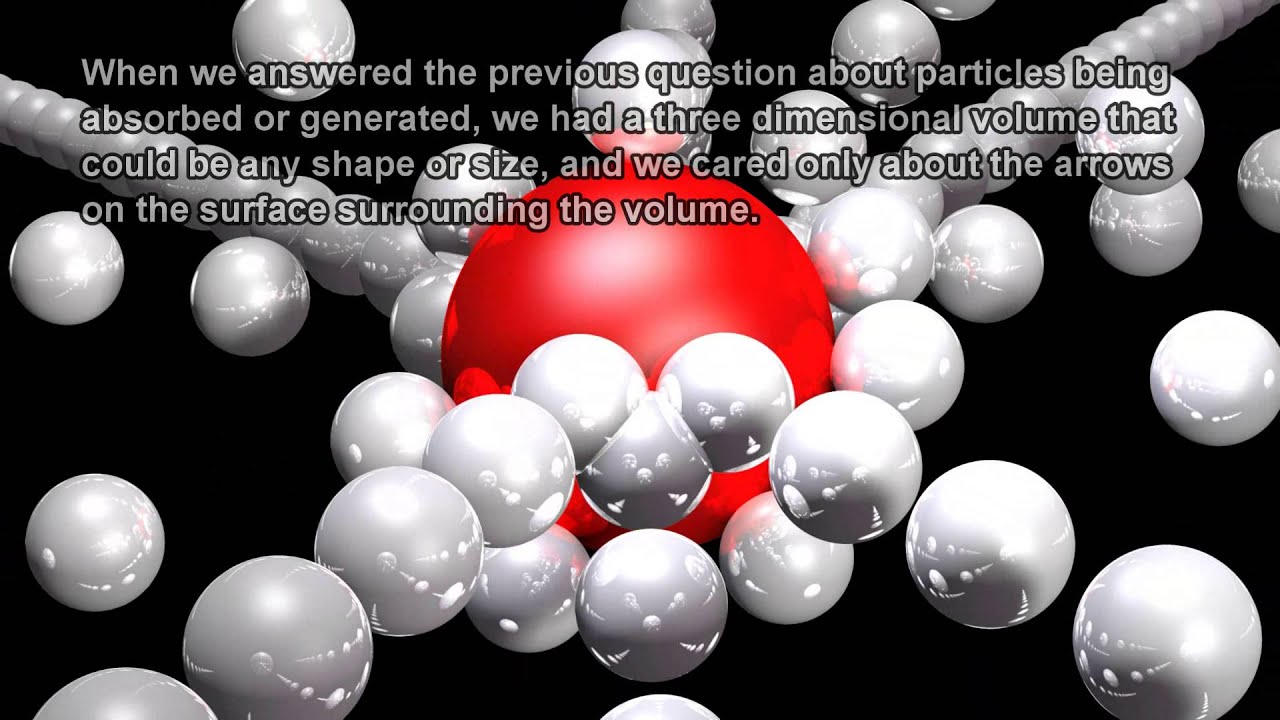
25:33
Divergence and Curl Explained: Visual Vector Field Guide
@EugeneKhutoryansky
459.8K views•2015-12-07
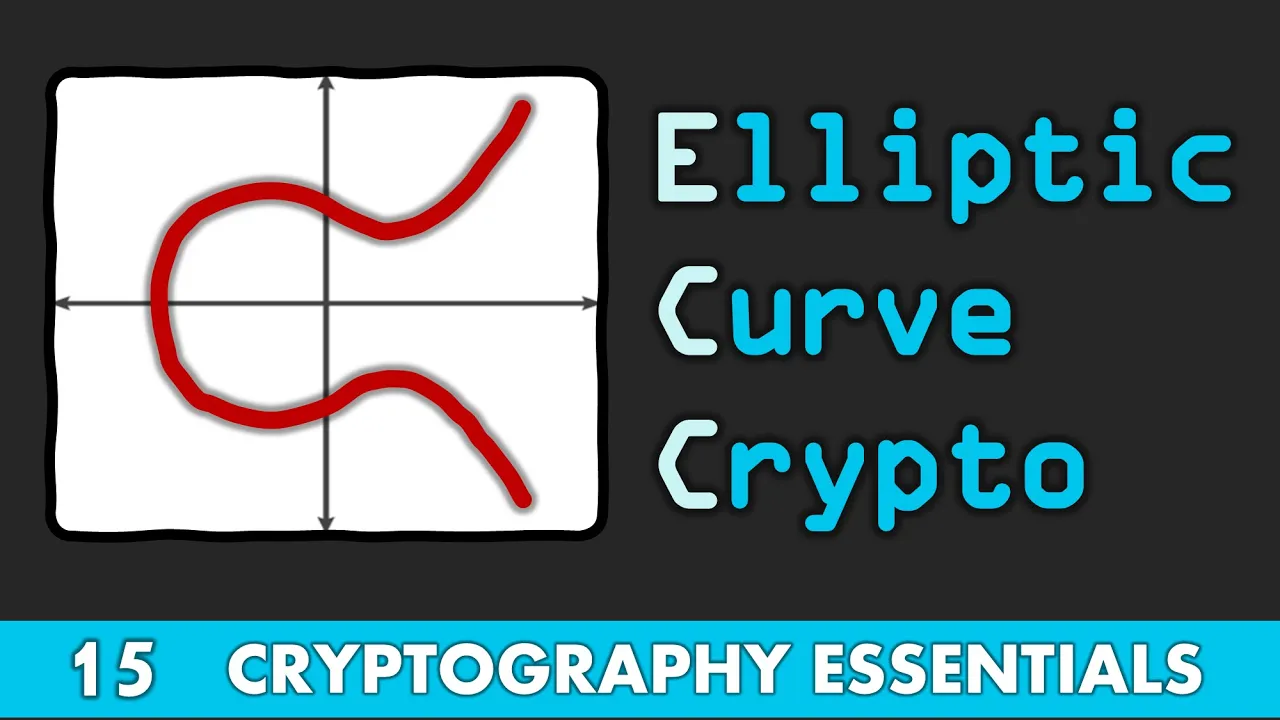
4:43
Elliptic Curve Cryptography Explained: ECC, ECDSA, ECDH
@PracticalNetworking
28.5K views•2024-10-21

47:52
Fourier Transforms and Their Applications | Stanford Lecture 6
@stanford
103.9K views•2008-07-04
6:00
The Mathematical Impossibility of Accurate World Maps
@Vox
23.3M views•2016-12-02
Related Study Plans & Knowledge Roadmaps
Structured learning paths in Mathematics
mathematics
Tensor Calculus: Vectors to Riemann Curvature
01Mathematical Foundations: Linear Algebra & Calculus
02Covectors, Dual Spaces, and Tensor Basics
03The Metric Tensor and Index Gymnastics
+ 2 more learning modules
40h5 modules
Explore Roadmap
mathematics
Gödel's Incompleteness: Logic, Proofs & Limits
01Introduction to Formal Systems & Hilbert's Dream
02Set Theory, Cardinality, and Cantor's Diagonal Argument
03Arithmetization and Gödel Numbering
+ 2 more learning modules
14h5 modules
Explore Roadmap
mathematics
Galois Theory: Fields, Groups & Solvability
01Foundations of Abstract Algebra: Groups & Fields
02Polynomials & Field Extensions
03Splitting Fields & Symmetries
+ 2 more learning modules
24h5 modules
Explore Roadmap
mathematics
Non-Euclidean Geometry: Models & Geodesics
01Euclid's Fifth Postulate and the Birth of New Geometries
02Hyperbolic Space and the Poincaré Disk Model
03Geodesics: Defining Straight Lines in Curved Spaces
+ 2 more learning modules
15h5 modules
Explore Roadmap