


![Relativismo, crítica, evaluación, y realidad - [Comentario perezoso #3-1: Criterio]](https://i.ytimg.com/vi/8U8bpg52wwA/hqdefault.jpg)

















Metaethics is the branch of philosophy that examines the foundations of morality itself, exploring whether moral facts exist objectively (moral realism) or are merely subjective preferences (moral antirealism). Key perspectives include moral absolutism (unchanging moral truths), cultural relativism (morality varies by culture), and moral subjectivism (morality reflects personal attitudes). This field helps us understand why we hold certain moral beliefs and provides frameworks for navigating complex ethical dilemmas.
Metaethics Explained: Moral Realism, Relativism & Subjectivism
Added:Understanding the basic distinction between normative claims (how things should be) and descriptive claims (how things actually are).
Familiarity with foundational philosophical terms such as 'objective', 'subjective', 'absolute', and 'relative'.
A general awareness of what ethics is as a branch of philosophy, distinct from law, religion, or etiquette.
The concept of a moral judgment and how it differs from personal preferences or statements of scientific fact.
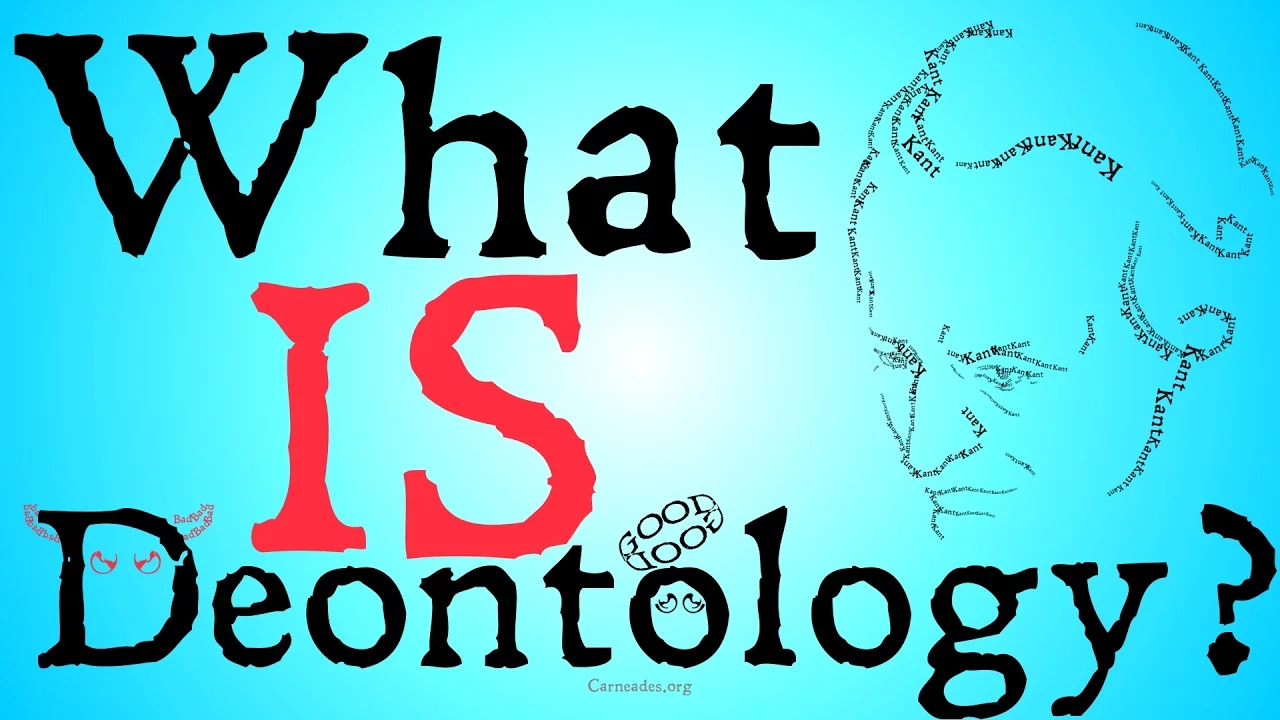
Deep dive into major Normative Ethical Theories, such as Deontology (Kantian ethics), Consequentialism (Utilitarianism), and Virtue Ethics.
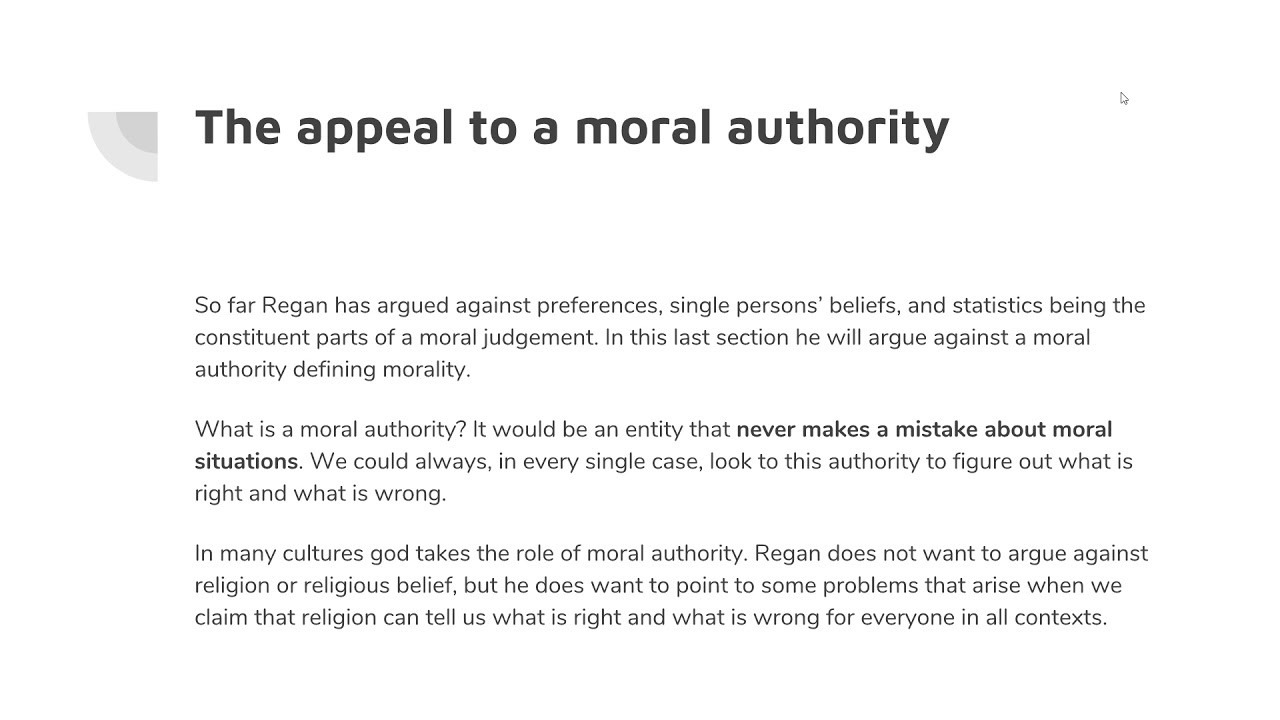
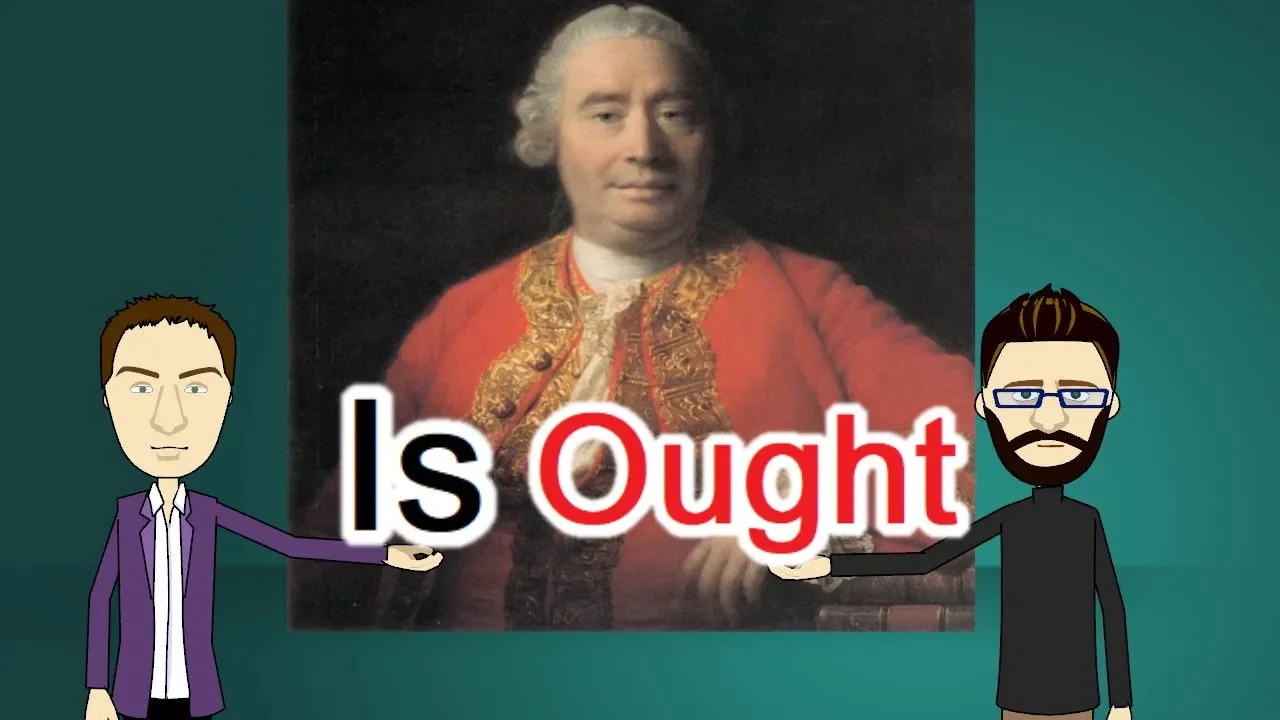
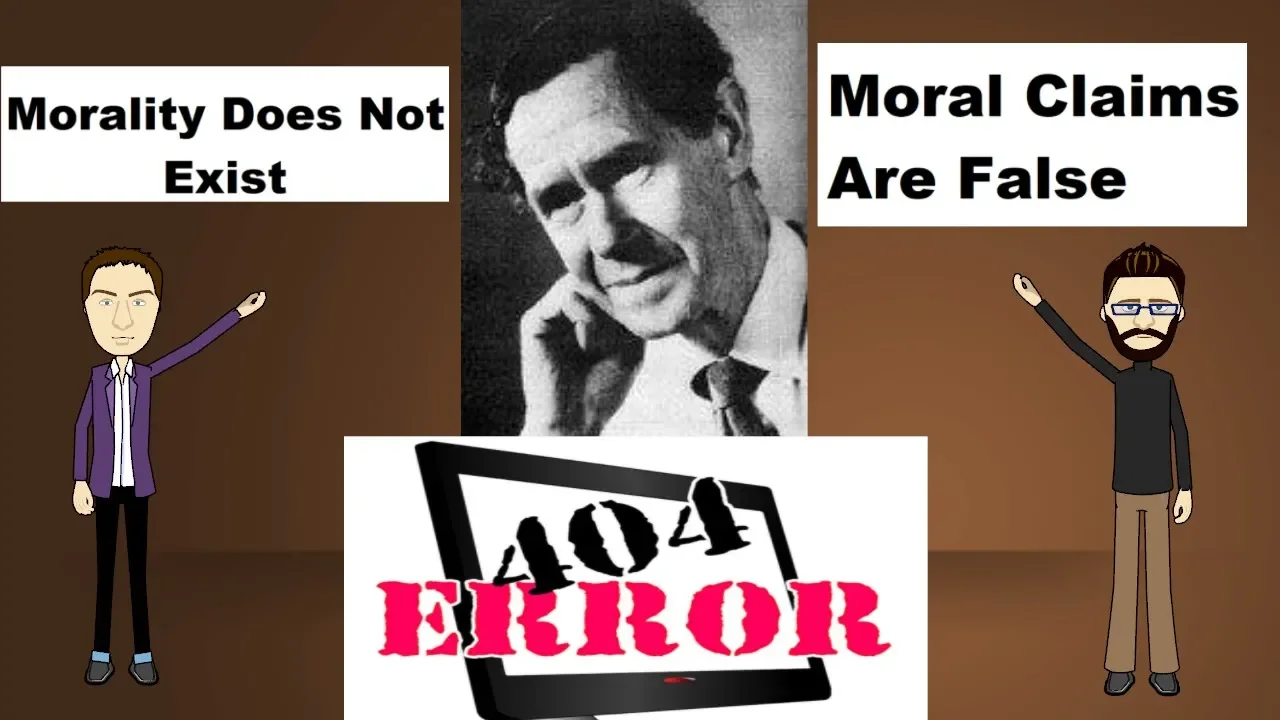
Exploration of advanced metaethical challenges, such as J.L. Mackie's 'Error Theory' and the 'Is-Ought Problem' formulated by David Hume.
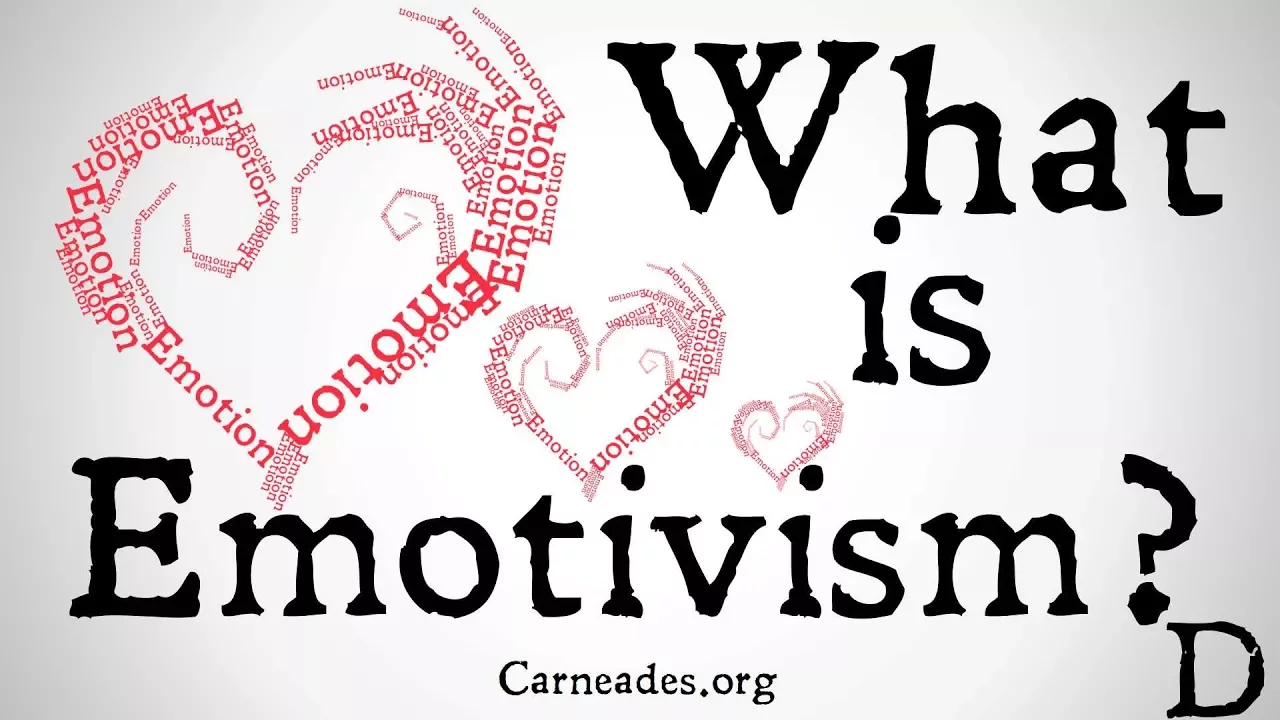
Study of Non-Cognitivism and Emotivism (the 'Boo/Hooray' theory of morality) which challenges the idea that moral claims have truth-value.
Application of metaethical frameworks to Applied Ethics fields, investigating how moral realism or relativism impacts debates in bioethics, animal rights, and AI governance.
2.4M views39.1Klikes9:34Original Release: 2016-10-25
Is it wrong to steal to feed your family?
Is there such a thing as a good lie?
Questions like these are the domain of ethics – the branch of philosophy that studies morality, or right and wrong behavior.
But before we can parse questions like these, we need to go deeper – into metaethics, which studies the very foundations of morality itself.
Metaethics asks questions as basic as: what is morality?
What’s its nature?
Like, is it an objective thing, out there in the world, waiting to be known?
Or is it more like a preference, an opinion, or just a bunch of cultural conventions?
There are lots of different metaethical views out there.
And one way to understand them is to put them to a test to see how they’d help you solve some thorny ethical problems.
Like a scenario where you have to steal food or lie for a good cause.
Or what about this: What if you set out to harm someone, but you ended up saving their life by accident?
[Theme Music] Some people think that ethics is a kind of science, that it seeks to discover moral truths, whose existence is testable and provable.
But others believe the nature of morality is every bit as subjective as whether you prefer plain M&Ms, or peanut.
There’s just no right answer.
Unless you have a peanut allergy.
So, you and your friend might totally agree on whether something is immoral or not, but you might disagree fervently about why.
For an example of a slippery moral scenario, let’s just head straight over to the Thought Bubble for some Flash Philosophy.
A burglar plots to break into an old woman’s house on a Sunday morning, a time when he knows she’s always at church.
So one Sunday, he creeps up to her back window, and smashes it with a hammer.
But, after he looks inside, he sees that the old woman isn’t at church.
She’s in there, laying face-down on the floor.
The sight of her body scares the burglar, and he runs away.
He was down for a little bit of burglary, but getting nabbed for murder was NOT part of his plan.
But what the burglar didn’t know was that the old woman wasn’t dead.
She was unconscious, having passed out because of a carbon monoxide leak that would have killed her.
When the burglar broke the window, he let out some of the toxic gas, and let in fresh air, which allowed her to regain consciousness.
So, the burglar broke into the house with the intention of stealing from the woman, but, inadvertently, he saved her life.
Did the burglar do a good thing?
Does he deserve praise, even though he didn’t intend to help the woman?
Likewise, does he still deserve blame, even though he didn’t actually get around to stealing anything, and ended up saving the woman’s life?
Thanks Thought Bubble!
Your answers to these questions will help you suss out where your moral sensibilities lie.
And why you answer the way you do will say a lot about what metaethical view you subscribe to.
One of the most widely held metaethical views is known as Moral Realism, the belief that there are moral facts, in the same way that there are scientific facts.
In this view, any moral proposition can only be true, or false.
And for a lot of us, our gut intuition tells us that there are moral facts.
Some things are just wrong, and others are indisputably right.
Like, a lot of people think that gratuitous violence is always wrong, and nurturing children is always right – no matter what.
But, you don’t have to dig very deep into moral realism before you run into trouble.
Like for one thing, if there are moral facts, where do they come from?
How do we know what they are?
Are they testable, like scientific facts are?
Are they falsifiable?
And, if morality is based on facts, then why is there so much disagreement about what’s moral and what’s not, as opposed to science, where there’s often more consensus?
This is what’s known as the grounding problem.
The grounding problem of ethics is the search for a foundation for our moral beliefs, something solid that would make them true in a way that is clear, objective, and unmoving.
If you can’t find a way to ground morality, you might be pushed toward another metaethical view: Moral Antirealism.
This is the belief that moral propositions don’t refer to objective features of the world at all – that there are no moral facts.
So a moral anti-realist would argue that there’s nothing about gratuitous violence that’s inherently wrong.
Likewise, they’d say, if you look at the rest of the animal kingdom, sometimes nurturing your kids doesn’t seem like it’s that important.
So, maybe morality isn’t the same for everyone.
But still, most people you know – including yourself – are committed to some form of moral realism.
And there are MANY forms.
So let’s familiarize ourselves with some of its most popular flavors.
Some moral realists are Moral Absolutists.
Not only do they believe in moral facts, they believe there are some moral facts that don’t change.
So, for them, if something is wrong, it’s wrong regardless of culture or circumstance.
Moral facts apply as universally and as constantly as gravity or the speed of light.
If moral absolutism sounds too rigid, maybe Moral Relativism would appeal to you.
This view says that more than one moral position on a given topic can be correct.
And one of the most common forms of moral relativism is cultural relativism.
But there are actually two different things a person might mean when they talk about cultural relativism.
The more general kind is Descriptive Cultural Relativism.
This is simply the belief that people’s moral beliefs differ from culture to culture.
No one really disputes that – it seems obviously true.
Like, some cultures believe that capital punishment is morally right, and other cultures believe it’s morally wrong – that killing another human is inherently unethical.
But there’s also Normative Cultural Relativism, which says that it’s not our beliefs, but moral facts themselves that differ from culture to culture.
So in this view, capital punishment is morally correct in some cultures and is morally wrong in others.
Here, it’s the moral fact of the matter that differs, based on culture.
Now, normative cultural relativism might sound pretty good to you; it does at first to a lot of people.
Because it seems like it’s all about inclusiveness and tolerance.
Who am I to tell other cultures how they should live, right?
But this view actually has some pretty big flaws.
If every culture is the sole arbiter of what’s right for it, that means no culture can actually be wrong.
It means Nazi culture actually was right, for the people living in that culture.
A dissenting German voice in, say, 1940, would have just been wrong, if it had claimed that Jewish people deserved to be treated the same as other Germans.
And what makes things even weirder is that, if normative cultural relativism is true, then the concept of moral progress doesn’t make sense, either.
If what everyone is doing right now is right, relative to their own culture, then there’s never any reason to change anything.
Problems like these make some people take a second look at the antirealist stance, which, remember, is the view that there just aren’t any moral facts.
Just one flavor of moral antirealism is Moral Subjectivism.
This view says that moral statements can be true and false – right or wrong – but they refer only to people’s attitudes, rather than their actions.
By this thinking, capital punishment is neither right nor wrong, but people definitely have preferences about it.
And those preferences key into personal attitudes, but not into actual, objective moral facts about the world.
Like, some people favor capital punishment, and think it’s just.
Others oppose it and think it’s unjust.
But it doesn’t go any deeper than that.
There are no moral facts, only moral attitudes.
There are other varieties of both moral realism and antirealism, but this should give you an idea of the general, metaethical lay of the land.
And by now, it probably seems like I’ve given you a lot more problems than solutions.
So let’s talk about the moral frameworks you’ll use to navigate your way through all of these moral mazes.
These frameworks are known as ethical theories.
They’re moral foundations that help you come up with consistent answers about right and wrong conduct.
All ethical theories have some kind of starting assumptions, which shouldn’t be surprising, because really all of our beliefs rest on some basic, assumed beliefs.
For instance, natural law theory, which we’ll study soon, relies on the starting assumption that God created the universe according to a well-ordered plan.
While another ethical theory, known as utilitarianism, relies on the starting assumption that all beings share a common desire to seek pleasure and avoid pain.
The starting assumptions of a theory can lead us to other beliefs, but if you reject those initial assumptions, the rest of the theory just doesn’t follow.
Now, in addition to starting assumptions, ethical theories also consist of Moral Principles, which are the building blocks that make up the theories.
And these principles can be shared between more than one theory.
For instance, many ethical theories agree on the principle that it’s wrong to cause unjustified suffering.
Some ethical theories hold the principle that any unjustified killing is wrong – and that includes animals – while other theories hold the principle that it’s only wrong to unjustifiably kill humans.
But the thing about ethical theories is that most people don’t identify with just one.
Instead, most people identify with principles from several theories that help them form their own moral views.
We’re going to be spending several weeks learning about these ethical theories, and you’ll probably find elements of some that you already believe, and others that you definitely disagree with.
But all of this accepting and rejecting will help you develop a new way to talk about – and think about – what are, for now, your gut moral intuitions.
Today we talked about metaethics.
We discussed three forms of moral realism and we learned the difference between descriptive and normative cultural relativism.
We also learned about moral subjectivism, which is a form of moral antirealism.
And we introduced the concept of an ethical theory.
Next time we’re going to learn about the ethical theory known as the Divine Command Theory.
Crash Course Philosophy is produced in association with PBS Digital Studios.
You can head over to their channel and check out a playlist of the latest episodes from shows like: Physics Girl, Shanks FX, and PBS Space Time.
This episode of Crash Course Philosophy was filmed in the Doctor Cheryl C. Kinney Crash Course Studio with the help of all of these awesome people and our equally fantastic graphics team is Thought Cafe.
Up Next

80:48
Moral Realism Explained: Interview with Dr. Terence Cuneo
@TheAnalyticChristian
3.4K views•2020-01-04

164:01
John of Damascus on Holy Images: A Theological Defense
@BannedBooks
139 views•2026-04-25
9:20
How Can We Talk About Nonexistent Objects? | Philosophy
@crashcourse
872.8K views•2016-09-27
4:57
The Myth of Sisyphus: A Greek Legend of Eternal Punishment
@TEDEd
8.6M views•2018-11-13
Related Study Plans & Knowledge Roadmaps
Structured learning paths in Philosophy
philosophy
Frankfurt School: Critical Theory & Culture
01Foundations of the Frankfurt School and Critical Theory
02Horkheimer & Adorno: The Critique of Instrumental Reason
03The Culture Industry and Mass Deception
+ 2 more learning modules
12h5 modules
Explore Roadmap
philosophy
Philosophy of Language: From Frege to Austin
01The Linguistic Turn: An Introduction to Language in Philosophy
02Gottlob Frege: Sense and Reference
03Early Wittgenstein: The Picture Theory of Meaning
+ 3 more learning modules
15h6 modules
Explore Roadmap
philosophy
Feminist Epistemology: Standpoint & Injustice
01Introduction to Epistemology and Feminist Critiques
02Sandra Harding and Standpoint Theory
03Donna Haraway and Situated Knowledges
+ 2 more learning modules
12h5 modules
Explore Roadmap
philosophy
Environmental Philosophy: Ethics & Deep Ecology
01Foundations of Environmental Ethics & Anthropocentrism
02Biocentric Individualism and Animal Liberation
03Ecocentric Holism and Deep Ecology
+ 1 more learning modules
10h4 modules
Explore Roadmap