












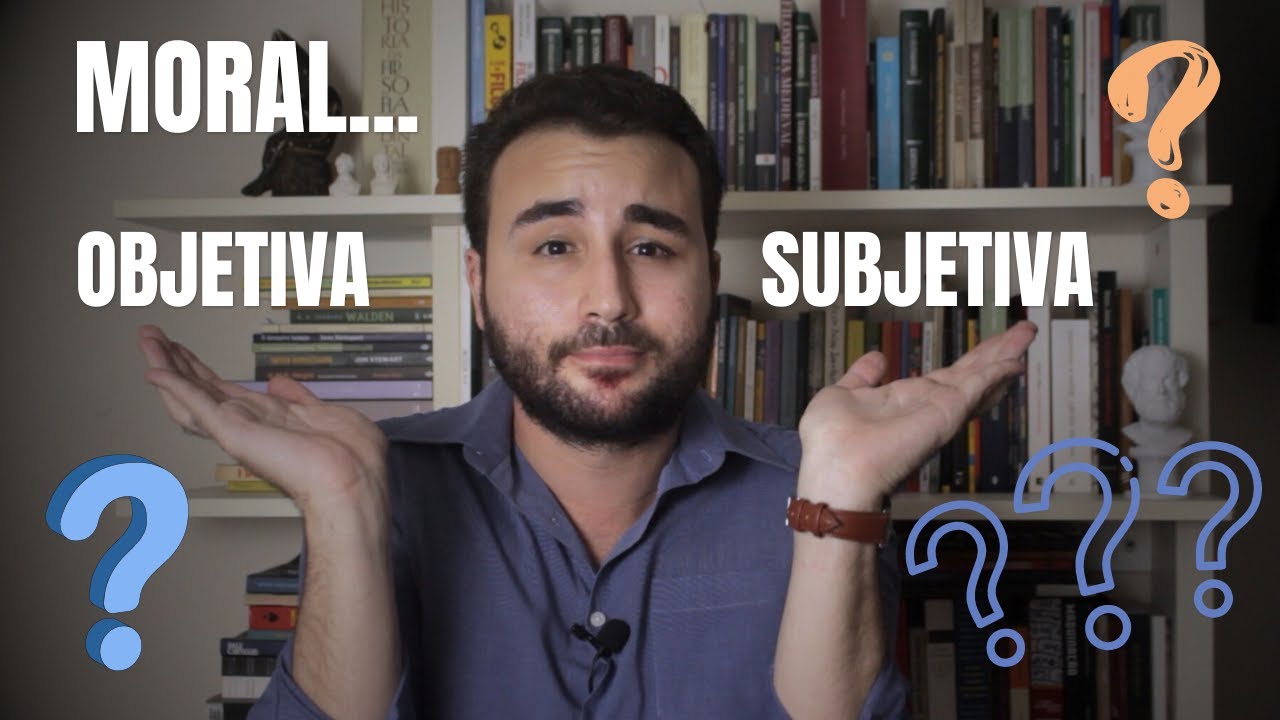





Moral realism is the philosophical position that objective moral facts exist—truths about right and wrong that are independent of human beliefs or conventions—and Dr. Terence Cuneo argues for this view by presenting several lines of reasoning including the companions in guilt argument (which draws parallels between moral facts and epistemic facts), the speech and morality argument (which identifies necessary moral rights and obligations in speech act theory), and responses to common objections such as supervenience challenges and the motivational internalism problem; he distinguishes moral realism from nihilism (which denies moral facts altogether) and constructivism (which views morality as human construction), ultimately concluding that moral realism provides the most coherent explanation of our moral experiences and practices.
Moral Realism Explained: Interview with Dr. Terence Cuneo
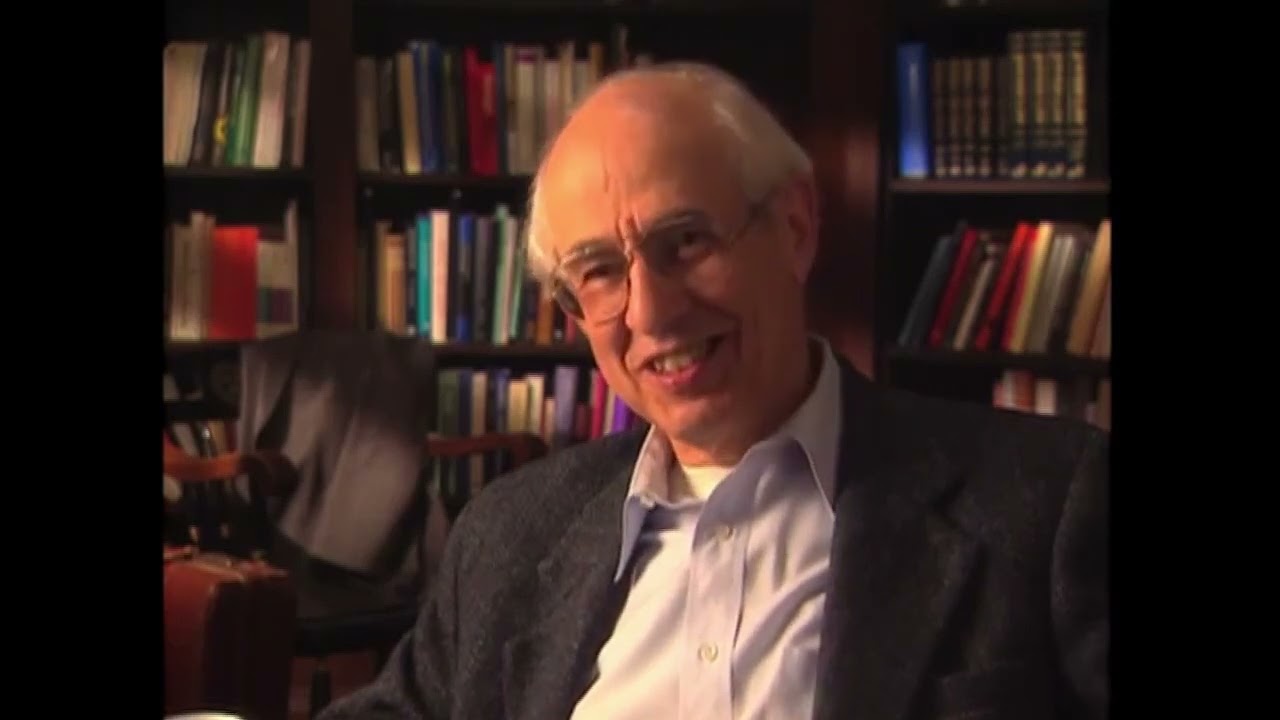
Added:course apologetics where I summarize the work of Christian scholars in animated videos and interviews like the one you're going to watch today my guest is dr. Terrence Kineo I will let him go ahead before we start and just say a few words about his background maybe what's gotten him into philosophy and so forth yeah I'm presently a professor at the University of Vermont specialized in ethical theory work in what philosophers call meta ethics I do work in the history of modern philosophy where I focused a lot of my attention on the Scots philosopher Thomas Reid and a work in philosophy of religion most of my work in philosophy religion has been on the topic of liturgy which is a little bit different for philosophers in addition to these main subjects I tend to do some work in political philosophy and epistemology and flossy language that kind of thing awesome yeah I as I started to check out some of your books I saw the liturgy one and that was a different kind of flavor from some other things that I had seen your work on so today I am basically kicking off some interviews a series of interviews on God and morality and before we can get into some of those relationships and we'll talk a little bit about it near the end of the interview today I wanted to talk first about whether or not moral facts exists and I have I'm part of a group on Facebook that are a bunch of theistic philosophers and I got on there and I said who could I talk to about whether or not moral facts exists and they said all you need to talk to Terence Cooney oh no and so that's how I discovered you and just before we went live I was saying it's hard to find anything on YouTube where you are explaining what written on and so I think that this will be a really valuable video for people to go to why people like me if they can't get their hands on some of your work so before we start I will say this one of the books that is really relevant is the normative web I hope we get to talk a little bit about this but not just this and I also managed to pick this up at my university library foundations of ethics hmm an anthology so this has some really helpful essays too so and you might I don't there's this one the speech and morality which is 2014 book I didn't get my hands on that one but but maybe you'll have time to to explain some of that I know for any of these we could spend a whole program going through it all so I just want to try and cover a lot of ground but also not skip over anything if you think it's very important all right well let's start out like this we're talking about whether moral realism is true whether that's how reality is or whether moral nihilism so first let's define our terms what when you talk about moral realism what do you mean yeah for starters if I'm talking to a a group of introductory students or non philosophers I'll start by saying hey moral realism is basically the view that there are objective moral facts and by moral facts we have facts of the following sort in mind that it's wrong to slaughter other people to insult them mean simply because they've inconvenienced you or you don't like the way they look sort of these would be examples of moral facts there's some debate as to what's meant with their objective when philosophers say their objective right now we can work with an understanding of objectivity that go something like this they're they're more robust than say the norms of etiquette or the law are where we can say look there are norms of etiquette rules or requirements of etiquette rules or requirement the law but we see in some interesting sense they're highly contingent mm-hmm that the norm of etiquette that instructs us to say set our plates with the fork and the left side of the plates is highly contingent to go many many different ways and so morality the norms of morality aren't contingent in that way and the contingency is is deeply tied into human conventions of certain kind so the thinking is like moral facts exists but they're interestingly different from the facts of etiquette the facts of say positive law and as much as they're not the product of human convention now that leaves a question like what is their source if anything and more realist will divide on that question so some will say they don't have any source at all they they're just fundamental features of reality other more realists of see atheistic persuasion will say that moral reality or moral facts are grounded in God's will or God's mental states or God's nature or something to that effect yeah very good now what about moral nihilism or nihilism you could correct me how'd it always hear it two different ways is there yeah differently yeah so so moral nihilism as I think event is a view that tends to agree with the realism about this much the needle is typically saying look if there were moral facts if there were were these objective moral truths they would be as the realist says they are objective features of the world that give us excellent reasons to act but there are no such reasons there are no such facts so they reach a nihilistic conclusion and that's what their needle isn't consistent a denial of the claim that there are real facts with the understanding that were the moral facts to exist they would be as the realist say they are okay yeah and error theory is typically the term that's used to refer to this type of position in the literature the error theorist says hey moral realism basically described how people think about morality they tend to think it subjective but ordinary people are just in error about this there is no reality that answers to their beliefs very good yeah is I sometimes see the term anti-realists oh there's moral realists and moral anti-realist is kneel ISM that the same thing can I use those terms interchangeably or should I not do that yeah probably not realism is a term that's typically used to refer to a wider array of positions you could think of this array as sort of clustering into three groups of views one is the nihilistic corner of the era theorists another corner or another branch of anti-realism is occupied by philosophers who believe there are moral facts but they're not objective in some interesting sense the product of human convention or human attitudes they're there but they're not they don't have the nature that realists think they do mmm-hmm and then there's an interesting group of philosophers they're sometimes referred to as expressive us sometimes they're referred to as non-factual as' these folks take us their starting point a very different understanding of character of ordinary moral thought discourse they basically think that ordinary moral thought discourse just isn't in the business of trying to describe a moral reality a realm of facts or realm of truths they think of it as being similar to a the way some people might think of so expressions of taste when you say that something is yucky or something sucks you're just expressing an attitude you're just expressing disapproval you're not you're not saying of say an item of food that has the property being yucky yeah we got it or your team sucks right isn't your just saying what I'm against this this is this is some interesting sense distasteful so there are those philosophers who think of a moral thought discourse really differently from the realists the needless in that second group of philosophers I was thinking of this sometimes called constructivist sometimes called response dependent theorists ok yeah so I didn't in in titling this video I didn't want to set up some kind of like false dichotomy where it's like you have to choose this one or this one because I called it moral realism you may hear my baby crying in the background moral realism versus moral nihilism so I hope I don't communicate to the to the audience you have to choose one of the two it because you've laid out other options yeah yeah I I guess today what I'm interested in is isolating those two views and maybe seeing you know which one has more plausibility to it and perhaps in the future critique other ones but we'll just isolate those two yeah now I wonder if as I've read on this just a little do do semantics or that's what I've heard them called at this point do semantics play a role at this point and what I have in mind when I say that is do we have to be able to define give a definition for goodness in order to say that more realism is true mmm I've come across a GE Moore's open question argument and so help me sort that out do I need to define goodness first to be a more realist I think the short answer is no okay it's a little tricky to sort of sort out the territory in a neat way when it comes to what more has to say about goodness and offering a definition of goodness right know what he means when he says we need to offer a definition of goodness and then what's going on between the realist and the newest it's almost as if there are a couple of different conversations going you're so one way to think about is as follows as more is typically understood he's he's engaged in a debate according to which he's already taking something like realism for granted or something in the neighborhood of either realism or this other view I was describing constructivism which says that morality is our construction in the way they said the norms of etiquette or the norms of positive are and what Moore wants to argue for is a view called non naturalism and the the leading thought behind this view is that there is something autonomous about the moral domain it's just different from the other stuff that say people are talking about when they do then out when they're engaged in natural science or the social sciences or empirical studies probably speaking that morality is own sort of thing and it can't be reduced to that sort of things that's that's broadly speaking non naturalism and this business about defining goodness where I think the best way to interpret Moore here is easy interested in what flosser is called real definition he's interested in trying to determine whether we can offer an account to the essence of goodness what goodness is and he thinks that there's no way to capture what the essence of goodness is and broadly empirical naturalistic terms that the only way we can talk about the essence of goodness is in terms of other normative categories such as what merits our approbation what we ought to prize that's like that's about as far as we're gonna get we're we're we're in a meshed in this circle of normative or moral terms and so more thought these sorts of considerations give us some reason to believe that something like non naturalism as opposed to naturalism is the correct way to think of moral reality okay yeah so now we can bring this this little bit of philosophy into conversation with the realist needless debate the new ulis tend to agree with more they tend to think more was right we're not going to be able to offer a naturalistic account to the essence of morality in this sense morality is very different from again the norms of etiquette we can offer a completely naturalistic account of the norms of etiquette how they arose and what by the revolutionary pressures to form these rules and why people follow them so both the needless and and the non natural Australis agree with that yeah and where the per company is whether there's anything and answers to this understanding of morality Rilla saying yes there is a reality of the answers to this understanding of what's a goodness right now wrongness justice art and the error theorists of the needless on the other hand saying this is what morality would have to be like were to exist but they're just there's no such thing okay I'll return a little bit later when we bring when I bring up God but for now we're just setting that aside it's parallel to the debates between theists and atheists on the one hand um and another group of thinkers who want to say things like yeah there's a God but there's no interesting sense in which God is like the god that's a the theistic traditions describe God mm-hmm God is love or God is an evolutionary force or something like that the atheists and the traditional theists say no no gods like this God is the submission to Nippon int omni-benevolent being the eighth ESA that's the correct description nothing answers to the description the theist says that's the description something does answer to the description there's other group of philosophers say no that's not the correct description there's a there's a sort of a a much more modest description of what God is and in fact the world does answer to this description there is such a thing as God hmm maybe small g-god yes yeah so that's not that would be the parallel in ethics okay that's how people all right so I guess I want to jump into the meat of the discussion which is arguments for and against more realism and moral nihilism so let's start with moral realism you've offered some arguments in favor of moral realism you don't have to speak to the only things that you've you've written about you can any argument that you think is a good one for moral realism however you want to go about it what are some arguments for it well let me start off by saying this that there have been quite a few philosophers who identify as moral realists who basically take their position to be the default position and so they'll say something like you know unless the knee list can come up with some really powerful reasons for dislodging are sort of common sensible commitment to their being facts about wrongness and rightness realism wins mm-hmm that's not my view I I think the methodologies got to be more sophisticated than that but I can at least run you through a couple of lines of argument that I had developed in my books before you do that I I meant to ask that question about it's basically is more realism the default position and like I've I hear it like William Lane Craig and Paul cope and some of these guys they talk about your moral beliefs as properly basic just as your belief in an external world now you said like you know we need something a little more sophisticated I don't know would that count as a sophisticated account to you or are you thinking we still need a little bit more than that I don't know if you appeal to proper basic at all for for this position yeah no I wouldn't that wouldn't be a route that I'd be terribly tempted by okay we can certainly talk about what I think is a better methodology okay so what roughly what I think a better methodology would go like is as follows we begin by collecting data about the moral domain what's the moral domain like just like in other domains we would collect data whether it's sociology or history or whatever about being possibly we often do the same thing and so for example we might think about scenarios in which you've made a promise to someone to say prepare a meal for them maybe they've been injured and so they need people to help them out and you forget all about your promise but then at the last moment you remind that you made this promise and like what do you do and if you're if you're thinking well and thinking clearly you realize that certainly there are circumstances when it's okay to break ones promise but this isn't one of them you know I forgot it's my bad so I'm required to to do as I promised and then we can begin to mine situations like that for data and then so some of the data might be something like look there are situations that have moral features that I promise to do something as a feature of being such that now I'm obligated to do it all else being equal that I promised to do something seems to give me a reason to do it and I can't as it were slip out of that reason simply because I don't want to do it it also seems like we can take as a data point moral features like my being obligated to keep my promise or correlated with all sorts of non moral features such as my having performed various kinds of speech acts in this case promises and so forth you know that the the requirement in question seems to apply to me regardless about what I care about no one's I can't I can't say oh look I'm not required to do this because I don't I don't I don't care about morality or whatever doesn't work that way so forth so we can and and then we can we can point out that it also seems as if morality is not arbitrary it's tight things like promising and harm and well-being and a relationships of trust with other people let me let me ask you just to clarify at that point so it seems like your starting point is to just reflect on our experience almost and say how does when I make a promise and you know certain circumstances arise that maybe make me want to break that promise what am i experiencing at that point do I feel like I have an obligation it so is it is it like a seeming to you or a feeling is is that what you're like how does it appear um that's not exactly how I would want to put it but I would I would put it in terms of moral experience for sure okay and being able to elicit or mine moral experience for data points okay okay that's that's that's what's happening and we could think about I guess the same thing for like feeding it having food that you could give to a starving child and what would you do maybe in that situation like you could you could reflect on other situations as well and think what what would I suppose what am I supposed to do in this if anything yeah I've altered all sorts of different circumstances that we could reflect on this one just happens to do with promising in other sort of case would be like oh you're riding your bike home from work you come across another person who's crashed on his bike and really hurt himself um what are you obligated to do at this point yeah so so lots of lots of different scenarios that we could we could talk about so this is just a beginning but nevertheless as we begin to reflect on these scenarios we can begin to as I think they listed data points okay know we can have arguments about you know whether what we're identifying our true data points or not but this seems like a promising place to be and I think what the realist wants to do is to say I've got a theory that can accommodate and explain these various data points that there are moral facts and that makes that could Beckett accommodates and explains the data point that very situations exhibit moral features that they give us reasons to act that these reasons are such that you can't escape them simply by us or saying hey I'm out of the game that kind of thing in the way that you might sort of bow out of a game of chess or something like that and so what realism does and I think what it basically what it's designed to do it's a theory that's designed to accommodate and explain these data points so what I think the first thing that the realist is going to do is to say interestingly enough Neil ISM is in a really poor position to accommodate and explain these data points because it denies that there's a moral reality that would would be the sort of thing that could could do this theoretical work now that that's that doesn't sort of seal the deal in favor of realism but you can you can see right away that realism strength lies and its ability to do this explanatory work and right off the bat Neil ISM has some real challenges when it comes to this explanatory work so either the needleless is gonna have to make a move like this oh these aren't real data points it only appears their moral features only appears of em guys you have yeah that kinds I mean they can make moves of that sort or they can say look if you look a few clicks down the road you'll see that you have to appeal to moral facts but these moral facts are like just sort of a theoretician nightmare because they present all these puzzles that can't be solved in an adequate way so we're better off not positing these things and just making do with a theory that explains very few of the data so that's the dialectic as I see it and as that needs to be worked out with more care so I think the my own view is that the realists are on really solid ground by in their claims that they've identified data points and they've got a theory that can accommodate and explain these data points by positing the existence of objective moral facts and I think the error theorists or the Neela's has a lot of explaining to do on my own views that they really haven't done this explaining that though there there have been some interesting and some impressive progress in developing the view the view is badly underdeveloped okay well yeah you gave kind of two options and I'm following along you're doing a great job of explaining I'm tracking with you so I appreciate that gave kind of two routes that analyst can go they can either deny the moral fact itself or the I should say the experience a it's only appears yeah the data point so these are real these are genuine data points as a as opposed to something like it only appears as their moral features only appears at their reasons to do things like keep her promises help other people who have been injured okay right that's that's one move they can make and so we can have a very high-level argument about methodology and meta ethics and my own view that's probably where a lot of the action lies really I level abstract issues about what exactly the data points are and how were to understand them what's the theoretically most respectable way to understand them or they could say no the reals is got it right no these are the data points we have reason to affirm these data points is just at the end of the day it turns out that in order to explain accommodate and explain these data points you have to posit these really weird things moral facts and that's as to say kind of a nightmare as far as a theory goes and the realist response is going to have to be if the the ear theorist or the Neos goes that route the realest response is going to be is going to have to be something like the worry here is is exaggerated that the sorts of charges that you're laying at the feet of realistic moral facts are these really bizarre sorts of things or somehow you know we denote genuine explanatory to work or there's no way we could we have no understanding about how we could grass them that these challenges could be met I was getting a theoretically satisfactory way okay well take me take me down these two paths in because I I want to see where this goes so go ahead yeah going down the first path is true to go down is really to entered a territory that's been largely unexplored interestingly enough mmm as I say sort of general issues about methodology and the nature of data when it comes to meta ethics as I said it's not really something that Neela's have talked about a whole lot it's not really something that even realists I've talked about a whole lot so what I can say is it's part of a position that a couple of other philosophers at the University of wisconsin-madison John Banks in and Russia sherry for Landau we've been working out in a series of books hopefully the next couple of years will see the light of day in which we we try to put this sort of methodology through the paces and give arguments for why this is the better understanding of data then what the NiO list is going to to offer so I can I can sketch a bit how that goes but I'm a little reluctant because I'm I'm a bit concerned we're like way into them okay okay well then talk about the other side the other side is getting like oh okay we see that if you don't develop a theory according to which there are more facts and these moral facts accommodate explain these data but there are big problems with these moral facts you might think for example that we don't really understand what the relationship would be between these moral Bertie's and roll facts in the one hand and on the other hand the non moral features that ground them or on which they supervene and so what realists are going to have to do is then offer a satisfactory account of supervenience the sort of view that we develop is something like it belongs to the very essence of these moral features to be grounded in these non moral features and so we can give a very attractive essentialist explanation of this phenomenon another worry that a lot of philosophers have had is about well what about the judgments with regard to these moral facts like why would they be so tightly connected with action and being motivated to act if they're just sort of like garden-variety judgments about how the world is I mean why would they have the sort of puffiness to them and I think there are a lot I mean very very plausible answers that can be given to this sort of worry it's what philosophers call motivational internal ISM one sort of answer is something like well there is a close connection between say moral judgments and motivation the connections intimate but it's not it's not so close that you've got to say deposit a conceptually necessary time between the two is just a it's it's a very intimate contingent connection that we can explained on all sorts of ways by appealing to sorts of desires and agents have or the phenomenology moral judgment lots of different answers and you give them there so I think in that case there are many many ways to go that are very plausible here's another worry in other worries something like look realest of a very robust sort are committed to their being robust reasons what's on what are sometimes called categorical reasons the thinking is that people have reasons to act as morality requires and that doesn't really have anything to do with what they desire what they care about these reasons apply to agents simply invert you the fact that they're agents hmm right so it'd be very different from say my desire to have or my reason to have a say good cup of coffee if you don't care about coffee right you're not going to be and be at all tempted to get in the car right now and go to your favorite coffee shop whereas given that I'm a coffee fiction Auto I may have a reason to go into the car and you go to the really nice coffee shop and it all hinges on what you care about what I care about and really seems different morality seems like it doesn't matter what you care about yeah it seems like you've got these reasons just in virtue of being a rational agent yeah and so some people find that really strange I'm inclined to think that it's not not strange at all I think reasons in other domains they're possibly read in the same way so when it comes to the reasons that we have to believe various propositions epistemic reasons for example or like this in my view but I also think this view is probably the one that makes best sense of our practices of holding others accountable and they're being blamed worthy that the thinking is something like in order to make sense of the phenomenon of blameworthiness when agents act in really really bad ways and may not care about morality call such agents more or less these agents are blameworthy in many many cases even they don't even though they don't care about morality and that could be true only if that there were categorical reasons or robust reasons so the thinking is there are reasons that apply to these agents regardless of what they happen to care about so again appealing to a common phenomena in this case blameworthiness to make sense of and offer an argument in favor of there being robust reasons for categorical reasons so that's a sampling it's by no means the and by no means a referent does it represent the totality of different arguments or going on in meta ethics and that certain challenges that phosphors press against realism just as I say give you a flavor for some of the arguments and some of the mousse that realists make in replying to these arguments and developing their own views yeah okay well that's a helpful comment sketch to kind of get a feel for I guess the dialectic like what's the moves that are going to be made yeah I want to try and put a little meat on the bones to get an argument out on the table so I guess imagine this imagine you've got a moral me list in front of you I can play devil's advocate if you want you've got me in front of you and I'm thinking these these moral facts that you're referring to but that you're these data points I guess these data points that you put out on the table I'm not convinced that that those are genuine so in your in your normative web book and the speech and morality book you lay out arguments for moral realism do you think you can sketch those to try and convince a moral knee list sure they can be all sorts of places where they're going to jobs and try to get off the train but the argument in the normative web goes roughly like this bring to mind moral facts of the story we've been talking about such as it's wrong to murder it's wrong to lie yes when do so is simply say to say face that kind of thing I know we're giving a little richer description than just it's wrong to lie because plausibly there plenty of circumstances when it's okay to lie yeah so so there the moral facts on the one hand and then on the other hand there or the Peter did moral facts and then on the other hand there are the Peter did what I call epistemic facts facts about the rationality belief and and the justification of belief and having knowledge and the like so we have facts like oh it's irrational to form o belief that something is the case in the face of overwhelming evidence that it's not the case right it's irrational to engage in a say a plan of inquiry what you're trying to find something out when you've got really good reason to believe the plaintiff inquiry is highly unreliable so you know consulting the tea leaves or whatever it might be in order to figure out you know what's going to happen and you know 2020 everybody that's that so we have we have various facts about rationality irrationality reasons to believe the fact that something appears to you is read in normal conditions as reasons to to believe that it's Reds another epistemic fact so there are these epistemic facts so it seems and there are these moral facts so it seems and then it goes something the argument goes something like this like look these facts are similar in a whole host of relevant respects they both have reasoned giving forests they both seem objective they both seem like they supervening on non normative reality so so you identify a cluster of features in which they seem to have in common and then you note that look if you get if you have a theory that denies the existence of epistemic facts that's a radical form of skepticism according to which there are no reason to believe anything we have no knowledge of justified beliefs and that's a lot to swallow that's absurd that would that would to deny epistemic facts would be to accept global skepticism it Holmes right you'd have to be skeptical of everything yeah we're holding some things fixed and we're holding this fix if there were epistemic facts then they would be of this sort of robust reason giving sort right and so we hold that facts and then note that look yeah if you deny these things then you're saddled with credibly robust form of skepticism such that you don't even have reason to believe that that version of skepticism is true uh-huh yeah I've also made up the cheating character depending on how it gets developed interestingly now if there is a prominent error theorist who in fact accepts this implication but that we couldn't believe it they have no reason to believe it hmm so then the thinking is well that's like that's way too much to swallow so so I'm thinking is something like if there were no moral facts and there would be no epistemic facts but there are epistemic facts we have a really really good reason to believe that because tonight would land us in wholesale skepticism so there's there's powerful reason to leave their moral facts that's that's roughly the argument so it's our argument it's a sort of companions which sometimes called the Companions again guilt argument or a parody argument yeah yeah just to make sure that I'm understanding and correct me alot one reason I wanted to interview was I want you to correct me where I'm missing anything so would it be fair to say like here here was the way I was thinking of it it seems like if you have modus ponens if P then Q Q I'm sorry if P then Q P therefore Q that seems like a am I correct in saying that that is like a a normative rule what does that qualify as something a rule that that we ought to to be rational we ought to follow I think that's correct I think it's a very plausible thing to say I'm just trying to figure out if there are people who would deny that okay yeah I'm trying to figure out if that qualifies as an epistemic fact so it seems like you're look at what the count is an epistemic fact is something like this if if it's true if P then Q and it's true that P then you have reason they notice we've introduced then you have reason to affirm Q okay that's where that's the oven that's where I would identify the e so the the part where you say now I have reason to affirm Q you got it that's and and what would that reason be would that reason be modus ponens or like the rule is that the reason well that's a good question I don't want to take this too far afield I just I just want to get some epistemic facts out on the table I know you mentioned something but well I do think that facts concerning principles of logic facts involving principles of logic are sources of epistemic reasons so yes I would agree with that that seems really really possible I was just wondering if the person wants to deny epistemic facts it seems like you throw out rules of logic and and to me that's what quickly leads to skeptics really I see Susan I think it's not quite that simple I think what you what you throw out instead is not the the rules of logic as such but that the rules of logic generate reasons to believe okay that's what you got to get rid of okay so you have to understand these rules in such a way that people use them and they're useful and they help us get around in the world and so on and so forth but there's no interesting sense in which they give us reasons to believe anything mm-hmm now my own view this is like that's you know that's a really really high price to pay but it's not as simple as you're getting rid of the norms of logic okay so badly you're getting rid of the idea that the rooms of logic provide reasons a various source okay that makes perfect sense that's really helpful thank you yeah that's really helpful clarification okay so there's this campaign you called it moral facts and epistemic facts they share many features that are in relevant ways to this discussion and you want to say but moral facts do exist and that the conclusion was therefore I'm sorry Epis ya epidemic facts is really good reason to with firm epistemic facts like again that the price of of denying the existence of epistemic facts is just super super high and I think skepticism think may be a type of self defeat so their good reason to believe that moral facts exist yet okay perfect so that's to see that's the normative will have argument I'm sure that there's lots of ad wrote a whole book so there's like at every premise there's gonna be multiple objections that's right and and and one move that was already sort of prefigured in our earlier discussion is is to dispute an assumption of the argument namely that we should be thinking of moral facts and epistemic facts and these robust terms so we should be thinking of that much less exalted terms like they're more similar to the laws of the norms of etiquette or positive law and realists believe but as I emphasized earlier that's not how the the error thirst or the needless think so things typically these people are in agreement with real less like yes if there were these things they would have this robust status so that's not where they're going to want to get off the train they tend to want to get off the train and by disputing the fact that there are these relevant similarities between the epistemic realm the moral realm and that rose into the question that promise that you know if there are no moral Faxon to be no epistemic Coxe okay so yeah the the knee list probably doesn't want to deny epistemic facts probably wants to get off on that first premise if moral facts do not exist an epistemic I exist they want to point out dissimilarities yeah this burden promise yeah yeah that's where a lot of the discussion is focused so so folks like yonus Olson at Stockholm have have written papers chapters of books trying to give the reasons for thinking that that promise ought to be rejected and I've written some responsive isn't so forth okay yeah I want I want to get to some of the other arguments and then turn to Neil ISM here in a minute but I know this is difficult I listen to a podcast where you you spoke to I think a philosopher at them maybe Vanderbilt I can't remember oh yeah beyond speech and morality and so this is there there were like lots of concepts that were new to me even yeah and so I know it's difficult do you think you can lay out that speech and morality argument yes all right sure I mean let me preface the argument by saying this that it seems to me that for any theoretical substantial position like realism in order to generate arguments for these views you're gonna have to appeal to premises that people are gonna reject you do your best to defend them and and offer reasons in their favor and may even think that you know there's a really good reason there are really good reasons for thinking that premises are true but but I don't want to present these arguments arguments in such a way that like I'm sort of assuming like oh yeah all these premises are obviously true right yeah some of them are controversial and and this argument I think is a really interesting argument but it does appeal to some controversial promises although I as I say I try to put in the work to defend the premises but very roughly it starts with a phenomenon in speech act theory and the phenomenon is this on the one hand we have agents uttering sentences writing sentences down engaging in movements at their hands and so forth and on the other hand you have the performance of speech acts well something's really out here you have the performance of speech acts like asserting and promising and commanding okay the two are not the same in as much as I can utter a sentence right and it not count as any speech act at all I could simply be pronouncing my English or pronouncing a language that I'm not very familiar with or I could be testing a microphone or whatever it might be right so you have the the uttering of the words but no speech act mm-hmm and likewise you can have the performance of speech acting no utterance of words I might be using sign language or I might be using Morse code so these two things are not the same and so here's a question like they're intimately related what binds them together in ordinary contacts such that when we're talking like we're not making this distinction between sentence utterances or sentence descriptions on the one hand and speech acts on the other hand looks like philosophers and they're getting nitty-gritty they do this sort of thing but you and I we're not we're not we're not paying attention that we're just paying attention to the words and their meanings and yeah the two are not the same so what binds them together in speech and morality I defend a view of speech which I call the normative theory of speech according to which what accounts for the fact that these two things are glued together as it were in so many ordinary contexts is that in ordinary context when I utter sentences such as this pen is purple or I own a pair of glasses I'm sticking my neck out in a certain kind of way and putting myself on the hook such that if it turns out that this isn't a pen or it's not purple or this isn't like I don't really own this pair of glasses you can hold me accountable you can correct me like I might endlich's blue you know these glasses belong to your mother or whatever it might be mike mccurry glasses so you can correct me or you can you could point out that oh you're just you're just trying to fool me you're lying to me you're trying to deceive me but the point is that I put myself on the hook mm-hmm and but you have a right to hold me accountable so so the thinking is that there are certain rights responsibilities and obligations that explain at least in part how it could be that sentence utterances and sentence descriptions and movements of hands and so forth count-outs didn't generate speech acts of certain kinds mm-hm this is a very controversial theory of what generates speech it's been defended and developed by some pretty prominent philosophers but I think there's a fascinating view of speech I think it's correct but what's interesting about it is that when you begin to think about the rights and the responsibilities and the obligations in question it looks like a lot of them are moral that when you think about lying for example that there was the the responsibility on the part of the speaker here is not to deceive her audience right and the audience has a right against the speaker a moral right to hold that agent accountable with that agent is trying to deceive her and so forth so not all of them are moral but it's very plausible to think a lot of them are moral and what I think and not only are there are they are they moral it looks like they couldn't be generated by conventions and speech acts themselves right because once again like these are the very things that are explaining speech in the first place yeah so you get this interesting sort of argument like there looks like there are these moral rights responsive responsibilities and obligations they're implicated in the generation of speech they look objective and in interesting ways and if that's right and I'm sort of simplifying things a lot we could speak you know only if there were these moral rights and responsibilities and obligations we do speak so there are these things yeah that's a helpful way to yeah so Neil ISM would have this really strange implication that we can't speak but we can speak you know things get again start to get very complicated and there's some interesting responses to the argument but you can basically see the structure of the argument it feels kind of like a transcendental argument in the sense that it's identifying the necessary conditions with a possibility of a certain kind of phenomena in this case speech hmm yeah that's really helpful okay I I know we're getting close to an hour are you good to go about 30 more minutes oh yeah okay III wanted to make sure we have time to get to some arguments in favor of nihilism and and how you would respond but also some of the connections to God and epistemology so let's let's turn to that what are some arguments that new lists appeal to like they commonly appeal to and how would a moral realists respond we early sketch some of the arguments that they appeal to some of these arguments appeal to the nature of supervenience the relationship between non moral reality and moral reality what would explain this very intimate connection between say inflicting pain on someone and having an obligation not to do that sort of thing or to help someone who has been bit harmed why why would that be doesn't kind of look like getting any Offerman is or so yeah yeah so you have you have arguments of dots or do you have other arguments that try to cast doubt on the existence of robust reasons or categorical reasons and clicked it couldn't be any these sorts of things but you realize are committed to them they would be super-weird another line of argument is the argument for motivation that moral judgments seem really intimately tied with action and motivation and it's really hard to see how that could be so given the realist commitment to the view that moral bully searches kind of ordinary garden-variety beliefs that are trying to represent the world a certain way another line of argument would be something like look if there were these moral facts it wouldn't really explain anything interesting in reality and so they're kind of superfluous I think your speech immorality yeah that's a vain yeah directly connected with her I think an interesting response to that line of argument another line of argument appeals to evolutionary sorts of considerations something like hey were the products of evolution evolution hasn't been interested in any interesting sentence in designing human faculties that to represent the moral facts were we can represent the moral facts would be complete luck and but if we're completely luck now these beliefs can be justified or warranted we're cases of knowledge so in as much as the realist is committed to the view that we get it right sometimes and not merely by luck the real assistant trouble those would be the source of arguments that are sort of the main parts of the Neela's toolkit okay I maybe you can sketch some responses but let me give a specific and this might this might not even be so much a an argument that the knee list would give as much as it is a critique of what the realist is offering so earlier you mentioned supervenience yeah it seems like if I'm understanding it correct and again correct me if I'm wrong if I'm understanding it correctly you take a certain act you mentioned prop making promises and it seems like there's this property if I'm understanding your kind of account or what a realist might say it seems like there's this property that's supervening on that promise making act that that makes it obligatory so it's like a property of obligation or or something like that that's supervening on the act now I I wonder if and I want you can tell me what you think about this could you do this for other properties not just obligations but like goodness sure so so you know like I've mentioned earlier feeding a starving child like that has the property of goodness to it something like that so I wonder if the knee list can say well if you believe that the property that's supervening on this act why isn't that just completely arbitrary couldn't that property I don't know if you want to talk about like emergence or something like that but couldn't that property just supervene on some other act that we think is heinous so torture for the fun of it what and you mentioned essentialism so so help me understand that if the Neela says that that it just seems arbitrary what these properties are supervening on they could they could attach to other things other accident that we think are heinous what would you say um the Neela's has totally missed described the phenomena okay okay yes if anything it seems very disciplined there's one thing just there are a lot of things to say about morality but I think it's it's a data point that morality is not arbitrary there is a sense in which morality is intimately connected with the enjoyment of certain life goods such as being in deep and meaningful relationships with other people relationship ships of trust having a certain amount of autonomy in your life being able to enjoy a certain measure physical and mental health such a beauty action designed to destroy an agent mental health or physical health or to impede an agent's autonomy where that agent can't act in certain kinds of ways or destroy relationships that are healthy you've done something wrong mm-hmm all else being equal so so it does seem like it belongs to the very core of what morality is that morality attaches to stuff like that but I think what a good way of putting is that the realist thinks yeah this belongs to the essence of morality morality is connected things like that that's not to say that there couldn't be other normative systems mmm-hmm which say that oh you're required to torture people for fun or you're required to hit people in the supermarket when they don't make eye contact with you but it wouldn't it wouldn't be a moral system it would be a system or just a weird system of requirements that don't mean any interesting sense connect with morality okay so so I think the reply is something like no this involves a pretty a pretty severe Mis description of what morality is it's just not the case that morality could be the way you've described it so so am i right in saying the property of goodness and I don't know if you're I don't want to mischaracterize the view the property of goodness Kant supervene on just any old thing you got it it is essentially supervenient on certain certain things certain things now and we can think of analogs and all sorts of different realms let me just go back to the emma crown it's not like the property of being a reason to believe couldn't supervene in on any old thing right you know the fact that I blinked three times in the last minute it is not couldn't be a reason to believe that the Sun is a certain distance from the earth you know like it's like that would be completely arbitrary its reasons are connected with considerations of understanding and truth getting things right right yeah the reasons how this really cooked tight connection to representing reality accurately and once you get it a view of reasons that's doesn't incorporate that into it then you've sort of lost your tether to what epistemic reasons are all about yeah that's because truth say well you know Prudential reasons Prudential reasons are essentially connected with issues of your own welfare your own will be right yeah yeah that makes total sense it's very similar with morality okay that's really helpful thank you you I'm loving the interview because you're answering my questions as I go along good so I guess hmm I want we're at the one hour mark why don't we do this maybe I'll come back to it but I wanted i want to bring in God and epistemology at this point so how does God relate to morality I'm thinking of so I know you work with Russia Shaffer land oh I don't know is he a theist or he's not he's not okay but he gives a very eat em stew give a very like robust non natural right a non natural moral realist it's that describes his position so but I I don't know your answer would you be more in line with with him or you think God can can play an important role or perhaps be the source of morality what's the relationship yeah yes so I you know as a theist as part of sort of my bigger world picture yeah I think I am committed to the idea that morality at the end of the day there's a very intimate relationship with God spelling out what that relationship is and identifying theoretical dimensions of this view is something to this point that I haven't really focused my my work on most month most of my work has been at the level up we've been talking about yeah we've been talking about like let's just talk about what it would what would be required in order to develop a theoretically satisfying realist position and morality yeah and then we can we can we can ask this further question well does if there is is more route moral reality does it have a source right so some some not naturalist want to say something like no it's just a fundamental feature of the world it's very it was like yeah reality our view is is that there are such things as laws of nature and mathematical principles and principles of logic and so on and so forth and these are as we're built right into the fabric of reality it's unlikely that we're gonna give deeper explanation of why these things hold they're just fun does that kind of view have to appeal to Platonism at all to be like these maybe like I'm thinking of laws of logic as as abstract objects that are just yeah self existent there is no further explanation yeah does it have to no I think there's sort of an Aristotelian type of position in which the these things are grounded in particulars of certain cons that you might you might give a certain kind of Aristotelian version of this kind of view mm-hmm but it's it's a view that that's happily-married depleting is almost put it that way I'm thinking of like Russia Orlando as an example of yeah someone is he up lightness does he take that account when he yeah I don't know if Ross would describe himself as a plainness but I think that it's probably coming close to what yeah and then there's a theistic view right a theistic views gonna say something like no these these Fox are in some interesting sense grounded in more constituents of the nature of the Divine Being mm-hmm somehow it belongs to the essence of the Divine Being that the Divine Being is morally good really excellent and somehow the rest of moral reality sort of spills out of that yeah that would be a theistic type of position you know as you know things get very complicated and some ways pretty strange when when you try to work this stuff out but I think at the end of the day that's probably the view that I'm most sympathetic with yeah I'm not terribly sympathetic with the view that say obligation is a product that divine will or divine Volition's or divine desires so I'm not a you're not a divine command theory not a divine command Theory RISM yeah I'm not really not really sympathetic with that position what about natural law developed in a certain kind of way perhaps yeah like Mark Murphy has this interesting version of natural law where natural laws law like features are owed to the divine nature yeah yeah that that kind of position I can I take pretty seriously yeah I've heard something like being in goodness have the same referent but and I could be that's yeah that's the you know sort of the medieval way of thinking about things no I might not go that direction yeah I'm not I'm not really terribly attracted to that no although you know maybe there's a way of working it out that so who would you because I'm interested in exploring this further who might you recommend that I read for an account that maybe you don't wholly endorse but it's it's moving in a direction that you think might be promising in understanding God is the source of morality yeah I think Mark Murphy at Georgetown is probably the person I'd start reading first guy yeah perfect you're helping me a lot I really appreciate this yeah marks Mark's work is really really great super sophisticated really good yeah okay maybe one more question than if people are still watching I mean I will say this I mean I think there are some advantages to theistic views that may not be available to non-theistic views so people like Steve Amen my former colleague at sorry about the noise okay if I'm lucky my baby hasn't started crying at Seattle Pacific University has these interesting arguments about reasons to be moral and theistic reasons to be more on how theism provides a certain kind of theoretical resources to be able to vindicate this idea that moral reasons are went out that they're overriding mm-hmm not everybody buys into that but it's a very attractive position okay I think Nick Walter store has some interesting arguments about God's explaining to her role when it comes to human rights that the sort of worth that humans have is possibly explained and notice that humans not persons but human beings as such it's possibly explained by a theistic view interesting yeah and so that we can make sense of human rights right say that human beings have simply in virtue of being humans because of God's attitudes towards us of cherishing us and loving human beings as once what gives us a certain kinds of worth this worth grounds rights of various kinds yeah I think I forgot what I was listening to the other day somebody gave me a it may have been John hare I think that might have been John hare he gave this like teddy bear example about valuing this do you know that example of the like I value this teddy bear and if I abuse the teddy bear have I really done anything wrong to the teddy bear instead I've only done wrong to like I think he was talking about the imago day or something like that and he any mention Walter store yeah he might have mentioned that in the context of an objection to Walter sure see you yeah I think he did yeah yeah some people paul whiteman has press this objection against Walter short view uh I think Walter has a compelling reply to it I haven't heard his reply I just heard that the first time the other day but you you don't have to sketch that here next that I edited understanding liberal democracy in which he has a chapter on human rights and responds to some of these objections cool okay I'll I'll have to look you're giving me lots lots to look into which is great yeah I don't want yeah so so another way of putting the point is that I think that there are there are theoretical advantages to theism that might not be available to non-theistic views mm-hmm okay then last question and and I'll tell the audience we've we've got a few people still watching if you have a question for dr. Kineo go ahead and type it in the live chat right now because I've got one more and then I'll ask those and and we'll wrap up within the next party ten minutes so last question here and this is I guess a big would you you can do you've done a great job of just kind of given the nutshell version what's the relationship between moral facts and moral knowledge how should we think about that yeah its most basic level moral knowledge represents moral facts so there's the reality on the one hand right the moral facts and then there are states of agents mental states of agents intentional states of agents and some of these states are such that they represent the moral facts and when they successfully do so and have other properties be controversy whether the other property is in order to get knowledge you might think look they successfully represent it and do so in a way that isn't due simply to Locke but is an epistemic achievement of a certain kind owing to say the epistemic virtues of the agent or something like that then then you get moral knowledge that that would be that would be the view now there are some real puzzles here in my own view is that the best objections or the most potent challenges to more realism lie in this neighborhood because if you go a non naturalist route which is the route that I'm sympathetic with these moral facts are going to be going to be abstractive certain kinds so you have this puzzles about like how is it that we get these abstract ax in mind such that we can represent them accurately and the reason I put this question with the god one and you were talking about theistic advantages it seems to me and and you could point out you know I guess problems with this but it seems to me that God would would serve as a good explanation for how we can get moral knowledge it seems like if you if all you have are these abstract objects and I guess I'm thinking here of like Eric Wilin Berg if these things are causally impotent they can't give you knowledge but I feel like God as a is a better resource to explain how you can acquire more knowledge I know you can tell me if you think I'm maybe I'd have to I have to see I'd have to see sort of the the line of argument or the line of thinking spelled out like when what way ya bring got into the picture could provide the explanatory resources to give a satisfactory explanation on how it could be that we get these abstracts and I think what I'm thinking of is where as abstract objects like if goodness is an abstract object that's you know supervening on something yeah it seems like part of what it means to be abstract it can't cause you to believe something it doesn't have that causal power yeah but God has but God has though he's not natural I you know he's not physical he is a concrete object he can cause things in which case he could cause you your beliefs about moral facts too and like you said you can talk about what ingredients are needed for knowledge but whatever those ingredients are I think he could cause them to I guess match up appropriately with the moral facts such that you have no knowledge oh I see that's probably right whether it would actually yield an account of knowledge at the end of the day is a good good question whether it might be that knowledge is going to require more that that you would actually have to get those abstract to in mind and represent them accurately so I think one thing you could say as a theist is something like that well these am Elise begins to can offer the conceptual resources resources for offer an explanation of why human beings would be equipped to do this sort of thing or something like that as opposed to say you know brute evolutionary forces doing that doing the worst my own view here is that there's a general problem about how it is that we can accurately represent abstract objects in such a way that i regress with them is a candidate for knowledge and justified belief and so on so it's it's not just about morality it's a very very general problem for anyone who believes in abstract and I think there are really good reasons to please with our abstract I'm inclined to think we may need to rethink some views about the relationship between abstract our inner minds and not think of it as a causal relation one of my car my co-authors John banks and is a very interesting paper entitled grasping the third realm frege's third realm of abstract ax and his basic picture is something like yeah these abstract ER constitute mental states of certain kinds so the relationship is that a constitution not causation an abstract ER can definitely stand in that sort of relation to mental states hmm yeah but this is controversial right it's just another case in which in order to satisfactorily address a pretty challenging problem you're gonna have to make some fairly substantial theoretical commitments now these commitments at the end of the day may survive scrutiny because they do a lot of explanatory work and are well motivated and disciplined and so on and so forth so they end up being very very promising views but I think it should be known by everyone that once we get into this territory it's not as if like the answers that are available are just sort of like there's one common sense of the Lancer or anything like that they're just a bunch of theoretically contentious answers that we have available yeah well I think what what helped a lot is even in this interview and and reading I didn't get to read speech in morality I listened to that podcast but I definitely read sections of the normative web I didn't read the whole thing but I got a sketch of it you've you've you know helped me see that there's a lot of different avenues you can go and and it's it's not just a matter you know there's you respond to this objection this way this objection this way you you there's a lot of ground to cover so I appreciate that you've you've helped expand my thinking and I appreciate it yeah yeah I suppose well I'm glad to hear that and and I mean I do think it's probably a a realistic and beneficial way of thinking about these problems when we're thinking of them in the context of developing fully fleshed out theories right that it's not just about here's his futures this is objection it's not like this just sort of ping-pong thing it's about developing rich theories that are designed to accommodate and explain data phenomena are capable of satisfactorily meeting certain kinds of challenges and then you know once we've done that we can take the fully orbed theory and compare it to other theories like Neel ism or constructivism and begin to do theory comparison but I do think that the better way to go is to develop the theory and then engage in the comparison rather than as I say just plays a sort of ping-pong yeah yeah all right well so far I've only got one question it's I think will be a pretty simple one to answer and so we this may be it slam are in said I thought dr. kunio was a Christian is he yeah oh yeah I consider myself Christian I think they might have just heard you say theists and not Christian theists but oh yeah maybe I see yeah well that's it does raise an interesting question is there something about the distinctive Christian commitments that might make a difference in very in the discussions that we've been engaged you know maybe so at certain levels it does that that commitment to go not just to God but that is perfectly good in the ways that the Christian tradition describes goodness and can make a difference to some of these debates yeah very good all right well if you'll stick around for just one minute after I hit finish yeah then we can say goodbye but thanks for watching and I hope that this benefited you next week I have dr. David Baggett coming on to discuss what's the best explanation of moral facts so his interview will kind of piggyback a little bit on this one and then after that I'm interviewing dr. Matthew Flanagan on divine command theory but I wanted to get a somebody that wasn't a divine command serious so it sounds like I might need to contact Mark Murphy and try to get him on if he's available so lots of things in the works and like I said I'm trying to just almost put on a virtual conference about morality and God so tune in next week and see you next time bye
Up Next
Meta-Ethics Explained: Realism & Anti-Realism (Philosophy)
@philosophymania
5.4K views•2025-03-31

John of Damascus on Holy Images: A Theological Defense
@BannedBooks
139 views•2026-04-25

Should We Destroy the Machines? Big Tech Surveillance Critique
@TheStoriesWeTell303
167.9K views•2025-11-30
The Myth of Sisyphus: A Greek Legend of Eternal Punishment
@TEDEd
8.6M views•2018-11-13
Related Study Plans & Knowledge Roadmaps
Structured learning paths in Philosophy