











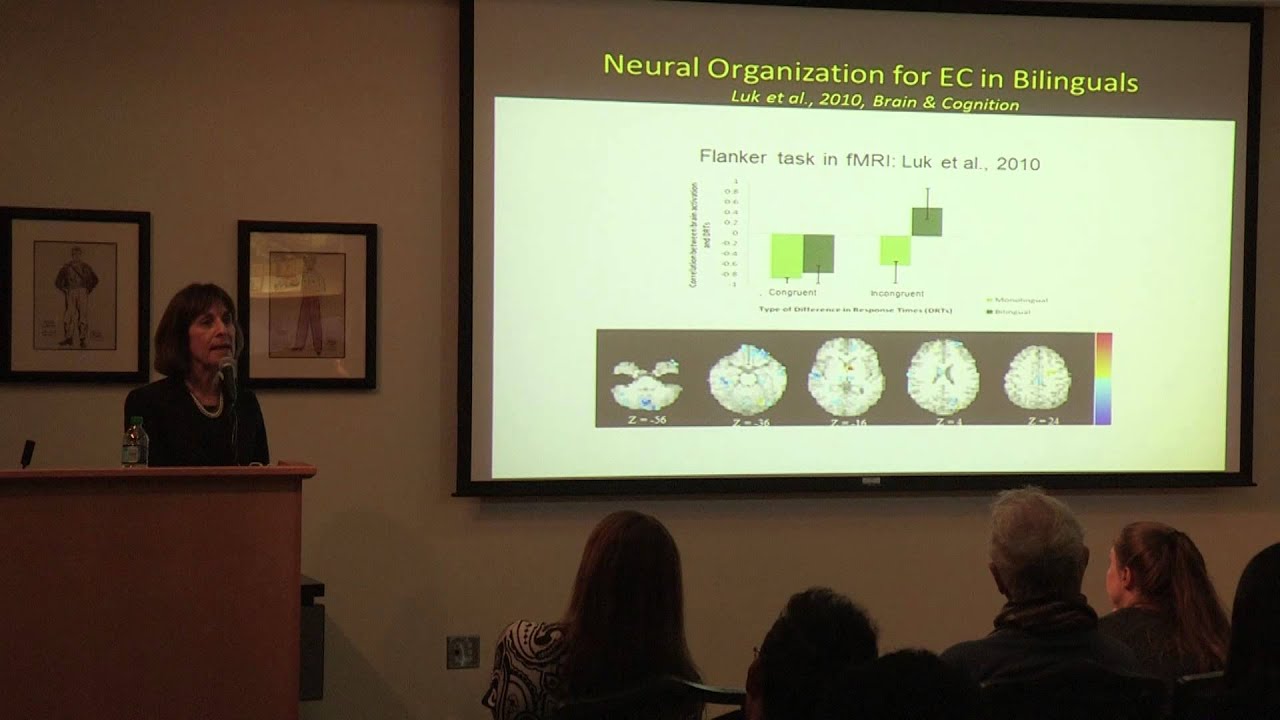





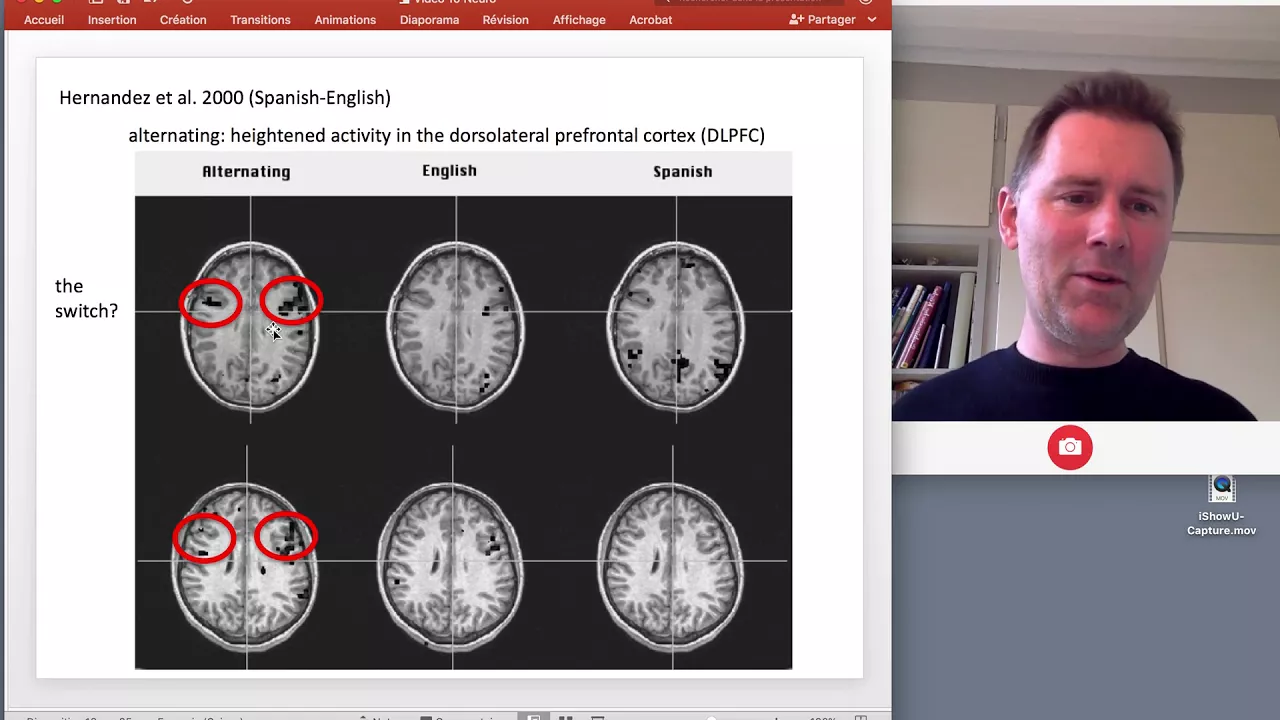







A Concordia University study found that bilingualism may delay the onset of Alzheimer's disease by up to five years by promoting greater brain maintenance; the research compared hippocampus sizes across monolingual and bilingual older adults, revealing that bilingual individuals showed more consistent hippocampus sizes across different cognitive states (healthy, at-risk, and Alzheimer's), while monolinguals showed progressive hippocampus shrinkage.
Bilingualism May Delay Alzheimer's Onset by 5 Years (Concordia Study)
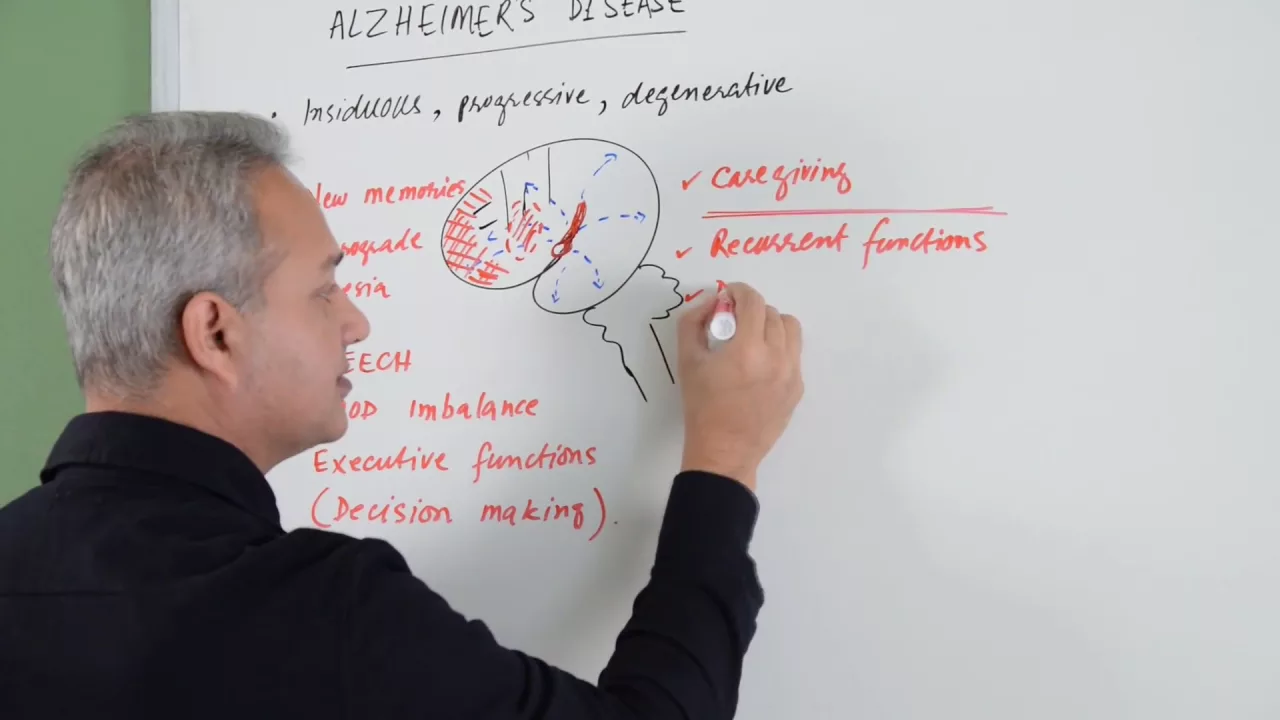
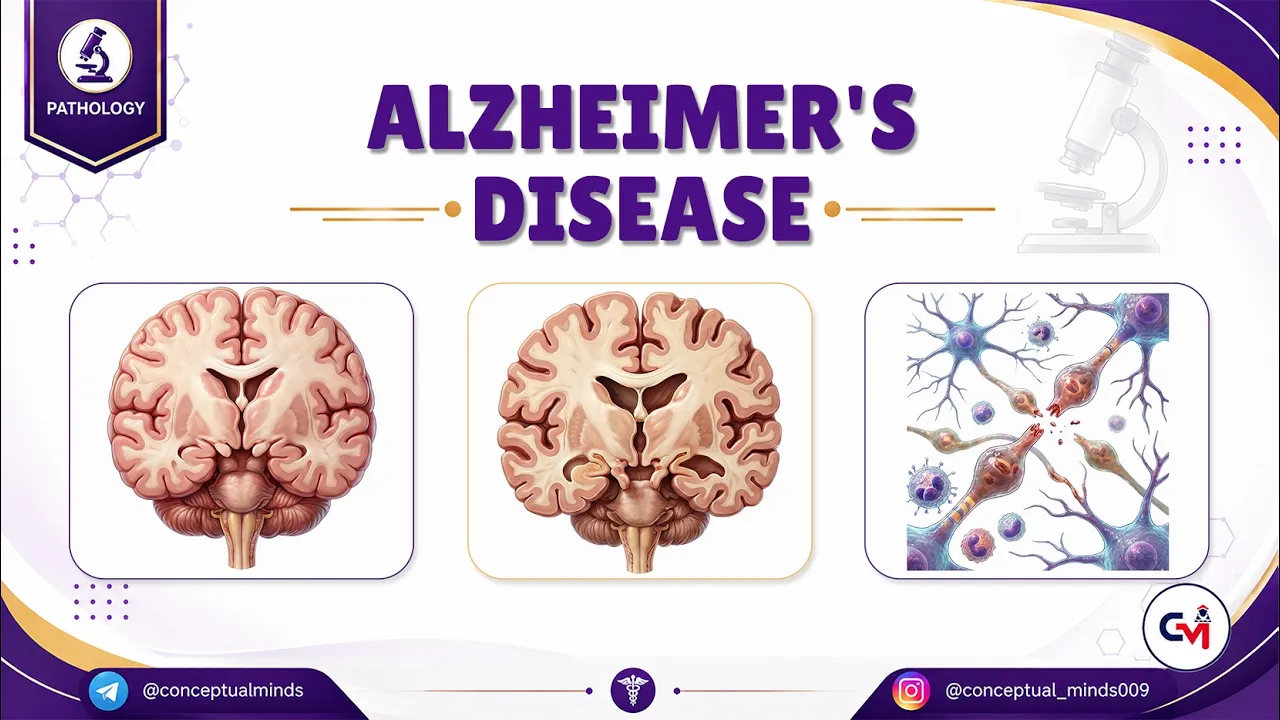
Added:The basic pathology of Alzheimer's Disease, including how it affects cognitive function and brain structure.
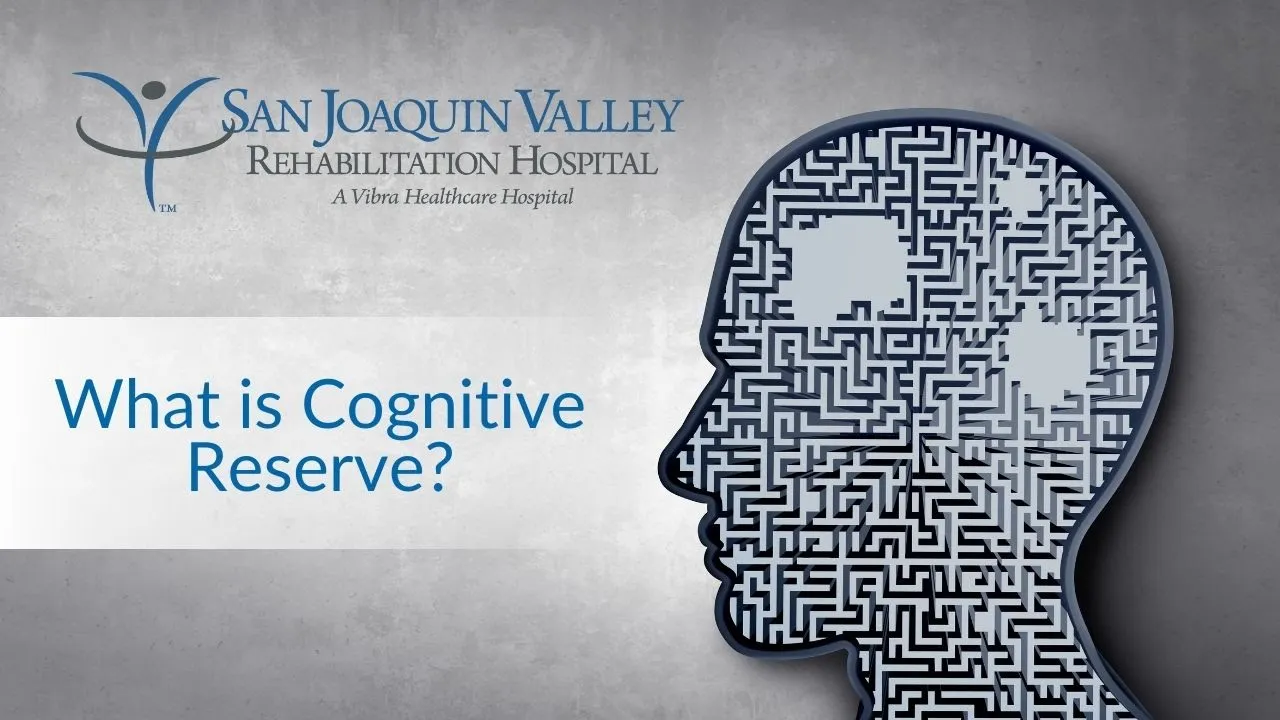
The concept of 'Cognitive Reserve'—the brain's ability to improvise and find alternate ways of getting a job done when damaged.
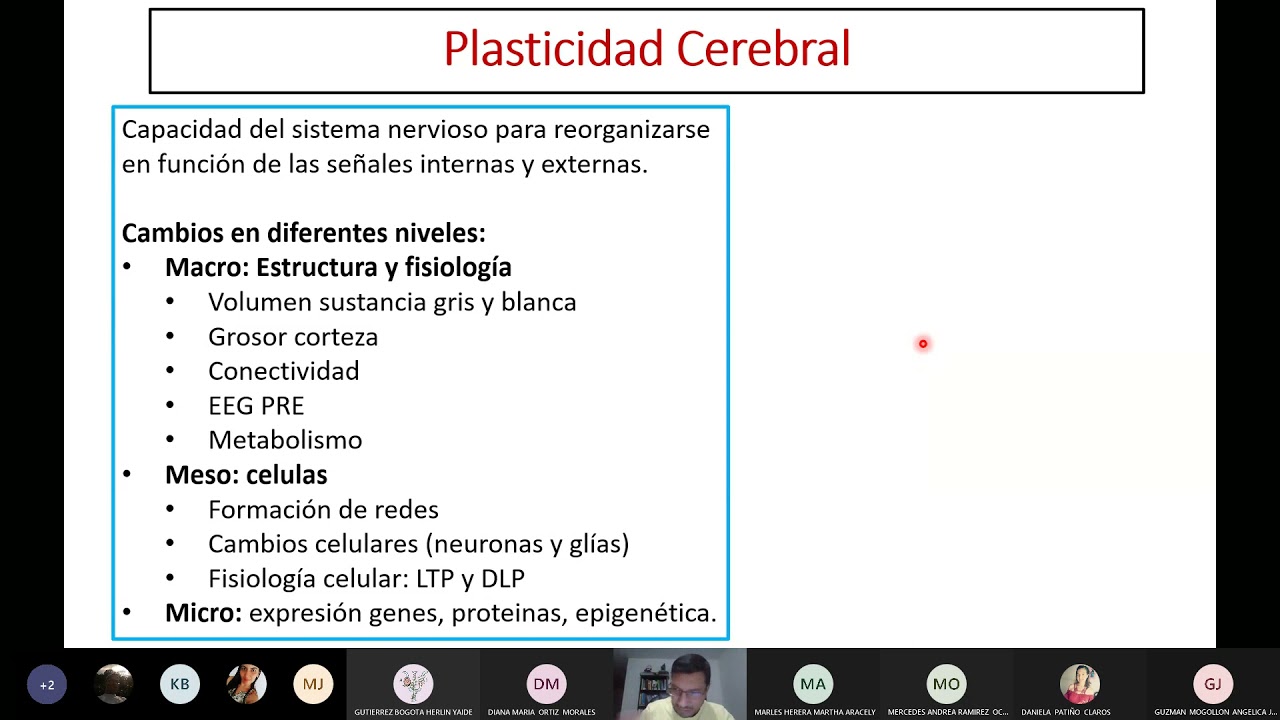
Fundamentals of neuroplasticity, specifically how the brain adapts and reorganizes itself in response to learning and environmental demands.
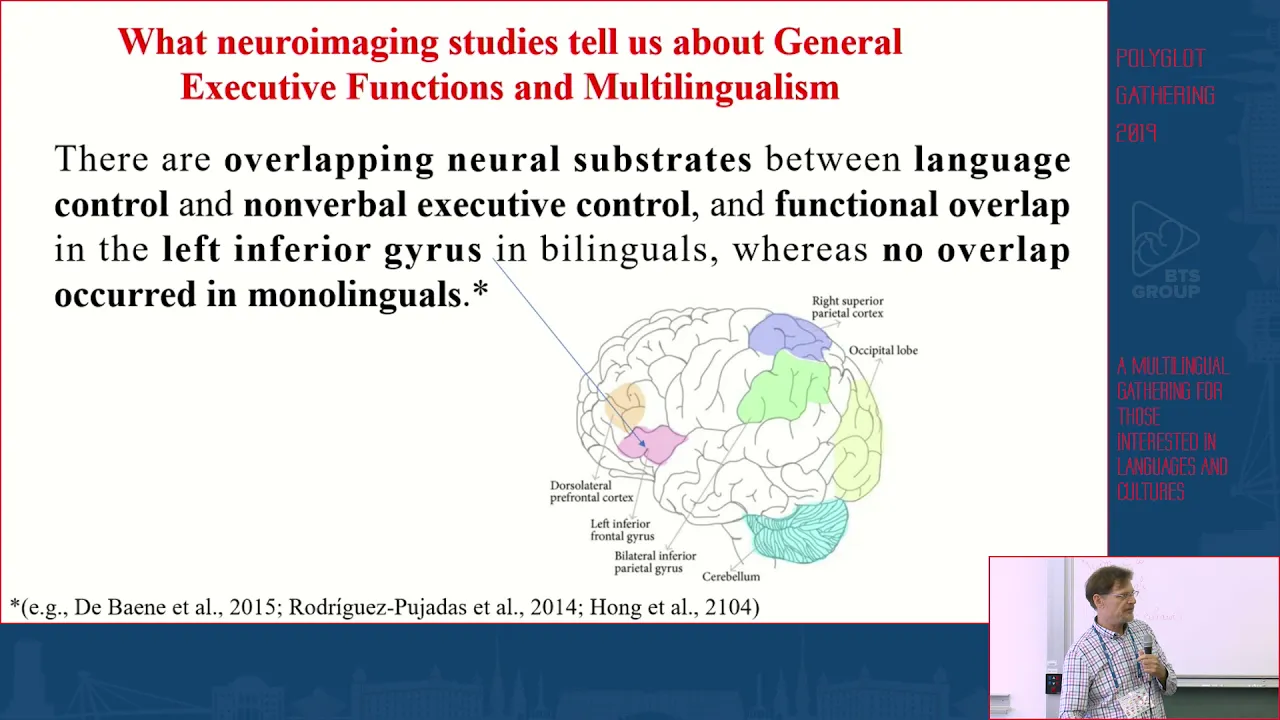
The cognitive mechanics of bilingualism, particularly how managing two languages recruits the brain's executive control and attention networks.
Differentiating between 'Cognitive Reserve' and 'Brain Maintenance' as distinct mechanisms of cognitive aging.
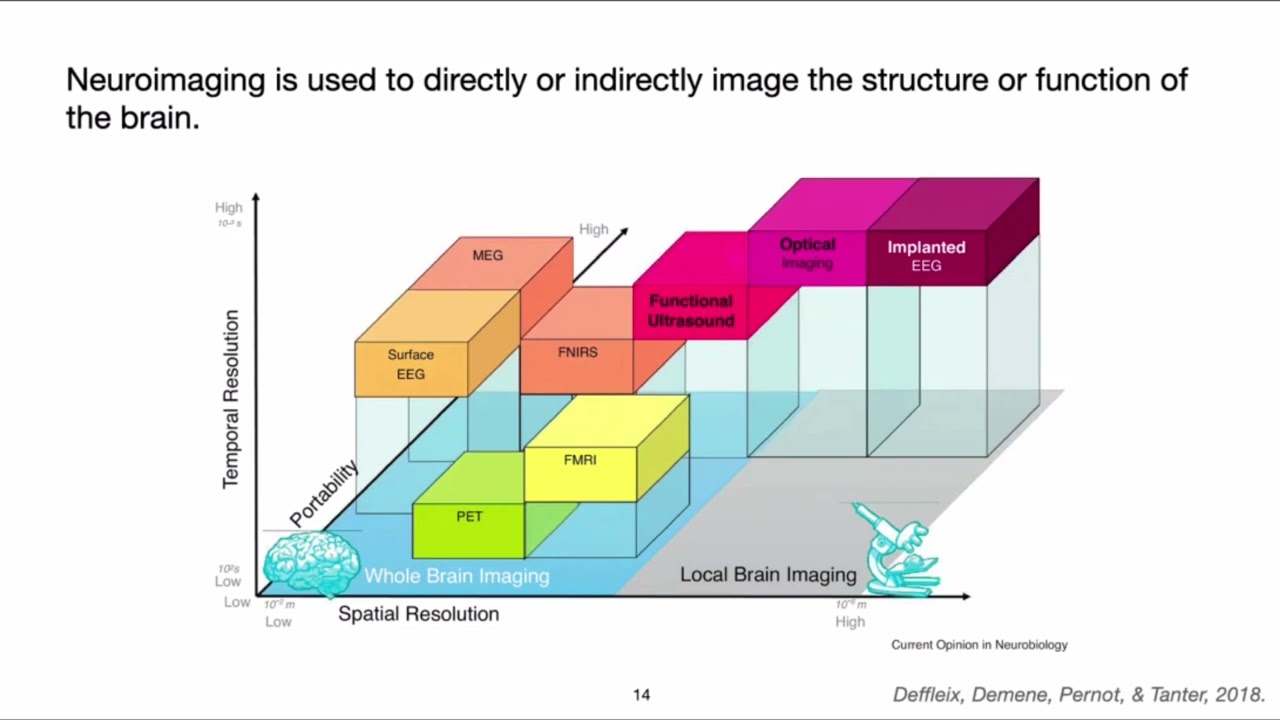
Neuroimaging methodologies (such as fMRI and MRI) used to measure structural and functional changes in bilingual brains.
The public health and policy implications of promoting lifelong bilingualism as a non-pharmacological intervention for dementia.
Comparative analysis of other lifestyle factors (e.g., musical training, high-complexity occupations, social engagement) on delaying cognitive decline.
11.5K views245likes3:47Original Release: 2024-11-11
[Music] let's face it you don't have to travel too far in Montreal to find someone who speaks more than one language I speak Spanish and I little English you I speak two and I'm learning another one with the DU lingo you and if you are one of those people you are doing your brain some good in fact a new Concordia St suggests bilingualism could delay the onset of Alzheimer's Disease by up to 5 years um this is an MRI image of a brain the lead author of the study led us into the University's cognition aging and psychophysiology lab why were you interested in looking at bilingualism or multilingualism and what it does to the brain unfortunately at this time there is no pharmaceutical there's no effective um pharmaceutical treatment or cure that is approved um in Canada for Alzheimer's disease and a lot of the focus in the research Community has been on prevention the researchers compared different groups of monolingual and bilingual older adults focusing on the size of one brain structure the hippocampus there which is a brain region that is most typically affected in Alzheimer's disease and is uh critical for learning and memory abilities the groups range from VAR cognitive abilities from normal to at risk to having Alzheimer's what did your study find when we compared the size of the hippoc campus across bilinguals who were cognitively healthy um those at greater risk as well as those who had Alzheimer's disease the size of the hippocampus seemed to be the same across all those groups um whereas in the monolinguals we saw a decrease in size from the healthy older adults to those at greater risk and then to those with Alzheimer's disease so what this suggested to us was that uh being bilingual uh speaking more than one language may actually um lead to Greater what we call Greater brain maintenance how when you know or able to speak more than one language um the idea is that those two or more languages are sort of always competing um in your brain and so when we are speaking having a conversation and listening um the brain is actually actively having to um manage those two languages um and exert this extra language control so it's like you're working out your brain sort of I guess you could think of it that way I think it's good to keep your brain uh you know uh keep those um neurological Pathways uh you know expanding my parents still live in the UK and they also learn French for when they come over and visit the grandkids uh they're 75 and 80 and I I think it keeps them pretty pretty fit too but what about other activities meant to be good for the mind how do they compare to knowing many languages at different levels of proficiency larger scale studies are needed but what we know from our study right now is that um you know if we were to hold all these other factors constant across bilinguals and monolinguals being bilingual still seems to um to matter and have an effect on the brain do a little bit every day and it's sinking in the Concordia researchers are digging deeper into their findings but if you want to protect your brain as you wage if you know more than one language chances are you are one step ahead [Music]
Up Next

55:08
Cognitive Reserve in Bilingualism: New Developments
@npteliitguwahati8283
242 views•2023-03-20

21:55
Deciphering Neural Circuits Controlling Anorexia in Mice | Richard Palmiter
@AllenInstitute
2.3K views•2011-10-10

4:10
Vagus Nerve (CN X): Anatomy, Nuclei & Functions Explained
@Alilamedicalmedia
305.2K views•2022-10-31
13:03
How Exercise Benefits Your Brain: Science Explained
@TED
11.4M views•2018-03-21
Related Study Plans & Knowledge Roadmaps
Structured learning paths in Neuroscience
neuroscience
Appetite Regulation: Brain Circuits & Hormones
01Foundations of Endocrinology and Brain Anatomy
02Introduction to Energy Homeostasis
03Peripheral Signals: Leptin, Ghrelin, and Insulin
+ 2 more learning modules
14h5 modules
Explore Roadmap
neuroscience
Neuroeconomics: Value, Risk & Brain Mechanisms
01Foundations of Neuroscience and Brain Anatomy
02Introduction to Neuroeconomics and Subjective Value
03Dopaminergic Prediction Errors & Reinforcement Learning
+ 3 more learning modules
18h6 modules
Explore Roadmap
neuroscience
Spatial Navigation: Cells, Grids & Brain Maps
01Foundations of Brain Anatomy and Memory
02Place Cells and Head-Direction Cells
03Grid Cells: The Brain's Coordinate System
+ 2 more learning modules
12h5 modules
Explore Roadmap
neuroscience
BCIs: Neural Decoding & Prosthetic Control
01Neuroscience Foundations: How the Brain Signals Intent
02Signal Acquisition: Recording the Brain's Activity
03Neural Decoding: Translating Brain Waves into Data
+ 2 more learning modules
25h5 modules
Explore Roadmap