




























The Jasons are an elite group of approximately 100 academic scientists who work for the U.S. government during summer months, tackling classified problems in defense, space exploration, and environmental concerns; formed in 1960 as a response to Sputnik, they have produced major breakthroughs including electronic battlefield sensors, laser guide stars, and ocean mapping systems, while maintaining unique independence from government sponsors and grappling with moral questions about scientists' accountability for military applications of their inventions.
The Jasons: Secret History of Science's Postwar Elite
Added:The legacy of the Manhattan Project and how it established the precedent of academic scientists collaborating closely with the U.S. military.
The geopolitical context of the Cold War, specifically the nuclear arms race and the doctrine of Mutually Assured Destruction (MAD).
The organizational structure of U.S. defense research, including the roles of the Department of Defense, DARPA, and federal advisory committees.
Basic ethical frameworks in science, particularly the concept of 'dual-use' research where scientific discoveries have both civilian and military applications.
The history of the 'McNamara Line' during the Vietnam War, which was a direct application of JASON-designed electronic battlefield technology.
The evolution of scientific advising in the 21st century, comparing JASON with modern bodies like the President's Council of Advisors on Science and Technology (PCAST).
The sociology of science, specifically how the anti-war movement of the late 1960s and 1970s disrupted the relationship between elite universities and defense consulting.
Contemporary ethical and policy dilemmas surrounding the militarization of emerging technologies, such as artificial intelligence, autonomous weapons, and cyberwarfare.
41.2K views695likes59:52Original Release: 2016-09-07
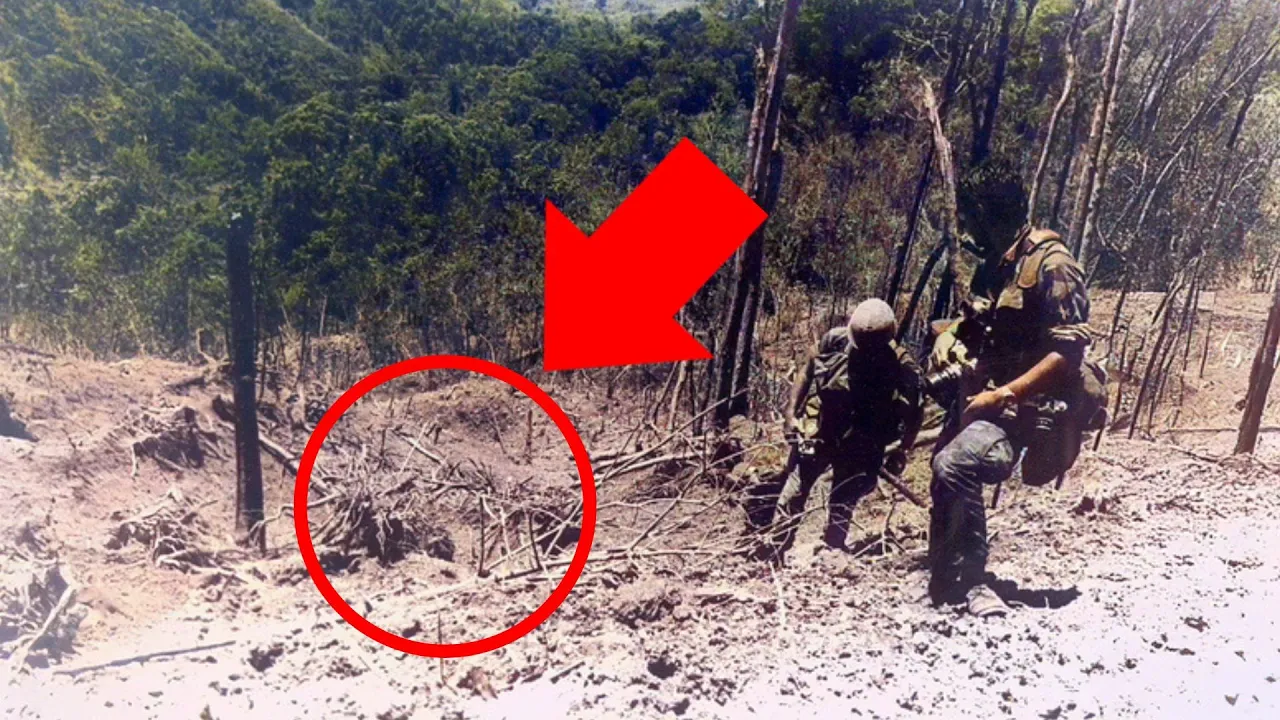
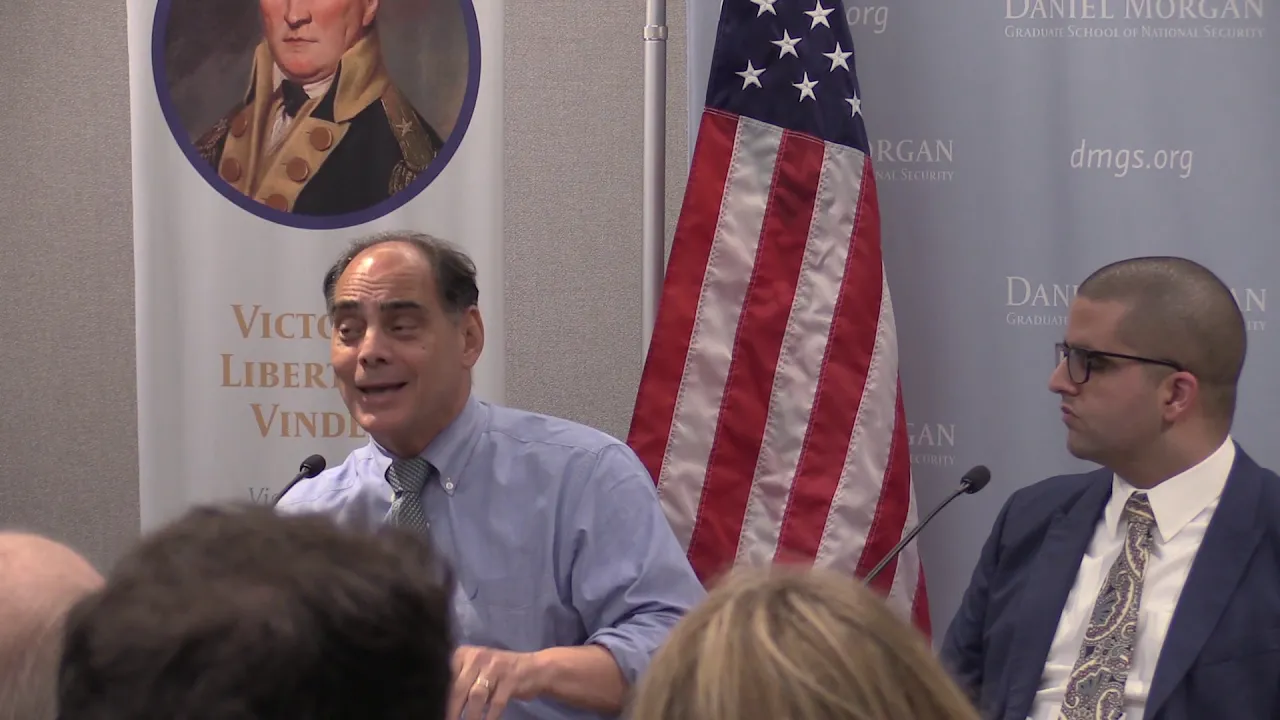
each year Microsoft research hosts hundreds of influential speakers from around the world including leading scientists renowned experts in technology book authors and leading academics and makes videos of these lectures freely [Music] available good afternoon everyone and welcome my name is Kim rickets and I manage the visiting speaker series for Microsoft research thanks for joining us today we welcome Anne finkbiner here who is going to tell us an amazing story of an elite group of scientists who lend the federal government their minds for a few weeks in the summer working in secrecy they tackle problems of Defense of space exploration of environmental and global concerns meeting since 1960 the Jason have been responsible for some major breakthroughs including electronic Battlefield or the sensor barrier the laser guide star a three-dimensional mapping of the ocean system and many others I can only imagine how challenging it must have been to research and track down the highly classified jasons and get them to discuss it at all but thank goodness you did an for it's an amazing story about what happens when science and politics meet and the story of the Jason brings up to very vital questions which are even more vital it seems like this week after reading the newspaper that what role should the government play in scientific research and finally are scientists accountable for the uses of their inventions and Begins the book with stories of Freeman Dyson who we had here in December I don't know if how many of you are here for that but it's it's available on resnet if you weren't here you and you capture his um his impishness perfectly I think an in the book um an finkbiner is a freelance writer who writes frequently about astronomy cosmology and other science topics she's the director of the graduate program in science writing at John's Hopkins and she's currently working on a book about the Sloan digital Sky survey so she'll talk a little bit about that I hope today as well please join me in welcoming Anne finkbiner thank you thank you very much um this is working right I never have faith in these things um I'm certainly pleased and proud to be here um but I have to start out by apologizing because I'm a writer and I'm going to spend this time reading to you and you won't have anything to look at um I don't have any overheads or any PowerPoints it's just going to be me talking so I hope it'll work out uh I can or maybe well he placed it there is this better now okay I told I have a very bad speaking voice before I talk about my last book The Jason's I'd like to mention my next one which is as uh Kim said on an enormous survey of the sky called the Sloan digital Sky survey one of the characters in this book is one of your own Jim Gray halfway into the Sloan survey the astronomers this is true I still can't believe it halfway into the survey they realized that they were getting terabytes of data and they didn't know how to search and store them so Jim Gray not only showed them how he had what I can only call a vision about how database in astronomy and in many other Sciences can be linked into extraordinary tools for seeing nature in all her facets when Jim went missing some of these astronomers stopped eating and sleeping and spent every minute tiling the Pacific Ocean and using their astronomical eyes which turn out to be better than computers looking for his sailboat I had the feeling that for them find find in him would have been a payback for what Jim did for their survey and as you know they couldn't do it but they they've admire they admire him greatly it it was astounding that the people that I was with at the time were at Hopkins and those are the people that Jim worked most closely with and they were showing up I mean they they were just up all night that it was really astounding I first heard about Jason at a physics colloquium at John's Hopkins back in 1990 my husband who is now retired was a condensed matter experimentalist in that department and afterward I went with him to a dinner for the speaker who was Freeman Dyson Dyson as you know is a superb Storyteller one story he told was about the night he spent on the Mexican border looking for the infrared signatures of drug Runners the physicists were interested in the infrared signatures and I was interested in Dyson who as you know looks like an aged bird crawling around on the Mexican border in the middle of the night why would a physicist be looking for drugs I asked he was doing a Jason study he said what's Jason I asked I don't remember what he said but it was not an answer and you know how it is when somebody doesn't answer you get curious so I spent the next few months working on a story for science magazine about Jason and then 10 years later spent about 4 years writing a book about them Jason turns out to be a bunch of academic scientists who spend their Summers doing largely secret work they started back in 1960 as part of the government's reaction to Sputnik many of the early jasons were theoretical physicists and though they branched out into other Sciences physicists are still over represented in any case they're generally Hot Shots of the roughly 100 jasons over time 42 have been elected to the National Academy of Science Sciences 8 have won MacArthur Awards one won mathematics Fields medal and 11 have Nobel prizes Jason is asked questions by various parts of the defense department and in particular for its first 40 years by DARPA I don't have to tell you what DARPA is right okay the questions are about the technical problems of missile defense or anti-submarine Warfare or nuclear test detection or climate change and in these days biot Terror and urban Warfare between half and three4 of these questions are classified Jason's work in groups in of one or three or 10 from mid mid June through the end of July they meet in a secure building leased from General atomics in La Hoya depending on they're counted they number between 30 and 60 at any given time and they all have top secret clearances at least as you'd expect they are extremely independent Jason's were and still are invited to join not by the government but only by other jsons Jason management working with a government sponsor decides which questions they're going to study Jason's themselves work only on those studies they want to work on they show up for summer studies when and how often they want to they don't need the money they don't need the work they can be fired at any minute and not particularly care they are beholden to no one in any part of the government this level of Independence is unusual for government advisers and has occasionally gotten Jason into trouble the name Jason is usually written in capital letters as though it's an acronym for something but it isn't it's just the name here is the certified true story about the name Jason when Jason was born DOD called the group project Sunrise nobody liked the sunrise they said it they thought it sounded presumptuous one of its Founders murf goldberger went home and told his wife Mildred about project sunrise and she said she thought it was a name with no character at all and he said so what's a better name and she said Jason as in Jason and the Argonauts she said Jason would be thought of as young Heroes she said Jason wouldn't be a bunch of middle-aged men smoking cigarettes and drinking coffee Jason would be tall and well muscled and blonde I don't think any Jason are or ever have been tall and well muscled and blonde so clearly Jason is a name of love the earliest Jason had been young Manhattan Project scientists or the students of those scientists so they inherited the Manhattan Project Center abilities that sometimes as scientists you can almost inadvertently come up with the most god- awful weapons and if you do that then you're responsible for how those weapons get get controlled so many of Jason's early studies were in support of the various treaties to ban nuclear tests for instance could a bad guy sneakily test his nuclear bomb in an underground Cavern which would muffle its s seismic signature so we wouldn't know he tested it as it turns out yes he could but only if the bomb were uninterestingly small one kiloton or so Jason's early days were also the posts Sputnik glor years of Science advising that was listened to and science funding that was generous so Jason invented a way of communicating with submarines in the deep ocean by setting up an antenna thousands of M long and sending out an extremely low frequency signal that would bounce between the Bedrock of the earth and the at ionosphere the main impression you get about those early days was that Jason was fun so they went into the Vietnam war with a certain amount of confidence and the best intentions and invented a nice little Gizmo for the Air Force to use but the Vietnam era was not like the Manhattan Project Era and Jason's University colleagues and students didn't think that Jason Were Heroes quite the contrary Jason were public villains Jason's corporate morale hit the skids and a number of them quit the rest of their history is not very exciting it's mostly been a matter of trying to figure out how to stay in business that means balancing usefulness to its sponsors against its own independence so over the years Jason has branched out away from DARPA to the intelligence Community Navy NASA Air Force Department of energy and therefore away from physicists to mathem Ians material scientists computer scientists oceanographers chemists climate scientists and Engineers of All Sorts at the present as a result of all this branching out Jason's studies can often seem fragmented and Jason's worry about being what they call a Job Shop and their members are no longer theoretical physicists who can take the Summers off and so Jason's worry that too many of their members are what they call Cameo or commuter jasons now that you know the character in history of Jason the first and most obvious question is does it do any good it's also the one question I could not answer and for a number of reasons their work is classified and even when it isn't if you ask a government bureaucrat whether Jason does him any good his answer will be something like Jason has traditionally been an asset to our agency which could mean anything at all and anyway government policy is made the way sausage is and you can't can't trace the end product back to any particular piece of advice the Jason themselves say they don't really know whether they're doing any good or not and the bottom line is they must be or they wouldn't still be in business but I did find a couple of exceptions to this sausage problem ones in which I could trace Jason's advice through to its outcome in the real world and I'd like to tell you about three of those exceptions two short and one longer these stories are not only examples of the outcomes of Jason's studies they're also examples of some interesting issues which I think occur to you the minute you know who Jason is issue number one how as people whose careers have been devoted to Pure science do they handle the moral issues of working with the military number two how do they draw the line between giving the government technical advice which they're qualified to do and policy advice which they are not not and what happens when policy and Technical advice get muddled together which they usually are number three how is scientists whose whole value to their field depends on openness do they manage to do classified work when they can't that they can't talk about with their colleagues or their students the first story is about what is arguably their most famous study the Gizmo that they invented for the air Air Force the Vietnam Wars electronic barrier North Vietnam was supplying an Insurgency in South Vietnam by running troops and supplies down the hoochi Min Trail we were trying to stop the North's infiltrations by bombing the Daylights out of the North and that was doing no good whatever so Jason's invented a barrier of sensors an electronic barrier that could be dropped across the hoochi Min Trail it was basically a network of acoustic or magnetic or infrared or chemical sensors which when triggered would send little signals to an airplane orbiting overhead 247 which would pass the signals on to a state-of-the-art IBM computer in Thailand which would do a fast forier transform and figure out whether the signals were a herd of cows or a battalion of soldiers and where it was and if it was the latter it would inform the Air Force which would go bomb them and the whole process and this was in it was invented in ' 66 it was by the time it was used it was the early' 70s the whole process got so efficient that from sensor to bomber was just minutes Jason's idea was that this would slow infiltration enough that we could slack off on the bombing of the North and the war would damp down enough that we could negotiate our way out of it but the defense department does not use technology for scientists purposes but for its own purposes and they used the sensors not as a barrier and not much even on the hoochi Min Trail but as a sort of a surveillance system for locating the enemy and then bombing or aiming artillery fire at him the military credited the electronic barrier with helping to lift The Siege at quesan and it is now seen as the first incarnation of the electronic Battlefield the Jason were very unhappy in some cases extremely happy about the way their invention was used not to damp down the war but to prosecute it not as a substitute for bombing but as an add-on to it and then a few years later the Pentagon papers published the details of the Jason study and back home at their universities the Jason caught hell they were picketed called war criminals prevented from giving scientific talks and threatened physically for Jason's being publicly attacked about a war about which they were already miserable was deeply disturbing and a number of them quit quote it was almost a textbook demonstration of the arrogance of physicists Smurf said after all we had won World War II a much bigger operation so mopping up this little war was clearly something we could do and everybody else was [ __ ] it up and it was the greatest mistake that any of us have ever made the issue in this story is the moral problem of scientists working on defense questions the problem that one Jason giving the reason he didn't join the minute was asked explained as well the first level problem was with Jason was bombs right which are morally dubious I don't have any answers about Moral Moral dubiousness I just have questions should scientists work only on Research with no possibility of causing harm or if they can't see what might eventually cause harm should they stop the minute they see the research has harmful applications how do you know whether the applications are going to be harmful whether the atomic clock that you're inventing will be the basis of a GPS it can be used either by a Sunday boater or by a standing army in any way those standing armies are definitely harmful aren't they necessary and don't they need science advice can you say it's okay for other scientists to do this but not me or should you limit your work to defensive systems and not offensive ones and then how can you tell the difference the answers to these moral questions are not Universal and they're not General and they have got to be individual and they are not simple for what it's worth Jason's don't seem to have worked on weapons that are obviously and only offensive like better bombs another is a much nicer story balancing technological technology and policy advice in line with Jason's post Manhattan Project mission of nuclear proliferation Jason has worked on the scientific underpinnings of every International treaty to ban nuclear tests since those treaties began the biggest and most comprehensive treaty was of course the comprehensive test band treaty the ctbt we couldn't sign the cdbt unless we could retaliate if someone else broke the treaty and our weapon stockpile ages it gets old and in ineffectual so how could we how would we know that we could mutually assure destruction unless we tested our old weapons and if we needed to test those weapons how could we sign a comprehensive test band treaty President Clinton's defense department was arguing that it could not judge the reliability of the stockpile without small tests far below a Kellon other federal agencies were arguing that a comprehensive test band treaty allowing small tests was hardly comprehensive in the summer of 1995 Jason did a study of what might be learned from tests of differing yields and ruled out a scientific argument for needing to test anything that approached a critical mass and began a chain reaction the Secretary of Defense William Perry took the Jason report to Clinton who was reportedly waiting for it before he decided whether to sign the treaty which he then did Perry said that what convinced him was the thoroughness and scientific Integrity of the Jason report even though it was rare for Outsiders to make recommendations and he said actually turn the tide I probably don't need to tell you that in spite of the Jason and even though Clinton signed the cdbt Congress wouldn't ratify it and we are still not participants in the treaty though at this moment we are abiding by it anyway since then Jason's have worked on every aspect of the national laboratory's various programs which are all lumped under the title of stockpile stewardship one of the latest which was released just two months ago was about whether radiation had damaged the integrity and shapee of the plutonium cores of the nuclear weapons in our stockpile and the answer was that those cores are still okay for at least the next 100 years the Jason say the advice they give is only technical policy advice they say is above their pay scale but under Jason's stockpile stewardship studies is the problem of dod's recurring desire to build and Test new nuclear weapons and Jason's desire to avoid nuclear prolif operation and a political need to give the National Laboratories enough interesting science that they can attract and keep good scientists so by the time the Jason is recommending programs so the National Labs can retain good scientists and verifying the health of the nuclear stockpile so we can avoid nuclear testing it's gone beyond giving technical advice the last and longest story is about secrecy and openness it's about Adaptive Optics for astronomy in the early 1970s Jason was working on a problem that DARPA had DARPA wanted to use telescopes to identify the freshly launched Soviet spy satellites but the atmosphere distorted what they saw as you might know the atmosphere had been giving astronomers this problem all along one way to remove the Distortion had been suggested back in 1953 by an astronomer named Horus Babcock deformed the mirror into to a shape that was equal but exactly opposite to the Distortion in the incoming light and the image of the star or satellite would look the way it should Babcock's idea was smart but given the current technology not possible by 1972 astronomers had not forgotten it but they hadn't done much with it either so about that time Jason was working on it specifically on mathematical models for figuring out whether the mirror's correction was itself correct and they found their methods would work only on bright things and in the infrared they published their work and then they dropped it meanwhile in an entirely different and unconnected part of the scientific universe that part of the universe was working on the same problem in addition to funding Jason DARPA also was funding both the Aerospace industry and the Air Force labs to invent ways of sensing the exact Distortion in an image and of correcting that Distortion with with a mirror and these industry and Military scientists built systems that worked in the mid 1970s on a small DARPA telescope on Maui at the top of Mount hakala which at 3,000 M was as close to the top of the atmosphere as they could get and still be on the ground they installed what was by now called an Adaptive Optics system over the next few years the industry and Military scientists figured out how to deform the mirror more precisely and finally but the industry and Military scientists still had the problem that they couldn't see things that were faint they had the idea of using a laser like a flashlight to shine a bright dot an artificial star called a laser guide star in the sky on top of the image of the faint thing and then they would calculate the Distortion in the image of this guide star correct the mirror accordingly filter out the bright laser light and then look at the faint thing in the early 1980s when the industry and Military scientists were trying to work out how to do this they were only a handful in number and they still didn't know whether their idea was classified or not one of them was an Air Force scientist named Robert Fugate he and his colleagues knew he said what great benefit this would be to the astronomy Community but they also knew not to discuss their idea openly in any case even though guar is an astronomical term for for a bright star used as a placeholder for a nearby dim star astronomers did not know about these systems in June of 1982 Fugate asked Jason for help on a specific problem the laser guide star Faded out with height the way a flashlight does it didn't go high enough into the turbulent atmosphere and the images of anything higher would remain uncorrected so Fugate went to Jason's summer study and presented the a problem will haer who was an atomic scientist from Princeton said you know there's this nice layer of sodium up around 90 or 100 kilomet and all you have to do is shine a laser on it and you can make an artificial star Fugate said and I got this dumbfounded look on my face like is there sodium at 90 kilm there is in the mesosphere near the top of the atmosphere is a layer of sodium atoms put there by meteors which hit the atmosphere and vaporize haer said he knew about the sodium layer by chance I don't know how I knew it but I knew it he said and since that sodium layer was 90 to Kil 90 to 100 km up it was above the lower turbulence and effectively all the Distortion could be corrected haer working with another n Jason named Gordon McDonald a geologist who had been at Dartmouth but was now a chief scientist at miter Corp both spent the summer figuring out whether the atmosphere's sodium layer had enough sodium to flues brightly enough to make a nice bright guide star and luckily it almost did the sponsors were very happy haer said they were so excited about this that they clamped down really hard on security the new idea became so completely classified in such a small compartment with such a short list of those who'd need to know that for a while even haer and McDonald didn't have the clearances to know about it haer and McDonald were a little unhappy that something so useful to astronomers was a secret but they didn't do anything about it within a year or two the Adaptive Optics system with its sodium laser guide star passed its proof of principle test meanwhile Jason continued working on the whole system haer and McDonald were joined by two others including Freeman Dyson and Claire Max a new Jason who was then at Livermore the Jason wrote three reports one each in 1982 83 and 84 the Jason were also still thinking about astronomy and for the 84 report Max said she and Dyson worked out the design of an Adaptive optic system mounted on a telescope along with the Sodium laser guide star but no one could tell the astronomers because the Json reports were classified the tightness of the security makes it all the more wonderful that in 1985 in the international Journal astronomy and astrophysics two French astronomers published the suggestion that Adaptive Optics might be aided by sodium laser guid Stars the French astronomers publication got the attention of the astronomical Community which got all excited and began sending NSF proposals for Grants to build a sodium laser guidar the person who got the proposals was a program director at NSF named Wayne van sitters van citters also happened to have been working on a DOD advisory panel and knew about the military work on laser guide Stars so van sitter asked the scientists on the other side of the curtain he said to review the astronomer's proposals to see if they would be Reinventing something or barking up the wrong tree clearly the sodium laser guide star was now public and the cat wasn't going to go back into the bag so van cter Fugate and other science began meeting to consider their options one option was to do nothing refused to fund The Proposal and let American astronomers struggle along the best they could but European astronomers were beginning to install Adaptive Optics systems making the American astronomers look bad another option was to fund the astronomers and the problem with that was that the taxpayer would be paying for the same expensive technology twice once through the military and once through NSF so they chose the third option declassify the technology and turn it over to the astronomers all along keeping the technology classified had had the drawback of a lot of classified research which is the military program in Adaptive Optics was small enough and classified enough that as fate said you can't bounce ideas off of a lot of other people and there are a lot of smart people in the astronomy Community the Air Force began the process of declassification by setting aside parts of the technology that would remain classified and then requesting everyone with high enough clearances to read the request to balance declassification costs and benefits one of those requests went to Jason though the Air Force would not let me see Jason's response because it was still classified but National Security is unlikely to be threatened if I reveal that Jason's liked the idea of declassification Clare Max wrote Jason's response repeating generally what van sitters and Fugate had argued why make these people ReDiscover the wheel which they were clearly going to do in a few years and the astronomical problem is actually easier than shooting lasers at satellites and therefore crucial Parts would not have to be Declassified and in fact Max had been lobbying the Pentagon all along every time she got the chance at a Jason meeting for around two years the request to declassify the laser guide star went up and down and back up the defense hierarchy finally May 23rd 1991 the Air Force opened the technology to astronomers announcing it in a press conference at the Pentagon the same day Fugate gave a scientific talk at the spring Conference of the American Astronomical Society the Talk's title which had been cleared by the Pentagon had been announced in the bulletin for the conference Fugate said so there were qu there's quite a lot of anticipation at the meeting there were like 600 people in the room and I hadn't talked to a group bigger than 30 before Fugate showed them some pretty pictures of what the Air Force's working Adaptive Optics and Laser guidar system could do one of the speakers after Fugate was an astronomer who' spent years trying to verify whether a laser guide star would ever work so he got up said Fugate and he said I've never been so scooped in my entire life I think I'll just sit down Max said the astronomer who said he'd been scooped ended up being really quite angry I can imagine how awful it must feel to find out people knew about all the time and they just weren't telling him you know that's really not good Charles towns and old Jason who'd won a Nobel Prize for his part in inventing the laser happened to have been chairing the conference session at which Fugate was talk talking and not by accident towns had learned about Adaptive Optics and the laser guide star through Jason he was now doing astronomy was in particular need of sharp images and had from time to time been visiting Fugate he persuaded those in charge of the astronomical meeting to invite Fugate to talk because he thought fugate's work had been he said outstanding and Forefront 3 years later in 1994 the Journal of the optical Society of America published a two volume issue explaining the art of the state of the known art of Adaptive Optics the issue included a Declassified merged version by haer McDonald Max and Dyson of two of Jason's three reports the Jason reports themselves however are still classified and when I asked Max what they were about she said I can't tell you what was in those reports well was one of them maybe about the Adaptive optic system and the other one about the sodium laser guide star I can't tell you said max I know I can't tell you Dyson is still annoyed about the decade during which the Adaptive Optics laser guide star system was hidden in the classified literature he said I think it is not an exaggeration to say that secrecy held up progress for 10 years and here's a little epilogue at the time of declassification and fugates talked to the astronomers the military's sodium laser guidar was still in the experimental stages CLA Max said it was a giant expensive complicated system it wasn't the kind of thing you'd want on an operational telescope it was too much of a heroic act so max thought to herself this is silly somebody's got to do this and I'm at Livermore where they do lasers in particular Livermore had lasers that had been built to separate out fishable uranium for civilian nuclear power PL plants and that could be adapted for telescopes the lasers were in one building and their light Shone into another building where the uranium was separated through an underground tunnel at one place in the underground tunnel was a manhole from the tunnel up to the ground and on the ground was a face plate so Max and her colleagues pulled off the face plate and inserted into the tunnel a mirror angled so that the laser light running through the tunnel would hit it and bounce up into the sky then they bought with Livermore money a laser aimer from a telescope company installed it over the manhole protected it by a big yellow tent with a full black back flap and inside the tent set up a little telescope and then they got the local astronomies to turn off I'm sorry the local authorities to turn off the street lights and with a mirror a laser aimer a tent a little telescope and not counting the Livermore laser they proved that the sodium laser guide star would let them measure turbulence it was Preposterous enough we couldn't believe we were doing it she said but in fact it worked really beautifully it was a real gas the whole thing Max has on her computer a photo of a glowing yellow ENT against a black sky and a laser shining straight up to God I still get gripped by it she says Jason was happy about the whole Adaptive Optics and Laser guide star business haer said the studies gave Jason quite a bit of cache with their sponsors even Dyson who is professionally very modest thought it was great fun and a serious science problem he said and I think we did some really good work on it the present outlook for a thriving flourishing Jason might be a little dicey its studies are increasingly disperate or as Sid drill says lots of cats and dogs lots of cats and dogs its members are increasingly unable to spend six whole weeks working together and Jason is looking around for ways to stay alive but here's what I think number one Jason's are smart as you want them to be number two they're uniquely independent no other source of science advice to the government has less to gain by its advice number three as politicians or moralists they often make better scientists and number four yes on the whole they're doing good we have a Congress that closed its office for getting scientific advice an executive branch in which scientific decisions are increasingly dictated by politics and a pentagon that calls its scientists Tech weenies so between the Jason's braininess and their independence I think the government needs them badly thank you and if you have any questions I'll be glad to try and answer them yeah I got two questions yeah the only two things I thought I know about the Jason before this one you've already given a different answer to but I'll ask you so that one is the story I heard about how the Jason were named was that their first contract covered the months July August September October November right and my second question is the only time I remember the Jason's actually making the the news the national news I believe it was during the bush one Administration when Craig Fields was director of dark for you uh what I what I recall was that he threatened to cut off their funding because he wanted to he wanted them to add a computer scientist of which they had none at that time and the physicist didn't want to do that so I'd like to know I actually don't recall what the outcome of that was or even if the outcome ever made the news that's a great story so I'd like if you could come in on those two things okay um that's the the the story about about them their name really meaning July August whatever is an old story I have no idea where it came from it's very persistent it's not true um it's also not true that it was named after murf goldberger's dog and it's also not true that it stands for junior Achievers somewhat older [Laughter] now simply not true Mildred goldberger was the source of the name and it is a name of love it really is it's just very funny now the Craig field story um will haer was the head of Jason at the time and will is politically very Adept and Fields I don't remember whether that was over computer science or not there was an earlier argument with an earlier DARPA director that was over computer science and I'll digress for one second and say that Jason's original contract had in it that they would not use computers their contract with DOD um and the reason was that um people got sucked into the computers and they didn't spend their time thinking they spent their time fooling with the computers I don't know if that's still true um so they had this Prejudice toward pencil and paper from the beginning um and they did they did end up getting computer scientists obviously they had to do that fields did threaten to cut off their budget their budget is run through DARPA and Fields was the head of DARPA their budget is run through DARPA anybody else that wants to hire them if the Navy wants to hire them the Navy runs the money through DARPA so without plus darpa's like always been like 40% of their budget so without DARPA you know they're nothing so that threat has real legs but haer being who he is knew what he called the green eyes Shadow ey shade person to go to and said this is what Field's doing and is doing and the green eyes shade person said oh those guys and wrote Jason in as a line item into the DARPA budget and there it was and so Fields had better things to fight about and so he said to hoer okay you know let's agree to disagree on this one so when was that in the 80s and in 2002 the whole issue came up all over again this time without as far as I can see any rationale for it at all um the head of DARPA told Jason to take on three members told Jason to take on three members Jason said are you kidding but we'll look at them you know we'll certainly look at them well two of them didn't have phds and one of them did and his was not Stellar enough and so they said no and Dara fired them and so they had to scr around and find another sponsor in the defense department and luckily what they did was they went right over darpa's head to the next place up in the hierarchy and got rehired by them so yeah you were saying that they were looking in in the the late 60s for this electronic barrier as a way to fold down the Vietnam War was anybody looking to fold down the Vietnam War as as early as the 60s this was 1966 yeah great yeah they they were trying to they they the words they used were damp it down they wanted to damp it down yeah um why doesn't Jason recruit some economists to solve their financial problems I don't know if they do have any economists I really don't one of the precursors of Jason was something called project 137 it was started by John Wheeler and Eugene vigner and an economist named Oscar morger but project 137 sort of folded and then Morgan Stern got out of the business altogether is a morgage turn pH morg turn Game Theory I think so yes yes I mean the names connected with you their first um their first advisors were cosmologist really yes right the first advisers were um John Wheeler Edward Teller Hans beta and Eugene vigner they're you know they had a board of advisers and that's who they were yeah currently are there any non-academic numbers of Jason yes um because the world has changed very much since 1960 and so there are lots of really Stellar research type brains in places other than Academia now corporate researchers that are yeah not many not many right now I can think of two but that doesn't mean there aren't more um and of course there's a a conflict of interest problem so they have to be careful what studies they can sign up for but even with the um academic Jason like there's one guy at Stanford I can think of who works on DARPA contracts you know I mean he's research is funded by DARPA contracts and so he's got conflict of interest problems so they just have to be really careful they have to watch their lines and their p's and q's yeah no it's all us-based and I don't even know I don't remember when but they tried John Wheeler and this Gordon McDonald tried to get a British Jason started and there were some British people interested in it um I I'm going to say Fred Hy but that doesn't sound right to me anyway um it it just never took off and the reason they gave me was that European science is very um uh hierarchical so you don't go dirty your hands with Defense work with applied problems now Martin Reese who is Britain's astronomer Royal said that that's not true he he told me he said that's just not true but it is what wheeler and McDonald told me but I mean what McDonald said was you know just look in Europe for Caltech or MIT they don't have them yeah I'm curious if you learned anything about kind of the current state of Jason given the parallels between say you know their hesitancy over the work in Vietnam and the current political focus on counterterrorism and More in Iraq you mentioned that um one of the members to Vietnam their greatest State and it seems like terrorism area yeah they clim right up about that subject um and uh and I wasn't after it anyway I don't want to know that stuff um I know they're working on it and I know that I I happened to be doing the majority of my interviewing in the summer following 911 and they were just so I mean everybody was upset by that but they were really upset by it because they felt like they should have seen it coming and they felt like they should have had something in place so I really don't have much to say about it I know that they're that they work on those things because they want very much to um they work on I know their work on biot terror is oddly enough a little more open than some of the other stuff you know they've been working on that yeah when Dyson was here he was talking about some old stuff that he that had been classified that he's working on like an atomic um rocket to go to Mars um was that part of that was can you repeat when D was here he was talking about some older classified stuff Atomic rocker to go to Mars and had some other similar things that was his project of Ryan I think that had nothing to do with Jason um I don't think he worked on it I mean Jason has a lot of latitude in what they work on I don't think he worked on it as part of a Jason Project do you find that the older stuff gets easier to um say as time goes by I would have thought I mean I thought the rule was 30 years you know 3 years it doesn't matter it doesn't matter what the number is the answer is you know no I why won't they give me those Declassified or those classified Json reports they wouldn't even they wouldn't even give me a part uh on this this this uh extremely low frequency submarine finder um and the Navy dropped that they they had been using it but they dropped it was something that wasn't even used anymore they won't declassify it yeah in your book you mentioned some of the alternative uh Jason like organizations I don't know if you've discussed those in your talk already but I'm just curious what you know about some of those that you might be able to mention I don't know probably I don't know as much about them as I should um they're they there got to be a point with the research with this where being a mere science writer wasn't enough and I needed to have been a political Insider um DARPA has two advisory panels one about Material Science and the other one about I forgot already that are composed of of um hot shot academics um but they work only for for DARPA um and they don't do this six week long meeting business ISAT one of those ISAT is one of them and the other one the nickname is the Masons which is a little joke um I'm getting older first thing to go anoun certainly acronyms I know that there is a Microsoft Jason and I know you can't tell us but what if we guess no no in fact in fact um let's see there was one of the questions and I've forgotten it already um the the classified business you can go after stuff that's classified or even if it's Declassified you often can't get your little hands on it because they just put up one little barrier after another um bureaucratically they just stall you to death um you can use the Freedom of Information Act the Freedom of Information Act can take like 20 years but it can be also take it can also be done a lot more quickly and I have a friend who is a defense writer who said I would have foed those guys up one side and down the other I don't know why you didn't do it and I didn't do it intuitively but I've since found out that it was exactly the right thing to do because I wanted the Jason to talk to me I didn't want them to think I was an adversary now you know we're going to talk about moral issues here again they weren't going to talk to me if I was going to foyer them if I was going to reveal things that they thought would not be good for the organization to reveal I don't my stand on this issue is something that journalists would just have me lined up and shot for but I don't want to hurt Jason either and if a Jason did not agree to have his name used I didn't use it um the only jasons whom I know for sure are Jason are the ones I talked to um and the others you know if they tell me then I know they're Jason and if they don't tell me then I don't know how did you find out who the ones you how did you locate the ones you talked to um very first of all um in the theoretical the Aging theoretical physics Community it's a very small community and they know who's adjacent and who isn't and so there was a guy at Hopkins who knew one of the jasons murf goldberger and put me in touch with murf and then there was another guy at Hopkins who um was a uh geologist and put me in touch with one of the geological jasons and then my husband happened to have been at Princeton at the same time as will haer and that way that way and then so you know three people talked then some more would talk and then they all knew everything they it's like they're they're like a community I mean like one of those colonies you know biological colonies so if one has a piece of information they all immediately have it so they had decided that it was okay to talk to me on the whole that I wasn't going to try and hurt them so did some of them contact you without you're knowing before nobody contacted me um and about a quarter of the people I contacted said no and a few of them said yes but you can't use my name so I have a Dr X and a professor y um yeah do Jason take political Flack from anti-war activists where they work or teach if they let it be known that they're Jason not I mean I'm old enough to remember the Viet now more anti anti-war activism and compared to that nothing not at all but I'll tell you a little story um the Jason didn't think that my writing this book was a good idea and they gave a number of reasons for that but one of the reasons was they they're still like burned from the Vietnam War and I thought well yeah but that's just the old guys and they're probably not in Academia anymore so what's the deal so about a month ago I gave a talk this same talk to the Caltech physics department and oddly enough all the questions from the audience were about the moral issues and one of the calers a Nobel Prize winner came up afterwards and just nailed me to the wall because the jasons were evil luckily I mean happily sweetly he didn't do it in public in private and my host for that talk um asked me to lunch and asked the Caltech Jason to lunch there are four or five of them only two of them came and those two I had interviewed for other subjects completely unrelated to Jason one was an astronomer and one was an engineer and they said that the other Caltech didn't want to come to lunch with me because if they were seen in The Faculty Club having lunch with the speaker on the Jason people would know they were Jason so it isn't just the Vietnam War I mean I I think this I think these moral questions are still very much alive for these guys isn't that just another element of that Independence you were talking about that the fact that they're not associated with the body they can think more indep yeah I think so you know another reason a couple of them especially the younger ones didn't want to talk to me was because they were scared they um the way Dr X said it um I know some things I know there are bad guys out there and I know some things that bad guys would like to know and I don't want them to come looking for me and I don't want them to come looking for my kids um another one said um I know how easy it is for bad guys to get into my computer and I don't want them there so you know I mean I'm such an outsider not only to science but certainly to the jasons so for me the whole thing was kind of academic and cute until I started listening to them talk about being a little scared and I thought oh that's some ugly stuff out there are they under any kind of protection then or are they so detached from the government infrastructure they're not protected as National asss um I have no idea about the answer to that question but I did ask one of them a very politic a guy who'd been around politically for years some of the Jason are politically very Savvy and so I said are they under surveillance and he said surveillance surveillance I don't see anybody surveilling me that's not an answer is it that's just shut up and go away cuz you're not going to get clearance there is no way in the world that you are being watched everywhere you go and they are probably all tssci or above they um they certainly they certainly top secret and then a lot of them have compartmented clearances I don't you know I stopped thinking about it in some ways I was over my head in this book you know in a lot of ways I was over my head in this book yeah did you get any sense that there is any um where organiz organ organized kind of effort have any sort of well you know there always these conspiracy theorists running around that um managed to decide that there's some some group that's going to destroy you know yeah you know so did you did you run into uh oh just Google Jason okay it's really fun they're they're actually one of the top individual Nut Cases or is there something organized no no they're one of the top branches of the Illuminati okay and the Illuminati have underground cities um to which the intellectual Elite Will Repair when they destroy the rest of the world that means all of us unless you guys are the intellectual Elite which you could be I suppose then you'll be going to these underground cities and the rest of us will be destroyed and then you can take over and run the world and the Jason are at the top of that Illuminati so that's administration's plan hopefully the cities aren't running open source you don't think that they P this do you where's money come from corporations is what never figured out an X Files episode uh Hollywood is interested in the J ask and Hollywood the guys the producers of the X-Men which is a cartoon sort of I don't know what it is I've never seen it fortunately they didn't offer me very much money so I'm not going to sell the Jason's out people ask you individ and you're having V right absolutely thank you thank you this is
Up Next

12:55
AOS Adaptive Optics System and Software Setup Tutorial
@activeopticalsystemsllc359
674 views•2017-01-02

12:54
Triumph of Orthodoxy Icon: Byzantine Art & History Explained
@BenCallan
2.1K views•2024-08-06

9:49
FastAPI vs Flask vs Django: Choosing the Right Python Web Framework
@TechWithTim
302.5K views•2024-05-26

1:42
Game of Thrones Opening Credits: A Cinematic Analysis
@gameofthrones
46.3M views•2011-04-18
Related Study Plans & Knowledge Roadmaps
Structured learning paths in General & Interdisciplinary Studies
general-studies
Elevator Engineering: History, Physics & Cities
01From Hoists to Safety Brakes: The Dawn of Vertical Lift
02Hydraulic vs. Traction: The Engineering Physics of Elevators
03Modern Speed, Safety, and Algorithms
+ 2 more learning modules
12h5 modules
Explore Roadmap
general-studies
Rubber: Material Science, History & Geopolitics
01Origins of Natural Rubber & Mesoamerican History
02The Chemistry of Natural Rubber & Vulcanization
03The Geopolitics of the Rubber Boom & Colonization
+ 2 more learning modules
12h5 modules
Explore Roadmap
general-studies
Containerization: Evolution, Logistics & Trade
01Ancient Trade & Bulk Cargo: Amphorae to Barrels
02The Industrial Revolution & Cardboard Packaging
03The Containerization Revolution: Malcom McLean
+ 2 more learning modules
12h5 modules
Explore Roadmap
general-studies
Textile Tech: Evolution, Labor & Global Impact
01Pre-Industrial Textiles: Handloom & Cottage Industry
02Mechanization: The Spinning Jenny to the Power Loom
03The Factory System & Global Labor Transformation
+ 2 more learning modules
10h5 modules
Explore Roadmap