




















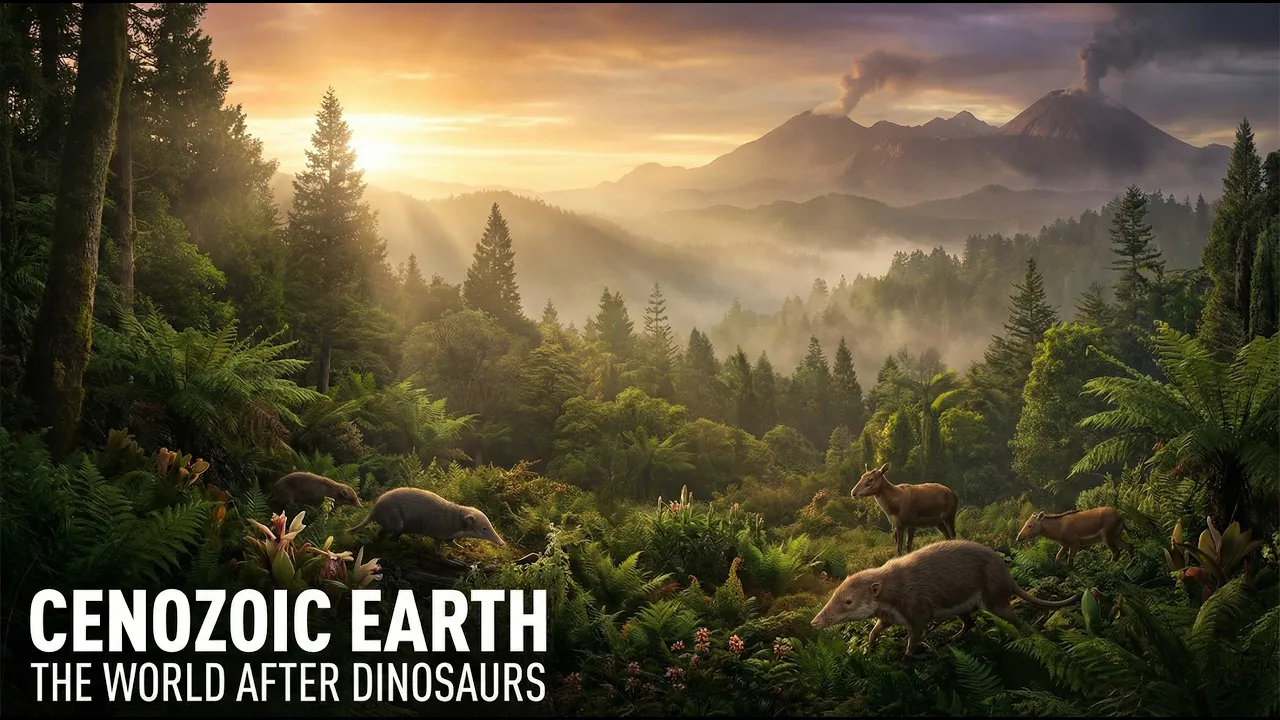




A 2025 study published in GSA Bulletin reveals that the global spread of C4 grasslands 5-7 million years ago was driven by different factors in different regions: while fire and climate shifts drove rapid expansion in North America and Africa, the spread in Northwest Argentina was more gradual and primarily driven by local climate shifts tied to Andean uplift and increased aridity, rather than fire, challenging the notion of a uniform global driver for this major ecological transition.
What Drove Grassland Expansion 5 Million Years Ago? | Geoscience Study
Added:Understanding the geologic timescale, specifically the characteristics of the Miocene and Pliocene epochs roughly 5 to 10 million years ago.
Basic knowledge of paleoclimate drivers, particularly the difference between global cooling, regional tectonic shifts, and local precipitation patterns.
The fundamental differences between forest, savanna, and grassland biomes, including the ecological roles of fire and moisture.
Familiarity with paleobotanical proxies, such as fossilized pollen, phytoliths, and stable carbon isotopes (C3 vs. C4 photosynthetic pathways) used to reconstruct ancient vegetation.
Exploring the tectonic history of South America, specifically how the uplift of the Andes mountain range created rain shadows that facilitated regional aridification.
Investigating the evolutionary adaptations of South American megafauna (such as hypsodonty in ungulates) in response to the transition from browsing in forests to grazing in grasslands.
Comparing the drivers of Miocene grassland expansion in South America with those in Africa and North America, where fire and atmospheric CO2 levels played differing roles.
Applying paleoclimate models of historic aridification to predict modern dryland expansion and desertification under current anthropogenic climate change scenarios.
107.2K views5.5Klikes12:40Original Release: 2025-03-19
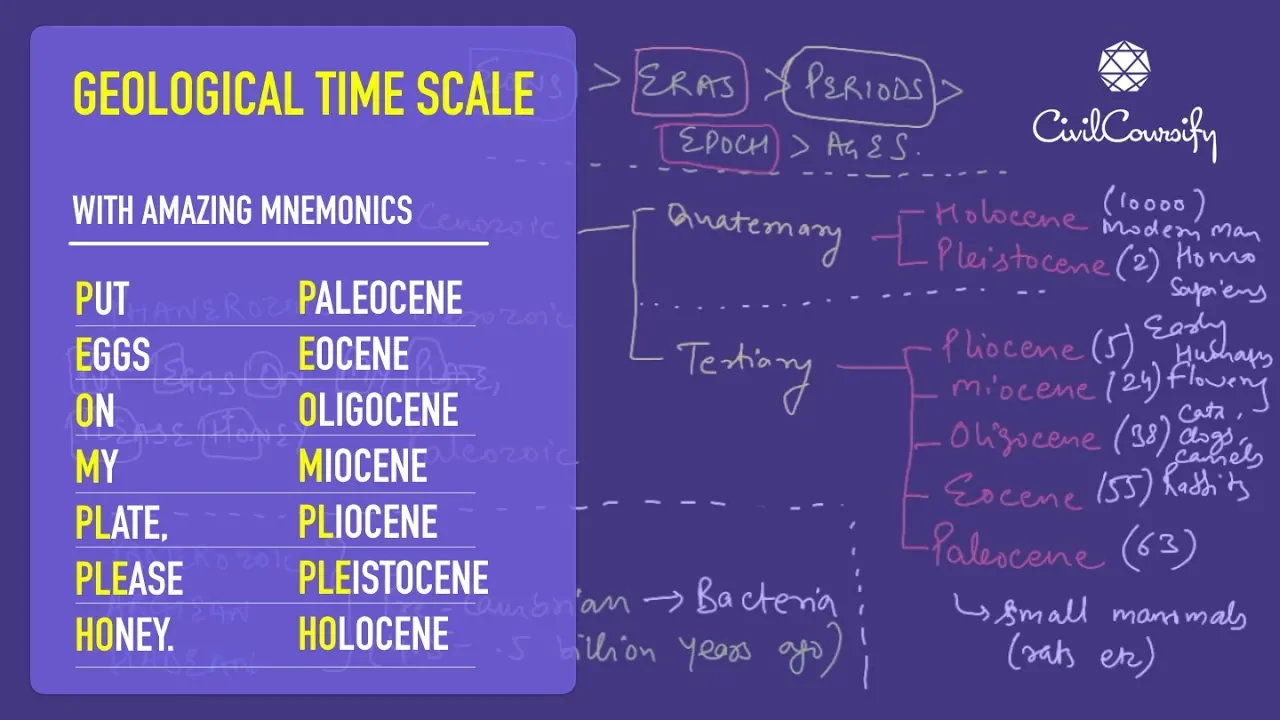
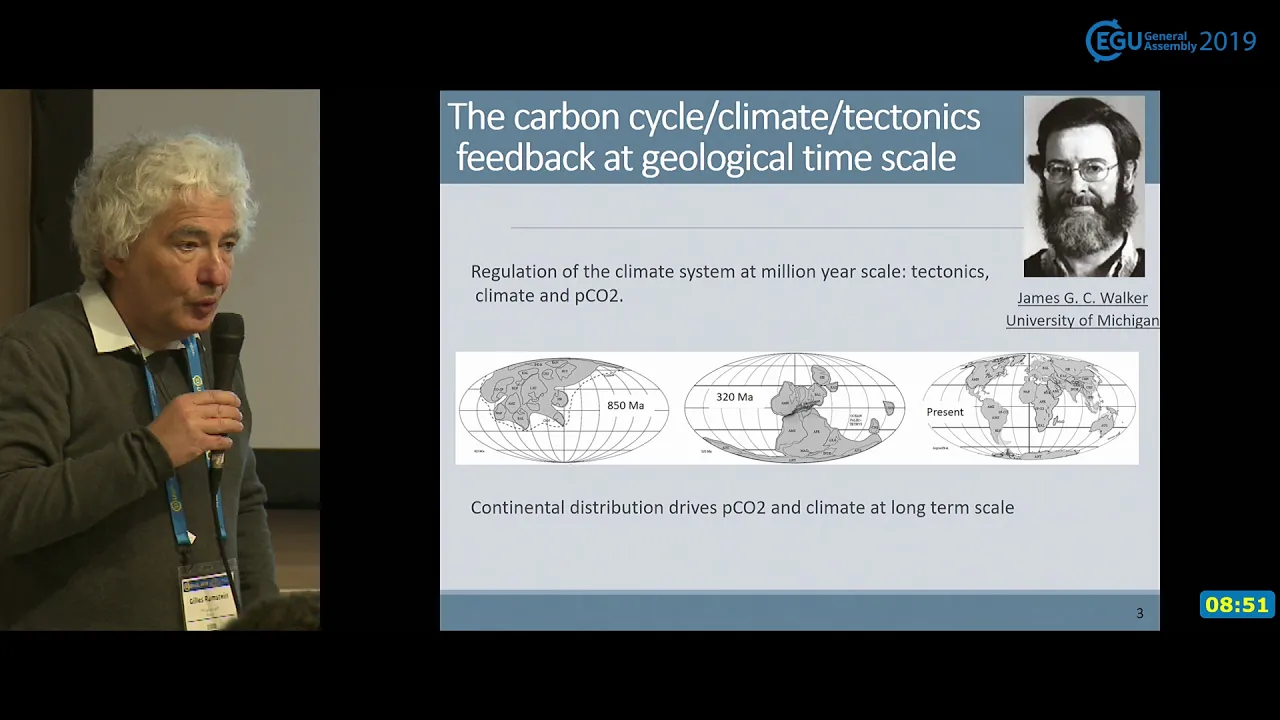
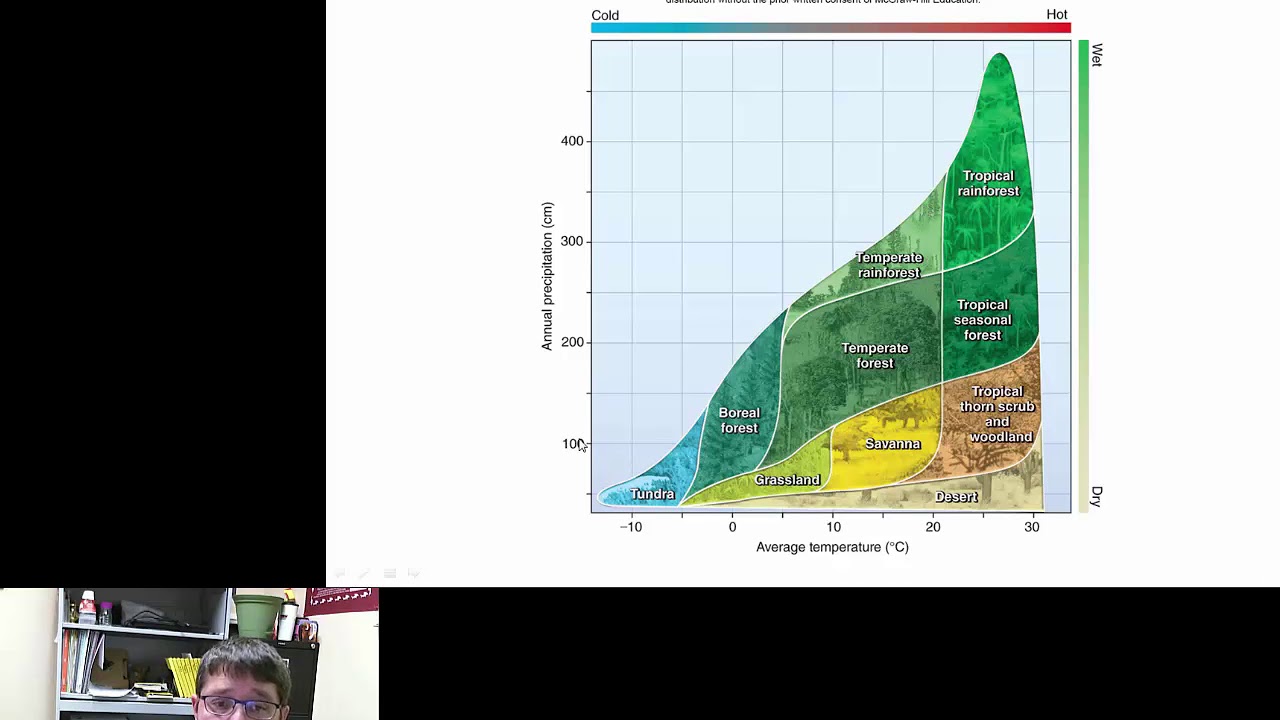
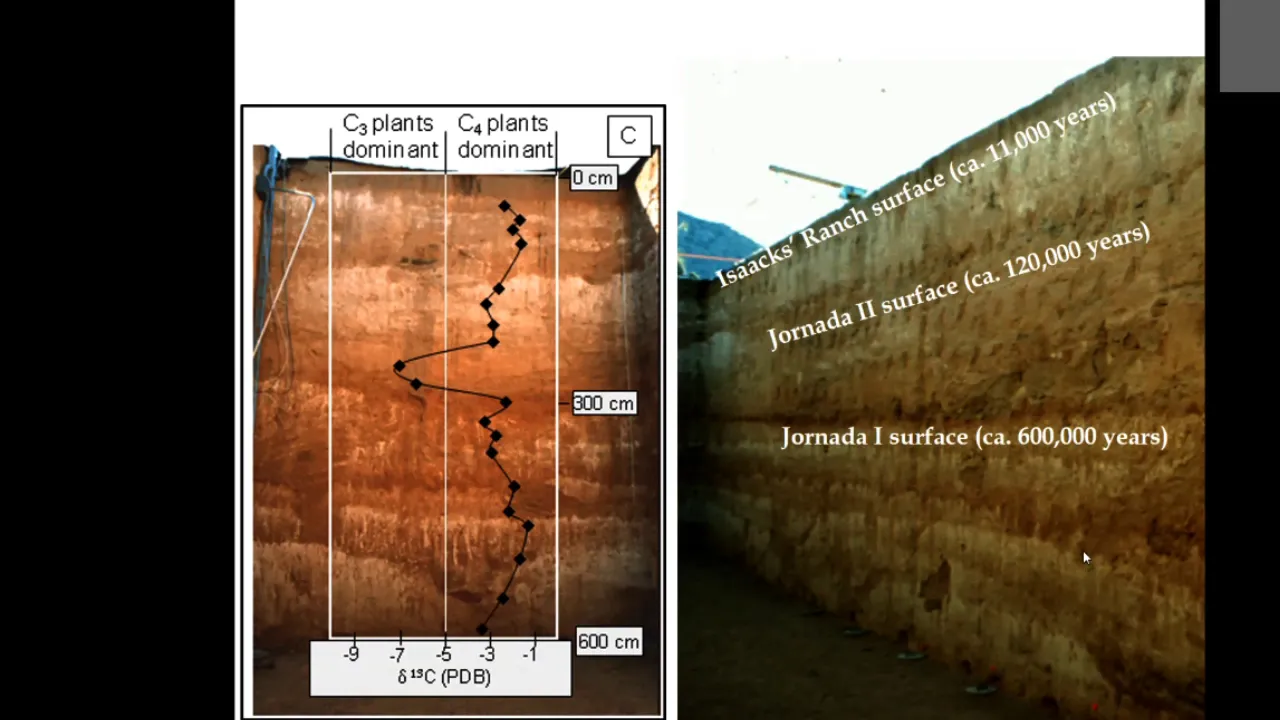
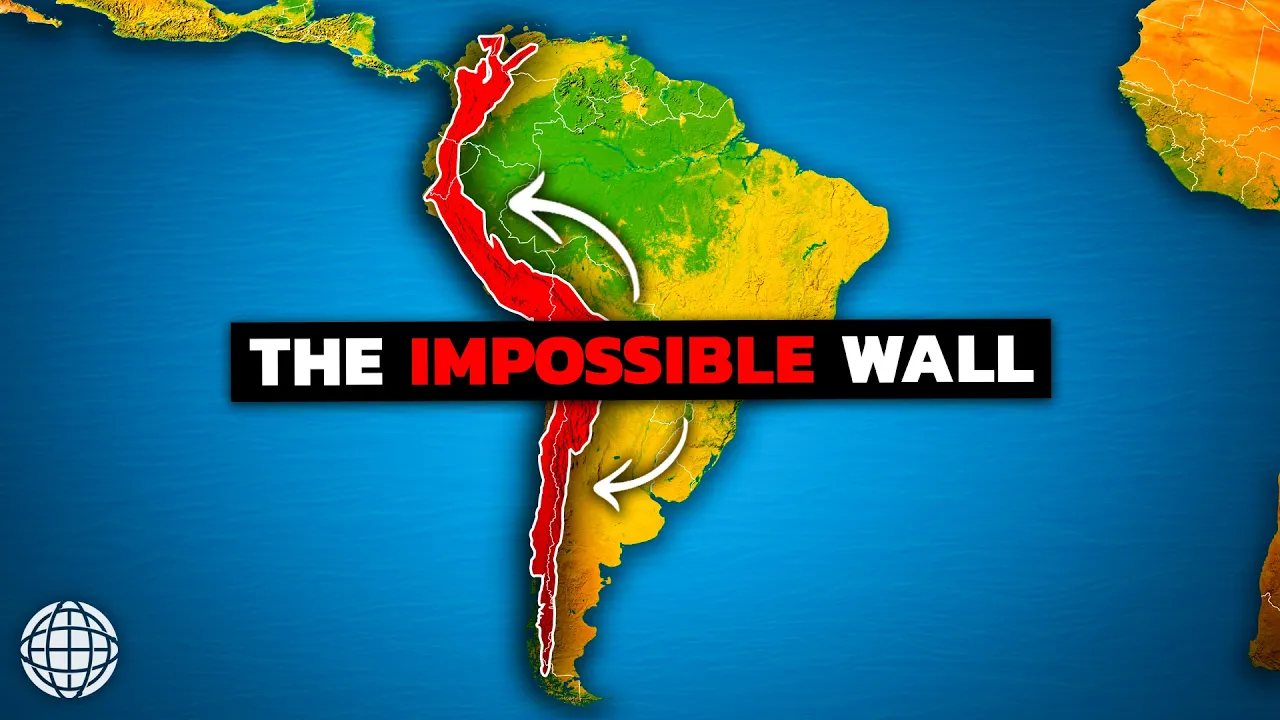
did you know that grass didn't evolve until the last 1.5% of Earth history and in fact grass lands didn't really spread globally until the last 0.15% the last 5 to7 million years but a question Still Remains among researchers what drove this Global spread of grasslands hello my name is Rachel and I am currently one of gsa's science communication fellows which means that I'll be popping on here on the geosociety channel a little bit more this year to share a lot of the work being published in their journals the work being presented at their annual meeting and that's what you're watching right now I also have my own channel called geog girl where I share a lot of geoscience content as well so I will link that in the description box of this video if you're interested in checking it out and with that we'll get back to today's conversation a brand new 2025 study published in GSA bulletin explores what drove the expansion of grasslands 5 to 7 million years ago specifically in Northwest Argentina was it shifting climate was it tectonics was it fire like has been suggested for elsewhere in the world or was it some combination of all of the above today we're going to talk about this new study and the implications of their findings but first let's start with some background like for example what are sea4 grasslands and why are they important there are three main types of plants C3 C4 and cam plants they are categorized as these different types based on their different photosynthetic Pathways C3 plants use the Calvin cycle and are more efficient under cool moist conditions with higher CO2 levels examples of se-3 plants include trees shrubs cool season crops like wheat rice soybeans and others whereas C4 plants have an additional step in their photos synthesis that helps them capture and concentrate CO2 making them more efficient in hot dry or Aid environments with lower CO2 levels and examples of these are mainly grasses but also some shrubs and lastly cam plants are things like cacti succulents and some orchids and these plants open their stamata at night to take in CO2 and store it for later photosynthesis during the day which helps reduce water loss these plants are adapted for extreme environments like very Aid Desert environments and are less common globally than C3 and C4 plants and in terms of when each of these evolved on Earth C3 plants or just C3 photosynthesizers in general take the award for oldest by a long shot these photosynthesizers first evolved over 2.5 billion years ago not necessarily plants at the time back then they were just bacteria that photosynthesized which are still around today cyanobacteria and later they evolved into plants that also underwent C3 photosynthesis but the important thing here is that they evolved when the atmosphere had a lot more CO2 in it which makes sense given how their Cycle Works how their photosynthesis Works whereas C4 plants didn't evolve until around 30 to 35 million years ago likely in response to decreasing atmospheric CO2 and increasing aridity and cam plants like originated sometime in between that but still relatively recent especially compared to the billions of years ago that C3 photos synthesis evolved but cam plants came about around 100 million years ago likely in response to water stress in super Aid environments but now let's get back to grasses the focus of this video there are C3 grasses which evolved around 70 to 80 million years ago during the Cretaceous Period long before C4 grasses evolved around 30 to 35 million years ago in the alosine but just because grasses had evolved doesn't mean they necessarily became super widespread it wasn't until the late mayia scine around 5 to 7 million years ago that sea4 grasslands expanded globally and relatively rapidly replaced a lot of C3 grasses and mixed Woodland ecosystems by the pia scene around 3 to 5 million years ago sea4 grasslands had become dominant in many low latitude warm season environments for example the Great Plains of North America the savanas of Africa and parts of South America today sea4 grasses account for around 20% of Earth's vegetative cover the global vegetative cover and 25% of global primary productivity so Global photosynthesis essentially which is quite a large percentage coming from pretty much nothing for over 99% of Earth hisory to 20 to 25% but there's a catch this expansion of grasslands wasn't uniform across the globe in North America and Africa it's thought that sea4 grasses exploded onto the scene while in South America the story seems to be a tad different and this is where this new study and their findings come in but hold on before we jump into this new study why should we care about this well sea4 grass expansion greatly altered ecosystems specifically a shift in mamillion evolution and Extinction many larg BVO that had adapted to browsing on C3 trees and shrubs struggled as C4 grasslands expanded some even going extinct I often call this the molar extinction because these extinctions of certain types of mammals were based on tooth morphology tooth structure many of those with lower crowned teeth which relied on softer C3 plants went extinct while those that developed High crowned teeth survived and thrived and what caused this is such a crazy fact to me it's mind-blowing I don't know why more people don't share this but this was caused by the abrasive nature of sea4 grasses because they contain more silica in other words they have tiny rocks in them yes plants contain tiny rocks all plants contain tiny rocks but apparently C4 plants contain more these plant rocks are appropriately named pholis pretty cool I just think that's a crazy fact that plants have rocks in them and that when plants with more rocks evolved and spread it caused mammals with softer teeth or less resilient teeth to go extinct this is sometimes referred to as the herbivore turnover and had major implications for Maman evolution this shift in Diet also influenced Predator prey relationships and Dynamics and thus entire ecosystems okay so finally to the new study and what they found so these researchers investigated when and why grasslands in South America expanded specifically in Northwest Argentina they used thick sedimentary records from two specific basins shown in this figure here you can see this Basin containing tons of alosine depine material which includes the Meine and then you see this Basin over here so this is just a cross-section or kind of a cake like cut of the basons showing what they examined and they're very thick records so thick you know rock sequences that have a lot of time in them from specifically the myene when this grassland transition was happening and they used a multiproxy approach to reconstruct climate and vegetation from this time what does that mean well essentially just means they used multiple methods or multiple signatures in the rocks to corroborate their findings for example they primarily used carbon Isotopes in paleosols which are ancient soils they used falis so these plant rocks and their geochemistry to understand more about the climate and they used polycyclic aromatic hydrocarbons or pahs to detect past fire activity to see if maybe fire was a driver in the spread of grasslands like has been suggested for elsewhere in the world so what did they find what were their significant results well they did find that sea4 grasses in Northwest Argentina did start spreading in the late meene around 6 million years ago just like previous studies suggest for elsewhere in the world but in their study location specifically they found that the transition or the expansion of these grasses was more gradual rather than a sudden widespread grass grassland turnover like has been suggested for other places in the world they also found that the maximum se4 vegetation in this region at the time only reached up to around 15% Which is less than previous Studies have suggested in addition the spread of grasslands in South America specifically in Argentina seemingly had different drivers than the spread of grasslands elsewhere in the world many studies show that in other parts of the world fire played a big role by clearing forests and creating open Landscapes that favored fast growing grasses but this study implies that fire did not play a significant role when it came to the spread of grasslands in South America the phah data or polycyclic aromatic hydrocarbon data showed no significant increase in fire activity in this region during this transition so if not fire what were the driving factors for the spread of grasslands in this region well the study emphasizes that it was likely more strongly influenced by local climate shifts tied to the andian uplift and increased aridity okay so what does this mean what were these climatic shifts well interestingly the study found that the mean annual temperature of the region remained relatively stable around 10° C but precipitation is what really changed rainfall dropped from around 1100 mm or 43 in per year to around 850 mm or 3 3 in per year and this increasing aridity or dryness was due to the uplift of the Andes mountains which wouldn't you know also happened around this time or was happening kind of leaning up to this time and this uplift of these mountains created a strong rain shadow effect leading to this aridity in this part of Argentina and also thus leading to the conditions that allowed the spread of sea4 grasses okay so we talked about in general why we care about se4 grasses and when they spread globally but why do we care about these specific new findings well this paper challenges the idea that the late Meine C4 expansion was always rapid and widespread in some areas it seems that local factors mattered more like local or Regional climate shifts for example due to Mountain uplift these findings are also important to help us understand how EOS systems respond to climate change both in the past and in the future they also emphasized that we can't just rely on one size fits all explanations and we have to try and focus on local factors as well and finally this study helps us predict future vegetation changes we might expect in a changing world as for example aridity increases in certain regions due to warming and climate changes in those regions what we might expect there when it comes to to vegetation shifts this has major implications for not only ecosystem changes but also shifts in agriculture shifts in where we can grow food shifts in where we can get water shifts in all of that so the findings of this study and other studies like it have major implications so I hope you guys enjoyed learning about the spread of grasslands 5 to 7 million years ago and how important that became for Mammal Evolution and eventually for our own Evolution and like always the references for this video are linked Down Below in the description box including the paper that was the main focus for this video so go check that out if you're interested in learning more and with that I'll see you guys in the next one bye
Up Next

29:09
Wildland Fire Basics: Intensity & Severity Explained
@land-wildlife
180 views•2025-05-12

15:54
Life in Biosphere 2: Sustainable Ecosystems & Human Survival
@TED
334.9K views•2009-06-16

14:30
Microplastics Everywhere: How Plastic Impacts Our Lives
@TEDx
100.9K views•2018-05-08
10:28
Ice Stupa Artificial Glaciers: Solving Ladakh's Water Crisis
@SonamWangchuk66
3.2M views•2015-05-03
Related Study Plans & Knowledge Roadmaps
Structured learning paths in Environmental Science
environmental-science
Ocean Noise: Cetacean Impacts & Mitigation
01Fundamentals of Underwater Acoustics
02Marine Mammal Bioacoustics
03Anthropogenic Noise: Shipping & Seismic Surveying
+ 2 more learning modules
16h5 modules
Explore Roadmap
environmental-science
Road Ecology: Corridors, Overpasses & Fencing
01Foundations of Habitat Fragmentation and Carnivore Ecology
02The Road Barrier: Ecological Impacts of Transport Infrastructure
03Principles of Ecological Corridors and Connectivity Mapping
+ 3 more learning modules
14h6 modules
Explore Roadmap
environmental-science
Ocean Acidification: Kelp Buffering & Shellfish
01Fundamentals of Ocean Chemistry & pH
02Chemical Pathways of Coastal Acidification
03Bivalve Physiology & Calcification Under Stress
+ 2 more learning modules
18h5 modules
Explore Roadmap
environmental-science
Ice Stupas: Glacial Retreat & Water Security
01Foundations of Glaciology & Mountain Hydrology
02Climate Change and Glacial Retreat Dynamics
03The Science of Ice Stupas & Artificial Glaciers
+ 2 more learning modules
14h5 modules
Explore Roadmap