
















Wildland fire behavior is determined by the interaction of three key factors in the fire behavior triangle: fuel (amount, type, and moisture content), weather (temperature, relative humidity, and wind), and topography (slope and elevation). The main difference between prescribed fire and wildfire lies in their objectives—prescribed fires aim to achieve specific ecological goals like killing vegetation or reducing fuel loads, while wildfires focus on protecting lives, property, and resources. Fire intensity measures the heat output at any instant using BTUs, while fire severity measures the cumulative impact on the landscape after the fire has passed. Understanding these fundamental concepts helps firefighters and land managers predict and control fire behavior effectively.
Wildland Fire Basics: Intensity & Severity Explained
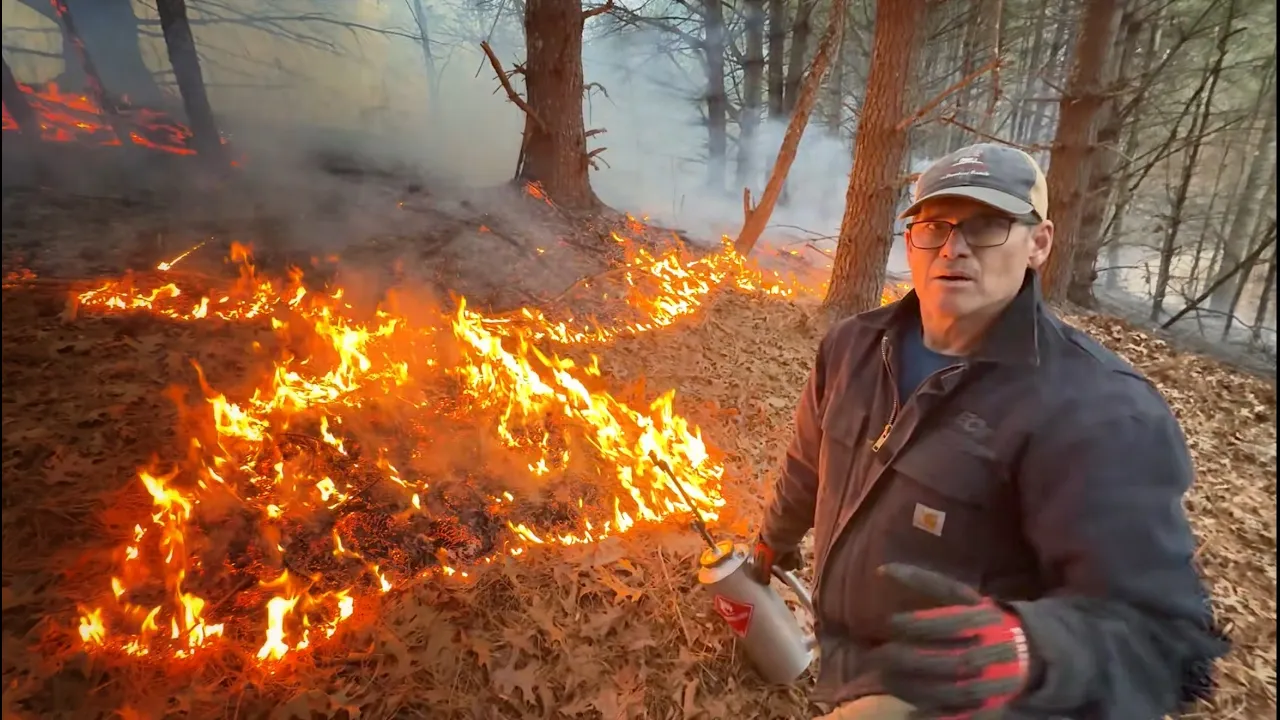
Added:My name is Eric Roner. I'm a prescribed fire specialist with the Fish and Wildlife Service out of uh Cambridge, out of Blackwater. Um I am going to hopefully provide some insight on uh what a prescribed fire is versus a wildfire and how we can talk about intensities, how we can talk about um basic fire behavior. Um I'm assuming that all of us that that the group isn't isn't an expert, right? And um and so if it's a little remedial um then I'm sorry about that. If you want to get more in depth on uh what I'm talking about, if you have a question, raise your hand, interrupt me. I'm I'm good with that.
I'm used to talking with fire guys. We tend to be a little more um brutish and a little aggressive, so I'm I'm used to it. I can take it. Um as soon as my slide Oh, there we go. So, I I took the time to develop this really nice PowerPoint, right? And it was going to be awesome. You guys were going to love it. There was going to be money given out at the end and everything. I can't find it on my computer. So, I stole the S190 uh unit one basic concepts, which is basically like the very first PowerPoint that you would watch if you were a new firefighter. Um the S190 course is the introduction to fire behavior and after S190 you go to 290, then you go to 390, then you go to 490, then you go to 590.
So you effectively spend about 7 weeks of your life in a classroom talking about fire behavior before you get to the end. And I have um I have people that I work with that hold the 590 certificate, put it on the wall, they treat it like their their um um uh what do you call that thing from college, your your your diploma, right? Like out of fire. So, you know, out of the group of of folks that we work with, um you don't have to have a college degree, right? And so, it's an experientialbased system. So you go to a fire, you get experience on what it looked like, how it burnt, what you were doing, and then potentially the next time you go, you can add on to that, and you continue to do that. Over time, you get to the point where you can be a burn boss. And that's what that's effectively what I am now. I've spent too much of my life standing around um in a in a building like this uh talking with with folks uh in the morning for a morning briefing. And um that's what I kind of do now. I'm a a long-term analyst. And basically what that means is I have a little crystal ball and I sit in my tent in the fire camp and I look at the weather. I look at where the fire potentially could go. Um what kind of things you're expecting in the future for weather and um the climatology and then I can tell you where that fire is going to what that fire is going to impact in the next 14 days, 21 days, 30 days.
um that is way more information. Like I said, it it you know, 7 weeks of training to get to that point where you're you're explaining that kind of stuff. So, it's going to be basic. Um and like I said, uh it was a PowerPoint that um I grabbed real quick. So, real basic parts of the fire. Looks like an oven mitt. the perimeter of the fire all the way around the outside edge, the red line on a map.
Um the point of ignition we call point of origin, the poo. So where the fire started basically head is and we're going to and and you guys might think that this is like silly, but the head of the fire leads us to a the idea of a heading or uh the head fire activity. um back backing fire activity, flank, flanking fire. So that's where this stuff kind of comes in, right? And so a flank is when we're talking about the fire that is not at the head and it's not at the back. It's kind of burning intensely in a uh in an angle to the main direction of spread. Rear heel, that's the slowest moving part of the fire. It's not necessarily where the origin was, but it is where the the back of the fire is moving towards. So then you have the the idea of backing fire, right? And that's what when the wind is blowing, pushing the fire in one direction, the wind and and oxygen that that it that is being provided to the fire allows it to chew backwards um out of it doesn't make a whole lot of sense, but depending on the fuel type, the backing part, the Let's see. Can I do this? No. Okay. So the backing is going to be where you're going to get the longest amount of heat on the fuel and it can be effectively where you're going to get most of your fire effects or severity. The head of the fire alternatively um you can also see it move very fast. It'll burn very intensely but it could also move so fast that it doesn't uh reside on the ground very long.
Um, we talk about fingers and so little little uh stretches of fire that move quick. Um, an area in between like a a stretch of green in between that. Um, if you're fighting fire, you're on a prescribed fire and you're in that location, you're in a bad place. Um, we talk about islands, uh, green islands.
Um, out west we had, uh, we had an assignment where we were going to go and line the green islands in a wildfire.
That didn't happen. Um, we talked about spots. Spots are are where the fire is moving towards. So, potentially a source of um where the the fire throws a little ember, it lands, starts another fire.
Eventually, that body of the fire moves and incorporates that spot. Um, so then we're going to talk about uh suppression. And I'm talking about suppression because we use a lot of the same terminology, a lot of the same information that we we learned in wildfires for prescribed fires. So an anchor point could be your test fire location. A control line could be your um containment line or could be the the line that you're going to hold the fire on. Uh in both situations, a fire line is mainly used uh in the idea of a suppression fire. uh you're you're kind of making it on the fly versus a um prescribed fire. You already put that in hopefully. If you haven't, you're doing something fun. Um we talk about mop up.
You're probably going to do mop up on both things. You're going to talk about contained controlled on wildfires. And then a chain is just a measurement of uh distance that we use old surveyor terminology is 66 feet. Uh, so getting into behavior of the fire, we're going probably see a lot of smoldering today. I don't know what are we burning. Are we burning a field?
Are we burning the woods or what? Field.
Grassland. Grassland. Okay. So, you will see some of this. You'll see some smoldering and and ideally you're going to see a little bit of this um little bit of this flame length down here uh in in the backing situation. Basically, it's a um the the lowest level of uh fire behavior. You can also see some creeping and that's going to be a step up. You're going to see some flame lights. You're going to see it maybe move around a little bit. You might you might be talking to somebody if you're standing in the unit. The creeping fire might creep up beside you and burn your boots like that's that's happened to me before.
Running fire is now you're talking about a fire behavior where uh instead of burning your boots standing there talking, you're singing your hair or you're maybe you got you're getting ember wash on your on your um line gear.
Uh running fire behavior. Uh in this situation, you're looking at um probably somewhere out west with a thick brush component with uh wind pushing it uphill and you're going to see flame lengths according match accordingly. And and so we're going to talk about um what what how we can talk about flame lengths and uh intensities here in a minute, but this is this is fire behavior that's starting to get to the point where you're going, "Oh, you know, I should be somewhere else." Spotting is um one of the things that you can see once you have that running uh scenario. Uh spotting also can occur during um depending on what you're burning. If you're burning something like um uh oh man was a sec there's a there's a fuel type out west say you can call like manzanita manzanita leaves um it'll burn I say out west I spent a lot of time in Northern California I also worked in Arizona I worked in Idaho um so I have a lot of experience from a lot of different places out west um I grew up on the eastern shore I moved away and I came back um so now uh when I'm when I do burns out here my main concern for spots are going to be the logs that are dead that have generated heat. Um, throw in an ember and now those other logs that aren't in the middle of that burn, receive that ember and continue to burn, right? And so you have a log on the other side of your control line that now has a spot in it and now it's going to continue to burn and maybe you haven't caught it yet. Um, so that's spotting is is that scenario torching. you start to see an individual tree um light up from the the bottom to the top. Um very impressive. It generates a lot of heat really quick. What this means if you see this early in the day is that you're going to have a fun active day. If you see this later in the evening, that's okay. Uh potentially um everything comes in different flavors of of uh where you're standing, right? And so uh in the morning probably not great. in the evening.
Uh, okay. You know, an individual torching, not much of a big deal if it's interior of the burn. If it's on the edge of the burn, then you're going to have problems and you're going to go back to the spotting situation. Um, a flare up is a group of trees or um a p a piece of fire that was relatively inactive and now is much more active and all of a sudden picks up. Um, and it it's the big thing that you should take away from a flare up is that it doesn't change your plans, just it it's a slight increase in um flame rates and or activity within the burns. A fire on a prescribed fire is um we were we were burning at Eastern Neck and we were getting some fireworks.
Not uncommon when you have a um relatively uh wet wind u and a dry hot fire you can create. So basically what a firewall is is a tornado only with instead of wind inside of it is actual fire occurring.
Um, these things are a indication of you've crossed from the controllable desired fire effects and you're starting to get into the extreme fire effects.
Um, I say fire effects, fire effects are what happens when you burn. So, if you want to kill all of the pine in that stand, which if if this is a prescribed fire, there's nothing wrong with what they're doing here. If they want to kill all the trees, that's totally, you know, a reasonable thing to be doing in Wyoming in an aspen stand. They kill everything.
They they like doing that. This isn't necessarily bad, but again, you're you've got a situation where the fire activity is gone from something that you um maybe something that you wanted to something that you don't want. Okay. And then the backing um idea, like I was uh said before, that that backing fire is what you're looking for when you want fire to stand to stay on the ground for as long as possible and it just basically chews its way backwards. So in this situation, the wind is probably blowing it this way. That's why you get good pictures of backing fires because the smoke is going that way, the fire is burning that way and and the uh intensities are probably pretty low, but the severity is going to be high. Um so the difference between intensity and severity, intensity is measured at the instant using uh BTUs. So like a British thermal unit. So imagine you're standing there, a fire is is you're standing next to your campfire and you're and you feel the heat coming off the fire. That's intensity. What happens on the ground after the fire goes out is your severity. So a week later, a day later, a year later, uh maybe you don't have any trees growing, maybe you don't have any grass growing. That one's that measures the amount of severity you had.
So intensity versus severity.
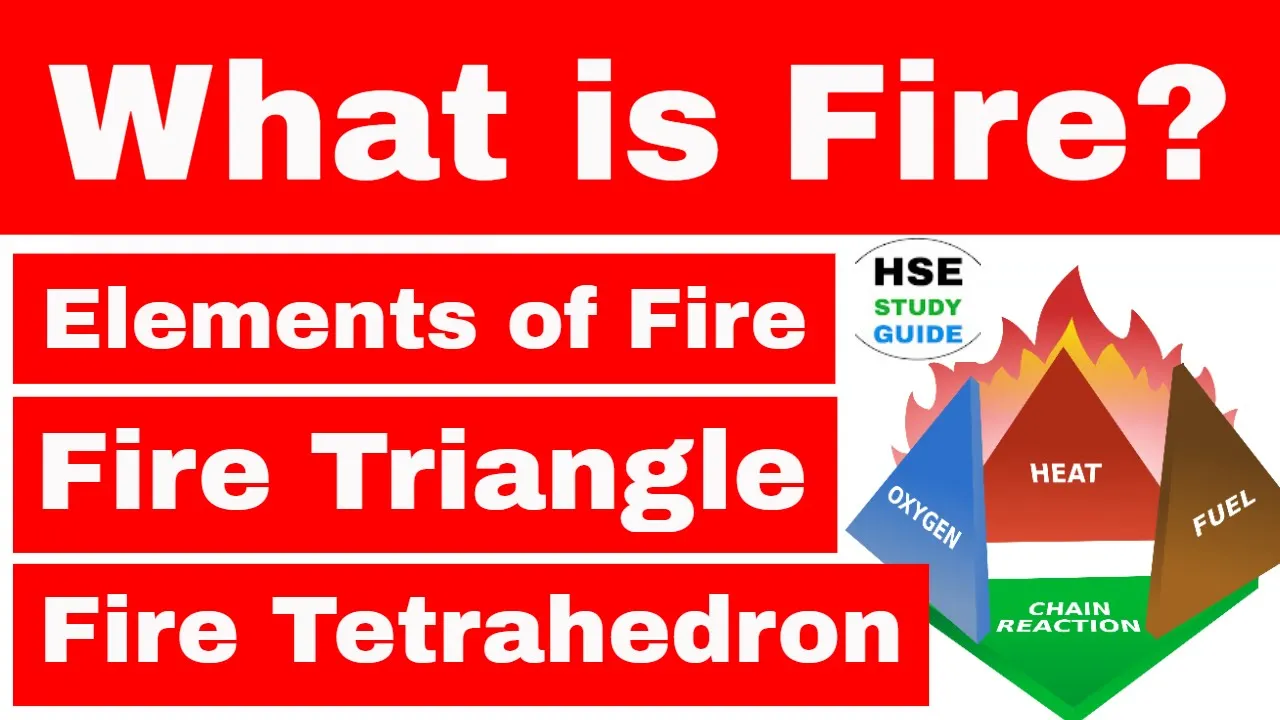
flaming front. Um again, uh it it's pretty obvious what this is in the head of head of the fire. This is where the fire is moving to in uh continuous fuel sources like they got cheat grass growing all down at the bottom of the the picture here. Um in our situation, maybe it's a a grass field, maybe it's um a pine plantation at the at a higher level. Um, we're looking at a a stream, a head, a wall of fire. When I burn marsh, this is what I want. I want to light a strip of fire, and I want to see that strip move out into the marsh and take out everything in its way. Crowning, um, it's it's basically a flare up with multiple trees, right? And it and then after it gets multiple trees, it just keeps burning. So, a crown fire is you have to have a source on the ground creating the heat and then allowing um an a a an appropriate fuel source for it to burn across the top of the crowns and to continue continue to proliferate. Um so, crown crowning is not common. Uh it it gets it's getting more common um in timber, but it's not uh it's not something people a lot of the times will will confuse a flare up or a um torching with crown fire. Um, ideally the the true definition of crown firing, it crown fire is is the fire lifts up into the crown, moves across in uh across the crown, and then eventually falls back down. Theoretically, you could stand underneath a crown fire. You don't want to. It's very hot. Okay, none of that. Okay, fire triangles. We love triangles in the fire service. It's an easy way to remember the three things that you need to keep a track of. What you need for a fire is oxygen, heat, and fuel. Uh we breathe it comes naturally.
We either start them, we or they are started for us. And then what we're burning, some areas we have fuel, some areas we don't. Some areas the fuel isn't necessarily available. Um how do we break the fire triangle? We can either put the uh remove the fuel, smother the oxygen, or reduce the amount of heat. Uh heat transfer. I'm going through this pretty quick because I know that, you know, this stuff is relatively um common. We talk about different ways that uh that the fire can burn you. Um radiation is like you get a sunburn. Conduction is is you grab the hot pot. And convection is is you open the oven door and you feel that wave of heat come out at you. Um conduction for fire behavior on the ground. We look at uh the log that catches on fire and burns all the way down the log. The heat is transferred from one piece of the log to the next to the next to the next. Uh convection is basically the movement of that heat through wind.
And then radiation, um, the sun light will help the fire burn. You kind of put it like that. The fire triangle, I'm going to leave it there. And I'm going to talk about some other things. So, we talked about the fire triangle and the oxygen, the heat, and the fuel, right? And so, you have to have an ignition source. You have to have oxygen. If you don't have oxygen, it doesn't matter. If you does you don't have the heat, it doesn't matter. If you don't have the fuel, it doesn't matter.
So, you take one leg out of the triangle and then it's no longer a triangle. Um the next triangle that we refer to is called the fire behavior triangle. And that is essentially um the effect like how you get fire to burn the way you potentially want it to in a prescribed fire versus u maybe how you don't want it in a wildfire. Um so you're going to have the fuel source, right? You're going and we're going to talk about the different ways that the fuel can impact fire behavior. And then we'll have weather.
And so if you if you have uh high humidities, if you have low humidities, if you have winds, um if you're depending on the time of year, uh the amount of sunshine that hits the ground plays an impact on what kind of fire behavior you can get. And then we talk about um the topography. And here the the topography is flat, right? And in general in the Eastern Shore, it's flat.
Uh other places flat is relative. Um, and then we can really get into some fire runs uphill type situations, overriding wind, uh, scenarios. Um, basically the fire behavior triangle.
Um, if you remove one of the legs of the fire behavior triangle, you don't necessarily put the fire out, but you can severely prohibit the amount of an intensity severity of that fire.
Totally. So um the first step you can look you could think of with uh fire weather we look at um things like RH um and the wind uh RH the winds and your local winds transport winds um and then we talk about uh surface winds. So winds are a big deal um with the weather. Um, we also refer to a lot of the um, temperature. We talk about temperature. It's a hot day.
You're going to expect fire behavior.
Um, that's not necessarily true. You can have cold cold days and active fire. Um, when I working at Blackwater, we really search for those 20 2020 20 days, right?
So, we're looking for 20% RH, 20°, 20 mph winds. And that's going to allow us to put fire on the ground and have it, like I was saying, that wall of fire move out across the marsh in the direction that you want it to go. Um, obviously in a suppression type scenario, that is also that is also ideal conditions for a wildfire. um 20 how prescribed fire and wildfire. The only real difference between the two is your objectives. So an objective for uh wildfire would be to keep your people safe, to keep from burning up your values at risk, right? And then um objective is to eventually put containment line all the way around it.
versus a prescribed fire. The objective might be I want to kill uh I want to kill all the grass, which is relatively easy to do. If it can burn, you can kill all the grass, right? Um maybe another objective is is you want to kill maybe half the trees in the stand. That's a little harder to meet. Definitely harder to meet. Um now, if you wanted to kill 100% of the trees, that's a little easier. You know, then you have you run into that situation like I was talking about with the aspen stand and the the fire world. you get the right kind of fire effects, fire behavior in an aspen stand and you can kill all the trees like you want to if it's a prescribed fire and that's the objective that you're going for. So the main difference between a wildfire and prescribed fire is is the objectives. Um and so I talked about the oh okay so the the temperature wise um the temperature and RH are inversely proportional. It's a fancy word for saying as the temperature goes up the RH goes down. Um, in general, now it doesn't mean a whole lot here because meaning 90 degrees and 90% humidity sometimes, right? It happens. Um, but in general, the RH goes down as the temperature goes up. Uh, lower RH's in some areas play a bit bigger role in prescribed fire and or wildfire behavior than other areas.
here. Um 20% RH is like what we're looking at today is a big deal. That's that's you're looking at extreme not maybe not extreme but definitely increased fire activity. Um out west you aren't going to light a fire for a prescribed fire at 20% RH. You're looking at you you got to at least get below 13 or or 14 before you're going to see any kind of effect. you're going to.
And so the um the type of weather conditions that you're looking for is going to vary um from location to location, from um obviously from one side of the country to the other, from ecosystem to um ecosystem. I don't know where I was going with that one. Anyway, the RH is is a big deal, right? So it's not always the same. um 40 four you could burn at 40% in in Florida and like I was saying 40% is going to put the fire out in California. Um so you have RH you got local winds, local winds are uh kind of the difference between the transport winds and the surface winds. So you could have surface winds going one way, the local winds going another way and the transport winds going the other way.
And what you're going to end up doing is having a column that looks like an S. Um maybe you're going to get lift, maybe you're not in that kind of situation.
the type of intensity that you can generate is going to be greater because of your um air movement. Um that's a lot of what our winds have to do with fire behavior is the ability for the fire to breathe. The more wind it can get potentially the greater intensities you can get. Um so fire weather fuels you're looking at um the amount and type of fuels that you have. So you can look at um a grass field being a continuous amount of fuel going across it. You're going to be able to light one edge and it's going to be able to back or run across the next to the to the next side. If you have gaps in that fuel type, you're going to see fire do different things, right? You're going to see it burn to the point to which it can't burn any further and then it's going to go out. Uh maybe there's a wet spot, maybe there's a rock, maybe there's um whatever else going on. Uh maybe it's a patch of fuel that is slightly different and green fire behavior is going to be different because of the level of moisture in the fuels. Um you can also look at whether it how how the fuel is um expressed vertically and like I was saying horizontally. Horizontally is is whether it'll travel across the ground.
Vertically is whether it's going to climb up the tree and continue. So if you wanted to remove the crown fire effect, you could effectively um open up the spacing in the crown so that the fire could get up to the top but couldn't proliferate, couldn't continue on. Um so fuels uh so we talk about the basically the amount the type and um see the amount the type and then the quantines whether it's available or not.
So how much moisture is in that fuel in the first place. So uh if it's dead grass not a whole lot of moisture in the dead grass it's going to burn fast.
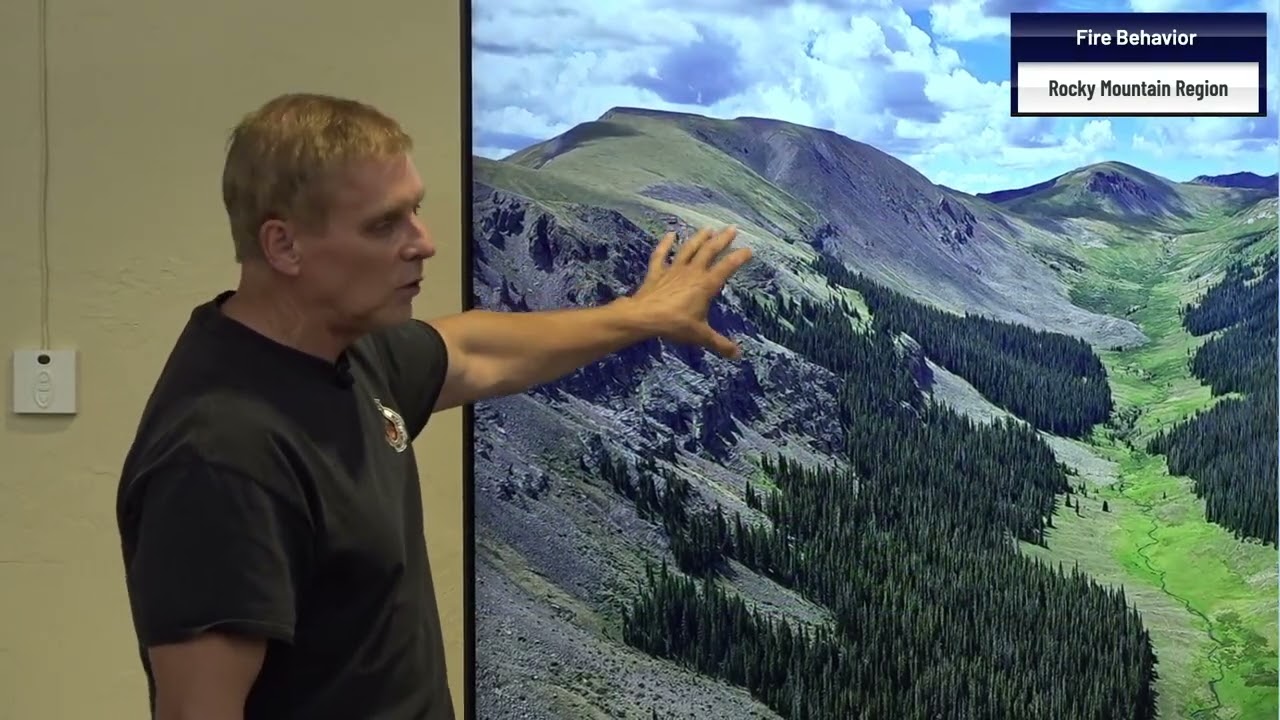
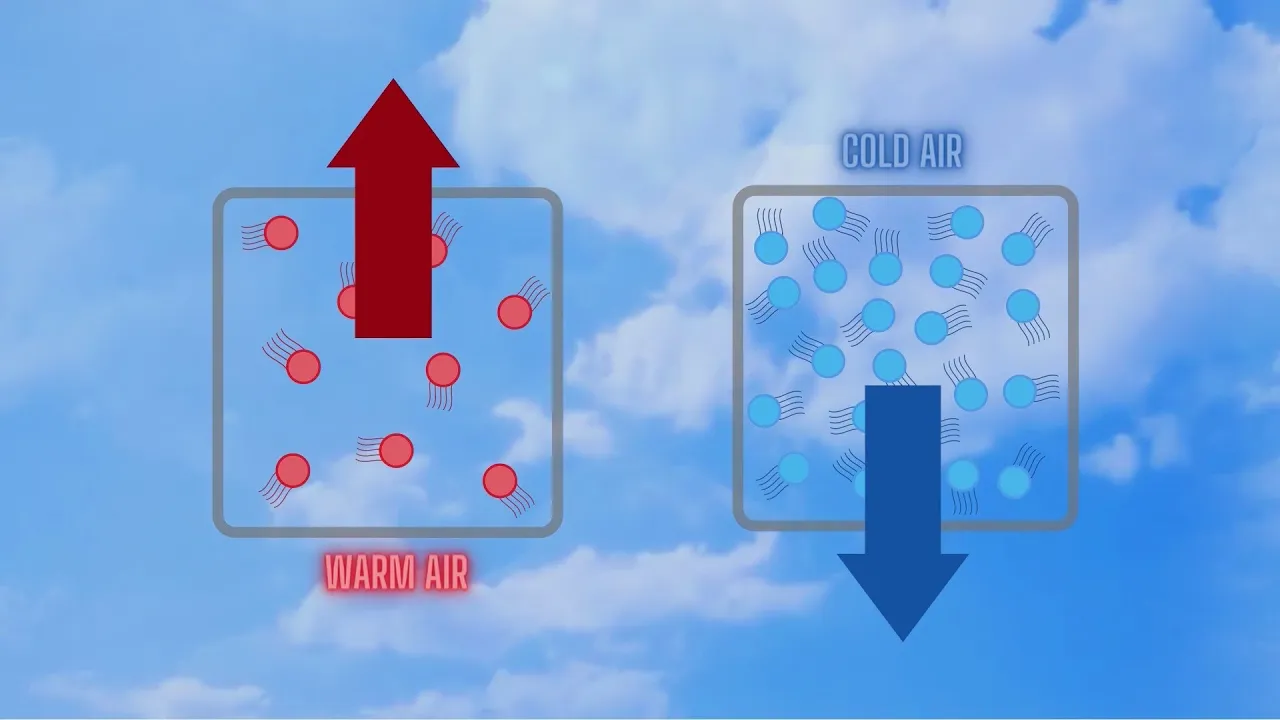
Green grass probably not going to burn as fast. I'm not saying it won't. uh everything is on a spectrum potentially could. Uh so then then we have um topography and and like I said here um don't let flat land lull you into an idea of safety. It is it is not it's uh in in fact anything with a little slope I feel better with because I have a better idea of where the wind is going to go and where the fire wants to travel. Fire heat rises same thing on the ground. So the heat from the fire is going to rise up the hill. Go up the hill and it's going to drag the wind with it. So the wind is going to push it up the hill and the heat is going to rise up the hill. Everything is going to go up the hill. If you wanted to start a prescribed fire on a hill, you start at the top and work your way down. That way you're working your way into the wind.
That way you're working you're creating little mini head fires as you run down the hill. But um you don't start at the bottom of the hill unless you want to nuke the hill.
Um in in in in the in the idea of marsh burning, you usually do start at the bottom of the hill wanting to to nuke the whole thing. That's that's uh the intent there. And I talk about that a lot because that's a lot of what I do now is burning marsh. And uh you're burning on water, right? And so that's another aspect of fire behavior, fire effects, is knowing your environment and knowing that if you want the fire to jump from a uh a three-foot a 3-ft ditch, then you're going to have to give it enough ability to to generate steam, maybe even spot across it or or um just totally uh impact the next level of fuel with those flame links. So we talked about flame. I I mentioned one more thing. Um flame height versus flame length. Flame height is how high off the ground the flame is. Flame length is from the base of the flame to the end of the flame. So a flame length could be 20 ft. Flame height and that same very same flame length could be 5t off the ground, could be only 5t high.
So imagine it as um the fire is showing you where that heat is going. Um okay. So I talked about fuels and and topography and weather and how those things interact to generate your types of fire which we already talked about on the PowerPoint. Um, I gave you the definition of intensity versus severity.
I talked about the objective uh of a prescribed fire versus wildfire, right?
Um, and I think the last thing that I really want to focus on is it it has now just left my head. I get so excited about this stuff.
I love it. Um, and I and I get to rambling. Um, but I do I want to say that um the the idea that you have um firefighters working on uh prescribed burns at one at at on wildfires and having prescribed burns going at the same time um like in a situation today.
So, I know we're we had multiple resources slated to go to Delaware, slated to go to Wester County to to do some burning. They're not going to be burning. They're going to be looking at um their prescription isn't good for lighting a fire and having them be able to do what they want it to do. Um and so they're not going to burn, but we're going to burn over here.
uh social impacts play a big role on how you can get your work done, right? And so you need to I take that uh at to heart as a prescribed fire specialist. I have to make sure that the amount of fire that I put on the ground is appropriate for what the community can handle. Maryland, I think, can handle a lot of fire on the ground. So, I think you guys are going right on the right steps towards being able to put more fire on the ground, being able to impact the ecosystem in a good way and create that ecosystem that you're looking for. I know I talked a lot. Nobody asked any questions. Um, I'll be around. Give me a holler.
Up Next

Yellowstone Fire 1988: Ecological Recovery & Renewal
@ThisOldVideo2
128.3K views•2015-05-26

Life in Biosphere 2: Sustainable Ecosystems & Human Survival
@TED
334.9K views•2009-06-16
Microplastics Everywhere: How Plastic Impacts Our Lives
@TEDx
100.9K views•2018-05-08
Ice Stupa Artificial Glaciers: Solving Ladakh's Water Crisis
@SonamWangchuk66
3.2M views•2015-05-03
Related Study Plans & Knowledge Roadmaps
Structured learning paths in Environmental Science