












![[슬라생] "싹 타버린 숲, 원상복귀 최소 50년" 4대째 임업 산림경영인협회장, 산불에 '임도' 절대적 #산불 #산불피해 #산림경영_250410](https://i.ytimg.com/vi/-srqAexSn04/maxresdefault.jpg)



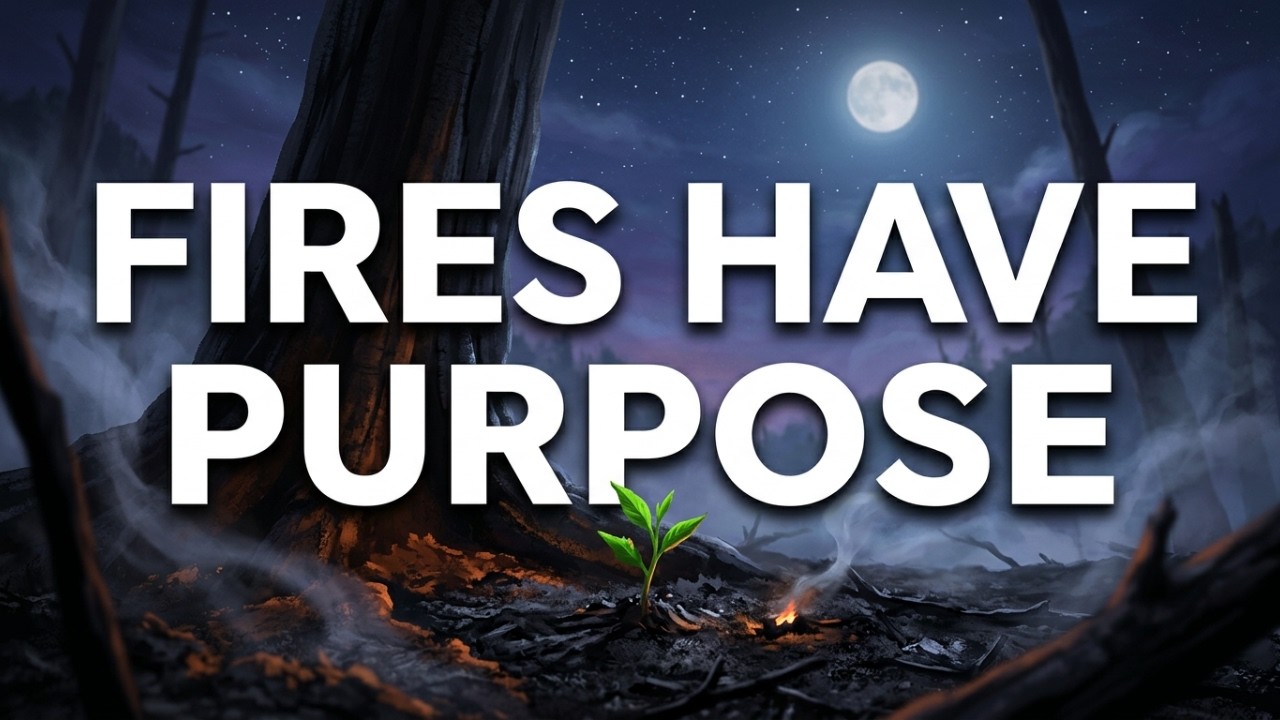
The 1988 Yellowstone fires, which burned approximately one-third of the park, demonstrated that fire is not merely destructive but a vital ecological force that Yellowstone depends upon for renewal; despite initial fears that the park would be destroyed, the fires actually triggered natural regeneration processes including seed dispersal from lodgepole pine cones opened by heat, rapid grass regrowth from nutrient-rich ashes, and the eventual return of wildlife populations, ultimately strengthening the ecosystem rather than destroying it.
Yellowstone Fire 1988: Ecological Recovery & Renewal
Added:The concept of ecological succession, specifically secondary succession, which explains how biological communities rebuild after a major disturbance.
The ecological role of natural disturbances (such as wildfires, floods, and insect outbreaks) in maintaining forest health and biodiversity.
Basic tree biology and reproductive adaptations, particularly serotiny (e.g., lodgepole pine cones that require intense heat to open and release seeds).
The history of forest management in the United States, including the legacy of total fire suppression policies during the 20th century.
Modern fire management strategies, including the use of prescribed burns and managed wildland fires to mitigate extreme wildfire risks.
The long-term impacts of the 1988 fires on Yellowstone's wildlife dynamics, including habitat changes for species like elk, grizzly bears, and beaver.
How climate change, rising temperatures, and prolonged droughts are altering historical wildfire regimes and forest recovery timelines.
The concept of ecological resilience limits, specifically investigating when severe, repeated fires might prevent forest regeneration and cause transitions to grasslands.
128.3K views1.1Klikes55:26Original Release: 2015-05-26
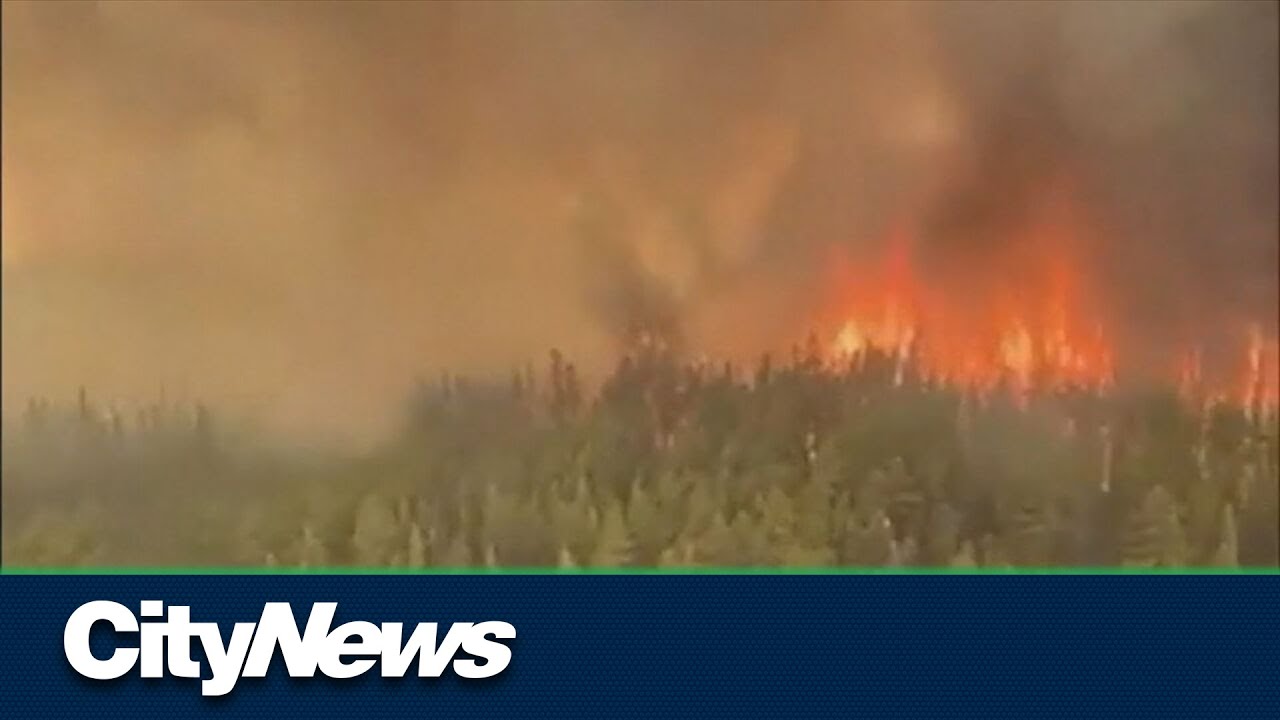
[Music] in the summer of 1988 the world looked on in horror as America's first and most fondly cherished National Park was ravaged by fire but out of the FL names would come a new appreciation of the role of fire as a vital force of nature from the beginning burning questions swirled around the blaze banned by the fear that a Priceless part of America's natural heritage had been permitted to go up in [Music] smoke but what was this place that provoked such powerful emotions born of fire and molded by Titanic forces Yellowstone has always been renowned as a Showcase of Nature's might and its Splendor in the Public's mind the park was a paradise vast verdant pristine a place which epitomized all that was best in the great Wild West were some of the most magnificent animals on Earth long after their kind had been routed from the rest of the land still roamed Majestic and Unbound [Music] in a world that had learned the worth of the wild Yellowstone stood on a pedestal an island of natural Perfection but few of the millions who came to Marvel at Yellowstone's natural wonders realized that this world was formed by fire and required fire to sustain it [Music] long before the West was settled fire was a familiar feature of Yellowstone with major blazes recurring every few hundred years in August of 1886 the US Cavalry on taking charge of the park set to work fighting the smaller fires which every summer flared up within its borders everywhere in Yellowstone there are signs of the long part parip of Nature and fire scars on the trunks of living trees testify to the countless fires which have passed through the park over the years the lodge pole Pine which makes up almost 80% of Yellowstone's forests is dependent upon fire to maintain its dominant status this Pine sapling sprouted from a seed which was released in the wake of a burn fresh vigorous and fertilized by the ashes in which it grows it owes its life to fire but in 1988 onethird of Yellowstone's forests looked much like this shaded by a canopy of old l pole Pines years of accumulated Duff and dead wood waited to burn this dense mat of debris would provide a bumper supply of fuel once the fires began even more flammable were the oldest forests with a dense understory of spruce and Furs which in a fire would serve as ladders to lift Flames up to the crowns of the Pines the stage was set for a major Blaze given the right conditions in the summer of 1988 for the first time in recorded history virtually no rain fell in Yellowstone [Music] in the sun bleached Meadows and the scorched Sage Flats quality forage became increasingly hard to find [Music] as temperatures soared into the '90s and reserves of standing water Shrunk The Wild inhabitants of Yellowstone seemed to wait as if in anticipation of the great event to [Music] come all that was needed now was a source of ignition a spark [Music] the fire spread fast through the dry summer grass engulfing the trees where fuels had been stored through the decades leaping from Branch to Branch the Flames shot up to the crowns of the tall Lodgepole Pines forming a chimney of fire that was fed by flammable resins released by burning pine needles with temperatures in the heart of the blaze exceeding 1,000 deges the trees burst into flame with explosive Fury [Music] whipped by arid winds gusting to 70 mph the fire raced through the under story of the forest spiraling up up the spindly Pines to ignite their crowns as hot air swept into the sky The Blaze became self- sustaining sucking in strong winds to spawn a raging firestorm [Music] the first fire had started on May 24th but by mid July a dozen separate blazes were burning simultaneously through about the greater Yellowstone area since 1972 it has been Park Service policy to fight only those fires caused by human means unless lives property or endangered species are threatened in a typical year most natural fires remain small and rarely burn more more than a few Acres but 1988 was an exception driven by hot dry winds that hurled burning fire Brands more than a mile ahead of the Flames the fir skipped and jumped across the park advancing by as much as 10 miles in a single day to many experts it became evident that this was a blaze that no human forc could hope to [Music] control while the fires burned the park remained open to visitors and many stayed to gaze at the spectacle of one of the grandest of Nature's forces in action conditioned to regard fire as an instrument of Destruction the human observers were often horrified by what they saw but the wild inhabitants of the park displayed surprising indifference to the Flames that were bearing down on their world the nonchalant of their response suggested that few wild creatures here shared our fear of fire each had a strategy for survival many residents found Refuge underground because of the extraordinary insulating effects of soil small burrowing animals could survive only inches below the Flames at the the height of the fires as a result of their normal seasonal response to Drought ground squirrels were already in hibernation sound asleep in their dens and blissfully unaware of the Flames sweeping by [Music] overhead as the fires raged on through the park the large mammals like the Bison simply moved out of the way [Music] alarmed by images such as these there were many who began to wonder aloud if the death of Yellowstone was at hand [Music] since the fires began the park had been fighting only those which were human caused and several of the biggest blazes were the result of accidents or neglect firefighting Crews by the hundreds from across the USA came to the rescue but the Public's perception shaped by alarmist accounts in the news media was that far too little was being done and that Yellowstone's survival as a natural treasure was in serious Jeopardy as the Flames continued to spread the federal government responded with its own demands for Action the Park Service found itself under siege from all sides on July 21st under the glaring eye of the press the service suspended its natural burn policy and announced that all fires whether natural or human caused would be suppressed most part it's uh it's in the the announcement in effect was a declaration of war Panic had carried the day our ancient foe would be fought with all the Manpower we could muster [Music] to back up the civilian effort more than 4,000 soldiers and Marines were airlifted to the scene their objective doomed from the start to defeat a natural process which Yellowstone desperately needed altogether nearly 25,000 men and women would participate in the fight against the fire a war which at its height would cost $3 million a day for the military this would be a new and frustrating kind of warfare one which called upon them to exchange their weapons for rakes and shovels throughout history fire alone among the great Natural Forces has yielded to human control and it seemed natural to suppose that the fiery tide that was engulfing Yellowstone could be turned aside by men and machines while Choppers dowed trees with retardant the Marines were put to work building and maintaining the fire lines hey everybody but the fire proved to be a stubborn enemy [Music] [Applause] [Music] in the face of the fast moving Flames almost none of the fire lines would hold and the best that the men could do seemed pitifully feeble when pitted against the superior forces of nature R around here just poured over there Mi yeah by August as the war with the fire steadily escalated even the most stubborn had to acknowledge the limits of human efforts in early September as the fires neared a climax nothing in Yellowstone seemed immune from Attack including the park headquarters itself for the Elk life went on undisturbed with the headquarters lawn hosting the annual ritual of the rut but Grim battles loomed ahead on September 7th the North Fork fire a blaze that was human caused swept down on Old Faithful Inn threatening to destroy it nearby Old Faithful Geyser performed on Q as if competing with the Flames while The Firestorm marched Closer by the minute [Music] like poison gas in time of War a cloud of choking smoke swept in ahead of the Flames a terrifying harbinger of what was to come the historic old Inn waited as the last of the concession employees were evacuated [Music] oh a superhuman firefight seemed inevitable if the settlement was to be saved in the afternoon the assault began while Embers lobbed from the trees set cabins and storage buildings a blaze a truly heroic effort kept Old Glory waving above the Inn in the end a chance shift in the wind spared the treasured structure and only a few of the nearby cabins were lost yellow Stone and fire had a scheduled appointment to keep and refusing to be stopped the Flames burned on across tens of thousands of additional Acres of wilderness lands on a day that was dubbed Black Saturday an eerie Darkness overtook the Sun magnificent in its way the fire had lent its own Beauty and serenity to the wonder that was Yellowstone in 3 months 13 major blazes had burned 34 of a million Acres almost a third of the park but not all of the burned areas had been affected to the same extent only 20,000 Acres just 1% of the park suffered the severest degree of burn in the fight to contain the fires $120 million would eventually be consumed all to little apparent effect while the fires continued to burn Eric surveys took stock of the changes in the land and began the count of the casualties surprisingly relatively few large mammals were found to have died in the fires of a total of 30,000 elk in the park only 246 are known to have [Music] perished because wind blown Embers touched off fires wherever they happened to land the overall pattern of the burn was spotty a patchwork quilt of AR areas that had burned to different degrees this Mosaic effect would promote a welcome increase in diversity as seemingly uniform tracts of forest gave way to Patches in various stages of succession many species in Yellowstone most notably the lodge pole Pine use fire to their advantage in the strategy of the pine some of the cones open only in response to the heat of a blazing fire releasing their seeds safely after the Flames have passed through this adaptation ensures that space nutrients and sunshine will be an ample supply for a new generation of Pines after a burn up to a million seeds per acre May drift to the ground drawing new life to the blackened Forest by stashing the seeds of the white bark Pine and then neglecting to retrieve all of them the Clark's Nutcracker plays a vital role in the trees survival Reserve of cashed unburned cones awaited this fortunate Red Squirrel returning to the territory it had occupied before the fire for months to come the reserve of cones might sustain a Survivor like this but to harvest the cone it must contend with a desperate shortage of cover for protection from predators before the ground had cooled pioneers of many species including this porcupine shuffled in to survey the territory for the porcupine as well as this Snowshoe hair the lack of available food would make the next few months a test of survival in the postfire forest opportunists like the black bear have an edge the Bears are Adept at taking advantage of fresh circumstances in this case the nest of a colony of ground dwelling wasps which survived the flames unharmed [Music] to maintain life the big herbivores like the elk must consume large amounts of forage on a daily basis within hours after the Flames had swept through the search for food had [Music] resumed with their energy sapped by the long summer drought they could do little more now than to wait for the Miracle of regeneration that would transform their world a new [Music] out of desperation many now turn to less favored sources of food such as pine needles not so nourishing as grasses and herbs but able in a pinch to make the difference between starvation and survival the margins of streams often supported a fringe of UN burned grasses a valuable resource in the first days after the fire moose are rarely found far from water and much of their summer diet depends on vegetation that grows on the bottom of lakes and streams this affinity for water may explain why only two of their kind are known to have died in the flames for Predators like the great gray owl the fire was anything but a burden it was an unprecedented Bonanza forced to seek refuge in small unburned islands of grass mice and VES made easy prey depleted by the drought the Bison trudged the charred Sage Flats where soon new grasses would Supply an abundance of fresh forage but even as the fir still burned in the blackened Woods the event occurred which had been so long awaited undamaged by the Flames the roots of the grasses sent up new stems and leaves nourished by the nutrients in the ashes of the burned trees these young grasses appearing within days of the burn would provide a limited amount of highquality food when it was most needed by the grazing animals like the elk throughout Autumn the fires smoldered leaving stumps Behind still teased by tongues of flame at last the great Inferno was to be extinguished not by human means but by a gentle snowfall and with the first snow began the mop [Music] up to prevent possible injury to motorists burned trees found dangerously close to roads were sheared off by powerful jaws [Music] by mid November the last of the fires was out and winter had settled on Yellowstone [Music] hard on the heels of several mild Winters conditions reverted to normal with days of bitter cold and heavy snow for the big mammals this would be a time of Trials before they could reap the rewards resulting from the fires the years of unseasonably mild weather during the past decade had swollen the numbers of elk but now worn down by the effects of fire and drought the tired herds confronted their toughest trial to survive until the spring even in weather that dipped far below freezing animals which depend on the rivers enjoyed a distinct Advantage fed by Warm Springs many of Yellowstone's streams provided refuge for birds like the trumpeter swan and the Canada Goose but while the waterb birds were able to feed through the winter the elk were far less fortunate unable to find their preferred food many elk turned of necessity to whatever was at hand for some the end of the struggle was a foregone conclusion for a limited time the green needles of the Pines would keep the weak alive but such low energy forage was at best a last resort in its stewardship of the wild nature shows no mercy to individuals but the resourceful and the strong would survive by the geysers and thermal pools some elk found food through the winter in Long files the Bison trooped here by the dozens following the streams to the source of the warm Waters the weakest among them would wait in the warmth of the Steam for the end to come [Music] in the end death would come to many culling from the herds the feeble the old and the very young [Music] to some accustomed to lean Winters The Kills would be a boon a feast of record [Music] proportions all told a third of Yellowstone's elk population perished but by thinning the herds nature had strengthened both preditors and prey with the coming of spring the melting snow fed countless streams which rushed down slopes once thick with vegetation leeching from the ash the rich Legacy of the fires of Summer in natural settling basins the sediments swirled to the bottom and separated out leaving cold Clear Water fortified with nitrogen phosphorus and calcium a precious gift of life from the old Yellowstone to the new as they flowed through forests thinned by the fires the waters Drew warmth from the Sun burgeoning with nutrients and bathed in light these warm streams would support a thriving aquatic Community for years to come now in a ritual unaffected by the fires the rivers played host to the yearly migration of the cutthroat trout braced by The Bounty of food in the rivers the trout gathered strength for the leaps which would take them step by step up the cataracts to the shallow grally streams where they would spawn a new generation the spring rains brought further benefits to the land soaking the layers of Ash and washing into the soil the rich nutrients which were once locked up in the tissues of [Music] trees drinking deeply from this Brew life sprang forth in glorious profusion [Music] among the first of the plants to benefit was the fire [Music] weed a so-called pioneer species fire weed flourished in the Mountain Meadows in the first spring following the fire stimulated by the fire to sprout new chots fire weed would dominate these Woodlands for two or 3 years to come providing a highly palatable source of food for the forest dwellers large and small the Rufus hummingbird was one of many species eager to exploit the bumper supply of sugar Rich nectar and to help pollinate the flowers of the fire [Music] weed the hawk moth caterpillar not only feeds on the fire weed but is provided with protective coloration which blends in well with the plant like the rest it would Prosper because of the burn for Mah ants are among those who shared in the wealth by milking the sugary nectar from the tiny green aphids which fed on the fire weed the ants obtained food while the aphids in turn gained protection from predators everywhere in the postfire forest busy feeders and pollinators were at work the most visible result of the fire was a flush of wild foods for the survivors of the trials which began with the drought of the previous summer with a greater variety and abundance of food available than before the fire the herds would soon rebound and throughout the burned forests the slow work of renewal would proceed Sage Brush which formerly covered vast areas of the park soon gave way to grasses with a higher nutritional value than Sage the grasslands would bestow their special benefits on Yellowstone for at least a decade until New Sage Brush takes over in Yellowstone fire is instrumental in the survival of the Aspen the leaves of which are an important source of sugars for Elk moose and mule deer under normal conditions a hormone in the leaves and buds inhibits the prolific production of new sprouts and the Aspens gradually give way to other trees after the fire the flame scorched Buds and leaves of the trees were no longer able to send their blocking hormones to the roots the way was suddenly clear for a Resurgence of New Life the suckers which sprang from The Roots would grow rapidly now supplying yet another superb source of food for the wild creatures of Yellowstone the seedlings of the lodge pole Pines enjoyed their own strategy for Success drawing nutrients from the ashes and thriving in the sunny Open Spaces where they could grow unhindered wherever one looked after the fire there were signs of a coordinated Comm community of creatures busily at work moving energy and nutrients through the food chain carpenter ants were presented with an almost unlimited choice of nesting sites and by hollowing out the burned trees they began the process of transforming dead wood into a valuable food resource in turn the ants themselves would provide abundant food for birds and other animals attracted by scent to a freshly burned tree the wood boring Beatles were among the first wave of Invaders the prime movers in the process of digesting the wood and reducing it to nutrients in addition to their role as recyclers The Beatles promoted the process of regeneration by creating new home sites for bees key agents in the pollination of plants the hairy woodpecker was among the birds to benefit from the explosion of wood borer larae the morning cloak followed soon after to drink the the sap from the Woodpecker holes while the following spring the mountain bluebird claimed a nest cavity the Woodpecker had built so the land and life of Yellowstone were once again renewed and a new world began in the wake of the old when fire swept Yellowstone in the summer of 1988 many believed that the park and all of its wonders would be destroyed forever [Music] though a massive human force was mobilized to combat the blaze it is unlikely that any commitment of Manpower or of Hardware could have altered the outcome we now know that just as the rainforest depends upon rain Yellowstone relies upon fire to set into motion the processes essential to its survival today Old Faithful remains as faithful as ever and the land shaped by the fires below and by the fires above has once again been reborn an unprecedented opportunity now exists to witness the historic process at work as the seeds of renewal begin the slow regreening of [Music] Yellowstone if there is one lesson to be learned from the great fires of 1988 it may be that regardless of our efforts Yellowstone moves through time in its own way at its own scheduled Pace perhaps we need to trust nature a little bit more and to listen to the lessons it can teach us the fires of that summer gave Yellowstone a deep breath of fresh air a boost that it sorely needed and wherever the Flames brushed the land nature now wears Fresh [Music] Apparel as wondrous in its way as it ever was Yellowstone remains an incomparable place for life life a Showcase of Nature's power and its splendor [Music]
Up Next

15:09
California Drought Update: January Snowpack and Wildfire Risks
@ABC10
17.6K views•2023-02-05

15:54
Life in Biosphere 2: Sustainable Ecosystems & Human Survival
@TED
334.9K views•2009-06-16
14:30
Microplastics Everywhere: How Plastic Impacts Our Lives
@TEDx
100.9K views•2018-05-08
10:28
Ice Stupa Artificial Glaciers: Solving Ladakh's Water Crisis
@SonamWangchuk66
3.2M views•2015-05-03
Related Study Plans & Knowledge Roadmaps
Structured learning paths in Environmental Science
environmental-science
Ocean Noise: Cetacean Impacts & Mitigation
01Fundamentals of Underwater Acoustics
02Marine Mammal Bioacoustics
03Anthropogenic Noise: Shipping & Seismic Surveying
+ 2 more learning modules
16h5 modules
Explore Roadmap
environmental-science
Road Ecology: Corridors, Overpasses & Fencing
01Foundations of Habitat Fragmentation and Carnivore Ecology
02The Road Barrier: Ecological Impacts of Transport Infrastructure
03Principles of Ecological Corridors and Connectivity Mapping
+ 3 more learning modules
14h6 modules
Explore Roadmap
environmental-science
Ocean Acidification: Kelp Buffering & Shellfish
01Fundamentals of Ocean Chemistry & pH
02Chemical Pathways of Coastal Acidification
03Bivalve Physiology & Calcification Under Stress
+ 2 more learning modules
18h5 modules
Explore Roadmap
environmental-science
Ice Stupas: Glacial Retreat & Water Security
01Foundations of Glaciology & Mountain Hydrology
02Climate Change and Glacial Retreat Dynamics
03The Science of Ice Stupas & Artificial Glaciers
+ 2 more learning modules
14h5 modules
Explore Roadmap