



















California's January 2023 snowpack was exceptional (129% of April 1st average statewide), with major ski areas like Kirkwood (380 inches) and Tahoe (370 inches) far exceeding seasonal norms, while the state remained in moderate drought across 57% of its area; UC Davis research indicates wildfires are intensifying due to climate change and inadequate fuel management, with UC Berkeley studies at the Blodgett Experimental Forest demonstrating that prescribed burns and fuel treatments can significantly reduce fire intensity and mortality compared to untreated stands.
California Drought Update: January Snowpack and Wildfire Risks
Added:The basics of California's Mediterranean climate, characterized by wet winters and dry summers.
The ecological concept of snowpack and its role as a natural, slow-release reservoir for water storage and seasonal runoff.
Fundamental wildfire dynamics, including how vegetation density, fuel moisture levels, and weather conditions interact to drive fire behavior.
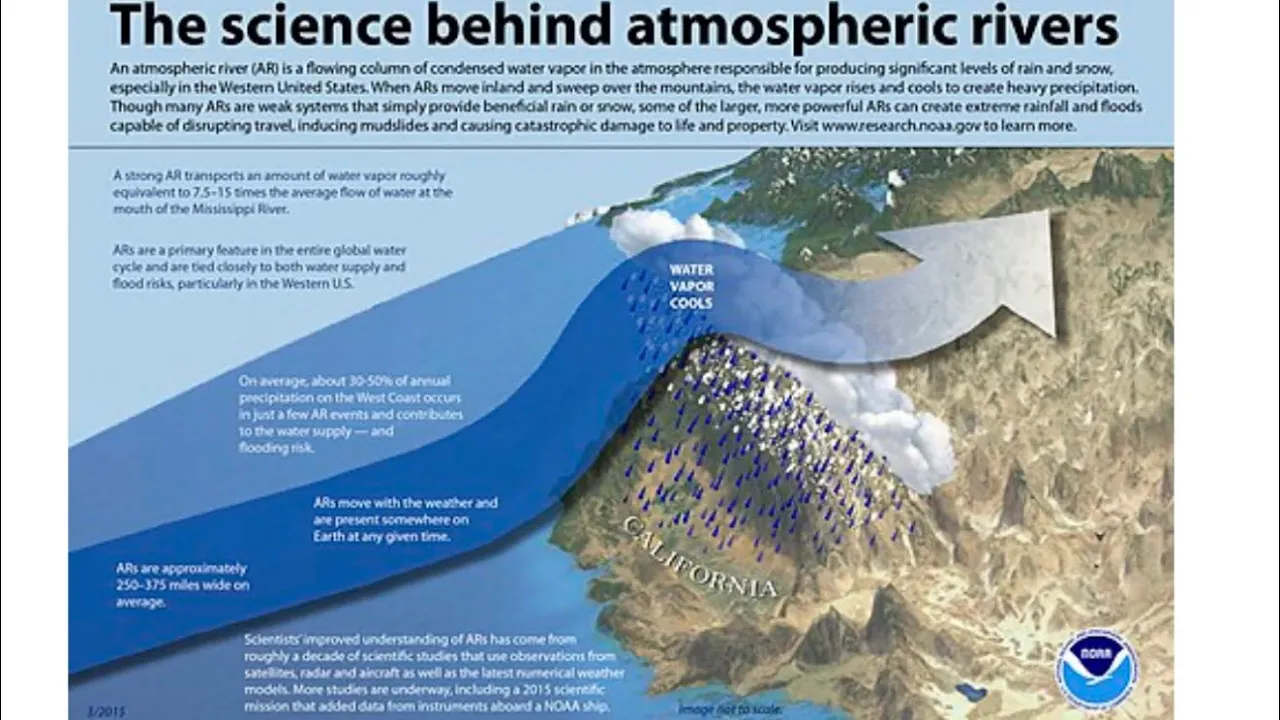
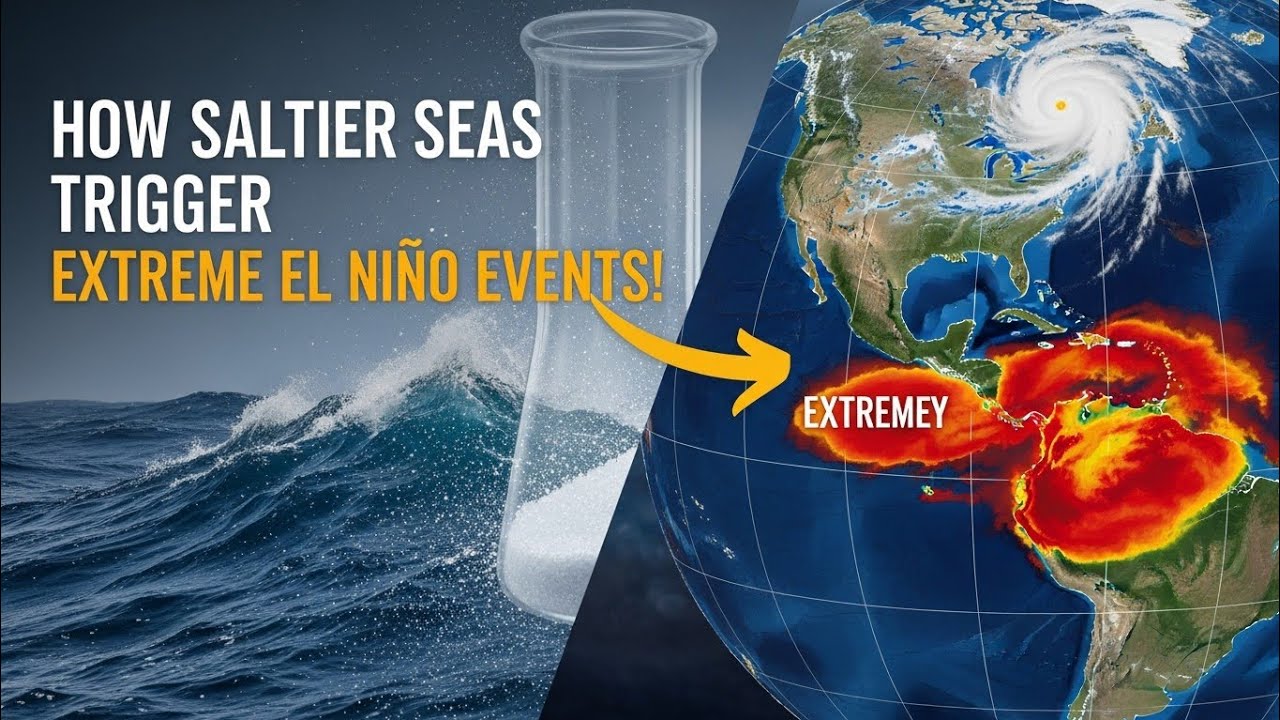
An understanding of global weather patterns such as Atmospheric Rivers and the El Niño-Southern Oscillation (ENSO) that dictate precipitation extremes.
The 'climate whipsaw' or 'weather whiplash' phenomenon, where extreme wet periods paradoxically increase long-term wildfire risks by fueling rapid growth of fine fuels.
Comparative pyrogeography, examining how fire seasons in Mediterranean climate zones of the Southern Hemisphere (like Chile) serve as predictive ecological analogs for California.
Advanced water resource management strategies, including how reservoirs balance flood control with drought conservation during volatile water years.
Forestry management policies and community adaptation techniques, such as prescribed burns, defensible space regulations, and forest thinning.
17.6K views160likes15:09Original Release: 2023-02-05
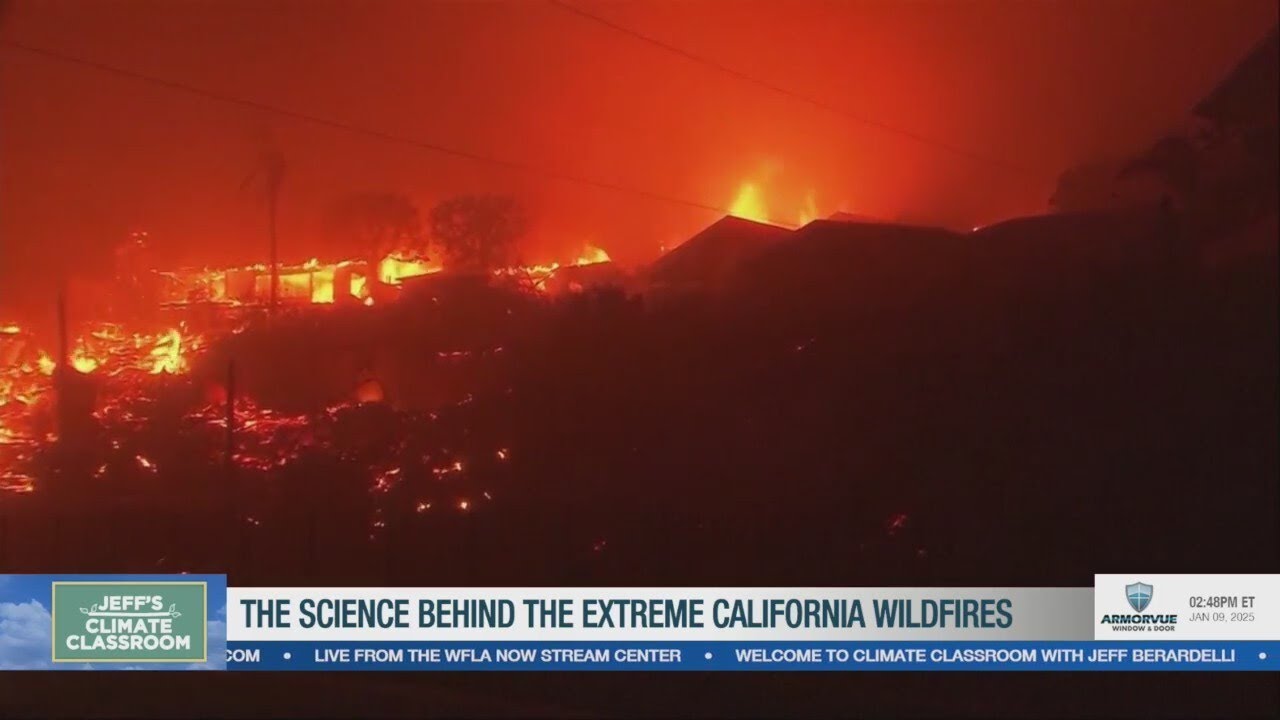
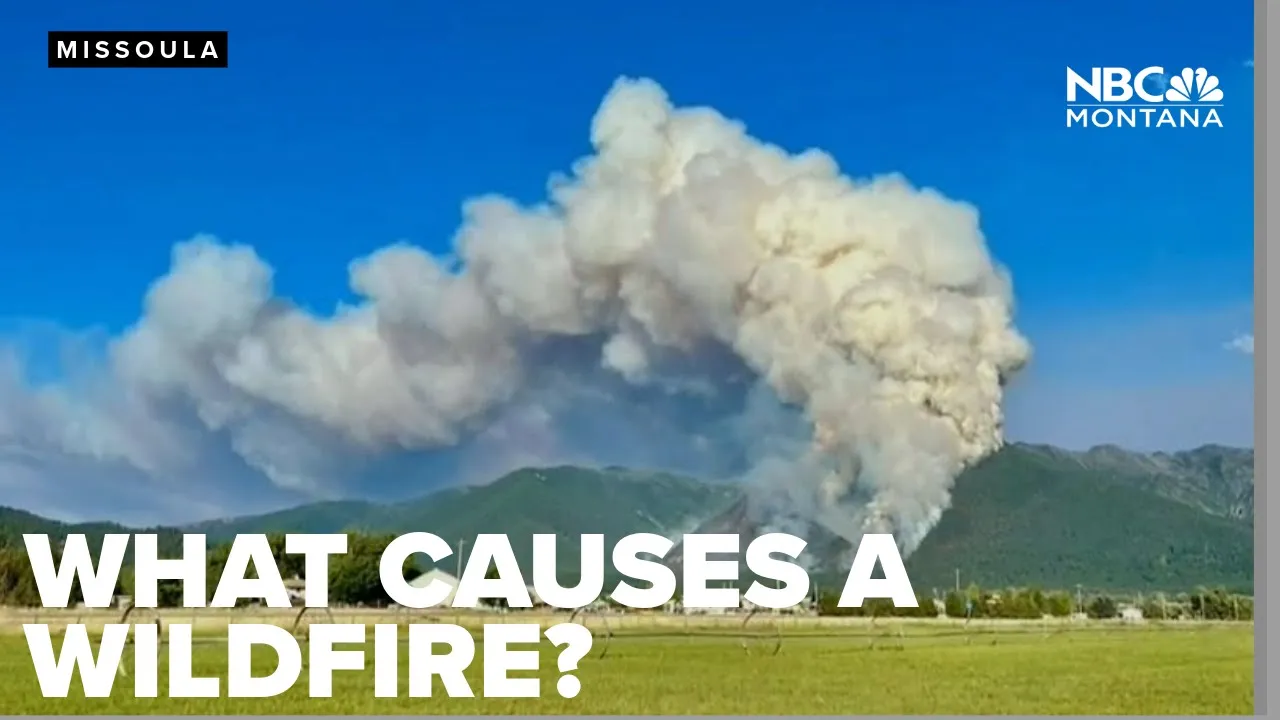
hey everybody ABC 10 meteorologist Brendan menchef here it is a new weekend time for another look at how we're doing with drought and I'm going to touch on something we haven't really talked about for a while that'd be Wildfire we'll come back to that in just a minute uh let's recap January real quick because we actually saw a really nice bit of rain in January in fact over seven and a half inches was the final monthly total for January 2023 this is a Downtown Sacramento the average is about 3.9 inches way above that for the month of January our rainiest Day Downtown Sacramento was January 9th we saw 1.32 inches of rain but there were several days where we saw just about an inch or a little more such as January 5th uh January 14th as well a nice rainy start to the month kind of in fact maybe too much rain all at once but we got the rain and it really really helped us out with the drought February only a few days old at this point we've seen a quarter of an inch of rain already at Downtown Sacramento average today is about a half an inch so we are behind for the month but again the month has just started and this does not take into account anything that has fallen today as of February 5th so these numbers here again about a quarter of an inch we've seen a little bit more in downtown Sacramento already today so these numbers don't quite reflect that yet for the water year uh started October 1st still doing pretty well in fact about eight inches above where we normally are total to date 18.47 average today 10.58 which means we are again about 7.9 inches above the average for this time of year not just here in Sacramento but across the state we're doing pretty well in terms of rainfall everywhere that you see here that's what we've seen so far since October 1st and this is how we're doing compared to average everywhere in blue now is above average the only area major city I should say that is below average is Palm Springs about a half an inch below where there normally would be to this point in the water year but San Diego la Santa Barbara Bakersfield Fresno stock in San Francisco Sacramento South Lake Tahoe Redding and even Eureka just barely is above average to this point in the water here and our snowpack is doing phenomenal right now let's talk about January 1st so what we saw in January not the Day January 1st but what we saw in January Kirkwood 215 inches of snow fell in January here at Tahoe 190 inches Bear Valley 188 179 inches of sugar bowl and 172 inches of Palisades Tahoe that means for the season Kirkwood has seen 380 inches which is 173 of the average season to dates here at Tahoe 370 inches 181 percent of the average today Bear Valley 217 percent of the average today with the 350 inches that has fallen again this is since October 1st 362 inches so far this season at Sugar Bowl 370 inches of Palisades Tahoe and again both of those are quite a bit above average for this point in the year as well 158 and 154 respectively for Sugar Bowl and Palisades Tahoe so the snowpack as a whole is above average not only for the season to date but also for the percent of April 1st Ave average which we've talked about a lot lately that's the number to watch and that's the number that's doing very well right now 106 percent in the northern Sierra of uh April 1st average 132 percent in the central Sierra 153 of the April first average in the southern Sierra so Statewide 202 snowpack average to date 129 of the April 1st average if you've been following along over the last few weeks you've probably noticed this number keeps going down a little bit but this number keeps going up that makes sense as we get closer to April you would expect that we see more snow falling so this average to date goes down but the percent of April 1st average keeps going up because we're getting closer to April 1st so as we keep that snowpack and get closer to April this number should continue to go up a little bit and of course we're still seeing snow falling right now for instance we are seeing some falling over Saturday night and today as I'm filming this which means those numbers will not even be factored into this uh until we get towards Monday in terms of the drought no change from last weekend's drought monitor so the map looks exactly the same 0.64 percent of the state is not in any drought at all that is way up here in the far Northwestern corner of the state nine point eight zero percent roughly 10 of the state is in the yellow color the abnormally dry color most of that is the Central Coast there moderate drought is more than half the State 56.99 of the State is in that kind of tan color that moderate drought color Sacramento is in the severe drought category still at 32.57 percent no change in the extreme and exceptional which is good news because none of the state is in that category all right shifting gears just a little bit now there are some big wildfires ongoing in the country of Chile right now more than 200 active fires with over a hundred thousand acres burned more than 900 people have been injured in at least 23 people have died as a result of these wildfires it's all part of a blistering Heat Wave that's going on down there temperatures are 90 degrees Fahrenheit or warmer and that may not sound all that warm but for chile the averages for this time of year where the fires are burning the averages are in the low to Middle 80s down there remember it's summertime in the southern hemisphere so these temperatures you would expect to be much hotter than what we see here but still averages are about 10 degrees or more above average with more heat coming through the first half of this week in fact 76 new fires started on Friday 16 more started this past Saturday so a lot of fires are starting not all of them are very large fires necessarily but the problem is more of these fires keep popping up because of that Argentina Brazil and Spain are sending Crews to go assist it's all part of that heat wave like I talked about there's a lot of wind going down there too but there's also a non-weather factor at play and that's that there's been in a lot of non-native plants such as eucalyptus trees which are used for farming down there and those non-native trees which are densely packed onto farmlands those are allowing for some rapid growth of these fires down there so again it is weather related because of the Heat and the wind but also when you talk about the trees that have been planted the non-native ones eucalyptus specifically it makes things a lot worse but that made me think about how things are going down here right because when we take a look at chill a and you see the satellite you can see the brown up here let's go going around this high pressure system and the smoke is coming from right here in the kind of Southern to central part of the country that's where all those fires are and it's getting pushed off around the high pressure so that made me think what about how are we doing here in California right we talk a lot about Wildfire more in the summer and fall and not so much in the wintertime but with all the rain surely things have to be looking a little better right well in fact they are so I'm going to show you the energy release component both for the valley and foothills and then for the Sierra the energy release component or the ERC is basically a measure of how moist the fuels are so this takes into account your 100 hour and your thousand hour fuels both live and dead as well so the lower the number the better that means there's less energy to be released there's less heat to burn less things to burn in general so for the valley and foothills we're doing pretty good we're right about average the the great line here is your average line the blue line is where we're at right now and the red line is your max that's kind of the worst case scenario and you can see we're doing pretty good that number is coming back down again right right about to 18 or so this is for the valley and foothills again that is a good number to have and anytime we get rain and we get snow and we stay cooler and stay wetter uh that helps bring the ERC down that's that moisture content it's all related to the moisture of the fuels as we take a look at the Sierra uh we're also doing well in fact we're doing better than average in the Sierra again Redline is your max your Gray Line is your average and this is over time right so this is the start of the calendar year and then we're working through summer fall and then back towards this would be December 31st of 2023. so if we zoom in now you can see that number again a very small number less than five percent the average is a little less than 10 so we're doing well in the Sierra too the fuels are wet which means there is not as much energy to be released now this is going to change obviously because we're going to warm up we're going to dry out I'm not saying it's going to stay this way by any means but I am saying uh just kind of checking in on things we're doing pretty well right now both in terms of you know the drought moisture content snowpack and of course when it comes to our fuels it's helping that as well so as we work through the next several months this number is very likely going to go up as we go through March as we go through April uh we're very likely not going to continue to see rain event after rain event after rain event like what we saw in January which really helped to drive those numbers down so as things warm up happen we don't get quite as much rain you know as consistently over the next several months that number will go up and I'm sure when we get back to the summer time depending on how things go depending on how the snowpack plays out it's still a little early to say but we could very well be back towards average or even above average in terms of the energy release component by the time we get to summer and fall we'll just have to keep an eye on things but continuing with the theme of wildfires this week UC Davis released a study just recently that said wildfires are getting worse perhaps no surprise we kind of already knew that uh but it's due to a lot of things such as climate change it's due to things like warming temperatures drier droughts right longer droughts more severe droughts it's also due though to fuel management and honestly over the last hundred years we've not been very good about managing our forests and managing the fuels up there for instance really the 20th century policy was don't let anything burn right if a fire starts we can't we got to put it out we got to put it out immediately as fast as possible there wasn't a lot of prescribed Burns that happened over the last hundred years but some scientists with UC Berkeley are actually studying the effects of prescribed Burns and different ways to manage fuels both using prescribed Burns and without this is all happening at the Blodgett experimental Force just up the road in the Sierra this is near Georgetown and a few months ago this was back in October actually they invited some journalists up there and I went up there because the mosquito fire burned through a portion of the Blodgett forest and that really gave them a real world test of how some of their fuel management practices work check it out basically we have 100 mortality in this structure over here outside of Georgetown lies the Blodgett experimental Forest it's a really great place to come and talk about a couple different Forest structures and how they respond to the Wildfire this past September the mosquito fire burned through a portion of logic where UC Berkeley researchers were eager to see the aftermath the Wildfire hit this type of a structure it behaved in a very kind of high-intensity manner and we really hadn't done a whole lot out there so we've had 20 30 years of time for fuel to accumulate on the ground here we haven't done anything to treat the fuels on site burning through this section of forest called a stand the mosquito fire killed everything from the floor to the canopy but when it hit a different stand one that had been managed via harvesting and prescribed burn the fire Behavior changed but we did see the fire effects change it still killed some of these trees along the edge but it did then and drop to the ground and it became we're assuming more of a service fire um and we didn't have the same levels of mortality and then ultimately this is where they were able to put containment line in is through this area that we had treated with prescribed fire we talk a lot about fuel dryness but that is only one aspect of fire danger and fire Behavior the different types of fuels and how they are managed also matter there are three primary types of fuel there are the canopy fuels which are the very tops of trees ladder fuels such as small to moderate sized trees and lower branches of larger trees then there's the surface fuels that's your needles needles that have fallen that's branches that have fallen that's shrubs and that's small trees that's what we call considered surface fuel so much goes into fire Behavior including winds fuels and topography so can we say the change in fire Behavior was exclusively due to better fuel management so we can't we can't really say with certainty but we have to put these pieces together after the fact looking at both the effects of the fire knowing the history of the stand and and the fuel conditions so I think we can say with pretty good confidence that the fuel conditions really dictated that yeah I think um the the surface fuel is what we're seeing is really really key treating that surface fuel anything that we can do which really fires the only way you're going to remove that surface fuel but doing anything to treat the surface fuel is going to have an impact on fire effects young crowded stands like this one the mosquito fire burned through are common sites on Industrial land and it's even difficult to do a prescribed burn through youngstance like this but doing nothing it's a high risk High reward situation because it can cost upwards of fifteen hundred dollars an acre to clear non-valuable trees with no no return obviously it's a problem from a fire risk standpoint but it's also a problem of what we can do with that we don't have a lot of options without spending tons and tons of money so in a way you kind of look at this as um just kind of biting your time like you know gambling a little bit knowing it's a very vulnerable condition but it it the cost of trying to mitigate that is just too high and that's only on Industrial land federal forest service and national park lands are even tougher because the issue of burning and or commercially removing trees is a controversial topic but there are Lo there's tons of land a lot of forest service land Etc where there are trees big enough that can help pay for the restoration you know but we have to be okay with harvesting and processing Lumber and that sometimes can be controversial and people don't want to think about on public lands like using um or lands that way but I think there are ways to do it so I would say like responsibly with even a conservation and restoration bend still it's more than just funding oftentimes it's an infrastructure and Personnel issue too what would you do with all of this non-valuable Lumber funding is a huge piece I'm puzzle but it's not the only thing it's also where the funding goes right it's not just giving a landowner like you could you could give me all the money in the world and there are certain things I could not do here because the infrastructure doesn't exist to do it and the workforce doesn't exist to do it certain extent though the like the funding the state has has been able to put forth over the last few years has changed that a bit and people are through grants which is you know kind of an odorous process I think even applying for the grants once you get it it can really help and the point the the question is at what scale I mean can me as taxpayers fund that like over the many millions of Acres that need it foreign
Up Next

33:23
Prescribed Fire Techniques: Ignition Patterns & Safety
@NebraskaPheasantsForever
17K views•2021-06-15

15:54
Life in Biosphere 2: Sustainable Ecosystems & Human Survival
@TED
334.9K views•2009-06-16
14:30
Microplastics Everywhere: How Plastic Impacts Our Lives
@TEDx
100.9K views•2018-05-08
10:28
Ice Stupa Artificial Glaciers: Solving Ladakh's Water Crisis
@SonamWangchuk66
3.2M views•2015-05-03
Related Study Plans & Knowledge Roadmaps
Structured learning paths in Environmental Science
environmental-science
Ocean Noise: Cetacean Impacts & Mitigation
01Fundamentals of Underwater Acoustics
02Marine Mammal Bioacoustics
03Anthropogenic Noise: Shipping & Seismic Surveying
+ 2 more learning modules
16h5 modules
Explore Roadmap
environmental-science
Road Ecology: Corridors, Overpasses & Fencing
01Foundations of Habitat Fragmentation and Carnivore Ecology
02The Road Barrier: Ecological Impacts of Transport Infrastructure
03Principles of Ecological Corridors and Connectivity Mapping
+ 3 more learning modules
14h6 modules
Explore Roadmap
environmental-science
Ocean Acidification: Kelp Buffering & Shellfish
01Fundamentals of Ocean Chemistry & pH
02Chemical Pathways of Coastal Acidification
03Bivalve Physiology & Calcification Under Stress
+ 2 more learning modules
18h5 modules
Explore Roadmap
environmental-science
Ice Stupas: Glacial Retreat & Water Security
01Foundations of Glaciology & Mountain Hydrology
02Climate Change and Glacial Retreat Dynamics
03The Science of Ice Stupas & Artificial Glaciers
+ 2 more learning modules
14h5 modules
Explore Roadmap