
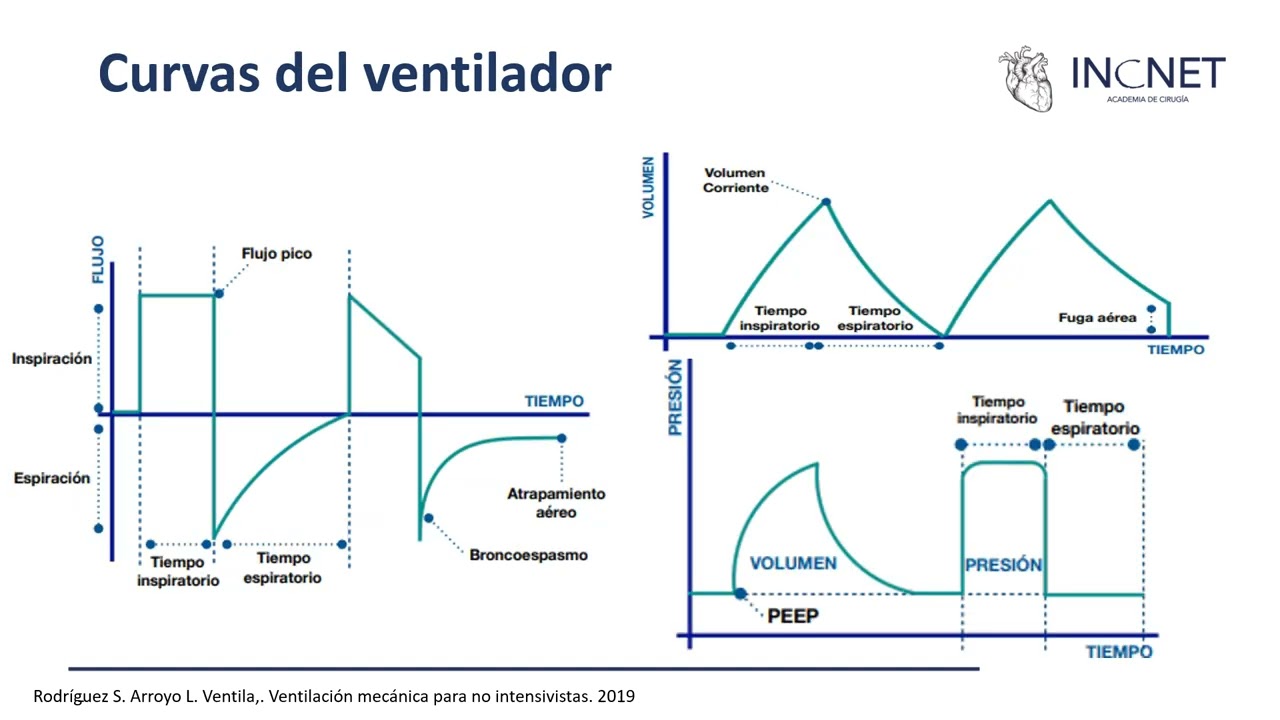
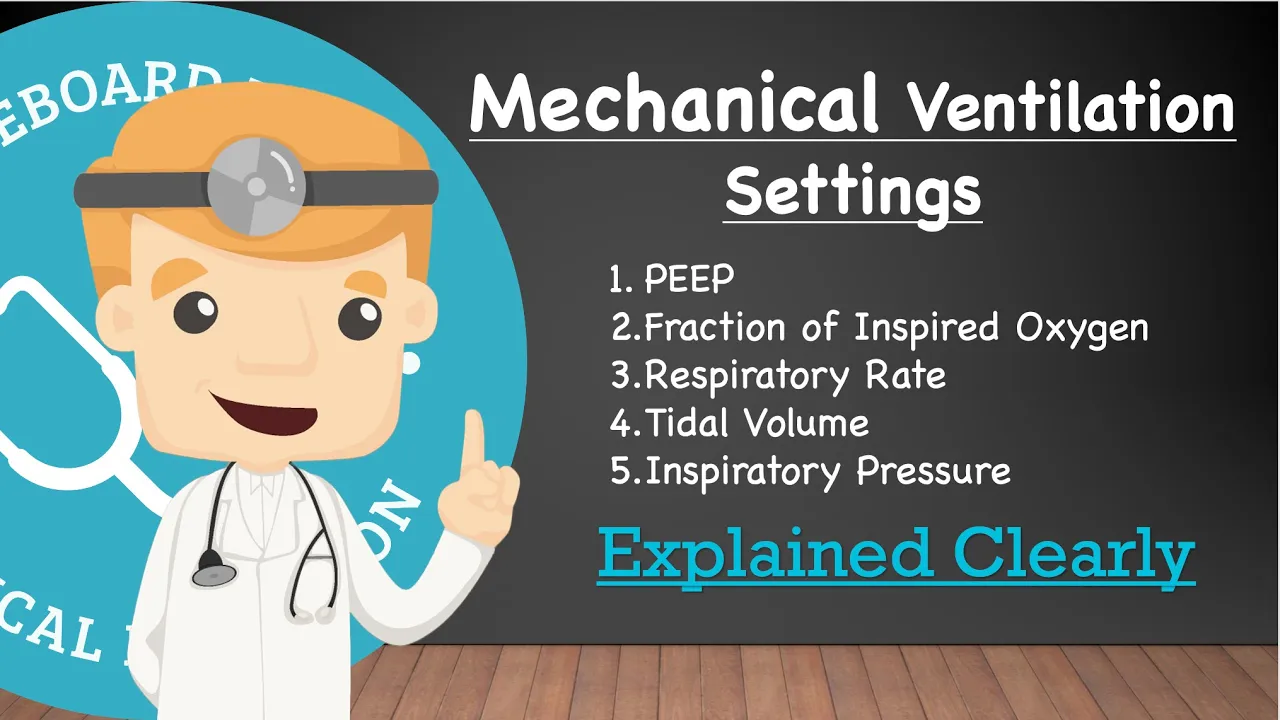


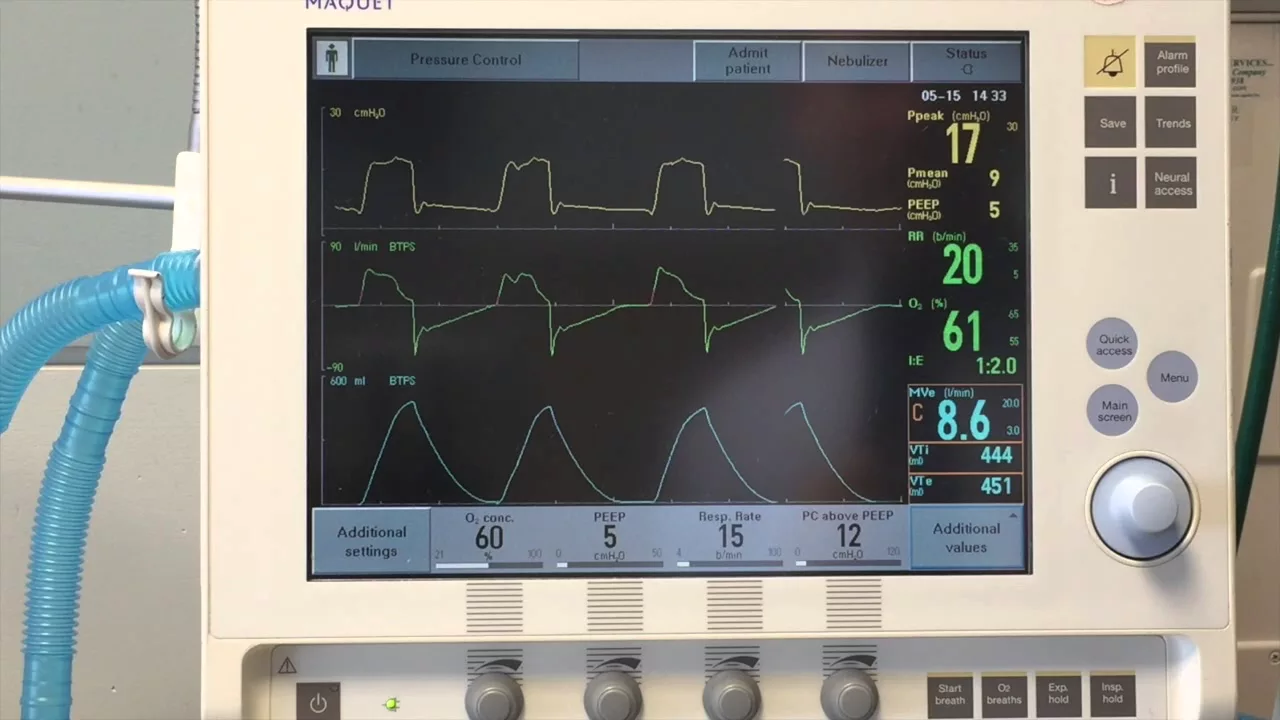




















PEEP (Positive End-Expiratory Pressure) is a mechanical ventilation technique that applies pressure at the end of exhalation to keep alveoli open, thereby preventing alveolar collapse, improving oxygenation by increasing surface area for gas exchange, and reducing the work of breathing; it is indicated for conditions such as ARDS, pneumonia, atelectasis, pulmonary edema, COPD, obstructive sleep apnea, and post-operative respiratory failure, with settings categorized as mild (5-10 cm H2O), moderate (10-15 cm H2O), and high (15-20+ cm H2O) depending on severity, while nursing responsibilities include monitoring respiratory status, ventilator settings, and complications like hemodynamic changes and lung trauma.
PEEP in Mechanical Ventilation: Definition, Settings, Nursing Care
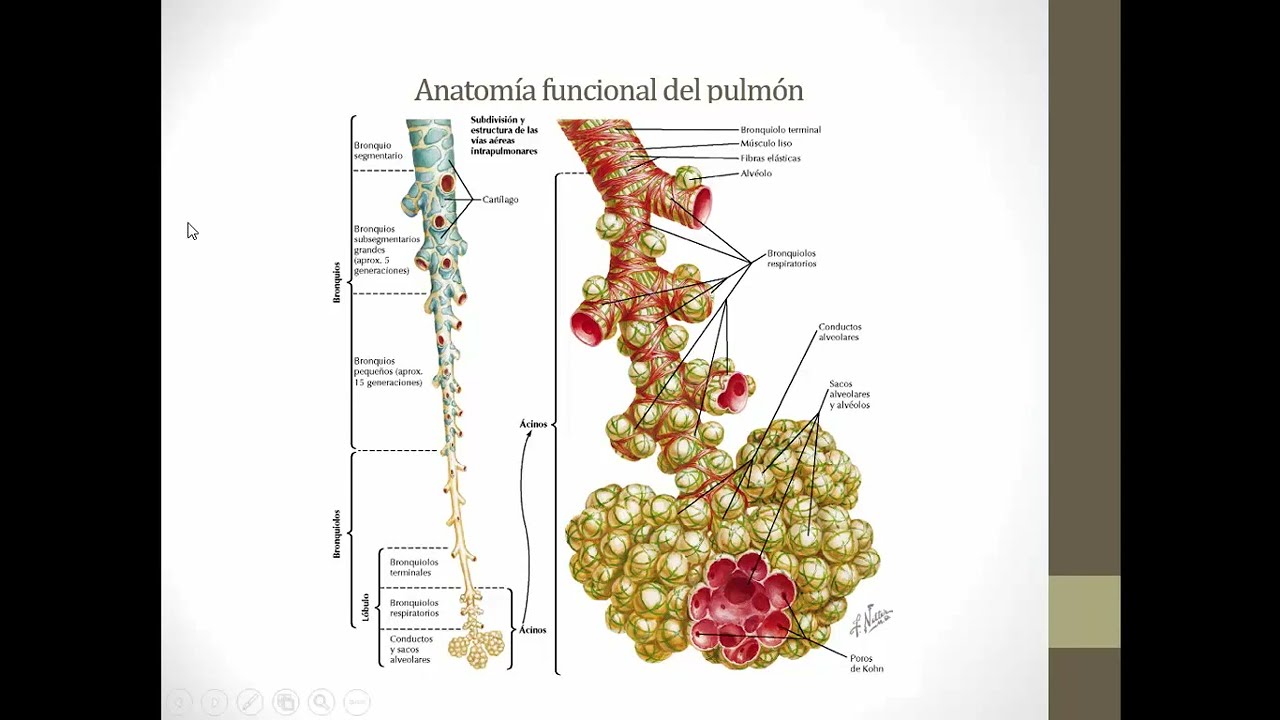
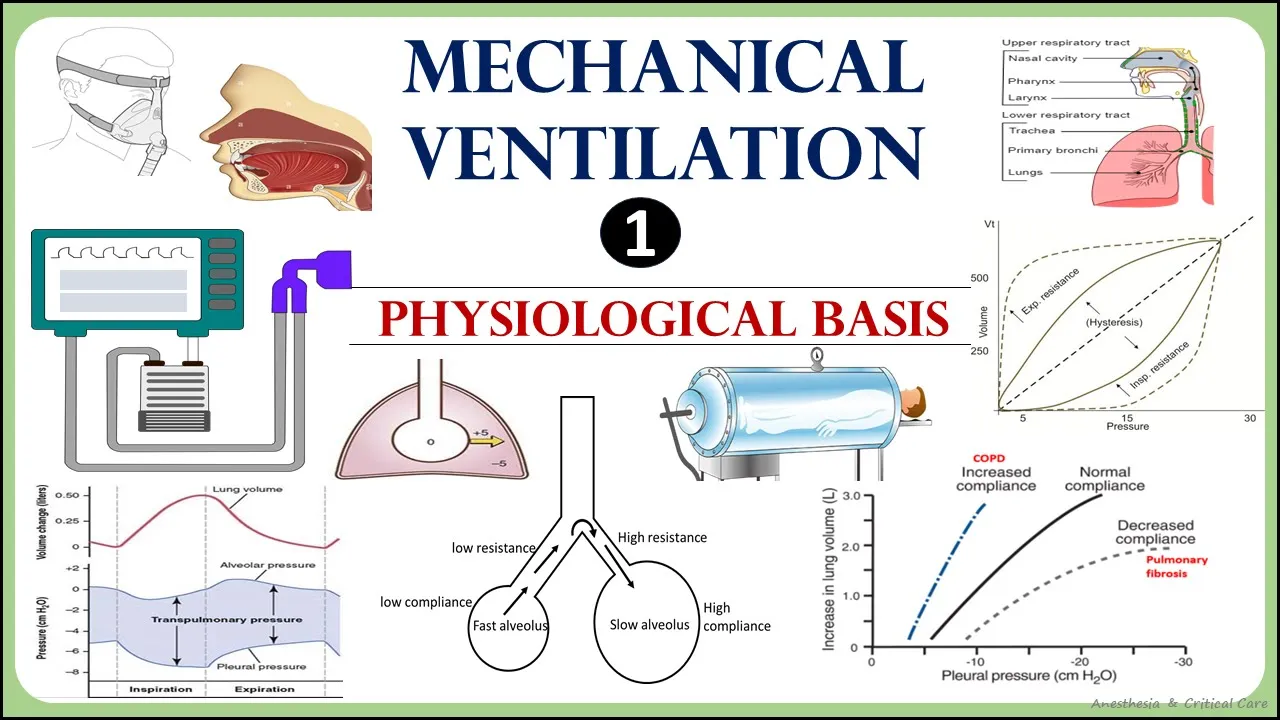
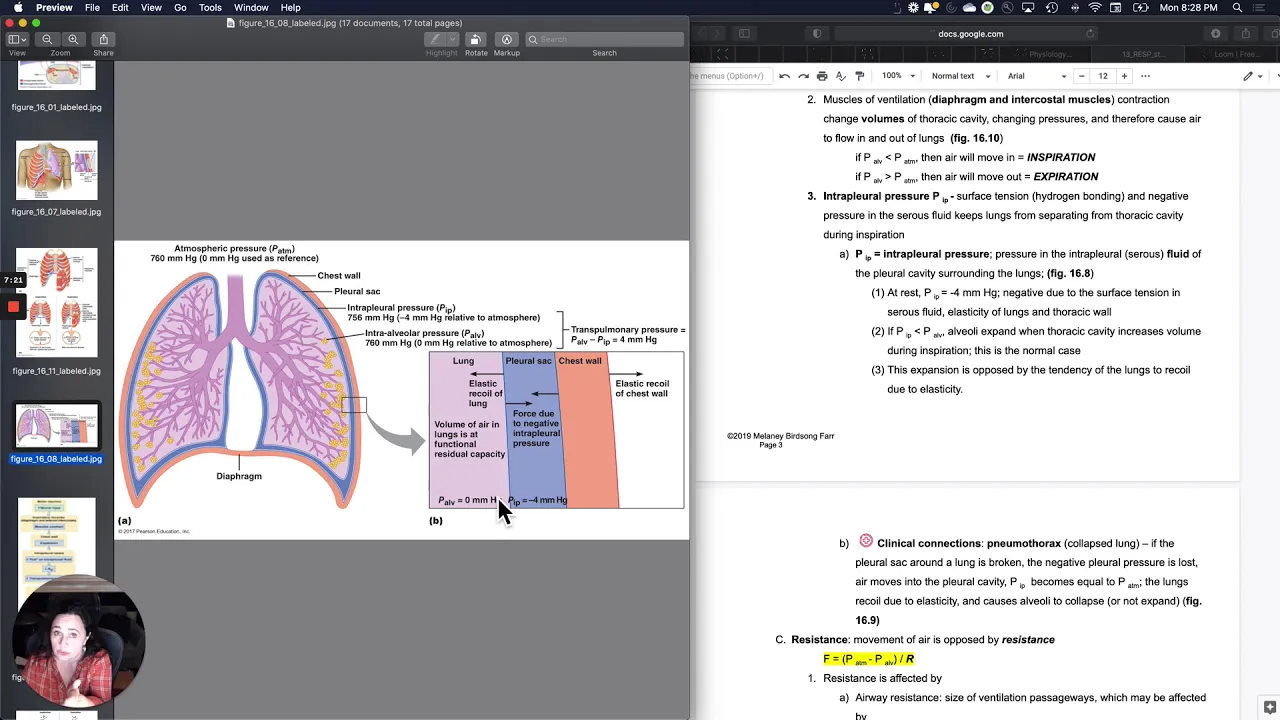
Added:Basic respiratory physiology, including the mechanics of ventilation, pressure gradients, and alveolar gas exchange.
Fundamental concepts of mechanical ventilation, including basic modes (volume vs. pressure control) and key settings like Tidal Volume and FiO2.
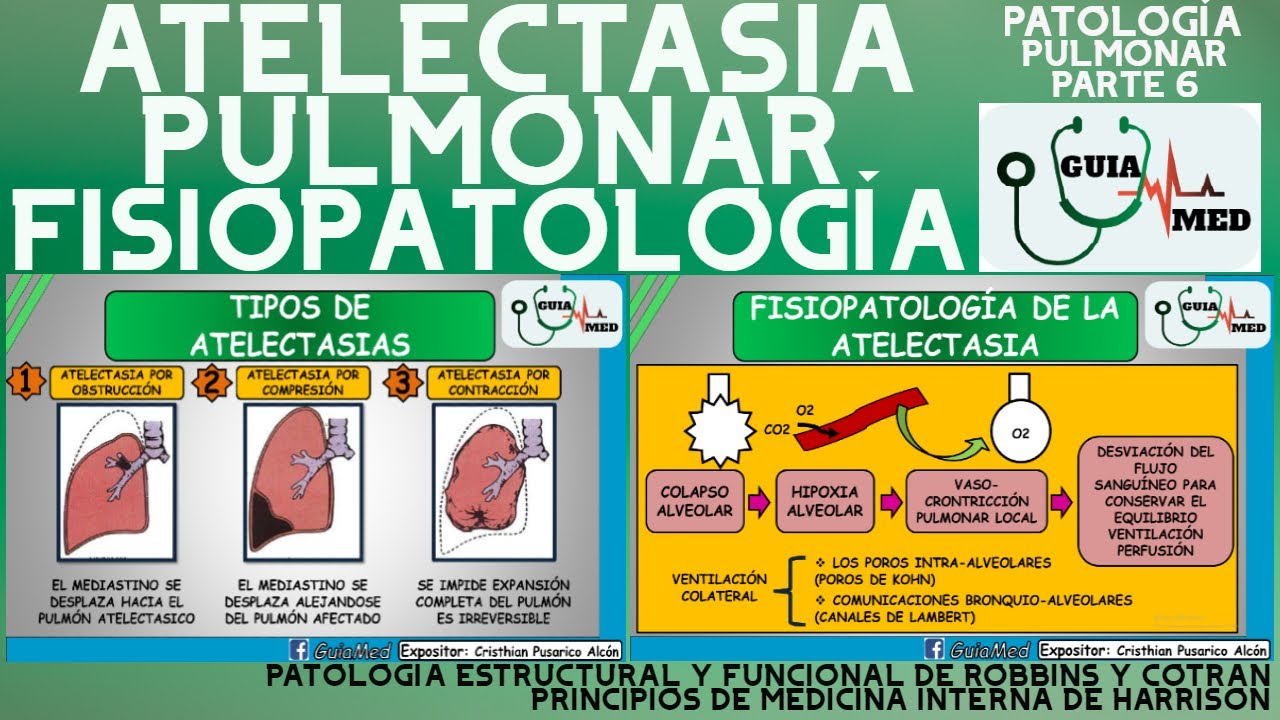
The pathophysiology of alveolar collapse (atelectasis) and the concepts of lung compliance and surfactant function.
Interpretation of Arterial Blood Gases (ABGs), focusing on markers of oxygenation and ventilation (PaO2, PaCO2, and pH).
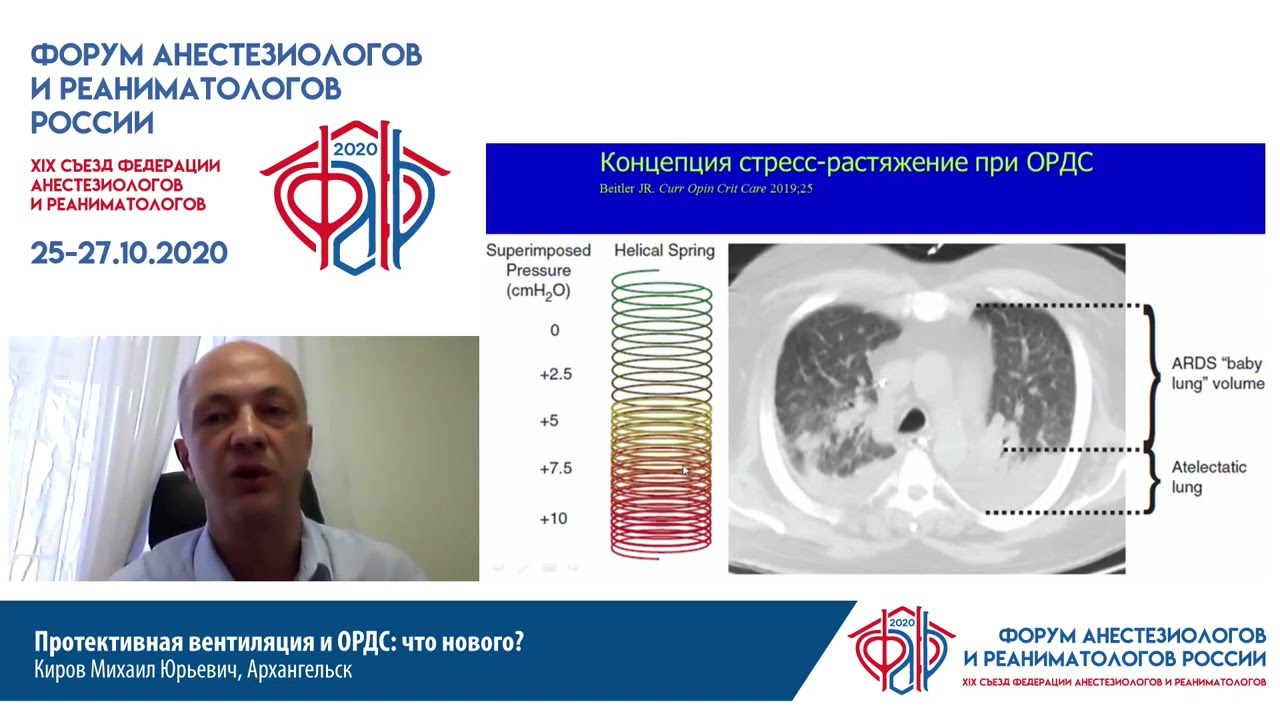
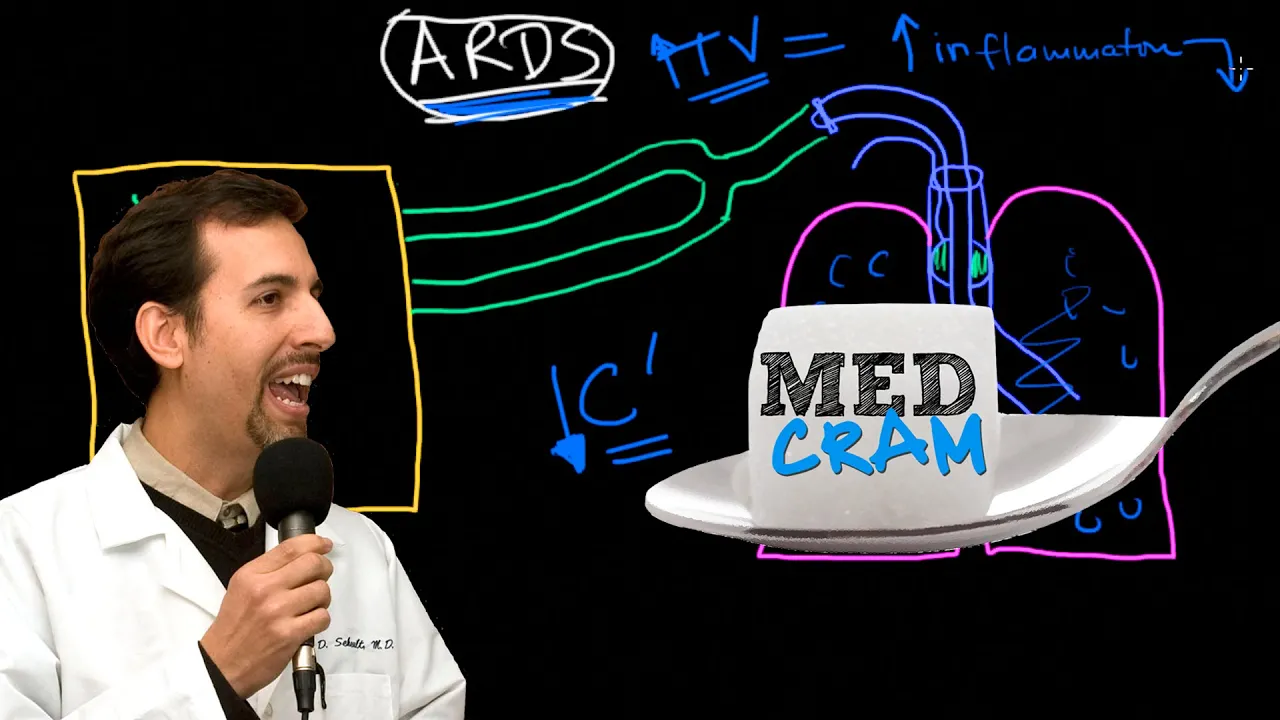
Advanced lung-protective ventilation strategies for Acute Respiratory Distress Syndrome (ARDS), including high-PEEP protocols and recruitment maneuvers.
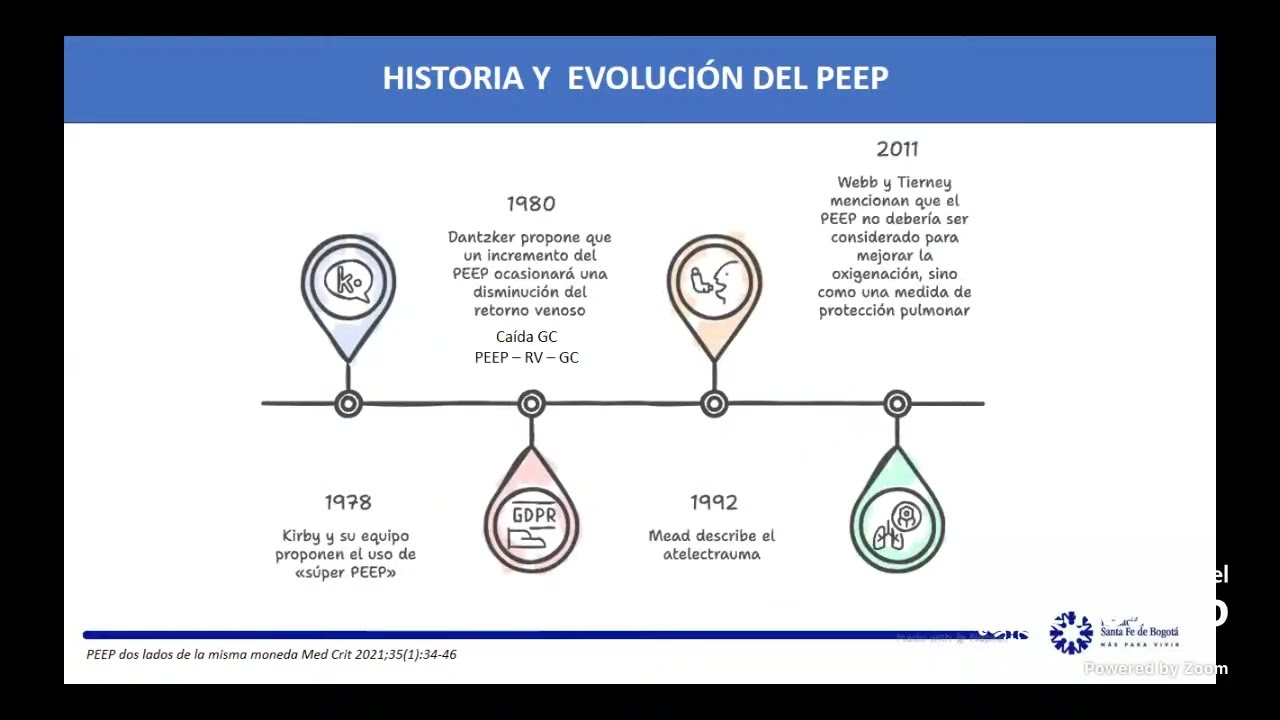
The hemodynamic impact of PEEP, specifically how increased intrathoracic pressure affects venous return, cardiac output, and right ventricular function.
Detection and management of PEEP-related complications, such as alveolar overdistension, barotrauma, and intrinsic PEEP (auto-PEEP).
Clinical protocols for weaning patients from mechanical ventilation, including the gradual titration and reduction of PEEP.
3.4K views116likes10:06Original Release: 2024-10-15
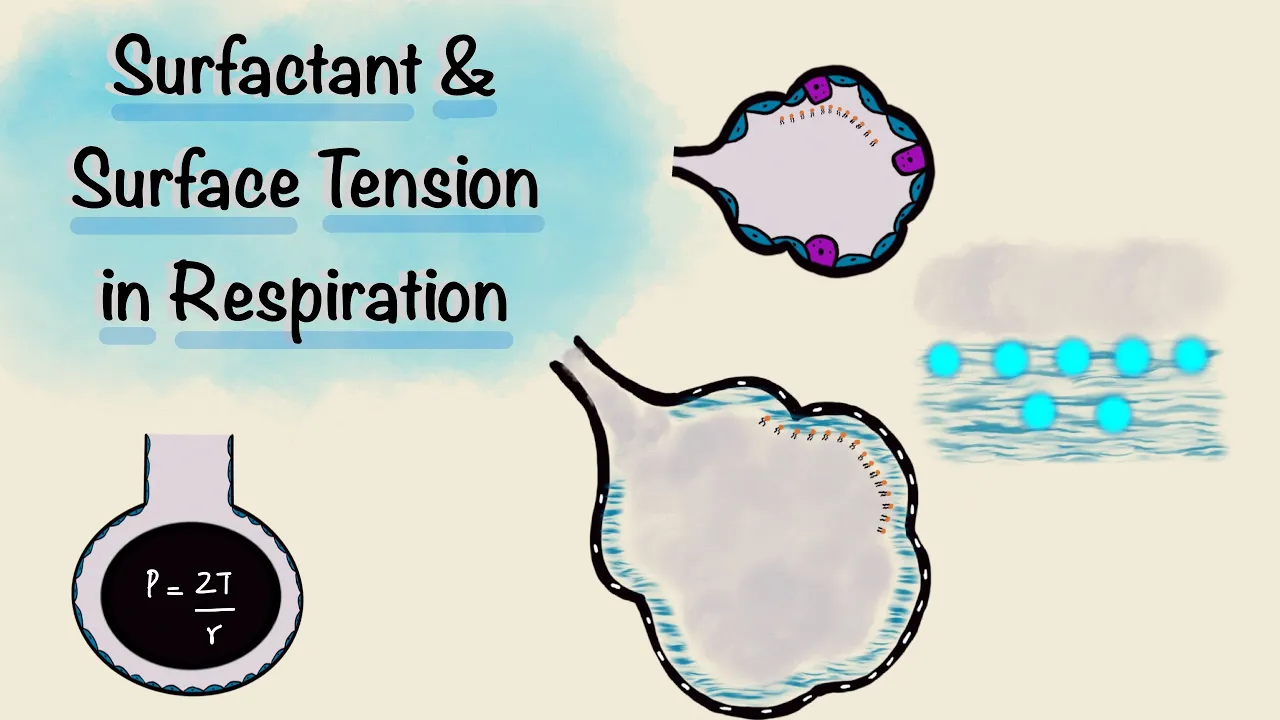
hello everyone welcome to elopes nursing in today's video we will be discussing about peep that is positive and expiratory pressure in mechanical ventilation before entering into the session if you have not subscribed our Channel Please Subscribe our Channel and do not forget to hit the Bell icon to receive instant notifications let's get into the topic before before discussing about peep let's have a brief discussion about the basic anatomy and physiology of alv which is involved in peep alv are tiny balloon like air sacks located at the end of bronchioles in the lungs now the alv are surrounded by a network of capillaries that is tiny blood vessels and alveol are the primary site for gas exchange that is oxygen and carbon dioxide between the lungs and the bloodstream next let's discuss what happens during a normal breathing mechanism taking inspiration first air enters during inspiration where the chest expands and air flows into the lungs so as the air flows into the lungs the alveoli expands gets filled with air like little balloons and consequently oxygen exchange takes place by moving from the Alvi into the blood next in expiration the chest contracts pushing the air out and thereby air leaves outside so as the air leaves outside the alveoli decrease in size but still they remain open due to surfactant preventing collapse now what is surfactant the wall of the alol are lined with a substance called surfactant which reduces the surface tension and prevents the alol from getting collapsed during exhalation so at the end of expiration what happens is carbon dioxide moves from the blood into the Alvi and is breathed out now let's get into peep that is positive end expiratory pressure on defining peep it is the pressure applied by the ventilator at the end of expiration to keep the alveoli open the main purpose why peep is applied during mechanical ventilation is it prevents alveoli collapse how does this happen peep keeps the tiny air saxs that is alv opened at the end of exhalation to ensure continuous gas exchange next purpose is improving oxygenation we have discussed that it keeps the alveoli open by doing this there is more surface area available for oxygen to enter into the bloodstream and hence it improves oxygenation the next main purpose is reducing the work of breathing and how this happens is peep reduces the effort required to inflate the lungs with each breath and hence the work of breathing is much reduced when PE is applyed now for a better understanding of how peep Works let's imagine balloon as lungs deflating balloon as exhalation leaving some air in the balloon as peep so without peep each time we let the balloon deflate completely it is harder to blow that up again now with peep if you leave a little air inside the balloon after letting it deflate it's much easier to inflate the balloon again so this is the mechanism of Peep hence positive and expiratory pressure is like leaving a small amount of air in the balloon to make inflating the lungs easier for the next breath hope now it's much clearer with an example we have explained next is common indications for positive and expiratory pressure making it simple in one line without much explanation first is ards acute respiratory distress syndrome in this condition peep improves oxygenation by keeping alioli open next is pneumonia here positive in expiratory pressure prevents alveolar collapse to enhance gas exchange next indication is atelectasis here peep reopens collapsed lung tissue and maintains lung volume next condition is pulmonary edema here peep helps reducing fluid in alveoli to improve the breathing next indication is chronic obstructive pulmonary disease where peep keeps the airway open and supports better oxygenation next indication is obstructive sleep apnea where positive and expiratory pressure prevents Airway collapse during sleep next indication is post-operative respiratory failure here where peep helps to prevent lung collapse and AIDS recovery after surgery next let's discuss about the common peep settings there are three categories mild moderate and high peep setting mild peep setting is mainly used for minor lung tissues or routine support where the setting is 5 to 10 cm of water moderate peep setting is used for conditions like pneumonia or mild ards in order to improve oxygenation and this ranges between 10 to 15 cm of water the high peep setting is used for severe conditions like acute respiratory distress syndrome in order to keep alv open but there is a risk of lung injury and here the range is between 15 to 20 cm of water or even more than that usually when setting positive in expiratory pressure the range starts at 5 cm of water and then adjust it based on oxygen levels and the lung functions now comes nursing responsibility in peep management monitoring patients respiratory status first is oxygen saturation use pulse oxymetry to track oxygen levels continuously next is arterial blood gas analysis monitor ABG regularly to assess oxygenation and ventilation Effectiveness next main thing is respiratory rate and work of breathing monitor for signs of respiratory distress next is ventilator settings ensure the positive and expiratory pressure level is appropriate usually between 5 to 15 cm water but can be higher in acute respiratory distress syndrome next monitor tidal volume fi2 and other ventilator settings to ensure they are adjusted to the patient's condition next is monitoring for complication first is hemodynamic monitoring where we watch for signs of hypotension or decreased cardiac output also monitor for signs of barot truma which is nothing but lung damage from too much of air pressure causing air leakage also monitor for volut trauma that is lung injury from over inflating the ax next main important thing is patient Comfort here we ensure adequate suggestion and pain control for comfort of the patient who is on mechanical ventilation so so far we have discuss the basic anatomy and physiology of alv and mechanism of respiration and what peep is and how peep works with an example of balloon what are the indications of positive and expiratory pressure what are the common peep settings and the nursing responsibilities in peep management if you find this video useful please like it share it and subscribe it and do not forget to hit the Bell icon to receive instant notifications thanks for watching and have a nice day
Up Next
30:32
Mechanical Ventilation Modes: AC vs SIMV Explained
@RespiratoryCoach
45.5K views•2020-07-15

48:47
Graphic Medicine: Comics for Collaborative Healthcare Communication
@nationalpatientadvocate
189 views•2023-12-04
15:14
ABG Interpretation Tic-Tac-Toe Method | Arterial Blood Gas Analysis
@YellowPagesNursing1
15.2K views•2021-04-19
3:05
Stages of Labor and Vaginal Birth | Childbirth Animation
@nucleusmedicalmedia
52.1M views•2017-08-18
Related Study Plans & Knowledge Roadmaps
Structured learning paths in Medicine
medicine
Abnormal LFTs: Diagnostic Workup & Pathology
01Liver Anatomy and Basic Physiology
02Introduction to Liver Function Tests (LFTs)
03Hepatocellular vs. Cholestatic Patterns
+ 3 more learning modules
12h6 modules
Explore Roadmap
medicine
Analyzing Blood Smears: RBC, WBC & Platelets
01Introduction to Blood Components & Smear Preparation
02Normal Morphology of Blood Cells
03Erythrocyte Pathologies & Morphological Variants
+ 2 more learning modules
12h5 modules
Explore Roadmap
medicine
Mechanical Ventilation: Waveforms & Alarms
01Anatomy and Physiology of Breathing
02Introduction to Mechanical Ventilation & Core Modes
03Ventilator Settings and Waveform Interpretation
+ 2 more learning modules
12h5 modules
Explore Roadmap
medicine
Neuro Exam: Localization & Stroke Syndromes
01Foundations of Neuroanatomy and Vascular Supply
02The Neurological Examination: Step-by-Step
03Principles of Neurological Localization
+ 3 more learning modules
18h6 modules
Explore Roadmap