




![[Lecture Session 1] Physiology of Respiratory System by Prof. Dr. Cheng Hwee Ming](https://i.ytimg.com/vi/YKXCPYs3cC4/maxresdefault.jpg)













![[성인] 산-염기 뽀개기 Tip! (33분-5번 보기 고정댓글 참고)](https://i.ytimg.com/vi/-iUE8VJeREQ/hqdefault.jpg)


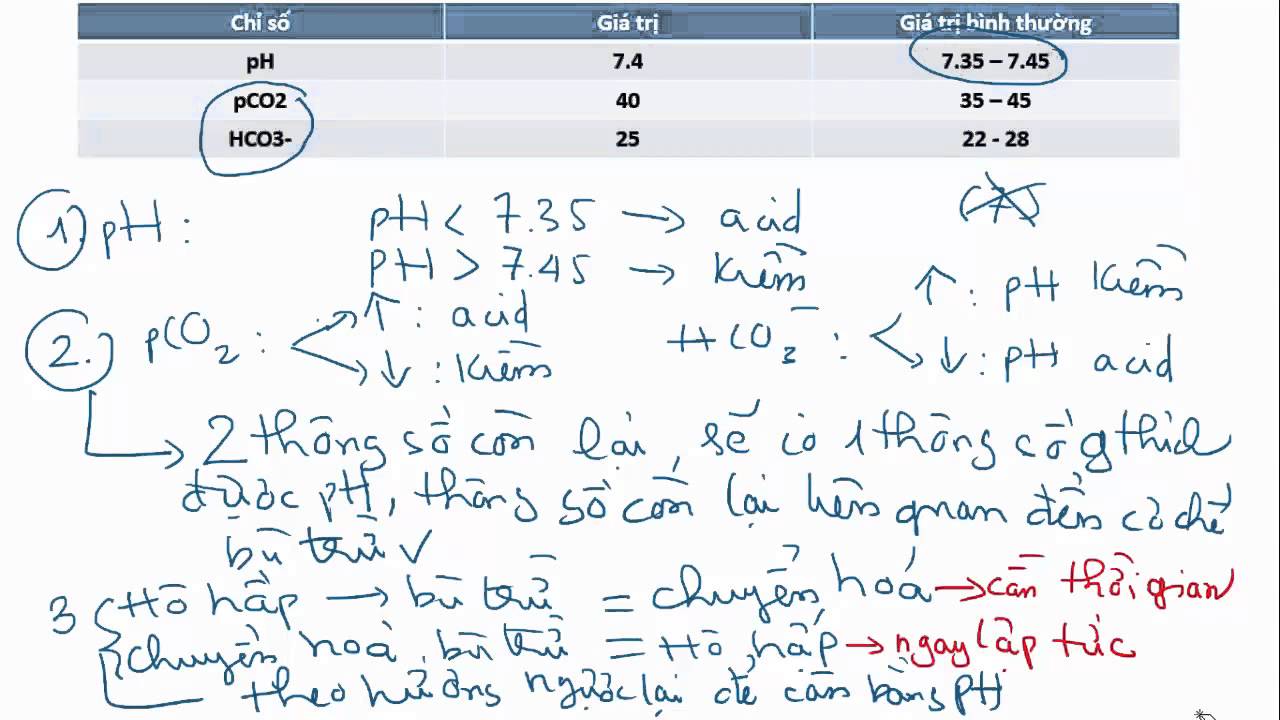
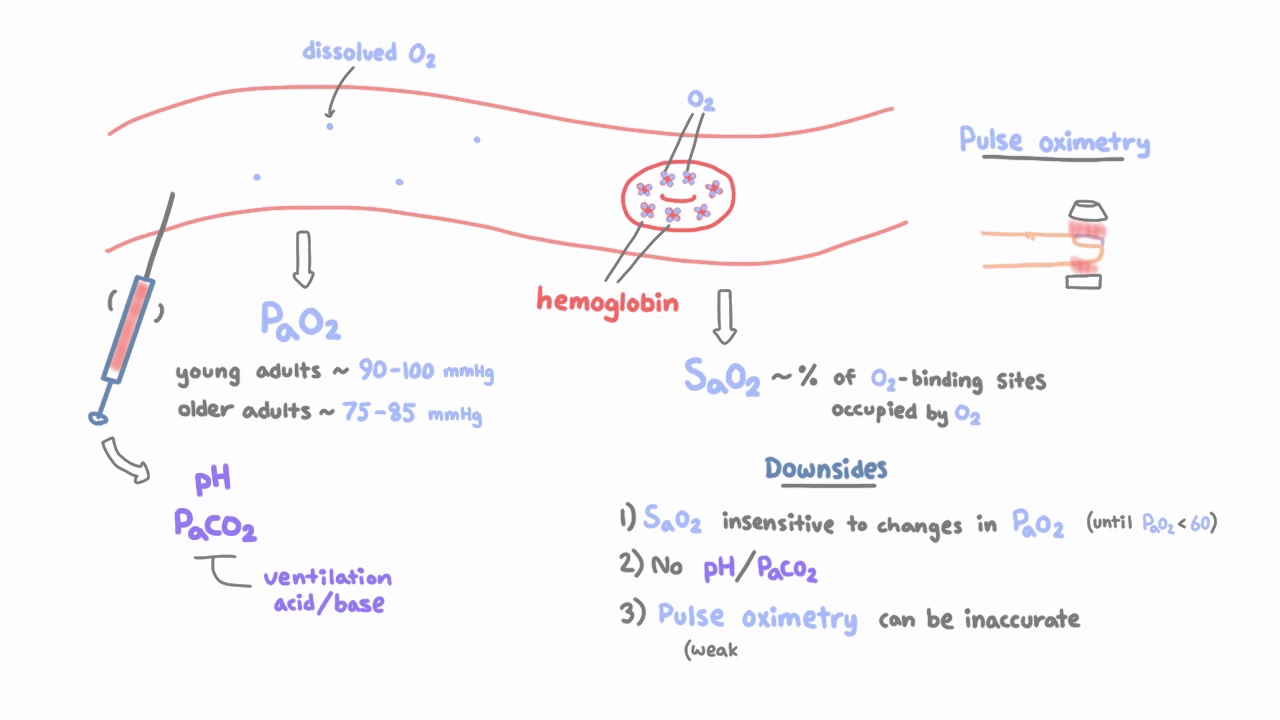


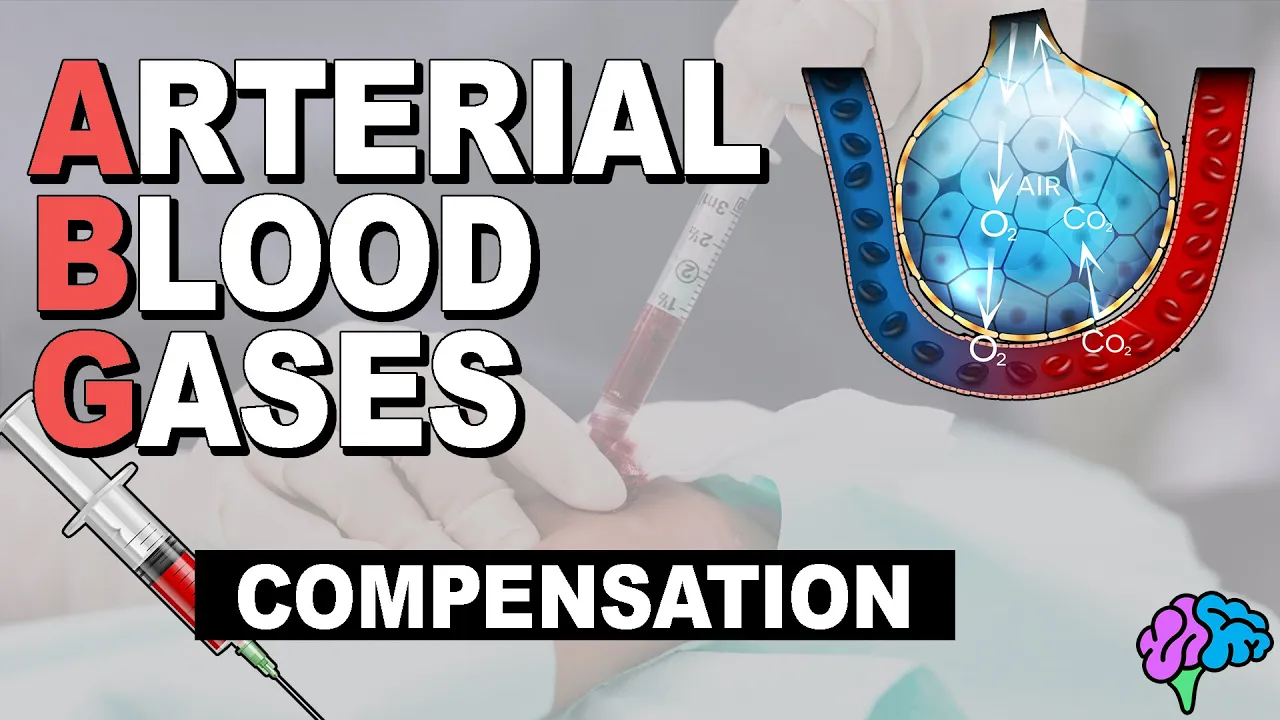
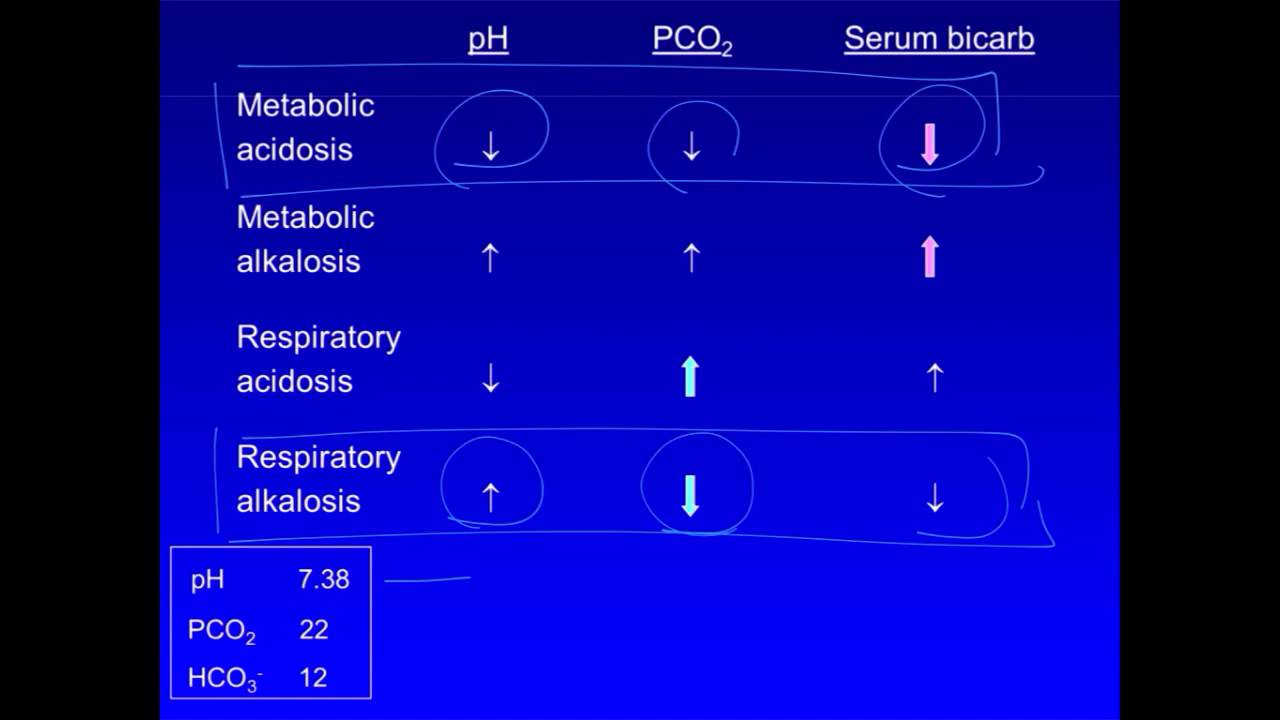
ABG interpretation uses the Tic Tac Toe method where pH 7.35-7.45, pCO2 35-45 mmHg, and bicarbonate 22-26 mEq/L are normal values; pH and pCO2 indicate respiratory problems while bicarbonate indicates metabolic problems, and compensation levels are determined by whether the compensatory variable (pCO2 for metabolic disorders, bicarbonate for respiratory disorders) has changed to correct the pH imbalance, with uncompensated showing normal compensatory values, partially compensated showing abnormal compensatory values but abnormal pH, and fully compensated showing normal pH with abnormal compensatory values.
ABG Interpretation Tic-Tac-Toe Method | Arterial Blood Gas Analysis
Added:Basic acid-base chemistry, including the definition of pH and how hydrogen ion concentration determines acidity and alkalinity.
The physiological roles of the respiratory system (regulating carbon dioxide) and the renal system (regulating bicarbonate) in blood buffering.
Familiarity with standard arterial blood gas (ABG) components and their normal reference ranges (pH, PaCO2, and HCO3).
The basic concept of physiological compensation, where one organ system attempts to correct the pH imbalance caused by another.
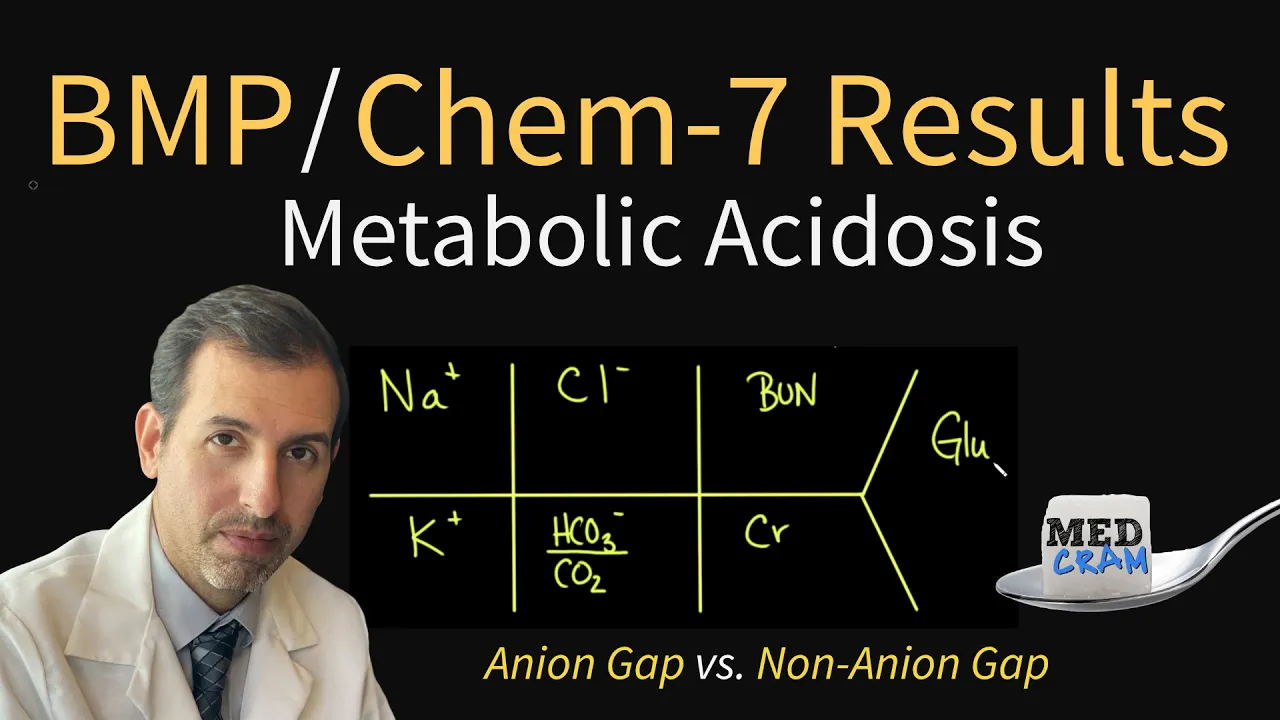
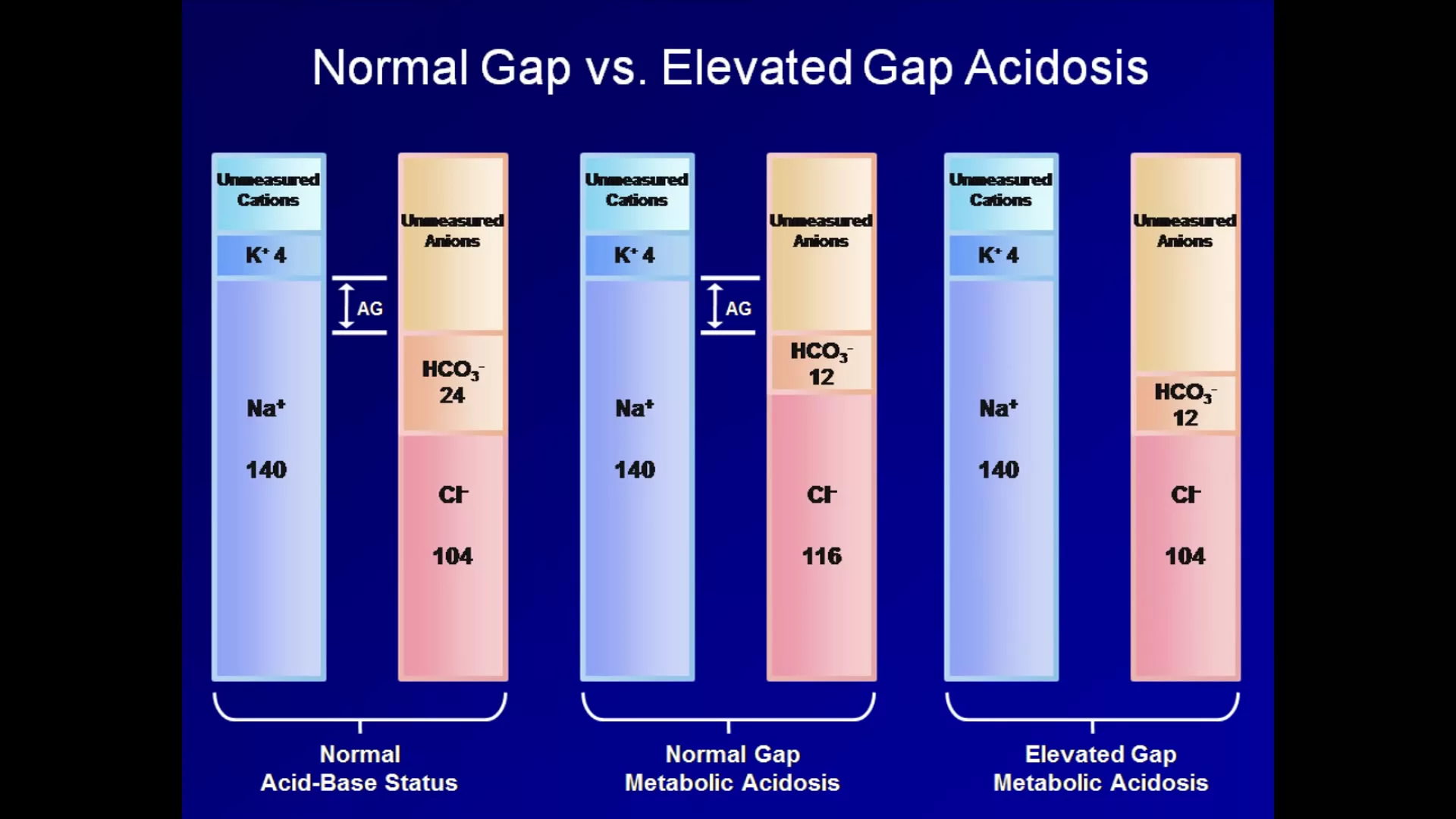
Calculating and interpreting the Anion Gap to differentiate causes of metabolic acidosis (e.g., high anion gap vs. normal anion gap).
Identifying mixed acid-base disorders where multiple primary disturbances occur simultaneously, requiring formulas like Winter's Equation.
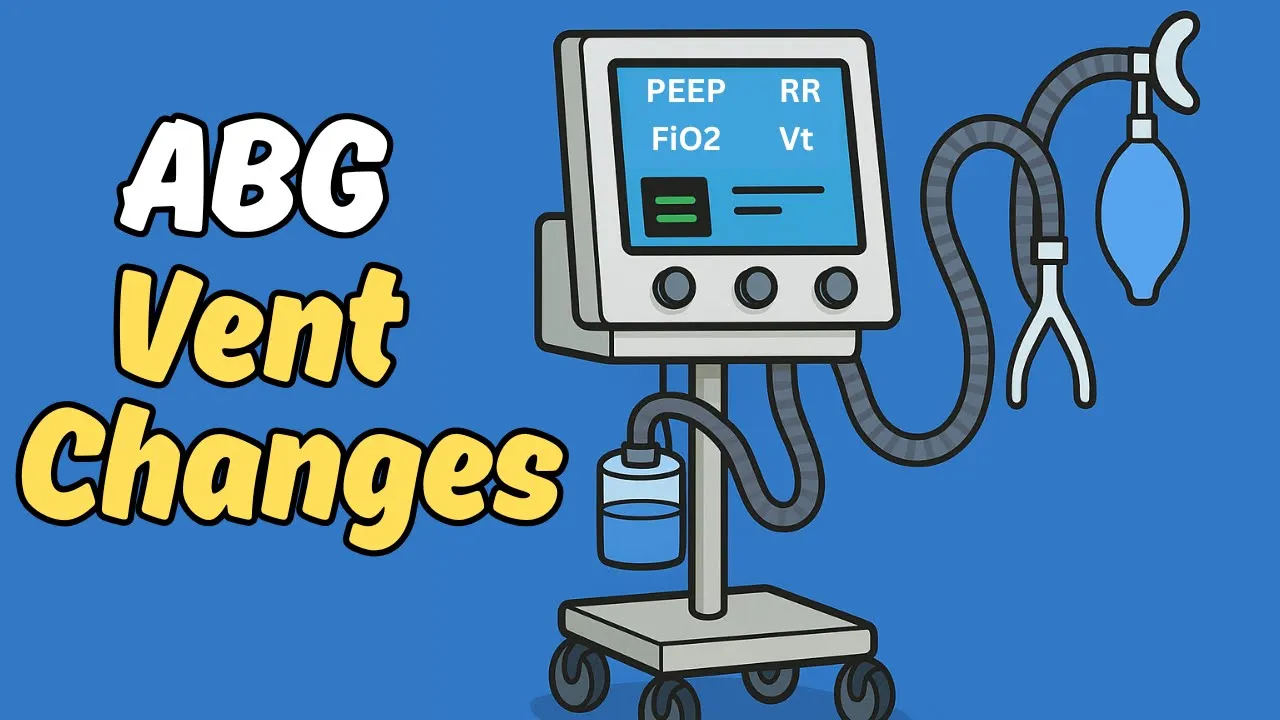
Translating ABG results into clinical interventions, such as adjusting mechanical ventilator settings or administering medical therapy.
Assessing overall oxygenation status alongside acid-base balance by analyzing PaO2 and SaO2 values.
15.2K views465likes15:14Original Release: 2021-04-19
hello everyone welcome to Yellow Pages nursing in today's video we will be discussing about ABG interpretation using Tic Tac and toe method before entering into the session if you have not subscribed our Channel Please Subscribe our Channel and do not forget to hit the Bell icon to receive instant notification let's get into the session to start with let's discuss the ABG normal values first first comes the pH normal value of pH is between 7.35 to 7.45 if it falls below 7.35 then we say it is in the acidic State and if it goes above 7.45 we say it is in the base State also known as alkalotic state next is p CO2 partial pressure of carbon dioxide the normal value here is 35 to 45 mm HG for a better understanding using this Tick Tac Toe method we have changed it to 45 to 35 mmhg and when it falls above 45 mmhg we say it is in the acidic State and if it is below 35 mmhg we say it is in the alkalic state next comes bicarbonate the normal value is between 22 to 26 M equivalent per liter when it goes below 2 2 we say it is in the acidic State and when it goes above 26 we say it is in the alkalic state when we notice all these values come under acidic State together or alkalotic state together for this reason the value of pac2 has been interchanged for further understanding remember partial pressure of carbon dioxide is an acid whereas bicarbonate is a base before beginning the examples if there is primary change in P CO2 value we say it is a respiratory problem and when there is a primary change in the bicarbonate value we say it is a metabolic problem let's begin the examples first example the pH is 7.20 P2 is 50 mm HG and bicarbonate is 25 M equivalent per liter let's get into the Tic Tac Toe method if we see the value of pH it is 7.20 which Falls below 7.35 that is normal value and hence it is in the acidic State P2 is 50 mmhg which is more than 45 and it is also in the acidic State when we see bicarbonate it is 25 M equival per liter which falls in the normal State and when we see all these values pH and P2 falls in the acid state which explains it is a respiratory acidosis looking further into the example let's discuss if it is an uncompensated or compensated or partially compensated respiratory acidosis let's discuss what is uncompensated first when there is no attempt to correct the acid base imbalance we refer it as uncompensated and looking back into the first example value of bicarbonate Falls in the normal state which has not undergone any change to correct the imbalance and hence we say it is an uncompensated respiratory acidosis let's get into the second example value of pH is 7.30 value of P2 is 40 mm H and bicarbonate is 20 M equivalent per liter beginning with tic tac to Method value of pH Falls below the normal range which says it is in the acid State value of Pac O2 is 40 mmhg which falls in the normal State bicarbonate is 20 M equivalent per liter which falls in the acidic State and using Tic Tac 2 method we conclude that it is a metabolic acidosis let's identify the degree of compensation when we look into the pac2 value it falls in the normal State and hence we can say this as uncompensated metabolic acid osis or metabolic acidosis uncompensated here pac2 has not undergone any change to correct the imbalance let's look into one more example pH is 7.50 P CO2 30 mmhg bicarbonat 25 M equivalent per liter when you look into the pH 7.50 is more than the normal value and hence it is in the alkalotic state P2 s30 mmhg which also falls in the AL CTIC State bicarbonate is 25 M equivalent per liter which falls in the normal State because pH and P2 matches in the alkalotic state we say it is a respiratory alkalosis now to identify the degree of compensation when we see bicarbonate value it is within the normal range and it has not undergone any change to correct the imbalance and hence we say this as an uncompensated respiratory alkalosis let's look into the other example pH is 7.50 pH CO2 is 38 MMG bicarbonate is 30 m equivalent per liter pH is 7.50 which falls in the alkalotic state pac2 is 38 mmh which lies within the normal range and hence it falls in the normal State bicarbonate is 30 m equivalent per liter which falls in the alkalotic state using Tic Tac to Method pH and bicarbonate matches in the alkalotic state and hence we say it is a metabolic alkalosis to look into the degree of compensation when we see the value of pac2 it is 38 mmhg which is in normal State and it has not undergone any change to correct the imbalance and hence we say it is an uncompensated metabolic alkalosis now comes partially compensated when body is trying to correct the imbalance that is secondary response by increasing or decreasing either pac2 or bicarbonate value we say it is a partially compensated change here pH is abnormal let's begin with the example first one pH is 7.20 p CO2 is 50 mmhg and bicarbonate is 30 m equivalent per liter using Tic Tac 2 method pH is 7.20 which falls in the acidic state pac2 is 50 mm HG which also falls in the acidic State bicarbonate is 30 m equivalent which is more than the normal range and hence it falls in the alkalotic state because pH and PH2 matches in the acidic State we say it is a respiratory acidosis now let's identify the degree of compensation when we look into the bicarbonate value it has increased to correct the imbalance and therefore we say it is a partially compensated respiratory acidosis looking into the next example pH is 7.30 P CO2 is 32 mmh bicarbonate is 20 M equivalent per liter using Tic Tac to Method pH falls in the acidic State P CO2 is 32 mm H which falls in the alkalotic state bicarbonate is 20 M equivalent per liter which falls in the acidic state because pH and bicarbonate matches in the acidic State we say it is a metabolic acidosis now let's identify the degree of compensation here pac2 has decreased in order to correct the imbalance and hence we say it is a partially compensated metabolic acidosis let's get into the other example pH is 7.50 P2 is 30 mmhg bicarbonate is 21 M equivalent per liter using Tic Tac to Method pH is 7.50 which falls in the alkalotic state pH CO2 is 30 mmhg Which is less than the normal range and falls in the alkalotic state bicarbonate is 21 M equivalent per liter which is also less than the normal range and falls in the acid State here pH and bicarbonate matches in the alkalotic state and hence we say it is a respiratory alkalol osis to identify the degree of compensation when we look into the value of bicarbonate it has decreased in order to correct the imbalance and hence we say it is a partially compensated respiratory alkalosis next example pH is 7.50 P2 is 48 mmhg bicarbonate is 30 m equivalent per liter using tic Taco method pH is 7.50 which falls in the alkalotic State P2 is 48 mmhg which falls in the acidic State bicarbonate is 30 m equivalent per liter which falls in the alkalotic state when we see pH and bicarbonate matches in the alkalotic state and hence we say it is a metabolic alkalosis to look into the degree of compensation here pac2 has increased its value in order to correct the imbalance and therefore we say it is a partially compensated metabolic alkalosis now let's discuss a fully compensated change that is the body is correcting the imbalance here secondary response by increasing or decreasing pac2 and bicarbonate values here the pH remains in the normal range let's get into the example pH is 7.35 PH2 is 48 mm HG and bicarbonate is 28 M equivalent per liter using Tic Tac to Method pH is 7.35 which is in the normal state but still it is in the acidic State P2 is 48 mmh which falls in the acidic State bicarbonate is 28 M equivalent per liter which falls in the alkalotic state here pH is still in the acidic State and P CO2 is also in the acidic State and hence we say it is a respiratory acid to identify the degree of compensation when we look into the value of bicarbonate it has increased and corrected the value of pH to normal range and hence we say it is a fully compensated respiratory acidosis next example pH is 7.45 P2 is 30 mmhg and bicarbonate is 21 M equivalent per liter using Tic Tac Toe method pH falls in the normal state but still is in the alkalotic state pac2 is 30 mm H which falls in the alkalotic state and bicarbonate is 21 M equivalent per liter which falls in the acidic State here pH and P CO2 matches in the alkalotic state and hence we say it is a respiratory alkalosis to identify the degree of compensation the value of bicarbonate is 21 which has decreased in order to correct the pH value to normal range therefore we say it is a fully compensated respiratory alkalosis let's discuss what is mixed acidosis and mixed alkalosis mixed acidosis means respiratory and metabolic acidosis combined together and mixed alkalosis means respiratory and metabolic alkalosis combined together let's discuss with some of the examples first example pH is 7.55 P2 is 30 m HG and bicarbonate is 29 M equivalent per liter using Tic Tac to Method pH is 7.55 which is in the alkalotic state P2 is 30 mmh which is also in the alkalotic state bicarbonate is 29 M equivalent which is more than the normal range and falls in the alkalotic state here pH P2 and bicarbonate all gets matched in the alkalotic state and therefore we say it is a mixed alkalosis that is respiratory and metabolic alkalosis combined together next example pH is 7.30 P2 is 50 mmhg bicarbonate is 20 M equivalent per liter using Tic Tac to Method pH falls in the acid State P CO2 is 50 which also falls in the acid State bicarbonate is 20 M equivalent per liter which falls in the acid state to look into this pH pac2 and bicarbonate gets matched in the acidic State and hence we say it's a mixed acidosis now let's practice some of the examples here you will be given 5 Seconds to rule out the answers let's get into the first example pH is 7.29 P2 is 54 mmhg and bicarbonate is 31 m equivalent per liter using Tic Tac to Method let's get the answer answers and the answer is respiratory acidosis partially compensated let's get into the other example pH is 7.48 p CO2 is 40 mmhg bicarbonate is 31 m equivalent per liter and we get the answer metabolic alkalosis uncompensated next example is pH is 7.28 P2 is 32 mmhg bicarbonate is 18 M equivalent per liter and the answer will be metabolic acidosis partially compensated here you go with the AVG interpretation using Tic Tac to Method if you find this video useful please like it and please subscribe it and do not forget to hit the Bell icon to receive instant notifications thanks for watching and have a nice day
Up Next
18:57
Anion Gap in ABG Interpretation: Calculating & Classifying Metabolic Acidosis
@StrongMed
209.3K views•2012-02-11

48:47
Graphic Medicine: Comics for Collaborative Healthcare Communication
@nationalpatientadvocate
189 views•2023-12-04

10:06
PEEP in Mechanical Ventilation: Definition, Settings, Nursing Care
@YellowPagesNursing1
3.4K views•2024-10-15
3:05
Stages of Labor and Vaginal Birth | Childbirth Animation
@nucleusmedicalmedia
52.1M views•2017-08-18
Related Study Plans & Knowledge Roadmaps
Structured learning paths in Medicine
medicine
Abnormal LFTs: Diagnostic Workup & Pathology
01Liver Anatomy and Basic Physiology
02Introduction to Liver Function Tests (LFTs)
03Hepatocellular vs. Cholestatic Patterns
+ 3 more learning modules
12h6 modules
Explore Roadmap
medicine
Analyzing Blood Smears: RBC, WBC & Platelets
01Introduction to Blood Components & Smear Preparation
02Normal Morphology of Blood Cells
03Erythrocyte Pathologies & Morphological Variants
+ 2 more learning modules
12h5 modules
Explore Roadmap
medicine
Mechanical Ventilation: Waveforms & Alarms
01Anatomy and Physiology of Breathing
02Introduction to Mechanical Ventilation & Core Modes
03Ventilator Settings and Waveform Interpretation
+ 2 more learning modules
12h5 modules
Explore Roadmap
medicine
Neuro Exam: Localization & Stroke Syndromes
01Foundations of Neuroanatomy and Vascular Supply
02The Neurological Examination: Step-by-Step
03Principles of Neurological Localization
+ 3 more learning modules
18h6 modules
Explore Roadmap