






















In mechanical ventilation, Assist Control (AC) and Synchronized Intermittent Mandatory Ventilation (SIMV) both set respiratory rate, tidal volume, and flow to establish minimum minute ventilation, but differ in how they handle patient-triggered breaths: in AC, patient-triggered breaths receive the same set tidal volume and flow as mandatory breaths and reset the time trigger, while in SIMV, patient-triggered breaths become true spontaneous breaths with variable tidal volume and flow that do not affect the time-triggered mandatory breath schedule; this distinction is visible on waveforms where AC shows uniform breath patterns while SIMV shows variations in breath size and timing.
Mechanical Ventilation Modes: AC vs SIMV Explained
Added:Basic anatomy and physiology of the respiratory system, specifically intrapleural pressure, compliance, and airway resistance.
Fundamental terminology of mechanical ventilation, including Tidal Volume (Vt), Respiratory Rate (RR), Positive End-Expiratory Pressure (PEEP), and Fraction of Inspired Oxygen (FiO2).
The concept of ventilator breath triggering, specifically the difference between machine-triggered (time) and patient-triggered (pressure or flow) breaths.
An introductory understanding of ventilator waveforms, including how pressure, flow, and volume are represented graphically over time.
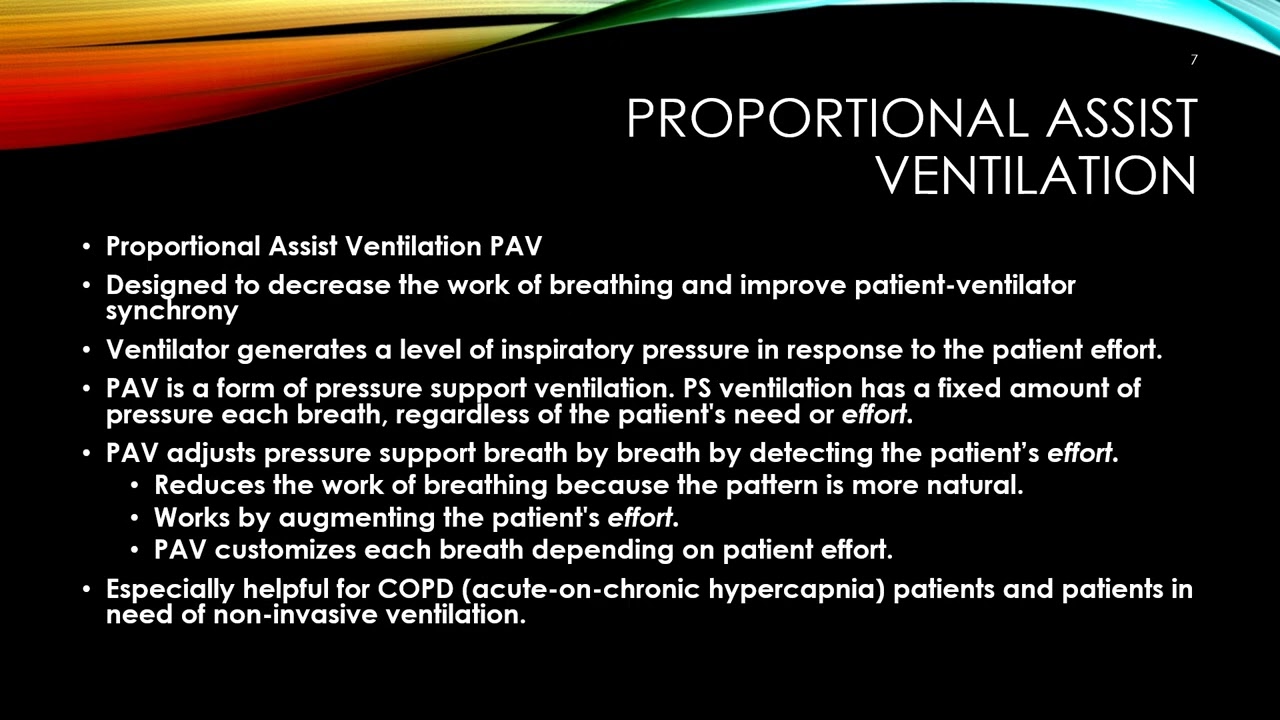
Advanced ventilator modes such as Pressure Support Ventilation (PSV), Airway Pressure Release Ventilation (APRV), and Proportional Assist Ventilation (PAV).
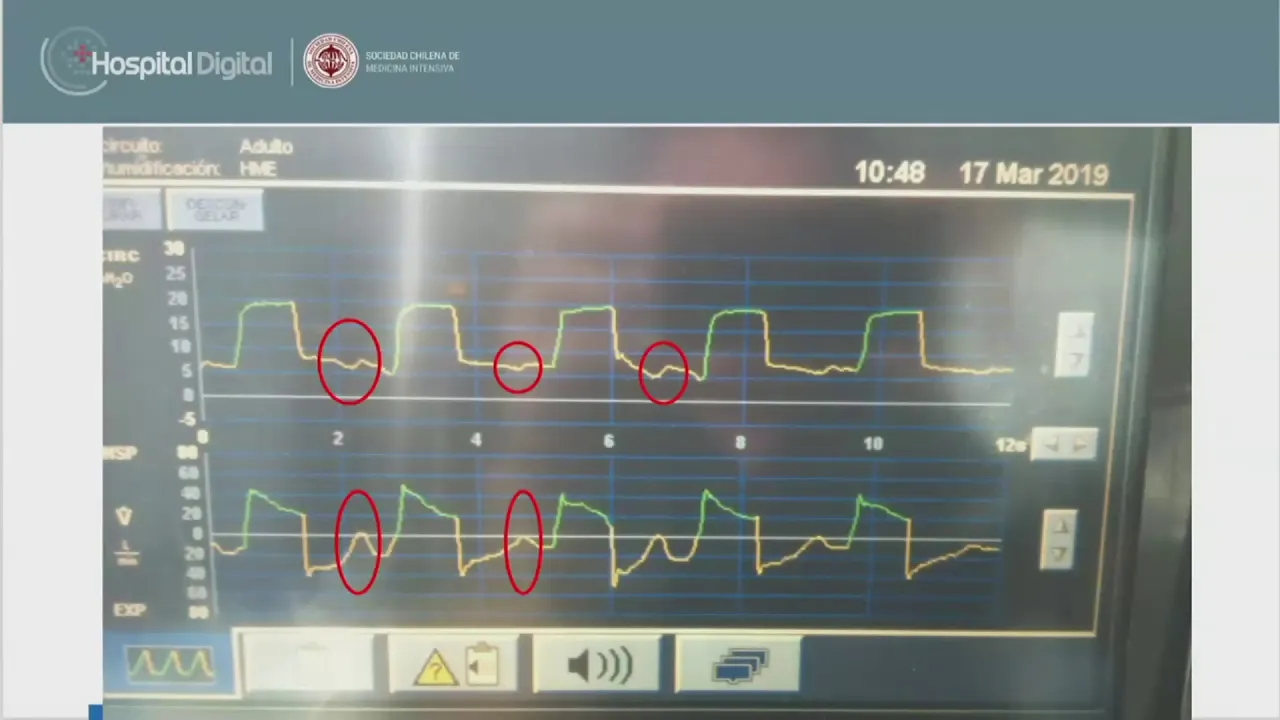
Identifying and troubleshooting patient-ventilator dyssynchrony, such as double-triggering, auto-PEEP, and ineffective triggering.
Clinical protocols for liberation and weaning from mechanical ventilation, including Spontaneous Breathing Trials (SBT) and the transition from assist modes to pressure support.
Lung-protective ventilation strategies for managing specific clinical conditions, such as Acute Respiratory Distress Syndrome (ARDS) and Chronic Obstructive Pulmonary Disease (COPD).
45.5K views1.6Klikes30:32Original Release: 2020-07-15
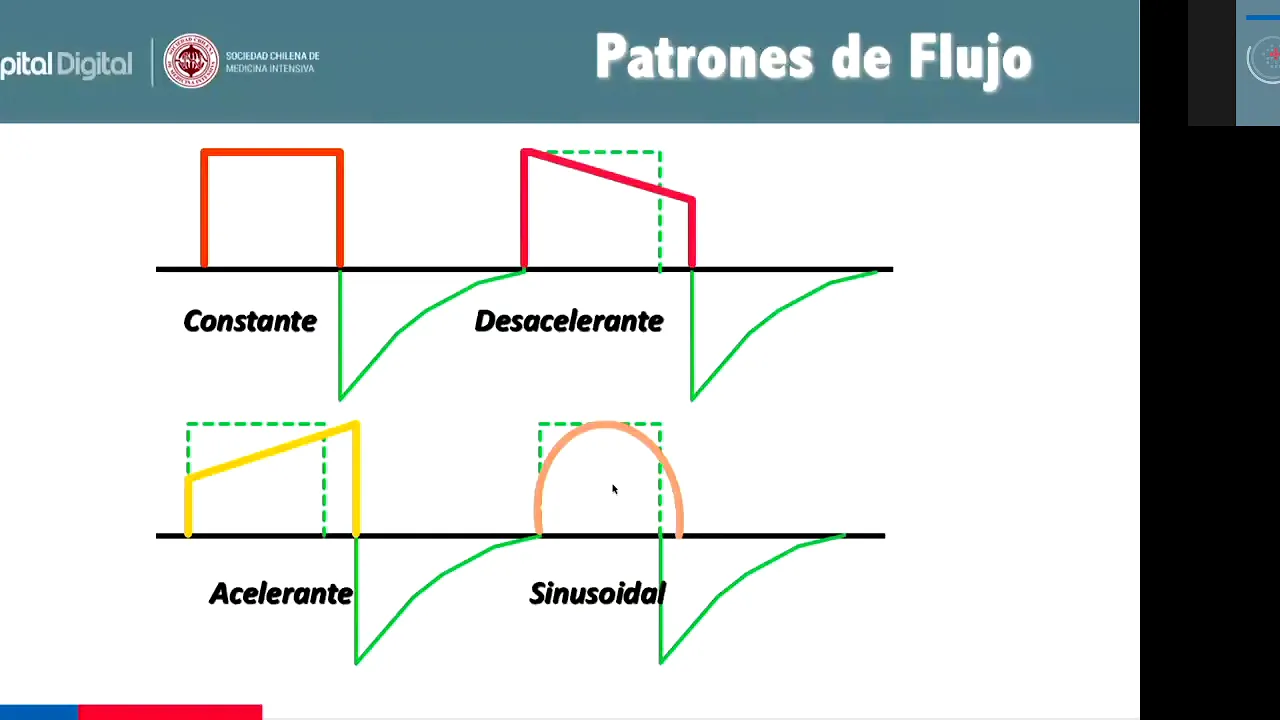
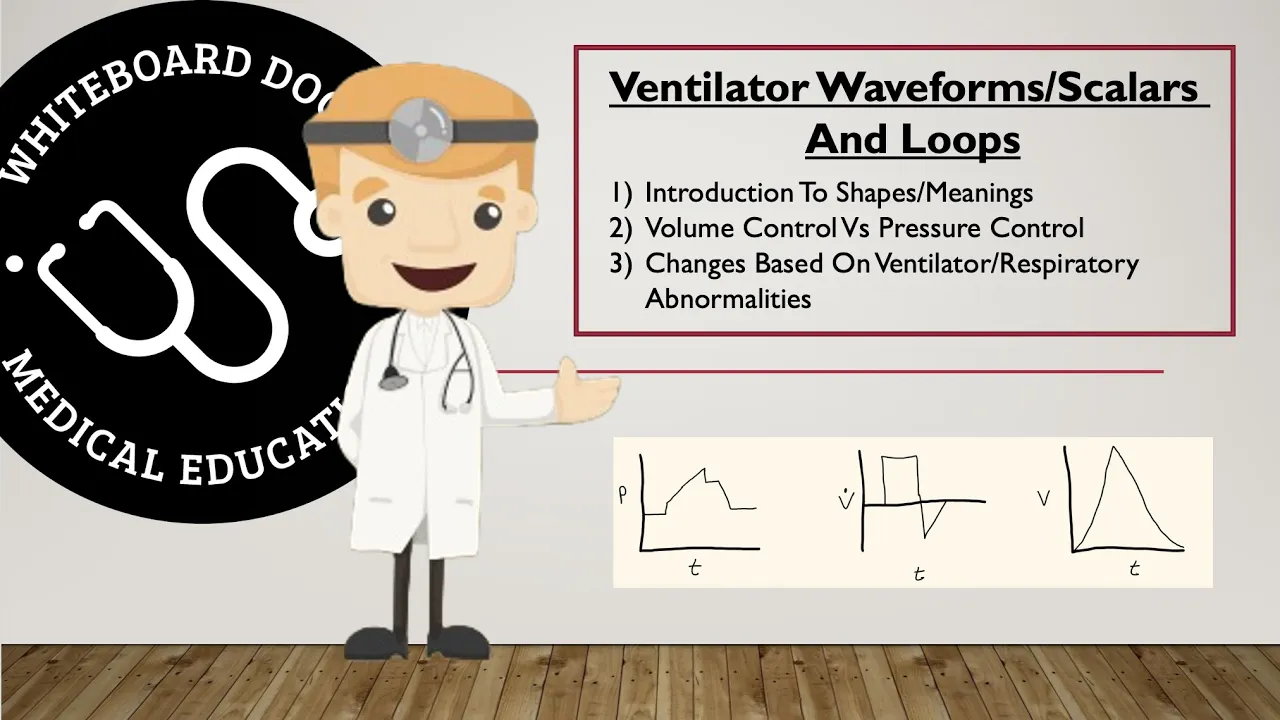
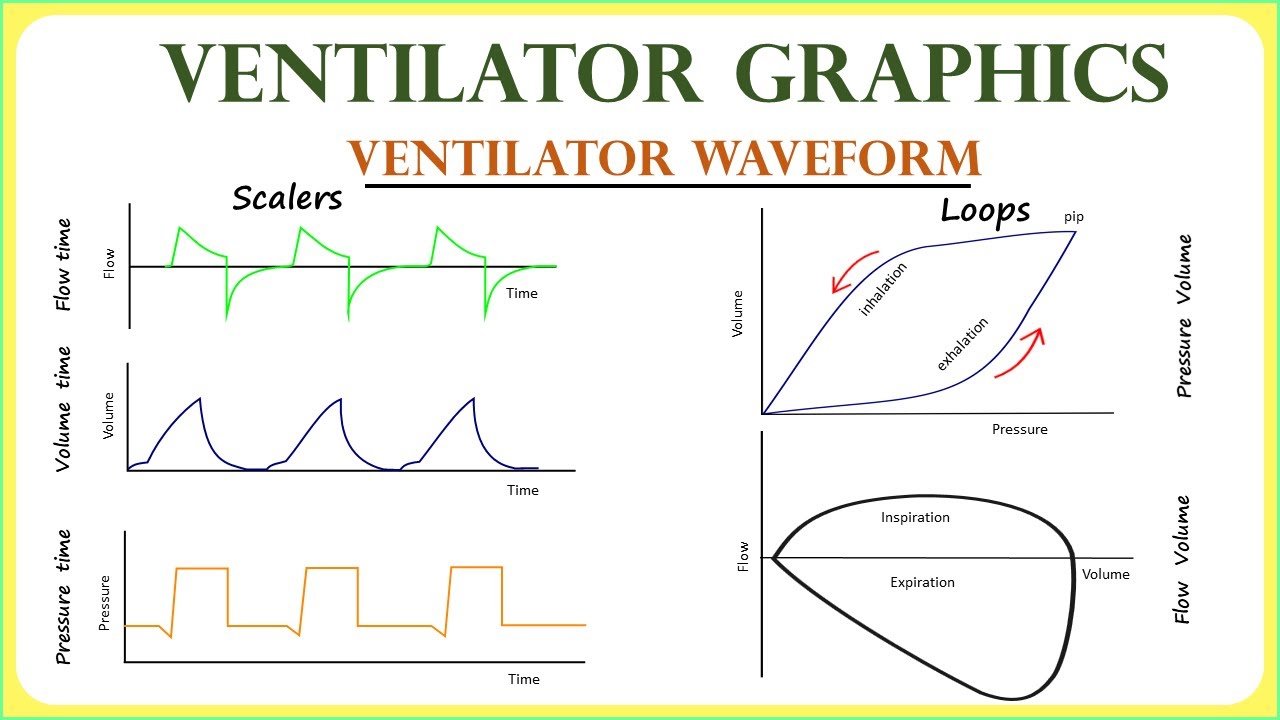
what's up future respiratory therapists in this video we're continuing our pathway through learning different modes of mechanical ventilation and this video is all about breaking down si and V and how it compares to and is different than assist control let's dive in okay so as I stated this video we're talking assist control versus si and V so hopefully by the time this video is over with a couple of things have happened one I've earned your subscription to I hope you understand the difference between assist control and simv that's the real focus of this video now before we jump into this I need to identify a couple of things we're gonna be talking about VC AC versus V si si and V okay we're gonna be talking about volume control assist control versus volume control simv now to do this I'm gonna do exactly the same thing I did with the last video or the previous video in this in this series where I broke down CMV versus AC now if you remember that video you remember that CMV has some very key elements that we set and then we typically set all of the same things in assist control I mean in yes in assist control those things are the same the only difference between CMV and AC is the fact that the patient is allowed to trigger a breath so that's the difference right we learned that in the last video now in this video we're gonna realize that si and V is not so different except it's really different okay if that confuses you right now hang tight it's gonna make sense so I'm gonna draw a line right here and we're gonna go through the exact same thing we did with the previous video we're gonna go through settings for AC now if you remember if you're in volume control AC we know we set a respiratory okay this is set we know we set a tidal volume now we know that these two things establish our minute volume now we establish a minute volume that gives us the freedom as respiratory therapists to work to control co2 removal okay if you have a patient who has a high co2 you need to increase minute volume if you have a patient with a low co2 and a high pH then you need to decrease minute volume volume control is very good at controlling minute volume to help maintain a normal acid-base balance we know we set these two things we also know that the tidal volume is set six to eight MLS per kilo that's our ideal tidal volume range when we're in volume control of course you can go down to as low as four MLS per kilo if you're dealing with asthma or a RDS but typically we're looking at six to eight MLS per kilo to set our normal tidal volume now the other thing we said was flow now we know that when we set flow we're now controlling how fast this tidal volume is going to be delivered if we're controlling how fast the tidal volume is delivered then these two things we know establish an eye time okay and just like in the last video I told you that some ventilators allow you to set a tidal volume and an eye time this in this way you set a tidal volume in an eye time then you were setting the patient's flow if your patient is flow hungry you need to decrease your eye time to deliver a faster flow okay if you're setting flow and your patient is flow hungry then you need to increase your flow okay so we understand away these three elements work respiratory rate tidal volume and flow are all set okay now we also know that we set peep and fio2 that goes with every single mode of mechanical ventilation that we operate in so I do not include that in this section of the videos but you she will set a peep and yes you will set an fio2 now what we got to ask ourselves from here is what is our trigger okay so we have a trigger mechanism and we know that an AC if the vent is going to trigger the breath then it is time it's time triggered based off of your respiratory rate your respiratory rate establishes your time cycle so like I said if you have a rate of 10 then you have 60 seconds divided by rate of 10 means the ventilator is going to give a breath every 6 seconds 60 divided by 10 is every 6 seconds if you're on a rate of 12 then 60 divided by 12 is 5 seconds we can see where as the rate increases the time cycle decrease is now now time cycle total cycle time okay total cycle time is the amount of time it takes to get all of the air in and then allow for all that air to come out its inspiratory time Plus expert ory time that's total cycle time the respiratory rate establishes that total cycle time and in doing so also establishes that time the time trigger mechanism I said cycle up here but this is actually the time trigger mechanism so we know that time here belongs to the ventilator meaning that if the vent is going to trigger a breath it's going to operate off of a time trigger now if the patient is going to initiate a breath then we know it's going to happen either due pressure or flow trigger now that's a big oor that's a big or it's not both you're either in pressure trigger or you're in flow trigger okay the patient initiates breath either by a drop in pressure or by a removal of flow from the bias flow which tells the ventilator to deliver a breath okay if that doesn't make sense check out my video on on the basics of mechanical ventilation where I explain the difference in pressure triggering and flow triggering okay now from here we need to understand what cycles this breath now if you remember from the previous video a lot of people learn that this breath is volume cycled meaning that when the set tidal volume is reached the breath ends that's what makes it volume control but we know that the ventilators operate off of the Devillier delivering a set flow for a certain amount of time which equates to the tidal volume being delivered so we know here that the answer is time cycled also okay if you learn it and your quiz then your exam over volume cycle that's fine it's not it's not that big of a difference but but I do like to be accurate and what I say it's actually an expression of time that tells this vent when to stop delivering the flow for X amount of time and if you do that then you deliver the set volume okay confusing stuff I get it but just understand that's what it is now when we talk about the last variable we got to talk about limits we know that we are tidal volume limited this means that the violator will not deliver more than the set tidal volume okay we know that we are flow limited this means that the ventilator without any advanced vsync or anything like that just basic straight assist control it will not deliver a higher flow than what you have set so the patient may want to flow of 70 but if you're set on a flow of 50 liters per minute they're not going to get that flow of 70 because we are flow limited we also know that we are high pressure limited this is an alarm setting okay let me clarify that this is an alarm setting so when you talk about your limits and assist control tidal volume will not be exceeded the set tidal volume the set flow will not be exceeded okay the high-pressure alarm limit will not be exceeded so if you have your high-pressure alarm set it 50 centimeters of water pressure then the vent will cut off if the pressure reaches 50 centimeters of water pressure if the ventilator reaches 42 simmers of water pressure it's going to deliver that full breath limited by volume and flow okay so we understand that those are the limits those are the things that will not be exceeded now watch what's gonna happen right here when I shift everything over from assist control in to simv okay guess what we set a respiratory rate we set a tidal volume we set a flow all of these things do the exact same thing as they do and assist control your rate establishes your time trigger your total cycle time your respiratory rate and your tidal volume establish your minimum minute ventilation I said minimum because your patient can trigger over okay so this is a minimum minute ventilation your tidal volume in your flow establish your eye time this is also true in Si and V so everything right now we can just shift over to the simv side okay now when it comes to trigger both of these things are established they're the same your pace your ventilator is going to be triggered off of a time mechanism your patient can trigger the event off of pressure or float so it's the same your cycle okay this is what ends inspiration is going to be the same except for one difference I'm gonna put an end right here because now you have a patient who can trigger a breath except when they trigger that breath they can now take a true spontaneous breath that's different than AC C in AC when a patient triggers a breath they get an assist controlled breath they get the set tidal volume at the set flow which means what ins inspiration is the same it's still time when we go into si and V and a patient triggers a spontaneous breath the patient determines when that breath ends okay so it's time cycle it's also patient cycled okay so when the patient is done taking their breath the ventilator recognizes that exhalation is about to happen based off of a flow decay so the inspiratory flow slows down flow decay happens and the ventilator says okay you can now exhale and the patient does this freely true spontaneous breathing in simv not true spontaneous breathing in AC can a patient trigger a breath in AC 100% but what do they get set tidal volume set flow now an SI envy the patient can trigger a true spontaneous breath which means our tidal volume is going to now vary our flow is now going to vary okay because the patient can establish this breath however they want it to look this is true spontaneous breathing now if the patient if the ventilator triggers the breath then it's going to be the set tidal volume at the set flow so what you see here is the mix of set mandatory title volume and flow controlled breaths along with this intermittent ability for the patient to breathe spontaneously okay so keep that in mind now when he comes to limits these are all the same for our time triggered breaths they vary with our patient trigger except for the pressure limit alarm okay so the tidal volume will not exceed the set tidal volume if it's a timed triggered machine breath but if the patient wants to take a breath let's say the patient let's say the vin is set on a tidal volume of 500 and a flow of 60 well if the patient wants to take a breath and they want to take 600 at a flow of 70 well then they can so these limits go away for the spontaneous breaths except for the pressure alarm the high-pressure alarm limit is always set but you're not worried about that with spontaneous breathing because diaphragm drops and pressure becomes negative and it becomes a true spontaneous breath so it's a completely different mechanism in physiology than what you're talking about with a positive pressure of breath okay so this is simv everything looks the same let me tell you this real quick if you have a patient who is properly sedated and 100% paralyzed that means they are not going to be triggering any breaths you agree okay if that's true then there is no difference between CMV AC or simv because on the ventilator side of things respiratory rate is set tidal volume is set the flow is set the vent is timed triggered you're not worried about the patient because they are paralyzed so they are doing nothing anyways your cycle is time and these are your limits that's the same for CMV AC and SIV so if you're ever asked or you're trying to figure out the difference between these modes it all comes down - is the patient able to initiate a spontaneous breath are they able to trigger a breath if the answer is yes then ask yourself is that breath being supplied and provided by the ventilator then urine assist control if an SIV breath is initiated then the patient is able to take a true spontaneous breath and you will have variances in your tidal volume and your flow and your waveforms will look completely different which is what we're gonna talk about now okay so let's break this down in the form of waveforms okay there's still one element of SIV that I haven't told you about that I'm about to okay so just hang tight for it I'm gonna get rid of this I'm gonna I'm gonna put some waveforms up here okay and I'm really only going to draw well there's the pressure this is the flow this is the volume okay so this is pressure flow and volume now remember I said that if we're in volume control volume goes up volume comes down volume goes up volume comes down this is volume control right if we're volume control flow goes up it can be square partially be cell ready to fully be cellular than any of those so if it's square it's gonna look like this let's just say I'm giving you two different illustrations but let's just say these are both square wave forms okay let's just do it like that all right and your pressure you have a peep set so we're starting at five your pressure is going to vary we right now know that we are in pressure we are in volume control ventilation our pressure is varying how do we know that well because our tidal volume is set at five hundred our flow is the same all the way across at 60 liters per minute so we have set flow set volume but our pressures are varying right this is how we know we're in volume control but the question is are we in CMV are we in AC or are we in simv now as soon as you see a dip like this that tells you that your patient initiated this breath this is a pressure triggered breath initiated by the patient and that tells you that the vent responded to it so we know now we were in assist control CMV is out of the picture because in CMV the patient cannot initiate a breath in this situation the patient was able to generate a breath okay we also know an assist control that if we have a rate of 10 set that we have a breath coming every 6 seconds so if this verse one happened at one we have another one coming at seven but this one happened at six so this patient initiated this breath a second earlier than what it was supposed to come we're on a rate of 10 respiratory rate equals 10 that means you have 60 seconds divided by 10 gives you a breath every 6 seconds well if the first one was at 1 if you add 6 to that the next one should be at 7 but wait a second we got one at 6 that means the patient triggered this breath now in assist control the next breath is coming 6 seconds after this so the next one is coming at 12 the patient might trigger one at 9 and that's okay that's what assist control does the ventilator will demand that a breath is delivered every 6 seconds if you're on rate of 10 if the patient triggers a breath before then then the vent is fine with that they say no worries I'll just restart over my time trigger clock which is every 6 seconds ok now this changes simv okay so let me illustrate like this in Si and V let's say we're on a rate of 10 let's just call this 7 seconds now okay I know I switches on you but let's just get it straight here we have 1 there's a breath coming every 6 seconds the ventilator is going to give a breath every 6 seconds okay now si and V says that the patient can breathe truly spontaneously in between these breaths so if at the three-second mark the patient wants to take a breath what you'll see is a dip in your pressure waveform and then come up this means that the pressure the patient took a breath there will be most likely a sinusoidal flow pattern to match this breath there will also be a volume waveform that shows what this volumes breath was okay now watch this is what I want to show you in assist control if a patient took a breath at 3 seconds the time cycle started over I mean the time trigger started over it said oh you took one at 3 I'll now give you your next one at 9 seconds because 6 seconds after 3 seconds would be the 9 second mark right so 6 seconds later but in simv this scheduled breath scenario does not change you see they got a breath at 1 they're getting another breath at 7 and anything that happens in this is just true spontaneous breathing and it does not affect the time trigger of the next mechanical breath ok now what makes simv simv what does it stand for some people say spontaneous intermittent mechanical ventilation that's false it stands for synchronized intermittent mechanical ventilation key word there being synchronized now the word synchronized tells us this the patient took a breath at 3 okay and now here they are breathing there's another breath coming six seconds after the last mandatory breath which happened at one so there's another breath coming right here but let's say that at six seconds the patient initiated a breath now the events gonna recognize that we're about to have a problem because see the patient is breathing at six seconds at the six second mark I'm supposed to give a breath at seven seconds if I wait to give my breath I'm going to give my breath on top of their spontaneous breath and that is what we call breath stacking and that is bad so what I'm going to do is if you trigger a breath inside this window then I'm just going to synchronize the mechanical breath with your spontaneous efforts okay does that make sense a patient can breathe in between the time-triggered simv mandatory breaths if they attempt to trigger a breath a spontaneous breath inside of a very tight window when us when a mandatory breath is about to happen then the ventilator synchronizes that mandatory breath with that patient's spontaneous effort and it becomes a synchronized breath okay some ventilators would call it an assisted breath if the patient does not initiate a breath within this window then the ventilator just gives a time triggered controlled breath okay that's what simv is now we have one more element that we need to talk about here okay we understand how they become synchronized we understand that the patient can truly breathe true spontaneous breaths tide of autumn can vary the flow can vary you'll see differences like look at this this is a machine breath this is a machine or mandatory breath this is a spontaneous breath it looks completely different spontaneous breaths are typically smaller than controlled breaths and that's what we depict here now what if we want to make those breaths a little bigger what if the patient is breathing has a set rate of 10 but it's breathing 32 total times a minute that means they're taking 22 additional spontaneous breaths and what if those spontaneous breaths are only a hundred and eighty or a hundred and ninety ml's apiece well you look at that and you go wait a second I would like for my patient to not have to work so hard I would like for them to not have to breathe so fast so what I'm going to do is I'm going to offer them some pressure support okay now when you provide pressure support what you do is you say oh you want to take a spontaneous breath here that's fine but I'm going to give you a pressure support breath and in doing so I'm going to increase your spontaneous tidal volume because I'm now assisting you to overcome the resistance of the artificial airway and/or augment your spontaneous tidal volume which means to make it larger so your pressure support breath now looks like this now how do I know that's the pressure support breath because pressure controlled or pressure support breaths come with a square pressure waveform you see these are volume control breaths because the pressure waveform is slow rising in response to the compliance of the lungs as the flow and the volume goes in the pressure slowly grows but with pressure support you get this patient initiated breath and the vent says oh I'm going to give you some assistance on this spontaneous breath I am going to support this spontaneous effort and I'm going to give you pressure and hold it until a set flow decay is felt or recognized and then I'll turn the pressure off and let you exhale okay now flow decay and all that stuff is another topic for another video what you need to understand going out of this video which has already lasted longer than I wanted it to is that the difference in simv and assist control is what the patient is allowed to do when they are initiating breaths assist control the patient can initiate a breath but they get a set breath tidal volume and set flow based off of what the ventilator is told to do and every single time they do so the time trigger on the vent side resets so it says here you go here's the tidal volume at the flow machine breath you asked for it you got it my clock starts over in simv patient can take a true spontaneous breath in between two mandatory breaths and if they do so the tidal volume will vary the flow can vary to whatever the patient's liking is if we need to assist that breath because it's insufficient we can add pressure support okay and that's what we commonly do to help them take and a larger tidal volume to ease their work of breathing while they're breathing spontaneously within simv ok if the patient takes our initiates of breath inside of a window that is very very close to a time triggered breath that is coming then the ventilator will synchronize that set tidal volume at that set flow mandatory breath and they will give that to the patient in a synchronous fashion with their inspiratory effort but the time the time trigger effect doesn't ever really get it says okay well I'm supposed to give you one every six seconds right so I was at seven which means there's another one coming at thirteen well I synchronized this one at six okay so now there's another one coming at 12 essentially still in the same window okay so that's kind of a way to understand the difference in Si and V and assist control both of them set a minimum mandatory minute ventilation but in both modes the patient can trigger breaths that lead to increasing that minute ventilation above the set minimum okay which is established by the respiratory rate and the tidal volume I hope this video makes sense I hope you have a better understanding of the difference in simv and assist control and maybe even a little bit CMV it all comes down to what the patient is allowed to do if you're ever given a scenario and the patient is breathing true spontaneous breaths then it's not CMV and it's not AC its simv and the answer is probably to add pressure support to help increase those spontaneous tidal volumes to help remove and reduce the work of breathing for that spontaneously breathing patient okay I hope you've enjoyed this video if you did please give me a like leave me a comment if you need any clarification on anything these videos are here to help you to help bridge the gap between what you're getting in your your program and in your school maybe it's distance learning and to just help it make sense okay so I hope it's doing so as always best wishes
Up Next
13:56
Ventilator Modes Explained: Volume, Pressure, PS | UCSF
@atscommunity
33.2K views•2017-05-16

48:47
Graphic Medicine: Comics for Collaborative Healthcare Communication
@nationalpatientadvocate
189 views•2023-12-04

12:54
Peak vs Plateau Pressure: Dynamic and Static Compliance Explained
@RespiratoryCoach
41.3K views•2020-04-11
3:05
Stages of Labor and Vaginal Birth | Childbirth Animation
@nucleusmedicalmedia
52.1M views•2017-08-18
Related Study Plans & Knowledge Roadmaps
Structured learning paths in Medicine
medicine
Abnormal LFTs: Diagnostic Workup & Pathology
01Liver Anatomy and Basic Physiology
02Introduction to Liver Function Tests (LFTs)
03Hepatocellular vs. Cholestatic Patterns
+ 3 more learning modules
12h6 modules
Explore Roadmap
medicine
Analyzing Blood Smears: RBC, WBC & Platelets
01Introduction to Blood Components & Smear Preparation
02Normal Morphology of Blood Cells
03Erythrocyte Pathologies & Morphological Variants
+ 2 more learning modules
12h5 modules
Explore Roadmap
medicine
Mechanical Ventilation: Waveforms & Alarms
01Anatomy and Physiology of Breathing
02Introduction to Mechanical Ventilation & Core Modes
03Ventilator Settings and Waveform Interpretation
+ 2 more learning modules
12h5 modules
Explore Roadmap
medicine
Neuro Exam: Localization & Stroke Syndromes
01Foundations of Neuroanatomy and Vascular Supply
02The Neurological Examination: Step-by-Step
03Principles of Neurological Localization
+ 3 more learning modules
18h6 modules
Explore Roadmap