


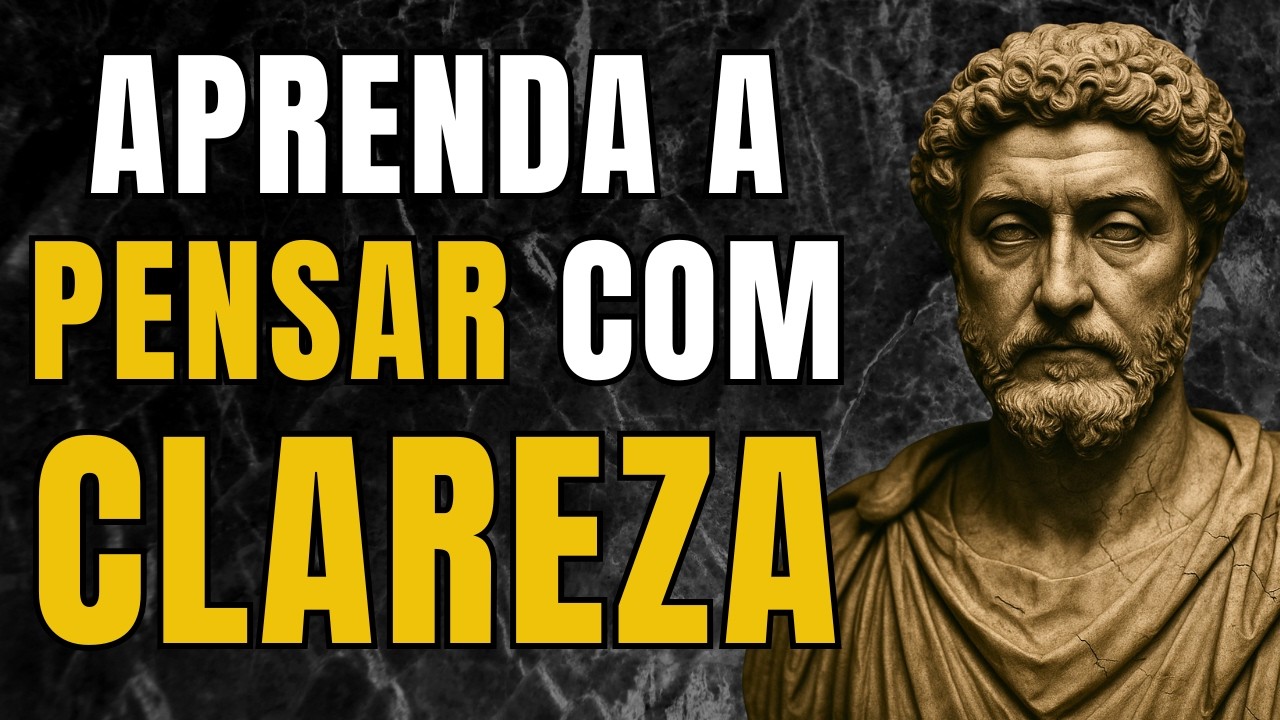


















The Stoics, particularly Marcus Aurelius, addressed the Hellenistic meaning crisis by teaching that existential anxiety stems from confusing events with the meaning we assign to them. Their core insight is that we must distinguish between the event itself and the co-identification process that creates meaning, recognizing that we have far more control over meaning-making than over events. Through practices like prosochē (mindful attention to how we pay attention) and prochiron (remembering in an existential sense), we can transform our identity from a historical narrative of duration to an ontological identity based on wisdom and fullness of being. This approach offers a therapeutic response to mortality anxiety by focusing on quality of existence rather than quantity of life.
Marcus Aurelius and Jesus: Stoicism, Meaning Crisis, and Agape
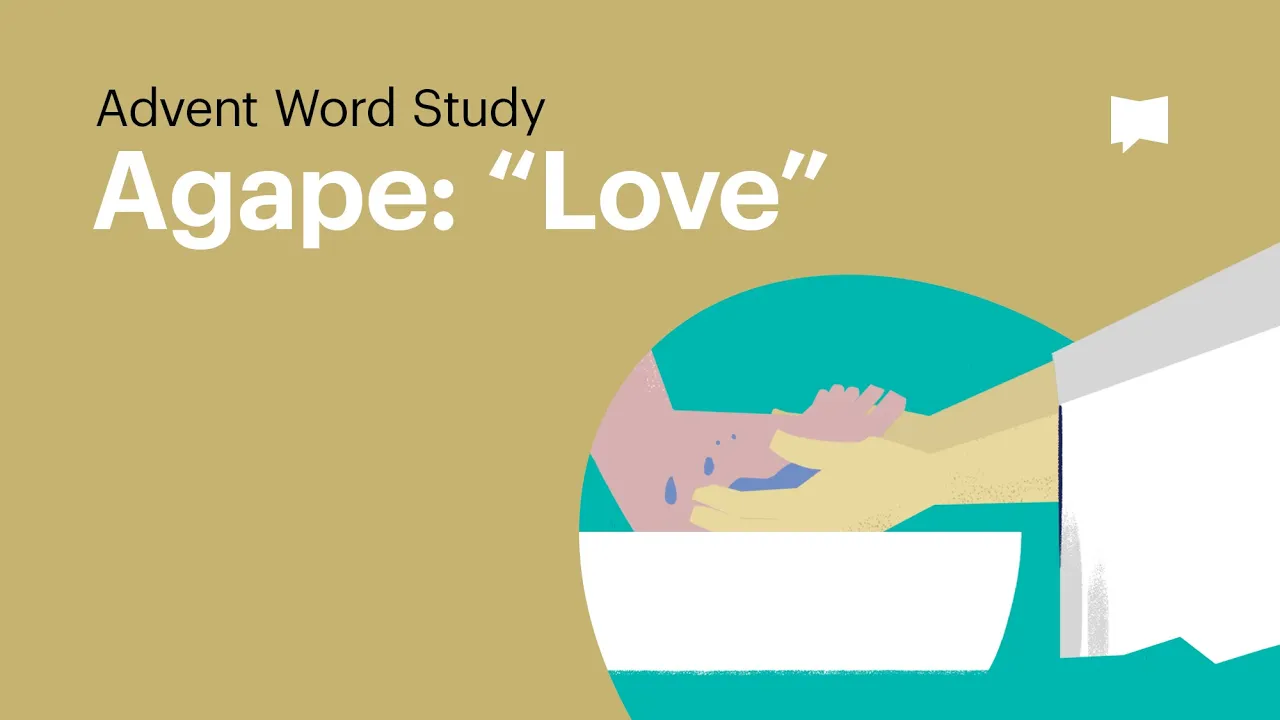
Added:[Music] you [Music] welcome back to awakening from the meaning crisis so last time we finished up our look at what was going on in Buddhism and then we moved back to the west and we started to take a look at what was coming after the actual revolution and we saw that Aristotle's disciple Alexander assured in a period of turmoil and cultural anxiety a period when many people were expecting or were experiencing dama side a very wide wide manner a deep and profound sense of loss of home not of having a house or dwelling but that connectedness that rootedness to one's culture one's place one's history one's language group one's religion one's community etc and we saw that what happens is a change in the cultivation of wisdom notice again the deep connection between the cultivation of wisdom and the attempt to deal with enhancement of meaning or the response to a meaning crisis what happens is a change in the notion of wisdom and that wisdom now takes on a therapeutic dimension in which the philosopher is the physician of the soul and has to learn to hear anxiety and then we learned how the Epicureans responded to this how they diagnosed the problem like a physician and prescribed a response they are they diagnosed the anxiety of the period of the Hellenistic homicide as being caused by an anxiety about one's own mortality and we took a look at that and we took a look at how they responded to that they advocated giving up I would argue the quixotic attempt to achieve immortality and instead trying to come to and acceptance a lived acceptance of one's mortality and they did that by getting you to realize by slowly getting to you to realize getting clear about your nebulous anxiety that it's not about non-existence it's not about experiencing total loss it's about experiencing partial loss and then there's a remedy to experiencing partial loss which is to write set yourself upon those things that are actually constitutive of meaning full happiness and then realizing deeply realizing and structuring your lives so that you will have those up until the moment of your death which is philosophically informed friendship meaningful relationships in which we are afforded the cultivation of wisdom and self transcendence now well I think mortality salience is definitely a part of the hellenistic crisis I don't think the Epicureans have a comprehensive understanding and to get a more comprehensive understanding and diagnosis we turn to the Stoics but in order to understand the Stoics we have to understand the group that they developed out of those were the cynics and the cynics were not as impressed by Socrates as argumentation as Plato was they were much more impressed by Socrates capacity for confrontation and provocatively inducing aporia and people and they started to practice this and in doing so they started to force people to realize the distinction between moral codes and purity codes and to thereby pay more careful attention to what they're actually setting their hearts upon so that their hearts would not be broken by being set on man-made impermanent cultural systems and values xeno cynic was deeply impressed by this but he was also impressed by plato's argumentation he wanted to integrate the two together and he also had the fundamental insight that although particular cultures and historical institutions are contingent being social is not we are inherently social in the depths of our humanity so leaving the polis was not actually an option according to Zeno instead what we have to do is realize that our issue isn't what we're setting our hearts upon but how we're setting our hearts pay more much more attention to the process than the product so you can see how the Stoics are even picking up on something that's implicit in the Epicureans the Epicureans aren't trying to change the world and eradicate death by bringing about immortality the Epicureans are trying to get you to refrain have an insight not just an intellectual insight but an existential insight that changes the meaning of your mortality and this was this that the core of the stoic insight pay attention to how that existential meaning is being made pay attention to how that process of Co identification the way we're assuming and I sent assigning identities is occurring because that's where yourself and your identity and your agency are being forged the problem is most of us let that process go by mindlessly automatically and reactively and so we Mar this process we make it susceptible to distortion and that distortion is going to be a distortion that affects the very machinery of our self of our being in the world so what did the Stoics advocate that we need to do well we need to bring this process of CO identification of assuming various roles of our agency assuming various identities and assigning various identities in the arena we need to bring this whole right co-determination co-creation of agency and arena into our awareness so they advocated pro saj and pro Chiron and you're going to see similarities here to what we saw in Buddhism but also some differences so pro sasch is to pay attention now obviously we're always paying attention so that's useful useless advice what they meant is pay attention to how you're paying attention pay attention to how you're judging pay attention to this process learn right learn to see there's a difference between the meaning and what I mean here the modal meaning the existential mode you're in I don't mean semantic meaning learn to distinguish between the meaning and the event let's stop here let's stop here this is the core I would argue of all of our current psycho therapies that are cognitive psychotherapy 'he's learning to distinguish between the event and the meaning you give the event because this is happening this is like when I talked before about your glasses they're normally transparent because we almost always unconsciously framing events the meaning and the event are fused together but here's the issue they're not identical events are events the meaning is the co identification process that is taking place in response to the event that could be a process of parasitic processing that's not intrinsic to the event at all in fact the meaning isn't part of the event at all and this is important because if you keep them fused you will be confused if the meaning and the event are fused the only way you can alter the meaning is by altering the event the problem with that is sometimes you can but here's the thing here's the thing that the Stoics are doing it is very much like what the buddha was doing with trying to make you realize how threatened you are you do not have as much control as you think you do a pictus is one of the great stoic philosophers starts his manual for living basically his instruction manual of how to try and live a stomach life was saying you know the core of wisdom the core of wisdom is knowing what's in your control and what's not in your control and stop pretending that things are in your control that aren't because most of the time we do not exercise as much control over events as we like to believe and we delude ourselves that we do precisely because if we lose control of the event we will of course lose control of the meaning because we have fused the meaning and the event together we are con fused existentially confused how can such a confusion occur to us we've already talked about this I mentioned Erich Fromm when we talked about the being and the having mode I mentioned at that time and we would come back to it that Fromm was directly influenced by the Stoics it's the Stoics who got us right to realize right to use fermion language the distinction between the having mode and the being mode the having mode is met by controlling things and there are some things we literally have to control water food air shelter but most of our more most pertinent needs are not meet needs that are met by exercising control they are needs that are met by enhancing meaning we have to become look the being mode is met by developing the agent arena relationship by becoming mature which isn't just something that happens inside of me look when I become mature it isn't just that I'm changed inside I also inhabit a different arena and we recognize that socially that's why we don't let little kids get married or drive cars or own guns they're not allowed to move in a certain arena maturity is a agent arena relationship it is a particular existential meaning but if you do not know how to separate the meaning from the events you're liable to be very seriously modally confused such that you pursue maturity by trying to have a car you pursue being in love by having sex and controlling and manipulating but it doesn't work because you really can't exercise as much control over the world as you need in order to stabilize the meaning do you see how this is like the cynics still write you're trying to control the world that largely is beyond your control you're setting your hearts on things and your hearts going to be broken but it's not just about man making anything anything can fall prey to this you have to practice bringing into your awareness in a way that is transformative and developmental the distinction between events and the meaning of events and realizing this you often act as if you have no control over the meaning because you're ignorant and of the processes and it's transparent to you and you focus on trying to control the event in which you often often have much less control than you realize this is what you should do pull the two apart the meaning and the event and recalibrate your sense of control and identity because you have actually way more control over this then you realize or practice and you have way less control over this then you realize or practice that's why the court of wisdom is knowing what's in our control versus what's not in our control so how do you practice that and how does your identity change as you do well the practice is Pro Chiron this means sort of ready to hand it means remembering but in the sense of sati like mindfulness it means remembering in a way that brings things brings skills and sensitivities and sensibilities to bear in an appropriate and effective manner it means remembering in a modally existential sense so you practice a bunch of psycho technologies to try and get them so internalized that you can not know that there's a distinct I know that I should go outside the nine dots but I need to know how to actually separate these things so what do you do well you engage in moment to moment practices you can see this a book where you can see somebody doing this and the book has to be read properly because many people miss read the book this is the meditations by Marcus Aurelius people read this book and they often think the point of the book is to believe the propositions he is proposing the book is not written to you it is not an attempt to create beliefs in you therefore using it as creating beliefs is mistaken the book is written to whom book is written to himself Marcus Aurelius is practicing what Pierre hodo called spiritual exercises he is practicing psycho technologies that are attempting to bring into awareness the Co identification process and Co transform the meaning of the world and the meaning of himself as distinct from attempting to control and manipulate the world by accruing power and fame and this was a spurt ich Euler a difficult problem for Marcus Aurelius precisely because he had power and fame he was the Emperor many people considered him I do as well the greatest of the Roman emperors he was and the Roman Empire of the Roman Empire when it was still in ascendance generally he's considered the last great emperor of that ascendant and the beginning of the decline is marked when his son assumes the throne the movie well in many ways a fine movie Gladiator does not represent Marcus Aurelius well at all Marcus Aurelius said something that is that really brings out both of these points the challenge he faced and not getting a meshed and power and fame because of the way power and fame fused the meaning with the event he famously said this it is possible to be happy even in a palace and now you can think of the Buddha leaving the palace Marcus Aurelius unlike to the Buddha unlike the cynics doesn't leave the palace he learns how to be happy even in a palace because he does not want to shirk his moral responsibilities so what are some of these practices you see him engaging in one is a practice that hadou calls objective seeing we're not quite happy with that terms because of the some of the associations with the word objective but let us let us let us go on Aurelius says conceive of sex as the friction of two patches of skin and the production of a sticky fluid and you go ooh that's kind of like Diogenes in the marketplace it's ooh well what's he doing there what's he doing well and why is he doing it he's married he's has children so he's not approved right in fact he loved his wife quite quite deeply what's he doing he's trying to get you to reel the event of sex as distinct from all of the meaning we pour into it the event is friction between some patches of skin and the production of a sticky fluid but we pour all of this into it and there's all of this meaning and he's not saying that meanings wrong that's not the point anymore then the being mode is good and the having mode is bad he's not saying that he's getting you too he's getting himself to realize to enact wait there's a difference between the event and all of this meaning that I'm identifying with all of this rule all this rules on assuming all of the rules on the signing right the cilix would reccommend get a cup that you really attached to the cup you really like start using it on a daily basis so that you really like it until it becomes very familiar and then smash it because then you'll remember the distinction between the meaning and the thing and if you can practice it with something that ultimately isn't that much of an event with little things then you can learn to do it with larger things this leads to a practice that many people find distasteful for the Stoics it's called premeditative when you're kissing your child goodnight say to yourself I may lose them to death tonight because you have to learn to distinguish the meaning from the physics you have tremendous control over the meaning that you and your son are making together you have very little control over the physics of his mortality yes you can do things to protect him and you should but you can't move the universe look we have got to remember this better sati we have entire genres that distort and refuse to gather the meaning and the event they are pervasive in our culture and I think they're much more pernicious than we realize the ubiquitous evil lives is always the most dangerous right these are romantic comedies because romantic comedies teach us that the narrative meaning we are assigning two things is aligned with consonant with in concert with the way the world is unfolding so events will conspire to bring two people together there will be difficulties but the world will help them to realize until they finally end up together now of course we have tragedies to try and compensate that but the romantic comedy teaches us the wrong that the wrong that's not how it works I I'm in love with an amazing woman I admire her a zipper four times I admire as a person I'm just so deeply grateful to be in this relationship and it's growing and growing right right and you know this is fantastic and I step out into the street and I don't notice the truck coming and it kills me it doesn't care about my happiness it doesn't care about my narrative it doesn't care about all of that meaning that I'm making with her it's real that we're making this meaning it's part of our being mode but it's not the same as the events that I'm experiencing see this leads to the Stoics diagnosis it's not mortality that makes us anxious it's fatality now here's another instance and this I would recommend visors book beyond fate where we've we've lost the meaning of a word because we associate that with mortality something that's fatal is something that has caused death but that's not the root of the death is not the root of this word the root of this word is fate now there's two meanings to this one is some sort of magical things are predestined by some supernatural force I'm not talking about that meaning of fate I'm talking about the way things are just go our fated to happen they're just rolling from their own causal necessity and here's the point when we fuse these together we become subject to the fatality of all things everything is fatal in that the meaning and the thing are not identical and if we forget that we will suffer when they come apart now I can explain to you the Association why is this associated with death because death is where those come apart death is where the events of the universe and all of your meaning and all of your narrative and all of your identity radically become unglued death is fatal it reveals to you in the ultimate loss of agency that meaning and event are not identical what's another practice that the Stoics engage in practice they engaged in is called the view from the BA the view from above you can see marcus aurelius doing it in the meditations he says imagine that instead of and think about the Soliman effect that we talked about moving from the first-person perspective to a third-person perspective and there's all kinds of evidence about altering your level of construal having these very powerful effects on your cognition in your sense of self and so you're viewing you're viewing some situation and you're a meshed in it now view it higher up in space and time and then higher up still it's so not just here but oh but what's situate this event situate this event within all of Toronto oh no situate it with an all of Canada within the whole world within not just the whole world now but the whole world through all of time what happens when you do that don't just say it try it sometime visualize it imagine yourself doing it what happens is the agent arena is being altered and all of this machinery is coming into your awareness and your sense of self and your sense of what matters and what's important what things mean is being radically transformed you'll become more liable to pursuing more long term goals you'll become more flexible you become more capable of rational reflection self transformation this is all evidenced from control level theory see a bunch of practices that are designed to get you to bring into awareness this process of meaning making and to give you the discernment to pull apart the meaning from the event most therapy is about getting people to see this perspectival change prospective of knowing and then to identify with it change their sense of self their sense of control so that they move off trying to so much change the events that they can't control as much as they does deeply desperately want to to cognitively reframing the meaning and and again this isn't just semantic meaning this is the identity your participatory meaning your existential mode and this takes tremendous practice the last thing you'll see marcus aurelius doing and even more a pictus is the practice of actually internalizing Socrates like intestine ease talked about at the very beginning of this whole tradition it means trying to do with yourself what Socrates had done with you you can see this again in modern cognitive behavioral practices you get people to you you get people to stop and be Socratic with themselves so the person is depressed remember I said when intestine is was talking about conversing with himself he wasn't talking about the way you ruminate because when we ruminate we're running things for a head like everything I do is a failure the therapist doesn't try and console the person and says like well no go out and get more successful he doesn't give the American commercial response well go out and succeed more conquer the world good luck with that okay he says well she says everything you do everything was you stating to me that that's a failure itself a failure well no not everything did you get here successfully today well yes I did what about clothing yourself yes so what do you mean by everything I don't mean everything what do you mean okay and you realize a lot of this is because I'm letting this go by without having my own internal Socrates that stops me and says oh wow you're making such powerful claims you must know and understand but you see you're bullshitting yourself because this is very salient to you but it's way beyond your understanding because what it's not representing what you actually mean this may be what you believe that it can't be what you mean everybody everybody hates me everybody so everybody is out to get you well no not most people which people well this person they hate you how do you know they hate you well they said that is that enough for hate you can see Socrates here is that what you mean by hate tell me what you mean by it you've got all these things salient in your mind and you're running them round and round and round but you don't really understand the meaning and you're bullshitting yourself your motivation and your arousal is way ahead of your understanding and most importantly because of that the meaning and the event are confused together and again this is not just in your beliefs this is in your very identity by doing all of this you're going to transform your capacity for interacting with the world you're going to not fall prey to the absurdity and we're going to come back to absurdity again right that's inflicted on you by the fatality of all things because if you can discern and this is one of the key things of wisdom is discerning not just in thought but in perspective and in identity the difference between the meaning and the events and properly identify by meaning properly sensing and calibrating your sense of control then you will alter your sense of identity how and how could this possibly give an answer to the mortality of things that the Epicureans gave a direct answer to well let's play with that a little bit a kind of a bit a bit of a view from above let's say I gave you a mortality you got it what would you do with it well I do all the things I'd like to do okay great what would you do well you know I'd have lots of sex and eat lots of chocolate okay how long well probably not very long get bored then when we do I'd pursue more meaningful things well what like I've always I've always wanted to learn archery I'd take up our tree and I don't give ok and I get really good at archery great then what well really good at basketball yeah and then one really good hmm there's a really good story by well it's a chapter in a book the history of the world and I now have chapters by Julian Barnes where people go to heaven and what they're doing in heaven is they're very given what they think is immortality and they practice is one guy he practices golf until he's getting a score of 18 right and then he's sort of like okay what do I do now what are we doing and then he comes to sort of st. Peter and he says okay like what's going on like and he says what's wrong your aren't you doing everything you want I am but like I get great at it I get great at everything and then he ends 10 Peter says what was yeah so what he says well I I'm kind of done and then st. Peter says ah now you get the point of Heather the point heaven isn't to live out immortality it is to make you accept death no that's not classic Christian doctrine by any means it's a great story and it amazes the stoic idea as long as you are formulating your identity horizontally in terms of a narrative of achieving an unending duration to your life you're gonna fail but even if I gave it to you and this is what people need to stop and think about it would fail what you want is that moment that that guy in heaven has right you want not a length of life but a fullness a depth you want to have lived life as fully as possible this is why Marcus Aurelius says you know everybody dies but not everybody has lived people quote that and they think it's about sort of gusto or something like this right that's not what it's meant this is the access of fame and fortune the having mode there's nothing wrong with it but this is the axis of self transcendence the being mode what do you identify with is your identity here or do you identify here and if you identify here and you practice Pro Chiron and Pro sasch you can get this fullness of being remember if that's what Plato promised you could come to a complete fullness and even if it lasts a moment that's enough because it's not based on duration it's based on quality if I have if I can achieve that in this moment right here right now then I'm done I'm done so the Stoics have an answer an answer that in a somewhat watered-down form is still very powerfully effective at least in our therapeutic endeavors which are becoming more and more central to many people's lives because of the meaning crisis but a less watered down version is also existentially pertinent and relevant we can come to realize that I can exercise much more control over the meaning making such that I get the one thing that is always good to have which is wisdom that can afford me an identity in the depth an ontological identity rather than a merely historical identity and that would be a fulfilled life and that is actually what I want I'll speak personally now for a moment I mean a physiological level of course I avoid death I like I don't step into traffic and I mean I'm enjoying my life so I don't mean this in any morbid or depressive way but I do not want to live forever right I do not want to I do not think that John Verve a key should exist for all time I think that would be an ontological mistake of astronomical proportions in some ways I'm tired of life I'm tired of the ways in which I've been foolish the ways of which they're in ways I have been immoral that myself and other people down and I have a strong sense of the inevitability of that and extending that through all of eternity strikes me as a horrible evil to inflict on reality and something that when I myself do not want to bear but have I seen glimpses of this yes I have and we know from when people have awakening experiences that give them this that they lose their fear of their mortality they lose that existential anxiety and if that's coupled to a fullness of being that would be a way of responding to not only our mental health issues but our existential distress about our own individual mortality so you can see with both the Epicureans and the Stoics that we have things analogous different but analogous to the kinds of things we saw at work within Buddhism and we can see that the West is building up this very powerful tradition in its own right and one of the great things about Pierhead owes work and I recommend it very strongly to you like what is ancient philosophy or philosophy as a way of life is to remind us that we do not have to look to Asian history Asia not ancient we do not have to look to the East for the psycho technologies of self transcendence and self transformation we there's no reason not to we should but we should not do that because we believe there is nothing within the Western heritage that offers us a profound response to the quest for meaning wisdom self transcendence and a response to existential anxiety we have those things now one of the things that has been happening and I think it is a good thing although is it is indicative of the increase of the meaning crisis in the West is there has been a rediscovery of stoicism platonism etc part of what we need to do and that's what I've been trying to do with you is integrate that with our current cognitive science so that once again we can learn how to and I mean this in a deeply spiritually deep way salvaged from our own tradition the psycho technologies and practices of wisdom and meaning making that we are going to need but in a way that we can live within a scientific worldview so the Hellenistic period comes to an end with the advent of a return to a world empire which in very many ways right is going to be informed by the axial revolution but in very many ways also represents a return to a pre axial world namely a world in which eventually a man can be considered a God because He willed so much power the Roman emperors and power and prosperity are the primary ways in which wisdom is understood but within that Empire all of these philosophies will find home and eventually as we noted with Marcus Aurelius even the Emperor himself will be a proponent and an exemplar of the legacy of the Aqsa revolution but something else is also happening with the advent of this Empire in the Mediterranean and we return back now as I promised we would - one of the areas in which the axial revolution had taken place and this of course is ancient Israel because what's happening is of course Israel is now been conquered by a sequence of empires and the most recent of course is the Roman Empire and I want to now speak of a religion that emerges at this time it's not an axial religion but it is deeply informed by the axial legacy particularly the ancient Israel legacy where the two worlds were understood if you remember in terms of moving from the land of slavery to the promised land where the the the real world is the future and God is this open creator and we are trying to sense the off have faith in participatory knowing of involvement in the course of history and sometimes we're distorted in that and we trespass we fall off course and we have to agree get we have to be redeemed if you've you brought back on course by prophets who speak God's attempt to get us back on track with making the future this whole idea of co-creating with God the open future such that we can bring about a promised land for human beings now there is a person a Jewish person who is born into that tradition and is responsible in ways that are very hard to determine historically for a radical transformation right and of course this is Jesus of Nazareth and probably the most pretentious thing I'm going to do is try to speak about Jesus of Nazareth I mean literally many millions of people believe he was God not metaphorically not symbolically but literally metaphysically I am respectful of this fact don't agree with it at least in very standard interpretations my endeavor is to not try and give some final complete version of this that would be hubris and arrogance on my part my endeavor is to try and explain what Jesus via Christianity did to that Israelite axial legacy because that is what is relevant to what we are discussing here and now the battles the interminable and I think ultimately undecidable battles even though many people claim to have reached the final conclusion about hue Jesus was and what Jesus did are not something I'm going to try and resolve here we're even going to see when we take a look at the Gnostics that there is right from the beginning multiple competing interpretations and how that has had deep historical influence so if you remember we used a Greek term from Paul Tillich because the New Testament the part of the Bible that talks about Jesus and the advent of Christianity was actually written in Greek so Tillich the same Paul Tillich who wrote the courage to be talked about Kairos about that perspectival participatory knowing knowing the fullness of time knowing exactly the right time so some right that are going to that the right timing to shift the course of events what Pascal when we come to Pascal will talk about is the spirit of finesse the right you know there's you're not yet in a romantic relationship with Susan and you kiss her and if it is it the right time if you get the timing right if the Kairos is right then the course of your relationship is altered transform and your identity and her identity changed now the Israelite conception was that was this for it was for the whole nation and God would intervene karateka Lee at moments in history Christianity is going to propose this radical idea that God's creative logos the word he speaks through the prophets that it's the same word by which he speaks things into existence the the word that helps to create history the word that causes Kairos makes Kairos possible for us so logos doesn't mean just spoken words it means like the intelligibility the formative principle the underlying structure Christianity it's in the Gospel of John on rkn logos in the beginning was the logos passage actually probably lifted from stoicism but what is John appropriating it to say he's saying that God's capacity for producing Kairos through logos has been identified or to use an older term incarnated in a particular individual that Jesus of Nazareth is actually the ultimate Kairos that all the other Kairos is were pointing to him and are summed up in him that he represents the ultimate turning point and he represents it not only historically he represents it personally because he is a person you can identify with him and that Kairos can come to take place in you personally just like Socrates personalizes the axial revolution and brings it into a direct personal confrontation the encounter with Jesus means that you too can experience a profoundly personal Kairos which Jesus seems to have spoken about using a metaphor of being born again about such a radical Metanoia a radical shifting this is often translated as conversion until you read about that right but this word is much closer to awakening Noah means noticing this is your perspectival awareness and meta means a beyond this means a radical transformation in your salience landscape a radical transformation of right what it's like to be you it's this deeply perspectival and participatory transformation and Jesus is saying he incarnate the principle by which you can intervene in your own personal history or by which maybe you want to say intervention can occur in your own personal history such that this metanoia you will have a new mind a new heart a new modal existence you will be born again what what's going on there what was what does this Kairos look like what could possibly so radically transform my salience landscape my sense of self my processes of Ko identification what could bring that about and now I'm going to say the word and then you're going to laugh because it sounds like a Hallmark card the Christian answer is love and now we all titter ha ha that's so that's so quaint oh love sounds like oh ok the problem with that as you've seen many times is that this word is trivialized for we use one word to talk about so many different things like I love peanut butter cookies I love Canada I love Sarah I love my son I love a really good right game of tennis are those the same we're even confused about this we think that love is an emotion no it's not love is a modal way of being love isn't a feeling and it is not an emotion how do I know this because loving someone can be expressed by being sad when they're opposite being happy when they're present being jealous when there's somebody else around being angry when they're neglecting you love isn't a feeling it isn't an emotion it is a modal way of being it is an agent arena relationship and what Jesus seemed to be incarnated as a Kairos to change the history of the world and to offer you to change your own personal history is a different kind of love this is agape we have to distinguish between three kinds of love eros by Leah and agape see eros is the love that seeks to be one with something and that can be spiritual like being one with nature or it can be being one with a cookie by eating it of course we come to think of eros erotic Lee right being one with somebody by having sex with them remember Socrates knew Tata which wasn't just sex Socrates knew what to care about this is Phi Lea so this is the love that is satisfied through consummation by Lea this is the love that seeks cooperation this is the love in which we experience reciprocity we love the cookie because we can consume it we love our friends because we are in reciprocity with them what kind of love is this and this is what Jesus claimed was how God loved individuals this is the love that a parent has for a child this is not the love of consummation you're not trying to consume the child that's evil and it's not friendship you're not like when you bring a child home from the hospital I've done this twice right it's not your friend it's not even a person you can't it's like it's basically a slug but here's the astonishing thing you you love it not because of any way you can consume it or be one with it ooh ooh you don't love it because hey what you know great friendship you love it and we write you love it because by loving it you turn a non person into a person it's the closest thing to a miracle and that sounds hackneyed I know but stop that and think about this you would depend on agape it's because people loved you before you a person that you have become the person you are love turns non person animals into moral agent persons it's like like I guess I could somehow if I could just care about right my sofa enough it would turn into a Ferrari or something it's that powerful and here's what Jesus was offering that love is can be made it can be accepted and made available for all here's what is on offer here's why Christianity will take the an empire culturally with agape Christianity can say to all of the non persons of the Roman Empire all the women all the children all the non male citizens all the sick all the poor all the widowed can take all of those non persons and say we will turn you into persons persons that belong to the kingdom of God we'll take another look at this in more detail next time thank you very much for your time and attention [Music] you [Music]
Up Next
Stoicism: A Practical Philosophy for a Better Life | Massimo Pigliucci
@bigthink
85.3K views•2026-01-09

John of Damascus on Holy Images: A Theological Defense
@BannedBooks
139 views•2026-04-25

Should We Destroy the Machines? Big Tech Surveillance Critique
@TheStoriesWeTell303
167.9K views•2025-11-30
The Myth of Sisyphus: A Greek Legend of Eternal Punishment
@TEDEd
8.6M views•2018-11-13
Related Study Plans & Knowledge Roadmaps
Structured learning paths in Philosophy